Simple Maintenance Advice for Your Dishwasher

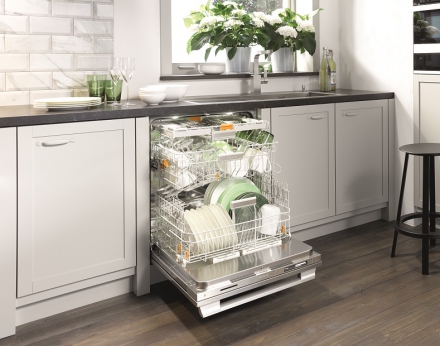
Many of us forget that a dishwasher needs to be cleaned. When it is continually filled with dirty dishes, it is understandable that a dishwasher may start to get very dirty, but there is some simple maintenance advice to keep your dishwasher operating efficiently and effectively.

Deodorize

One of the most common dishwasher issues is a lingering, unpleasant odor. If your dishwasher has started to smell, or you want to ensure it stays fresh, you can easily deodorize it as part of your regular cleaning routine.

When the dishwasher is empty, use detergent to wipe down the surfaces to remove any residue. Next, remove the filter from the dishwasher floor and clear it of any food debris. You can use a small brush to scrub any stubborn particles before you rinse with clean water. Replace this in the dishwasher floor.

Now your dishwasher is clean; you can deodorize. The easiest way to do this is to put a cup of white vinegar in a dishwasher safe bowl or cup and run an empty cycle. You won’t need any detergent during this cycle as the vinegar will need to circulate. If there are stubborn smells, you may need to put a little baking soda on the floor of the dishwasher and allow it to sit for twelve hours. After this time, you can run an empty cycle with your usual detergent.

Deal With Rust

Rusting can result from items, such as skillets or silverware being put through the dishwasher or metal parts of the dishwasher starting to age. To deal with rust issues, you should hand wash any rusted items or use rust remover before rinsing and putting in the dishwasher.

Be sure to pull each rack out fully to check for signs of rusted areas. These parts will need a sealing solvent, such as liquid rubber or certain types of nail polish, allowing them to thoroughly dry.

If your dishwasher is showing stains from utensils, you’ll need a citric acid compound that is specially formulated for dishwashers. You’ll need to follow the instructions, but it usually involves putting the compound in the detergent dispenser and running two cycles.

Draining Issues

If you find your dishwasher isn’t draining all the way, it is usually due to a blockage. You’ll need to ensure the power to the appliance is switched off and undo the screws to access the basket in the floor of the dishwasher. Use a thin piece of wire, such as a coat hanger to clear any food particles that are causing an obstruction.

Check the Hoses

The hoses connected to your dishwasher provide clean water for the wash cycle and carry dirty water out of your kitchen. Unfortunately, these hoses can be vulnerable to damage as they age, which can lead to leaks. So, it is a good idea to periodically check the hoses for any sign of damage. Check under your sink for drips or corrosion, particularly at the joints. Hoses typically last five years, so if your hoses are approaching this age, you should think about replacing them. This is a relatively easy task, and you can buy replacement hoses online or at your local hardware store.

Many of us consider a dishwasher to be an essential appliance, so it is important to ensure your dishwasher is well cared for. With some basic maintenance and TLC, you can ensure that your dishwasher works efficiently and effectively for years to come.

If your dishwasher is struggling and you’re considering a replacement, you can explore your options with this online dishwasher collection, or for further guidance and help, speak to a home appliance expert.


Is it Time to Replace Your Home Appliances?

Appliances are designed to be tough and rugged, but this doesn’t mean that your hard working appliances don’t have an expiration date. You will need to replace your current dishwasher, refrigerator, range, washer, or dryer at some point, but how do you know when it is time? If your appliances are pushing the 10 to 15 year mark, it’s likely that it is approaching retirement, but here we’ll explore in more detail when it is time to replace your home appliances.

Refrigerators

Most refrigerators last an average of 12 years. If your refrigerator is approaching this age, it doesn’t mean that you should immediately get rid of it. You should check to see if your refrigerator is still operating effectively and efficiently. Refrigerators should cool your items to 35 to 38ºf to avoid your food going bad. At these temperatures, it is cool enough to prevent bacterial growth without being cold enough to freeze.

Even if your refrigerator is maintaining this optimum temperature, you need to consider how much energy is being used. Older appliances can use more power, causing energy bills to skyrocket. Refrigerators run 24/7, so if you notice that your energy bills keep creeping up, you may need to look at upgrading your appliance.

Dishwashers

Many of us don’t realize how much we rely on our dishwashers until they stop working. Family life can be hectic enough without needing to tackle a mountain of dishes at the end of the day. Fortunately, most dishwashers have a lifespan of up to 10 years. You can prolong the lifespan of your dishwasher by regularly cleaning the filter. This can be accomplished by removing it and soaking it in hot, soapy water for 10 to 15 minutes before replacing it. It is also a good idea to periodically sanitize your dishwasher to keep bacteria and bad smells at bay. But, if your dishwasher isn’t draining, starts making weird noises, has developed a persistent bad smell or doesn’t clean your dishes as it should, it is time to think about replacing it.

Ranges

Ranges are at the heart of our kitchens, allowing us to cook family meals and bake treats. Fortunately, most ranges can have a lifespan of up to 20 years, particularly when they are well cared for. If your range isn’t heating up properly or consistently, it is time to consider an upgrade. Fortunately, newer models offer some impressive features that can not only improve your cooking skills, but also make maintenance easier.

Washers and Dryers 

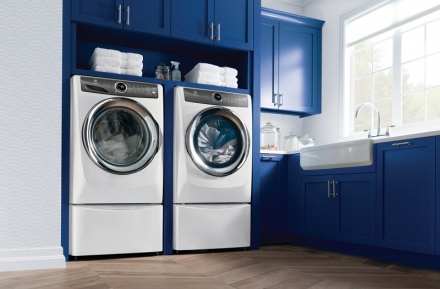
Washers and dryers tend to have a lifespan of 8 to 12 years before they need to be replaced. Fortunately, you can extend the lifespan of your washer and dryer with some basic maintenance. Even something as minor as cleaning the lint traps after every cycle can help to prolong the lifespan and efficiency of your appliance. Unfortunately, you’re likely to need an upgrade if your washer doesn’t fill up or drain properly, or your dryer fails to dry your clothes. Watch your washer and dryer during use, and if they are shaking erratically, it is a sign that they are approaching the end of their life.

Upgrade Efficiency

While no one enjoys needing to spend money on new appliances, there is a positive aspect of upgrading. New appliances offer far greater efficiency and often boast some impressive features to make your life a little easier. Although you may not have noticed the increasing energy use, you may be pleasantly surprised at the cost of your energy bills when you start using your new appliances.

If you are considering upgrading your home appliances, you can explore the options with this online collection, or speak to a home appliance specialist for professional advice and guidance.

Should You Choose a Downdraft or Vent Hood?

When you start considering which appliances are best for your kitchen, it is very easy to feel a little lost. This is particularly true when you need to figure out the ventilation in your kitchen. While you’re likely to know that a vent will be a great addition to your kitchen, it can get confusing when you discover there is more than one type of vent system. Both downdraft and vent hoods are made to remove smoke, fumes, heat, and steam in your kitchen to keep the air generally quite fresh, but knowing which one is best for your kitchen can be a challenge. So, here we’ll explore both types of vent to help you gain the details needed to make an informed purchase decision.

The Benefits of a Vent Hood

Many types of hood are actually in the category of the vent hood. You may be looking at a kitchen hood, range hood or even an electric kitchen chimney, but they are very similar in design. These types of hood are often paired with a range, but you can see them over a cooktop.

Vent hoods tend to be considerably larger compared to a downdraft hood. This means that they have the power needed to cover a larger area and significantly reduce smoke and steam in your kitchen. Additionally, vent hoods also provide improved kitchen lighting. Most models feature at least one light, so you can easily spotlight where and what you’re cooking. Although they are a larger appliance, they tend to hide in plain sight, so rather than looking bulky, a vent hood can add a touch of luxury to your kitchen.

The Downdraft Hood Basics

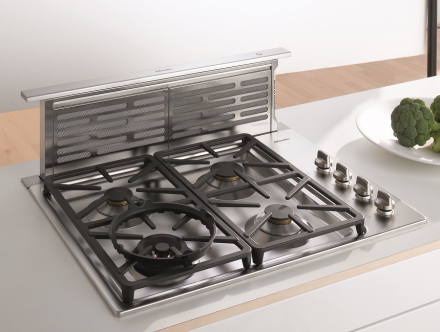
If you want to install something a little more subtle than a typical vent hood, you should consider a downdraft hood. There are some models of downdraft hood that can be hidden into your kitchen cabinet layout. Some models have a telescopic feature, so they can rise from your cooktop with the touch of a button. This is a high tech option that can work very well at sucking fumes down and out of your kitchen from a duct, but it can also provide a showstopping feature to your kitchen design.

Making Your Purchase Decision

So, how do you make the decision to choose between a downdraft and vent hood? There are a few things to consider before you make your final purchase decision.

  • Do You Need More Storage Space? If you have minimal space or simply need more storage space, then you may prefer a downdraft hood. This will allow you to install cabinets above your cooking area, which would not be possible with a vent hood.
  • Do You Find Cleaning a Chore? If you struggle to manage the cleaning of your kitchen, you may prefer a downdraft vent. These tend to be easier to clean than a large vent hood. When you have a vent hood above your range, you’re likely to find that it may look great, but it extends nearly to the ceiling, and you will need to reach to keep it clean. It is amazing how much dust and other debris can accumulate on kitchen surfaces, so you’ll need to keep a vent hood clean to ensure it continues to look its best.
  • Do You Cook Big Meals? If you tend to cook with big pots and pans, you’re likely to prefer a vent hood. This will have a greater capacity to remove the smoke and steam from your cooking space, compared to a downdraft hood that will be unable to reach the height of your larger pots.

If you’re considering a new hood, you can explore your options with this online vent hood and downdraft hood collection, or for further help, speak to a home appliance expert.

Understanding Your Washing Machine’s Lint Trap

While most of us are aware of the lint trap inside a dryer, you may not be aware that your washing machine may also feature a lint trap. Just like a lint trap in your dryer, the one in your washing machine is designed to collect the lint from your laundry that has the potential to clog up your drain or septic line over time. Neglecting your lint trap has the potential to lead to plumbing problems, costly repairs or even water contamination. So, here we’ll explore all you need to know about your washing machine’s lint trap.

The Importance of a Washing Machine Lint Trap 

The lint trap in your washing machine is designed to prevent the pipes and septic system in your home from becoming clogged with washing machine debris. Much of the lint from your clothing, bedding, linens, and towels consists of non degradable particles that can accumulate and stick inside pipes, leading to wastewater backing up inside your home.

The trap is designed to filter biodegradable material, but this is not its primary purpose. It will also filter any material that won’t break down inside your septic system. For example, your washing machine filter can remove fibers created when polyester or nylon items are washed that are almost impossible to break down. It can also catch pet fur and hair that can ball up and create problems.

How to Find Your Lint Trap

Unfortunately, finding your washing machine lint trap can be a little tricky. Depending on the make and model of your appliance, it can be in a different location with different instructions to remove it for cleaning. The best way to find your lint trap is to check your owner’s manual for your specific appliance. It should be shown along with instructions for cleaning. If you can’t locate your owner’s manual, there are some locations that are common for several manufacturers. This includes:

  • Along the rim of the washing machine drum
  • The center of the washing machine agitator
  • The end of the washing machine drainage hose

Cleaning the Trap

It is recommended that the lint trap in your washing machine is cleaned at least every three months to ensure that your appliance continues to work at its best.

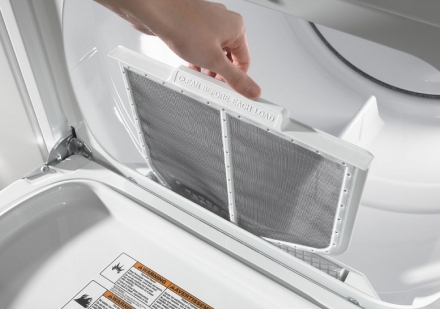
Once you have located your lint trap, you’ll need to pull it out of its housing. You should notice a layer of wet lint, hair and other debris on the film. You should be able to wipe this debris off using paper towels, but sticky residue can be removed using a small brush, such as a toothbrush. Be sure to keep all of this material out of the drain and put it in the garbage. Don’t be tempted to flush it down the toilet as it can cause a clog.

If your lint trap is particularly dirty, allow it to sit in hot water for ten to fifteen minutes. This should enable any detritus to loosen and be wiped off before you replace it in the machine.

What if Your Machine Doesn’t Have a Trap?

Some washing machine models don’t have a trap. Instead, they rely on a pump to pull any excess lint out of the machine. This is more common on front loading or high efficiency machines. To avoid clogs and potential problems, run a maintenance load each month, where you select a higher temperature program and run the machine empty to prevent any lint from accumulating.

If your washing machine is struggling to cope with your laundry requirements and you’re considering an upgrade, you can explore the options with this online laundry appliance collection, or speak to a home appliance specialist for further guidance.

A Brief Guide for Cleaning Black Stainless Steel Appliances

Black stainless steel has had instant appeal with appliance buyers since it was first introduced. The unique aesthetic is loved by consumers, and it also provides greater fingerprint and smudge resistance compared to most of the luxury alternatives. While it has not yet unseated the ever popular stainless steel finish, it is set to be a massive trend. So, here we’ll explore how you should clean a black stainless steel appliance so that you can have confidence in your purchase decision.

The Black Stainless Steel Basics

Black stainless steel is quite similar to traditional stainless steel finishes, but due to the different manufacturing process, it does require different techniques and methods of care.
At the core of black stainless steel is the same composite of chromium, iron, nickel, and silicon that you would find in conventional stainless steel. What sets this bold finish apart is the protective polymer coating to mute the finish. This results in a more anti corrosive surface and an elegant look that contrasts the sterile look of conventional stainless.

Things to Avoid

While black stainless steel can add sophistication and elegance to your kitchen, this can be quickly compromised by poor cleaning habits. So, we’ll start with some of the things you should avoid when you start cleaning your new black stainless steel appliance. Due to the top coat we mentioned above, it is vital that you don’t do anything that will scratch the finish, or you could risk exposing the burnished steel under the bold black layer. This means that it is imperative not to rub the black surface with any abrasive material including scouring pads or steel wool. Even newspapers and stiff cloths have the potential to mark the surface. You’ll also need to avoid using many of the standard cleaning products you may use in your kitchen including baking soda, ammonia, powdered soap, abrasive liquid soaps or acidic compounds such as lemon, vinegar or oven cleaner. While it sounds strange, even stainless steel polish should be avoided, as it has the potential to damage the black coating.

Cleaning Methods

So, now we’ve explored what you shouldn’t do with black stainless steel, we’ll discuss the best cleaning methods to keep your new appliance looking superb. The best cleaning method is also the simplest; you just need to use a table napkin or soft cloth towel with warm, soapy water to clean your black stainless steel. You’ll still need to use this gently and only rub the surface lightly with the grain of the finish. You should notice that any stains will be eliminated within a couple of seconds. You can then use a dry microfiber cloth to dry the surface using a light dabbing motion.
For everyday cleaning, you can remove any fresh drips or spills by using a soft, damp cloth to gently wipe the surface and pat dry. If you do spill something, just remember not to automatically reach for paper towels, as these can actually be quite scratchy and may damage the black coating.

Minor Repairs

The production technology for black stainless steel has advanced a great deal in recent years. Some manufacturers are now offering scratch resistant black stainless steel appliances, which are more durable. Unfortunately, some older black stainless steel models are still vulnerable to damage. So, if you were a trend setter and adopted black stainless steel early, it may be worth knowing how to perform some minor repairs. If your appliance has suffered a minor scratch, you could cover the damage with a black permanent marker, softly buff the ink before it dries using a microfiber cloth to allow the color to be blended. This should disguise the mark unless someone gets really up close and scrutinizes your appliance.

If you’re considering upgrading to black stainless steel appliances, you can explore the options with this online collection or speak to a home appliance specialist for further help.

How to Choose Your Perfect Oven Range

The oven is a central element of any kitchen. Whether you are a keen chef or an enthusiastic amateur, the oven is one point of the working triangle in any kitchen design. Today, ovens are available in a wide variety of designs, styles, and configurations, so it can be a little overwhelming to find the perfect model for your kitchen. Fortunately, we can walk you through some simple steps to help you to choose the perfect oven range for your new kitchen.

Consider Your Energy Source

One of the easiest ways to narrow down your shortlist of potential oven ranges is to look at your current energy source. Many people base their choice of oven range on the current source of energy in their kitchen, but it is possible to find gas powered ranges with electric ovens today, so there is some flexibility. So, while you may not have a great deal of choice about your energy source, there are many choices within each category to find your perfect range.

Choose Your Preferred Style

Next, you need to look at what style of oven range you would prefer in your kitchen. Ranges are available in free standing, slide in, drop in configurations, or you could opt for a wall oven with separate cooktop. Your preferred style may be influenced by kitchen decor, your available space or even the way you prefer to work. Freestanding ranges are the most popular option as they tend to cost the least, but many models offer some fantastic amenities. Slide in models overlap the counter on either side to create a build in look that can look fantastic in contemporary kitchens. Wall ovens typically offer less space inside compared to a conventional range, which can be problematic if you enjoy creating large roast dinners for the whole family. Some options are available with double ovens, with models offering the same size ovens or differing sizes for different applications. So, you’ll need to think about how your oven will be used on a day to day basis to determine your preferred style. It is also worth thinking about where the controls will be located for each option. For example, if you have a shorter stature, the controls on the back of a freestanding range may be challenging to reach without risking burning yourself.

The Burner Style

There are a number of burner styles available that have different characteristics. Coil burners, induction, and flat gas top cooking surfaces all require a slightly different cooking style, so you may prefer to stick to the burner style you’re used to using. It is worth considering cleaning and maintenance issues, precision, and energy efficiency. Some range models also have a warming burner or dual settings to allow you to manage your meal prep easier.

Other Considerations

Finally, there are some other features that are worth considering. Depending on your budget and the range style, it may be possible to look for specific models offering some of these options:

  • Self cleaning oven
  • Bigger viewing window
  • Temperature probes
  • Convection oven
  • Easy clean finish
  • Brighter Light
  • Electronic Controls
  • Full extension racks
  • Special settings

Again, it is worth thinking about how you will use your range. For example, if you enjoy baking and preparing more specialized items, a steam setting could be very beneficial. This can introduce moisture during baking to improve the results of breads, pastries, and doughs. It can also help improve the results of cooking other dishes to reduce drying out of delicate foods.

If you’re considering upgrading your range or oven, you can explore the options with this online collection of ovens, ranges, and cooktops, or for further guidance and help, speak to a home appliance specialist.

Clever Ways to Upgrade Your Laundry Room

If your washing machine is just about ready to give up or your dryer has stopped drying, you may have considered upgrading your laundry room. Putting brand new, shiny appliances into a tired laundry room is not likely to give you much pleasure, or make you want to spend time in there folding. Fortunately, there are some great ways to upgrade your laundry room and make doing this chore a little more pleasant.

Create Storage

Storage is important in virtually every room of your home, but it is often overlooked in a laundry room. Bins, cabinets, shelves and other storage can be invaluable for organizing bleach, detergent, dryer sheets and all the other items that are needed for dealing with your laundry. Proper storage will make laundry more manageable and also make the entire chore a little less overwhelming. Laundry rooms tend to end up as a dumping ground for all those bits and pieces that don’t seem to have a proper place in your home. This can mean that you not only need to get the laundry done, but you need to create space to get it done in the first place. By having sufficient storage, you can create a folding station, so you can get everything done in one place and keep everything neat.

Brighten It Up

If your laundry room has lots of natural light, you are very fortunate. Many laundry rooms tend to lack natural light, so they can end up feeling dark and gloomy. This means that you’re not likely to want to spend time in the room, folding clothes or sorting laundry. Fortunately, you can counter this and make your room a more soothing place by brightening it up with paint. Choose a color scheme that will make you feel a little brighter when you step into the room. You can add splashes of color, but remember that smaller rooms tend to feel bigger and lighter if you avoid darker paint colors.

Add Some Personality

Finding some creative ways to make a laundry room more exciting may seem difficult, but it can actually be quite easy. Tackle the decor as you would any room; choose a theme and decorate accordingly. There are lots of ways to make your room feel creative yet functional. For example, put your detergent and other knick-knacks in mason jars that can sit on an open shelf. Or you could add cute little signs, framed photos or even artwork to brighten your space. With some creative ideas, you can make your laundry room a little haven of peace where you can get away from the hectic activities of your home and be in the moment folding laundry.

Create Sorting Stations

Finally, it is inevitable that your laundry room will have clothes, towels, linen, and bedding in different states of cleanliness at any time. So, instead of kidding yourself that you will make sure everything will get put away immediately, plan for dealing with your laundry loads. Create sorting stations; you can have a basket or box for handwash items, laundry awaiting folding or even items that need special attention. This means that you won’t need to carry dirty laundry back into your room if you don’t have a full load.

Upgrading a laundry room only requires a few tools and a little motivation to make it feel a much more pleasant place to spend some time.

If you’re considering upgrading your laundry appliances, you can explore the options with this online collection of washing machines and dryers, or speak to a home appliance expert for a more specialist service.

Making Your Dream Kitchen a reality with Fisher & Paykel and Universal Appliance and Kitchen Center

Established in 1934, Fisher & Paykel is a major appliance manufacturing company based in East Tamaki, New Zealand. Originally an importer of domestic refrigerators, today it holds over 420 patents and bases its identity on innovative design, particularly in the areas of usability and environmental awareness. The brand has a storied legacy of ongoing R&D ensuring that all products are developed around sustainable design principles.

Moving From Tradition

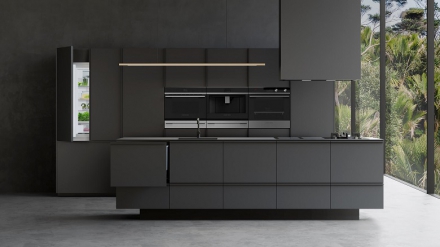
Today, kitchens are more than just somewhere where you prepare meals; they have evolved from a separate space only used by one person to a shared environment, a place for families to get together, a place for entertaining, and even a place for working. Fisher & Paykel has focused on breaking from tradition with an innovative space that is suited to today’s living requirements to look fantastic.

Creating a Sharing Space

The team at Fisher & Paykel found that today, more than one person is likely to be using the kitchen at the same time. Additionally, the brand appreciates that aesthetics matter, so the design team has an opportunity to innovate to create dream kitchen environments with unbridled gusto.  The Fisher & Paykel appliance line has been created to support these patterns of use. For example, the CoolDrawer can be installed to have drinks near the dining area or a DishDrawer to have a designated unit for glasses or crockery near the main sink. This concept of “distributed appliances” allow users to configure a layout to suit the way people use kitchen now.

Everything With Easy Reach

Whether creating a gourmet feast or just preparing a snack, Fisher & Paykel makes sure to have what one uses the most, at waist height, for easy reach. One of the Fisher & Paykel breakthroughs is to place DishDrawer dishwasher drawers side by side, rather than stacked to avoid needing to bend down for the lower drawer. These appliances allow cabinetry to float for a seamless look and superb functionality.

Your Dream Kitchen

Choosing new appliances can be one of the biggest challenges in creating the perfect kitchen. For this reason, Fisher & Paykel has designed a product line to suit individual kitchen styles, cooking preferences, and space.

The kitchen is a natural hub for social activities, and a homeowner can set the stage for entertaining from morning coffee through to a full dinner party. Fisher & Paykel allows one to create a layout that permits multiple people to use the space without getting “trapped.”

If a family likes to cook and socialize together, Fisher & Paykel has a kitchen design to support this efficiently. This allows people to drop in and help without getting in the way to enable meal prep to become a social experience that everyone can enjoy.

As you plan your dream kitchen, you can create work zones for superb functionality. If you enjoy cooking with your partner, you can plan two distinct cooking or prep areas. While if you entertain, include a mixed-use zone that will allow you to set out food platters or create a bar area. With the line of Fisher & Paykel appliances, you can ensure that every zone of your kitchen is fully equipped to your unique specifications.

Create Your Dream Kitchen and Enjoy Cashback

There has never been a better time to create a dream kitchen with the Fisher & Paykel cashback promotion. Plan your kitchen with qualified products, and you can file your claim for cashback through Universal Appliance and Kitchen Center. The cashback offers rebates of up to $2,000. Our team can guide you through the details of the promotion to ensure that you benefit from the cashback promotion and enjoy your dream kitchen.

If you would like to know more about the Fisher & Paykel cashback promotion or would like to explore the eligible models, you should speak to a home appliance expert at Universal Appliance and Kitchen Center in Studio City at (818) 755-1111 or in Calabasas at (818) 880-0011 for additional help and guidance.

Making the Most of Your Refrigerator Crisper Drawer

The crisper drawer is one of the most overlooked features of a refrigerator. In many homes, these little drawers seem to be the dumping ground for anything from cans of beer and yogurts to kids’ treats. While a drawer may seem like a great place for these smaller items that don’t seem to have a place on the shelves, your crisper drawer actually serves an important role in keeping your food fresh. So, here we’ll explore how you can make the most of your crisper drawers.

The Crisper Drawer Basics

In basic terms, the crisper drawer is a sealed off area that is set to a higher or lower humidity than the rest of the refrigerator cavity. Some models of refrigerator feature several drawers with pre-set humidity levels, other refrigerators have drawers that allow you to manually adjust the humidity level as needed. This adjustment mechanism tends to be deceptively simple; a little vent in the drawer closes when you set it to high humidity, sealing the drawer shut. When the humidity is set lower, the vent is opened to allow some moisture trapped out of the drawer. What is a little more complicated is deciding what foods should go where.

What Should be Stored in Your Crisper Drawers

While you can keep anything in your crisper drawer, they are designed to keep your produce fresher for longer. When you’ve taken the time and money to shop at farmer’s markets or quality grocery stores, it is waste when those beautiful vegetables wilt or soften in only a day or two. Crisper drawers can provide the optimum conditions to help maintain those lovely organic vegetables and fruits to save your dinner plans and your wallet.

Unfortunately, it is not as simple as throwing all your produce in the crisper drawer, as different types of produce have different needs. Some vegetables need higher humidity, while others prefer lower humidity and putting these items in the wrong conditions can compromise their lifespan. The good rule of thumb is that items that rot need low humidity while wilting items need high humidity, but we’ll explore this in more detail now.

Low Humidity Items

Foods that rot as they go bad need to be kept in low humidity conditions to optimize their lifespan. Produce in this category emit gas as they ripen and age, so opening the crisper drawer vent allows the gas to escape to keep your items fresher for longer. Some examples of items that should be kept in low humidity conditions include peaches, grapes, apples, pears, and avocados.

High Humidity Items

Wilting vegetables and foods don’t release any gas as they are stored, but they are prone to losing moisture. This means that these items should be kept in a high humidity crisper drawer to maintain their freshness. These foods include broccoli, cucumbers, carrots, strawberries and leafy greens such as lettuce, spinach, and kale.

Keep The Drawers Full

Finally, if you want to get the most out of your crisper drawers, it is worth considering that they work best when they are almost full. Although you still want to allow some airflow around your items, you can pack your crisper drawer with fruits and veggies, and you’ll be surprised at how well they last in the right conditions. So, next time you’re at the farmer’s market, go a little crazy, just remember to eat all of them!

If your refrigerator lacks crisper drawers and you’re considering an upgrade, you can explore your options with this refrigerator collection or speak to a home appliance expert for further help and guidance.

Exploring Luxury ADA Compliant Dishwasher Options

When shopping for appliances, it can be reassuring to see an ADA compliant label. Whether you’re renovating your kitchen or just looking to update your dishwasher, here, we’ll explore some of the best luxury, ADA compliant options on the market today.

The ADA Standards

The Americans with Disabilities Act or ADA is based on the Uniform Federal Accessibility Standards. In order for manufacturers to have appliance models to conform to the ADA standards, it must be operable for differently abled users. Universal Appliance and Kitchen Center boasts a full range of ADA compliant dishwashers and other luxury appliances. The ADA dishwasher standards include:

Controls and operating mechanisms need to be operable with one hand and not require pinching, tight grasping or twisting of the wrist.

The force needed to activate the controls should be less than five pounds.

All rack space needs to be accessible from the front of the appliance for both loading and unloading dishes.

A maximum height forward reach for the operating mechanisms and controls of 48 inches, with a maximum low forward reach of 15 inches.

Miele G6880SCVI

This dishwasher is from the Lumen series and has all the features you would expect from a Miele luxury model. The G6880SCVI has 12 wash programs and a 16 place setting capacity. The ergonomically designed basket has handles to make it easier to load and unload, while the Knock2Open feature allows automatic door opening with just a light tap.

The lower basket features a MultiComfort area to accommodate different sized items including larger pans and pots, while the adjustable cutlery tray provides optimal cleaning conditions.

In addition to the ergonomic features, the G6880SCVI also showcases Miele’s superb cleaning capabilities including EcoTech to save energy and water and SaniWash that uses a higher wash temperature to get your items hygienically clean.

SMEG STU1846

This fully integrated 18 inch built-in dishwasher is narrower than the standard 24 inch configuration, but it still offers a 13 place setting capacity with five wash programs. The SMEG STU1846 also has a number of features contributing to its ADA compliance including self balancing door hinges that allow the door to remain open at your desired angle for versatile loading and unloading. Additionally, the upper basket has height adjustment, while the lower basket features a folding rack.

Fisher Paykel DD24DAX9N

The dish drawer dishwasher is a specialty of this brand, and it makes opening and loading easy, particularly for those with issues of fixed mobility. Despite the unusual configuration, the Fisher Paykel DD24DAX9N has an impressive 14 place setting capacity, and there is a genuine half load capacity for significant energy savings. Additionally, each drawer can be used independently with a choice of 6 wash programs for excellent flexibility. For example, you can use one drawer for heavily soiled items such as pots and pans while you wash fine glass or crystal in the other drawer on a delicate program.

Bosch SGV68U53UC

The Bosch SGV68U53UC is part of the 800 series and features the RackMatic system to allow superb loading flexibility with nine rack positions. The silverware basket can also be adjusted to create two halves that can be placed in different lower rack positions to increase loading flexibility.

The location of the ActiveTab Tray in the middle of the dishwasher improves the dissolving of the detergent tablets rather than being in the standard door position, and the operating noise level of 44 dBA, makes this model one of the quietest on the market.

If you’re interested in these or any other new dishwasher models, you can explore your options with this collection of ADA compliant dishwashers, or speak to a home appliance specialist for further help and guidance.