What are the Pros and Cons of a Dual Fuel Range?

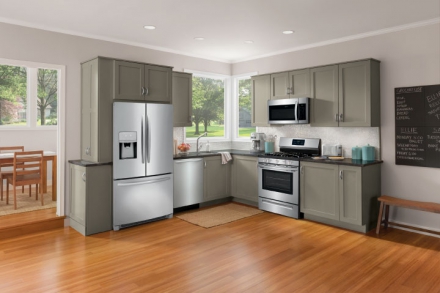
The range is one of the most used kitchen appliances in many homes because it combines a cooktop and oven. Many cooking ranges on the market host various valuable functions and features. The dual fuel range is one of the most popular appliances in recent years. This combines a gas cooktop with an electric oven to deliver both advantages. However, a dual-fuel range represents a considerable investment that can deter some people from taking the plunge. This article will examine the pros and cons of dual fuel ranges to help you make an informed purchasing decision.

A Brief Dual Fuel Range Primer

We’ve covered the basics in the introduction, but it’s worth exploring a dual fuel range and why professional chefs and other cooking experts highly regard it.

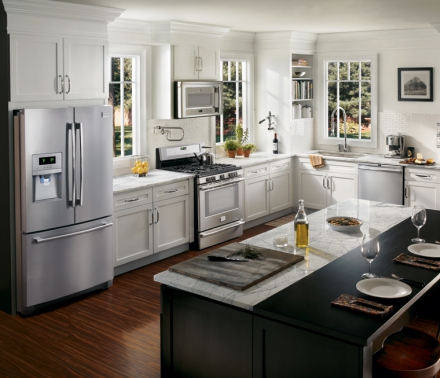
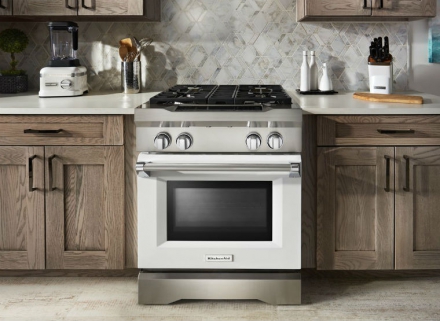
A dual-fuel range combines a gas cooktop with an electric oven. The purpose is to get the best of both worlds to improve precision and efficiency in the kitchen. Dedicated cooks admire gas cooktops that run on natural gas and liquid propane. Gas is versatile for cooking; it’s much easier to control and comparatively cheap as an energy source. This superior temperature control is essential to make delicious meals evenly cooked throughout. An electric oven delivers heat through coils; they are trusted, reliable, and consistent appliances. A gas oven can work well in some kitchens but can be harder to use and clean.

Dual Fuel Range Advantages

Seven key advantages may influence your decision to purchase a dual fuel range. They are:

  • Improved Heat Control: A gas cooktop allows you to cook at higher temperatures and still has greater heat control than a gas stovetop.
  • Faster Preheating: A gas cooktop typically preheats much faster than an electric alternative.
  • Consistent Heating: Every gas burner delivers consistent heating if they are cleaned regularly. This is far superior to other heating elements that can provide sporadic heating when needed.
  • Designed for Chefs: If you want to improve your cooking and try out some advanced techniques, you will eventually need a gas cooktop.
  • Electric Heating Elements: Placing the electric heating elements in a dual-fuel range oven improves the heat distribution throughout the cavity. This delivers consistent cooking results and is essential for baking, roasting, and more.
  • Lack of Power: If you’re living off the grid or are concerned about a lack of access to consistent electrical power, you should consider a gas cooktop. This will allow you to cook meals that don’t require an oven even if the power has failed.
  • Aesthetic Appeal: A dual-fuel range is a premium-grade kitchen appliance, and the best examples add considerable aesthetic appeal to the space.

Dual Fuel Range Disadvantages

Four disadvantages may affect your decision to buy a dual fuel range. They are:

  • Higher Purchasing Costs: A dual-fuel range will be more expensive than an alternative all-gas or all-electric appliance. However, for many people, the added precision, functionality, and versatility are well worth the additional investment.
  • Slower Preheating Times: An electric oven tends to have a slower preheating time than a gas oven.
  • A gas line must be connected to the home to power a gas or dual fuel range. If no gas line is present, one will need to be installed, which will add to the final cost of the appliance.
  • The Urge to Remodel: If your kitchen needs an update, you could find yourself pulling the trigger sooner rather than later if you purchase a dual-fuel range. This premium-grade appliance may outshine the rest of the kitchen and persuade you to upgrade to a luxurious, aesthetically appealing style to impress visitors. If you have a great deal of self-control, this will be less of an issue, but it could be a factor.

Dual Fuel Range Infrastructure Limitations

Although a dual-fuel range does offer some considerable advantages, it may not be the ideal choice for every home. These appliances rely on two distinct power sources to operate, and if you don’t have access to one of them, you’re wasting your time. Some homes don’t have access to a gas line unless the homeowner can install a propane or natural gas tank for the property.

Another key problem is that the location of the gas line could limit the range’s placement in the kitchen. If you want to position the dual-fuel range in a specific location, it may be necessary to move the gas line. This can add a lot to the cost of the installation, and it should be carefully considered before you go ahead. There needs to be adequate voltage to run the oven, which may be an issue for an older home that has a simplified kitchen.

Installing a Dual Fuel Range

Once you’ve checked that you have a connected gas line to power the burners, take some time to evaluate the electrical power requirements. You will need a 240v power supply for the range; a standard 120v power supply and plug will not be sufficient. Before you make a final commitment, it’s a great idea to consult an appliance installation expert to ensure the installation is possible and install the range for you. If you choose to attempt a DIY installation, there are ten essential steps to complete the process safely. They are:

  1. Check the Circuit Voltage: It’s essential to find out if the electric oven has a 240v power supply.
  2. Understand the Power Cords: A dual fuel range cannot be powered with a standard 120v plug, power supply, or extension cord.
  3. Check the Range Connections: The electric range connections should be checked to determine that they are secure and properly insulated.
  4. The Gas Valve: Find the valve and turn it off to stay safe throughout the installation.
  5. The Gas Connector: It’s time to attach the gas connector to the gas cooktop unit.
  6. Electric Power: When ready, connect the proper power cord to the electric oven unit.
  7. The Duel Range: For most dual fuel range appliances, this is when you will be ready to slide the range into place.
  8. The Mounting Plate: If you have a mounting place, it’s time to secure it.
  9. Restore the Gas Supply: Turn the gas back on and check for any leaks.
  10. Explore the Functions: Once you’re confident that everything is connected correctly, try all the functions to ensure everything works as intended. If there is a problem, check the owner’s manual for your appliance. There should be a troubleshooting guide that can be useful when you’re using the dual fuel range for the first time.

FAQs

Is a Dual Fuel Range Worth the Price?

This is a tricky question; everyone has different expectations and budgets to consider. Many people who switch to this kitchen appliance love it and would never consider switching back to an all-electric or all-gas model. If you have the available hookups, the installation costs are lessened, which can soften the financial blow somewhat.

A dual-fuel range will offer cooks who aspire to a higher level of cooking an opportunity to truly excel. The best advice for budget-conscious people may be to pair a gas cooktop with a separate wall-mounted electric oven. This combination can work well in smaller kitchens and is likely to be a cheaper way to go.

How Does a Downdraft Dual Fuel Range Work?

A downdraft model has a clever internal ventilation system that eliminates the need for an overhead venting hood. The vent may be located on the cooktop surface, where it captures unwanted odors and particles from the air surrounding the cooking surface. The air is then filtered and recirculated in a duct-free vent or vented into the ductwork.

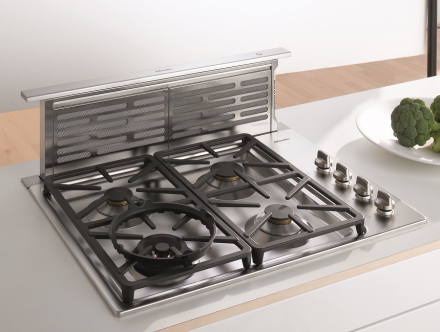
Another option is a downdraft hood installed behind the dual fuel range. This hood can be extended or retracted as required, and it is relatively easy to install into your existing kitchen.

Is a Dual Fuel Range Installation a Valid DIY Project?

This can vary depending on your skill and experience with both gas and electrical installations. Most people should not consider a DIY installation at all, there’s a very real risk of electrocution and gas inhalation or explosions to consider. It may seem like a good idea to save some money, but it may be costly. There may be unforeseen problems to overcome, and a kitchen appliance installation specialist can get the job done quickly.


You can discover the perfect dual fuel range for your home with this online collection of cooking ranges. For more information, be sure to contact a professional home appliance expert.

Is That Food Safe? Your Guide to Shelf Life

Most of us have experienced the scenario where we open up the refrigerator to find something moldy looking back at us. These items are often lingering at the back of the refrigerator. Still, even when it is full view, it can be difficult to determine the optimum food shelf life inside your refrigerator. Here we’ll explore a few basic food storage standards to save you from upset stomachs and wasting money on spoiled foods.

Basic Food Safety Tips

Before we delve into the optimum shelf lifespans for all the items inside your refrigerator, there are some basic safety tips to help preserve your foods.

  • Avoid Crowding: To keep your foods properly chilled and at the correct temperature, cold air must be able to circulate around the items. While keeping your refrigerator full is more energy efficient, you should avoid crowding or overpacking.
  • Immediately Wipe Up Spills: Wiping spills quickly will not only help to avoid bacterial growth, but it will also help to prevent cross contamination. Many spills are often drips from thawing meats or other raw foods that can easily contaminate cooked dishes that will only be reheated.
  • Keep Everything Covered: All foods inside your refrigerator should be in sealed storage bags or in covered containers. Of course, this doesn’t mean that you can forget about everything, so be sure to check leftovers each day for signs of spoilage.
  • Monitor Food Expiration Dates: If any item has passed its “use by” or “best before” date, it is a good idea to discard it. If food looks questionable, it is best to err on the side of caution and throw it out.
  • Put Groceries Away Within the Hour: When you return from the grocery store, you should act quickly to ensure all your refrigerated items are properly stored. If the temperature is above 90ºf, there is a one hour limit before foods can spoil.
  • Refrigerate Leftovers Within Two Hours: There is a common misconception that you shouldn’t put hot food in the refrigerator. Unfortunately, allowing food to sit on the countertop for hours can encourage bacteria. If you have any leftovers, they should be refrigerated or possibly frozen within two hours. If you’re concerned about hot food, divide leftovers into smaller portions, so they can cool more quickly.

Shelf Life Guidelines

Most foods can be divided into groups, which can help you to determine the optimum shelf life.

Miscellaneous:

  • Opened condiments: Up to 6 months
  • Tuna: 2 to 4 days

Dairy:

You’ll need to use your sense of smell. Dairy items tend to develop a bad smell when they go bad, so anything that has a bad smell should go straight into the garbage.

  • Milk: Up to 7 days
  • Soft Cheese: Up to 7 days
  • Eggs: 3 weeks
  • Yoghurt: 7 to 14 days

Fruits:

Fruits can go soft and mushy when they start to go bad, but you may notice some items start to go black.

  • Bananas: 2 days
  • Melons: 1 week
  • Avocados: Up to 10 days

Vegetables:

Like fruits, vegetables can start to go mushy or change color.

  • Fresh lettuce: Up to 5 days
  • Tomatoes: Up to 1 week
  • Cucumber: 1 week
  • Onions: 2 months

Leftovers:

Leftovers tend to be pushed to the back of your refrigerator, so you need to ensure you keep a good eye on what is lingering there.

  • Meat Leftovers: Up to 4 days
  • Pizza: 3 to 4 days
  • Gravy: 1 to 2 days

Meats:

In addition to developing a bad odor, the most obvious sign of bad meat is changing color.

  • Chicken: Up to 2 days
  • Steak: Up to 5 days
  • Fresh Hamburger: Up to 2 days
  • Pork Chops: 3 to 5 days
  • Fresh Fish: Up to 2 days
  • Bacon: Up to 7 days
  • Fresh Sausage: Up to 2 days
  • Lunchmeats: Open- 3 to 5 days, unopened up to 2 weeks

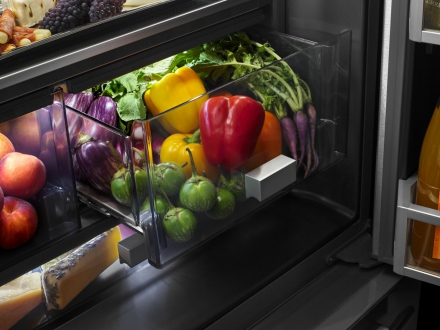
If your refrigerator is struggling to keep your produce fresh, it may be time for an upgrade. You can explore your options with our online collection or speak to a home appliance expert for further help and guidance.

Should You Choose a Downdraft or Vent Hood?

When you start considering which appliances are best for your kitchen, it is very easy to feel a little lost. This is particularly true when you need to figure out the ventilation in your kitchen. While you’re likely to know that a vent will be a great addition to your kitchen, it can get confusing when you discover there is more than one type of vent system. Both downdraft and vent hoods are made to remove smoke, fumes, heat, and steam in your kitchen to keep the air generally quite fresh, but knowing which one is best for your kitchen can be a challenge. So, here we’ll explore both types of vent to help you gain the details needed to make an informed purchase decision.

The Benefits of a Vent Hood

Many types of hood are actually in the category of the vent hood. You may be looking at a kitchen hood, range hood or even an electric kitchen chimney, but they are very similar in design. These types of hood are often paired with a range, but you can see them over a cooktop.

Vent hoods tend to be considerably larger compared to a downdraft hood. This means that they have the power needed to cover a larger area and significantly reduce smoke and steam in your kitchen. Additionally, vent hoods also provide improved kitchen lighting. Most models feature at least one light, so you can easily spotlight where and what you’re cooking. Although they are a larger appliance, they tend to hide in plain sight, so rather than looking bulky, a vent hood can add a touch of luxury to your kitchen.

The Downdraft Hood Basics

If you want to install something a little more subtle than a typical vent hood, you should consider a downdraft hood. There are some models of downdraft hood that can be hidden into your kitchen cabinet layout. Some models have a telescopic feature, so they can rise from your cooktop with the touch of a button. This is a high tech option that can work very well at sucking fumes down and out of your kitchen from a duct, but it can also provide a showstopping feature to your kitchen design.

Making Your Purchase Decision

So, how do you make the decision to choose between a downdraft and vent hood? There are a few things to consider before you make your final purchase decision.

  • Do You Need More Storage Space? If you have minimal space or simply need more storage space, then you may prefer a downdraft hood. This will allow you to install cabinets above your cooking area, which would not be possible with a vent hood.
  • Do You Find Cleaning a Chore? If you struggle to manage the cleaning of your kitchen, you may prefer a downdraft vent. These tend to be easier to clean than a large vent hood. When you have a vent hood above your range, you’re likely to find that it may look great, but it extends nearly to the ceiling, and you will need to reach to keep it clean. It is amazing how much dust and other debris can accumulate on kitchen surfaces, so you’ll need to keep a vent hood clean to ensure it continues to look its best.
  • Do You Cook Big Meals? If you tend to cook with big pots and pans, you’re likely to prefer a vent hood. This will have a greater capacity to remove the smoke and steam from your cooking space, compared to a downdraft hood that will be unable to reach the height of your larger pots.

If you’re considering a new hood, you can explore your options with this online vent hood and downdraft hood collection, or for further help, speak to a home appliance expert.

5 Great Ways to Save Energy in Your Kitchen

The kitchen is one of the most important rooms in the home. You start your day in the kitchen, with breakfast and a hot cup of coffee, it is a place to gather for family dinners and can even be the venue for entertaining friends. While you may not consider saving energy when you’re preparing a meal, the abundance of appliances and frequent activity means that when you can make energy savings, it can have a big impact on your home. So, here we’ll explore five great ways you can save energy in your kitchen.

Upgrade to an Induction Cooktop

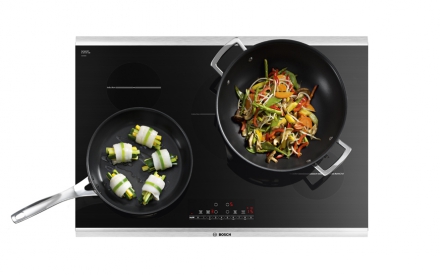
Induction technology uses magnets to directly conduct heat through pots and pans. This differs from the focused heat produced by a conventional cooktop burner. Each induction burner has a coil that generates a magnetic field that directly heats a ferromagnetic pot or pan placed on top of the surface. This provides more concentrated heat, and according to Department of Energy research, induction is 12% more efficient compared to a standard cooktop.

Keep Your Refrigerator Stocked

Refrigerators top the list of the most energy hungry appliances in the average home. This is logical as a refrigerator needs to continually run to keep your food cold. Unfortunately, this continuous use takes its toll, so you need to ensure your refrigerator is not outdated. According to Energy Star, if your refrigerator is fifteen years old or more, it is likely to be highly inefficient and using excessive amounts of energy.

Even if you have a brand new refrigerator, you can boost its efficiency by keeping it well stocked. While you don’t want to overstuff your refrigerator, the more items stored, the less air to be chilled. You also need to be wary about keeping the refrigerator door open, as this will allow warm air to enter, which requires energy to cool.

Fill Your Dishwasher

Dishwashers are another type of appliance that can use a great deal of energy. Federal standards continue to reflect new efficiency demands for dishwashers, so each model uses as little amount of energy and water as possible. This has lead to modern dishwashers being highly efficient compared to ones from ten or twenty years ago. Modern dishwashers use 4-6 gallons of water per cycle compared to 10 gallons on a model from the 1990s.

Unfortunately, even the most efficient dishwasher can waste energy and water if it is not full during a cycle. You can avoid wasting water and energy by only using your dishwasher when you have a full load, or using the half load setting for smaller loads.

Use Your Oven Convection Setting

Data from the California Consumer Energy Commission highlights that an oven convection setting can use 20% less energy compared to bake settings. Most modern ovens feature a convection setting that can save energy and produce more even cooking. The convection fan blows hot air throughout the oven cavity to cook food more evenly, efficiently and faster.

Identify Your Energy Vampires

Your kitchen is likely to contain a number of appliances that use “phantom loads” of energy. This means that these appliances draw power even when not in use. These appliances are known as “energy vampires” can cause a significant energy drain over time, so they should be identified and unplugged. Good examples of these appliances are toaster ovens, microwaves, and portable coffee makers.

Identifying an energy vampire appliance can be tricky, but you should look for appliances that have lights, a blinking indicator or a digital clock. You can also use a kilowatt meter to test the energy use of appliances not in use. According to Department of Energy estimates, a houseful of energy vampires could add up to $200 in energy bills each year.

If you would like to improve the energy efficiency of your kitchen, you can explore your options with this collection of High Efficiency kitchen appliances, or speak to a home appliance expert for a more specialist service.

6 Clever Solutions for Appliance Storage

The appliances in our kitchens can be great time savers and allow us to carry out a wide variety of kitchen tasks. Despite this, kitchen appliances can be a pain to store when they are not being used. Storage space may be at a premium, and each device will need its own space that is easy to access. Let’s take a closer look at six handy appliance storage solutions that will help you to get your kitchen organized.

  1. Some General Concepts

Find a spot where you can arrange some storage for your devices in their original packaging or an even better option is to use plastic bins. Stackable containers can be used if heavier devices are kept at the bottom. Each appliance box could have a label; this is especially useful if there are multiple smaller appliances in a single storage bin. The storage bins could be located in existing shelves or perhaps you even have enough space to add a freestanding shelf unit. If you want to use a new shelf unit, remember that some of the appliances could be heavy.  Make sure the shelves can handle the weight and that the shelf is secured to the wall for safety.

  1. Always Start High

When you’re looking for storage, always start high up on the top shelves of cabinets or high up in your pantry. Above the refrigerator may be a good spot and many of these high up areas are neglected and are not used for practical storage. Larger appliances may be too large for shelves, but they could be stacked on top of kitchen cabinets. This will allow you to make the most of your storage space and appliances can easily be reached with stool.

  1. Storage Below

Larger and/or heavier appliances need to be stored on lower shelves in a pantry or on a dedicated shelving unit. Clear space in lower cabinets, especially those that don’t seem to get used very often. If you keep your back straight, bending at the knee and lifting a heavier appliance is far safer than trying to lift the same device off a higher shelf.

  1. Consider Other Locations 

There are other rooms in your home that may be related to serving food or entertaining. These can act as an overflow for your kitchen appliance storage efforts. As an example: a buffet piece in a dining room could be used to store your linens and serving trays. This could free up valuable kitchen space for storage, and as a final resort, appliances that are used very rarely could be kept in the basement.

  1. Careful Storage 

Kitchen appliances can represent a significant investment, so it’s essential to protect them during storage. If you need to store appliances in the basement or garage, use the original boxes where possible or a plastic storage bin. Keep appliances off the floor to protect them from moisture and multiple appliances in the same storage bin should be wrapped to prevent scratches.

  1. Use Labels

Ideally, there should be a label for each storage bin displaying the contents of the container. This will help you to find the appliance you need and remind you where it’s stored when you want to put it away. If you have a lot of storage bins or bins that contain lots of smaller appliances you may need a master list. This will tell you at a glance where everything is, without hunting through shelves and reading lots of labels. A master list will be handy for reference when you’re planning a meal that requires a specific appliance. Getting this organized can be difficult initially, but it will be worth the effort later and save you a lot of time.

If you’re thinking about upgrading your appliances, you can explore your options with this online collection or speak to a home appliance expert for professional advice and guidance.

Should You Choose a Metal or Glass Cooktop?

A cooktop is an integral component of a fully functioning kitchen, but while many people choose their new cooktop based on aesthetics, there are some other factors that need to be considered. There are a number of differences between metal and glass cooktops that are not just cosmetic. So, here we’ll explore these factors to help you choose whether a metal or glass cooktop is the right option for your kitchen.

Initial Price

While price should not be the only consideration, it can be a factor for most homeowners. Generally, metal cooktops are less expensive compared to their glass counterparts. There are other factors such as features, brand, length of warranty and quality that can affect the initial price, but generally, you can expect to pay approximately $100 more for a glass cooktop.

Efficiency

While the initial price might be something you’ve already looked at, you may not have considered the long-term costs. Generally, glass cooktops are more efficient compared to a metal top and coils. If you enjoy cooking frequently, you should consider a glass cooktop, which has a high energy rating as the savings on your energy bills in the months and years to come would more than cover the difference in the initial purchase costs. If you want to ensure maximum efficiency, opt for a cooktop that automatically adjusts your burner to the size of your pan or pot to save even more energy.

Cleaning Ease

No one enjoys trying to scrub baked-on food debris off a cooktop, and this is something you should consider when shopping for a new model. While a smooth glass top may look very easy to clean, you still need to be very careful. If you allow a spill to sit on the glass for a prolonged period, it will become very difficult to remove. Metal cooktops can also be a cleaning challenge, as you need to clean the heating elements and the surrounding surface. This tends to be quite labor intensive, but if a spill does sit for a while, it won’t be as hard to clean as a glass cooktop.

If cleaning is an important consideration for you, you may wish to consider an induction cooktop. Induction uses magnetic energy to heat your cookware, so the surrounding area does not get hot. This makes cleaning spills easy as nothing is baked on to the surface.

Additional Features

If you’re happy with a simple cooktop design, a metal model is likely to provide just what you’re looking for. Apart from the size and type of coil elements, the only additional features are likely to be adjustable burner sizes and rapid heating. On the other hand, glass cooktops tend to offer far more options that can enhance your cooking style. From automatic pan size sensors and touch controls to heat sensors, you can calibrate your cooktop precisely to suit the particular dish you’re preparing.

To ensure that you choose the right cooktop, you need to seriously consider what features are essential in your kitchen. If you’re a serious foodie, it is well worth investing in a more sophisticated cooktop such as an induction model. This type of cooktop allows precision cooking and rapid results. It is also safer, as there is no risk of burns from hot surfaces; the only heat generated is between the cookware and the induction element.

Although aesthetics are important in any kitchen, a cooktop needs to offer maximum practicality. Therefore, it is essential to consider these factors before making a purchase decision.

If you are considering a new cooktop, you can explore your options with this online collection or speak to a home appliance expert for a more specialist service.

Cooking Appliances For Tiny Living

The concept of tiny living has taken the world by storm, and more people are aspiring to downsize their lives. Tiny living is both economically beneficially and eco-friendly, but it can be difficult to find great appliances for a tiny home. So, here we will explore some of the best cooking appliances that are great for tiny living.

The Tiny Living Phenomenon

Tiny houses have been shown to be far more environmentally friendly compared to a standard home. The average tiny home occupies just 186 square feet compared to the average standard home in the U.S with a 2,598 square foot area. Tiny houses also use only 6 light bulbs compared to an average of 45 in a standard home.
What is even more compelling is that 18% of greenhouse gases can be traced to residential houses. The average home needs approximately 28,000 pounds of CO2 annually, while a tiny house needs only 2,000 pounds.

Those choosing to adopt the tiny living lifestyle can appreciate the value of smaller living. Most tiny homeowners don’t have a mortgage and typically have more savings compared to an average American. It costs an impressive 10 times less in order to build a tiny house, and they are designed to be DIY friendly. While you will be able to enjoy a greener lifestyle, you will be faced with the decision of using grid electricity or running your appliances on propane, which can make the prospect of finding the right appliances even more challenging. When you start looking for cooking appliances, you’ll need to really consider how often you’ll cook and how many people you’ll be cooking for to make the right choice.

Avanti

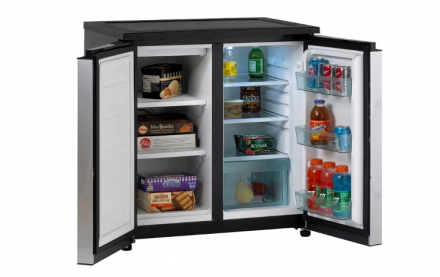
Avanti is a good brand for tiny homes as they specialize in offering compact appliances. The brand even offers complete compact kitchens designed to provide a fridge, electric heating elements, a storage drawer and a sink in the space needed for a standard range.

Avanti has a great selection of small sized appliances with freestanding ranges in both gas and electric. You can even create a more upscale aesthetic with some modern looking models to create a sophisticated look to your new tiny kitchen.

Ranges

If you prefer to go for a small-scale version of a tradition range, there are some great options. Fagor and Fisher & Paykel both offer some excellent dual fuel options that are just 24”. These ranges provide warming drawers, 4 burners, and a 2 cu. Ft. oven with neat features like a self-clean mode. Some models even provide convection ovens and variable BTU burners, so you can create a culinary hub in your tiny house.

Cooktops

If you’re not a serious foodie or keen chef, you may prefer to opt for a cooktop. There are plenty of options available for the space conscious. You can choose a 2 or 4 burner model in both electric or gas. You’ll need to ask yourself whether you plan to cook full meals or eat out more. If all you need it to heat a pan of soup, a 2 burner cooktop will take up next to no space and suit your requirements.

Electric cooktops are easy to clean, but gas offers excellent heat control and reliability. Either option will provide a quality appliance as the industry continues to advance rapidly. Some brands now offer induction technology in smaller models that provide fantastic efficiency, easy cleaning and fast cooking, making them ideal for a smaller home.

A tiny home is a test of creativity as you’ll need to think about multiple uses to fit your aesthetic. Before you start shopping for your appliance, you will need to seriously consider your daily habits, lifestyle, and dietary habits. If you are considering tiny living, you can explore the cooking options with this online collection of small cooking appliances. For further help or advice, you can also speak to a home appliance expert.

Advantages of a Home Ice Machine

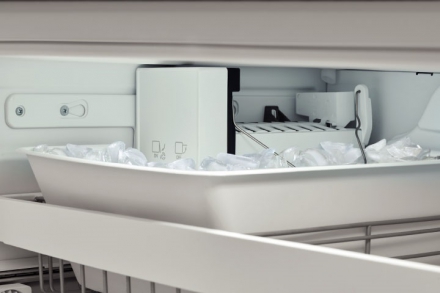
While many of us have visited restaurants, cafes and bars that have an ice machine, you may not have considered the benefits of having one in your home. Although you may have an ice maker built-in to your refrigerator, whether you want to enjoy a chilled glass of soda or whip up a cocktail, you need to have plenty of ice on hand, and your refrigerator may not be up to the task. Here are just some of the advantages of having a home ice machine.

Greater Quantity of Ice

When you have a busy family, it is very easy to quickly run out of ice. At the end of a long day when you want to sit down with an iced drink, it can be frustrating to reach into the refrigerator and find the ice tray empty. Fortunately, you can eliminate this inconvenience with an ice machine. There is no need to bother filling up ice trays or even waiting for your refrigerator to dispense more cubes; you’ll have the ice you need when you need it.

Better Quality of Ice

Although some refrigerators are now quite sophisticated, there will be times when basic cubes don’t meet your requirements. You may want different shapes to make your punch bowl look more attractive at parties, or want the perfect size of ice to fit in a certain type of glass. Whatever your preferences, an ice machine can deliver the ideal size and shape of cube. Additionally, since ice machines have improved filters, they can also provide a better quality of ice. Since the water is filtered, you’re less likely to experience cloudy cubes caused by hard water minerals or cubes that have an unpalatable taste, but if you want the best quality ice, ensure that your new ice machine has a good quality charcoal filtration or R.O. system.

Make Entertaining Easier

Whether you enjoy hosting dinner parties, having the best New Year’s bash or simply inviting everyone to come to your place to watch the game each week, it can be a real pain to buy bags of ice. Not only do you need to cart bags of ice from the grocery store, but you’ll also need to clear plenty of freezer space, so that everyone can enjoy an ice cold drink. A home ice machine eliminates this problem, and you can be assured that you’ll have all the ice you need to keep the cold drinks flowing on any occasion.

Keep Your Cooler Stocked

When you’re planning a road trip or want to spend the weekend camping, it can be a real pain to keep your cooler stocked. You’ll either need to pause your trip to get ice or have to plan well ahead to keep your ice trays working. An ice machine makes this super easy as you can just fill up your cooler in the morning so that you can enjoy your break sipping on chilled Chardonnay.

Great Convenience

Most of us want a home where we can unwind and relax; to accomplish this, you need to have conveniences. While many consider a great oven, a large enough refrigerator and efficient dishwasher to be essential, you may wish to add an ice machine to this list. An ice machine will provide a consistent flow of ice, so there is no need to think about having to drink a warm soda ever again.

If you are thinking about a home ice machine, you can explore your options with this online collection of ice machines and devices. You can also speak to a home appliance expert for further help and to obtain a more specialist service.

Are You Using Your Microwave to its Complete Potential?

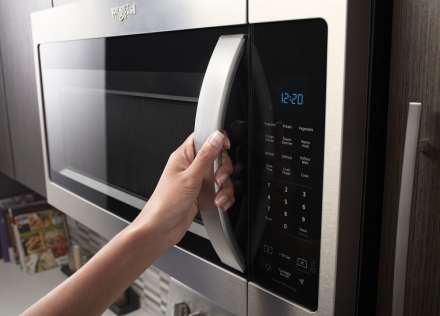
Many of us have a microwave sitting in our kitchen, but if you only use it for heating up leftovers or warming up a cold coffee, you’re not using your appliance to its full potential. There are actually so many things that you can do with your microwave that can make your life easier.

Dry Fresh Herbs

If you have an herb garden, you have access to fresh herbs anytime you’re cooking, but there are times when you’ll have an excess. Whether you’re pruning your herbs or trimming back for winter, you can dry fresh herbs in your microwave. Simply spread out a cup of herbs on a paper towel and cook for approximately 3 minutes. The herbs will dry out, and you can wrap them in the paper towel to break them up for storing.

Soften Bread

If your bread is a little less than fresh, you don’t need to throw it out. You can soften up your bread with your microwave. Wrap it in a damp cloth or place on a damp paper towel and microwave in 10 second intervals until it reaches your preferred consistency.

Toast Spices and Nuts

Most chefs appreciate that toasted spices, nuts and seeds can add fantastic flavor to a recipe. Toasting draws out the flavors that are not detectable in an untoasted state, but this can be a challenge in a pan as it is very easy to burn rather than toast. Fortunately, this is another area where your microwave can be used. Place your spices, nuts or seeds in a microwave-safe bowl and cook on full power for approximately 15 seconds or until you start to smell that delicious toasted aroma.

Quick Soak Beans

If you’re getting ready to make a recipe and realize you’ve forgotten to soak some beans overnight, don’t despair; you can use your microwave. Place the beans in a bowl, add a pinch of baking soda and enough water to cover them. Microwave for 10 minutes, stirring a couple of times. Allow the bowl to sit for 30 minutes, and they’ll be ready for your recipe.

Easy Peeling

Peeling tomatoes or garlic can be a real chore, but it is a necessary step to make many types of sauces. You can make this task easy using your microwave. Place a clove of garlic in the appliance for approximately 20 seconds, and you’ll find the skin simply slides off. Utilizing moisture can also be helpful for tomatoes. You’ll need to use a paring knife to mark an X in the top and allow the tomatoes to sit for a minute or two after microwaving, so you can handle them safely and slide the skin off.

Poach Eggs

Pour boiling water into a microwave-safe bowl and add a dash of vinegar. You should the crack your eggs directly into the bowl, but you’ll need to lightly puncture each yolk to avoid a messy egg explosion. Cover the bowl and cook on high for 30 seconds. Turn your eggs over and cook for a further 30 seconds.

Sanitize Sponges

Most of us are aware that our kitchen sponges can harbor a great deal of bacteria. An effective way to kill any bacteria on your kitchen sponges is to soak the sponge in clean water, wring out any excess and microwave for 2 minutes. Just be sure to handle any freshly sanitized sponges with care as they will be hot.

No kitchen is complete without a microwave, and if you would like to explore the options with a brand new appliance, you should check out this online collection of small appliances or contact a home appliance expert for a specialized service.

7 Ways Wine Coolers Protect Your Wine

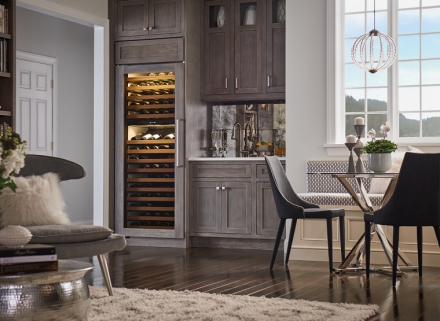
Whether you’re a wine connoisseur or a casual wine enthusiast, a wine cooler is a great buy. Large wine cellars may not be possible depending on the size of a home or budget, but a wine cooler can be placed in anyone’s home. Wine refrigerators are designed to age your wine as gracefully as possible. A wine cooler protects wine in an affordable way, and when you store your wine properly, it really brings out its flavor potential.

  1. Temperature 

Wine refrigerators are made to create a consistent temperature zone. In the perfect temperature range, wine will age just right for long term storage options. Refrigerators are often held below 50º F, which makes them less than ideal for wine storage. These cool temperatures will stop wine from going bad, but destroys its ability to develop the best flavor potential.

  1. Decreased Vibration 

Vibrations in normal refrigerators disturb the sediment in wine, which then bothers the wine’s aging process. Wine coolers are specifically made for a nearly vibration-free environment, making sure that your wine sits disturbance free.

  1. No Natural Light 

Natural light is a no-go when it comes to wine. Extended exposure to fluorescent or natural light will devastate the wine’s flavor. Wine that has endured long-term exposure begins to taste flat. Wine coolers are equipped with glass or solid doors with light protection. These features safeguard your wine from harmful light effects.

  1. Solely a Wine Environment 

Issues like vibration, light and temperature aside, a wine refrigerator is simply a place exclusively dedicated to your storage of wine. No hitting a wine bottle while reaching for milk or kicking a case of wine while digging around in your garage. Instead, wine in a wine cooler will rest quietly on its side in a peaceful and cool environment.

  1. Aging  

Wine coolers can help store and age wine. Whether short term (6 months and onward) or long term (a year and onwards) your wine refrigerator should meet your storage needs. Serious wine aging is best handled in a wine cellar for proper humidity control. However most of the world’s wines should be consumed in their youth. Therefore, your wine cooler should be able to handle most of your aging and storing needs.

  1. Convenience 

Wine coolers can be placed anywhere from a built-in unit, to a kitchen counter or all by itself. You can store them in any convenient space available. Instead of storing your wine in a closet, attic or basement, your wine can be situated right in your kitchen near your desired serving area.

  1. Affordable 

As mentioned before, wine cellars can be far too expensive. Wine refrigerators are affordable ways to store wine for any aficionado. As your wine selection may increase over the years, don’t forget the benefits of purchasing a bigger wine cooler.

The temperature settings alone should be enough to make you want to acquire your own wine refrigerator. There’s no other way to be certain your wine is taken care of properly. A lot of effort goes into the making of wine, there’s no reason not to treat it with a little extra care. Be sure you know what to look for in a wine cooler before making your purchase.

Are you ready to find the right wine cooler for you? Search through a great selection of wine coolers and/or contact a home appliance expert for assistance.