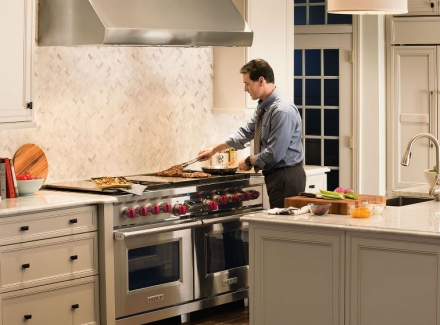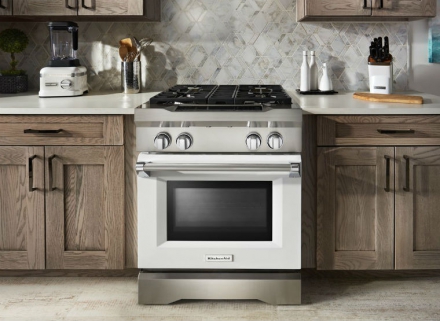
What are the Pros and Cons of a Dual Fuel Range?

The range is one of the most used kitchen appliances in many homes because it combines a cooktop and oven. Many cooking ranges on the market host various valuable functions and features. The dual fuel range is one of the most popular appliances in recent years. This combines a gas cooktop with an electric oven to deliver both advantages. However, a dual-fuel range represents a considerable investment that can deter some people from taking the plunge. This article will examine the pros and cons of dual fuel ranges to help you make an informed purchasing decision.

A Brief Dual Fuel Range Primer

We’ve covered the basics in the introduction, but it’s worth exploring a dual fuel range and why professional chefs and other cooking experts highly regard it.

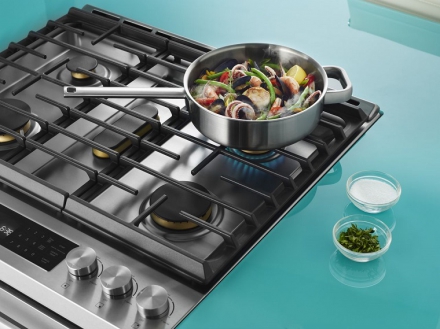
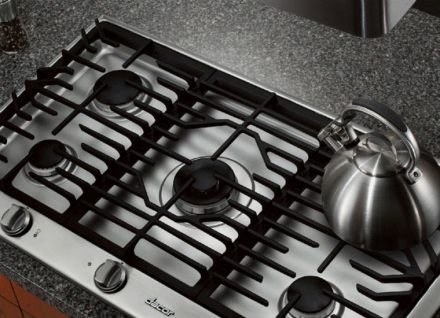
A dual-fuel range combines a gas cooktop with an electric oven. The purpose is to get the best of both worlds to improve precision and efficiency in the kitchen. Dedicated cooks admire gas cooktops that run on natural gas and liquid propane. Gas is versatile for cooking; it’s much easier to control and comparatively cheap as an energy source. This superior temperature control is essential to make delicious meals evenly cooked throughout. An electric oven delivers heat through coils; they are trusted, reliable, and consistent appliances. A gas oven can work well in some kitchens but can be harder to use and clean.

Dual Fuel Range Advantages

Seven key advantages may influence your decision to purchase a dual fuel range. They are:

  • Improved Heat Control: A gas cooktop allows you to cook at higher temperatures and still has greater heat control than a gas stovetop.
  • Faster Preheating: A gas cooktop typically preheats much faster than an electric alternative.
  • Consistent Heating: Every gas burner delivers consistent heating if they are cleaned regularly. This is far superior to other heating elements that can provide sporadic heating when needed.
  • Designed for Chefs: If you want to improve your cooking and try out some advanced techniques, you will eventually need a gas cooktop.
  • Electric Heating Elements: Placing the electric heating elements in a dual-fuel range oven improves the heat distribution throughout the cavity. This delivers consistent cooking results and is essential for baking, roasting, and more.
  • Lack of Power: If you’re living off the grid or are concerned about a lack of access to consistent electrical power, you should consider a gas cooktop. This will allow you to cook meals that don’t require an oven even if the power has failed.
  • Aesthetic Appeal: A dual-fuel range is a premium-grade kitchen appliance, and the best examples add considerable aesthetic appeal to the space.

Dual Fuel Range Disadvantages

Four disadvantages may affect your decision to buy a dual fuel range. They are:

  • Higher Purchasing Costs: A dual-fuel range will be more expensive than an alternative all-gas or all-electric appliance. However, for many people, the added precision, functionality, and versatility are well worth the additional investment.
  • Slower Preheating Times: An electric oven tends to have a slower preheating time than a gas oven.
  • A gas line must be connected to the home to power a gas or dual fuel range. If no gas line is present, one will need to be installed, which will add to the final cost of the appliance.
  • The Urge to Remodel: If your kitchen needs an update, you could find yourself pulling the trigger sooner rather than later if you purchase a dual-fuel range. This premium-grade appliance may outshine the rest of the kitchen and persuade you to upgrade to a luxurious, aesthetically appealing style to impress visitors. If you have a great deal of self-control, this will be less of an issue, but it could be a factor.

Dual Fuel Range Infrastructure Limitations

Although a dual-fuel range does offer some considerable advantages, it may not be the ideal choice for every home. These appliances rely on two distinct power sources to operate, and if you don’t have access to one of them, you’re wasting your time. Some homes don’t have access to a gas line unless the homeowner can install a propane or natural gas tank for the property.

Another key problem is that the location of the gas line could limit the range’s placement in the kitchen. If you want to position the dual-fuel range in a specific location, it may be necessary to move the gas line. This can add a lot to the cost of the installation, and it should be carefully considered before you go ahead. There needs to be adequate voltage to run the oven, which may be an issue for an older home that has a simplified kitchen.

Installing a Dual Fuel Range

Once you’ve checked that you have a connected gas line to power the burners, take some time to evaluate the electrical power requirements. You will need a 240v power supply for the range; a standard 120v power supply and plug will not be sufficient. Before you make a final commitment, it’s a great idea to consult an appliance installation expert to ensure the installation is possible and install the range for you. If you choose to attempt a DIY installation, there are ten essential steps to complete the process safely. They are:

  1. Check the Circuit Voltage: It’s essential to find out if the electric oven has a 240v power supply.
  2. Understand the Power Cords: A dual fuel range cannot be powered with a standard 120v plug, power supply, or extension cord.
  3. Check the Range Connections: The electric range connections should be checked to determine that they are secure and properly insulated.
  4. The Gas Valve: Find the valve and turn it off to stay safe throughout the installation.
  5. The Gas Connector: It’s time to attach the gas connector to the gas cooktop unit.
  6. Electric Power: When ready, connect the proper power cord to the electric oven unit.
  7. The Duel Range: For most dual fuel range appliances, this is when you will be ready to slide the range into place.
  8. The Mounting Plate: If you have a mounting place, it’s time to secure it.
  9. Restore the Gas Supply: Turn the gas back on and check for any leaks.
  10. Explore the Functions: Once you’re confident that everything is connected correctly, try all the functions to ensure everything works as intended. If there is a problem, check the owner’s manual for your appliance. There should be a troubleshooting guide that can be useful when you’re using the dual fuel range for the first time.

FAQs

Is a Dual Fuel Range Worth the Price?

This is a tricky question; everyone has different expectations and budgets to consider. Many people who switch to this kitchen appliance love it and would never consider switching back to an all-electric or all-gas model. If you have the available hookups, the installation costs are lessened, which can soften the financial blow somewhat.

A dual-fuel range will offer cooks who aspire to a higher level of cooking an opportunity to truly excel. The best advice for budget-conscious people may be to pair a gas cooktop with a separate wall-mounted electric oven. This combination can work well in smaller kitchens and is likely to be a cheaper way to go.

How Does a Downdraft Dual Fuel Range Work?

A downdraft model has a clever internal ventilation system that eliminates the need for an overhead venting hood. The vent may be located on the cooktop surface, where it captures unwanted odors and particles from the air surrounding the cooking surface. The air is then filtered and recirculated in a duct-free vent or vented into the ductwork.

Another option is a downdraft hood installed behind the dual fuel range. This hood can be extended or retracted as required, and it is relatively easy to install into your existing kitchen.

Is a Dual Fuel Range Installation a Valid DIY Project?

This can vary depending on your skill and experience with both gas and electrical installations. Most people should not consider a DIY installation at all, there’s a very real risk of electrocution and gas inhalation or explosions to consider. It may seem like a good idea to save some money, but it may be costly. There may be unforeseen problems to overcome, and a kitchen appliance installation specialist can get the job done quickly.


You can discover the perfect dual fuel range for your home with this online collection of cooking ranges. For more information, be sure to contact a professional home appliance expert.

Top Tips to Save Energy When Cooking and Preparing Meals

Most homeowners are keen to save energy, but one way you may not have considered is saving energy in your kitchen, particularly when you’re cooking and preparing meals. Understanding your cooking habits will help you to make the best use of your energy efficient appliances to help you save on your energy bills and enjoy a greener home.

Use the Right Size Pans

When you’re cooking on your stove, it is crucial to use the right size pan or pot. Estimates suggest that a six inch pan being used on an eight inch burner can waste 40% of the heat produced by the burner. You should also keep lids on your pans or pots to trap the heat inside and allow you to use less energy. Although these may seem like small choices, it can add up to significant energy savings.

Regularly Clean Your Stovetop

Your burner efficiency can be dramatically reduced if your burner pans have been blackened from heavy use. You can avoid wasting energy by keeping your stovetop sparkling clean and shiny. Regular cleaning will prevent a build up, and you may find it more enjoyable to use.

Reduce Your Overall Cooking Time

The less time spent cooking, the less energy typically used, so try to choose energy efficient cooking methods and plan ahead to reduce your cooking time. Defrost dinner in the refrigerator overnight rather than using your microwave. Try to wait until the last few minutes to preheat your oven and try to stagger multiple pans to improve the airflow and reduce your cook time. You should also avoid opening your oven door frequently to check your food, it is not only poor general cooking practice, but it wastes a great deal of energy.

You can also reduce your cooking time and make your life easier by making additional portions. Cooking a double batch will use similar amounts of energy, but they can be used another day or frozen for later use. Frozen home-cooked meals also provide a great alternative to take out, as they are less expensive and tend to be healthier.

Upgrade Your Cookware

Research shows that a warped pan can waste 50% of stovetop heat, whereas a flat pan can use almost all the energy produced. Additionally, high-quality cookware made using highly conductive materials can allow you to use 25% less heat. An excellent choice for oven cookware is ceramic or glass, while copper bottom pans are highly efficient for stovetop cooking.

Love Your Leftovers

Leftovers need not be tired food from the day before. When you cook in bulk, you can freeze single serving portions such as pasta sauce that can be reheated in your microwave or toaster oven. While this may use more energy, the shorter cook time will make it more energy efficient. Just remember to coat your pasta in olive oil before you save it in your refrigerator to avoid needing to boil a fresh pot of water.

Choose the Right Appliances

There is a balance between choosing a microwave, toaster oven and oven. Smaller appliances can allow you to use less energy to prepare a smaller meal. If you do use your full-size oven, you can bake a cake at the same time as cooking dinner.

Depending on the dish you’re preparing, you may find a countertop appliance offers greater energy efficiency and convenience. For example, a pressure cooker or rice cooker could make it easier to prepare your food and avoid using a larger, energy-sucking appliance.

If you have concerns about the energy efficiency of your kitchen appliances and are considering upgrading, you can explore your options with this online collection or speak to a home appliance expert for a more specialized service.

Tips for Organizing Your Kitchen Like a Professional Chef

If you have ever eaten at a chef’s table, or enjoy watching cooking shows, you may have admired the organization of a professional kitchen. This level of organization can allow the average cook to look like a talented professional, as command of your workspace will make food preparation easier. So, if you want to improve your kitchen prowess, here are some tips for organizing your kitchen like a professional chef.

Eliminate Excess Steps

The first step of organizing your kitchen like the PROS is to eliminate excess steps. Professional chefs set up their workspace to reduce movement during a dinner service. Eliminating the excess steps between your refrigerator, prep area or stovetop and pantry will help you to feel more organized and improve functionality.

Create Stations

In a commercial kitchen, there are different stations for different tasks. Not only are there several cooking stations, but there is a prep area and a dishwashing station. This can be recreated in your kitchen by creating spaces for prep, cooking, cold and dry storage and where you plate food. You may also have a beverage station where you prepare your coffee and a seating area. By designating each area, you can plan what you need and where you need it for a more efficient work area.

Create the Right Flow

Efficient food funnels are the key to a successful professional kitchen. Food is moved from storage to prep to line to the pass. This can be emulated in your own kitchen to create the right flow. Virtually every kitchen is designed around the triangle connecting the sink, range, and refrigerator. This promotes good flow, but it can be enhanced. Facilitate efficient movement by keeping anything not used for cooking outside your cooking triangle, but near where they’re needed. Dishware should be near the table, glasses near the water dispensing refrigerator and cups near your coffeemaker.
Group together the items needed for key processes to enhance the kitchen flow. For example, place your dishwasher on one side of the sink and your trash on the other, so you can scrape, rinse and fill with ease.

Equip All Your Stations

Once the areas of your kitchen have been designated for specific tasks, they will need to be equipped accordingly, so the correct tools are within easy reach. You won’t need knives near your stove; they should be stored with your cutting boards near your prep area. The storage near your stove should be reserved for pots and pans, but remember you will need seasoning within easy reach.

Master Food Storage

The most important aspect of feeling like you have the ingredients you need at your fingertips is proper storage. Proper labeling and stacked storage will help to keep your pantry clean and organized. Stackable plastic containers can be used in your pantry, refrigerator, and freezer so that all your ingredients are easily visible in the least amount of space.

Once you’ve filled your containers, remember to label everything. Although you may think you’ll remember what you’ve put in that plastic tub, after a week in the freezer, it may be difficult to identify. Ensure that all your containers have a label facing out, so you can see at a glance the ingredient you need.

Keep It Clean

Finally, if you want to feel like you’re working like a professional chef, you need to ensure that you keep your kitchen spotless. It can be a real challenge to prepare a gourmet meal if you need to keep moving keys, letters and other detritus off your countertops.

Finding the Right Appliances for Your Kitchen

A modern kitchen isn’t complete without the right appliances. Now that you know how to create a kitchen a professional chef would be proud of, you are in the ideal position to make an informed decision to find the right appliances for your new kitchen. Consider starting your search with this collection of kitchen appliances. For further help, contact a kitchen appliance expert.

What’s The Difference Between a Rangetop & Cooktop?

Today’s kitchens breathe life into your home by playing host to a variety of powerful and advanced cooking appliances, helping you bring culinary dreams to life with ease. When designing your kitchen, you’ll definitely want to invest in either a cooktop or rangetop, but what’s the difference between these two appliances?

Cooktops and rangetops provide many of the same functions, but contrary to popular belief, these appliances are not the same. To help you explore your options, we’re breaking down the differences between cooktops and rangetops.

Rangetops vs. Cooktops

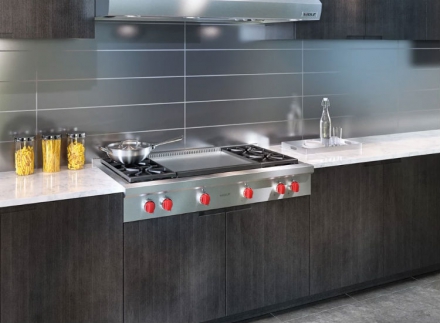
When comparing these two appliances, the main difference comes down to their basic design. The standard cooktop is a drop-in unit that is installed within a kitchen counter, featuring control knobs on the top of the appliance. Meanwhile, a rangetop is a slide-in unit installed within your countertops, flanked on each side by the counter itself. This design features control knobs on the front of the appliance, just like a cooking range. Your preference in knob placement will likely be a deciding factor in whether you invest in a cooktop or rangetop, though there are other minor differences that will also impact your decision.

Pros & Cons of Cooktops

Cooktops are commonly found in a host of homes, and like any other appliance come with their own set of pros and cons.

These appliances are designed for everyday home use, and there are several types of cooktops designed to match your specific needs. Gas cooktops, electric cooktops and induction cooktops are all popular choices, allowing you to choose between different fuel sources to find the right appliance for your home. Moreover, compared to most rangetops, the average cooktop requires a smaller countertop cutout space for installation.

While cooktops are a popular choice, these units do have their drawbacks. There are many exceptional premium cooktops available on today’s market, but there are also countless lower-end models that may not meet the demands of a busy kitchen. To find the right option, you’ll need to do a lot of research. Furthermore, some homeowners do not like how cooktop controls are located on the top of the appliance, as this can present a minor risk of burns if making adjustments while cooking.

Pros & Cons of Rangetops

If you’re looking for pro-style in your kitchen, then a rangetop may be the appliance for you. These units are commonly found in professional kitchens, and are ideally suited for avid home cooks that want to bring commercial-grade quality to their kitchen.

Most rangetops are pro-style units, meaning they offer superior power and heating functions that allow you to cook quickly, helping you save time in the kitchen. However, the greatest benefit of these models is their control knob orientation. With controls on the front of the appliance, you have easy access to the knobs while cooking, ensuring that you never have to reach over your pots and pans to adjust burner temperatures. This design significantly decreases the chance that you’ll burn yourself while cooking.

Rangetops are great for many kitchens, but you’ll need to ensure that you have enough space for your unit before making an investment. These appliances typically require more counter space for installation than a standard cooktop. Moreover, rangetops often come at a higher price than the average cooktops. However, their advanced heating capabilities and professional style makes the cost more than worth it.

Superior Rangetops & Cooktops For The Modern Kitchen

A great cooktop or rangetop is a must-have appliance in every kitchen, providing the strong heat and cooking surface required for crafting a wide array or exciting recipes. Thanks to a host of superior options available from a range of premium brands, there’s no doubt that you’ll find the perfect rangetop or cooktop for your home.

Looking for a new cooking appliance? You can use this online collection of cooktops or this collection of rangetops to explore your options, or contact a home appliance expert for specialized assistance.

How To Use A Convection Oven

The modern kitchen is not complete without a powerful oven, and for fast and efficient cooking results you’ll definitely want to invest in a convection oven.

Convection ovens offer specialized settings that heat the appliance differently than conventional ovens, reducing cooking times and helping you achieve even oven-cooked results. But many homeowners are unsure of how to use their convection ovens. To help you take advantage of your appliance, we’ve gathered some helpful information on how to use a convection oven.

Convection Ovens vs. Conventional Ovens

Convection and conventional ovens will both effectively cook or bake your items, but the key difference is the way that they heat food. Conventional ovens cook food by surrounding it with hot air, while convection ovens circulate hot air for cooking.

A convection unit features a fan in the back of the oven, and when it’s convection setting is turned on, the appliance blows hot air throughout the inside of the unit. Compared to conventional oven cooking, this air circulation promotes fast and even heating. With conventional settings, hot air simply sits within the oven’s interior, which can potentially lead to slower cooking and uneven results.

When to Use Convection Settings

Most modern ovens offer convection cooking settings, but these settings are not ideal for every cooking scenario. That said, you’ll definitely want to use your appliance’s convection setting when:

  • Roasting Meat or Vegetables: Roasted dishes benefit from the drier cooking environment that convection settings provide. These conditions help create crispy skin on meat and yield caramelized exteriors for vegetables.
  • Baking pies and pastries: Convection cooking creates steam and melts fat fast, offering more “lift” in pastries and pie dough.
  • Toasting or dehydrating food: Convection cooking natural creates a dry atmosphere that removes moisture from food, making it an ideal option for toasting or dehydrating dishes.

It’s also worth noting that you should not use convection settings when cooking delicate dishes or desserts. This is because blowing of the convection fan can endanger the integrity of the dish, separating baking batters or creating lopsided results in other delicate foods.

Convection Oven Cooking Tips

Convection oven settings are significantly different from conventional settings, and you’ll need to keep a few things in mind when cooking with convection.

First, remember to lower the standard oven temperature for whatever you’re cooking by 25 degrees Fahrenheit. The convection settings promote stronger overall heat, and lowering the temperature will ensure whatever you’re making isn’t overcooked or burned. You should also be sure to check your food earlier than the recommended cooking time, as convection settings will cook food faster than normal.

Finally, you also need to ensure that air can properly flow through your oven for the convection process to work. You should try to use trays and pans with lower sides, as this will help air flow over your food and through your oven. You should also avoid covering oven shelves with foil.

Superior Convection Ovens For Today’s Kitchens

A convection oven is a great addition to any kitchen, helping you cook and bake a variety of items effectively and efficiently. With some knowledge on how the convection cooking process works, you’ll be able to take advantage of all the benefits your oven offers, bolstering the culinary possibilities of your home.

If you’re looking for a new oven, consider using this online collection of cooking appliances or contact a home appliance expert for additional assistance.

4 Types Of Cooktops For Your Kitchen

The modern kitchen is more than just a place for cooking. It’s a gathering place for friends, family and loved ones, serving as one of the home’s central locations. Your kitchen deserves nothing but the best in cooking appliances, and a powerful, stylish cooktop is the perfect centerpiece to any kitchen.

Cooktops provide the surface you need to craft a variety of classic dishes and enticing contemporary cuisines. But with so many options on today’s market, it’s tough to know which type of cooktop is right for your home. To help you make an informed decision, we’re providing an overview on the four common types of cooktops.

Gas Cooktops

For superior heat and cooking power, you should consider a gas cooktop.

Gas cooktops are the preferred design for serious home chefs, as they offer the high temperatures and easily adjustable controls required for fast and efficient cooking. These units use an open flame as a heat source and as a result are able to reach high heat fast. While gas cooktop designs vary, many units feature a power burner designed to reach maximum temperatures quickly as well as a simmer burner for more delicate, controlled heat. Moreover, many of the best premium gas cooktops feature commercial-grade components, allowing you to cook restaurant quality meals from the comfort of your own home.

A gas cooktop is a great addition to almost any kitchen, though these appliances do come with a few minor disadvantages. First, due to their knob controls, it can be difficult to achieve the same exact cooking temperature every time the appliance is used. It’s also vital to note that gas cooktops require a proper gas connection for power. If your kitchen does not have a suitable gas line, you may need to consider another model.

Electric Cooktops

If consistent temperature control is your top concern, an electric cooktop is a good choice

The burners on these units are heated with electricity, and the unit does not require a gas connection. As a result, electric cooktops are generally easier to install than their gas counterparts. Traditional electric cooktops feature coil burners, though more modern appliances offer a smoothtop design. Regardless of the style, you can expect the burners to provide precise temperatures each and every time it’s used, as electric settings ensure consistency.

Many homeowners enjoy the comforts of an electric cooktop, though these units are known to be slightly less responsive than gas models. You’ll need to wait a little as your electric cooktop heats up or cools down, which can be frustrating to some homeowners.

Induction Cooktops

For premium cooking power, exceptional heat control and added safety, you may want to select an induction cooktop.

Induction cooktops are a type of electric cooktop that utilize electromagnetic energy to cook food. An element below the appliance’s flat ceramic surface creates a magnetic field that reacts to cookware with steel, iron, or magnetic stainless steel bottoms. The reaction creates a vibration that results in the heat you need to cook. Thanks to this unique design, there are a number of benefits to owning an induction cooktop. These models heat up much faster than traditional electric cooktops, while still offering superior temperature control. Moreover, they significantly reduce the risk of burning or kitchen fires, as they only produce heat when compatible cookware touches the surface — even when the appliance is turned on.

There are a host of advantages to having an induction cooktop, though it’s important to know that these units are typically considered to be premium, luxury appliances. That means that induction cooktops often come at a high cost, and they may not be the best choice for budget-conscious homeowners.

Rangetops

Most gas, electric and induction cooktops are “drop-in” units, designed for installation inside a cutout in your countertop. For an alternative to that design, consider a rangetop.

Rangetops offer the same functionality as cooktops, though they are installed by sliding into your countertop, extending from the rear of the counter to the front of the counter. While cooktops feature control knobs on the top of your counter, rangetops feature knobs on front of the appliance on the edge of the counter. This mimics the top design found in a common cooking range.

Most rangetops feature gas burners, though electric rangetops are also available. Much like induction cooktops, rangetops are premium appliances, and can come at a relatively high price.

Find The Perfect Cooktop For Your Kitchen

You can’t effectively cook in the kitchen without a cooktop, and thanks to a plethora of excellent choices, there’s little doubt that the perfect cooktop is out there waiting for you. Armed with some basic knowledge on the various types of cooktops, you’ll be perfectly prepared to find the ideal model for your kitchen.

Are you eager to begin your appliance search? You can explore this comprehensive online collection of cooktops or contact a home appliance professional for additional assistance.

5 Types Of Range Hoods For Your Kitchen

Cooking appliances like ranges and cooktops allow you to craft exciting meals for friends and family, but along the way help contribute to some of the worst messes in your kitchen. When you cook, you’re constantly creating smoke and steam, while also letting grease and other substances fill the air surrounding your cooking space. To combat these airborne pollutants, you’ll definitely want to invest in a powerful range hood.

Range hoods promote proper ventilation around your cooking space, removing steam, smoke, grease and more from the air to make your kitchen comfortable and clean. Finding the right range hood for your home can be tough, especially if you don’t know about the different types of range hoods available on today’s market. To help you get informed, we’ve compiled some useful information on the five common types of range hoods for your kitchen.

1. Under Cabinet Range Hoods

Under cabinet range hoods are found in many homes, and are probably the most common type of hood available. These hoods are installed under the kitchen cabinets above your cooktop or cooking range, offering an attractive design that’s adapted to your cabinetry.

Under cabinet hoods are manufactured in two standard varieties — ducted and ductless. A ducted under cabinet hood features a duct that transports smoke and airborne pollutants outside, while ductless hoods simply filter and recirculate dirty air. A ducted under cabinet range hood is a great choice because the duct system can typically be hidden within your cabinets, offering peak style to your home. That said, ductless hoods are often just as effective. These units come in a wide range of styles, sizes and designs, allowing you to select the perfect choice for your home.

2. Wall Mount Range Hoods

If there are no kitchen cabinets in the area above your cooking space, you may want to invest in a wall mount range hood.

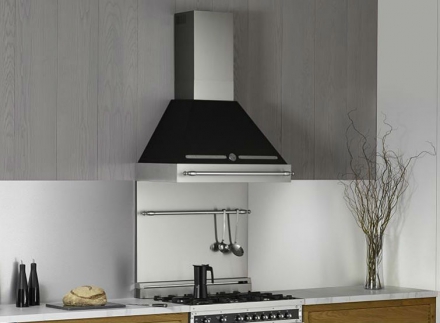
Wall mount range hoods are installed directly in your wall and are aligned with your kitchen’s pre-existing duct system for ventilation. These hoods are sometimes called wall-mounted chimneys, as their design is similar in shape to a traditional chimney. Compared to under cabinet hoods, wall mount hoods are typically wider on the bottom, offering more coverage of your cooking space.

3. Island Hoods 

You can rely on an island hood to provide suitable ventilation for a cooktop or cooking range that is not installed alongside a wall.

These hoods are similar in design to wall mount hoods, but do not have to be installed alongside a wall. An island hood features a vent that connects to a duct in your ceiling, pulling dirty air up and out of your cooking space. These hoods tend to be more expensive than their counterparts, but that cost generally comes with added style. Island hoods often feature sleek, contemporary designs that make them an ideal choice for an elegant, refined kitchen.

4. Cabinet Insert Hoods

For greater customization, you may want to consider investing in a cabinet insert hood.

These units, sometimes referred to as power packs, are designed for installation within an existing cabinet or range hood. Cabinet inserts feature blowers as well as speed controls and lights, but do not feature the complete ventilation system that comes with other types of hoods. An insert hood is best used as the base for a custom designed range hood, providing the core features you need while allowing you to design a ventilation system to match your kitchen’s layout.

5. Downdraft Range Hoods

Most range hoods are designed to pull fumes up towards the ceiling, but downdraft range hoods work in the opposite direction, pulling air in a downward direction out of your cooking space.

These hoods are installed behind your cooktop and reverse the direction of rising air by pulling it down and pushing it out through ducts beneath the floor. Downdraft hoods are good additions to kitchens with drop-in cooktops, and are typically used when the cooktop is built-in to an island. If your kitchen has the proper ducting system, a downdraft range hood can be a suitable addition to the space, offering the ventilation capabilities you need in a unique, eye-catching design.

Powerful Range Hoods For Your Kitchen Ventilation Needs

Your kitchen should be a comfortable and clean location, and a powerful range hood is sure to help make that a reality. Choosing the right range hood can be a challenge, but with some basic information on the common types of range hoods, you’ll be in the perfect position to find the right unit for your home.

You can start your search for the perfect appliance with this online collection of range hoods. For extra assistance, be sure to contact a home appliance expert.

5 Types Of Microwaves For Your Home

The modern kitchen holds a variety of powerful cooking appliances, helping you produce restaurant-quality dishes from the comfort of your own home. But large appliances, like a cooktop or wall oven, are not ideal for fast and efficient cooking. When exceptional speed and heat are your requirements, you should turn to a microwave.

A kitchen microwave is a staple in every home, but with so many unique designs available, it can be challenging to find the precise unit for your cooking space. To help in your search, we’ve compiled information on the most common types of microwaves on the market today.

Countertop Microwaves

For a traditional microwave with classic features, consider a countertop microwave.

These units are probably the most common types of microwaves available, designed to sit atop your kitchen counter and plug into a nearby electrical outlet for easy use. Countertop microwaves offer the basic heating cycles your kitchen needs, and are ideal for simple cooking spaces. The freestanding design of a countertop microwave offers the versatility required for many homes, allowing you to conveniently move your unit whenever needed. Best of all, these microwaves can typically be found at affordable prices, providing convenient heating and cooking at a great value.

Countertop units are a great choice for many homes, but tend to offer fewer cooking and heating options than their more advanced counterparts. If you’re looking for basic features at an affordable price, this is the ideal option.

Built-in Microwaves

If style and luxury are your primary concerns, you may want to invest in a built-in microwave.

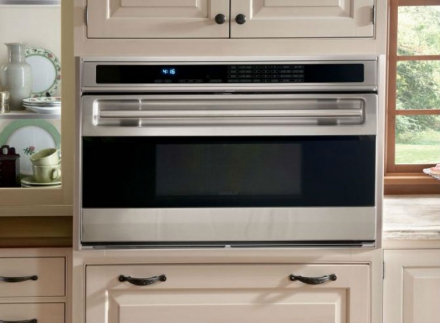
Unlike freestanding countertop models, built-in microwaves are fully integrated into the design of your kitchen. These units can be installed within walls or kitchen cabinets, maximizing counter space for cooking. Built-in microwaves are generally larger than countertop units, providing more room for larger dishes. These designs are often installed alongside a wall oven, designating a centralized location for two of your most frequently used kitchen appliances.

Built-in microwaves are premium appliances, offering the added space, style, and features you’d naturally expect from such a product. But added luxury comes at a higher cost, and a built-in microwave may not be the best choice for budget-conscious consumers.

Over-the-Counter Microwaves

Looking for an affordable unit that will help save space in your kitchen? You should consider an over-the-counter microwave.

These appliances are installed above your kitchen counters, built-in to your cabinets for a seamless feel. The built-in design is ideal for more stylish kitchens, reducing clutter within your cooking space. Many of these units feature more advanced features than traditional countertop models, providing added cooking capabilities to your home. Best of all, many of these units can be found at a lower price than a premium built-in microwave. For a great combination of value and features, you’ll want to look into over-the-counter units.

Over-the-Range Microwaves

Today’s kitchens require a number of powerful appliances for peak operation, but finding the space for all those kitchen products can be a challenge. An over-the-range microwave is guaranteed to help you save space by combining the features of two required appliances in one unit.

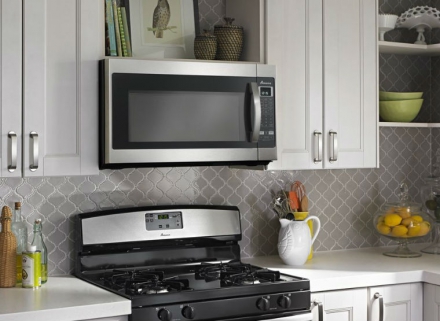
This type of microwave is installed above your cooktop or cooking range, built-in to your kitchen cabinets much like an over-the-counter model. The greatest benefit of an over-the-range microwave is its added ventilation features. The bottom of the microwave features a fan and filter system much like a range hood, removing smoke, steam, and other airborne pollutants from your kitchen while in operation.

An over-the-range microwave provides all the advantages of an over-the-counter model with the additional benefits of a range hood, making it a great choice for the contemporary kitchen.

These units can come at a relatively high price, but with so many choices available on the market, you’ll be sure to find an appliance that meets your budget requirements.

Microwave Drawers

Most built-in microwaves are installed above your kitchen counters or within a wall, and if you’re looking for something a bit different, consider a microwave drawer.

Microwave drawers are built-in units installed under the countertop. This type of microwave is easier to use than an over-the-counter or over-the-range unit, as you won’t have to reach up to your cabinets in order to access the appliance. Most microwave drawers do not feature the rotating plate seen in a traditional unit, and instead feature a smooth surface where you place dishes for heating. As a result, these appliances can be cleaned very easily.

A microwave drawer is an ideal addition to a luxury kitchen, as it provides a truly unique design that brings a “wow” factor to your home. These units offer premium style and features that are sure to meet your needs while impressing friends, family, and other guests.

Powerful Microwaves For Every Type of Kitchen

No contemporary kitchen is complete without the fast and convenient cooking that a microwave provides. There may be many different appliances available today, but with some knowledge on the most common types of microwaves, you’ll be perfectly prepared to choose a great unit for your home.

Ready to discover the microwave of your dreams? Explore a wide selection of options with this online collection of microwaves. For additional assistance in your search, be sure to contact a home appliance professional.

The Benefits Of A Range Hood

The kitchens of the past were simple utilitarian spaces designed solely for cooking. But the modern kitchen is a more diverse living space, intended for food storage and preparation as well as entertaining friends, family, and loved ones. While today’s homes are filled with a selection of advanced and innovative kitchen appliances, many homeowners ignore the importance of investing in a powerful range hood.

Range hoods are installed above your cooking range, and provide added ventilation for the cooking space. This may not seem necessary, but there are actually many benefits of a range hood. When combined, these benefits help provide both cleanliness and comfort to your home, bringing 21st-century amenities to your kitchen.

Promote Kitchen Cleanliness

The primary purpose of a range hood is to ventilate your kitchen, removing airborne grease, smoke, steam, and other debris from your cooking space. With the push of a button, your hood will begin to filter these pollutants from the area above your cooking range, reducing the potential for bacteria growth in your kitchen while also improving indoor air quality. Using a range hood will ultimately help make your kitchen clean, healthy living space.

Remove Excess Kitchen Heat

Range hoods are designed to provide added ventilation to your kitchen, and a benefit of a hood’s ventilation functions is the removal of excess heat.

When a range hood removes smoke and steam from your kitchen, it also removes heat from the space. The hood’s fan blower will suck up steam, smoke, and hot air from your kitchen, pushing it out of your home through a duct or recirculating it into the space with a slight cooling effect. While a range hood will not cool your kitchen as well as an air conditioner will, using a hood can help transform a steamy or hot kitchen into a more comfortable cooking space.

Extra Light In Your Kitchen

The kitchen is a hub of activity in your home, whether that be cooking, cleaning, or entertaining guests. A range hood will help you keep this space clean, but it can also provide extra light in your kitchen.

Most of today’s range hoods feature built-in lights to illuminate your cooking space, providing an added convenience feature that pleases many homeowners. These lights are a particular benefit when you’re cleaning your cooktop or other nearby cooking areas, with the extra illumination helping you find hidden gunk, grime, and grease. This added convenience helps you add the ideal amount of light to your kitchen for almost any situation, bringing additional comfort to the room.

Added Style For Luxurious Atmosphere

The range hoods of the past were bulky, loud, and unattractive appliances. But today’s range hoods are almost the exact opposite, exuding style and flair while promoting cleanliness in your kitchen.

Today’s range hoods operate quietly and efficiently, and come a wide variety of elegant designs that provide style and class to your kitchen. A unique range hood can provide the perfect “wow” effect in any kitchen, elevating your room’s style without sacrificing functionality. Appliance brands recognize the importance of marrying style and functionality, and there a host of artfully crafted range hoods on the market today. A modern range hood’s powerful ventilation features combined with its stylish design are all but guaranteed to bring luxury to your kitchen.

Superior Range Hoods From Premium Manufacturers

The kitchen buzzes with activity at all hours of the day. It should be a comfortable place where you enjoy spending your time cooking delicious meals and gathering with loved ones, and a range hood will certainly help bring that goal to life. Thanks to a host of benefits including powerful ventilation features, additional kitchen lighting, and impeccable style, an advanced, modern range hood is the perfect addition to any home kitchen.

To begin your search for the ideal appliance, consider using this online collection of range hoods.

Which Type Of Cooking Range Is Right For Your Home?

Formidable kitchen appliances help you deliver beloved home-cooked dishes and exciting new culinary creations to friends and family. A cooking range is sure to boost your cooking abilities combining a stovetop and oven into one appliance, saving space in your kitchen while offering a host of valuable cooking functions. But finding the right type of range for your home can be a challenge.

Cooking ranges come in a variety of styles, each with its own unique advantages. To assist in your range search, we’ve compiled helpful information on some of the most common types of cooking ranges.

Gas Cooking Range

Are you interested in exceptional power and heat in your range? If so, you should definitely research gas cooking ranges.

Modern gas ranges feature an electronic ignition system that produces a spark to light flames for the cooktop or oven. By using an open flame, gas ranges offer superior heating power that helps speed up the cooking process. This strong heat can also be altered quickly, which is a particular benefit in cooking more sophisticated fare. You can switch a gas cooktop from low to high temperatures fast, offering great flexibility while preparing your gastronomic creations. Most professional chefs use gas units, and this style is ideal for avid home cooks looking to boost their cooking prowess.

Gas ranges are great, though they do have a few drawbacks. You need to turn knobs to control the cooktop’s flames, making it a challenge to find the exact temperature for every dish. This use of an open flame also produces more risk of kitchen fires, though if you’re mindful while cooking you should be fine.

Electric Cooking Range

If safe and precise cooking are your top priorities, you may want to invest in an electric cooking range.

Electric ranges do not require an open flame for cooking, and as a result offer more safety than gas ranges. These appliances typically feature electric coil burners for stovetop cooking, and electric heating elements for the oven. Electric units typically offer more precise temperature selections for the cooktop and oven, allowing you to easily choose the ideal temperature for every dish. Moreover, thanks to their low heat variance, these models are ideally suited for crafting evenly baked dishes.

The top electric cooking ranges perform just as well, or better, than gas ranges. That said, low-end electric ranges might not offer the same levels of power or heat as similar gas models.

Induction Cooking Range

For a more advanced style of electric cooking range, consider an induction range.

Induction ranges feature a traditional electric oven and an induction cooktop, which uses heat from electromagnetic energy to cook food. A heating element sits underneath the unit’s flat ceramic surface, creating a magnetic field that produces heat when you use cookware with a steel, iron, or magnetic stainless steel bottom. There are many benefits to an induction cooktop, including exceptional temperature control, fast heating and cooling, and a low risk of burning. These ranges are truly luxury appliances, offering all the benefits of a traditional electric range alongside more advanced features and elegant style.

Induction cooking ranges offer great features, and are extremely safe to use. That said, these units can come in at a high price point that’s less than ideal for budget conscious homeowners.

Dual Fuel Cooking Range

Gas and electric cooking ranges both have unique advantages, and if you want to bring the best of both units to your kitchen, you’ll definitely want to consider a dual fuel range.

Dual fuel ranges feature a gas cooktop and an electric oven, bringing a great combination of cooking features to your home. The gas cooktop provides exceptional heat power for heating, sautéing, and boiling a wide range of dishes. Meanwhile, the electric oven offers the consistent and controlled heat ideal for baking. These ranges are typically more expensive than the average cooking range, but their impressive cooking capabilities and high quality designs provide great value for the cost.

The Best Cooking Ranges In A Variety Of Styles

Ultimately, the best cooking range for your home is whichever range meets your needs.

For strong heat and power, go with a gas cooking range. If more precise temperature control and consistent baking temperatures are priorities, consider an electric cooking range. If you really want to bring luxury and safety to your home, you’ll want to invest in an induction cooktop. Should you want to combine the best of these options, a dual fuel cooking range is a great solution. By considering your needs and researching a variety of options, you’ll be sure to find an exceptional cooking range for your home.

You can begin your search for a great appliance with this online collection of cooking ranges.