How To Organize Your Refrigerator

The kitchen refrigerator is one of the most vital appliances in your entire home, providing the storage solutions required for a host of ingredients, pre-prepared dishes, beverages and more. You don’t want your items to spoil while in your refrigerator, and the secret to long-lasting ingredients is proper organization.

By strategically organizing your refrigerator, you can ensure that each item is placed exactly where it needs to be based on its temperature and humidity requirements, ensuring your foods do not spoil while saving you money at the grocery store. With that in mind, we’ve provided some helpful information on how to organize your refrigerator.

Items To Store Elsewhere

To maintain an organized refrigerator, you need to ensure your appliance is not overstuffed. There are a host of common ingredients that have no place in the kitchen, and storing them elsewhere will allow you to maximize space within your unit.

When organizing food, you should avoid keeping common items like tomatoes, garlic, onions and potatoes in your refrigerator. You should also store bananas and bread in non-refrigerated areas. Storing these items in room temperature conditions will free up space in your unit without putting your items at risk for going bad.

If space is limited in your appliance, you can also store citrus fruits like oranges, tangerines, grapefruit and lemons. These items are actually more juicy and delicious at room temperature, even though refrigeration will prevent their natural decomposition process.

Organize Condiments In The Door

The refrigerator door is the warmest part of your appliance, making it a bad place for highly perishable items. Instead, store all your common condiments in the door to free up shelf space for other items.

Most condiments are high in natural preservatives, allowing them to taste great even if they’re stored in warmer conditions. Items like ketchup, mustard, salad dressing and sauces should stay in good condition for a significant amount of time when stored in your appliance’s door. You can also keep pickled vegetables, jellies and jams in the door and trust that they will be preserved properly.

Use Drawers For Fruits & Vegetables

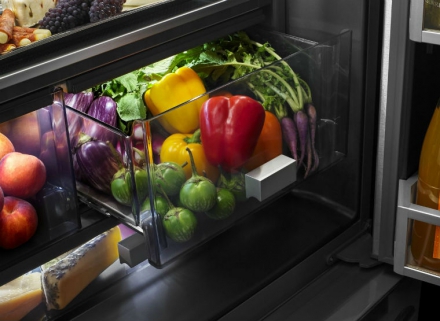
Most modern refrigerators feature “crisper” drawers designed specifically for preserving fresh produce. It may be easier to keep these items on your shelves, but doing so only means they will spoil sooner.

Standard crisper drawers offer a variety of humidity settings that help you store items at proper conditions. For delicate fruits like grapes, pears and apples, set the drawer to a low humidity level. Meanwhile, if you choose to keep citrus fruits in your refrigerator, set the drawer to a medium humidity. Crisp vegetables like green beans and carrots can also be kept at medium humidity, while veggies prone to wilting like lettuce, leafy greens and broccoli should be preserved in a high humidity drawer.

Dairy & Meat On Lower Shelves

Meat and dairy ingredients are vital to a host of popular recipes, and these items can also spoil fairly quickly. For the freshest dairy and meat, keep these items tucked towards the back on the lower shelves of your refrigerator.

The lower part of the refrigerator is typically the coldest area of the appliance, making it an ideal spot for your most perishable items. The cold temperatures found on your lower shelves are ideal for meat and dairy, as they’ll extend the lifetime of these important ingredients. For an extra blast of cold temperatures, stick particularly perishable items like milk further back on a lower shelf. Just be sure that you leave enough space between your items to allow cold air to properly circulate.

Pre-prepared Items & Leftovers On Top Shelves

The top level of the refrigerator is typically warmer than the lower level, making it an ideal location for storing pre-made food and leftovers. Prepared ingredients do not require the same cold temperatures that raw or uncooked items do, making the top shelves a great place for pre-packed lunches, leftover takeout, deli meats and more.

Modern Refrigeration Solutions For The Modern Home

The refrigerator is designed exclusively for food and beverage storage, and there’s no reason you shouldn’t be getting the most out of your appliance. Thanks to effective organization, you can take advantage of your unit’s specialized design while helping a host of delicious ingredients stay fresh for longer.

If you’re looking for a new addition to your kitchen, you can browse this online collection of refrigerators or contact a home appliance expert for further assistance.

Which Food Disposal Solutions Are Right For Your Home?

Today’s kitchens buzz with activity at all hours of the day, and are filled with modern cooking appliances that help you craft restaurant-quality meals for any occasion. After your cooking is completed, it’s time to clean, and your home requires proper food disposal solutions to help get the job done right.

Each homeowner tackles food waste and trash removal differently, but there are several common tools that are all but guaranteed to help keep your kitchen clean. With that in mind, we’ve compiled some useful information on the most common food disposal solutions for your home.

Garbage Disposals

If your primary concern is eradicating small amounts of food waste, then you’ll definitely want to add a garbage disposal to your kitchen.

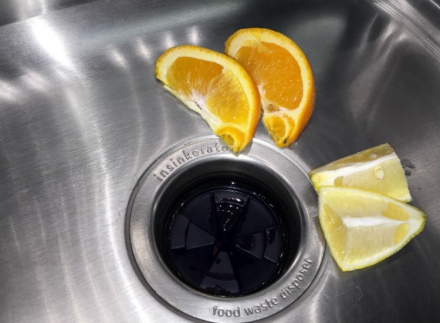
Garbage disposals are small units fitted to the waste pipe of your kitchen sink that grind up waste as you toss it down the drain. These common appliances come in handy when cleaning dishes and cookware, as they allow you to quickly get rid of any food remnants while washing up.

Homeowners can choose from two types of garbage disposals — continuous feed disposals and batch feed disposals. Continuous feed units are controlled by a switch, and run as long as the switch is flipped. Meanwhile, batch feed models feature a special cover that activates the unit’s grinding action. Regardless of your preference, either disposal should meet the needs of the common kitchen, helping you effortlessly eliminate the final bits and pieces of a delicious meal.

Trash Compactors

You need more than just a garbage disposal to keep your home clean. To help handle heavy-duty waste, you may want to consider investing in a trash compactor.

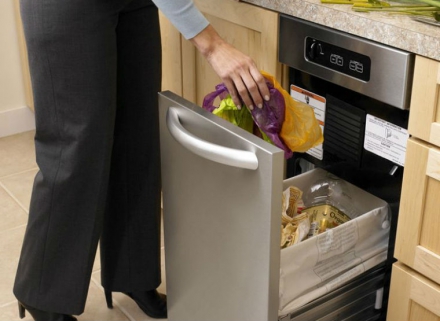
Trash compactors reduce trash volume by literally crushing garbage and food waste. These units feature a bin that holds trash and a metal ram that compacts your trash, creating more space in the bin for additional garbage. Trash compactors help you pack as much trash together as possible, reducing the number of trips you’ll need to make to your dumpster. Moreover, many of today’s advanced units feature odor management systems that ensure foul smells stay out of your home.

If you’re concerned that a trash compactor will clash with your home aesthetic, don’t worry, because these appliances come in a range of styles, sizes and designs. Nearly all trash compactors are built-in appliances, allowing them to be seamlessly integrated into your kitchen or any other living space.

Recycling Cabinets

The modern home should be environmentally friendly, and a recycling cabinet can help make that goal a reality.

These units are conveniently placed cabinets that feature bins designated for recyclable waste. Many recycling cabinets offer space for multiple bins, allowing you to easily separate plastic, glass and paper recyclables. Like trash compactors, these cabinets are built-in units that can match the style of almost any living area. In fact, you can even designate a bin in your cabinet for regular garbage if you do not have a trash compactor in your home. Thanks to their versatile designs, recycling cabinets are great additions to any home, helping you get rid of food packaging, bottles and more in an eco-conscious fashion.

Discover The Ideal Food Disposal Solutions For Your Home

No homeowner wants their living spaces to be overrun with food waste and trash. The strategic employment of food disposal solutions will ensure your home stays clean and odor-free, helping you get rid of food waste, trash and recyclables efficiently and effectively.

Ready to find the right appliances for your home? Explore this online collection of food disposal units today, and be sure to contact a home appliance expert for further assistance.

5 Popular Types Of Specialty Refrigerators

The standard kitchen refrigerator is a powerful and useful appliance, but there’s no reason you should limit your food and beverage storage options to just one unit. If your home requires room for additional drinks or fresh ingredients, you can always turn to a specialty refrigerator to meet your needs.

There is no shortage of unique specialty refrigerators available today, with premium brands manufacturing a host of distinctive options that provide different settings and designs for different items. But what type of specialty refrigerator is right for your home? To help you decide, we’ve compiled useful information on five of the most popular types of specialty refrigerators.

1. Compact Refrigerators

Should you need a versatile refrigerator for a small space, you’ll want to consider a compact refrigerator. These models are small units designed to offer the power of a full-sized refrigerator in a smaller package, expanding the food storage possibilities of your home.

Thanks to a wealth of available sizes, styles and designs, there’s a compact refrigerator for almost any situation. Many homeowners choose to add a compact refrigerator to their kitchen to supplement a full-sized unit. Meanwhile, those living in small apartments or college dorms can rely on a compact refrigerator as their primary unit, to keep food and drinks organized without taking up too much space. Best of all, these units are available in both freestanding and built-in designs, allowing you to make the best choice for your living space.

2. Refrigerated Drawers

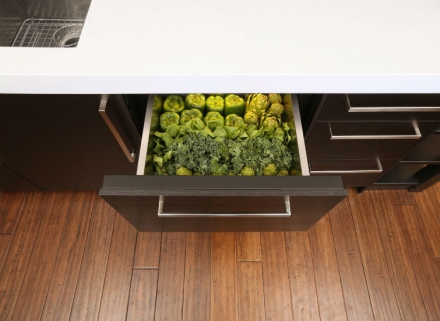
If unique style is your top concern, you’ll definitely want to consider a refrigerated drawer. Refrigerated drawers are stylish drawers installed underneath your kitchen counters that provide storage space for both fresh food and beverages.

These units are ideal if you’re looking for extra storage space in your kitchen, often offering about as much space as a compact refrigerator, but in a significantly more impressive design. From sleek stainless-steel exteriors to wood panel designs, there’s little doubt you’ll find a great refrigerated drawer that matches your kitchen aesthetic. Moreover, refrigerated drawers are built-in appliances, allowing them to be seamlessly integrated into your kitchen layout.

 3. Beverage Centers

For dedicated beverage storage, you may want to invest in a beverage center. These refrigerator units are specially designed for beverage storage, providing the optimal temperatures for water, soda, juice, beer and more.

Like compact refrigerators, beverage centers can be effortlessly integrated into your kitchen design for extra storage. That said, many homeowners opt to add one of these units to other living spaces like a rec room or outdoor patio, providing convenient access to ice cold drinks in common gathering places. While a traditional beverage center will provide suitably cold temperatures for a variety of drinks, more advanced units offer multiple temperature-controlled zones that offer different storage settings for different types of beverages.

 4. Wine Coolers

Every wine connoisseur knows that their collection requires specific conditions for proper preservation, and wine coolers are specially produced to provide those conditions.

Wine coolers offer specialized temperature and humidity settings that you won’t find in other specialty refrigerators, ensuring your bottles of wine are perfectly preserved. These coolers are available in a bevy of different sizes, from miniature units that hold four bottles to mid-sized models that fit 15 to 30 bottles, as well as massive units for over 100 bottles. No matter the size of your collection, there’s a wine cooler for you. Most importantly, nearly all of today’s wine coolers are designed with luxury in mind, offering the premium performance that you require.

5. Beer Coolers

If you love crisp-cold beer, then investing in a beer cooler is an excellent decision. These appliances, also known as beer dispensers, are designed to keep a fresh keg of beer ice cold for your enjoyment.

These appliances are two-part units that allow you to effortlessly store and serve fresh beer. The unit features a cooler that holds a standard keg of beer, which connects to a kegerator at the top of the appliance that pumps beer through a draft tower for your enjoyment. Beer coolers are a great addition to any outdoor living space, especially if you frequently host gatherings or parties. Beer coolers can be somewhat expensive, but these consumer units function just as well as many commercial brewing systems, and are available as built-in indoor units, making the cost more than worth it.

Specialty Refrigerators For Every Home

The modern homeowner has a variety of special food and beverage storage requirements, and with a host of innovative specialty refrigerators available on today’s market, you’re bound to find the ideal appliance to meet your needs.

You can explore a vast selection of units using this online collection of specialty refrigerators. For additional assistance, be sure to contact a home appliance expert.

Which Type Of Garbage Disposal Is Right For Your Kitchen?

Thanks to an array of advanced cooking appliances, today’s kitchens are capable of creating truly exceptional meals for every occasion. After each meal, it’s time to clean your cooking space, and a high-quality garbage disposal can help easily rid your home of food waste.

Many homeowners turn to garbage disposals to handle their waste problems. These units are fitted to the waste pipe of your kitchen sink, and are designed to grind up food waste tossed down your drain. Garbage disposals come in two standard models — continuous feed and batch feed. But which type of garbage disposal is right for your kitchen? To help you make an informed choice, we’ve compiled some useful information on both types of common garbage disposals.

Continuous Feed Garbage Disposals

Continuous feed garbage disposals are turned on with a switch as you run water down your sink’s drain, grinding food waste as long as the switch is flipped. These units allow you to easily tackle large amounts of waste, as you can easily turn on the disposal whenever necessary or simply leave it running while cleaning up. Moreover, these units are typically less expensive than batch feed disposals, making them particularly popular amongst today’s homeowners.

A continuous feed garbage disposal is sure to meet your needs, but these models do have a few drawbacks. The switch operation system can be a potential safety hazard, as the unit will run as long as the switch is flipped. This means that you need to be careful if you have to reach down the drain to retrieve non-waste items, as an accidentally flipped switch will cause a major accident. Continuous feed disposals can also cause a slight increase in your utility bills, as most manufacturers recommend you run cold water down the drain when using the appliance.

Batch Feed Garbage Disposals

Batch feed garbage disposals are designed to grind up individual batches of food waste, and come with a special cover that goes over your sink drain and on top of the disposal. This cover aligns with the top of the disposal to turn it on, shredding any waste within the unit.

If safety is your top concern, a batch feed garbage disposal is a great choice. These disposals only operate when the cover is properly placed on the unit, making them a safer option than continuous feed models. Moreover, the disposal cover eliminates the possibility of utensils or other items falling down the drain while the appliance is in use. However, it’s important to note that these models are ideally suited for eliminating small amounts of food waste, as you can only grind up waste in individual batches. This means that getting rid of large amounts of food can take a long time, presenting an inconvenience to some homeowners.

Find the Ideal Garbage Disposal For Your Home

There is no reason for your kitchen to suffer at the hands of food waste, and a powerful garbage disposal will ensure every last remnant of your culinary creations are properly handled. Continuous feed garbage disposals and batch feed garbage disposals are both great choices, and in the end, the best garbage disposal is whichever one meets your home’s needs. With so many options available on today’s market, there’s little doubt that you’ll find the perfect garbage disposal for your kitchen.

Ready to discover your new garbage disposal? You can use this online collection of food disposal appliances, or contact a home appliance professional for additional help.

Does Your Kitchen Need A Steam Oven?

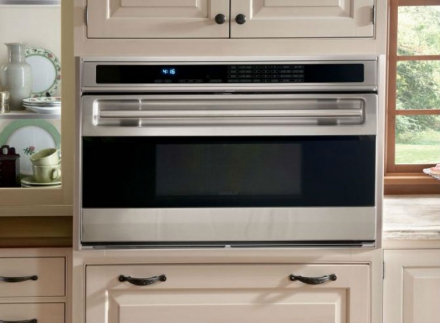
No kitchen is complete without an oven, and while the kitchens of the past featured traditional wall ovens, today’s cooking appliance options bring a bevy of advanced capabilities to your home. If healthy and convenient cooking are your top priorities, you may want to add a steam oven to your kitchen design.

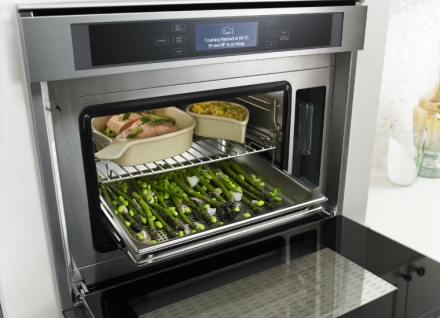
Steam ovens push steam from a heated water tank into the oven in order to cook food, forgoing the traditional hot air used in common convection ovens. This makes them ideal for cooking vegetables and fish as well as desserts like soufflés, puddings and crème brulee, allowing you to prepare such items quickly and efficiently. But does your kitchen actually need a steam oven? To help you decide, we’re providing a helpful overview of these advanced modern ovens.

Different Types Of Steam Ovens

There are three primary types of steam ovens, each bringing a set of unique features to your kitchen. First, there are steam-only ovens. These “pure” steam ovens exclusively offer steam-cooking functionality, which is great for a host of dishes though ill suited for browning meat.

The second common type of steam oven is the combination steam oven, also known as the combi-steam oven. These units offer steam cooking features as well as traditional convection oven capabilities, offering the powerful heat required for standard baking and broiling in addition to steam functions.

The third option is a convection oven with added steam moisture features. When reviewing appliance options, you may see this feature referred to as “steam assist.” The steam-cooking features in these units are minimal compared to other options, and typically include an injection of steam into the oven at regular intervals during the oven cycle to promote optimal cooking. This can help certain dishes remain moist while in the oven, though it will not be suitable to fully cook ingredients.

Benefits of a Steam Oven

There are a host of benefits to owning a steam oven. The biggest advantage to these ovens is their healthy cooking techniques. Overall, cooking with steam is a healthier alternative than baking or frying. Moreover, steam cooking brings out the natural colors, flavors and textures of a dish without reducing nutritional value. This means you won’t have to drown your dishes in expensive spices or unhealthy oil in order to make them taste great.

Best of all, steam ovens ensure that your dishes do not dry out while in the oven. This ensures that chicken stays juicy, veggies remain succulent and pastries come out flaky. You can even cook rice in a steam oven — something you would never consider in a traditional convection oven.

Find The Best Steam Oven For Your Kitchen Today

Today’s kitchens deserve modern appliances, and you certainly don’t have to limit yourself to the old convection ovens of the past. Steam ovens offer unique steam-cooking capabilities to the kitchen, allowing you to prepare a host of delicious dishes in a healthy fashion. With a variety of designs available on the market, there’s little doubt that you’ll find the perfect steam oven for your home.

You can explore a wealth of great choices using this online collection of steam ovens. For additional assistance, be sure to contact a kitchen appliance professional.

4 Types Of Cooktops For Your Kitchen

The modern kitchen is more than just a place for cooking. It’s a gathering place for friends, family and loved ones, serving as one of the home’s central locations. Your kitchen deserves nothing but the best in cooking appliances, and a powerful, stylish cooktop is the perfect centerpiece to any kitchen.

Cooktops provide the surface you need to craft a variety of classic dishes and enticing contemporary cuisines. But with so many options on today’s market, it’s tough to know which type of cooktop is right for your home. To help you make an informed decision, we’re providing an overview on the four common types of cooktops.

Gas Cooktops

For superior heat and cooking power, you should consider a gas cooktop.

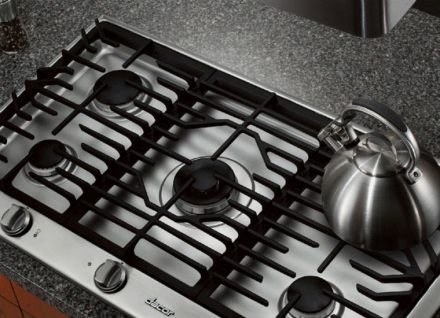
Gas cooktops are the preferred design for serious home chefs, as they offer the high temperatures and easily adjustable controls required for fast and efficient cooking. These units use an open flame as a heat source and as a result are able to reach high heat fast. While gas cooktop designs vary, many units feature a power burner designed to reach maximum temperatures quickly as well as a simmer burner for more delicate, controlled heat. Moreover, many of the best premium gas cooktops feature commercial-grade components, allowing you to cook restaurant quality meals from the comfort of your own home.

A gas cooktop is a great addition to almost any kitchen, though these appliances do come with a few minor disadvantages. First, due to their knob controls, it can be difficult to achieve the same exact cooking temperature every time the appliance is used. It’s also vital to note that gas cooktops require a proper gas connection for power. If your kitchen does not have a suitable gas line, you may need to consider another model.

Electric Cooktops

If consistent temperature control is your top concern, an electric cooktop is a good choice

The burners on these units are heated with electricity, and the unit does not require a gas connection. As a result, electric cooktops are generally easier to install than their gas counterparts. Traditional electric cooktops feature coil burners, though more modern appliances offer a smoothtop design. Regardless of the style, you can expect the burners to provide precise temperatures each and every time it’s used, as electric settings ensure consistency.

Many homeowners enjoy the comforts of an electric cooktop, though these units are known to be slightly less responsive than gas models. You’ll need to wait a little as your electric cooktop heats up or cools down, which can be frustrating to some homeowners.

Induction Cooktops

For premium cooking power, exceptional heat control and added safety, you may want to select an induction cooktop.

Induction cooktops are a type of electric cooktop that utilize electromagnetic energy to cook food. An element below the appliance’s flat ceramic surface creates a magnetic field that reacts to cookware with steel, iron, or magnetic stainless steel bottoms. The reaction creates a vibration that results in the heat you need to cook. Thanks to this unique design, there are a number of benefits to owning an induction cooktop. These models heat up much faster than traditional electric cooktops, while still offering superior temperature control. Moreover, they significantly reduce the risk of burning or kitchen fires, as they only produce heat when compatible cookware touches the surface — even when the appliance is turned on.

There are a host of advantages to having an induction cooktop, though it’s important to know that these units are typically considered to be premium, luxury appliances. That means that induction cooktops often come at a high cost, and they may not be the best choice for budget-conscious homeowners.

Rangetops

Most gas, electric and induction cooktops are “drop-in” units, designed for installation inside a cutout in your countertop. For an alternative to that design, consider a rangetop.

Rangetops offer the same functionality as cooktops, though they are installed by sliding into your countertop, extending from the rear of the counter to the front of the counter. While cooktops feature control knobs on the top of your counter, rangetops feature knobs on front of the appliance on the edge of the counter. This mimics the top design found in a common cooking range.

Most rangetops feature gas burners, though electric rangetops are also available. Much like induction cooktops, rangetops are premium appliances, and can come at a relatively high price.

Find The Perfect Cooktop For Your Kitchen

You can’t effectively cook in the kitchen without a cooktop, and thanks to a plethora of excellent choices, there’s little doubt that the perfect cooktop is out there waiting for you. Armed with some basic knowledge on the various types of cooktops, you’ll be perfectly prepared to find the ideal model for your kitchen.

Are you eager to begin your appliance search? You can explore this comprehensive online collection of cooktops or contact a home appliance professional for additional assistance.

Which Type Of Freezer Is Right For Your Home?

The freezer compartments in most modern refrigerators offer ample storage space and cooling systems to meet your needs. But if you need additional storage for ice, pre-prepared meals or frozen desserts, you may want to invest in a standalone freezer.

Depending on your needs, these units can serve as the sole freezer in your home or supplement your refrigerator’s freezer, but what type of freezer is right for you? To help you decide, we’ve compiled a general overview on the most common types of freezers.

Undercounter Freezer

If you want additional freezer storage in your kitchen, but space is limited, you should consider an undercounter freezer.

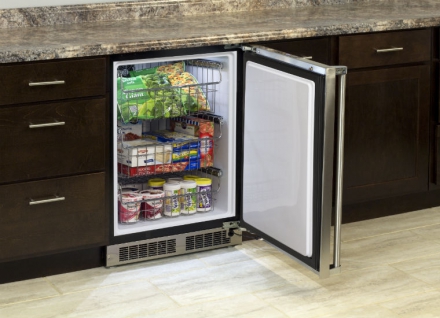
Undercounter freezers are standalone units designed for installation under your kitchen counters, offering easy access to frozen items whenever needed. These freezers provide great cooling capabilities in a compact design, and can be integrated into almost any kitchen layout. Best of all, these appliances come in a host of sizes and styles, allowing you to find the ideal undercounter freezer for your home.

The biggest downside of an undercounter freezer is the fact that, because it is installed under your counters, you will have to bend down in order to store and retrieve frozen items.

Chest Freezer

For the maximum amount of storage capacity, you may want to invest in a chest freezer.

Chest freezers are large units that offer significantly more space than traditional freezer units. These models are designed for long-term frozen storage, and are a great choice if you like to buy frozen items in bulk or freeze large amounts of pre-prepared food. Moreover, these appliances are more energy efficient than other freezers, as the chest design helps maintain cold temperatures within the unit.

Chest freezers are a great choice for many homes, but it’s important to note that these units are very large. Chest freezers are typically installed in locations with ample floor space like a garage or basement, as they take up too much room in the kitchen. Before investing in a chest freezer, be sure to determine if you have enough space for the appliance.

Built-In All-Freezer

Should sleek and sophisticated freezer storage be your priorities, be sure to research built-in all-freezer units.

These appliances are column units that resemble all-refrigerator appliances, but are solely dedicated to frozen storage. If you have an all-refrigerator, then an all-freezer is the ideal addition to your kitchen. Moreover, thanks to their built-in design, all-freezers bring premium style to the modern kitchen.

Many all-freezers are premium appliances, offering advanced cooling systems and state-of-the-art components that promote efficient and effective frozen item storage.

The biggest disadvantage to these units is their potential cost, as many all-freezer models come at a steep price.

Find The Perfect Freezer For Your Home

No home is complete without freezer storage, and investing in a standalone freezer is sure way to meet your needs. Undercounter freezers, chest freezers and built-in all-freezers offer great performance that meet the demands of today’s consumers, and with some basic knowledge on these appliances, you’ll be prepared to discover the perfect freezer for your home.

Explore a wealth of impressive appliances with this online collection of freezers.

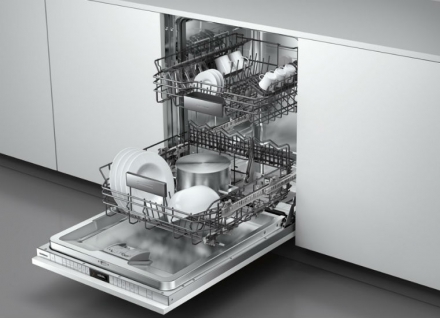
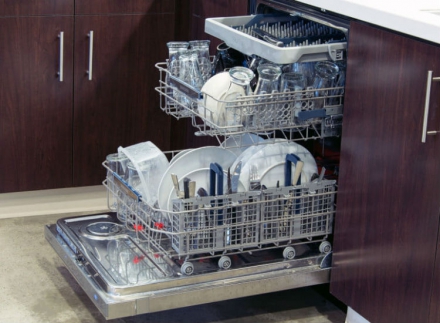
BSH Home Appliances Announces Recall On Bosch, Jenn-Air, Gaggenau and Thermador Dishwashers

BSH Home Appliances has expanded its recall of dishwashers due to fire hazard.

This BSH Home Appliances dishwasher recall expansion comes as a result of defective power cords in a number of Bosch, Jenn-Air, Gaggenau and Thermador dishwashers. These faulty cords can overheat and catch fire, creating incredibly hazardous conditions in the home. BHS Home Appliances has received five reports of power cords overheating, causing fires and property damage. However, no injuries due to this defect have been reported

According to the Consumer Product Safety Commission (CPSC), the latest recall covers approximately 408,000 units, in addition to approximately 149,000 units that were recalled back in October 2015.

Department stores, home improvement stores, authorized builder distributers, and appliance/specialty retailers sold the recalled dishwashers nationwide and online from January 2013 through May 2015.

You can visit the CPSC’s official website for a list of model and serial numbers for affected units. The model and serial numbers of your dishwasher can be found printed inside the unit either on the top or side of the inner door panel.

If your dishwasher has been recalled, you should stop using the appliance and contact BSH Home Appliances for a free inspection and repair. You can contact the company toll-free at 888-965-5813 from 8am to 8pm ET Monday through Sunday, or contact the company online through the brand websites listed below:

  • Bosch: Visit bosch-home.com/us and click on “Service,” then “Safety Notices”
  • Gaggenau: Visit gaggenau.com/us and click on “Support,” then “Safety Notices”
  • Jenn-Air: Visit jennair.com and click on “product recalls” at the bottom of the page
  • Thermador: Visit thermador.com and click on “Customer Care,” then “Safety Notices”

For help in determining if your unit is affected by this recall, contact Universal Appliance and Kitchen Center. You can also enlist assistance from a professional appliance repair service.

5 Types Of Range Hoods For Your Kitchen

Cooking appliances like ranges and cooktops allow you to craft exciting meals for friends and family, but along the way help contribute to some of the worst messes in your kitchen. When you cook, you’re constantly creating smoke and steam, while also letting grease and other substances fill the air surrounding your cooking space. To combat these airborne pollutants, you’ll definitely want to invest in a powerful range hood.

Range hoods promote proper ventilation around your cooking space, removing steam, smoke, grease and more from the air to make your kitchen comfortable and clean. Finding the right range hood for your home can be tough, especially if you don’t know about the different types of range hoods available on today’s market. To help you get informed, we’ve compiled some useful information on the five common types of range hoods for your kitchen.

1. Under Cabinet Range Hoods

Under cabinet range hoods are found in many homes, and are probably the most common type of hood available. These hoods are installed under the kitchen cabinets above your cooktop or cooking range, offering an attractive design that’s adapted to your cabinetry.

Under cabinet hoods are manufactured in two standard varieties — ducted and ductless. A ducted under cabinet hood features a duct that transports smoke and airborne pollutants outside, while ductless hoods simply filter and recirculate dirty air. A ducted under cabinet range hood is a great choice because the duct system can typically be hidden within your cabinets, offering peak style to your home. That said, ductless hoods are often just as effective. These units come in a wide range of styles, sizes and designs, allowing you to select the perfect choice for your home.

2. Wall Mount Range Hoods

If there are no kitchen cabinets in the area above your cooking space, you may want to invest in a wall mount range hood.

Wall mount range hoods are installed directly in your wall and are aligned with your kitchen’s pre-existing duct system for ventilation. These hoods are sometimes called wall-mounted chimneys, as their design is similar in shape to a traditional chimney. Compared to under cabinet hoods, wall mount hoods are typically wider on the bottom, offering more coverage of your cooking space.

3. Island Hoods 

You can rely on an island hood to provide suitable ventilation for a cooktop or cooking range that is not installed alongside a wall.

These hoods are similar in design to wall mount hoods, but do not have to be installed alongside a wall. An island hood features a vent that connects to a duct in your ceiling, pulling dirty air up and out of your cooking space. These hoods tend to be more expensive than their counterparts, but that cost generally comes with added style. Island hoods often feature sleek, contemporary designs that make them an ideal choice for an elegant, refined kitchen.

4. Cabinet Insert Hoods

For greater customization, you may want to consider investing in a cabinet insert hood.

These units, sometimes referred to as power packs, are designed for installation within an existing cabinet or range hood. Cabinet inserts feature blowers as well as speed controls and lights, but do not feature the complete ventilation system that comes with other types of hoods. An insert hood is best used as the base for a custom designed range hood, providing the core features you need while allowing you to design a ventilation system to match your kitchen’s layout.

5. Downdraft Range Hoods

Most range hoods are designed to pull fumes up towards the ceiling, but downdraft range hoods work in the opposite direction, pulling air in a downward direction out of your cooking space.

These hoods are installed behind your cooktop and reverse the direction of rising air by pulling it down and pushing it out through ducts beneath the floor. Downdraft hoods are good additions to kitchens with drop-in cooktops, and are typically used when the cooktop is built-in to an island. If your kitchen has the proper ducting system, a downdraft range hood can be a suitable addition to the space, offering the ventilation capabilities you need in a unique, eye-catching design.

Powerful Range Hoods For Your Kitchen Ventilation Needs

Your kitchen should be a comfortable and clean location, and a powerful range hood is sure to help make that a reality. Choosing the right range hood can be a challenge, but with some basic information on the common types of range hoods, you’ll be in the perfect position to find the right unit for your home.

You can start your search for the perfect appliance with this online collection of range hoods. For extra assistance, be sure to contact a home appliance expert.

Which Type of Dryer is Right for Your Home?

The laundry room is the command center of the contemporary living space, providing your home with a steady supply of clean clothes, bedding, towels, and more. There are various types of washers to start your laundry process and you can’t get the job done without a powerful dryer.

Today’s dryers come with a host of advanced functions and innovative features that ensure your items are ready for use after each dry cycle, but finding the right dryer for your laundry room can be tough. There are two common types of dryers — gas and electric — each with their own advantages and disadvantages. To help you decide which type of dryer is right for your home, we’ve gathered some helpful information on both gas dryers and electric dryers.

Gas Dryers

Gas dryers have been popular models for decades, as they offer high heat levels and fast spin speeds that provide the exact results many homeowners require.

Gas dryers use a dedicated gas line as a power source, and as a result heat up quickly and dry items faster than their electric counterparts. These fast cycles make the unit more energy efficient and help the dryer treat fabrics more gently. Generally speaking, gas dryers are also less expensive to operate than electric models, though this will ultimately depend on the cost of utilities in your area.

If strong heat and fast cycles are your top priorities, then a gas dryer is an excellent choice. However, these appliances also come with a few drawbacks. On average, gas dryers come at a higher cost than electric dryers. These units also need to be vented to the exterior for proper heat management, meaning you may have to invest in a vent kit for your appliance. Moreover, the gas connections that these units require can make them difficult to install, often requiring professional service for proper installation. If your laundry space does not have a proper gas line, then you won’t be able to add one of these units to your home.

Electric Dryers

 Electric dryers tend to be the more popular type of dryer nationwide (in California Gas Dryers are the best sellers however), with a broad range of models available from a host of premium appliance brands.

Electric dryers draw power from a 240-volt outlet, which can be found in most laundry spaces. If your space does not have the proper outlet, you can easily add a 240-volt converter to the room. As a result, these appliances are easier to install than gas models. In fact, some electric dryers do not need to be vented to the exterior, making them the ideal choice for spaces where venting is impossible. Best of all, electric models tend to be less expensive than gas units, offering a wider selection for budget-conscious homeowners.

Modern electric dryers are easy to install and offer all the dry cycles you need for a fair cost, but come with a few minor disadvantages. These models typically heat up more slowly and take slightly longer to dry items than a gas dryer, using more energy in the process. As a result, an electric dryer may cost more to operate than a gas dryer, though in the end this depends on the cost of utilities in your area.

Find The Right Dryer For Your Laundry Room Today

The modern home simply isn’t complete without its own dryer. While gas dryers and electric dryers each have their advantages and disadvantages, the best dryer for your home is ultimately the one that meets your budget, your needs and your location in the country. Armed with some basic knowledge on the two common types of dryers, you’ll be in the perfect position to make an informed decision.

Ready to find the perfect new dryer for your home? Consider beginning your search with this online collection of dryers. For additional help, be sure to contact a home appliance expert.