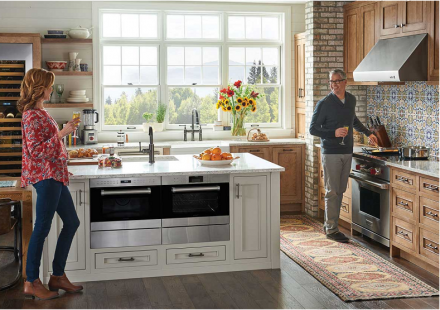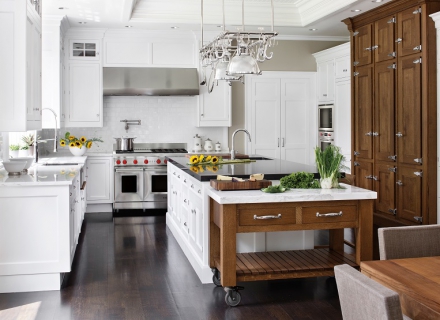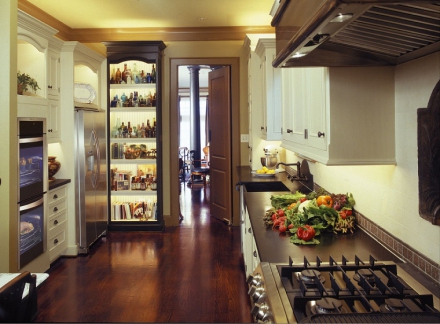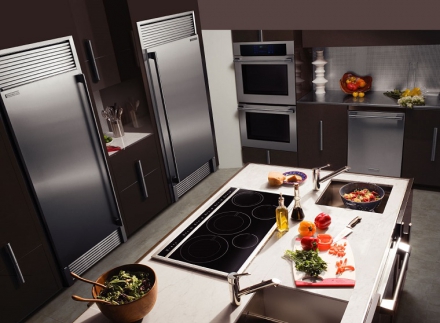
Cooking Appliances For Tiny Living

The concept of tiny living has taken the world by storm, and more people are aspiring to downsize their lives. Tiny living is both economically beneficially and eco-friendly, but it can be difficult to find great appliances for a tiny home. So, here we will explore some of the best cooking appliances that are great for tiny living.

The Tiny Living Phenomenon

Tiny houses have been shown to be far more environmentally friendly compared to a standard home. The average tiny home occupies just 186 square feet compared to the average standard home in the U.S with a 2,598 square foot area. Tiny houses also use only 6 light bulbs compared to an average of 45 in a standard home.
What is even more compelling is that 18% of greenhouse gases can be traced to residential houses. The average home needs approximately 28,000 pounds of CO2 annually, while a tiny house needs only 2,000 pounds.

Those choosing to adopt the tiny living lifestyle can appreciate the value of smaller living. Most tiny homeowners don’t have a mortgage and typically have more savings compared to an average American. It costs an impressive 10 times less in order to build a tiny house, and they are designed to be DIY friendly. While you will be able to enjoy a greener lifestyle, you will be faced with the decision of using grid electricity or running your appliances on propane, which can make the prospect of finding the right appliances even more challenging. When you start looking for cooking appliances, you’ll need to really consider how often you’ll cook and how many people you’ll be cooking for to make the right choice.

Avanti

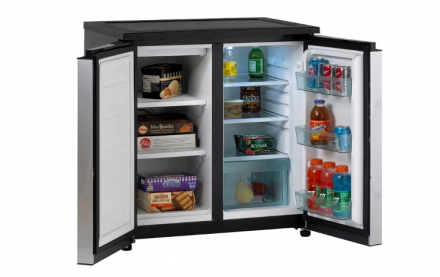
Avanti is a good brand for tiny homes as they specialize in offering compact appliances. The brand even offers complete compact kitchens designed to provide a fridge, electric heating elements, a storage drawer and a sink in the space needed for a standard range.

Avanti has a great selection of small sized appliances with freestanding ranges in both gas and electric. You can even create a more upscale aesthetic with some modern looking models to create a sophisticated look to your new tiny kitchen.

Ranges

If you prefer to go for a small-scale version of a tradition range, there are some great options. Fagor and Fisher & Paykel both offer some excellent dual fuel options that are just 24”. These ranges provide warming drawers, 4 burners, and a 2 cu. Ft. oven with neat features like a self-clean mode. Some models even provide convection ovens and variable BTU burners, so you can create a culinary hub in your tiny house.

Cooktops

If you’re not a serious foodie or keen chef, you may prefer to opt for a cooktop. There are plenty of options available for the space conscious. You can choose a 2 or 4 burner model in both electric or gas. You’ll need to ask yourself whether you plan to cook full meals or eat out more. If all you need it to heat a pan of soup, a 2 burner cooktop will take up next to no space and suit your requirements.

Electric cooktops are easy to clean, but gas offers excellent heat control and reliability. Either option will provide a quality appliance as the industry continues to advance rapidly. Some brands now offer induction technology in smaller models that provide fantastic efficiency, easy cleaning and fast cooking, making them ideal for a smaller home.

A tiny home is a test of creativity as you’ll need to think about multiple uses to fit your aesthetic. Before you start shopping for your appliance, you will need to seriously consider your daily habits, lifestyle, and dietary habits. If you are considering tiny living, you can explore the cooking options with this online collection of small cooking appliances. For further help or advice, you can also speak to a home appliance expert.

All You Need to Know About Ventless Dryers

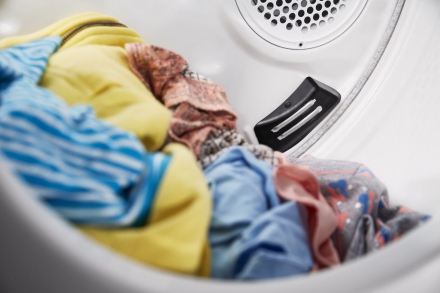
Approximately 80% of homes in America have a clothes dryer, and if you don’t, you may find yourself collecting quarters to visit the laundromat. If you are limited for space, you may think that you are stuck using those giant machines and waiting around for an hour, but there is another option; the ventless dryer. These appliances are not considered mainstream here in America, but they have been used in Europe for decades. So, here we will explore all you need to know about these great devices.

Why Ventless Dryers are Popular in Europe

If you visit many European countries, a ventless dryer is considered standard and use it just as we would use our conventional dryers. The reason why these appliances are so prevalent in Europe is that European homes tend to be far smaller than a typical U.S home and they just cannot accommodate the large, vented dryers we have here. This means that if you have a smaller home, you can take inspiration from the Europeans and opt for a ventless dryer.

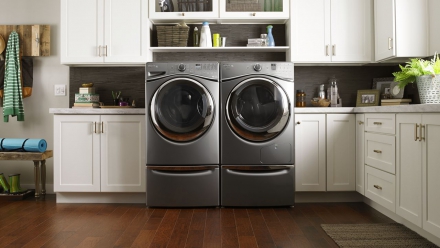
Ventless models can fit under a counter or even in a closet, provided there is proper airflow and an electric socket. If you do use your dryer in a closet, you will need to open the doors while you’re drying to maintain air circulation. Another attractive feature of a ventless dryer is that they can be stacked or placed side by side with your washer. This means that you can save space. For example, you could create a dining table over your washer and dryer in your kitchen to create an area for eating when you’re not doing laundry.

How Ventless Dryers Work

Vented dryers pull air from the laundry room to be heated. The air is rolled around with the clothes before it is blown out the exhaust with any evaporated moisture. In order to vent this exhaust, there needs to be a hole in the wall, but this can create problems. For example, when the air is cold, your home won’t be warmed up, so the furnace needs to work harder to compensate. The reverse can also be true; if you are drying in summer, you’ve paid money to cool your indoor air only for your dryer to warm it up again.

A ventless dryer does not need exhaust. While it does pull in cool air to heat it up, it uses a heat exchanger to cool the heated air and draw the moisture into a containment chamber. This cycle is repeated until the clothes are dried. There is no need to vent any exhaust as the water is either collected in a tray or passed down the drain.

The Benefits of a Ventless Dryer

There are numerous benefits of using a ventless dryer, but the most obvious is that there is no need to punch a hole in your wall. This also means that you’re not wasting energy heating or cooling air with your HVAC system only for it to be channeled outside.

Ventless drying is also more gentle on your clothing. You’ll find that your clothes come out of the dryer cooler. Although you may enjoy that “toasty, warm” feel from your dryer, this is not great for the fabric. In fact, the heat of a vented dryer can cause over-drying and create fading, color running or shrinking.

Ventless dryers also tend to be more economical. Not only are they less expensive to install, but they typically use 30% less energy compared to traditional models. There is also less chance of clogging as there is no vent to accumulate lint and debris to create a fire risk. So, while it does take a little longer for your clothes to dry, it should have a positive impact on your energy bills.

If you’re considering a new dryer, you can explore your options with this online collection or dryers, or for further help or guidance, speak to a laundry appliance expert.

Summer’s Coming, Time to Move Out into the Backyard

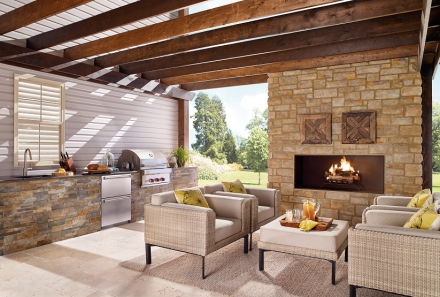
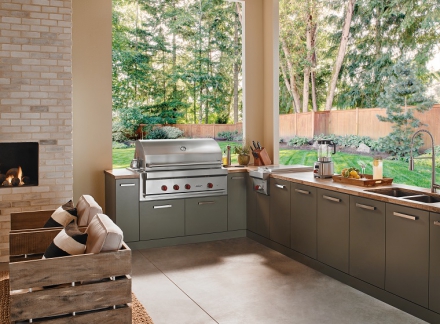
The backyard is no longer merely a place to keep a bit of garden furniture or your grill. Today, outdoor living areas are often an extension of your home, complete with living, entertainment and kitchen areas. You can even incorporate zone based entertainment and sound systems. As summer approaches, you can move out into the backyard without sacrificing style, comfort or amenities.

Planning Your Outdoor Kitchen

There are a number of factors to consider when creating your outdoor living space, but just like inside your home, at its heart should be the kitchen. The costs of outdoor kitchen areas can vary from a couple of thousand dollars to upwards of $30,000. So, you will need to consider your budget to determine what you can include in your design. Outdoor kitchens almost always include a grille and possibly an integrated refrigerator, but have you thought about plumbing in a sink or adding an icemaker?

If you want to take your outdoor experience to a whole new level, you may want to consider a rotisserie or pizza oven. Even if you want to stick to just using a grill, there are so many options available that can include roasting spits, griddles, burners, smokers and warming drawers. If you plan on using your outdoor kitchen throughout the summer, you may need storage space and prep counters, but don’t forget about a bar height counter for your guests and that all important sound system, so you don’t miss out on the fun when you’re cooking.

Create a Layout

Once you’ve planned your outdoor kitchen, you’ll need to start thinking about the rest of your space. You will need to think about how you want to use this space and how your plans can fit into your yard. The best approach is to divide your yard into zones and plan out potential traffic patterns. Knowing the flow of traffic will help you to design your space, planning for seating and creating pathways for any landscape elements or containers. Remember, that your layout can be complemented by splashes of color and texture, so allow space for pots and plants.

Choose a Fire

To properly define your outdoor space, you’ll need a focal point. In most cases, the best focal point is a fire. Your options can range from an outdoor fire pit up to a built up fireplace, but some form of fire will offer an aesthetic and practical feature. The right fire will create an enjoyable spot for reading or draw the crowds at the end of a gathering with friends. There are lots of options for fires from portable to permanent features, different fuel types and a myriad of styles. You will need to check the local zoning and building laws for fire safety and placement.

Think About Seating

Of course, no outdoor living space would be complete without seating. Your choice of seating is very important and needs to be both practical and attractive. Don’t just think about everyday use, but also the what will be needed for neighborhood gatherings and parties. While stools, benches, and lounges can provide excellent seating options, you can always add instant additional seating with some throw pillows on a low wall. Try to use a variety of types and sizes of seats as your space and budget allow, but pay careful attention to how the seating positioning will affect traffic. You can also use your strategically placed seating to define different spaces.

No outdoor living area is complete without the right appliances. There is a variety of popular outdoor appliances that can be used to create a fantastic outdoor entertainment area for gatherings, parties or even just relaxing and enjoying the sunshine.
Browse this online collection of outdoor appliances for a variety of superb products, or you could speak to a home appliance specialist for further help.

Convection, Speed, and Steam: What Does it All Mean For Your Appliance Purchase Decision?

When you start shopping for a new cooking appliance, you’ll find yourself with an array of features and cooking styles to choose from. Each of these has pros and cons, with seemingly complex terminology that can hinder your purchasing decision process, so let’s break down some of these cooking styles and terms to help you determine which is the best option for your kitchen.

Convection

Convection cooking involves moving the air around inside the oven to distribute the heat evenly. Many of us have had a bad experience with a turkey that is golden brown on one side and pink on the other, or a cake that has only risen beautifully in certain areas. On its own, a convection oven uses a fan to move the hot air around the oven cavity, filtering the air through an exhaust system at the back of the appliance. This allows faster cooking times to save energy and time while achieving even cooking. Convection is great for most baking, but the dry environment may not work well for some recipes and delicate dishes, such as soufflés, can suffer from a lack of slow and steady cooking.

Steam

While convection is fantastic for roasting, baking, and toasting, if you want to moisten food, steam is the best option. Steam cooking can also provide a healthier option as the nutrients and moisture of the food is preserved. It can also be an excellent way to reheat food as it won’t dry out.

Steam ovens feature a water reservoir that holds water. Through the heat of the oven, this is converted into steam. Steam ovens can be used to proof bread, allow oil-free cooking and encourage perfect results for delicate items such as choux pastry, but steam cannot manage heavy cooking duties and will take a long time to cook full meals. For this reason, many manufacturers offer Steam Convection cooking appliances.

Steam Convection

Steam convection provides the best of both cooking styles. Steam can allow you to cook delicate items that may dry out or easily burn, but convection allows you to effectively brown your foods. The convection cooking moves the heat around, while steam can add moisture, so whatever dish you are preparing, you’ll have the ideal oven conditions.

Speed Ovens

If you need to cook on the go and don’t have the time to wait around in your kitchen, you may wish to consider a speed oven. The speed oven is considered one of the fastest cooking appliances on the market. As the name suggests, these ovens cook food at a far more rapid rate using relatively new technology. This innovative cooking method uses a combination of convection and microwaving. The convection method ensures that heat is created and evenly distributed throughout the oven, while the RF microwaving increases the rate of cooking. The microwave to convection ratio depends on the type of food you’re preparing and the selected cycle.

Speed ovens are fantastic time saving and multipurpose appliances. You can cook a full-size turkey in approximately 20 minutes, so it can make preparing family dinners super-fast and easy.

Cleaning and Maintenance

While cooking style is important, another consideration is maintenance, particularly cleaning. Steam naturally prevents the baking on of food, so it is easier to clean. This feature is not available with a speed or convection oven, so accidental spills can be problematic. Fortunately, some models do have a self-cleaning function to vaporize any food gunk with the minimum of fuss.

If you’re thinking about a new oven, you can explore the options with this online collection or speak to a home appliance professional for more specialized service.

Top Tips to Buying the Right Appliance

Purchasing a major home appliance can be a big decision. A new appliance will be a part of your routine and day-to-day life for years to come, so you need to ensure that you choose the right one for your needs. Fortunately, there are some top tips to help you buy the right home appliance.

Work Out Your Requirements

The first step to buying the right home appliance is to determine what you actually need from your new appliance. You will need to think about the features you will use and what you may need later. For example, you may be looking for a new dishwasher with a great drying cycle, but if you’re planning on expanding your family, you may need a larger capacity unit.

Calculate Your Budget

While most of us enjoy a bargain, you will need to think about a realistic budget. Consider your price range and look at what you can buy at this price point. You need to be realistic, as you’re not likely to get a luxury appliance with all the latest features for a couple of hundred dollars, but you will need something that won’t break the bank. Remember that the price of an appliance tends to increase when you add more features, so you may need to make some compromises.

Get the Full Specs

Manufacturers provide specification sheets for all their appliances and products. These sheets can be remarkably helpful when planning a purchase, so ask your dealer or appliance center for the full specs of the models you are interested in to allow you to research your decision. Comparing the specs will allow you to check what capabilities and features are available.

Decide the Size

The right appliance needs to be the right size. You need to think about whether a refrigerator can hold enough for your family, whether a washing machine can handle a large enough load or if a dishwasher can handle all of your dishes. You also need to think about the external dimensions of your new appliance. Look at the available space in your kitchen layout as this will play a role in your decision. You may want a six burner range 18 place setting capacity, but if you have a modest space, you’ll need to compromise.

Think About Appliance Care

Even the best appliances can have problems, so it is important to know what care is available. Many manufacturers support their products with a comprehensive warranty, but this can vary a great deal. It is also a good idea to check whether the brand has an authorized factory service center in your area to provide any special care needed. Take a little time to read the warranty details before you make a final purchase decision. You may find that there are some exclusions that will mean that only certain parts are covered.

Ask the Dealer Questions

Finally, remember that you have access to a great resource if you visit an appliance showroom. Home appliance specialists can answer any questions and assist you in making the right choice. Your appliance dealer will be able to confirm if there are additional costs for delivery and installation, if one model offers a better energy efficiency rate, or if your home can even support the model power requirements. Asking plenty of questions will ensure that you have all the details you need to make an informed decision.

If you’re considering a new home appliance, you can explore all the options with this online collection. You can also speak to a home appliance specialist to answer any questions and provide a more in-depth service.

The Evolution of Kitchens in the Last Decade

The modern kitchen has evolved significantly compared to the kitchen of the last decade. Although ten years doesn’t often feel like a great deal of time, there have been drastic changes both in the way we use our kitchens and how they function. So, here we will explore the evolution of kitchens since the late 2000’s.

The Evolution of the Dishwasher

Although dishwashers have been around since the 1970s, many models didn’t allow a conversation when a cycle was running. Even last decade, dishwashers emitted a loud whirring that could even disturb television watching in another room. You may have also found yourself running a cycle twice as certain dishes just didn’t seem clean. You may have even had to resort to hand washing some pots and pans because they were heavily soiled or wouldn’t fit in your dishwasher.

Today, dishwashers are designed to not only operate more efficiently, but deliver a quiet and powerful performance. Many models include specialized features such as automated wash sensors, flexible racking, and stemware holders to ensure that all your items are sparkling clean at the end of a cycle. Additionally, you are no longer restricted to one or two wash programs. Many models offer a variety of programs to suit all load requirements, from Rinse cycles for lightly soiled items to Pots and Pans programs to tackle the heaviest soil requirements. If you’re upgrading from a ten year old dishwasher to a brand new model, you’re likely to be surprised at how little water and energy it uses while delivering superb cleaning performance.

Introducing the Cooktop

In the past, you may have referred to your stove, but these days kitchen planners talk about the “cooktop.” The main difference between a stove and a cooktop is that you can have a cooktop independent of your oven. You can have a cooktop installed above your oven or on the other side of the kitchen on an island.

The cooktop is also popular because it offers features that were previously exclusive to pro equipment. There are models with low level output settings to allow you to prepare dainty sauces or cook difficult dishes with greater control. Induction cooktops have become increasingly in demand, as the magnetic based heat leaves a safe, cool surface to prevent accidental burns and make cleaning easier.

The Changing Refrigerator

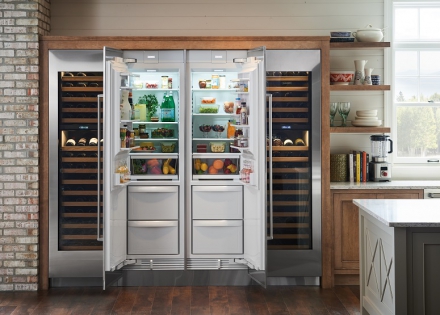
In the past, the sole purpose of a refrigerator was to store your food and keep produce fresh. Modern refrigerators are designed to offer far more than this. The refrigerator has become an integral component of making life easier in the kitchen. There are models that produce delicious filtered water and crystal clear ice, you can also find a refrigerator that will make coffee for you. Today, refrigerators are designed to offer greater temperature control and excellent energy efficiency to keep your food and produce fresher for longer.

Hidden or In Plain Sight

Finally, modern kitchen design allows for appliances to be showcased or fully integrated. If you are aiming for a bold contemporary look, attractive modern appliances create a stunning feature, but if you want a sleek aesthetic, the hidden control panels allow appliances to blend seamlessly into your cabinetry. You no longer need to worry about bulky control panels standing out and compromising the lines of your cabinetry. Homeowners can decide whether they want appliances hidden or in plain sight depending on their personal preferences and overall style aesthetics.

If your appliances are getting older, you can explore the latest options with this online collection, or speak to a home appliance professional.

How to Choose a Range to Suit Your Cooking Style

With so many features available, choosing a new range can be a challenge. While the basic decisions of gas, electric or convection may seem easy to make, your cooking style will be a major consideration in your purchase decision. So, here we will explore some of the common cooking styles and the types of ranges that will best compliment you.

The Wannabe Pro

The “Wannabe Pro” demands a great deal from a range. You may like to flambé or want the perfect oven temperatures to bake a soufflé. Whether you’re baking a batch of cookies, creating delicate pastries or making a Crème Anglaise, you need a range that can handle your every whim. Fortunately, there are a number of manufacturers offering Pro-Style ranges that offer some of the features that are found in an upscale commercial kitchen, such as infrared charbroilers, griddles, cast iron grades and convection ovens. You’re likely to have a choice of range sizes from 30 to 60 inches with multiple ovens. Wolf, Miele, Thermador, Jenn-Air, Bertazzoni and Viking brands are leading the pack in Pro Style ranges, with attractive designs.

The Convenience Cook

While you may like to cook, you don’t enjoy standing in the kitchen for hours. The convenience cook enjoys a fast cooking style, preparing dishes with flair. So, you’ll need a range that offers fantastic fire on top and the business on the bottom. The Bosch series of slide in ranges is a great option for the convenience cook. These models are available in electric and gas, but induction tends to be best suited to those craving the ultimate convenience. The smooth top induction range features two high power elements and touch controls with four surface induction elements that allow you to boil water in next to no time. Additionally, since induction does not heat the surrounding surface, clean-up is a breeze.

The Experimental Chef

If you enjoy mixing up a dish, no one thinks will work, you need a range that can cope with your experimental style. Thermador appliances are not only credited with producing the first built-in wall oven, but the series features downdraft ventilation systems. These appliances can save your back when you keep needing to check on your creation, but they will also suck away any smoke from a burnt dish if one of your experiments goes a little wrong. The Thermador wall oven line also features professional style steam and convection ovens, double combination ovens, and a triple oven with convection microwave, oven, and warm drawer, so you can really go wild with your latest creation.

The Health Conscious Foodie

If you’re vegan or simply prefer cooking with less saturated fat, you’re sure to appreciate a sous-vide or steam feature. These types of range allow vacuum sealed foods to be cooked at low temperature in a water bath. This style of cooking not only locks in the flavor of your dish, but doesn’t require oil or butter for cooking.

The Jenn-Air wall oven line provides a fantastic example for the health conscious foodie. The 24” steam and convection stainless steel wall oven includes nine cooking modes, with a steam mode to lock all the nutrients into food, sous-vide reheat to create the optimum temperature for frozen vacuum sealed foods and convection mode perfect for roasting. Despite its modest proportions, this wall oven offers fantastic cooking potential for any health conscious foodie.

If you’re thinking about upgrading your range to suit your cooking style, you can explore your options with this online range collection. If you have queries or require a more specialized service, be sure to speak to a home appliance professional.

How to Choose the Right Grill

As the temperatures start to increase, many of us start to think about making use of our outdoor space and grilling. Grilling to perfection is an art form that can take a bit of practice. This starts with using the right grill, but we’re here to help with some guidance on choosing the best grill for your needs.

Choosing the Fuel Source

The first factor to consider, when buying a new grill, is the fuel source. This may be determined by the available fuels in your neighborhood and fuel costs. It is often a matter of personal preference, but you will have a myriad of choices from pellets to liquid gas or propane. You will need to think carefully about your ideal fuel source. For example, if your home is equipped with natural gas, it is convenient to choose a natural gas grill. If you lack grilling confidence propane is a good option. Some chefs enjoy the control offered by propane, but there are still traditionalists who insist charcoal offers the best results.

The Grill Size

Grills are available in a wide variety of sizes and configurations, so you will need to think about what size you will need. A good rule of thumb is to base your grill size on how many people you will be cooking for and how frequently you intend to grill. There is no point in having a massive grill if you will only be cooking for two people every other weekend over the summer. If you enjoy grilling side dishes as well as fish and meat, you are likely to need a much larger cooking surface. You may even prefer a grill with side sections to keep your non meat items separate for any fussy eaters or vegetarians. Before you make any final decisions about grill size, take a look at your outdoor area and check the available space. You won’t want to compromise your seating area with an overly large grill if space is restricted. Remember you will need to have a clear pathway to move around the grill safely, so double check any measurements before making a purchase decision.

Construction Materials

In many cases, your budget may determine the choice of construction materials. Steel tends to be used on higher quality grills, but there is usually a choice of aluminum, stainless steel or cast iron. The construction materials are not just an aesthetic consideration; you need to look at the durability and functionality of the grill. Look for a grill that has strong welds and sturdy construction for maximum durability.

Additional Features

These days, there is more to outdoor cooking than a basic grill. While there are still basic models available, there are now units with some fantastic additional features. Some models feature side burners, rotisseries and even warming racks or drawers. These features can be invaluable if you enjoy hosting summer parties and will frequently be serving a large crowd. If you enjoy the entire outdoor cooking experience, look for a grill with additional prep space, so you don’t need to rely on popping back and forth to your indoor kitchen.

A Final Note

Finally, before you make a purchase decision and start shopping for your new grill, you need to assess your yard. Your new grill will need an outdoor area that has a level surface and plenty of space. There should be enough space between your home and the grill to prevent any fires or accidents. It is worth taking a few measurements to double check before you make your purchase.

No summer party is complete without a grill, and if are looking to purchase a grill, you can explore the available options with this online collection of outdoor appliances or contact a home appliance expert for further help.

Advantages of a Home Ice Machine

While many of us have visited restaurants, cafes and bars that have an ice machine, you may not have considered the benefits of having one in your home. Although you may have an ice maker built-in to your refrigerator, whether you want to enjoy a chilled glass of soda or whip up a cocktail, you need to have plenty of ice on hand, and your refrigerator may not be up to the task. Here are just some of the advantages of having a home ice machine.

Greater Quantity of Ice

When you have a busy family, it is very easy to quickly run out of ice. At the end of a long day when you want to sit down with an iced drink, it can be frustrating to reach into the refrigerator and find the ice tray empty. Fortunately, you can eliminate this inconvenience with an ice machine. There is no need to bother filling up ice trays or even waiting for your refrigerator to dispense more cubes; you’ll have the ice you need when you need it.

Better Quality of Ice

Although some refrigerators are now quite sophisticated, there will be times when basic cubes don’t meet your requirements. You may want different shapes to make your punch bowl look more attractive at parties, or want the perfect size of ice to fit in a certain type of glass. Whatever your preferences, an ice machine can deliver the ideal size and shape of cube. Additionally, since ice machines have improved filters, they can also provide a better quality of ice. Since the water is filtered, you’re less likely to experience cloudy cubes caused by hard water minerals or cubes that have an unpalatable taste, but if you want the best quality ice, ensure that your new ice machine has a good quality charcoal filtration or R.O. system.

Make Entertaining Easier

Whether you enjoy hosting dinner parties, having the best New Year’s bash or simply inviting everyone to come to your place to watch the game each week, it can be a real pain to buy bags of ice. Not only do you need to cart bags of ice from the grocery store, but you’ll also need to clear plenty of freezer space, so that everyone can enjoy an ice cold drink. A home ice machine eliminates this problem, and you can be assured that you’ll have all the ice you need to keep the cold drinks flowing on any occasion.

Keep Your Cooler Stocked

When you’re planning a road trip or want to spend the weekend camping, it can be a real pain to keep your cooler stocked. You’ll either need to pause your trip to get ice or have to plan well ahead to keep your ice trays working. An ice machine makes this super easy as you can just fill up your cooler in the morning so that you can enjoy your break sipping on chilled Chardonnay.

Great Convenience

Most of us want a home where we can unwind and relax; to accomplish this, you need to have conveniences. While many consider a great oven, a large enough refrigerator and efficient dishwasher to be essential, you may wish to add an ice machine to this list. An ice machine will provide a consistent flow of ice, so there is no need to think about having to drink a warm soda ever again.

If you are thinking about a home ice machine, you can explore your options with this online collection of ice machines and devices. You can also speak to a home appliance expert for further help and to obtain a more specialist service.

Five Reasons You Should Visit a Kitchen Appliance Showroom

These days it can seem like you can buy anything on the internet. This convenience means that you can shop at any time of the day or night (in your pajamas) without the need of ever getting dressed. This convenience can be tempting, but it comes at a price (like the surprise of not getting exactly what you thought you would or hoped for).

When considering a major purchase, such as a home appliance, there are several reasons why it’s still a good idea to touch and feel what you are spending your money on while visiting a showroom.

Check for Color Variations

While most sites provide descriptions and photographs, even the best websites may struggle to show the subtle color variations of appliances. Depending on the photograph, lighting or even the pigment on your mobile device or computer, the hue of an appliance could appear very different compared to real life. Even the arguably most basic white appliance can have a myriad of color variations from cotton to cream. This means that your new appliance may look very different from the others already in place in your kitchen. When you visit a showroom, you can view the exact color and look of each model to determine which will best suit your home decor.

Assess Functionality

If you’re very familiar with kitchen appliances, a comprehensive description may be sufficient to make your purchase decision. For many consumers, however, it can be 7 to 12 years between appliance purchases, so you may lack confidence evaluating new features. If you are upgrading to a new appliance anyway, it’s a good opportunity to invest in new features and improved energy efficiency. A visit to a showroom will allow you to assess the overall functionality of an appliance, from the basic ease of loading and unloading to checking the more complex new computerized features. If you are unsure about whether you really need more advanced functionalities, the sales staff at a showroom should be able to help explain why they are advantageous, so you will have all the details you need to make an informed and intelligent purchasing decision.

Feel the Texture

Regardless of how well written and detailed an item description is, online ordering does not allow you to feel an appliance and check the texture. Some metals can feel thinner creating a more flimsy (cheap) feeling to an appliance, while other materials feel more substantial (expensive). There is nothing more reassuring than opening an appliance door and feeling it shut solidly to know that it is the right feel for your home – just like a car door to a fine automobile. Being able to feel the texture of an appliance can offer you the quality assurance you need so you know it’s the right model for your kitchen. An appliance showroom allows you to “test drive” a variety of models to help you determine which is the right fit for you.

Have Your Questions Answered

While many websites may have a “contact us” feature or even live chat, these cannot compare to the in-person expertise of a trained appliance sales specialist right in front of you. When you visit a showroom, you will have the attention of an appliance PRO, so you can have all your questions answered in real time. Whether you want to know which appliance would offer you the best energy efficiency or if there are new features that would benefit your home or personal lifestyle, an appliance specialist can talk you through all the feature and modalities to help you make the RIGHT purchase decision.

Visiting an appliance showroom can help you decide on style, size, and model

Buying a new appliance can be a little daunting, but speaking to knowledgeable, manufacturer trained staff, while seeing the models for yourself, can help you make that all-important decision with more confidence and less doubt.

If you are considering a new appliance, you can explore your options with this collection of home appliances. You can also speak to a home appliance expert for additional help and obtain a more specialized, curated service.