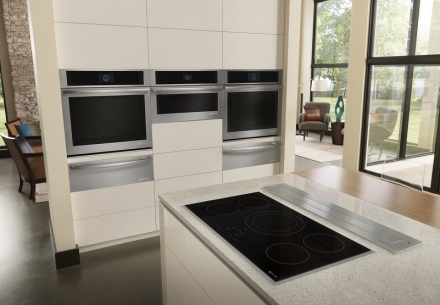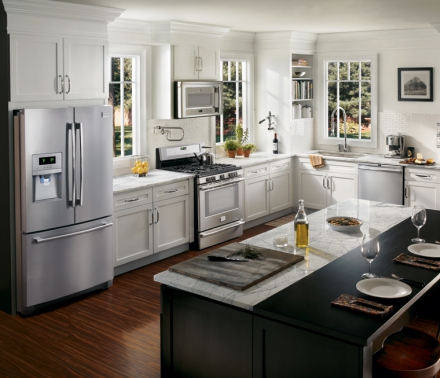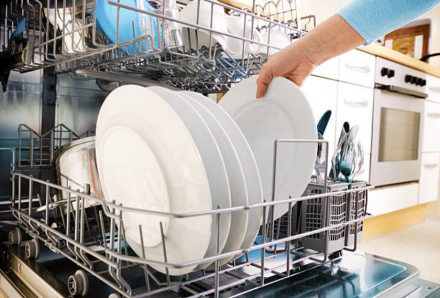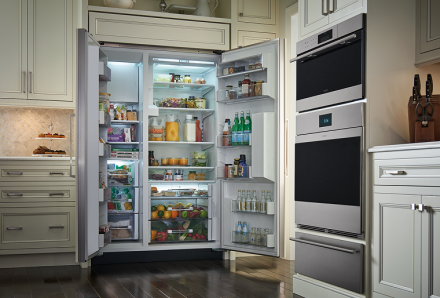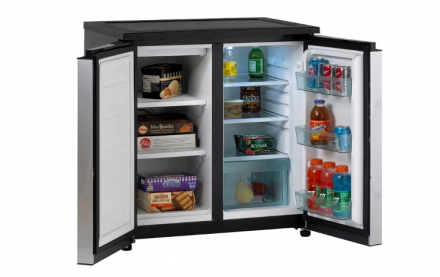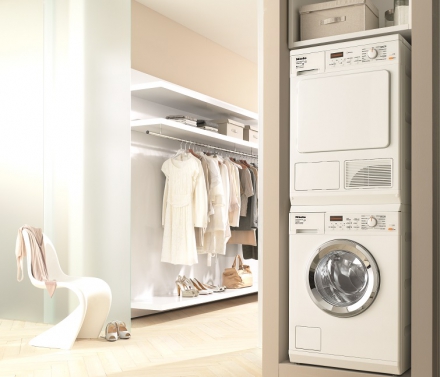
6 Clever Solutions for Appliance Storage

The appliances in our kitchens can be great time savers and allow us to carry out a wide variety of kitchen tasks. Despite this, kitchen appliances can be a pain to store when they are not being used. Storage space may be at a premium, and each device will need its own space that is easy to access. Let’s take a closer look at six handy appliance storage solutions that will help you to get your kitchen organized.

  1. Some General Concepts

Find a spot where you can arrange some storage for your devices in their original packaging or an even better option is to use plastic bins. Stackable containers can be used if heavier devices are kept at the bottom. Each appliance box could have a label; this is especially useful if there are multiple smaller appliances in a single storage bin. The storage bins could be located in existing shelves or perhaps you even have enough space to add a freestanding shelf unit. If you want to use a new shelf unit, remember that some of the appliances could be heavy.  Make sure the shelves can handle the weight and that the shelf is secured to the wall for safety.

  1. Always Start High

When you’re looking for storage, always start high up on the top shelves of cabinets or high up in your pantry. Above the refrigerator may be a good spot and many of these high up areas are neglected and are not used for practical storage. Larger appliances may be too large for shelves, but they could be stacked on top of kitchen cabinets. This will allow you to make the most of your storage space and appliances can easily be reached with stool.

  1. Storage Below

Larger and/or heavier appliances need to be stored on lower shelves in a pantry or on a dedicated shelving unit. Clear space in lower cabinets, especially those that don’t seem to get used very often. If you keep your back straight, bending at the knee and lifting a heavier appliance is far safer than trying to lift the same device off a higher shelf.

  1. Consider Other Locations 

There are other rooms in your home that may be related to serving food or entertaining. These can act as an overflow for your kitchen appliance storage efforts. As an example: a buffet piece in a dining room could be used to store your linens and serving trays. This could free up valuable kitchen space for storage, and as a final resort, appliances that are used very rarely could be kept in the basement.

  1. Careful Storage 

Kitchen appliances can represent a significant investment, so it’s essential to protect them during storage. If you need to store appliances in the basement or garage, use the original boxes where possible or a plastic storage bin. Keep appliances off the floor to protect them from moisture and multiple appliances in the same storage bin should be wrapped to prevent scratches.

  1. Use Labels

Ideally, there should be a label for each storage bin displaying the contents of the container. This will help you to find the appliance you need and remind you where it’s stored when you want to put it away. If you have a lot of storage bins or bins that contain lots of smaller appliances you may need a master list. This will tell you at a glance where everything is, without hunting through shelves and reading lots of labels. A master list will be handy for reference when you’re planning a meal that requires a specific appliance. Getting this organized can be difficult initially, but it will be worth the effort later and save you a lot of time.

If you’re thinking about upgrading your appliances, you can explore your options with this online collection or speak to a home appliance expert for professional advice and guidance.

Green Tips to Use Less Water in Your Appliances

Most of us are keen to make our lives greener, and one of the most obvious ways is to save water in our homes, especially here in parched California. Between our washing machines, dishwashers, toilets, faucets and showers, according to EPA data, the average family in the U.S uses over 300 gallons of water each day. The good news is that it is simple to cut down on water usage; saving money and helping the environment in the process. So, here are some green tips to help reduce your appliance water usage.

Wash Full Loads

Unless your machine has a specific half load function, you’re wasting water if you don’t properly fill your dishwasher or washing machine. While you need to be careful not to overfill, as it can cause stress on the machine and inhibit cleaning, a full load will make optimum use of water and energy. So, plan your washing loads to ensure that they are full and don’t waste water.

Choose the Right Program Setting

If you’re washing a light load of dishes, there is no need for the high volume and temperatures of a pots and pans cycle. Choosing the wrong program settings wastes not only time, but also energy and water. Unless you have a machine with sensor technology that can assess the soil level of your dishes, you need to take care to choose the right program. The same applies to your washing machine. Not all clothing needs to be washed on a hot cycle, and you can save water by choosing a lower temp, faster wash program.

Don’t Guess Your Laundry Detergent

While it may seem strange, measuring your laundry detergent can save water. Using excessive amounts of detergent in a high-efficiency washing machine can extend the rinse cycle as too many suds are detected. Additionally, you should be using a HE detergent in your high-efficiency washing machine, or you’ll end up with suds GALORE. Using too much detergent can also leave a film on your clothing, which means that you’ll need to spend more energy and water rewashing.

Upgrade Your Toilet

An older toilet can use as much as 6 gallons every flush. When you compare this to the 1.3 gallons the average new low flow toilet can use, you can see how you can manage massive water savings. Think about how many times someone in your family flushes a toilet in your home and think about the 4 plus gallons that are being literally FLUSHED DOWN THE TOILET every time.

Smart Showering

Not only can you save water by upgrading to a low flow showerhead, but there are some other smart showering tips. A low flow showerhead can cut your water usage by half, saving gallons in the average shower. Additionally, there is no need to waste that water when you’re waiting for the warm water. Place a bucket in your shower stall and use this water for household cleaning or watering your plants. If you want to save even more water, think about turning off the shower while you wash and then turn it back on to rinse. Since the average showerhead uses 5 gallons of water per minute, you could save hundreds of gallons each month.  It adds up when you multiply it by a few million people.

Replace Your Old Appliances

Even if you purchased the best models, when your appliances reach 10 years of age, it is safe to assume that upgrading to a new model will save energy and water. Modern washing machines and dishwashers are designed to be far more water conscious, particularly if you choose an Energy Star approved model. New washing machines and dishwashers typically use as much as 40% less water compared to older models. Not only will you save energy and water, but you’ll also find that they are quieter and have the latest innovative features, to make your life even easier.

If you’re considering upgrading to more eco-friendly appliances, you can explore your options with this online collection or speak to a home appliance expert for additional help and guidance.

Tips for Choosing the Best Home Appliances for a Big Family

An overcrowded home can feel a little like the “Brady Bunch,” and while it can make a family dinner a real occasion, it can create some problems, particularly when appliance shopping. If you’re the head of a big family, you’re likely to be aware that every inch of your kitchen space is vital and functionality is an even more critical consideration. When you have an expanded family, your kitchen appliances are likely to see heavy use, so you need the best models to meet your demands. So, here we’ll explore how to choose the best home appliances for your big family.

Buy an Oversized or Second Dishwasher

A reliable dishwasher is essential for a big family. Since the average dishwasher only has the capacity to wash up to 8 place settings, you’re likely to find more than one load stacks up after every meal. A standard 24 inch dishwasher can be compact in your kitchen layout, but you may need to think about an oversized model that can accommodate more dishes. If an extra wide dishwasher is not an energy efficient option for your home, you could consider buying a compact model to use as a second dishwasher for those big holiday dinners or any special occasions.

Consider an Upright Freezer

While a chest freezer may be considered essential for a big family, there is an alternative; a modern upright. These models allow you to organize your family favorites more easily. You can even organize your family meals by day or week, so you can prepare a delicious, healthy dinner regardless of the stress of the day. An upright freezer takes up less floor space and means that you won’t need to dig around to find what you’re looking for when you’re busy trying to prepare a meal.

Install Dual Ovens

An oven is a must-have for most families, but a single oven is usually not sufficient for a big family. Dual ovens can help you prepare several dishes at once in portions large enough for the whole family. Many dual oven models also feature large drawers and separate settings, so you can adjust temperatures for different dishes. These types of appliance allow you to cook 3 or 4 foods simultaneously, without missing a beat. This is vital for any mom or dad with a large and hungry family.

Think About a Beverage Fridge

In a busy kitchen, it can cause a real traffic jam when you have family members coming and going to grab a water, soda or juice. When you’re trying to prepare a meal, this can really get in the way and increase your stress levels. To keep the harmony of your kitchen, you can use a beverage fridge stocked with everyone’s favorite drinks. You can have a beverage fridge in a dining area or have it built-in to your cabinetry far enough from the stove and refrigerator, but within easy reach.

Think 6 Burners

When you’re shopping for a new cooktop, don’t stick to a standard 4 burner unit and opt for a larger 6 burner cooktop. If you really want to speed up your cooking and improve the efficiency of your kitchen, consider a six burner induction appliance. Many great chefs use induction, as you can prepare food quickly and evenly; a must for a big family. Induction is also easy to clean and safer to use around small children, as the surround doesn’t get hot. The cooking heat is generated by magnetic energy, so the surface is cool as soon as the pan is removed, avoiding the risk of little fingers getting burned.

If you’re considering new appliances for your big family, you can explore your options with this online collection, or speak to a home appliance expert for a more specialist service.

Is Your Kitchen Complete Without a Range Hood

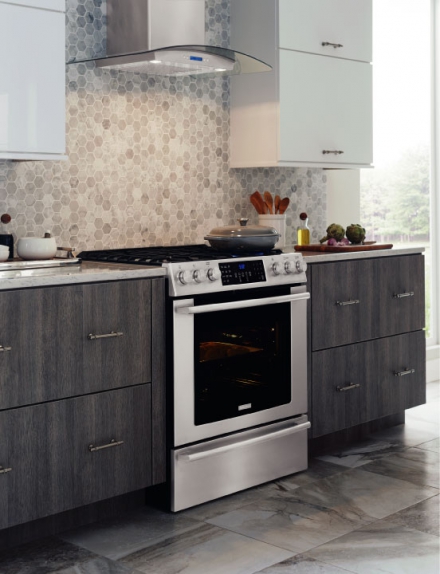
Range hoods are an essential form of ventilation for any residential kitchen. Whether you choose a range hood or opt for a downdraft ventilation system, your kitchen is complete without this vital equipment. So, here we will explore range hoods to help you determine the benefits of investing in a good one.

The Advantages of a Range Hood

There are a number of reasons why it is beneficial to include a range hood in your kitchen design.

  • A Shield For Your Cabinetry: During cooking smoke, odors, humidity, and heat along with ultrafine food particles can contribute to the discoloration and damage to your cabinetry. If an accident occurs and you have a fire on your cooktop, a good range hood providing proper ventilation will act as a metal barrier to prevent the fire from spreading to your cabinetry.
  • Provides Additional Light: Even if you’ve planned the lighting in your kitchen entirely, your cooktop can still benefit from the additional light. Many models of range hood provide extra lighting to illuminate your cooking area.
  • Cools Your Kitchen: If you’re cooking several dishes, it is very easy for your kitchen to start feeling swelteringly hot. A well-vented range hood can expel the excess heat out of your kitchen, so you can concentrate on preparing a great dish without getting hot under the collar.
  • Cleans Your Air: When vented properly, a range hood can collect any dirty, smelly cooking greases from your air and expel it outdoors. This should prevent a greasy film from accumulating on your kitchen surfaces.
  • Completes Your Kitchen Aesthetic: An attractive and impressive range hood can also provide a massive visual impact for your kitchen design. It is not only a functional appliance, but you can also use it as a statement piece to tie together all your design elements. For example, if you have chosen stainless steel appliances, a polished stainless steel range hood can allow these features to be showcased.

Choosing a Range Hood

The choice of range hood largely depends on your budget, personal tastes and the manufacturer requirements for your cooktop or range. Generally, the greater investment in a range hood you make, the better quality and more functionality While there are cheaper hoods, better models have built-in ventilation to help regulate temperature and clean the air. This an essential feature for any keen cooks.

Most range hood models are rated by CFM or cubic feet per minute. This defines the amount of air that will be circulated per minute. The higher the rating, the greater the ventilation provided. Just be wary of models that have a rating of more than 400 CFM as you will need an additional “make up air unit.”

How Should I Use My Range Hood?

Once you’ve chosen and installed a range hood, you need to know the best way to use it for optimum results. Many people assume that they should just switch a range hood on if it starts to get steamy inside the kitchen, but this approach does not provide the best results. A better idea is to switch on the range hood fan at least a few minutes before you begin cooking. You should run the fan while you’re cooking and leave it running for 10 to 15 minutes after you’ve finished. This will remove any unwanted heat or humidity. As the heat inside your kitchen and around the stovetop increases, you should turn up the fan power. It is best to err on the side of caution and use a higher fan speed than you think. This removes the risk of filling up your kitchen with heat and grease that can result from too low a fan speed.

If you’re considering a range hood, you can explore your options with this range hood collection or speak to a home appliance expert for a more specialized service.


Should You Choose a Metal or Glass Cooktop?

A cooktop is an integral component of a fully functioning kitchen, but while many people choose their new cooktop based on aesthetics, there are some other factors that need to be considered. There are a number of differences between metal and glass cooktops that are not just cosmetic. So, here we’ll explore these factors to help you choose whether a metal or glass cooktop is the right option for your kitchen.

Initial Price

While price should not be the only consideration, it can be a factor for most homeowners. Generally, metal cooktops are less expensive compared to their glass counterparts. There are other factors such as features, brand, length of warranty and quality that can affect the initial price, but generally, you can expect to pay approximately $100 more for a glass cooktop.

Efficiency

While the initial price might be something you’ve already looked at, you may not have considered the long-term costs. Generally, glass cooktops are more efficient compared to a metal top and coils. If you enjoy cooking frequently, you should consider a glass cooktop, which has a high energy rating as the savings on your energy bills in the months and years to come would more than cover the difference in the initial purchase costs. If you want to ensure maximum efficiency, opt for a cooktop that automatically adjusts your burner to the size of your pan or pot to save even more energy.

Cleaning Ease

No one enjoys trying to scrub baked-on food debris off a cooktop, and this is something you should consider when shopping for a new model. While a smooth glass top may look very easy to clean, you still need to be very careful. If you allow a spill to sit on the glass for a prolonged period, it will become very difficult to remove. Metal cooktops can also be a cleaning challenge, as you need to clean the heating elements and the surrounding surface. This tends to be quite labor intensive, but if a spill does sit for a while, it won’t be as hard to clean as a glass cooktop.

If cleaning is an important consideration for you, you may wish to consider an induction cooktop. Induction uses magnetic energy to heat your cookware, so the surrounding area does not get hot. This makes cleaning spills easy as nothing is baked on to the surface.

Additional Features

If you’re happy with a simple cooktop design, a metal model is likely to provide just what you’re looking for. Apart from the size and type of coil elements, the only additional features are likely to be adjustable burner sizes and rapid heating. On the other hand, glass cooktops tend to offer far more options that can enhance your cooking style. From automatic pan size sensors and touch controls to heat sensors, you can calibrate your cooktop precisely to suit the particular dish you’re preparing.

To ensure that you choose the right cooktop, you need to seriously consider what features are essential in your kitchen. If you’re a serious foodie, it is well worth investing in a more sophisticated cooktop such as an induction model. This type of cooktop allows precision cooking and rapid results. It is also safer, as there is no risk of burns from hot surfaces; the only heat generated is between the cookware and the induction element.

Although aesthetics are important in any kitchen, a cooktop needs to offer maximum practicality. Therefore, it is essential to consider these factors before making a purchase decision.

If you are considering a new cooktop, you can explore your options with this online collection or speak to a home appliance expert for a more specialist service.

Ideas for Convenient and Affordable College Kitchen Appliances

College can be a significant expense, but this doesn’t mean that you can’t be comfortable. No matter where you’re living, the kitchen is still likely to be at the heart of your home; fueling your body and mind. While you may enjoy the novelty of eating junk food for a couple of weeks, once you get down to some serious study, you’ll need all the conveniences of a kitchen. So, here we’ll explore some affordable ideas for your college kitchen appliances.

Think Size

Of course, a college dorm is likely to lack the space you have at home, so your first thought should be space. Dorm rooms are generally already small, so you won’t want to clutter it further with appliances. Unfortunately, regardless of how space saving it is, your college is not likely to be happy if you try and dig a hole in the wall to fit a built-in model. So, you need to be realistic. Fortunately, there are lots of appliances that are available for more modest locations. Assess the overall size of the unit against what space is offered inside. After all, there is no point in getting a tiny fridge if it will only hold two cans of soda and nothing else.

Be Realistic

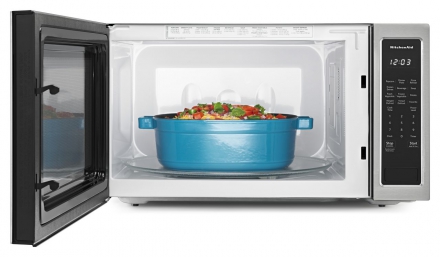
While you may fancy yourself a gourmet chef, you only have so much space, so you need to be realistic. You’re not likely to be able to accommodate a stove in your dorm, so you may have to stick to just a microwave. A countertop microwave is simple to install and takes up minimal space, but allows you to create warm food. You can even reheat leftovers during those busy cramming sessions. You can even get creative with your microwave, making mug cakes and other treats, but if you want to get really gourmet, you’ll need to save it for when you visit your parents at home.

Consider Cleaning

No one enjoys scrubbing appliances, but this is even more difficult in a dorm. For this reason, you need to consider how easy to clean your new devices will be. Look for appliances that make cleaning easier, such as easy remove shelves in compact refrigerators and microwaves with easy clean surfaces.

Look for Multi-Use Features

When space is limited, you need to look for appliances that can fulfill more than one task. Search for a compact refrigerator that has a decent freezer section. While you may only use this for the odd carton of ice cream, but it has the possibility to allow you to stack up some ready meals, so you can enjoy a healthy dinner when you’re busy.

Other appliances provide multi-use features, such as microwaves with a grill function. This may negate the need for a hot plate as you can make grilled cheese and other snacks in the microwave rather than needing a pan.

Don’t Forget the Coffee Maker

Very few students can get through a serious study session without a cup of coffee, so don’t forget a coffee maker when you’re shopping for college appliances. Look for an appliance that can make a cup quickly and makes clean up easy. A good coffee maker will take up very little space, but can save you needing to walk to a coffee shop and pay out for an overpriced caffeine fix.

College can be a serious adjustment, and it can make it hard when you don’t have all the conveniences of home. Choosing the right appliances will help to make all your day to day tasks a whole lot easier to manage.

If you’re shopping for appliances for the new semester, you can explore your options with this online collection, or speak to a home appliance expert for a more specialized service.

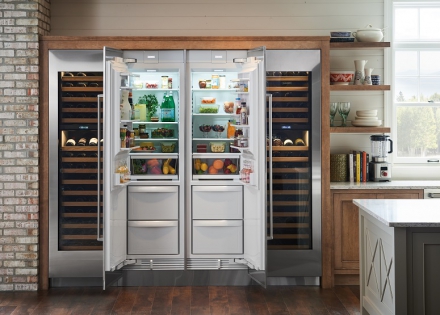
The Benefits of Installing a Wine Fridge

Whether you’re an enthusiast or simply enjoy relaxing with a glass in the evening, a wine fridge can add class to any home. For many people, a glass of wine is the nicest way to cool down on a scorching summer day. If your bottles are sitting on a bar card next to your whiskey or scattered in hidden cupboards, you may need to think about getting organized by installing a wine fridge.

A wine fridge not only looks sophisticated, but it can be a great addition to your home even if you only store a handful of bottles. Depending on your geographic location, a wine fridge may be the only stable area for your bottles. A stable temperature is incredibly important when storing wine. So, if you experience drastic changes in temperature or live in a very hot area, you could be compromising the taste and quality of your wine.

Providing Stability

Wine is not only sensitive to light, but also fragile when it comes to humidity and temperature variations. The number one enemy of wine is heat. When wine is stored in an overheated apartment, it is at risk of drying out and will lose much of its delicious flavor. A wine fridge is designed to provide stability for your wine, keeping the bottles at a consistent temperature at optimum storage conditions.

While a typical home refrigerator may be fine for your wine in the short term, it is not a proper long-term solution. Most household refrigerators maintain a temperature of less than 45ºf, which is lower than optimum conditions for wine. Additionally, the lack of moisture inside your refrigerator may cause the corks to dry out. If your corks do dry, it will allow air to enter the bottle and damage the wine.

Choosing a Wine Fridge

Wine fridges are available in all shapes and sizes, making it easier to choose the ideal model for your home, but you will need to assess certain considerations.

The first thing you need to look at is the size and space offered. You’ll need to think about what space you’ll need in the future, rather than just looking at your current wine collection.

You will also need to look at what noise level the model operates. Unless you are planning on putting your wine fridge in your kitchen, noise may be a factor. Many people opt for a wine fridge in their living area, which means a low noise, compact option is preferable.

You will also consider the aesthetics of your new wine fridge. Many homeowners use their wine fridge as a feature, showcasing their collection. If you want your wine fridge to take pride of place in your home, you’ll need to look at whether you want steel or wooden racks and if you would prefer to be able to see your wine bottles. Some models have a solid door that provides maximum light protection, but it is still possible to have tinted glass doors that offer UV resistance.

Final Considerations

Finally, you need to look at whether your new wine fridge offers different temperature zones. This allows you to create optimum temperatures for both your whites and reds. Ideally, your new appliance will also have accurate humidity settings that will enable you to adjust the humidity for optimum conditions. Ideally, to preserve the longevity of your wine, you should fix the humidity levels at between 50 and 70 percent.

If you’re considering a new wine fridge, you can explore your options with this online wine fridge collection. If you need help with further questions or require a more specialized service, be sure to speak to a home appliance expert.


Cooking Appliances For Tiny Living

The concept of tiny living has taken the world by storm, and more people are aspiring to downsize their lives. Tiny living is both economically beneficially and eco-friendly, but it can be difficult to find great appliances for a tiny home. So, here we will explore some of the best cooking appliances that are great for tiny living.

The Tiny Living Phenomenon

Tiny houses have been shown to be far more environmentally friendly compared to a standard home. The average tiny home occupies just 186 square feet compared to the average standard home in the U.S with a 2,598 square foot area. Tiny houses also use only 6 light bulbs compared to an average of 45 in a standard home.
What is even more compelling is that 18% of greenhouse gases can be traced to residential houses. The average home needs approximately 28,000 pounds of CO2 annually, while a tiny house needs only 2,000 pounds.

Those choosing to adopt the tiny living lifestyle can appreciate the value of smaller living. Most tiny homeowners don’t have a mortgage and typically have more savings compared to an average American. It costs an impressive 10 times less in order to build a tiny house, and they are designed to be DIY friendly. While you will be able to enjoy a greener lifestyle, you will be faced with the decision of using grid electricity or running your appliances on propane, which can make the prospect of finding the right appliances even more challenging. When you start looking for cooking appliances, you’ll need to really consider how often you’ll cook and how many people you’ll be cooking for to make the right choice.

Avanti

Avanti is a good brand for tiny homes as they specialize in offering compact appliances. The brand even offers complete compact kitchens designed to provide a fridge, electric heating elements, a storage drawer and a sink in the space needed for a standard range.

Avanti has a great selection of small sized appliances with freestanding ranges in both gas and electric. You can even create a more upscale aesthetic with some modern looking models to create a sophisticated look to your new tiny kitchen.

Ranges

If you prefer to go for a small-scale version of a tradition range, there are some great options. Fagor and Fisher & Paykel both offer some excellent dual fuel options that are just 24”. These ranges provide warming drawers, 4 burners, and a 2 cu. Ft. oven with neat features like a self-clean mode. Some models even provide convection ovens and variable BTU burners, so you can create a culinary hub in your tiny house.

Cooktops

If you’re not a serious foodie or keen chef, you may prefer to opt for a cooktop. There are plenty of options available for the space conscious. You can choose a 2 or 4 burner model in both electric or gas. You’ll need to ask yourself whether you plan to cook full meals or eat out more. If all you need it to heat a pan of soup, a 2 burner cooktop will take up next to no space and suit your requirements.

Electric cooktops are easy to clean, but gas offers excellent heat control and reliability. Either option will provide a quality appliance as the industry continues to advance rapidly. Some brands now offer induction technology in smaller models that provide fantastic efficiency, easy cleaning and fast cooking, making them ideal for a smaller home.

A tiny home is a test of creativity as you’ll need to think about multiple uses to fit your aesthetic. Before you start shopping for your appliance, you will need to seriously consider your daily habits, lifestyle, and dietary habits. If you are considering tiny living, you can explore the cooking options with this online collection of small cooking appliances. For further help or advice, you can also speak to a home appliance expert.

Convection, Speed, and Steam: What Does it All Mean For Your Appliance Purchase Decision?

When you start shopping for a new cooking appliance, you’ll find yourself with an array of features and cooking styles to choose from. Each of these has pros and cons, with seemingly complex terminology that can hinder your purchasing decision process, so let’s break down some of these cooking styles and terms to help you determine which is the best option for your kitchen.

Convection

Convection cooking involves moving the air around inside the oven to distribute the heat evenly. Many of us have had a bad experience with a turkey that is golden brown on one side and pink on the other, or a cake that has only risen beautifully in certain areas. On its own, a convection oven uses a fan to move the hot air around the oven cavity, filtering the air through an exhaust system at the back of the appliance. This allows faster cooking times to save energy and time while achieving even cooking. Convection is great for most baking, but the dry environment may not work well for some recipes and delicate dishes, such as soufflés, can suffer from a lack of slow and steady cooking.

Steam

While convection is fantastic for roasting, baking, and toasting, if you want to moisten food, steam is the best option. Steam cooking can also provide a healthier option as the nutrients and moisture of the food is preserved. It can also be an excellent way to reheat food as it won’t dry out.

Steam ovens feature a water reservoir that holds water. Through the heat of the oven, this is converted into steam. Steam ovens can be used to proof bread, allow oil-free cooking and encourage perfect results for delicate items such as choux pastry, but steam cannot manage heavy cooking duties and will take a long time to cook full meals. For this reason, many manufacturers offer Steam Convection cooking appliances.

Steam Convection

Steam convection provides the best of both cooking styles. Steam can allow you to cook delicate items that may dry out or easily burn, but convection allows you to effectively brown your foods. The convection cooking moves the heat around, while steam can add moisture, so whatever dish you are preparing, you’ll have the ideal oven conditions.

Speed Ovens

If you need to cook on the go and don’t have the time to wait around in your kitchen, you may wish to consider a speed oven. The speed oven is considered one of the fastest cooking appliances on the market. As the name suggests, these ovens cook food at a far more rapid rate using relatively new technology. This innovative cooking method uses a combination of convection and microwaving. The convection method ensures that heat is created and evenly distributed throughout the oven, while the RF microwaving increases the rate of cooking. The microwave to convection ratio depends on the type of food you’re preparing and the selected cycle.

Speed ovens are fantastic time saving and multipurpose appliances. You can cook a full-size turkey in approximately 20 minutes, so it can make preparing family dinners super-fast and easy.

Cleaning and Maintenance

While cooking style is important, another consideration is maintenance, particularly cleaning. Steam naturally prevents the baking on of food, so it is easier to clean. This feature is not available with a speed or convection oven, so accidental spills can be problematic. Fortunately, some models do have a self-cleaning function to vaporize any food gunk with the minimum of fuss.

If you’re thinking about a new oven, you can explore the options with this online collection or speak to a home appliance professional for more specialized service.

Top Tips to Buying the Right Appliance

Purchasing a major home appliance can be a big decision. A new appliance will be a part of your routine and day-to-day life for years to come, so you need to ensure that you choose the right one for your needs. Fortunately, there are some top tips to help you buy the right home appliance.

Work Out Your Requirements

The first step to buying the right home appliance is to determine what you actually need from your new appliance. You will need to think about the features you will use and what you may need later. For example, you may be looking for a new dishwasher with a great drying cycle, but if you’re planning on expanding your family, you may need a larger capacity unit.

Calculate Your Budget

While most of us enjoy a bargain, you will need to think about a realistic budget. Consider your price range and look at what you can buy at this price point. You need to be realistic, as you’re not likely to get a luxury appliance with all the latest features for a couple of hundred dollars, but you will need something that won’t break the bank. Remember that the price of an appliance tends to increase when you add more features, so you may need to make some compromises.

Get the Full Specs

Manufacturers provide specification sheets for all their appliances and products. These sheets can be remarkably helpful when planning a purchase, so ask your dealer or appliance center for the full specs of the models you are interested in to allow you to research your decision. Comparing the specs will allow you to check what capabilities and features are available.

Decide the Size

The right appliance needs to be the right size. You need to think about whether a refrigerator can hold enough for your family, whether a washing machine can handle a large enough load or if a dishwasher can handle all of your dishes. You also need to think about the external dimensions of your new appliance. Look at the available space in your kitchen layout as this will play a role in your decision. You may want a six burner range 18 place setting capacity, but if you have a modest space, you’ll need to compromise.

Think About Appliance Care

Even the best appliances can have problems, so it is important to know what care is available. Many manufacturers support their products with a comprehensive warranty, but this can vary a great deal. It is also a good idea to check whether the brand has an authorized factory service center in your area to provide any special care needed. Take a little time to read the warranty details before you make a final purchase decision. You may find that there are some exclusions that will mean that only certain parts are covered.

Ask the Dealer Questions

Finally, remember that you have access to a great resource if you visit an appliance showroom. Home appliance specialists can answer any questions and assist you in making the right choice. Your appliance dealer will be able to confirm if there are additional costs for delivery and installation, if one model offers a better energy efficiency rate, or if your home can even support the model power requirements. Asking plenty of questions will ensure that you have all the details you need to make an informed decision.

If you’re considering a new home appliance, you can explore all the options with this online collection. You can also speak to a home appliance specialist to answer any questions and provide a more in-depth service.