6 Foods That Need to be Refrigerated

Many of us store foods in a haphazard way; some items obviously require refrigeration, and others are less clear. But, if you fail to refrigerate certain foods, you can significantly shorten their lifespan and make them less flavorful. In this article, we will take a closer look at six foods that need to be kept in the refrigerator and some general storage advice.

  1. Cooking Oils

This may surprise many people, but it’s always a good idea to keep all of your cooking oils in the refrigerator. Cooking oils can easily become rancid when they are exposed to sunshine and the heat of a busy kitchen. They should be stored in tightly covered cruets and kept cool when not in use.

  1. Condiments

By their very nature, condiments need to be strongly flavored to enhance the tastes of other dishes. This can make condiments very susceptible to losing their flavors due to heat and other environmental factors. Storing condiments, such as ketchup, soy sauce, mustard, and horseradish in your refrigerator will keep them tasting better for longer.

  1. Produce

Many people store their produce out in the open in a bowl or another open container. This will shorten the lifespan of the produce, and this can lead to a great deal of food waste. But, if you refrigerate produce, such as avocados, bananas, and citrus fruits, they could last four times longer than those stored in the center of your kitchen table.

  1. Syrups

Syrups have a strong taste, but they are affected by heat and sunshine, and they need to be stored in the refrigerator. Maple syrup can spoil very quickly if it’s left out on your countertop in sunlight. If you use chocolate syrup, it can be stored for up to six months if you keep it in a refrigerator.

  1. Nuts

Any types of nuts and associated nut butters should be kept in the refrigerator to keep them fresh. Nut butter can go rancid quickly if it’s left out in the kitchen, and nuts could last for almost a year if they are kept refrigerated.

  1. TCS Foods

Temperature controlled for safety foods (TCS) are those that are particularly vulnerable to pathogen growth. They often have proteins, carbohydrates, or moisture levels that bacteria require as a growth medium. If TCS foods stay in the 41ºF-135ºF for long periods, the pathogen growth makes those foods unsafe to eat. There are many TCS foods, such as meat, poultry, dairy, cooked rice and vegetables, cut leafy greens, raw sprouts, cut tomatoes, garlic in oil, and cut slices of melon. Any TCS foods left out for longer than four hours should be thrown away to avoid becoming ill.

General Refrigeration Advice

Invest in a refrigerator thermometer to keep the internal temperature in the idea 32ºF-40ºF range. Keeping the temperature too high can spoil your food, and if you go too low, you’re wasting energy and driving up your bills.

Arrange the foods in your refrigerator by the cooking temperatures with lower requirements on top and higher temperatures below. This will keep your foods safer from any bacteria because leaks from food stored above will be subjected to higher cooking temperatures.

If there is a power outage, keep your refrigerator door shut as much as you can. A refrigerator can continue to keep your food cold for approximately four hours if you keep the door closed.

On each shelf, you can store your food by the expiration going from left to right. This is an easy way to see what you have and what you need to use first without too much thought. This will minimize food waste and save you money on your grocery bills.

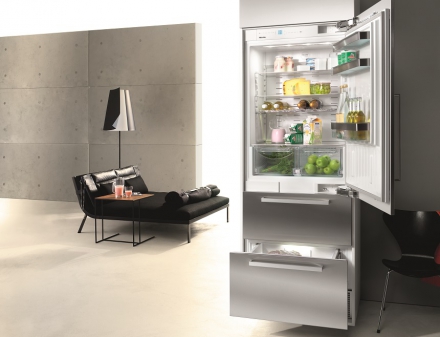
If you are considering a new refrigerator to prolong the lifespan of your food, you can explore the options with our online collection of refrigerators or speak to a home appliance specialist for further guidance.

4 Home Appliance Energy Conservation Tips

Most of us have a number of home appliances that are great time savers, but they can consume a lot of energy, and this drives up your monthly bills. Although it isn’t possible to eliminate the energy consumption completely, it is possible to reduce the amount of energy consumed. In this article, we will look at four common home appliances and how you can save energy using those devices.

  1. The Dishwasher

A dishwasher doesn’t use too much energy, but it will consume a large volume of water on every cycle. The best way to use a dishwasher is to get the most out of each and every cycle. Always ensure that the dishwasher if full and that you don’t use the hottest water temperature. If you switch to an energy efficient model you will use less energy and water when the dishwasher is running.

  1. The Refrigerator

The refrigerator consumes energy 24/7 because it needs to be kept on to keep our food fresh. But, many people keep their refrigerator at a temperature that’s far too cold, and every extra degree consumes more energy than necessary. The acceptable temperature range for a refrigerator should be 32ºF-40ªF to keep your food in great shape. It’s also a great idea to fill your fridge with as much food as you can to reduce the energy consumed. The second law of thermodynamics comes into play here, the less empty space in your refrigerator, the less energy consumed to keep the space cool. If your refrigerator is never full enough, you may consider a switch to a smaller unit to save money on your next energy bill.

  1. The Cooktop or Oven

An electric cooktop and/or oven is a great way to cook your meals, but if you cook at home regularly, they can consume a great deal of energy. This is particularly wasteful if you’re only preparing smaller meals and saving energy should be a priority. If you need to boil water, use the kettle instead, and then transfer the boiled water to the pan. Only ever use as much water as you need to reduce the boiling time and always cover your pans to speed up the cooking process. When you use the oven, keep the door shut as much as possible to retain the heat inside for cooking. If you’re only reheating a small meal, it’s a good idea to use a microwave oven instead because it’s far more energy efficient. Another good alternative to a cooktop is to use an induction hob that can quickly heat your pans to the optimal cooking heat safely.

  1. The Washer

A washer is used heavily in most homes, it uses a great deal of energy and water, but there are ways to reduce the energy used. Wash clothes in cold water and use a water saving washing mode if you have one on your machine. Keep the lint trap clean to make the machine more energy efficient and reduce the chance of a failure. Try to use shorter washing cycles to see if they work well with your clothes and dry naturally when possible. Always wash a full load to make the most use of the energy and water that will be consumed. If you have to do a partial load of laundry, make sure to use the correct setting on your machine. Switching to a modern, efficient washing machine will also save water and consume less energy to keep your clothes clean.

If you’re considering new energy efficient appliances, you can explore your options with our online collection, or our team of home appliance experts can provide further guidance.

Exploring the Options for Your Ventilation Hood

Ventilation is crucial in a kitchen. A good ventilation hood will not only carry away steam, but also odors and grease that could compromise your kitchen comfort. Most kitchen ventilation hoods can be divided into one of five types. Here we’ll explore these in more detail, to help you make an informed decision for your new kitchen.

Under Cabinet Hoods 

This is the most common form of ventilation hood on the market. This popularity is due to the compact size and affordability. Under cabinet hoods are mounted beneath any cabinets set above the stove with a simplistic and versatile design that can be easily incorporated into different kitchen styles. This type of hood requires ducting through the cabinet above, or through a nearby exterior wall to prevent grease and oils circulating around your kitchen.

Wall Mounted Hoods

Wall mounted hoods are a great option to create a statement in your kitchen space. This type of hood is often installed above the stove in place of any cabinetry, to create a distinct design element. The main advantage of wall mounted hoods is that the fan circulates air to reduce bacterial build up and mold on cooking areas including countertops, quickly eliminating fumes and odors.

Island Hoods

Island hoods are best used with larger, pro style ranges located on a kitchen island. This type of hood can withstand the extra demands created with additional burners, and the venting system can add a sophisticated touch to your cooking space aesthetic. Island hoods are available in different styles and colors to allow you to add personality to your kitchen design. Island hoods are also very effective at dispersing grease and steam away from the kitchen to prevent condensation and acids causing cabinet damage.

Downdraft Hoods

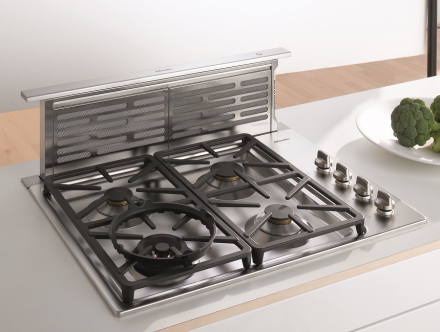
A downdraft hood is also a common feature for kitchen islands. The hood is hidden inside the cooktop, popping up along the back of the range on a horizontal angle to reduce steam. Downdraft hoods pill fumes down to beneath the floor taking them out of the home. This type of ventilation system is ideal for those who don’t want to install a larger overhead unit that takes up space in the kitchen, but it can still decrease discoloration, peeling and mildew on floors, walls and cabinets due to moisture.

Custom Hoods

A custom hood is a great option if you don’t want to be restricted to certain design options. Custom hoods can work ventilation into your kitchen landscape more organically. The power source and hood inserts are concealed in the cabinetry to create a custom approach.

Choosing the Right Hood for Your Kitchen

There are a number of factors that need to be considered before you make your final purchase decision. These include:

  • The Exhaust System: You will need to assess whether you want a vented system that channels air out of the home or a non vented system where the air is cleaned and filtered before being returned to the kitchen. Your kitchen location will determine which is the most appropriate choice. If your kitchen does not have an exterior wall, you may struggle with a vented system, as the ducts will need to channel the air out of your home. It becomes more complicated and expensive, the further you are from an exterior wall.
  • Your Layout: Your layout will need to be assessed to determine what space you have and which type of hood will work best. Generally, hoods are mounted 24 to 30 inches above a cooktop, but some hoods do have different requirements.
  • Noise: Another consideration is noise. More powerful hoods are likely to produce more noise when in use. This can be problematic if you have an open plan layout, where you’re likely to disturb your family members every time you use the hood.

If you’re considering a new kitchen hood, you can explore your options with this online collection or speak to a home appliance professional for expert help and guidance.

Things to Look for in Your New Convection Microwave Oven

A microwave is a staple in many kitchens, but many homeowners have fully embraced the technology and the benefits offered with a convection microwave oven. Convection technology has evolved a great deal in recent years, making convection microwave ovens an innovative and useful appliance for a busy family home. Since this technology may be new to many homeowners, here we’ll explore some of the things to look for when shopping for a new model.

The Convection Microwave Oven Basics

Most of us are familiar with microwave technology; it allows us to reheat leftovers, defrost frozen items, and even make popcorn quickly and easily. These benefits are offered with a convection microwave oven, but the convection technology also allows you to crisp and brown food as you would in a conventional oven.

Rather than heating the inside of the food, as a regular microwave does, convection microwave ovens also cook and brown the outside of the food, providing the full “cook through” that you would get with a traditional oven. Convection ovens use a fan to force the air movement, heating up the interior of the microwave to cook the food. This allows you to roast and bake things that may be cooked too quickly or not thoroughly enough with a regular microwave.

Decent Power Output

While convection ovens are known for their ability to crisp and brown foods, you’re still likely to want to choose a unit that can still cook food as quick as a regular microwave. If your current microwave is a high power unit, you may find yourself feeling frustrated if your new convection microwave has a fraction of the power output. So, don’t just look at the convection technology, consider the power output and what this translates into when cooking your favorite foods.

Visibility

Just like with a regular oven, it can be very frustrating if you need to keep opening the door to check on the progress of your dish. So, it is important to choose a microwave that offers high visibility. Ideally, your new convection microwave should have a sizeable window and a bright light, so you can regularly check on your food as it is cooking.

Large Capacity

The interior of your new microwave should be large enough to accommodate your dishes. If you like to reheat your favorite casserole, it will be very frustrating if your usual casserole dish is too large to fit inside the microwave. Think about the cookware that you frequently use and consider what capacity you will need to accommodate them. Remember that you also need to consider the clearance needed around the dish for adequate ventilation. Generally, you need to have at least 2 inches on the sides, 4 inches at the rear and a minimum of 6 inches above larger dishes for proper airflow and even cooking.

Unit Size

Of course, while capacity is important for accommodating your favorite dishes, you also need to think about the overall unit size. Whether your microwave sits on the countertop or is installed in an alcove, you should measure what space you have to work with. Look at the size of your current microwave and determine if you can go much bigger or smaller without compromising your kitchen aesthetics.

Additional Features

Finally, you should consider what additional features are available. Automatic settings can prompt you with the weight and type of food to help you calculate the cooking time, while multi stage cooking allows you to program different functions in sequence for the best results.

If you’re considering a new microwave, you can explore your options with this online collection of convection microwave ovens or speak to a home appliance professional for specialist advice and guidance.

How to Prepare For Your Appliance Delivery

If you are planning on purchasing a new appliance, you need to consider more than just arranging to be home for the delivery team. There is a lot of preparation that can make your appliance delivery go as smoothly as possible. So, here we’ll go through the process from start to finish, so you can prepare for your next appliance delivery.

Picking Out Your New Appliance

Of course, the first step is to choose your new appliance. Whether you’re looking for a new refrigerator, range or washer, it is a good idea to have your measurements in hand before you head to the store or start shopping online. Measuring for your appliance will help you to know the size constraints you are restricted to.

Once you have your measurements, you can browse the appliances in a particular category to find the one that offers the features you need and is within your price range. When you have selected the appliance you would like to purchase; you will be able to arrange the delivery details. Remember that most appliance delivery appointments are arranged with a timeslot, so you need to think about what time and date are convenient for you. Remember to consider traffic, if you need to finish work early to arrive home to meet the delivery team.

Plan the Appliance Path

Before your delivery appointment, it is a good idea to do a little more measuring. Check that your new appliance can fit through the doorways and work out the pathway to get your appliance from the door to its desired location. If a doorway is too narrow to accommodate the appliance, you will need to find another path. This may mean taking the appliance around the outside of your home and bringing it in through a patio door to get to your kitchen or laundry room.

It is also a good idea to clear this path of any obstacles or delicate items. While professional delivery teams aim to be careful, accidents can happen, so make sure that your family heirloom vase is safely put away.

Create Space for the Delivery Truck

Delivery trucks tend to be large, and the delivery team will need the space to lower the tailgate and bring your appliance off the truck. Try to clear a space on your driveway or arrange a spot on the street that will provide easy access when the appliance is being moved into your home.

Keep Kids and Pets Out of the Way

You also need to think about ensuring that any children or pets are safely out of the way of the delivery team. Appliances can be cumbersome, and the delivery team may not be able to fully see where they are going. So, having a child or pet underfoot can be dangerous for everyone. Consider your appliance path and find a safe spot where pets can be secured, and children can play out of the way.

Check Your Appliance

Once the appliance has been unloaded and installed, it is important to check that it is working correctly before the delivery crew leaves. There are some instances where you need the appliance in place before it can be used, such as refrigerators that need to get up to temperature, but you should be able to tell that it lights up and the fan is running.

After the delivery team leaves, take some time to familiarize yourself with the owner’s manual and test out the different settings and cycles. It is a good idea to clean the appliance of any dust that may have accumulated while it was sitting in the warehouse.

If you are considering a new appliance, you can explore your options with our online collection or speak to a home appliance specialist for further help and guidance.

Simple Maintenance Advice for Your Dishwasher

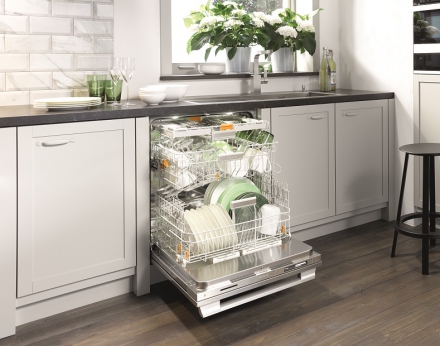
Many of us forget that a dishwasher needs to be cleaned. When it is continually filled with dirty dishes, it is understandable that a dishwasher may start to get very dirty, but there is some simple maintenance advice to keep your dishwasher operating efficiently and effectively.

Deodorize

One of the most common dishwasher issues is a lingering, unpleasant odor. If your dishwasher has started to smell, or you want to ensure it stays fresh, you can easily deodorize it as part of your regular cleaning routine.

When the dishwasher is empty, use detergent to wipe down the surfaces to remove any residue. Next, remove the filter from the dishwasher floor and clear it of any food debris. You can use a small brush to scrub any stubborn particles before you rinse with clean water. Replace this in the dishwasher floor.

Now your dishwasher is clean; you can deodorize. The easiest way to do this is to put a cup of white vinegar in a dishwasher safe bowl or cup and run an empty cycle. You won’t need any detergent during this cycle as the vinegar will need to circulate. If there are stubborn smells, you may need to put a little baking soda on the floor of the dishwasher and allow it to sit for twelve hours. After this time, you can run an empty cycle with your usual detergent.

Deal With Rust

Rusting can result from items, such as skillets or silverware being put through the dishwasher or metal parts of the dishwasher starting to age. To deal with rust issues, you should hand wash any rusted items or use rust remover before rinsing and putting in the dishwasher.

Be sure to pull each rack out fully to check for signs of rusted areas. These parts will need a sealing solvent, such as liquid rubber or certain types of nail polish, allowing them to thoroughly dry.

If your dishwasher is showing stains from utensils, you’ll need a citric acid compound that is specially formulated for dishwashers. You’ll need to follow the instructions, but it usually involves putting the compound in the detergent dispenser and running two cycles.

Draining Issues

If you find your dishwasher isn’t draining all the way, it is usually due to a blockage. You’ll need to ensure the power to the appliance is switched off and undo the screws to access the basket in the floor of the dishwasher. Use a thin piece of wire, such as a coat hanger to clear any food particles that are causing an obstruction.

Check the Hoses

The hoses connected to your dishwasher provide clean water for the wash cycle and carry dirty water out of your kitchen. Unfortunately, these hoses can be vulnerable to damage as they age, which can lead to leaks. So, it is a good idea to periodically check the hoses for any sign of damage. Check under your sink for drips or corrosion, particularly at the joints. Hoses typically last five years, so if your hoses are approaching this age, you should think about replacing them. This is a relatively easy task, and you can buy replacement hoses online or at your local hardware store.

Many of us consider a dishwasher to be an essential appliance, so it is important to ensure your dishwasher is well cared for. With some basic maintenance and TLC, you can ensure that your dishwasher works efficiently and effectively for years to come.

If your dishwasher is struggling and you’re considering a replacement, you can explore your options with this online dishwasher collection, or for further guidance and help, speak to a home appliance expert.


Should You Choose a Downdraft or Vent Hood?

When you start considering which appliances are best for your kitchen, it is very easy to feel a little lost. This is particularly true when you need to figure out the ventilation in your kitchen. While you’re likely to know that a vent will be a great addition to your kitchen, it can get confusing when you discover there is more than one type of vent system. Both downdraft and vent hoods are made to remove smoke, fumes, heat, and steam in your kitchen to keep the air generally quite fresh, but knowing which one is best for your kitchen can be a challenge. So, here we’ll explore both types of vent to help you gain the details needed to make an informed purchase decision.

The Benefits of a Vent Hood

Many types of hood are actually in the category of the vent hood. You may be looking at a kitchen hood, range hood or even an electric kitchen chimney, but they are very similar in design. These types of hood are often paired with a range, but you can see them over a cooktop.

Vent hoods tend to be considerably larger compared to a downdraft hood. This means that they have the power needed to cover a larger area and significantly reduce smoke and steam in your kitchen. Additionally, vent hoods also provide improved kitchen lighting. Most models feature at least one light, so you can easily spotlight where and what you’re cooking. Although they are a larger appliance, they tend to hide in plain sight, so rather than looking bulky, a vent hood can add a touch of luxury to your kitchen.

The Downdraft Hood Basics

If you want to install something a little more subtle than a typical vent hood, you should consider a downdraft hood. There are some models of downdraft hood that can be hidden into your kitchen cabinet layout. Some models have a telescopic feature, so they can rise from your cooktop with the touch of a button. This is a high tech option that can work very well at sucking fumes down and out of your kitchen from a duct, but it can also provide a showstopping feature to your kitchen design.

Making Your Purchase Decision

So, how do you make the decision to choose between a downdraft and vent hood? There are a few things to consider before you make your final purchase decision.

  • Do You Need More Storage Space? If you have minimal space or simply need more storage space, then you may prefer a downdraft hood. This will allow you to install cabinets above your cooking area, which would not be possible with a vent hood.
  • Do You Find Cleaning a Chore? If you struggle to manage the cleaning of your kitchen, you may prefer a downdraft vent. These tend to be easier to clean than a large vent hood. When you have a vent hood above your range, you’re likely to find that it may look great, but it extends nearly to the ceiling, and you will need to reach to keep it clean. It is amazing how much dust and other debris can accumulate on kitchen surfaces, so you’ll need to keep a vent hood clean to ensure it continues to look its best.
  • Do You Cook Big Meals? If you tend to cook with big pots and pans, you’re likely to prefer a vent hood. This will have a greater capacity to remove the smoke and steam from your cooking space, compared to a downdraft hood that will be unable to reach the height of your larger pots.

If you’re considering a new hood, you can explore your options with this online vent hood and downdraft hood collection, or for further help, speak to a home appliance expert.

A Brief Guide for Cleaning Black Stainless Steel Appliances

Black stainless steel has had instant appeal with appliance buyers since it was first introduced. The unique aesthetic is loved by consumers, and it also provides greater fingerprint and smudge resistance compared to most of the luxury alternatives. While it has not yet unseated the ever popular stainless steel finish, it is set to be a massive trend. So, here we’ll explore how you should clean a black stainless steel appliance so that you can have confidence in your purchase decision.

The Black Stainless Steel Basics

Black stainless steel is quite similar to traditional stainless steel finishes, but due to the different manufacturing process, it does require different techniques and methods of care.
At the core of black stainless steel is the same composite of chromium, iron, nickel, and silicon that you would find in conventional stainless steel. What sets this bold finish apart is the protective polymer coating to mute the finish. This results in a more anti corrosive surface and an elegant look that contrasts the sterile look of conventional stainless.

Things to Avoid

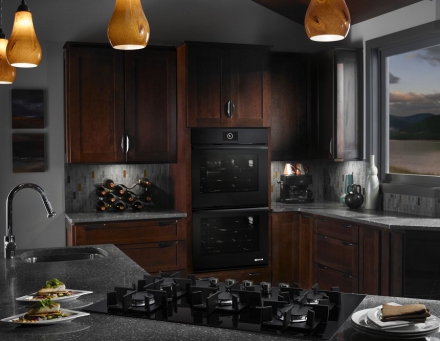
While black stainless steel can add sophistication and elegance to your kitchen, this can be quickly compromised by poor cleaning habits. So, we’ll start with some of the things you should avoid when you start cleaning your new black stainless steel appliance. Due to the top coat we mentioned above, it is vital that you don’t do anything that will scratch the finish, or you could risk exposing the burnished steel under the bold black layer. This means that it is imperative not to rub the black surface with any abrasive material including scouring pads or steel wool. Even newspapers and stiff cloths have the potential to mark the surface. You’ll also need to avoid using many of the standard cleaning products you may use in your kitchen including baking soda, ammonia, powdered soap, abrasive liquid soaps or acidic compounds such as lemon, vinegar or oven cleaner. While it sounds strange, even stainless steel polish should be avoided, as it has the potential to damage the black coating.

Cleaning Methods

So, now we’ve explored what you shouldn’t do with black stainless steel, we’ll discuss the best cleaning methods to keep your new appliance looking superb. The best cleaning method is also the simplest; you just need to use a table napkin or soft cloth towel with warm, soapy water to clean your black stainless steel. You’ll still need to use this gently and only rub the surface lightly with the grain of the finish. You should notice that any stains will be eliminated within a couple of seconds. You can then use a dry microfiber cloth to dry the surface using a light dabbing motion.
For everyday cleaning, you can remove any fresh drips or spills by using a soft, damp cloth to gently wipe the surface and pat dry. If you do spill something, just remember not to automatically reach for paper towels, as these can actually be quite scratchy and may damage the black coating.

Minor Repairs

The production technology for black stainless steel has advanced a great deal in recent years. Some manufacturers are now offering scratch resistant black stainless steel appliances, which are more durable. Unfortunately, some older black stainless steel models are still vulnerable to damage. So, if you were a trend setter and adopted black stainless steel early, it may be worth knowing how to perform some minor repairs. If your appliance has suffered a minor scratch, you could cover the damage with a black permanent marker, softly buff the ink before it dries using a microfiber cloth to allow the color to be blended. This should disguise the mark unless someone gets really up close and scrutinizes your appliance.

If you’re considering upgrading to black stainless steel appliances, you can explore the options with this online collection or speak to a home appliance specialist for further help.

How to Choose Your Perfect Oven Range

The oven is a central element of any kitchen. Whether you are a keen chef or an enthusiastic amateur, the oven is one point of the working triangle in any kitchen design. Today, ovens are available in a wide variety of designs, styles, and configurations, so it can be a little overwhelming to find the perfect model for your kitchen. Fortunately, we can walk you through some simple steps to help you to choose the perfect oven range for your new kitchen.

Consider Your Energy Source

One of the easiest ways to narrow down your shortlist of potential oven ranges is to look at your current energy source. Many people base their choice of oven range on the current source of energy in their kitchen, but it is possible to find gas powered ranges with electric ovens today, so there is some flexibility. So, while you may not have a great deal of choice about your energy source, there are many choices within each category to find your perfect range.

Choose Your Preferred Style

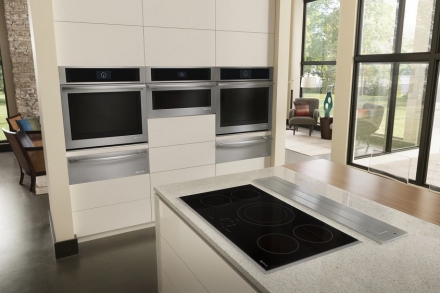
Next, you need to look at what style of oven range you would prefer in your kitchen. Ranges are available in free standing, slide in, drop in configurations, or you could opt for a wall oven with separate cooktop. Your preferred style may be influenced by kitchen decor, your available space or even the way you prefer to work. Freestanding ranges are the most popular option as they tend to cost the least, but many models offer some fantastic amenities. Slide in models overlap the counter on either side to create a build in look that can look fantastic in contemporary kitchens. Wall ovens typically offer less space inside compared to a conventional range, which can be problematic if you enjoy creating large roast dinners for the whole family. Some options are available with double ovens, with models offering the same size ovens or differing sizes for different applications. So, you’ll need to think about how your oven will be used on a day to day basis to determine your preferred style. It is also worth thinking about where the controls will be located for each option. For example, if you have a shorter stature, the controls on the back of a freestanding range may be challenging to reach without risking burning yourself.

The Burner Style

There are a number of burner styles available that have different characteristics. Coil burners, induction, and flat gas top cooking surfaces all require a slightly different cooking style, so you may prefer to stick to the burner style you’re used to using. It is worth considering cleaning and maintenance issues, precision, and energy efficiency. Some range models also have a warming burner or dual settings to allow you to manage your meal prep easier.

Other Considerations

Finally, there are some other features that are worth considering. Depending on your budget and the range style, it may be possible to look for specific models offering some of these options:

  • Self cleaning oven
  • Bigger viewing window
  • Temperature probes
  • Convection oven
  • Easy clean finish
  • Brighter Light
  • Electronic Controls
  • Full extension racks
  • Special settings

Again, it is worth thinking about how you will use your range. For example, if you enjoy baking and preparing more specialized items, a steam setting could be very beneficial. This can introduce moisture during baking to improve the results of breads, pastries, and doughs. It can also help improve the results of cooking other dishes to reduce drying out of delicate foods.

If you’re considering upgrading your range or oven, you can explore the options with this online collection of ovens, ranges, and cooktops, or for further guidance and help, speak to a home appliance specialist.

Making Your Dream Kitchen a reality with Fisher & Paykel and Universal Appliance and Kitchen Center

Established in 1934, Fisher & Paykel is a major appliance manufacturing company based in East Tamaki, New Zealand. Originally an importer of domestic refrigerators, today it holds over 420 patents and bases its identity on innovative design, particularly in the areas of usability and environmental awareness. The brand has a storied legacy of ongoing R&D ensuring that all products are developed around sustainable design principles.

Moving From Tradition

Today, kitchens are more than just somewhere where you prepare meals; they have evolved from a separate space only used by one person to a shared environment, a place for families to get together, a place for entertaining, and even a place for working. Fisher & Paykel has focused on breaking from tradition with an innovative space that is suited to today’s living requirements to look fantastic.

Creating a Sharing Space

The team at Fisher & Paykel found that today, more than one person is likely to be using the kitchen at the same time. Additionally, the brand appreciates that aesthetics matter, so the design team has an opportunity to innovate to create dream kitchen environments with unbridled gusto.  The Fisher & Paykel appliance line has been created to support these patterns of use. For example, the CoolDrawer can be installed to have drinks near the dining area or a DishDrawer to have a designated unit for glasses or crockery near the main sink. This concept of “distributed appliances” allow users to configure a layout to suit the way people use kitchen now.

Everything With Easy Reach

Whether creating a gourmet feast or just preparing a snack, Fisher & Paykel makes sure to have what one uses the most, at waist height, for easy reach. One of the Fisher & Paykel breakthroughs is to place DishDrawer dishwasher drawers side by side, rather than stacked to avoid needing to bend down for the lower drawer. These appliances allow cabinetry to float for a seamless look and superb functionality.

Your Dream Kitchen

Choosing new appliances can be one of the biggest challenges in creating the perfect kitchen. For this reason, Fisher & Paykel has designed a product line to suit individual kitchen styles, cooking preferences, and space.

The kitchen is a natural hub for social activities, and a homeowner can set the stage for entertaining from morning coffee through to a full dinner party. Fisher & Paykel allows one to create a layout that permits multiple people to use the space without getting “trapped.”

If a family likes to cook and socialize together, Fisher & Paykel has a kitchen design to support this efficiently. This allows people to drop in and help without getting in the way to enable meal prep to become a social experience that everyone can enjoy.

As you plan your dream kitchen, you can create work zones for superb functionality. If you enjoy cooking with your partner, you can plan two distinct cooking or prep areas. While if you entertain, include a mixed-use zone that will allow you to set out food platters or create a bar area. With the line of Fisher & Paykel appliances, you can ensure that every zone of your kitchen is fully equipped to your unique specifications.

Create Your Dream Kitchen and Enjoy Cashback

There has never been a better time to create a dream kitchen with the Fisher & Paykel cashback promotion. Plan your kitchen with qualified products, and you can file your claim for cashback through Universal Appliance and Kitchen Center. The cashback offers rebates of up to $2,000. Our team can guide you through the details of the promotion to ensure that you benefit from the cashback promotion and enjoy your dream kitchen.

If you would like to know more about the Fisher & Paykel cashback promotion or would like to explore the eligible models, you should speak to a home appliance expert at Universal Appliance and Kitchen Center in Studio City at (818) 755-1111 or in Calabasas at (818) 880-0011 for additional help and guidance.