Your Guide to Washing Machine Detergent

In the past, using laundry detergent was fairly simple, use the cap measurement cup and guestimate how much you needed for a particular load. Today, things are a little more complicated. With high efficiency laundry machines and detergents of varying strengths, understanding the amount of detergent you need is a little more complicated. So, here we’ll explore the topic in greater detail.

The Different Types of Laundry Detergents:

There are a few different types of detergent that are safe to use in your washing machine. These include:

  • Liquid: This is the most common form of laundry detergent, which can be helpful in removing dirt and grease from your clothing. While liquid can be a little messy, it does quickly dissolve in water. But, you need to be careful not to use too much or you could end up with an awful lot of suds.
  • Powder: This is a good money saving option as powders tend to be cheaper compared to liquid detergent. But, they still offer efficient cleaning. The main disadvantage of powder is that it does not dissolve as easily in water. If you use too much powder, you may find you have powdery marks remaining on your clothing.
  • Tablets and Pods: Tablets and pods are premeasured, so you can simply add one to your washing machine. This makes them extremely convenient, but they are more costly. Additionally, there is a safety hazard, as small children or animals could be injured if they ingest a pod.
  • HE Products: HE detergents are designed specifically for high efficiency machines. They are available in liquid, powder and pods. Since HE appliances do not use as much water as conventional machines, the detergent is designed for an efficient wash. Although you use less detergent per load, HE detergent is typically more expensive compared to non HE products.
  • Laundry Soap: This is the most basic form of laundry detergent, but it can be used in washing machines. It may take the form of soap bars or flakes, but you may choose to use laundry soap as a base to make your own laundry detergent.

How Much Detergent Should You Use?

Choosing the right laundry detergent can have a massive impact on the efficiency and effectiveness of your washing load, but the performance of even the best product can be compromised by using the wrong amount.

All laundry detergent products will contain a guide of the recommended amount you should use. This will be broken down by three factors:

  • The load size: The first thing you’ll need to assess is the load size. Ideally, you will only use your washing machine with a full load to maximize the energy and water efficiency. But, if you do need to do a half load, you will need to adjust the detergent accordingly.
  • The soil level: This is a judgment call, but you will need to evaluate whether your items are lightly, normal or heavy soiled. If the load is lightly worn, delicate items, you should consider this lightly soiled. On the other hand, if your children have been playing in the mud, you’ve been doing some heavy household chores or working in the garden, the chances are that your load is heavily soiled.
  • Your water hardness: The final factor in the calculation for how much detergent to use is your water hardness level. Hard water inhibits soap’s ability to sud up, so you may need to use slightly more.

If your washing machine is failing to deliver the best results, regardless of your detergent, it may be time to consider an upgrade. You can explore your options with our online laundry collection or speak to one of our home appliance specialists for further help.

4 Steps to Clean and Sanitize a Washing Machine

We rely on our washing machines to clean our fabric items, and most people believe that this process keeps the appliance clean too. This is incorrect; a washing machine requires periodic cleaning after every 30 washes to maintain performance and efficiency. If you’ve noticed that your fabrics are not smelling fresh anymore, this can be caused by a buildup of bacteria, grime, and mold inside the appliance. Regular cleaning can prevent and correct these problems, and that will be the focus of this article.

Gather the Cleaning Supplies

The cleaning methods that you choose and the products that you choose for the task may vary depending on whether you have a front load or top load model. To ensure that you’re cleaning the appliance correctly, consult the owner’s manual for your specific washing machine. This will have helpful tips on how to clean the washing safely and efficiently. That said, there are certain items that you will need: a damp cloth, an all purpose cleaner, liquid chlorine bleach, and an Affresh tablet.

Affresh contains sodium percarbonate, which is better known as “Oxygen Bleach” or an “Oxygen-based Bleach,” and it contains no chlorine. If you prefer to use an alternative, you can clean and sanitize with liquid chlorine bleach or a homemade baking soda and white vinegar combination. But, you must choose one approach only; you cannot use bleach and vinegar together because they form chlorine gas which is dangerous to inhale.

4 Steps to Thoroughly Clean the Appliance

When you’re ready to start cleaning, there are four easy steps to follow in order:

Step 1: Cleaning the Washer Tub

Remove any items from the washer tub, and add the affresh table or your chosen alternative to the bottom. Take care; if you’re using a liquid chlorine bleach, check the owner’s manual first because it shouldn’t be used with certain front load washing machines. When you’re ready to continue, close the door, select the cleaning cycle and start the machine. If you’re cleaning a top load model, you will need to run an additional rinse and spin cycle to clean away excess cleaning products that may be lingering in the machine. If you’re performing a deeper clean, consider removing, washing, and replacing the agitator before you run the wash cycle. When the wash cycle finishes, leave the door open and let the washer tub dry naturally.

Step 2: Cleaning Detergent Dispensers

The detergent draw may be removable, but this will vary depending on the model, and full removal instructions can be found in the owner’s manual. If you can’t remove the detergent drawer, you will have to clean it in place and fully extend it. Apply the all-purpose cleaner, rub it into the surfaces with a damp cloth and dry it with a clean towel. Some detergent drawers are dishwasher safe, but many are not, and this should be confirmed before you consider cleaning the drawer in the dishwasher.

Step 3: Clean the Washer Door

Open the door or lid and wipe the surface with a damp cloth. Front load washers have a rubber door seal that can be lifted, and you can wipe under there too. Washing these surfaces with warm water reduces detergent build up and the soiling process is slowed.

Step 4: Clean the External Surfaces

Use a mild cleaner or soap to sponge down the exterior of the washing machine. This cleans away any unsightly spills and drips that can become grubby and dirty over time. Congratulations, your washing machine is now clean and ready for the next laundry load.

If you’re considering a new washing machine, you can explore your options with this online collection, or for further help or guidance, speak to a home appliance expert.


How Does a Washing Machine Hand Wash Cycle Work?

Washing clothes by hand is a laborious process, and thanks to the invention of washing machines, we don’t need to set an entire day aside to wash our clothes and other items. But, certain items are more delicate; they require a lighter touch when they’re washed and for many years this meant that hand washing was still necessary. But, the manufacturers noticed this trend, and they have implemented hand washing cycles on their latest washing machines. These cycles are meant to replicate the less rigorous hand washing process to reduce the potential for damage to sensitive items. In this article, we will take a closer look at how this works.

What Does Hand Wash Mean?

Some materials can be damaged by exposure to high temperatures, chemicals found in detergents, excessive agitation, and more. This can be seen on the labels of such items, which are usually marked as “Hand Wash Only.” This informs the consumer that these items need special attention and care during the washing process. This phenomenon can be traced back to the earliest washing machines that were too aggressive for woven, knitted, and delicate fabrics. Many modern machines now have hand wash cycles that mimic the hand washing process, but they are not perfect.

A Brief Washing Machine Primer

Washing machines can be divided into two very broad categories: front loading and top loading. These terms refer to how you load clothes into the machine and whether that washing machine uses an agitator. Some top loading machines use agitators, but all front loading models don’t have one.

People like front loading machines because they take up less space, they can accommodate bulky loads, and they are easy to stack with a dryer. Many people choose top loaders because they are less complex and they can handle smaller loads easily. But, anyone that has worked in a laundrette can tell you that an agitator is the best solution for heavy-duty cleaning. A hand washing cycle on both washing machine types is designed to simulate the lower levels of disturbance to clean delicate items without causing damage.

The Hand Wash Cycle

Depending on the washing machine that you have, this could be referred to as the “Hand Wash” or the more common terms are “Delicate” or “Gentle.” The exact settings that manufacturers use will vary, but the intensity of the cycle tends to be lower, and the water is usually warm rather than hot. Depending on the manufacturer, there may be a gentle spin cycle, but this may cause stretching on certain fabrics. Always check the label carefully, and if it explicitly states that the item shouldn’t undergo a spin cycle, skip it. Using a washing machine on a gentle cycle works best for the following items: modern synthetic blends, small wool items, and bulky non-vintage items. Avoid using stain removers, a small drop of detergent should work well, and you don’t need to apply chemicals to the surface. If you’re washing smaller delicates, place them in a mesh bag to prevent tangling with other items.

When to Hand Wash

There is still a place for traditional hand washing for specific fabrics and items of clothing: heavily embroidered, intricately woven fabrics, garments that are vulnerable to stretching, and vintage clothes. When you wash these items, follow the instructions carefully, and if you’re not sure how to proceed, look for specific advice online.

If you’re considering a new washing machine, you can explore your options with this online collection, or for further help or guidance, speak to a home appliance expert.


Understanding Your Washing Machine’s Lint Trap

While most of us are aware of the lint trap inside a dryer, you may not be aware that your washing machine may also feature a lint trap. Just like a lint trap in your dryer, the one in your washing machine is designed to collect the lint from your laundry that has the potential to clog up your drain or septic line over time. Neglecting your lint trap has the potential to lead to plumbing problems, costly repairs or even water contamination. So, here we’ll explore all you need to know about your washing machine’s lint trap.

The Importance of a Washing Machine Lint Trap 

The lint trap in your washing machine is designed to prevent the pipes and septic system in your home from becoming clogged with washing machine debris. Much of the lint from your clothing, bedding, linens, and towels consists of non degradable particles that can accumulate and stick inside pipes, leading to wastewater backing up inside your home.

The trap is designed to filter biodegradable material, but this is not its primary purpose. It will also filter any material that won’t break down inside your septic system. For example, your washing machine filter can remove fibers created when polyester or nylon items are washed that are almost impossible to break down. It can also catch pet fur and hair that can ball up and create problems.

How to Find Your Lint Trap

Unfortunately, finding your washing machine lint trap can be a little tricky. Depending on the make and model of your appliance, it can be in a different location with different instructions to remove it for cleaning. The best way to find your lint trap is to check your owner’s manual for your specific appliance. It should be shown along with instructions for cleaning. If you can’t locate your owner’s manual, there are some locations that are common for several manufacturers. This includes:

  • Along the rim of the washing machine drum
  • The center of the washing machine agitator
  • The end of the washing machine drainage hose

Cleaning the Trap

It is recommended that the lint trap in your washing machine is cleaned at least every three months to ensure that your appliance continues to work at its best.

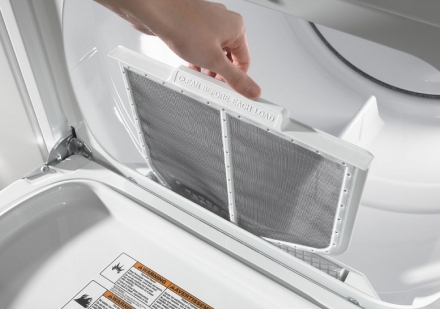
Once you have located your lint trap, you’ll need to pull it out of its housing. You should notice a layer of wet lint, hair and other debris on the film. You should be able to wipe this debris off using paper towels, but sticky residue can be removed using a small brush, such as a toothbrush. Be sure to keep all of this material out of the drain and put it in the garbage. Don’t be tempted to flush it down the toilet as it can cause a clog.

If your lint trap is particularly dirty, allow it to sit in hot water for ten to fifteen minutes. This should enable any detritus to loosen and be wiped off before you replace it in the machine.

What if Your Machine Doesn’t Have a Trap?

Some washing machine models don’t have a trap. Instead, they rely on a pump to pull any excess lint out of the machine. This is more common on front loading or high efficiency machines. To avoid clogs and potential problems, run a maintenance load each month, where you select a higher temperature program and run the machine empty to prevent any lint from accumulating.

If your washing machine is struggling to cope with your laundry requirements and you’re considering an upgrade, you can explore the options with this online laundry appliance collection, or speak to a home appliance specialist for further guidance.

Clever Ways to Upgrade Your Laundry Room

If your washing machine is just about ready to give up or your dryer has stopped drying, you may have considered upgrading your laundry room. Putting brand new, shiny appliances into a tired laundry room is not likely to give you much pleasure, or make you want to spend time in there folding. Fortunately, there are some great ways to upgrade your laundry room and make doing this chore a little more pleasant.

Create Storage

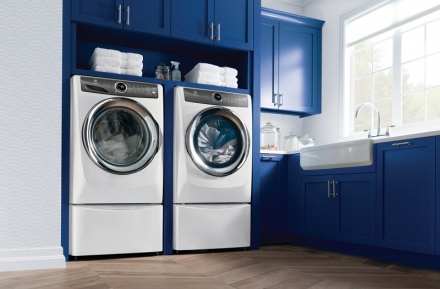
Storage is important in virtually every room of your home, but it is often overlooked in a laundry room. Bins, cabinets, shelves and other storage can be invaluable for organizing bleach, detergent, dryer sheets and all the other items that are needed for dealing with your laundry. Proper storage will make laundry more manageable and also make the entire chore a little less overwhelming. Laundry rooms tend to end up as a dumping ground for all those bits and pieces that don’t seem to have a proper place in your home. This can mean that you not only need to get the laundry done, but you need to create space to get it done in the first place. By having sufficient storage, you can create a folding station, so you can get everything done in one place and keep everything neat.

Brighten It Up

If your laundry room has lots of natural light, you are very fortunate. Many laundry rooms tend to lack natural light, so they can end up feeling dark and gloomy. This means that you’re not likely to want to spend time in the room, folding clothes or sorting laundry. Fortunately, you can counter this and make your room a more soothing place by brightening it up with paint. Choose a color scheme that will make you feel a little brighter when you step into the room. You can add splashes of color, but remember that smaller rooms tend to feel bigger and lighter if you avoid darker paint colors.

Add Some Personality

Finding some creative ways to make a laundry room more exciting may seem difficult, but it can actually be quite easy. Tackle the decor as you would any room; choose a theme and decorate accordingly. There are lots of ways to make your room feel creative yet functional. For example, put your detergent and other knick-knacks in mason jars that can sit on an open shelf. Or you could add cute little signs, framed photos or even artwork to brighten your space. With some creative ideas, you can make your laundry room a little haven of peace where you can get away from the hectic activities of your home and be in the moment folding laundry.

Create Sorting Stations

Finally, it is inevitable that your laundry room will have clothes, towels, linen, and bedding in different states of cleanliness at any time. So, instead of kidding yourself that you will make sure everything will get put away immediately, plan for dealing with your laundry loads. Create sorting stations; you can have a basket or box for handwash items, laundry awaiting folding or even items that need special attention. This means that you won’t need to carry dirty laundry back into your room if you don’t have a full load.

Upgrading a laundry room only requires a few tools and a little motivation to make it feel a much more pleasant place to spend some time.

If you’re considering upgrading your laundry appliances, you can explore the options with this online collection of washing machines and dryers, or speak to a home appliance expert for a more specialist service.

At What Temperatures Should You Wash Your Laundry?

Modern washing machines are equipped with a myriad of program settings, but many consumers remain confused about the temperatures that should be used for their clothing. In most cases the hotter the water, the greater the cleaning potential, but this may not be appropriate for all your clothing and could cause damage. So, here we will explore the temperatures you should be using for your laundry.

Using Hot Water

Most white clothing and linens can be washed in hot water. This will remove heavy soil and germs. Unfortunately, hot water can cause shrinkage, wrinkling, and fading of colors. If you try to wash your clothing in hot water, the colors may start to look splotchy, while delicate fabrics can lose their aesthetic appeal.

Using Warm Water

The majority of laundry can be washed using warm water. This mixture of hot and cold water provides a balance between color protection and removing soil. Some washing machines use a 50-50 ratio of hot and cold water, but newer models tend to mix 60-40. Warm water can usually be used without shrinking, wrinkling or fading.

Using Cold Water

Cold water is preferable for delicate items or bright colors that could fade or run at a higher temperature. If your items require cold water temperatures, but are dirty or heavily soiled, you will need to have a diligent pretreatment routine. You may need to pre-soak your items or wash them for longer to ensure that they are properly cleaned.

Choosing the Correct Washing Temperature

Since there is the potential for laundry mishaps, by washing at the wrong temperature, it is important to choose the correct washing temperature. Fortunately, there are several ways to determine the correct temperature. The most obvious is to check the clothing tag. The tag will provide any laundry or care special instructions. Most clothing will be labeled with the maximum wash temperature, so check your tags before you do any laundry.

You should also pre-treat any stains. This will allow clothing to be cleaned even if you are washing in warm or cold water. Cold water is not the most effective way to remove stains, but pre-treatment can offer the only solution for delicate fabrics that have become stained. You may need to be patient, as some pre-treatment takes time, but it is important to try to remove any stains before washing to ensure that they are as clean as possible.

If you are unsure about the washing temperature, you may want to try soaking your clothes in cold water before washing. Soaking can vary from five or ten minutes to overnight, but the tougher the stain, the longer you will need to soak the item. Soaking can help create a thorough clean even if you can only risk using a cold water cycle on your washing machine.

Checking Your Washing Machine Water Temperature

If you are still running into laundry issues, you may find that the water temperature of your washing machine is not accurate. In this type of scenario, a candy thermometer can be a useful tool. Check the temperatures of the hot, warm and cold water coming out of the machine. Hot water is typically 10 degrees colder when it arrives at your washing machine compared to leaving your water heater. Generally, hot water is 130ºf or above, while warm water is between 100ºf and 90ºf. Cold water is between 80ºf and 60ºf. If your water temperature drops below 60ºf, your clothes are not likely to be properly cleaned. If your washing machine is not delivering the correct temperature of water, your machine may need servicing or be ready for an upgrade.

Finding the Right Washing Machine

Now that you know about the ideal washing temperatures for your laundry, you have the basic knowledge you need to choose the right washing machine. If you’re ready to find the perfect washing machine for your home, consider starting your search with this collection of washing machines or contact a home appliance expert for specialized service.

Which Type Of Washer Is Right For Your Home?

The 21st-century home is not complete without its own set of powerful laundry appliances. The advanced and innovative features of modern laundry machines ensure your home is steadily supplied with clean clothing, bedding, and towels. But the laundry process cannot begin without a washing machine.

The task of finding a washing machine should begin with determining which type of washer is right for your home. To kickstart your washer selection process, we’ve compiled some useful information on the most common types of washers available today.

Top Load Washer

For traditional washing features and functions, consider a top load washer. Top load units fall into two primary categories — traditional top load washers and high efficiency top load washers.

Traditional top load washers feature an agitator in the unit’s washtub that provides the movement necessary for effectively washing clothes and other items. These units offer all the basic wash cycles and settings you need at an affordable price, making them an ideal choice for budget conscious homeowners.

If you’re willing to spend a bit more money, a high efficiency top load washing machine is a great choice. These models do not feature an agitator, offering more space for your items than a traditional unit. High efficiency machines also use less water, spin faster, and often feature more advanced cycle settings. Overall, high efficiency top load washers provide more modern conveniences than their traditional counterparts, and are ideally suited for the contemporary home. If you want to learn more about these powerful appliances, visit this guide to the best high efficiency top load washers of 2017.

Front Load Washer

If fast wash cycles and large wash drum capacity are your top concerns, you may want to invest in a front load washer.

Front load washing machines are loaded and unloaded through a door on the front of the appliance. This design typically offers more space than the average top load washer, allowing you to wash more items at once. The greatest advantage of a front load washer is its fast spin speeds. While faster spinning will not reduce the amount of time it takes to wash clothing, it will extract more water from your items and reduce dryer times. Compared to top load washers, front load washers tend to be more advanced, offering more innovative wash options and cycles. 

Front load washing machines are a great choice for many homes, but given their advanced designs are often more expensive than top load models. These machines will also require you to bend down to access the door for loading and unloading laundry. To alleviate this challenge, you can invest in a laundry pedestal at an extra cost.

For more on front load machines, check out this guide to the best front load washers of 2017.

Portable Washer

No home is complete without its own laundry appliances, but a full-sized washing machine isn’t the best choice for a small living space. If you live in a small house or apartment, you may want to consider a portable washer.

Portable washing machines feature a hose that attaches to a sink faucet to supply water for washing your clothes. These units are often built on rollers, allowing you to store the appliance in a convenient location while not in use. Best of all, portable washers are significantly less expensive than full-sized models, bringing quality washing capabilities to your home at an affordable price.

Obviously, the biggest downside of a portable washer is its size. These units are best used for washing small batches of clothing as opposed to heavier items like towels or bedding. With that in mind, a portable washer is still the best option for many that live in small homes.

Premium Washers In A Wide Range Of Superb Designs

The washing machine is an essential appliance in every home, and a great washer will ensure you and your family are provided with fresh and clean laundry on a consistent basis. Each type of washer has its own special advantages, and in the end, the best washer for your home is the one that best meets your needs. Whether you choose a traditional top load washer, a high efficiency top load washer, a front load washer, or a portable washer, you’ll be pleased to find a vast variety of options available on the market. Armed with some basic knowledge of each type of washer, there’s little doubt you’ll discover the perfect choice for your home.

If you want to discover a huge selection of advanced and innovative machines, consider exploring this online collection of washers today.