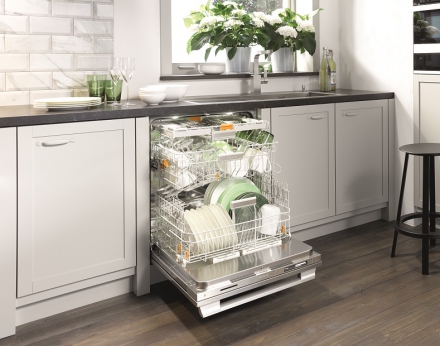
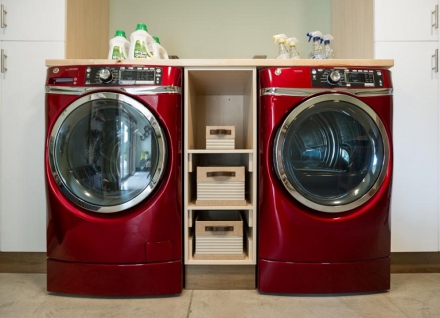
Simple Maintenance Advice for Your Dishwasher

Many of us forget that a dishwasher needs to be cleaned. When it is continually filled with dirty dishes, it is understandable that a dishwasher may start to get very dirty, but there is some simple maintenance advice to keep your dishwasher operating efficiently and effectively.

Deodorize

One of the most common dishwasher issues is a lingering, unpleasant odor. If your dishwasher has started to smell, or you want to ensure it stays fresh, you can easily deodorize it as part of your regular cleaning routine.

When the dishwasher is empty, use detergent to wipe down the surfaces to remove any residue. Next, remove the filter from the dishwasher floor and clear it of any food debris. You can use a small brush to scrub any stubborn particles before you rinse with clean water. Replace this in the dishwasher floor.

Now your dishwasher is clean; you can deodorize. The easiest way to do this is to put a cup of white vinegar in a dishwasher safe bowl or cup and run an empty cycle. You won’t need any detergent during this cycle as the vinegar will need to circulate. If there are stubborn smells, you may need to put a little baking soda on the floor of the dishwasher and allow it to sit for twelve hours. After this time, you can run an empty cycle with your usual detergent.

Deal With Rust

Rusting can result from items, such as skillets or silverware being put through the dishwasher or metal parts of the dishwasher starting to age. To deal with rust issues, you should hand wash any rusted items or use rust remover before rinsing and putting in the dishwasher.

Be sure to pull each rack out fully to check for signs of rusted areas. These parts will need a sealing solvent, such as liquid rubber or certain types of nail polish, allowing them to thoroughly dry.

If your dishwasher is showing stains from utensils, you’ll need a citric acid compound that is specially formulated for dishwashers. You’ll need to follow the instructions, but it usually involves putting the compound in the detergent dispenser and running two cycles.

Draining Issues

If you find your dishwasher isn’t draining all the way, it is usually due to a blockage. You’ll need to ensure the power to the appliance is switched off and undo the screws to access the basket in the floor of the dishwasher. Use a thin piece of wire, such as a coat hanger to clear any food particles that are causing an obstruction.

Check the Hoses

The hoses connected to your dishwasher provide clean water for the wash cycle and carry dirty water out of your kitchen. Unfortunately, these hoses can be vulnerable to damage as they age, which can lead to leaks. So, it is a good idea to periodically check the hoses for any sign of damage. Check under your sink for drips or corrosion, particularly at the joints. Hoses typically last five years, so if your hoses are approaching this age, you should think about replacing them. This is a relatively easy task, and you can buy replacement hoses online or at your local hardware store.

Many of us consider a dishwasher to be an essential appliance, so it is important to ensure your dishwasher is well cared for. With some basic maintenance and TLC, you can ensure that your dishwasher works efficiently and effectively for years to come.

If your dishwasher is struggling and you’re considering a replacement, you can explore your options with this online dishwasher collection, or for further guidance and help, speak to a home appliance expert.


Important Help From Your New Oven Manual

After buying a new oven, many consumers immediately toss the manual in a drawer or worse yet the trash, but this can be a big mistake. Although that thick instruction guide may seem daunting, it is the best way to learn about the enhanced technology and innovative features on your shiny new appliance. Here is just some of the important help you can obtain from your new oven manual.

Those Complicated Looking Settings

In the past, ovens were limited to simply baking or broiling, but these days they can be far more complex. This means that you will need some help to make the best use of the more complicated looking settings. Some oven models have a slow cook, steam bake and roast setting along with baking and broiling. Your oven manual will detail the situations where a setting is most appropriate.

“Burning In” Your Oven

Ovens tend to give off an odd smell when they are first used, and this means that the appliance needs to go through a “burning in” process before it is used. This technique is recommended in some oven manuals and involves letting the oven cook empty for approximately an hour to burn off debris that could have been left during manufacturing or packing. Your oven manual will detail whether burning in is necessary and how you should complete the process to properly burn off any residue.

Proper Rack Positioning

Proper rack positioning is vital for even cooking as it affects how well the hot air can circulate around your dish. Your oven manual should detail the number of rack levels and recommendations for positions to be used for a variety of scenarios. For example, the rack positioning for roasting a large piece of meat will differ from when you are baking a cake.

Adjusting Factory Settings

Some models of oven allow you to customize the settings to make it tailored to your specific preferences. Whether you want to set the clock to military time, stop the dings or adjust the display light, you will need your manual to adjust these settings.

Open or Closed Door Broiling

Whether you have a traditional electric single oven or an electric double oven, your broiler is located at the top of the oven cavity and applies direct heat to your food. This is a fantastic tool for toasting bread or creating grill like char to your meat dishes, but lots of heat can cause lots of smoke. Some manufacturers recommend leaving the oven door slightly open when broiling, while others state the door should be closed. This will vary from model to model, so you will need to check your manual for the correct procedure.

Cleaning Information

Whether you have a wall oven, steam oven or even an oven/microwave combo, you need to know how to clean it properly to maintain the aesthetics and functionality. Your manual will contain a care guide with user instructions for keeping your new appliance showroom fresh. The last thing you want is to spill a sugary liquid and be unsure how to remove it before it causes pits on the surface.

Find the Right Oven Today

No kitchen is complete without a great oven. With some basic knowledge about what can be found in the appliance manual, you’re in an ideal position to make an informed decision. If you’re ready to find the best oven for your kitchen, consider starting the search with this online collection of ovens. For additional assistance, do not hesitate to contact a home appliance expert.

How To Raise The Height of Your Laundry Appliances

Your laundry space serves as “mission control” for the modern home, and requires the proper layout for maximum efficiency. Depending on your unique needs and the size of your home, it may be a smart idea to raise your laundry appliances above their standard height.

Homeowners typically want to raise the height of their laundry units for one of two reasons. They either want easier access to front load units, or want to stack their appliances to save space. To help you meet these goals, we’ve gathered some information on two beneficial laundry accessories that will allow you to raise your laundry appliances.

Laundry Pedestals

If you like to have your front load washer and dryer side-by-side, but want easier access to your appliances, then you may want to invest in a laundry pedestal.

These useful laundry accessories can be placed below a washer or dryer to raise the height of the appliance. The additional height is ideal for front load laundry units, which offer quality washing and drying functions, but force you to bend down to load and unload the machine. Thanks to a laundry pedestal, you won’t have to bend down nearly as far. Moreover, many pedestals feature a spacious storage drawer designed to hold laundry essentials like detergent, bleach, fabric softener and more.

An effective laundry pedestal will give your laundry units the boost of height you need while helping your laundry space stay organized. It’s worth remembering, however, that these add-ons are not designed to help you save a significant amount of space in the laundry room.

Laundry Stack Kits

Should saving space be your top priority, you’ll definitely want to consider purchasing a laundry stack kit.

Stack kits are metal brackets sold separately from you laundry units that allow you to place your dryer on top of your washer, creating additional floor space in your laundry room for other cleaning tools or appliances. The vertical orientation provided by a stack kit can also help you install laundry machines in areas other than a laundry room, like inside a closet or alongside appliances in your kitchen.

While these units do not offer the built-in storage possibilities of a laundry pedestal, they will still help you raise your laundry units to a comfortable height that actually saves you space. Should you choose to invest in a stack kit, you need to check the model numbers on your washer and dryer to ensure you purchase a compatible kit.

High Quality Laundry Accessories for Every Home

Every home requires a different layout for its laundry appliances, and there are a host of helpful laundry accessories that are sure to satisfy your needs. If you want to raise the height of your unit’s and promote exceptional organization, laundry pedestals are a great investment. Meanwhile, should you need extra height for space-saving purposes, you’ll definitely want to invest in a laundry stack kit.

Are you looking for a new laundry pedestal or stack kit? Explore your options using this online collection of laundry accessories, or contact a home appliance expert for specialized service.