Hot, Warm, or Cold? Choosing the Right Water Temperature for Your Laundry in Los Angeles

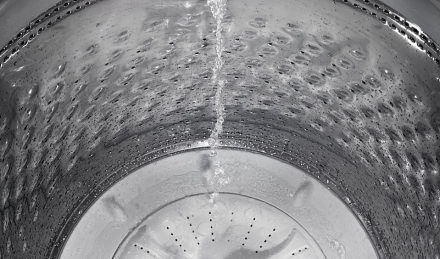
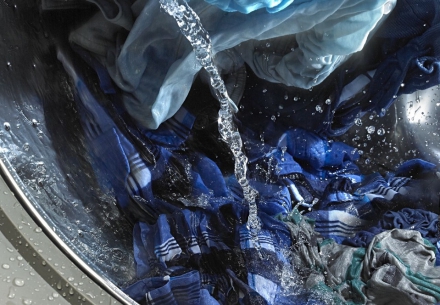
Whether you choose hot, warm or cold-water for your laundry is a difficult task. A dilemma that no one is free from and especially in Los Angeles. With utility prices being on the rise and so many fabrics washed at the moment, it can be tricky knowing the best laundry temperature for each load.

All of these factors will impact your stain removal effectiveness, the lifespan of your clothing, and the energy usage of your washer. And if you live in LA, where being green is a lifestyle, it definitely makes a difference.

This article covers hot vs cold laundry washing —and everything in between. Each temperature has its advantages and disadvantages depending on fabric, type of stain, and energy efficiency goals. We also highlight how the latest high-efficiency washers available at Universal Appliance and Kitchen Center help clean smarter, save money, and reduce the impact on the environment while maintaining your wardrobe.

Hot Water Wash: When to Use It

In most households in Los Angeles, hot water laundry cycles serve best for items requiring a deep clean. Hot water, about 130°F and above, kills germs, reduces stubborn stains, and clears away oily residues. Not all fabrics withstand heat, so this method needs to be selected carefully.

Towels, Bedsheets, and Undergarments

These products are used on a daily basis and the accumulate with sweat, oils, and bacteria. The hot water kills the bacteria, and allergens, which is ideal when treating allergy suffers or recovering patients.

Heavily Soiled Clothes

Extra dirty clothing like work uniforms or muddy sports gear can be washed with hot water, as cold and warm water would never provide the same results.

Oily or Greasy Fabrics

Aprons, kitchen rags and workout kits are often having grease and oil and these stains are better washed away with hot water laundry rather than warm or cold water.

White Cotton Items

Socks, t-shirts and even bedsheets made out of cotton are usually durable enough to withstand heat exposure. They are guaranteed to be kept bright and clean without any fading if hot water is used.

In case you’re unsure about setting the right parameters, a washer that features a built-in sanitize clothes washer will certainly make your life easier. Such washers know how to correctly heat water to the ideal temperature to remove all bacteria while ensuring the fabric is safe from damage.

Ready to improve your laundry routine? Visit Universal Appliance and Kitchen Center to Shop Washers. Make sure to look for models designed for hot water laundry with built-in sanitize clothes washer settings that simplify the laundry day and yield better results.

Warm Water Wash: The Everyday Balance

Not every load requires extreme cleaning power, not all fabrics can withstand excessive heat. That’s where the warm-water laundry temperature comes in. Usually set between 90°F and 110°F, warm water offers the perfect middle ground for most households.  It’s gentle enough to keep clothes looking good for longer and manages to clean all items sufficiently.

Why Warm Water Is a Popular Choice

For everyday laundry washing, warm water proves to be both effective and safe. Below are the reasons why:

  • Cleans off light to moderate stained sweat marks, food spills, and general dirt.
  • Preserves color and keeps clothes bright compared to hot water.
  • Effective with various materials such as pure cotton, polyester and polyester blends.

Washing t-shirts, jeans, casual clothing, and lightly soiled pajamas is best with warm water. This is beneficial for busy households in Los Angeles that have heaps of laundry which needs to get done, but doesn’t require a very deep clean.

With modern washing machines, warm water laundry temperature for a specific wash cycle can be preset to save energy while ensuring adequate performance.

For same convenience look for latest model at Universal Appliance and Kitchen Center. You can find Washers tailored to your routine’s warmer cycle needs.

Cold Water Wash: Energy-Saving & Fabric-Safe

Washing clothes in cold water is the best option in particular preserving energy. Cold wash laundry is ideal for items that require cleanliness, but not heavy duty washing. Cold water wash water temperatures are usually between 60°F and 80°F.

Best Uses for Cold Water

Cold water is useful for:

  • Avoiding shrinking or damage to fine materials such as lace, silk or fine knits.
  • Saving dark-colored garments that fade or bleed in warm or hot water wash.
  • Light sleepwear, t-shirts, and workout clothes with light layers of grime.
  • Helping bright items retain their vibrancy after many washes.

Using cold water will ensure clothes last longer by reducing damage from heating.

Save Energy and Lower Bills

The washing machine does not need to heat water while cleaning clothes, which saves energy and reduces your electricity bill. This feature really comes in handy for energy efficient washing in Los Angeles, especially when conserving energy is an environmental and budgetary concern.

Use cold wash detergents that have been formulated to perform better at these lower temperatures to get the end result you want. These are specially designed to perform without heat.

Ready to upgrade your laundry setup? Visit Universal Appliance and Kitchen Center to Shop Washers designed for cold water laundry and those built for energy efficient washing in Los Angeles.

Effective cleaning starts with choosing the right detergent, but equally important is selecting the right temperature for the fabrics and the stains. Following an effective temperature will help prolong the life of your clothes while enhancing the cleaning results.

Match Temperature to Fabric and Stain Type

Here is an overview of best laundry settings for stains and fabrics:

Fabric + Stain

Best Water Temperature

White clothes + grease Hot – breaks down oils and sanitizes
Delicate fabrics Cold – protects fibers and prevents damage
Cotton fabrics Warm or Hot – handles wear and deeper stains
Tough stains (wine, blood, grass) Pre-treat first, then warm or cold based on fabric


Pre-treating always gives better results for all washing temperatures. Also remember to check item labels to avoid damaging the fabric due to wrong setting.

Modern washers available at Universal Appliance and Kitchen Center, simplify making the correct choice. Many models come with auto-sensing features that modify temperature based on the load, eliminating the guesswork for stain removal.

For effective stain removal and enhanced fabric protection, follow this fabric care laundry guide and use best settings for stains to achieve best results every time.

How Modern Washers Help You Choose the Right Temperature

Modern laundry technology has come a long way. Today’s washers are built not just to clean, but to think for you. For busy Los Angeles households, upgrading to smart washers means better results, less guesswork, and more energy savings.

Built-In Tech That Does the Work for You

Many of the latest models include smart features that help you select the perfect temperature for every load. Here’s what to look for:

  • Sensor wash technology: detects fabric type and soil levels, then adjusts settings automatically
  • Steam and sanitize cycles: clean deeply without hot water alone
  • Pre-set temp modes: designed for cotton, delicates, and synthetics
  • Eco-friendly modes: reduce energy and water use without sacrificing cleaning power

Combined, they allow you to use a washer with temp settings customized to every load, a time-saver and a boost to the life of your clothes.

Smart washers in Los Angeles are optimized for convenience, whether you are washing baby clothes, workout gear, or fine textiles. They let you control cycles via your app, monitor energy usage and even notify you when your load is complete.

Whatever your requirements, you can find the latest models at Universal Appliance and Kitchen Center. For those looking to upgrade, shop laundry appliances to find high-tech washer with temp settings, and trusted smart washers Los Angeles homeowners count on for cleaner, easier laundry.

The Takeaway

Properly selecting the water temperature does more than clean your clothes. It protects fabrics, reduces energy consumption, and extends the lifespan of your wardrobe. With hot, warm, or cold settings, modern washers make achieving the desired results effortless.

If you do not know how to start your search, going to a trusted washer showroom in Los Angeles makes a difference. When you buy washer at Universal Appliance and Kitchen Center our experts
guide you through the latest models with smart temperature controls, smart functionalities, and energy-efficient equipment to make your purchase confident.

Many homeowners walk in with little-to-no knowledge of what they need, and end up walking out fully satisfied. So, if you’re ready to upgrade your home, Contact Universal Appliance and Kitchen Center – the go-to place for every washer shopper that you can trust.

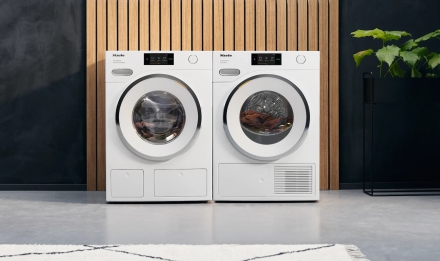
Sanitizing your household wash with the Miele W1 Washing Machine

Clean clothing provides a literal barrier protecting us from bacteria and viruses lurking on surfaces which can enter eyes, noses, and mouths provoking illness without proper laundering hygiene. So beyond stains removal, achieving medical-grade sanitization in home washing proves vital.

As experienced home appliance retailers serving customers for over 20 years, we’re familiar with the exceptional cleaning capabilities engineered into premium German-made Miele washing machines making them the gold standard for sparkling laundry. Specifically, the innovative Miele W1 line offers specialized high-temperature sanitize settings and cleaning programs verifiably eliminating 99.9% of pathogens from fabrics while still safely handling delicate items.

This comprehensive overview details W1 sanitizing cycles capabilities meeting pandemic era guidelines from the CDC, while tackling considerations from properly handling contaminated laundry to maintenance washing empty machines. Expect science-backed insights on achieving maximum germ eradication supplemented by first-hand recommendations direct from Miele’s product experts. Let’s explore the brilliant bacteria-busting performance differentiating these revolutionary laundry machines from all rivals!

CDC Best Practices – Handling Contaminated Laundry

When illness strikes families, stopping infectious bacteria and virus spread requires strategic laundering actions per CDC scientists including:

  •  Handling soiled linens with disposable gloves changed after, followed by handwashing
  •  Avoiding shaking dirty items releasing pathogens outward through the air
  •  Washing confirmed contaminated fabrics separately on hot sanitize settings
  •  Using diluted bleach plus high wash temperatures killing viruses and bacteria fully
  •  Line drying then ironing laundry after cycled heating achieves added viricidal effects

Heeding such guidance protects loved ones from increased exposure when vulnerable. Fortunately, the W1 product family delivers the exact capabilities central for compliance.

Specialized Miele W1 Sanitize Cycles Explained

While no current regulations define official “sanitize” cycle protocols across the appliance industry universally, Miele engineers designed the W1 washers to achieve medical-level 99.999% sanitization matched only by commercial machines costing thousands more. Customers simply select specialized programs utilizing potent combinations of temperatures, times and mechanical actions eliminating infectious bacteria and viruses decisively.

The credentials affirming sanitization effectiveness stem from independent lab testing data verifying extremely high reductions meeting published sanitization thresholds alongside real-world customer feedback confirming experiences. Outperforming in such demonstrable pathogen removal capabilities makes the W1 uniquely reliable for protecting health.

Exact Sanitize Cycles Specifications:

  • -Sanitize Wash – Minimum 149F x 20 Minutes
  •  Clean Machine Wash – Maximum 176F x 2 Hours
  •  Default Option – 163F x 1 Hour

Multiple interlocking defensive layers drive potency:

1) Extra Hot Temperatures – Maximizing wash temperature settings to the models’ peak heating capabilities fast-tracks killing bacteria and viruses most susceptible to thermal degradation.

2) Extended Cycle Times – Delayed yet gradual heat penetration coupled with prolonged exposure durations gives accumulated warmth essential opportunities thoroughly permeating internal fabric layers plus embedded grime fully that rapid washes never achieve.

3) Robust Mechanical Actions – Unique honeycomb drum paddle configurations churn and flip laundry continually ensuring heat contacts all areas consistently, not just outer layers, yielding meticulous disinfection.

Superior Motor Performance

A key technical advantage allowing Miele to reach industry-leading maximum hot temperatures up to 176F remains their heavy-duty commercial grade laundry motors and internal heated line water piping.

Rigorously designed, tested and warrantied to enable 500% greater peak period usage than competitors predominantly relying on cheaper lightweight drives failing far sooner, these proprietary Miele-built motors withstand over a decade of reliable service for consistently optimal bacteria-eliminating functionality saving owners thousands long-term.

Intelligently Programmed Machine-Washing Capabilities

In addition to formidable spin speeds, advanced electronic controls enable configuring fully customized washing programs tailored to unique laundry loads using any combination of temperatures, spin frequencies, soak times and enzymatic detergent plus bleaching additive injection.

Whether presets selected or manually configured through an intuitive dials and touch displays, the brilliant W1 brain reliability guides machine resources delivering precision execution matching needs flawlessly. This allows reliably treating everyday linens to heavily soiled uniforms for frontline healthcare professionals decisively eliminating infectious pathogens in one wash without concerns.

Carefully Designed Detergent Dispensing Drawers

Meticulously engineered detergent and fabric care additive dispensing drawers establish optimal dilution ratios introduced at ideal wash cycle initiation points for maximizing cleaning efficacy.

Precision volume chambers eliminate messy measuring guesswork introducing exactly enough solutions to companion proprietary programs capabilities for powerfully dissolving and removing a broad spectrum of both stubborn dirt and germs decisively in varying load sizes all while automatically adapting usages minimizing waste.

Unrivaled Wash Performance for Numerous Fabric Types

Notably, the W1 achieves such extraordinarily effective sanitization and stain eradication without compromising fabric protection typically through gentler customizable programs catering to delicates like silks or woolens needing special care. This avoids offsite dry-cleaning bills making machines convenient luxuries paying dividends daily.

W1 models offer specialized cycles for 16 fabric types protecting fine fabrics and expensive garments beyond expectations including:

– Delicates/Silks

– Woolens – Cold to Warm Only

– Denim Jeans – Medium Soils

– Outerwear – Water-Repellent Items

– Sportswear – Sweat and Soil Removal

– Sneakers – Soiled Canvas Shoes

– Down Items – Retain Loft

– Curtains – Reduce Fraying

– Plush Toys – Protect Fiber Integrity

– Pillows – Maximize Fluffiness

– Mattress Pads – Hypoallergenic Cleansing

– Cottons – Avoid Pilling and Fraying

– Linen Shirts & Tablecloths – Enhance Suppleness

– Towels – Renew Thirstiness

– And blankets, duvets, etc

This versatility handles the widest range of fabric washing challenges like removing fungus spore allergens from bedding securely.

Supplementary W1 Sanitizing Wash Guidelines

For customers seeking the most vigorous sanitization potency, Miele experts recommend enhancing cycles further through:

  • Prewashing: Particularly soiled laundry like kitchen rags, baby onesies or medical scrubs often warrants targeted prewash treatment using unique enzymatic detergents lifting ground-in residue protecting underlying fabric integrity before intensive sanitization.
  • Oxygenating: Miele’s patented honeycomb drum structure allows infusion of purified cold oxygen molecules throughout wash cycles via detergent options optimizing dissolution. This “bubble effect” tackles embedded soiling.
  • Extending Times: Whenever sanitizing laundry potentially containing viruses like bathroom hand towels used when family members experience colds or flus, consider customizing default sanitize cycle times adding 10-15 minutes for added protective assurances.

Empty “Clean Machine” Wash Importance

Since any bacteria loosened during washing cycles theoretically risks reattachment on drum interior surfaces gradually accumulating into biofilm layers defying future removal, Miele thoughtfully engineered specialized high temperature empty “Clean Machine” maintenance washes.

By selecting this cycle monthly sans any laundry inside, the intense heated turbulence eliminates up to 99.999% of accumulated germs and bacteria that might fester internally. This leaves wash vessels optimally sanitized afterward for peace of mind that future family garment loads remain drum contact contamination-free even cleaning highly soiled work coveralls right after. Plus reminder alerts signal optimal timings protecting operations.

Drying Sanitized Laundry – Miele T1 Dryers

For customers also utilizing Miele tumble dryers after sanitized washing finishes, selecting highest heat settings adds supplemental microbe protective kill effects helping households block illness spread through laundered textiles proven endangering vulnerable family members. This achieves multi-pronged verifiable germ eradication laundry centers rivals simply cannot match.

Investing In Miele W1 Excellence

Considering unsanitary laundry remains a scientifically validated top household infection disease transmission route when improperly sanitized, numerous customers including savvy medical professionals living alongside immunocompromised family members continue consistently investing in customizable Miele W1 washing machines specifically for their globally validated forced-air and surface sanitizing cycle capabilities scientifically proving unrivaled by any competing appliance brand year over year through both independent lab testing and customer satisfaction results surveys.

This built-in programmable protection provides wide-ranging customizable defenses matching changing infection risks and living proximity dynamics proactively restoring invaluable household health risk reduction and peace of mind that no amount of money alone spent reactively can reliably buy later reacting to spreading situations after vulnerable individuals succumb. The old adage “prevention trumps cure” proves wisely applicable when families struggle safeguarding members fighting underlying risky medical conditions against progressive environmental dangers easily mitigated through proper planning and upgraded equipment.

Notable examples abound locally of informed families struggling firsthand through cancer battles or transplant therapies prioritizing these specific supplemental Miele models providing them programmable washing customize-ability, commercial-grade temperature sterile kill cycles, empty “Clean Machine” maintenance settings and remote mobile monitoring alerts features that competing brands overlooked excluding absent the same urgent real-world needs for change after late-stage preventable infections occurred taking loved ones tragically.

Conclusion

During challenging times when concerning viral and bacterial threats increasingly loom on surfaces and fabrics we contact daily, premium home appliance leader Miele proudly stands by families and health professionals offering industry-leading laundry solutions with scientifically validated capabilities to tackle infection spread risks head on.

The ingenious German engineering masterfully built into advanced feature-packed W1 washing machines deliver certified sanitization effectiveness matching commercial institutional equipment costing exponentially more for a fraction we can arrange financing on without credit checks. This provides invaluable defensive protection options where compromised immune systems remain endangered absent such leveled precautionary upgrades taken.

Specifically, the W1 machines officially verify elimination of a minimum 99.9% of common illness-causing pathogens including SARS and coronavirus surrogate organisms absent on rival units through configurable high temperature empty “Clean Machine” maintenance washing meeting medical microbiological guide lines.

Supplementary oxygenation detergent options bubble activate grime removal while commercial-grade heavy duty motors withstand over a decade of peak sanitization functionality outlasting cheaper brands by years before repairs become necessary by design. This all makes the W1 product family uniquely reliable for restoring peace of mind that the very laundry protecting loved ones won’t endanger health further when threats feel closest.

Contact us anytime online for wide-ranging W1 tailored installation guidance defending home environments with customizable maximum germ eradication effectiveness matching commercial institutions but from the convenience of full-service in-house laundry rooms. Consultations also provide W1 environmental disposal upgrades lowering lifetime carbon footprints year-over-year as bonus incentives!

5 Common Washing Machine Cycles Explained

A washing machine cycle is the set of instructions that the appliance used to wash our clothes and other fabric items. The cycles are typically organized as a wash, followed by a rinse, and a final rinse, based on the type of clothes, colors, fabrics, and other factors. Having a good understanding of how the washing cycles work is important to safeguard your clothes, linens, and the washing machine. In this article, we will take a closer look at five common washing machine cycles.

1.  Delicates

This is a gentle cycle designed to emulate the handwashing process using cold or warm water with little to no spinning. It’s usually the shortest cycle to select and if your machine defaults to warm water we recommend that you use cold water instead. Use this cycle to wash items, such as lace, silk, lingerie, knits, cashmere, faux fur, and other items that are prone to stretching. As an extra precaution, bundle items in a mesh bag to keep them safe during the delicate wash cycle.

2.  Normal

This is the default cycle; it tends to be a lengthy program with high agitation to get everyday items clean. Most modern washing machines allow you to select the water temperature that you want to use based on the type of load. Choose hotter temperatures for whites and cool or cold water for other colors. Add a fabric conditioner for softening or a capful of all-purpose bleach to brighten dull white fabrics. The normal cycle is best used for items such as T-shirts, socks, underwear, sheets, towels, and durable synthetic items.

3.  Quick Wash

As the name suggests, this is the fastest wash cycle, and it’s the most energy efficient option. A quick wash tends to take 30 minutes; it’s a fast way to clean lightly soiled clothes and fabrics that are not smelly or heavily soiled. A short wash cycle is followed by a high-speed spinning cycle, and this speeds up the drying times. A quick wash is not suitable for delicate items, such as lingerie, silk, woolens, embellished, and embroidered fabrics.

4.  Permanent Press

This cycle was created back in the 40s to wash synthetic, wrinkle-free, and wash and wear items that were in vogue at the time. This is a shorter cycle than the normal program, and it uses warm water combined with a lower spin. This is a rarely used cycle; most people are adequately served by the normal and delicate cycles above.

5.  Other Less Used Cycles

Some washing machines have additional cycles, including: “Whitest Whites,” “Heavy Duty,” and more. Selecting these settings with one of the cycles shown above will intensify those cycles in a specific way. This can include a presoak, larger volumes of water, and other characteristics to wash heavily soiled items. The intensity of these settings can vary a great deal, and it’s important to read the owner’s manual for your machine before you choose them.

Temperature Selection

Now that you understand the purpose of the wash cycles, let’s take a quick look at temperature selection. The washing machine temperature dials have a pair of temperatures, the first refers to the water used for washing, and the second is the rinsing water temperature as follows:

  • Hot-Cold: Hot cleaning, Cold rinsing.
  • Warm-Cold: Warm cleaning, Cold rinsing.
  • Cold-Cold: Cold cleaning, Cold rinsing.

Pretreating Stains

Color-rich stains can be pretreated with a stain solution product, or you can use a wash and stain bar if the stain is oil-based. Soak the items in warm or cool water, depending on the fabric that you’re treating. A 30 minute soak should be sufficient for heavily soiled items. All white fabrics, such as linen or cotton, should be soaked with whites detergent or an all-purpose bleach alternative.

If you’re considering a new washing machine purchase, you can explore your options with this online collection, or for further help or guidance, speak to a home appliance expert.

Which is the Best Washer Choice? Agitator vs. Impeller

When it’s time to upgrade to a new top-loading washer, the first choice you need to make is between the two different styles, agitator and impeller. They both move the washing load and get the clothes clean, but they work in very different ways. Understanding the similarities and differences will help you to make a more informed purchasing decision. Let’s take a look at agitator and impeller washer characteristics in more detail.

How Do These Washers Clean?

The more common washer style uses an agitator, they are tried and tested and they still work well to this day. An agitator washer can tackle tough laundry loads without causing damage to the fabrics. A traditional agitator washer will have a centrally located tall spindle that twists back and forth to move the laundry load. This action breaks the dirt particulates apart to make the washing process more effective.

An impeller washer works in a different way. They have low-profile discs or cones that spin to rub the fabrics against each other for efficient cleaning. One of the main advantages of an impeller approach is that less water and motion are needed to get the laundry clean. The unit is designed to create extra room to promote more movement to increase the level of friction between the clothes. This results in a thorough and more gentle cleaning process that uses less water and energy.

Agitator vs. Impeller Washer: Which is Best?

This is a hard question to answer because although we all want clean laundry loads, we may have certain requirements. Comparing the cleaning power and wash action of these two washing methods is necessary to make a decision that’s right for your home. Let’s take a look at the key features in more detail, they are:

5 Key Agitator Washer Features

  1. The overall washing cycle times are shorter which lowers the energy requirements.
  2. The clothes are soaked with water that’s recycled from the wash and rinse cycle which reduces the volume of water needed.
  3. This is tried and tested technology that most people are familiar with already.
  4. The friction between the fabrics breaks down dirt and stains for effective cleaning.
  5. The entire wash basket rotates to create significant cleaning action.

5 Key Impeller Washer Features

  1. The extra room in the wash basket makes it easier to load and unload bulky articles.
  2. The fabrics are rubbed together gently for thorough cleaning.
  3. The rotating action of the wash basket can give your laundry a deeper clean.
  4. The drying times tend to be much shorter.
  5. The clothes are soaked with recirculated water from the wash and rinse cycle.

Making a Final Purchasing Decision

Now that we’ve made a direct comparison, it’s easier to see the similarities and differences. Both washer types have all the modern features that you would expect and they can both get you through a tough laundry day. But, which type of washer would be the best fit for your lifestyle?

Both washer types can clean tough stains, sanitize workout clothes, and get your whites clean and bright. The exact model that you choose may be based on the features, such as the size, load capacity, water usage, energy efficiency, and more. Personal preference and your unique lifestyle will be the final determining factor. Don’t be fooled by the hype, both types of washers will get the job done, but there will be a brand or model that’s ideally suited to your needs.

If you want to upgrade your washer, you can browse our online collection or speak to one of our home appliance specialists.

Understanding Your Washing Machine’s Lint Trap

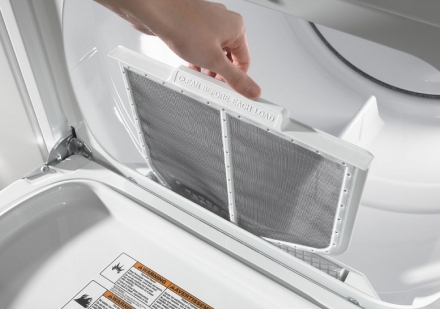
While most of us are aware of the lint trap inside a dryer, you may not be aware that your washing machine may also feature a lint trap. Just like a lint trap in your dryer, the one in your washing machine is designed to collect the lint from your laundry that has the potential to clog up your drain or septic line over time. Neglecting your lint trap has the potential to lead to plumbing problems, costly repairs or even water contamination. So, here we’ll explore all you need to know about your washing machine’s lint trap.

The Importance of a Washing Machine Lint Trap 

The lint trap in your washing machine is designed to prevent the pipes and septic system in your home from becoming clogged with washing machine debris. Much of the lint from your clothing, bedding, linens, and towels consists of non degradable particles that can accumulate and stick inside pipes, leading to wastewater backing up inside your home.

The trap is designed to filter biodegradable material, but this is not its primary purpose. It will also filter any material that won’t break down inside your septic system. For example, your washing machine filter can remove fibers created when polyester or nylon items are washed that are almost impossible to break down. It can also catch pet fur and hair that can ball up and create problems.

How to Find Your Lint Trap

Unfortunately, finding your washing machine lint trap can be a little tricky. Depending on the make and model of your appliance, it can be in a different location with different instructions to remove it for cleaning. The best way to find your lint trap is to check your owner’s manual for your specific appliance. It should be shown along with instructions for cleaning. If you can’t locate your owner’s manual, there are some locations that are common for several manufacturers. This includes:

  • Along the rim of the washing machine drum
  • The center of the washing machine agitator
  • The end of the washing machine drainage hose

Cleaning the Trap

It is recommended that the lint trap in your washing machine is cleaned at least every three months to ensure that your appliance continues to work at its best.

Once you have located your lint trap, you’ll need to pull it out of its housing. You should notice a layer of wet lint, hair and other debris on the film. You should be able to wipe this debris off using paper towels, but sticky residue can be removed using a small brush, such as a toothbrush. Be sure to keep all of this material out of the drain and put it in the garbage. Don’t be tempted to flush it down the toilet as it can cause a clog.

If your lint trap is particularly dirty, allow it to sit in hot water for ten to fifteen minutes. This should enable any detritus to loosen and be wiped off before you replace it in the machine.

What if Your Machine Doesn’t Have a Trap?

Some washing machine models don’t have a trap. Instead, they rely on a pump to pull any excess lint out of the machine. This is more common on front loading or high efficiency machines. To avoid clogs and potential problems, run a maintenance load each month, where you select a higher temperature program and run the machine empty to prevent any lint from accumulating.

If your washing machine is struggling to cope with your laundry requirements and you’re considering an upgrade, you can explore the options with this online laundry appliance collection, or speak to a home appliance specialist for further guidance.

Considerations for Placing Your New Laundry Set

Whether you’re upgrading your existing appliances or planning a new laundry area, the placement of your washer and dryer needs some thought and careful planning. Positioning your new appliances in the wrong spot could create problems for your daily routine, and cause inconvenience and headaches. So, here are some considerations for placing your new laundry set.

Think Space

While your existing washer and dryer may be tucked away in your basement, this may not be the right spot for your new appliances. Many homeowners find lugging loads of dirty laundry from the bedrooms upstairs all the way to the basement to be a real pain. So, it could be worth thinking about other spaces around your home that could provide the ideal location. A favorite spot for a laundry set is just off the kitchen. This can add functionality to your kitchen and prevent it from being cluttered. The kids can drop their knapsacks, jackets, and shoes in a laundry room and prevent those items from making your kitchen look untidy. You will need at least a 5×8 foot area, but larger is often better as you can maximize storage.

Ventilation Requirements

Your new washer and dryer will need to be vented, so the most practical placement is adjacent to an external wall. Proper ventilation is essential to prevent fires, particularly with a dryer. If it is not possible to place your new laundry set against an external wall, you will need to give ventilation some thought.

Is the Location Structurally Sound

While new appliances tend to be more stable than their older counterparts, there is still some vibration to consider. This means that your new placement needs to be structurally sound. If you are unsure whether your new location is suitable for supporting two new appliances, it is a good idea to have it checked by a professional contractor.

Noise

Even the best quality washers and dryers still make some noise, so you need to think about whether the noise produced will disturb you. If your new set is placed near work, sleeping or leisure areas, you will need to think about noise suppression. Ideally, you will be able to close a door on the appliances to keep in the noise when you’re doing laundry. If this is not possible, you may need to think about installing wallboard that can dampen any noise and vibrations.

Choose the Right Flooring

Before you place your new laundry set, you need to look at your floor. The floor not only needs to be level, but you also may want to sort your laundry on the floor. This means a garage with a dirt floor may not be sufficient for your needs. Ideally, your floor should be waterproof in case of any spills and look attractive to complement your new appliances.

Choose the Right Appliances

Finally, you need to ensure that you choose the right washer and dryer for your home. Fortunately, there are plenty of options that combine performance and value. If you have limited space, you may need to consider whether you need appliances that can be stacked or a front loading washer that can accommodate a dryer above. Bear in mind that front loaders tend to be quieter compared to a top loader, but they still produce a high-frequency noise when entering the final spin cycle. You may also need to consider the cycle time and features.

Every home needs a different layout for laundry appliances, and there are lots of helpful accessories to meet your requirements. If you need to raise the height of your washing machine or want to stack your appliances, there are kits and pedestals to assist you.

If you’re looking for a stack kit or would like to explore your options, consider this online collection of laundry accessories or speak to a home appliance expert for specialized help.

Tips for Front Load Washers

Front load washers can offer some impressive advantages over their top loading counterparts. These advanced home appliances allow fine control over the settings, the ability to handle large loads and smartphone-enabled features. Unfortunately, if you are used to a top loading washer, you may not be aware of how to get the best out of your new appliance. So, here are some tips for your new front load washer.

Leave the Door Open

When your load is complete, you should remove the clothing as soon as possible and then leave the door slightly ajar. This promotes air circulation and can help you to avoid mold or mildew problems. Front load washers are prone to developing unpleasant smells as mold can form around a damp door seal. Leaving the door open will allow the seal to dry out and should help to prevent mold. If you do notice an issue starting to develop, don’t ignore it; this can lead to your clothes developing a musty odor. Periodically cleaning the door seal using some mild detergent will keep it odor free, just be sure to dry it using a paper towel to avoid dampness.

Use the Right Detergent

You may not get the best performance from your new front load washer if you use your old brand of detergent. While this may have been sufficient for your old top loader, front loaders require high-efficiency detergent products. Regular detergents create more suds, and this can leave a film of residue on the drum and hoses, promoting mold. This residue may also cause mechanical or electronic damage to your appliance and could potentially void your warranty. Front load washers use less water and therefore, need less detergent. You should only purchase detergent that is high efficiency or labeled “HE” for optimum results. Remember too much soap is not a good thing, so stick to the recommended amounts.

Run the Cleaning Cycle Regularly

Most manufacturers recommend running a cleaning cycle regularly to prevent any potential issues with mildew or mold. You may find that adding a commercial washer cleaning product can keep your appliance smelling fresh and looking clean, but take note of the manufacturer’s recommendations.

Plan for Ultimate Efficiency

A front load washer tends to have a longer wash cycle compared to a top loader. As this type of machine uses less water, it can take longer to get your load clean. Fortunately, the higher spin speed means shorter drying times. So, plan your laundry accordingly. Some appliances have delay timers, so you can have your load end when it is most convenient for you.

No home is complete without a great laundry appliance. The right washing machine can be a fantastic time saver and protect your clothing from damage.

If you’re looking for a new laundry appliance, you can explore the available options with this online collection of laundry appliances or speak to a home appliance expert for further help.

At What Temperatures Should You Wash Your Laundry?

Modern washing machines are equipped with a myriad of program settings, but many consumers remain confused about the temperatures that should be used for their clothing. In most cases the hotter the water, the greater the cleaning potential, but this may not be appropriate for all your clothing and could cause damage. So, here we will explore the temperatures you should be using for your laundry.

Using Hot Water

Most white clothing and linens can be washed in hot water. This will remove heavy soil and germs. Unfortunately, hot water can cause shrinkage, wrinkling, and fading of colors. If you try to wash your clothing in hot water, the colors may start to look splotchy, while delicate fabrics can lose their aesthetic appeal.

Using Warm Water

The majority of laundry can be washed using warm water. This mixture of hot and cold water provides a balance between color protection and removing soil. Some washing machines use a 50-50 ratio of hot and cold water, but newer models tend to mix 60-40. Warm water can usually be used without shrinking, wrinkling or fading.

Using Cold Water

Cold water is preferable for delicate items or bright colors that could fade or run at a higher temperature. If your items require cold water temperatures, but are dirty or heavily soiled, you will need to have a diligent pretreatment routine. You may need to pre-soak your items or wash them for longer to ensure that they are properly cleaned.

Choosing the Correct Washing Temperature

Since there is the potential for laundry mishaps, by washing at the wrong temperature, it is important to choose the correct washing temperature. Fortunately, there are several ways to determine the correct temperature. The most obvious is to check the clothing tag. The tag will provide any laundry or care special instructions. Most clothing will be labeled with the maximum wash temperature, so check your tags before you do any laundry.

You should also pre-treat any stains. This will allow clothing to be cleaned even if you are washing in warm or cold water. Cold water is not the most effective way to remove stains, but pre-treatment can offer the only solution for delicate fabrics that have become stained. You may need to be patient, as some pre-treatment takes time, but it is important to try to remove any stains before washing to ensure that they are as clean as possible.

If you are unsure about the washing temperature, you may want to try soaking your clothes in cold water before washing. Soaking can vary from five or ten minutes to overnight, but the tougher the stain, the longer you will need to soak the item. Soaking can help create a thorough clean even if you can only risk using a cold water cycle on your washing machine.

Checking Your Washing Machine Water Temperature

If you are still running into laundry issues, you may find that the water temperature of your washing machine is not accurate. In this type of scenario, a candy thermometer can be a useful tool. Check the temperatures of the hot, warm and cold water coming out of the machine. Hot water is typically 10 degrees colder when it arrives at your washing machine compared to leaving your water heater. Generally, hot water is 130ºf or above, while warm water is between 100ºf and 90ºf. Cold water is between 80ºf and 60ºf. If your water temperature drops below 60ºf, your clothes are not likely to be properly cleaned. If your washing machine is not delivering the correct temperature of water, your machine may need servicing or be ready for an upgrade.

Finding the Right Washing Machine

Now that you know about the ideal washing temperatures for your laundry, you have the basic knowledge you need to choose the right washing machine. If you’re ready to find the perfect washing machine for your home, consider starting your search with this collection of washing machines or contact a home appliance expert for specialized service.

When Should You Replace Your Home Appliances?

From the kitchen and the laundry room to the outdoor living space, the modern home can only run efficiently with the help of modern home appliances. Regular maintenance and service will help extend the lifespan of your favorite appliances, but there is bound to be a time when you’ll have to consider whether or not it’s time to replace your units.

The decision to replace an old or damaged appliance can be a difficult one, especially when there are so many exceptional products available on the market today. However, there are several key factors you should consider when making this decision. To help you when the time comes, we’ve selected some important questions you should ask yourself to determine when you should replace your home appliances.

How Old Is Your Appliance?

When deciding whether or not to replace your appliance, you should consider how old the unit is and how long you’ve owned it for. While premium appliances are built to last, no unit will last forever. If your unit is older than its average lifespan, you should definitely consider investing in a replacement.

While the lifespan of your kitchen and laundry appliances will vary, you can reference the information below for an approximate age range of several common appliances:

• Dishwashers: 9-10 years
• Dryers: 13 years
• Washing Machines: 5 -15 years
• Microwaves: 9 years
• Gas Ranges: 15-17 years
• Electric Ranges: 13 – 15 years
• Refrigerators: 9 – 13 years
• Range Hoods: 14 years
• Oven: 10 – 18 years

When considering appliance age, you should also take into account your unit’s design and style. An old appliance may function perfectly, but if its appearance does not match your changing design aesthetic, you may want to invest in a replacement.

Is Your Appliance Still Under Warranty?

Many homeowners start to consider replacing an appliance once it faces a major maintenance or repair problem. But if your appliance still has a number of years left on its warranty, you may want to hold off on replacing your unit.

Appliance warranties cover specific maintenance or repair costs, often allowing you to receive replacement parts or basic services at a reduced rate or free of charge. Be sure to check what warranties cover your appliances, and should you need service, be sure a factory-certified appliance repair company covers it. If service is covered under your warranty, there may be no need to replace your appliance.

What Is The Difference Between Repair & Replacement Costs?

If your appliance is no longer under warranty, you’ll need to more carefully consider replacing your unit. Generally speaking, it makes sense to replace your appliance when the price of the repair totals more than half the cost of a new model. There is little reason to spend a fortune on repairing an old appliance, and the more advanced features and contemporary style of a newer model will more than make up for the additional investment cost. The only time you should consider such costly repairs is if your appliance is a specialty model that would be difficult to replace.

Discover The Ideal Modern Appliances For Your Home

The decision to repair or replace a cherished home appliance can be a difficult one, and should not be taken lightly. Should you face this challenging task, be sure to consider the age of your appliance, the potential cost of repairs and its warranty policy before choosing to invest in a new unit.

If you’re ready to choose a new appliance, you can use this online collection of cooking appliances and this online collection of laundry appliances to discover great new units for your home. For additional assistance, do not hesitate to contact a home appliance expert.

Which Type of Dryer is Right for Your Home?

The laundry room is the command center of the contemporary living space, providing your home with a steady supply of clean clothes, bedding, towels, and more. There are various types of washers to start your laundry process and you can’t get the job done without a powerful dryer.

Today’s dryers come with a host of advanced functions and innovative features that ensure your items are ready for use after each dry cycle, but finding the right dryer for your laundry room can be tough. There are two common types of dryers — gas and electric — each with their own advantages and disadvantages. To help you decide which type of dryer is right for your home, we’ve gathered some helpful information on both gas dryers and electric dryers.

Gas Dryers

Gas dryers have been popular models for decades, as they offer high heat levels and fast spin speeds that provide the exact results many homeowners require.

Gas dryers use a dedicated gas line as a power source, and as a result heat up quickly and dry items faster than their electric counterparts. These fast cycles make the unit more energy efficient and help the dryer treat fabrics more gently. Generally speaking, gas dryers are also less expensive to operate than electric models, though this will ultimately depend on the cost of utilities in your area.

If strong heat and fast cycles are your top priorities, then a gas dryer is an excellent choice. However, these appliances also come with a few drawbacks. On average, gas dryers come at a higher cost than electric dryers. These units also need to be vented to the exterior for proper heat management, meaning you may have to invest in a vent kit for your appliance. Moreover, the gas connections that these units require can make them difficult to install, often requiring professional service for proper installation. If your laundry space does not have a proper gas line, then you won’t be able to add one of these units to your home.

Electric Dryers

 Electric dryers tend to be the more popular type of dryer nationwide (in California Gas Dryers are the best sellers however), with a broad range of models available from a host of premium appliance brands.

Electric dryers draw power from a 240-volt outlet, which can be found in most laundry spaces. If your space does not have the proper outlet, you can easily add a 240-volt converter to the room. As a result, these appliances are easier to install than gas models. In fact, some electric dryers do not need to be vented to the exterior, making them the ideal choice for spaces where venting is impossible. Best of all, electric models tend to be less expensive than gas units, offering a wider selection for budget-conscious homeowners.

Modern electric dryers are easy to install and offer all the dry cycles you need for a fair cost, but come with a few minor disadvantages. These models typically heat up more slowly and take slightly longer to dry items than a gas dryer, using more energy in the process. As a result, an electric dryer may cost more to operate than a gas dryer, though in the end this depends on the cost of utilities in your area.

Find The Right Dryer For Your Laundry Room Today

The modern home simply isn’t complete without its own dryer. While gas dryers and electric dryers each have their advantages and disadvantages, the best dryer for your home is ultimately the one that meets your budget, your needs and your location in the country. Armed with some basic knowledge on the two common types of dryers, you’ll be in the perfect position to make an informed decision.

Ready to find the perfect new dryer for your home? Consider beginning your search with this online collection of dryers. For additional help, be sure to contact a home appliance expert.