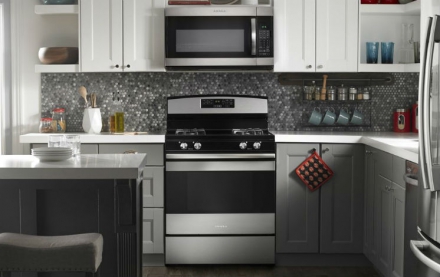
Integrating a Microwave into Your New Kitchen Design

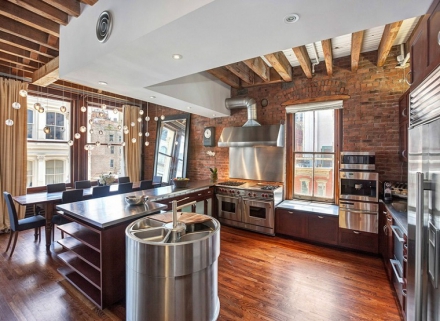
Microwaves are considered vital in today’s busy lives, but it is hard to deny that they can take up a great deal of counter space. This can be problematic in even the most generous of kitchen layouts, but it is possible to reclaim some of this precious space by integrating your microwave into a new kitchen design.

Choosing the Right Microwave

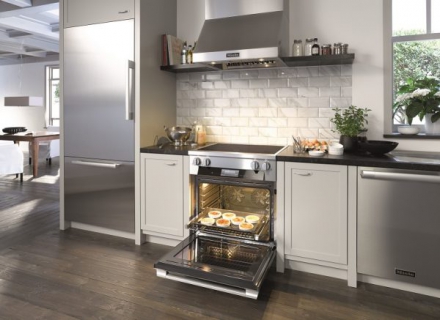
Before you can even consider integrating your microwave, you need to choose the right model. Countertop models can be tucked into a shelf, or you could opt for a wall mounted unit. If you have limited space, you may prefer a drawer style unit that can be placed at any height. Over the range microwaves can be directly placed above your oven, sharing light and ventilation with the range below. Your choice of microwave model will have a direct impact on how it can be integrated into your kitchen design, so you will need to give it some serious thought before you make a purchase decision.

Stack Your Cooking Appliances Vertically

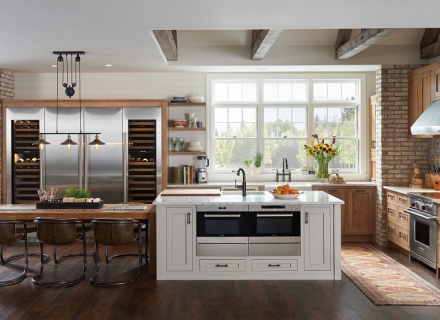
A floor to ceiling unit can be a fantastic, space saving way to stack your cooking appliances on top of each other. This configuration not only looks sleek and attractive, but helps to maximize space. A single unit tower allows you to have lots of serving and prep space alongside your oven or microwave.

Group Horizontally

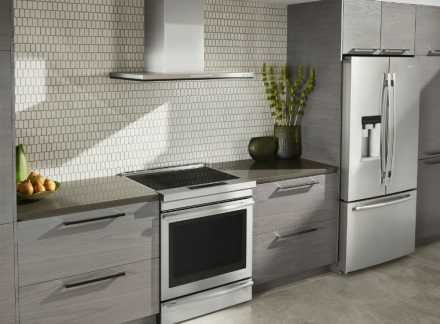
A horizontal grouping can also save space and still offer great functionality. Placing a drawer microwave alongside your oven makes it easy to move food from one appliance to the other. For example, you can quickly transfer baked potatoes from your microwave to your oven to finish them off. This creates a visual aesthetic of a professional kitchen with a sleek look that complements any style of kitchen design.

Conceal it in a Larder

Modern kitchens are harking back to the past with larder units coming back into fashion. Not only is a larder an excellent storage option for your canned goods, but it can also hide your microwave and free up counter space. If you want a minimalist feel to your kitchen, you could even store all your other small appliances in the larder. Just be sure to keep the larder doors open when your microwave is in use.

Place it High

This isn’t an option for people with children interested in independent cooking or those who are vertically challenged, but placing your microwave at eye level can save counter space and also add interest to a run of wall units. If you don’t like the idea of your microwave compromising the sleek aesthetics of your wall cabinets, you could always conceal it within a unit. You will need to ensure there’s sufficient ventilation and you will be restricted to use only when the door is open.

Recess It

If you have wall space available from a closet or garage, it could be possible to recess your microwave into the wall. This provides a convenient solution without it looking unsightly protruding out into the kitchen. Ideally, your recess would be created near your range for complete ease of use.

Consider Additional Microwave Features

If you are still struggling to incorporate a microwave into your kitchen, you may wish to consider a model with additional features. There are models available with grilling elements. This eliminates the need to have both a microwave and toaster oven in your kitchen. You can not only use the appliance as a standard microwave, but you can also toast, brown and crisp your food.

A microwave is an essential appliance in the modern kitchen. Fortunately, there are a myriad of choices to find the ideal model for your kitchen layout. If you’re looking for a new microwave, you can explore your options with this online collection of microwaves or speak to a home appliance expert for a more specialized service.

Tips for Organizing Your Kitchen Like a Professional Chef

If you have ever eaten at a chef’s table, or enjoy watching cooking shows, you may have admired the organization of a professional kitchen. This level of organization can allow the average cook to look like a talented professional, as command of your workspace will make food preparation easier. So, if you want to improve your kitchen prowess, here are some tips for organizing your kitchen like a professional chef.

Eliminate Excess Steps

The first step of organizing your kitchen like the PROS is to eliminate excess steps. Professional chefs set up their workspace to reduce movement during a dinner service. Eliminating the excess steps between your refrigerator, prep area or stovetop and pantry will help you to feel more organized and improve functionality.

Create Stations

In a commercial kitchen, there are different stations for different tasks. Not only are there several cooking stations, but there is a prep area and a dishwashing station. This can be recreated in your kitchen by creating spaces for prep, cooking, cold and dry storage and where you plate food. You may also have a beverage station where you prepare your coffee and a seating area. By designating each area, you can plan what you need and where you need it for a more efficient work area.

Create the Right Flow

Efficient food funnels are the key to a successful professional kitchen. Food is moved from storage to prep to line to the pass. This can be emulated in your own kitchen to create the right flow. Virtually every kitchen is designed around the triangle connecting the sink, range, and refrigerator. This promotes good flow, but it can be enhanced. Facilitate efficient movement by keeping anything not used for cooking outside your cooking triangle, but near where they’re needed. Dishware should be near the table, glasses near the water dispensing refrigerator and cups near your coffeemaker.
Group together the items needed for key processes to enhance the kitchen flow. For example, place your dishwasher on one side of the sink and your trash on the other, so you can scrape, rinse and fill with ease.

Equip All Your Stations

Once the areas of your kitchen have been designated for specific tasks, they will need to be equipped accordingly, so the correct tools are within easy reach. You won’t need knives near your stove; they should be stored with your cutting boards near your prep area. The storage near your stove should be reserved for pots and pans, but remember you will need seasoning within easy reach.

Master Food Storage

The most important aspect of feeling like you have the ingredients you need at your fingertips is proper storage. Proper labeling and stacked storage will help to keep your pantry clean and organized. Stackable plastic containers can be used in your pantry, refrigerator, and freezer so that all your ingredients are easily visible in the least amount of space.

Once you’ve filled your containers, remember to label everything. Although you may think you’ll remember what you’ve put in that plastic tub, after a week in the freezer, it may be difficult to identify. Ensure that all your containers have a label facing out, so you can see at a glance the ingredient you need.

Keep It Clean

Finally, if you want to feel like you’re working like a professional chef, you need to ensure that you keep your kitchen spotless. It can be a real challenge to prepare a gourmet meal if you need to keep moving keys, letters and other detritus off your countertops.

Finding the Right Appliances for Your Kitchen

A modern kitchen isn’t complete without the right appliances. Now that you know how to create a kitchen a professional chef would be proud of, you are in the ideal position to make an informed decision to find the right appliances for your new kitchen. Consider starting your search with this collection of kitchen appliances. For further help, contact a kitchen appliance expert.

Important Help From Your New Oven Manual

After buying a new oven, many consumers immediately toss the manual in a drawer or worse yet the trash, but this can be a big mistake. Although that thick instruction guide may seem daunting, it is the best way to learn about the enhanced technology and innovative features on your shiny new appliance. Here is just some of the important help you can obtain from your new oven manual.

Those Complicated Looking Settings

In the past, ovens were limited to simply baking or broiling, but these days they can be far more complex. This means that you will need some help to make the best use of the more complicated looking settings. Some oven models have a slow cook, steam bake and roast setting along with baking and broiling. Your oven manual will detail the situations where a setting is most appropriate.

“Burning In” Your Oven

Ovens tend to give off an odd smell when they are first used, and this means that the appliance needs to go through a “burning in” process before it is used. This technique is recommended in some oven manuals and involves letting the oven cook empty for approximately an hour to burn off debris that could have been left during manufacturing or packing. Your oven manual will detail whether burning in is necessary and how you should complete the process to properly burn off any residue.

Proper Rack Positioning

Proper rack positioning is vital for even cooking as it affects how well the hot air can circulate around your dish. Your oven manual should detail the number of rack levels and recommendations for positions to be used for a variety of scenarios. For example, the rack positioning for roasting a large piece of meat will differ from when you are baking a cake.

Adjusting Factory Settings

Some models of oven allow you to customize the settings to make it tailored to your specific preferences. Whether you want to set the clock to military time, stop the dings or adjust the display light, you will need your manual to adjust these settings.

Open or Closed Door Broiling

Whether you have a traditional electric single oven or an electric double oven, your broiler is located at the top of the oven cavity and applies direct heat to your food. This is a fantastic tool for toasting bread or creating grill like char to your meat dishes, but lots of heat can cause lots of smoke. Some manufacturers recommend leaving the oven door slightly open when broiling, while others state the door should be closed. This will vary from model to model, so you will need to check your manual for the correct procedure.

Cleaning Information

Whether you have a wall oven, steam oven or even an oven/microwave combo, you need to know how to clean it properly to maintain the aesthetics and functionality. Your manual will contain a care guide with user instructions for keeping your new appliance showroom fresh. The last thing you want is to spill a sugary liquid and be unsure how to remove it before it causes pits on the surface.

Find the Right Oven Today

No kitchen is complete without a great oven. With some basic knowledge about what can be found in the appliance manual, you’re in an ideal position to make an informed decision. If you’re ready to find the best oven for your kitchen, consider starting the search with this online collection of ovens. For additional assistance, do not hesitate to contact a home appliance expert.

Survival Tips for a Kitchen Remodel

A kitchen remodel can be an exciting prospect, but unfortunately, it is not all about choosing shiny new appliances. The reality is that you may have to live in chaos for weeks or even months as your kitchen is out of action. Fortunately, there are some survival tips to help you get through the process.

Triage Your Kitchen

If you like to have your front load washer and dryer side-by-side, but want easier access to your appliances, then you may As you are packing up your kitchen for the remodel, you should sort all your gear into categories. You will need to place your items in boxes marked up for storage, recycling or donation and a temporary kitchen. The boxes for storage should contain items that you will need in your new kitchen, but won’t be used until later. These should be kept in a safe place, but out of the immediate area. Your recycle or donate boxes can be disposed of at your convenience, and your temporary kitchen boxes will be needed for the next tip.

Create a Temporary Kitchen

Even if your kitchen is only out of action for a week, you will need somewhere to make meals, prepare drinks and pack lunches. This temporary kitchen should be out of the way of any renovations, but in a convenient location. You can set up your kettle, microwave and toaster oven in a dining room or a corner of your living room and have your essentials close by. To avoid dust getting on your dishes and utensils, pack them in plastic tubs, so they are protected but easily accessible.

Develop a Dishwashing Strategy

Unless you plan on eating out three times a day, you will still need clean dishes during your kitchen remodel. So, you will need a dishwashing strategy. You won’t want to visit an upstairs bathroom to dump out coffee cups or rinse vegetables. So, designate a sink for kitchen use, so you don’t need to move dishes every time you want to take a bath. This sink can be set up with a dish rack and allow you to keep your detergent on hand. While it will lack the convenience of having your kitchen sink, it should make the chaos of the remodel a little easier to deal with.

Try to Control the Dust

It is inevitable that any home improvements will create dust, a lot of dust, and during a kitchen remodel this can cause problems throughout your home. Your contractor should have plastic sheeting to cover flooring and create a curtain around the project site. This will keep some of the dust under control, but you will need to have plenty of microfiber cloths on hand to pick up drywall dust. Clear anything on the route between your kitchen and outdoors, to avoid workers bumping into items when they are carrying tools or appliances. Be prepared to clean up at least once a day to minimize dust in other areas of your home.

Establish a Pet Plan

If you have pets, you will need to set up a safe area where they can have access to food and water, yet be out of the way of contractors. You should also set up a place to sleep. This will provide a secure place for your pet to retreat if they start to feel anxious

Be Realistic About Your Food Standards

The reality of not having a working kitchen is that you will not be able to prepare the meals, snacks, and drinks that may be everyday staples in your home. It is unlikely that you will be able to brew fresh coffee every morning and make a three course dinner. Be prepared to make some compromises. Sandwiches, toast, salads, cereal, and fruit are all easy to prepare, and nourishing. Ice cream on a stick will keep the kids happy, yet doesn’t dirty a bowl. Plan your menu according to your means, not your usual habits.

Finding the Right Appliance for Your New Kitchen

A kitchen remodel isn’t complete without the latest model appliances and if you’re ready to find the ideal appliances for your new kitchen, consider starting your search with this collection of kitchen appliances to explore your choices, or contact a home appliance expert for specialized service.

4 Kitchen Appliance Tips For The Holidays

Your kitchen is a hub of activity throughout the year, but this is particularly true during the holiday season. If you plan on hosting a holiday gathering, you’ll definitely want to get the most out of your premium kitchen appliances, and there are plenty of small tips and tricks you can employ to ensure your kitchen runs smoothly.

To help, we’ve compiled some suggestions for kitchen appliance use this holiday season.

1. Do Not Self-Clean Your Oven Before Holiday Cooking

The self-cleaning feature on your oven is intended to make cleaning easy, but if used right before you begin cooking for the holidays, it could cause a major disaster.

Many homeowners do not use their oven’s self-clean option frequently, and if you use this feature right before a big event, you risk causing an oven malfunction that can seriously damage your appliance. If your oven’s self-cleaning feature isn’t used at least every six months, you run the risk of damaging the appliance when it is activated.

You should also avoid using chemical oven cleaners right before holiday cooking. These products can be effective, though they often leave a layer of chemical residue that needs to be burned off before heavy oven use. This residue can be cooked into your holiday dishes, creating a foul taste while providing a health risk to your holiday guests.

 2. Use Your Oven’s Convection Settings

Many homeowners have a convection oven, though they are unsure of how to properly use its convection setting. Your unit’s convection option helps it cook food faster and more evenly, and is generally better for browning dishes — making it a great choice for a host of holiday favorites.

If you want to take advantage of this feature, be sure to reference your appliance’s owner’s manual for instructions. In general, you should try to follow these basic rules on how to use a convection oven:

  • Lower the recommended cooking temperature by 25 to 30 degrees Fahrenheit, or cut the baking time by 25 percent.
  • For small pastries, reduce the cooking time by 10 to 15 percent
  • For large roasts, reduce the cooking time by approximately 30 percent

3. Do Not Overwork Your Dishwasher

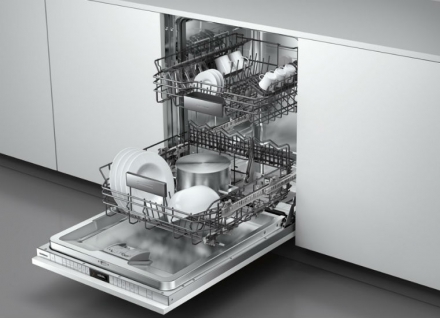
Once your holiday feast is done, it’s time for the dishwasher to do its job. However, you don’t want to risk ineffective wash cycles by overworking your appliance.

When washing dishes post-holiday dinner, be sure to use the proper amount of soap for each cycle. Too much soap will fill your machine with excess suds, making your cycles less effective. You should also be sure to scrape off all food residue from plates, bowls and silverware, as excess food particles can clog your unit’s jet streams. You should also be sure not to over-rinse dishes, as enzymes in dishwasher detergent require the presence of food residue in order to activate and be effective.

 4. Empty Your Ice Maker Before Gatherings

Nothing ruins a delicious drink like dirty ice, and you’ll definitely want to supply your holiday party with a steady stream of fresh and clean ice. If you notice that your ice maker produces chalky or smelly ice, you’ll have to take action to ensure your guest receive what they deserve.

As air moves throughout your refrigerator and freezer, the unit’s ice maker can become polluted by the flavors of food stored in the appliance. This often results in chalky, smelly and odd tasting ice. To prevent such impurities, you should first empty out your entire ice compartment and allow it to refill with fresh ice. Once the compartment if full, empty the fresh ice into a plastic bag and store it on your freezer shelf. The bag will protect your ice from air that circulates in the unit. You can feel free to continue this process until you have enough ice for your holiday party.

Meet Your Home Appliance Needs This Holiday Season

Your kitchen needs to work at peak efficiency during the holiday season, meeting your cooking and cleaning needs at each and every turn. Armed with a deeper understanding of how your kitchen appliances operate, you’ll be in the perfect position to have a memorable holiday season.

If you notice any issues with your home appliances, the holiday season is also a great time to upgrade to more modern options. You can browse this online collection of cooking appliances to explore your choices, or contact a home appliance expert for further details.


How To Organize Your Refrigerator

The kitchen refrigerator is one of the most vital appliances in your entire home, providing the storage solutions required for a host of ingredients, pre-prepared dishes, beverages and more. You don’t want your items to spoil while in your refrigerator, and the secret to long-lasting ingredients is proper organization.

By strategically organizing your refrigerator, you can ensure that each item is placed exactly where it needs to be based on its temperature and humidity requirements, ensuring your foods do not spoil while saving you money at the grocery store. With that in mind, we’ve provided some helpful information on how to organize your refrigerator.

Items To Store Elsewhere

To maintain an organized refrigerator, you need to ensure your appliance is not overstuffed. There are a host of common ingredients that have no place in the kitchen, and storing them elsewhere will allow you to maximize space within your unit.

When organizing food, you should avoid keeping common items like tomatoes, garlic, onions and potatoes in your refrigerator. You should also store bananas and bread in non-refrigerated areas. Storing these items in room temperature conditions will free up space in your unit without putting your items at risk for going bad.

If space is limited in your appliance, you can also store citrus fruits like oranges, tangerines, grapefruit and lemons. These items are actually more juicy and delicious at room temperature, even though refrigeration will prevent their natural decomposition process.

Organize Condiments In The Door

The refrigerator door is the warmest part of your appliance, making it a bad place for highly perishable items. Instead, store all your common condiments in the door to free up shelf space for other items.

Most condiments are high in natural preservatives, allowing them to taste great even if they’re stored in warmer conditions. Items like ketchup, mustard, salad dressing and sauces should stay in good condition for a significant amount of time when stored in your appliance’s door. You can also keep pickled vegetables, jellies and jams in the door and trust that they will be preserved properly.

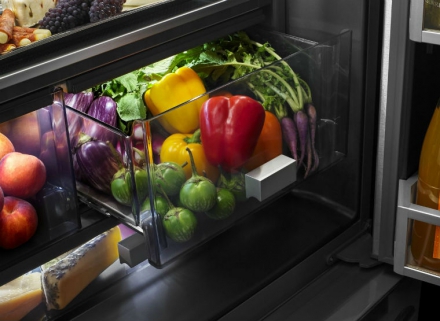
Use Drawers For Fruits & Vegetables

Most modern refrigerators feature “crisper” drawers designed specifically for preserving fresh produce. It may be easier to keep these items on your shelves, but doing so only means they will spoil sooner.

Standard crisper drawers offer a variety of humidity settings that help you store items at proper conditions. For delicate fruits like grapes, pears and apples, set the drawer to a low humidity level. Meanwhile, if you choose to keep citrus fruits in your refrigerator, set the drawer to a medium humidity. Crisp vegetables like green beans and carrots can also be kept at medium humidity, while veggies prone to wilting like lettuce, leafy greens and broccoli should be preserved in a high humidity drawer.

Dairy & Meat On Lower Shelves

Meat and dairy ingredients are vital to a host of popular recipes, and these items can also spoil fairly quickly. For the freshest dairy and meat, keep these items tucked towards the back on the lower shelves of your refrigerator.

The lower part of the refrigerator is typically the coldest area of the appliance, making it an ideal spot for your most perishable items. The cold temperatures found on your lower shelves are ideal for meat and dairy, as they’ll extend the lifetime of these important ingredients. For an extra blast of cold temperatures, stick particularly perishable items like milk further back on a lower shelf. Just be sure that you leave enough space between your items to allow cold air to properly circulate.

Pre-prepared Items & Leftovers On Top Shelves

The top level of the refrigerator is typically warmer than the lower level, making it an ideal location for storing pre-made food and leftovers. Prepared ingredients do not require the same cold temperatures that raw or uncooked items do, making the top shelves a great place for pre-packed lunches, leftover takeout, deli meats and more.

Modern Refrigeration Solutions For The Modern Home

The refrigerator is designed exclusively for food and beverage storage, and there’s no reason you shouldn’t be getting the most out of your appliance. Thanks to effective organization, you can take advantage of your unit’s specialized design while helping a host of delicious ingredients stay fresh for longer.

If you’re looking for a new addition to your kitchen, you can browse this online collection of refrigerators or contact a home appliance expert for further assistance.

Which Food Disposal Solutions Are Right For Your Home?

Today’s kitchens buzz with activity at all hours of the day, and are filled with modern cooking appliances that help you craft restaurant-quality meals for any occasion. After your cooking is completed, it’s time to clean, and your home requires proper food disposal solutions to help get the job done right.

Each homeowner tackles food waste and trash removal differently, but there are several common tools that are all but guaranteed to help keep your kitchen clean. With that in mind, we’ve compiled some useful information on the most common food disposal solutions for your home.

Garbage Disposals

If your primary concern is eradicating small amounts of food waste, then you’ll definitely want to add a garbage disposal to your kitchen.

Garbage disposals are small units fitted to the waste pipe of your kitchen sink that grind up waste as you toss it down the drain. These common appliances come in handy when cleaning dishes and cookware, as they allow you to quickly get rid of any food remnants while washing up.

Homeowners can choose from two types of garbage disposals — continuous feed disposals and batch feed disposals. Continuous feed units are controlled by a switch, and run as long as the switch is flipped. Meanwhile, batch feed models feature a special cover that activates the unit’s grinding action. Regardless of your preference, either disposal should meet the needs of the common kitchen, helping you effortlessly eliminate the final bits and pieces of a delicious meal.

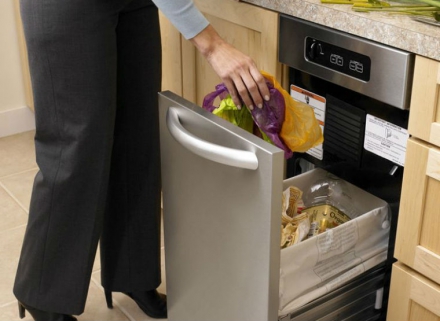
Trash Compactors

You need more than just a garbage disposal to keep your home clean. To help handle heavy-duty waste, you may want to consider investing in a trash compactor.

Trash compactors reduce trash volume by literally crushing garbage and food waste. These units feature a bin that holds trash and a metal ram that compacts your trash, creating more space in the bin for additional garbage. Trash compactors help you pack as much trash together as possible, reducing the number of trips you’ll need to make to your dumpster. Moreover, many of today’s advanced units feature odor management systems that ensure foul smells stay out of your home.

If you’re concerned that a trash compactor will clash with your home aesthetic, don’t worry, because these appliances come in a range of styles, sizes and designs. Nearly all trash compactors are built-in appliances, allowing them to be seamlessly integrated into your kitchen or any other living space.

Recycling Cabinets

The modern home should be environmentally friendly, and a recycling cabinet can help make that goal a reality.

These units are conveniently placed cabinets that feature bins designated for recyclable waste. Many recycling cabinets offer space for multiple bins, allowing you to easily separate plastic, glass and paper recyclables. Like trash compactors, these cabinets are built-in units that can match the style of almost any living area. In fact, you can even designate a bin in your cabinet for regular garbage if you do not have a trash compactor in your home. Thanks to their versatile designs, recycling cabinets are great additions to any home, helping you get rid of food packaging, bottles and more in an eco-conscious fashion.

Discover The Ideal Food Disposal Solutions For Your Home

No homeowner wants their living spaces to be overrun with food waste and trash. The strategic employment of food disposal solutions will ensure your home stays clean and odor-free, helping you get rid of food waste, trash and recyclables efficiently and effectively.

Ready to find the right appliances for your home? Explore this online collection of food disposal units today, and be sure to contact a home appliance expert for further assistance.

BSH Home Appliances Announces Recall On Bosch, Jenn-Air, Gaggenau and Thermador Dishwashers

BSH Home Appliances has expanded its recall of dishwashers due to fire hazard.

This BSH Home Appliances dishwasher recall expansion comes as a result of defective power cords in a number of Bosch, Jenn-Air, Gaggenau and Thermador dishwashers. These faulty cords can overheat and catch fire, creating incredibly hazardous conditions in the home. BHS Home Appliances has received five reports of power cords overheating, causing fires and property damage. However, no injuries due to this defect have been reported

According to the Consumer Product Safety Commission (CPSC), the latest recall covers approximately 408,000 units, in addition to approximately 149,000 units that were recalled back in October 2015.

Department stores, home improvement stores, authorized builder distributers, and appliance/specialty retailers sold the recalled dishwashers nationwide and online from January 2013 through May 2015.

You can visit the CPSC’s official website for a list of model and serial numbers for affected units. The model and serial numbers of your dishwasher can be found printed inside the unit either on the top or side of the inner door panel.

If your dishwasher has been recalled, you should stop using the appliance and contact BSH Home Appliances for a free inspection and repair. You can contact the company toll-free at 888-965-5813 from 8am to 8pm ET Monday through Sunday, or contact the company online through the brand websites listed below:

  • Bosch: Visit bosch-home.com/us and click on “Service,” then “Safety Notices”
  • Gaggenau: Visit gaggenau.com/us and click on “Support,” then “Safety Notices”
  • Jenn-Air: Visit jennair.com and click on “product recalls” at the bottom of the page
  • Thermador: Visit thermador.com and click on “Customer Care,” then “Safety Notices”

For help in determining if your unit is affected by this recall, contact Universal Appliance and Kitchen Center. You can also enlist assistance from a professional appliance repair service.

The Benefits Of A Range Hood

The kitchens of the past were simple utilitarian spaces designed solely for cooking. But the modern kitchen is a more diverse living space, intended for food storage and preparation as well as entertaining friends, family, and loved ones. While today’s homes are filled with a selection of advanced and innovative kitchen appliances, many homeowners ignore the importance of investing in a powerful range hood.

Range hoods are installed above your cooking range, and provide added ventilation for the cooking space. This may not seem necessary, but there are actually many benefits of a range hood. When combined, these benefits help provide both cleanliness and comfort to your home, bringing 21st-century amenities to your kitchen.

Promote Kitchen Cleanliness

The primary purpose of a range hood is to ventilate your kitchen, removing airborne grease, smoke, steam, and other debris from your cooking space. With the push of a button, your hood will begin to filter these pollutants from the area above your cooking range, reducing the potential for bacteria growth in your kitchen while also improving indoor air quality. Using a range hood will ultimately help make your kitchen clean, healthy living space.

Remove Excess Kitchen Heat

Range hoods are designed to provide added ventilation to your kitchen, and a benefit of a hood’s ventilation functions is the removal of excess heat.

When a range hood removes smoke and steam from your kitchen, it also removes heat from the space. The hood’s fan blower will suck up steam, smoke, and hot air from your kitchen, pushing it out of your home through a duct or recirculating it into the space with a slight cooling effect. While a range hood will not cool your kitchen as well as an air conditioner will, using a hood can help transform a steamy or hot kitchen into a more comfortable cooking space.

Extra Light In Your Kitchen

The kitchen is a hub of activity in your home, whether that be cooking, cleaning, or entertaining guests. A range hood will help you keep this space clean, but it can also provide extra light in your kitchen.

Most of today’s range hoods feature built-in lights to illuminate your cooking space, providing an added convenience feature that pleases many homeowners. These lights are a particular benefit when you’re cleaning your cooktop or other nearby cooking areas, with the extra illumination helping you find hidden gunk, grime, and grease. This added convenience helps you add the ideal amount of light to your kitchen for almost any situation, bringing additional comfort to the room.

Added Style For Luxurious Atmosphere

The range hoods of the past were bulky, loud, and unattractive appliances. But today’s range hoods are almost the exact opposite, exuding style and flair while promoting cleanliness in your kitchen.

Today’s range hoods operate quietly and efficiently, and come a wide variety of elegant designs that provide style and class to your kitchen. A unique range hood can provide the perfect “wow” effect in any kitchen, elevating your room’s style without sacrificing functionality. Appliance brands recognize the importance of marrying style and functionality, and there a host of artfully crafted range hoods on the market today. A modern range hood’s powerful ventilation features combined with its stylish design are all but guaranteed to bring luxury to your kitchen.

Superior Range Hoods From Premium Manufacturers

The kitchen buzzes with activity at all hours of the day. It should be a comfortable place where you enjoy spending your time cooking delicious meals and gathering with loved ones, and a range hood will certainly help bring that goal to life. Thanks to a host of benefits including powerful ventilation features, additional kitchen lighting, and impeccable style, an advanced, modern range hood is the perfect addition to any home kitchen.

To begin your search for the ideal appliance, consider using this online collection of range hoods.