The Main Differences between Fully and Partially Integrated Kitchen Appliances

When it comes to kitchen remodeling, there are many terms that are new and hard to understand for most people. At first glance, many terms may seem to be interchangeable, but in reality, they are not, and this can lead to confusion. A pair of common terms that you may encounter when talking about kitchens are fully or partially integrated kitchen appliances. Understanding the differences between these two terms will help you to make more informed decisions for your new or updated kitchen. In this article, we will take a closer look at the main differences between fully and partially integrated kitchen appliances.

Built-in Appliances

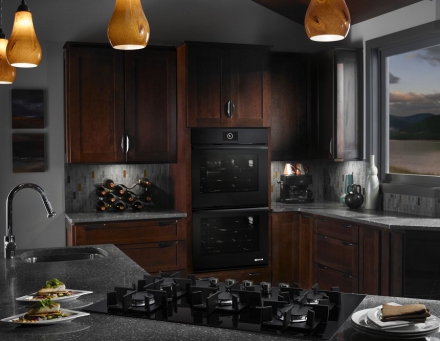
A built-in appliance is usually recessed right back into the cabinets, and it sits flush with the surrounding panels. This is not a hard and fast rule; in some kitchens, the appliance door may protrude slightly to allow easy access to a dishwasher or refrigerator. The decision to choose a panel to cover that exterior surface and make it flush is entirely in your hands. A set of matching cabinetry gives the kitchen a clean look, but it will increase the complexity of the remodel, and it will cost more.

Partially Integrated Appliances

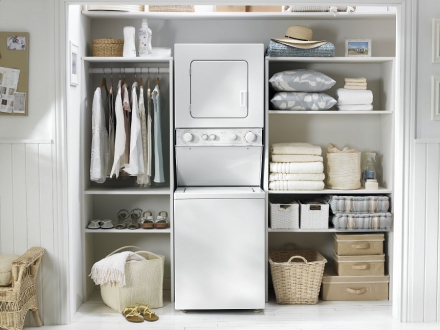
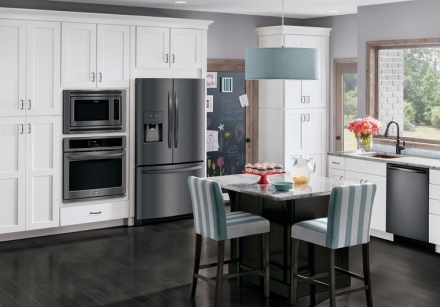
A partially integrated kitchen appliance is built-in, and on the surface, the cabinet panels match the surrounding cabinetry. This gives the kitchen a sleek and modern look, but there are visible control surfaces for easier control of the appliances. So, if you have a partially integrated washing machine, the controls at the top of the unit will be visible and easy to access. If you have a partially integrated smart refrigerator, the touchscreen will be visible, and you may notice the metal frames of the doors or any vents. The visible surfaces may be neatly tucked away in a camouflage panel to create a more uniform look. Many people choose partially integrated appliances because they give you that nice clean aesthetic appeal, they are easier to clean, and they are relatively inexpensive.

Fully Integrated Appliances

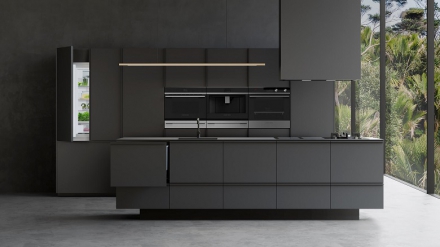
A fully integrated kitchen appliance will not stand out from the other cabinets in any way. The cabinet doors may look larger in the case of a refrigerator, or they may be shorter or square in the case of a dishwasher. But, for all intents and purposes, the appliance will be entirely hidden; features such as handles, hinges, controls, toe kicks, trims, and vents will all be out of view. There are some considerations for people that want this clean and aesthetically appealing look. It may be necessary to choose smaller kitchen appliances that are easier to hide and make flush with the other cabinets. It’s also important to understand that a fully integrated kitchen is an expensive option.

Maintenance Issues

If you choose fully integrated appliances, it will make them harder to repair and maintain compared to a partially integrated alternative. The parts that need to be accessed will be hidden deep inside the kitchen cabinetry, and the appliances will need to be pulled out. This can take some time, and this will raise the labor costs for the repair or any necessary maintenance.

Customized Kitchen Cabinets

If you want a full size larger appliance such as a refrigerator and you still want that fully integrated look, this is possible. Choosing larger cabinet boxes will typically cost less when compared to the price of customized kitchen cabinets. This will increase the depth of the cabinet, and this will allow you to set the appliance further back. This is a happy medium that may suit homeowners with a larger kitchen.

If you are considering purchasing a new kitchen appliance, you can explore your available options with our online collection. For further guidance or help, you consult one of our home appliance experts.

4 Home Appliance Energy Conservation Tips

Most of us have a number of home appliances that are great time savers, but they can consume a lot of energy, and this drives up your monthly bills. Although it isn’t possible to eliminate the energy consumption completely, it is possible to reduce the amount of energy consumed. In this article, we will look at four common home appliances and how you can save energy using those devices.

  1. The Dishwasher

A dishwasher doesn’t use too much energy, but it will consume a large volume of water on every cycle. The best way to use a dishwasher is to get the most out of each and every cycle. Always ensure that the dishwasher if full and that you don’t use the hottest water temperature. If you switch to an energy efficient model you will use less energy and water when the dishwasher is running.

  1. The Refrigerator

The refrigerator consumes energy 24/7 because it needs to be kept on to keep our food fresh. But, many people keep their refrigerator at a temperature that’s far too cold, and every extra degree consumes more energy than necessary. The acceptable temperature range for a refrigerator should be 32ºF-40ªF to keep your food in great shape. It’s also a great idea to fill your fridge with as much food as you can to reduce the energy consumed. The second law of thermodynamics comes into play here, the less empty space in your refrigerator, the less energy consumed to keep the space cool. If your refrigerator is never full enough, you may consider a switch to a smaller unit to save money on your next energy bill.

  1. The Cooktop or Oven

An electric cooktop and/or oven is a great way to cook your meals, but if you cook at home regularly, they can consume a great deal of energy. This is particularly wasteful if you’re only preparing smaller meals and saving energy should be a priority. If you need to boil water, use the kettle instead, and then transfer the boiled water to the pan. Only ever use as much water as you need to reduce the boiling time and always cover your pans to speed up the cooking process. When you use the oven, keep the door shut as much as possible to retain the heat inside for cooking. If you’re only reheating a small meal, it’s a good idea to use a microwave oven instead because it’s far more energy efficient. Another good alternative to a cooktop is to use an induction hob that can quickly heat your pans to the optimal cooking heat safely.

  1. The Washer

A washer is used heavily in most homes, it uses a great deal of energy and water, but there are ways to reduce the energy used. Wash clothes in cold water and use a water saving washing mode if you have one on your machine. Keep the lint trap clean to make the machine more energy efficient and reduce the chance of a failure. Try to use shorter washing cycles to see if they work well with your clothes and dry naturally when possible. Always wash a full load to make the most use of the energy and water that will be consumed. If you have to do a partial load of laundry, make sure to use the correct setting on your machine. Switching to a modern, efficient washing machine will also save water and consume less energy to keep your clothes clean.

If you’re considering new energy efficient appliances, you can explore your options with our online collection, or our team of home appliance experts can provide further guidance.

Things to Look for in Your New Convection Microwave Oven

A microwave is a staple in many kitchens, but many homeowners have fully embraced the technology and the benefits offered with a convection microwave oven. Convection technology has evolved a great deal in recent years, making convection microwave ovens an innovative and useful appliance for a busy family home. Since this technology may be new to many homeowners, here we’ll explore some of the things to look for when shopping for a new model.

The Convection Microwave Oven Basics

Most of us are familiar with microwave technology; it allows us to reheat leftovers, defrost frozen items, and even make popcorn quickly and easily. These benefits are offered with a convection microwave oven, but the convection technology also allows you to crisp and brown food as you would in a conventional oven.

Rather than heating the inside of the food, as a regular microwave does, convection microwave ovens also cook and brown the outside of the food, providing the full “cook through” that you would get with a traditional oven. Convection ovens use a fan to force the air movement, heating up the interior of the microwave to cook the food. This allows you to roast and bake things that may be cooked too quickly or not thoroughly enough with a regular microwave.

Decent Power Output

While convection ovens are known for their ability to crisp and brown foods, you’re still likely to want to choose a unit that can still cook food as quick as a regular microwave. If your current microwave is a high power unit, you may find yourself feeling frustrated if your new convection microwave has a fraction of the power output. So, don’t just look at the convection technology, consider the power output and what this translates into when cooking your favorite foods.

Visibility

Just like with a regular oven, it can be very frustrating if you need to keep opening the door to check on the progress of your dish. So, it is important to choose a microwave that offers high visibility. Ideally, your new convection microwave should have a sizeable window and a bright light, so you can regularly check on your food as it is cooking.

Large Capacity

The interior of your new microwave should be large enough to accommodate your dishes. If you like to reheat your favorite casserole, it will be very frustrating if your usual casserole dish is too large to fit inside the microwave. Think about the cookware that you frequently use and consider what capacity you will need to accommodate them. Remember that you also need to consider the clearance needed around the dish for adequate ventilation. Generally, you need to have at least 2 inches on the sides, 4 inches at the rear and a minimum of 6 inches above larger dishes for proper airflow and even cooking.

Unit Size

Of course, while capacity is important for accommodating your favorite dishes, you also need to think about the overall unit size. Whether your microwave sits on the countertop or is installed in an alcove, you should measure what space you have to work with. Look at the size of your current microwave and determine if you can go much bigger or smaller without compromising your kitchen aesthetics.

Additional Features

Finally, you should consider what additional features are available. Automatic settings can prompt you with the weight and type of food to help you calculate the cooking time, while multi stage cooking allows you to program different functions in sequence for the best results.

If you’re considering a new microwave, you can explore your options with this online collection of convection microwave ovens or speak to a home appliance professional for specialist advice and guidance.

A Brief Guide for Cleaning Black Stainless Steel Appliances

Black stainless steel has had instant appeal with appliance buyers since it was first introduced. The unique aesthetic is loved by consumers, and it also provides greater fingerprint and smudge resistance compared to most of the luxury alternatives. While it has not yet unseated the ever popular stainless steel finish, it is set to be a massive trend. So, here we’ll explore how you should clean a black stainless steel appliance so that you can have confidence in your purchase decision.

The Black Stainless Steel Basics

Black stainless steel is quite similar to traditional stainless steel finishes, but due to the different manufacturing process, it does require different techniques and methods of care.
At the core of black stainless steel is the same composite of chromium, iron, nickel, and silicon that you would find in conventional stainless steel. What sets this bold finish apart is the protective polymer coating to mute the finish. This results in a more anti corrosive surface and an elegant look that contrasts the sterile look of conventional stainless.

Things to Avoid

While black stainless steel can add sophistication and elegance to your kitchen, this can be quickly compromised by poor cleaning habits. So, we’ll start with some of the things you should avoid when you start cleaning your new black stainless steel appliance. Due to the top coat we mentioned above, it is vital that you don’t do anything that will scratch the finish, or you could risk exposing the burnished steel under the bold black layer. This means that it is imperative not to rub the black surface with any abrasive material including scouring pads or steel wool. Even newspapers and stiff cloths have the potential to mark the surface. You’ll also need to avoid using many of the standard cleaning products you may use in your kitchen including baking soda, ammonia, powdered soap, abrasive liquid soaps or acidic compounds such as lemon, vinegar or oven cleaner. While it sounds strange, even stainless steel polish should be avoided, as it has the potential to damage the black coating.

Cleaning Methods

So, now we’ve explored what you shouldn’t do with black stainless steel, we’ll discuss the best cleaning methods to keep your new appliance looking superb. The best cleaning method is also the simplest; you just need to use a table napkin or soft cloth towel with warm, soapy water to clean your black stainless steel. You’ll still need to use this gently and only rub the surface lightly with the grain of the finish. You should notice that any stains will be eliminated within a couple of seconds. You can then use a dry microfiber cloth to dry the surface using a light dabbing motion.
For everyday cleaning, you can remove any fresh drips or spills by using a soft, damp cloth to gently wipe the surface and pat dry. If you do spill something, just remember not to automatically reach for paper towels, as these can actually be quite scratchy and may damage the black coating.

Minor Repairs

The production technology for black stainless steel has advanced a great deal in recent years. Some manufacturers are now offering scratch resistant black stainless steel appliances, which are more durable. Unfortunately, some older black stainless steel models are still vulnerable to damage. So, if you were a trend setter and adopted black stainless steel early, it may be worth knowing how to perform some minor repairs. If your appliance has suffered a minor scratch, you could cover the damage with a black permanent marker, softly buff the ink before it dries using a microfiber cloth to allow the color to be blended. This should disguise the mark unless someone gets really up close and scrutinizes your appliance.

If you’re considering upgrading to black stainless steel appliances, you can explore the options with this online collection or speak to a home appliance specialist for further help.

Making Your Dream Kitchen a reality with Fisher & Paykel and Universal Appliance and Kitchen Center

Established in 1934, Fisher & Paykel is a major appliance manufacturing company based in East Tamaki, New Zealand. Originally an importer of domestic refrigerators, today it holds over 420 patents and bases its identity on innovative design, particularly in the areas of usability and environmental awareness. The brand has a storied legacy of ongoing R&D ensuring that all products are developed around sustainable design principles.

Moving From Tradition

Today, kitchens are more than just somewhere where you prepare meals; they have evolved from a separate space only used by one person to a shared environment, a place for families to get together, a place for entertaining, and even a place for working. Fisher & Paykel has focused on breaking from tradition with an innovative space that is suited to today’s living requirements to look fantastic.

Creating a Sharing Space

The team at Fisher & Paykel found that today, more than one person is likely to be using the kitchen at the same time. Additionally, the brand appreciates that aesthetics matter, so the design team has an opportunity to innovate to create dream kitchen environments with unbridled gusto.  The Fisher & Paykel appliance line has been created to support these patterns of use. For example, the CoolDrawer can be installed to have drinks near the dining area or a DishDrawer to have a designated unit for glasses or crockery near the main sink. This concept of “distributed appliances” allow users to configure a layout to suit the way people use kitchen now.

Everything With Easy Reach

Whether creating a gourmet feast or just preparing a snack, Fisher & Paykel makes sure to have what one uses the most, at waist height, for easy reach. One of the Fisher & Paykel breakthroughs is to place DishDrawer dishwasher drawers side by side, rather than stacked to avoid needing to bend down for the lower drawer. These appliances allow cabinetry to float for a seamless look and superb functionality.

Your Dream Kitchen

Choosing new appliances can be one of the biggest challenges in creating the perfect kitchen. For this reason, Fisher & Paykel has designed a product line to suit individual kitchen styles, cooking preferences, and space.

The kitchen is a natural hub for social activities, and a homeowner can set the stage for entertaining from morning coffee through to a full dinner party. Fisher & Paykel allows one to create a layout that permits multiple people to use the space without getting “trapped.”

If a family likes to cook and socialize together, Fisher & Paykel has a kitchen design to support this efficiently. This allows people to drop in and help without getting in the way to enable meal prep to become a social experience that everyone can enjoy.

As you plan your dream kitchen, you can create work zones for superb functionality. If you enjoy cooking with your partner, you can plan two distinct cooking or prep areas. While if you entertain, include a mixed-use zone that will allow you to set out food platters or create a bar area. With the line of Fisher & Paykel appliances, you can ensure that every zone of your kitchen is fully equipped to your unique specifications.

Create Your Dream Kitchen and Enjoy Cashback

There has never been a better time to create a dream kitchen with the Fisher & Paykel cashback promotion. Plan your kitchen with qualified products, and you can file your claim for cashback through Universal Appliance and Kitchen Center. The cashback offers rebates of up to $2,000. Our team can guide you through the details of the promotion to ensure that you benefit from the cashback promotion and enjoy your dream kitchen.

If you would like to know more about the Fisher & Paykel cashback promotion or would like to explore the eligible models, you should speak to a home appliance expert at Universal Appliance and Kitchen Center in Studio City at (818) 755-1111 or in Calabasas at (818) 880-0011 for additional help and guidance.

How to Choose the Best Convection Microwave

Convection microwaves or combination ovens are one of the most versatile tools in the kitchen and can be crucial if you have limited space. Whether you have a holiday home, caravan, studio apartment or simply a kitchen that cannot accommodate a full sized oven, a convection microwave can provide an excellent solution. Here we’ll explore this topic further, so you can learn how to choose the best convection microwave for your home.

The Advantages and Disadvantages of Convection Microwaves

A convection microwave combines two different appliances. It can be used as an oven, microwave or in a combination, to allow bake and grill functions. This can be a very convenient and fast method of cooking, particularly when high temperature cooking such as pizza, pastries or roasts. You can quickly preheat to oven temperatures of up to 240ºc for speedy reheating, browning or toasting. While convection microwaves are smaller than a conventional oven, most models can accommodate a large pizza or roast, making them suitable for small families. There are some models with two shelf positions for more versatility. Convection microwaves are also cheaper to run compared to a conventional oven, so you can enjoy energy cost savings.

Unfortunately, it is not all positive as there are some potential disadvantages to convection ovens. They tend to have a smaller cavity compared to conventional ovens, so you’re likely to be limited to cooking one type of food at one time. They can also be more challenging to clean. The oven cavity needs to be adequately cleaned following each use as any grease or residue will be baked on during the next use. This can also slow down microwave cooking as the residue will be cooked along with your dish. Most models feature a stainless steel interior, which can make it more difficult to clean. Oven splashes can leave difficult to remove grease marks. Fortunately, there are some simple tips and tricks to aid cleaning.

Characteristics to Look For

To choose the best convection microwave, there are a number of characteristics to look for. These include:

  • Ease of Use; Good instructions on display and easy to use controls will make using your new convection microwave a breeze. You don’t want to choose a model where you need to keep digging out the instruction manual to perform any cooking.
  • Easy Clean; As mentioned above, cleaning convection microwaves can be a challenge, so it is a good idea to look for a model that is easier to clean. Look for any seams, crevices or gaps that could trap grease or food, and smooth coatings that are easy to clean. While stainless steel can look great, remember that it will require some attention to keep it looking free of smudges and fingerprints.
  • Size; You should check that your usual cooking dishes will fit in your new convection microwave. Your oven will also need clearance for ventilation, so you’ll need a couple of inches at the sides and rear, with between five and 12 inches above.
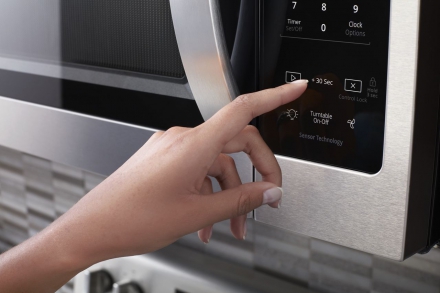
  • Time Adjust; This feature will allow you to decrease or increase your programmed time without pausing cooking.
  • Delayed Start; This will allow you to start cooking at your programmed pre-set time, but you’ll still need to be careful not to leave your dish in the oven too long, or it may spoil.
  • Sensor Cooking; This feature takes automatic functions a step further using sensors to measure cooking vapors to monitor and control your cooking time.
  • Multi-Stage Cooking; Models with this feature allow programming to perform a sequence of cooking functions. For example, you can defrost, cook and then allow to stand without needing to intervene in the cooking process.

If you’re considering a convection microwave, you can explore your options with this online collection or speak to a home appliance expert for a more specialist service.


Considerations When Choosing a New Range Hood

Having the right range hood provides more than just avoiding setting off the smoke alarm in your kitchen. A good range hood provides vital ventilation for your kitchen, to avoid steam and food particles damaging your cabinetry and preventing cooking smells from permeating into other areas of your home. With such a vital role, it is essential that you choose the right model for your kitchen, so here we’ll explore considerations to help you make your purchase decision.

Assess the Exhaust System

When choosing a new range hood, you’ll find that there are several options for exhaust systems. As the name suggests, ducted or vented systems use ducts to channel the air away and out of your home. This means that you shouldn’t vent into an interior space inside your home, such as an adjacent room or attic. Ducted models require mounting the hood to an exterior wall for shorter and more efficient ducting. If you need to take the ducting further, it will make the installation and potential future maintenance more complicated and expensive.

Duct-free or non vented systems filter, clean and return the air to your kitchen. These systems are typically less efficient compared to a ducted system, and they require regular filter replacement and cleaning, so you’ll need to be prepared for maintenance tasks.

Your Kitchen Layout

The kitchen layout is a primary consideration for choosing a new range hood. You’ll need to know the space you’re working with and whether the hood should be wall mounted, incorporated into the cabinetry, suspended from the ceiling or made part of an overhead canopy. A general rule of thumb is to mount the hood 24-30 inches higher than the cooktop, but you should always check the manufacturer recommendations.

Calculate Your Fan Power

The size of space will dictate the power requirements of the exhaust hood fan. You need sufficient power to clear the air and prevent strong cooking odors lingering. The calculation to determine your fan power requirements is based on the volume of your room, so multiply the length, width and ceiling height of your kitchen. Ideally, choose a range hood with the capacity to clean or replace the air in your kitchen volume eight times every hour.  The exhaust fan will be labeled with the CFM rating, which is cubic feet per minute. So, if your exhaust fan has a 1,000 CFM rating, it can remove the air from a 10ftx10ftx10ft kitchen in one minute. Multiply this figure by 60, and you will determine how much air can be moved in an hour.

Consider Noise

While you may think that the most powerful range hood is the best option, if it sounds like a jet engine in your kitchen, you’re not likely to use it very often. Home appliance experts suggest choosing a model that draws air towards the perimeter or edges of the hood, rather than over a large area. This makes the hood more efficient and also reduces the noise level. If possible, test the hood in the showroom to check how noisy it will be in your kitchen.

Choose the Right Style

Range hoods are available in a fantastic variety of styles, so it is relatively simple to choose one to suit your kitchen decor. It is worth thinking about whether a material is easy to clean or will need special maintenance, whether it is more costly than a simpler model and whether it complements the general architectural style of your kitchen and home. The right style of range hood can seamlessly blend into your kitchen or make a bold statement, but you’ll need to decide which look you prefer.

If you’re thinking about a new range hood, you can explore your options with this online range hood collection or for further help contact a home appliance expert.

Is Your Kitchen Complete Without a Range Hood

Range hoods are an essential form of ventilation for any residential kitchen. Whether you choose a range hood or opt for a downdraft ventilation system, your kitchen is complete without this vital equipment. So, here we will explore range hoods to help you determine the benefits of investing in a good one.

The Advantages of a Range Hood

There are a number of reasons why it is beneficial to include a range hood in your kitchen design.

  • A Shield For Your Cabinetry: During cooking smoke, odors, humidity, and heat along with ultrafine food particles can contribute to the discoloration and damage to your cabinetry. If an accident occurs and you have a fire on your cooktop, a good range hood providing proper ventilation will act as a metal barrier to prevent the fire from spreading to your cabinetry.
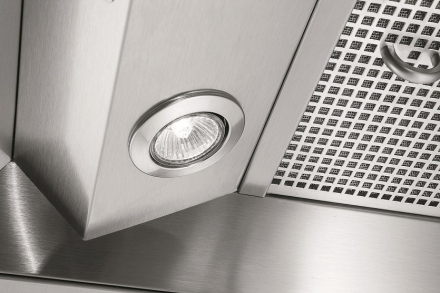
  • Provides Additional Light: Even if you’ve planned the lighting in your kitchen entirely, your cooktop can still benefit from the additional light. Many models of range hood provide extra lighting to illuminate your cooking area.
  • Cools Your Kitchen: If you’re cooking several dishes, it is very easy for your kitchen to start feeling swelteringly hot. A well-vented range hood can expel the excess heat out of your kitchen, so you can concentrate on preparing a great dish without getting hot under the collar.
  • Cleans Your Air: When vented properly, a range hood can collect any dirty, smelly cooking greases from your air and expel it outdoors. This should prevent a greasy film from accumulating on your kitchen surfaces.
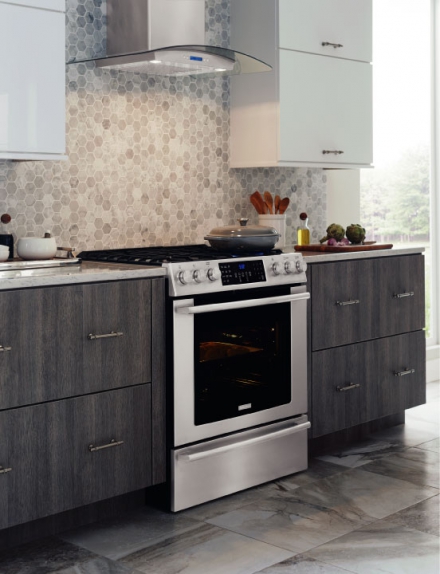
  • Completes Your Kitchen Aesthetic: An attractive and impressive range hood can also provide a massive visual impact for your kitchen design. It is not only a functional appliance, but you can also use it as a statement piece to tie together all your design elements. For example, if you have chosen stainless steel appliances, a polished stainless steel range hood can allow these features to be showcased.

Choosing a Range Hood

The choice of range hood largely depends on your budget, personal tastes and the manufacturer requirements for your cooktop or range. Generally, the greater investment in a range hood you make, the better quality and more functionality While there are cheaper hoods, better models have built-in ventilation to help regulate temperature and clean the air. This an essential feature for any keen cooks.

Most range hood models are rated by CFM or cubic feet per minute. This defines the amount of air that will be circulated per minute. The higher the rating, the greater the ventilation provided. Just be wary of models that have a rating of more than 400 CFM as you will need an additional “make up air unit.”

How Should I Use My Range Hood?

Once you’ve chosen and installed a range hood, you need to know the best way to use it for optimum results. Many people assume that they should just switch a range hood on if it starts to get steamy inside the kitchen, but this approach does not provide the best results. A better idea is to switch on the range hood fan at least a few minutes before you begin cooking. You should run the fan while you’re cooking and leave it running for 10 to 15 minutes after you’ve finished. This will remove any unwanted heat or humidity. As the heat inside your kitchen and around the stovetop increases, you should turn up the fan power. It is best to err on the side of caution and use a higher fan speed than you think. This removes the risk of filling up your kitchen with heat and grease that can result from too low a fan speed.

If you’re considering a range hood, you can explore your options with this range hood collection or speak to a home appliance expert for a more specialized service.


The Benefits of Installing a Wine Fridge

Whether you’re an enthusiast or simply enjoy relaxing with a glass in the evening, a wine fridge can add class to any home. For many people, a glass of wine is the nicest way to cool down on a scorching summer day. If your bottles are sitting on a bar card next to your whiskey or scattered in hidden cupboards, you may need to think about getting organized by installing a wine fridge.

A wine fridge not only looks sophisticated, but it can be a great addition to your home even if you only store a handful of bottles. Depending on your geographic location, a wine fridge may be the only stable area for your bottles. A stable temperature is incredibly important when storing wine. So, if you experience drastic changes in temperature or live in a very hot area, you could be compromising the taste and quality of your wine.

Providing Stability

Wine is not only sensitive to light, but also fragile when it comes to humidity and temperature variations. The number one enemy of wine is heat. When wine is stored in an overheated apartment, it is at risk of drying out and will lose much of its delicious flavor. A wine fridge is designed to provide stability for your wine, keeping the bottles at a consistent temperature at optimum storage conditions.

While a typical home refrigerator may be fine for your wine in the short term, it is not a proper long-term solution. Most household refrigerators maintain a temperature of less than 45ºf, which is lower than optimum conditions for wine. Additionally, the lack of moisture inside your refrigerator may cause the corks to dry out. If your corks do dry, it will allow air to enter the bottle and damage the wine.

Choosing a Wine Fridge

Wine fridges are available in all shapes and sizes, making it easier to choose the ideal model for your home, but you will need to assess certain considerations.

The first thing you need to look at is the size and space offered. You’ll need to think about what space you’ll need in the future, rather than just looking at your current wine collection.

You will also need to look at what noise level the model operates. Unless you are planning on putting your wine fridge in your kitchen, noise may be a factor. Many people opt for a wine fridge in their living area, which means a low noise, compact option is preferable.

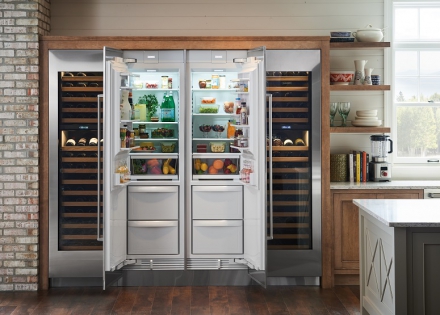
You will also consider the aesthetics of your new wine fridge. Many homeowners use their wine fridge as a feature, showcasing their collection. If you want your wine fridge to take pride of place in your home, you’ll need to look at whether you want steel or wooden racks and if you would prefer to be able to see your wine bottles. Some models have a solid door that provides maximum light protection, but it is still possible to have tinted glass doors that offer UV resistance.

Final Considerations

Finally, you need to look at whether your new wine fridge offers different temperature zones. This allows you to create optimum temperatures for both your whites and reds. Ideally, your new appliance will also have accurate humidity settings that will enable you to adjust the humidity for optimum conditions. Ideally, to preserve the longevity of your wine, you should fix the humidity levels at between 50 and 70 percent.

If you’re considering a new wine fridge, you can explore your options with this online wine fridge collection. If you need help with further questions or require a more specialized service, be sure to speak to a home appliance expert.


Convection, Speed, and Steam: What Does it All Mean For Your Appliance Purchase Decision?

When you start shopping for a new cooking appliance, you’ll find yourself with an array of features and cooking styles to choose from. Each of these has pros and cons, with seemingly complex terminology that can hinder your purchasing decision process, so let’s break down some of these cooking styles and terms to help you determine which is the best option for your kitchen.

Convection

Convection cooking involves moving the air around inside the oven to distribute the heat evenly. Many of us have had a bad experience with a turkey that is golden brown on one side and pink on the other, or a cake that has only risen beautifully in certain areas. On its own, a convection oven uses a fan to move the hot air around the oven cavity, filtering the air through an exhaust system at the back of the appliance. This allows faster cooking times to save energy and time while achieving even cooking. Convection is great for most baking, but the dry environment may not work well for some recipes and delicate dishes, such as soufflés, can suffer from a lack of slow and steady cooking.

Steam

While convection is fantastic for roasting, baking, and toasting, if you want to moisten food, steam is the best option. Steam cooking can also provide a healthier option as the nutrients and moisture of the food is preserved. It can also be an excellent way to reheat food as it won’t dry out.

Steam ovens feature a water reservoir that holds water. Through the heat of the oven, this is converted into steam. Steam ovens can be used to proof bread, allow oil-free cooking and encourage perfect results for delicate items such as choux pastry, but steam cannot manage heavy cooking duties and will take a long time to cook full meals. For this reason, many manufacturers offer Steam Convection cooking appliances.

Steam Convection

Steam convection provides the best of both cooking styles. Steam can allow you to cook delicate items that may dry out or easily burn, but convection allows you to effectively brown your foods. The convection cooking moves the heat around, while steam can add moisture, so whatever dish you are preparing, you’ll have the ideal oven conditions.

Speed Ovens

If you need to cook on the go and don’t have the time to wait around in your kitchen, you may wish to consider a speed oven. The speed oven is considered one of the fastest cooking appliances on the market. As the name suggests, these ovens cook food at a far more rapid rate using relatively new technology. This innovative cooking method uses a combination of convection and microwaving. The convection method ensures that heat is created and evenly distributed throughout the oven, while the RF microwaving increases the rate of cooking. The microwave to convection ratio depends on the type of food you’re preparing and the selected cycle.

Speed ovens are fantastic time saving and multipurpose appliances. You can cook a full-size turkey in approximately 20 minutes, so it can make preparing family dinners super-fast and easy.

Cleaning and Maintenance

While cooking style is important, another consideration is maintenance, particularly cleaning. Steam naturally prevents the baking on of food, so it is easier to clean. This feature is not available with a speed or convection oven, so accidental spills can be problematic. Fortunately, some models do have a self-cleaning function to vaporize any food gunk with the minimum of fuss.

If you’re thinking about a new oven, you can explore the options with this online collection or speak to a home appliance professional for more specialized service.