Which is Best? Ceramic vs Induction Cooktops

A cooktop is a valuable appliance in any modern kitchen that offers a proper surface to cook various delicious dishes. There are two popular options: ceramic and induction cooktops. At first glance, they look very similar. But looks can be deceiving, and upon closer inspection, these cooktops are very different. In this article, we will look at these two cooktop choices in more detail to help you determine which will suit your kitchen.

What is an Induction Cooktop?

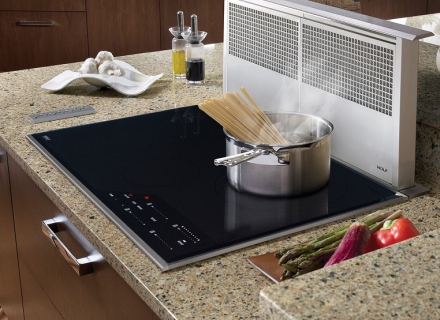
This is a smooth ceramic surface that hides high-frequency electromagnetics mounted underneath. The magnets interact with the cookware’s surfaces to generate heat in the pan or pot. To generate heat efficiently, the cookware must have steel, iron, or magnetic stainless-steel bottoms. This limited interaction has significant advantages over cooktops that generate heat directly.

First, there is no heat to cause accidental burns during or after cooking if the cooktop is touched. This significantly reduces the chances of accidents, which may be of considerable interest to those with children and elderly relatives. The induction cooktop will only generate heat when the correct type of pan or pot is placed on the surface. Because the surface is sleek and smooth, it’s aesthetically pleasing and easy to clean. Induction cooktops tend to heat the pots and pans quickly, speeding up cooking times and lowering energy bills.

What is a Ceramic Cooktop?

There are also smooth-topped appliances, but instead of the high-frequency electromagnets, they have coiled metal heating elements instead. These elements are placed under a sheet of tempered ceramic glass, which glows during heating. The heat is transferred to a specific burner or “zone” on the cooktop for easy reference. Ceramic cooktops are and remain a popular choice with many people because they are attractive, simple to use, and easy to clean. There are no obtrusive burner units that are difficult to clean, and they deliver reliable and consistent heating.

Which is the Best Cooktop?

This is a tricky question; we all have different expectations, requirements, and budgets. Both cooktops make an excellent choice for a modern kitchen, but they work quite differently, and it’s important to understand these differences.

Those seeking a premium-grade performance without the hassle of a gas cooktop may prefer an induction appliance. The heating times are much faster than those of a typical ceramic cooktop, and they are safer. The cooktop’s surface doesn’t get hot unless it’s in direct contact with a suitable pan or pot. As a bonus, if you spill any food or ingredients during cooking, they will not be cooked onto the surface. This, combined with the sleek finish, makes an induction cooktop simple to clean quickly.

The only real disadvantage of an induction cooktop is that this technology drives up the price. This is fair when considering the features, but it’s probably not the best choice for budget-conscious buyers looking for a new cooktop. This is the main reason why ceramic cooktops are still popular today. They are sleek, controllable, and easy to clean, yet they are much cheaper than an induction model. Those who can deal with slightly slower heating times and incrementally higher energy bills have a lot to offer.

A Brief Cooktop Buying Primer

No matter which cooktop you choose, there are five things that you need to bear in mind before you buy. They are:

  • Available Space: It’s essential to match the cooktop to your kitchen space carefully to ensure it fits properly. There’s not much point in agonizing over how many cooking zones you need on your new induction cooktop if you can only fit four in your kitchen. Certain manufacturers offer 70cm cooktops that fit in a 60cm cutout. This can be useful if 60cm feels too cramped and you need extra space around the base of your pots and pans.
  • Extra Features: One of the best things about new ceramic and induction cooktops is the extra features. The burners or cooking zones can be chosen to suit the number and types of pans that you use regularly. Other useful features may include child locks, timers, displays, control positions, and more. This level of customization isn’t possible with more traditional cooktop designs.
  • Energy Efficiency: Energy costs have risen dramatically in recent years, and many people are looking for ways to trim expenses without compromise. So, it’s a great idea to prioritize energy efficiency when you choose your new cooktop. In this area, the induction cooktop is the clear winner; the upfront costs may be much higher, but energy savings are possible in the medium to long term. This can add up to a tidy sum over the appliance’s lifespan.
  • Electrical Rating: Any cooktop you’re considering should have the correct wiring to suit your kitchen. If you’re unsure, consult a professional home appliance technician to check the wiring and install the cooktop for you. It’s important to follow the manufacturer’s installation requirements carefully. This will prevent any problems in the future and protect your manufacturer’s warranty.
  • Avoid DIY Installations: Although it’s tempting to attempt a DIY installation for your new ceramic or induction cooktop, this should be avoided. Both cooktops represent a significant investment that should be protected. A non-professional installation may cause warranty issues that can degrade the value of your new cooktop.

Making the Final Buying Decision

Although both cooktops work well in a modern kitchen context, we believe the induction cooktops are the best option on the market. They are aesthetically pleasing, functional, simple to use, and easy to clear. Over the years of ownership, a regularly used induction cooktop can save the user a lot of money. Some users may need to upgrade or change their cookware to work with these cooktops. But, the cost of these induction pots and pans has dropped significantly over the last decade. Induction cookware is now more affordable than ever, and many can be used on ceramic, electric, and gas cooktops.

A gas cooktop is the only natural alternative for “serious” cooks. These have become extremely popular in recent years and are often part of a dual-fuel range setup. Many top chefs swear by gas cooktops because they offer superior temperature control, which is a requirement for advanced cooking techniques. But for many people, a gas cooktop is likely to be overkill when it comes to their daily cooking needs. Most of us need a cooktop that’s effective, safe, and easy to clean.

If you’re not sure about induction cooking, there’s a cost-effective option to try it out for yourself. Many manufacturers now sell induction hot plates that you can use with a single pot or pan to evaluate if this technology will work for you. Set up the hotplate and time how long it takes for the water to come to the boil. The results may surprise you; unlike other heating methods, an induction surface is not subject to changes at different altitudes. Most induction surfaces have a minimum and maximum temperature of 100ºF and 500ºF respectively. Because there’s a limited risk of burn, the heat can be distributed consistently and evenly across the entire cooking process. Certain ceramic cooktops can limit heat or fade in and out to “save energy,” which can be annoying.

Safety Features

We’ve touched on this briefly, but the safety features of an induction cooktop can be awe-inspiring. It’s also admirable that these safety measures do not degrade the performance. The risk of injury and damage to cookware and the cooktop is significantly reduced during cooking. The surface doesn’t get too hot and is only activated in set zones that only operate when the pan or pot is in place. Although they are safer than traditional cooktops, ceramic models retain heat after cooking, which can lead to burns. A ceramic cooktop will retain the heat for 4-5 times longer than an induction model. Both types have heat indicators that warn of stray hands or those cleaning the surface too early. One helpful feature on specific models is turning off the zone if there’s a spillage or the cooking zone empties. This can prevent long-lasting damage and use energy in areas no longer required.

In Conclusion

Ideally, we prefer a professionally installed induction cooktop over a ceramic model. The heating speed, energy savings, and extra features are well worth the premium-grade price. An induction cooktop will also add much value to a kitchen if you sell your home shortly. If you want to learn more about induction or ceramic cooktops, contact a home appliance specialist for expert help and advice.


4 Kitchen Appliance Tips For The Holidays

Your kitchen is a hub of activity throughout the year, but this is particularly true during the holiday season. If you plan on hosting a holiday gathering, you’ll definitely want to get the most out of your premium kitchen appliances, and there are plenty of small tips and tricks you can employ to ensure your kitchen runs smoothly.

To help, we’ve compiled some suggestions for kitchen appliance use this holiday season.

1. Do Not Self-Clean Your Oven Before Holiday Cooking

The self-cleaning feature on your oven is intended to make cleaning easy, but if used right before you begin cooking for the holidays, it could cause a major disaster.

Many homeowners do not use their oven’s self-clean option frequently, and if you use this feature right before a big event, you risk causing an oven malfunction that can seriously damage your appliance. If your oven’s self-cleaning feature isn’t used at least every six months, you run the risk of damaging the appliance when it is activated.

You should also avoid using chemical oven cleaners right before holiday cooking. These products can be effective, though they often leave a layer of chemical residue that needs to be burned off before heavy oven use. This residue can be cooked into your holiday dishes, creating a foul taste while providing a health risk to your holiday guests.

 2. Use Your Oven’s Convection Settings

Many homeowners have a convection oven, though they are unsure of how to properly use its convection setting. Your unit’s convection option helps it cook food faster and more evenly, and is generally better for browning dishes — making it a great choice for a host of holiday favorites.

If you want to take advantage of this feature, be sure to reference your appliance’s owner’s manual for instructions. In general, you should try to follow these basic rules on how to use a convection oven:

  • Lower the recommended cooking temperature by 25 to 30 degrees Fahrenheit, or cut the baking time by 25 percent.
  • For small pastries, reduce the cooking time by 10 to 15 percent
  • For large roasts, reduce the cooking time by approximately 30 percent

3. Do Not Overwork Your Dishwasher

Once your holiday feast is done, it’s time for the dishwasher to do its job. However, you don’t want to risk ineffective wash cycles by overworking your appliance.

When washing dishes post-holiday dinner, be sure to use the proper amount of soap for each cycle. Too much soap will fill your machine with excess suds, making your cycles less effective. You should also be sure to scrape off all food residue from plates, bowls and silverware, as excess food particles can clog your unit’s jet streams. You should also be sure not to over-rinse dishes, as enzymes in dishwasher detergent require the presence of food residue in order to activate and be effective.

 4. Empty Your Ice Maker Before Gatherings

Nothing ruins a delicious drink like dirty ice, and you’ll definitely want to supply your holiday party with a steady stream of fresh and clean ice. If you notice that your ice maker produces chalky or smelly ice, you’ll have to take action to ensure your guest receive what they deserve.

As air moves throughout your refrigerator and freezer, the unit’s ice maker can become polluted by the flavors of food stored in the appliance. This often results in chalky, smelly and odd tasting ice. To prevent such impurities, you should first empty out your entire ice compartment and allow it to refill with fresh ice. Once the compartment if full, empty the fresh ice into a plastic bag and store it on your freezer shelf. The bag will protect your ice from air that circulates in the unit. You can feel free to continue this process until you have enough ice for your holiday party.

Meet Your Home Appliance Needs This Holiday Season

Your kitchen needs to work at peak efficiency during the holiday season, meeting your cooking and cleaning needs at each and every turn. Armed with a deeper understanding of how your kitchen appliances operate, you’ll be in the perfect position to have a memorable holiday season.

If you notice any issues with your home appliances, the holiday season is also a great time to upgrade to more modern options. You can browse this online collection of cooking appliances to explore your choices, or contact a home appliance expert for further details.


5 Popular Types Of Specialty Refrigerators

The standard kitchen refrigerator is a powerful and useful appliance, but there’s no reason you should limit your food and beverage storage options to just one unit. If your home requires room for additional drinks or fresh ingredients, you can always turn to a specialty refrigerator to meet your needs.

There is no shortage of unique specialty refrigerators available today, with premium brands manufacturing a host of distinctive options that provide different settings and designs for different items. But what type of specialty refrigerator is right for your home? To help you decide, we’ve compiled useful information on five of the most popular types of specialty refrigerators.

1. Compact Refrigerators

Should you need a versatile refrigerator for a small space, you’ll want to consider a compact refrigerator. These models are small units designed to offer the power of a full-sized refrigerator in a smaller package, expanding the food storage possibilities of your home.

Thanks to a wealth of available sizes, styles and designs, there’s a compact refrigerator for almost any situation. Many homeowners choose to add a compact refrigerator to their kitchen to supplement a full-sized unit. Meanwhile, those living in small apartments or college dorms can rely on a compact refrigerator as their primary unit, to keep food and drinks organized without taking up too much space. Best of all, these units are available in both freestanding and built-in designs, allowing you to make the best choice for your living space.

2. Refrigerated Drawers

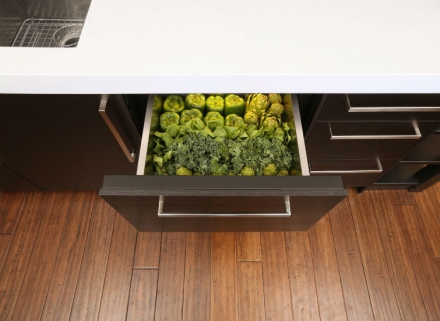
If unique style is your top concern, you’ll definitely want to consider a refrigerated drawer. Refrigerated drawers are stylish drawers installed underneath your kitchen counters that provide storage space for both fresh food and beverages.

These units are ideal if you’re looking for extra storage space in your kitchen, often offering about as much space as a compact refrigerator, but in a significantly more impressive design. From sleek stainless-steel exteriors to wood panel designs, there’s little doubt you’ll find a great refrigerated drawer that matches your kitchen aesthetic. Moreover, refrigerated drawers are built-in appliances, allowing them to be seamlessly integrated into your kitchen layout.

 3. Beverage Centers

For dedicated beverage storage, you may want to invest in a beverage center. These refrigerator units are specially designed for beverage storage, providing the optimal temperatures for water, soda, juice, beer and more.

Like compact refrigerators, beverage centers can be effortlessly integrated into your kitchen design for extra storage. That said, many homeowners opt to add one of these units to other living spaces like a rec room or outdoor patio, providing convenient access to ice cold drinks in common gathering places. While a traditional beverage center will provide suitably cold temperatures for a variety of drinks, more advanced units offer multiple temperature-controlled zones that offer different storage settings for different types of beverages.

 4. Wine Coolers

Every wine connoisseur knows that their collection requires specific conditions for proper preservation, and wine coolers are specially produced to provide those conditions.

Wine coolers offer specialized temperature and humidity settings that you won’t find in other specialty refrigerators, ensuring your bottles of wine are perfectly preserved. These coolers are available in a bevy of different sizes, from miniature units that hold four bottles to mid-sized models that fit 15 to 30 bottles, as well as massive units for over 100 bottles. No matter the size of your collection, there’s a wine cooler for you. Most importantly, nearly all of today’s wine coolers are designed with luxury in mind, offering the premium performance that you require.

5. Beer Coolers

If you love crisp-cold beer, then investing in a beer cooler is an excellent decision. These appliances, also known as beer dispensers, are designed to keep a fresh keg of beer ice cold for your enjoyment.

These appliances are two-part units that allow you to effortlessly store and serve fresh beer. The unit features a cooler that holds a standard keg of beer, which connects to a kegerator at the top of the appliance that pumps beer through a draft tower for your enjoyment. Beer coolers are a great addition to any outdoor living space, especially if you frequently host gatherings or parties. Beer coolers can be somewhat expensive, but these consumer units function just as well as many commercial brewing systems, and are available as built-in indoor units, making the cost more than worth it.

Specialty Refrigerators For Every Home

The modern homeowner has a variety of special food and beverage storage requirements, and with a host of innovative specialty refrigerators available on today’s market, you’re bound to find the ideal appliance to meet your needs.

You can explore a vast selection of units using this online collection of specialty refrigerators. For additional assistance, be sure to contact a home appliance expert.

Which Type Of Freezer Is Right For Your Home?

The freezer compartments in most modern refrigerators offer ample storage space and cooling systems to meet your needs. But if you need additional storage for ice, pre-prepared meals or frozen desserts, you may want to invest in a standalone freezer.

Depending on your needs, these units can serve as the sole freezer in your home or supplement your refrigerator’s freezer, but what type of freezer is right for you? To help you decide, we’ve compiled a general overview on the most common types of freezers.

Undercounter Freezer

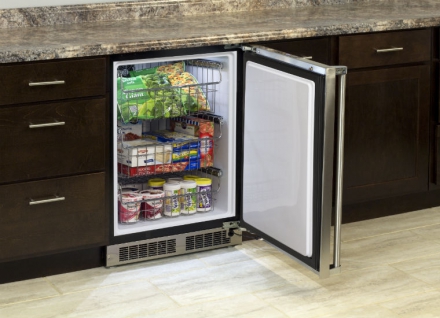
If you want additional freezer storage in your kitchen, but space is limited, you should consider an undercounter freezer.

Undercounter freezers are standalone units designed for installation under your kitchen counters, offering easy access to frozen items whenever needed. These freezers provide great cooling capabilities in a compact design, and can be integrated into almost any kitchen layout. Best of all, these appliances come in a host of sizes and styles, allowing you to find the ideal undercounter freezer for your home.

The biggest downside of an undercounter freezer is the fact that, because it is installed under your counters, you will have to bend down in order to store and retrieve frozen items.

Chest Freezer

For the maximum amount of storage capacity, you may want to invest in a chest freezer.

Chest freezers are large units that offer significantly more space than traditional freezer units. These models are designed for long-term frozen storage, and are a great choice if you like to buy frozen items in bulk or freeze large amounts of pre-prepared food. Moreover, these appliances are more energy efficient than other freezers, as the chest design helps maintain cold temperatures within the unit.

Chest freezers are a great choice for many homes, but it’s important to note that these units are very large. Chest freezers are typically installed in locations with ample floor space like a garage or basement, as they take up too much room in the kitchen. Before investing in a chest freezer, be sure to determine if you have enough space for the appliance.

Built-In All-Freezer

Should sleek and sophisticated freezer storage be your priorities, be sure to research built-in all-freezer units.

These appliances are column units that resemble all-refrigerator appliances, but are solely dedicated to frozen storage. If you have an all-refrigerator, then an all-freezer is the ideal addition to your kitchen. Moreover, thanks to their built-in design, all-freezers bring premium style to the modern kitchen.

Many all-freezers are premium appliances, offering advanced cooling systems and state-of-the-art components that promote efficient and effective frozen item storage.

The biggest disadvantage to these units is their potential cost, as many all-freezer models come at a steep price.

Find The Perfect Freezer For Your Home

No home is complete without freezer storage, and investing in a standalone freezer is sure way to meet your needs. Undercounter freezers, chest freezers and built-in all-freezers offer great performance that meet the demands of today’s consumers, and with some basic knowledge on these appliances, you’ll be prepared to discover the perfect freezer for your home.

Explore a wealth of impressive appliances with this online collection of freezers.

How To Buy Energy Efficient Home Appliances

Advanced electronics and appliances bring convenience and innovation to your home, helping you enjoy modern life with style. But using all those items can cause your power bill to skyrocket, making a major dent in your bank account. To help save money for years to come, you should definitely consider investing in energy efficient home appliances.

Energy efficient appliances offer all the features your home needs, but use fewer resources to operate. These units efficiently use electricity and water, keeping your monthly utilities low while also reducing your home’s impact on the environment. There are a host of great energy efficient kitchen appliances, laundry appliances, and more, available for your home, but navigating the wide range of options can be difficult. To help you explore your choices, we’ve compiled some helpful tips on how to buy energy efficient home appliances.

Always Look for ENERGY STAR Certification

If you’ve purchased any home appliances over the last 25 years, you’re likely familiar with the ENERGY STAR® program. Established in 1992, ENERGY STAR is the government-backed program that provides certification to consumer products and buildings for meeting energy efficiency standards determined by the U.S. Environmental Protection Agency (EPA).

Many brands claim that their appliances are energy efficient, but the only way to be certain is to investigate a product’s ENERGY STAR certification. If an appliance is certified, you can rest assured that it is actually energy efficient, meeting the strict standards established by the EPA. An appliance may offer all sorts of advanced, computerized features, but if it isn’t ENERGY STAR certified, it’s probably not energy efficient.

Determine Your Annual Savings & Energy Use

Energy efficiency is a powerful marketing tool within the appliance industry. As a result, many of today’s most popular appliances are ENERGY STAR certified for efficiency. But it’s important to remember that not all energy efficient appliances are created equal.

To better inform your decision, all ENERGY STAR appliances carry an EnergyGuide label that features the estimated yearly electricity use and yearly operating cost of the appliance. While these numbers can fluctuate based on the utility costs in your area and how often you use the appliance, these estimates can help you easily compare different ENERGY STAR certified appliances. While you can find some EnergyGuide information online, the only sure way to see this information is to visit a home appliance retailer to browse EnergyGuide labels yourself.

Explore Different Energy Efficient Options

The appliance shopping process can be long and challenging, especially if you’ve never bought home appliances before. There are so many different brands, model numbers, and operational features to compare, and an impatient homeowner may fall in love with the first unit they see. But remember, it’s important that you research a variety of options before making your decision.

You don’t want to haphazardly invest in a stylish appliance, only to realize that it isn’t energy efficient. You also don’t want to purchase an energy efficient machine that doesn’t offer all the features you need. There is a huge range of home appliances available on today’s market, and there is no reason you should sacrifice style or features for energy efficiency. If you take the time to research different choices, you’re guaranteed to find the ideal product that meets all your home’s needs.

If you want to begin researching energy efficient units, consider using this online collection of appliances.

Consider Smart Home Integrations

Many of today’s most advanced appliances offer computerized features, Wi-Fi connectivity, and other options that maximize appliance monitoring and control. These “smart home” features can really boost the effectiveness of energy efficient appliances, helping you decrease energy use and reduce utility bills along the way. You should be sure to consider these types of smart, computerized innovations as you research energy efficient appliances.

Exceptional Energy Efficient Appliances For The Home

Home energy use is an important issue tied to both financial and environmental concerns. The best way to reduce your home’s monthly operating costs, while creating an eco-friendly living space, is to invest in energy efficient appliances. Being mindful of ENERGY STAR certification, researching various options, and considering your home’s annual energy use and operating cost goals will ensure you find the perfect energy efficient units for your living spaces.

For a variety of advanced energy efficient products, consider browsing this online assortment of home appliances.