What are the Pros and Cons of a Dual Fuel Range?

The range is one of the most used kitchen appliances in many homes because it combines a cooktop and oven. Many cooking ranges on the market host various valuable functions and features. The dual fuel range is one of the most popular appliances in recent years. This combines a gas cooktop with an electric oven to deliver both advantages. However, a dual-fuel range represents a considerable investment that can deter some people from taking the plunge. This article will examine the pros and cons of dual fuel ranges to help you make an informed purchasing decision.

A Brief Dual Fuel Range Primer

We’ve covered the basics in the introduction, but it’s worth exploring a dual fuel range and why professional chefs and other cooking experts highly regard it.

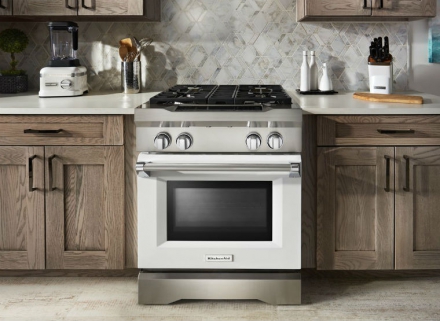
A dual-fuel range combines a gas cooktop with an electric oven. The purpose is to get the best of both worlds to improve precision and efficiency in the kitchen. Dedicated cooks admire gas cooktops that run on natural gas and liquid propane. Gas is versatile for cooking; it’s much easier to control and comparatively cheap as an energy source. This superior temperature control is essential to make delicious meals evenly cooked throughout. An electric oven delivers heat through coils; they are trusted, reliable, and consistent appliances. A gas oven can work well in some kitchens but can be harder to use and clean.

Dual Fuel Range Advantages

Seven key advantages may influence your decision to purchase a dual fuel range. They are:

  • Improved Heat Control: A gas cooktop allows you to cook at higher temperatures and still has greater heat control than a gas stovetop.
  • Faster Preheating: A gas cooktop typically preheats much faster than an electric alternative.
  • Consistent Heating: Every gas burner delivers consistent heating if they are cleaned regularly. This is far superior to other heating elements that can provide sporadic heating when needed.
  • Designed for Chefs: If you want to improve your cooking and try out some advanced techniques, you will eventually need a gas cooktop.
  • Electric Heating Elements: Placing the electric heating elements in a dual-fuel range oven improves the heat distribution throughout the cavity. This delivers consistent cooking results and is essential for baking, roasting, and more.
  • Lack of Power: If you’re living off the grid or are concerned about a lack of access to consistent electrical power, you should consider a gas cooktop. This will allow you to cook meals that don’t require an oven even if the power has failed.
  • Aesthetic Appeal: A dual-fuel range is a premium-grade kitchen appliance, and the best examples add considerable aesthetic appeal to the space.

Dual Fuel Range Disadvantages

Four disadvantages may affect your decision to buy a dual fuel range. They are:

  • Higher Purchasing Costs: A dual-fuel range will be more expensive than an alternative all-gas or all-electric appliance. However, for many people, the added precision, functionality, and versatility are well worth the additional investment.
  • Slower Preheating Times: An electric oven tends to have a slower preheating time than a gas oven.
  • A gas line must be connected to the home to power a gas or dual fuel range. If no gas line is present, one will need to be installed, which will add to the final cost of the appliance.
  • The Urge to Remodel: If your kitchen needs an update, you could find yourself pulling the trigger sooner rather than later if you purchase a dual-fuel range. This premium-grade appliance may outshine the rest of the kitchen and persuade you to upgrade to a luxurious, aesthetically appealing style to impress visitors. If you have a great deal of self-control, this will be less of an issue, but it could be a factor.

Dual Fuel Range Infrastructure Limitations

Although a dual-fuel range does offer some considerable advantages, it may not be the ideal choice for every home. These appliances rely on two distinct power sources to operate, and if you don’t have access to one of them, you’re wasting your time. Some homes don’t have access to a gas line unless the homeowner can install a propane or natural gas tank for the property.

Another key problem is that the location of the gas line could limit the range’s placement in the kitchen. If you want to position the dual-fuel range in a specific location, it may be necessary to move the gas line. This can add a lot to the cost of the installation, and it should be carefully considered before you go ahead. There needs to be adequate voltage to run the oven, which may be an issue for an older home that has a simplified kitchen.

Installing a Dual Fuel Range

Once you’ve checked that you have a connected gas line to power the burners, take some time to evaluate the electrical power requirements. You will need a 240v power supply for the range; a standard 120v power supply and plug will not be sufficient. Before you make a final commitment, it’s a great idea to consult an appliance installation expert to ensure the installation is possible and install the range for you. If you choose to attempt a DIY installation, there are ten essential steps to complete the process safely. They are:

  1. Check the Circuit Voltage: It’s essential to find out if the electric oven has a 240v power supply.
  2. Understand the Power Cords: A dual fuel range cannot be powered with a standard 120v plug, power supply, or extension cord.
  3. Check the Range Connections: The electric range connections should be checked to determine that they are secure and properly insulated.
  4. The Gas Valve: Find the valve and turn it off to stay safe throughout the installation.
  5. The Gas Connector: It’s time to attach the gas connector to the gas cooktop unit.
  6. Electric Power: When ready, connect the proper power cord to the electric oven unit.
  7. The Duel Range: For most dual fuel range appliances, this is when you will be ready to slide the range into place.
  8. The Mounting Plate: If you have a mounting place, it’s time to secure it.
  9. Restore the Gas Supply: Turn the gas back on and check for any leaks.
  10. Explore the Functions: Once you’re confident that everything is connected correctly, try all the functions to ensure everything works as intended. If there is a problem, check the owner’s manual for your appliance. There should be a troubleshooting guide that can be useful when you’re using the dual fuel range for the first time.

FAQs

Is a Dual Fuel Range Worth the Price?

This is a tricky question; everyone has different expectations and budgets to consider. Many people who switch to this kitchen appliance love it and would never consider switching back to an all-electric or all-gas model. If you have the available hookups, the installation costs are lessened, which can soften the financial blow somewhat.

A dual-fuel range will offer cooks who aspire to a higher level of cooking an opportunity to truly excel. The best advice for budget-conscious people may be to pair a gas cooktop with a separate wall-mounted electric oven. This combination can work well in smaller kitchens and is likely to be a cheaper way to go.

How Does a Downdraft Dual Fuel Range Work?

A downdraft model has a clever internal ventilation system that eliminates the need for an overhead venting hood. The vent may be located on the cooktop surface, where it captures unwanted odors and particles from the air surrounding the cooking surface. The air is then filtered and recirculated in a duct-free vent or vented into the ductwork.

Another option is a downdraft hood installed behind the dual fuel range. This hood can be extended or retracted as required, and it is relatively easy to install into your existing kitchen.

Is a Dual Fuel Range Installation a Valid DIY Project?

This can vary depending on your skill and experience with both gas and electrical installations. Most people should not consider a DIY installation at all, there’s a very real risk of electrocution and gas inhalation or explosions to consider. It may seem like a good idea to save some money, but it may be costly. There may be unforeseen problems to overcome, and a kitchen appliance installation specialist can get the job done quickly.


You can discover the perfect dual fuel range for your home with this online collection of cooking ranges. For more information, be sure to contact a professional home appliance expert.

How to Decorate Your Kitchen For The Holidays

The holiday season is in full swing, and you’ll want to fill every corner of your home with festive decorations and holiday cheer. Many homeowners focus their decorating efforts on the outdoors, or on their Christmas trees, but there’s no reason you can’t bring some fun décor to your kitchen.

Decorating the kitchen can be a tricky task considering the number of useful appliances that fill the space. You don’t want to get in the way of accessing your refrigerator, and you definitely don’t want to put decorations too close the flames of your gas cooktop. However, there are plenty of ways you can decorate your cooking space for the holidays. With that in mind, we’ve compiled a helpful guide on how to decorate your kitchen for the holidays.

Display Cards & Photos On Your Refrigerator

You’ll likely receive a host of cards from family, friends and loved ones this year, and there’s no better pace to display them than right on your refrigerator.

Many of today’s best refrigerators feature stainless steel designs, or another form of metal exterior, allowing you to easily place holiday cards on the unit using small magnets. You can find refrigerator magnets at many convenience stores or hardware stores, and you’ll even be able to find holiday-themed magnets for added style. With these magnets, you’ll be able to arrange cards along your refrigerator however you please. You can even display photos from previous holidays on your appliance, sharing fond memories with all who enter the kitchen.

Festive Linens For Christmas

Everyone knows that green and red are the traditional colors of Christmas, and an easy way to incorporate these colors into your kitchen décor is by investing in festive Christmas linens.

Many popular home brands produce holiday themed towels, potholders, aprons and more, and adding these to your kitchen is an easy way to bring some festive flavor to the cooking process. Most holiday decorations are not designed for easy placement in the kitchen, and holiday-themed linens are a simple way to add some Christmas style to the kitchen without getting in the way of everyday cooking tasks.

Create An Island Or Table Arrangement

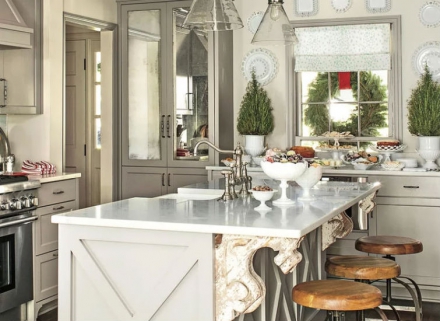
Most homes have an island, a kitchen table or both, and the flat surfaces these fixtures provide make them a great location for arranging holiday decorations.

For elegant and understated style, we recommend creating a floral arrangement using traditional holiday plants like poinsettias, ferns or small pines. You can also place a wreath on the flat surface and build a centerpiece within the wreath using plants or other decorative elements. Feel free to let your creativity run wild, but just be sure that you have ample space to eat at the table or prepare food on your island.

Keep Things Simple

Decorating your kitchen is a great way to get into the holiday spirit, but it’s important that you don’t go overboard. The kitchen is always a major hub of activity, but this is especially true when holiday parties and gatherings are near. While you’ll want to impress guests, you definitely do not want to be tripping over holiday decorations when preparing a meal.

When decorating the kitchen, it’s best to keep things simple. Ensure that your festive touches do not block access to your appliances, and that flammable decorations are not too close to your oven, cooktop or cooking range, as this can create a major fire hazard in your home. With some strategic planning, there’s no doubt that your holiday kitchen decorations will look amazing.

Holiday decorations are a great addition to any home, and the holiday season is also a great time to gift your home with some new appliances. You can explore your options using this online collection of cooking appliances, or contact a home appliance expert for additional assistance.

What’s The Difference Between a Rangetop & Cooktop?

Today’s kitchens breathe life into your home by playing host to a variety of powerful and advanced cooking appliances, helping you bring culinary dreams to life with ease. When designing your kitchen, you’ll definitely want to invest in either a cooktop or rangetop, but what’s the difference between these two appliances?

Cooktops and rangetops provide many of the same functions, but contrary to popular belief, these appliances are not the same. To help you explore your options, we’re breaking down the differences between cooktops and rangetops.

Rangetops vs. Cooktops

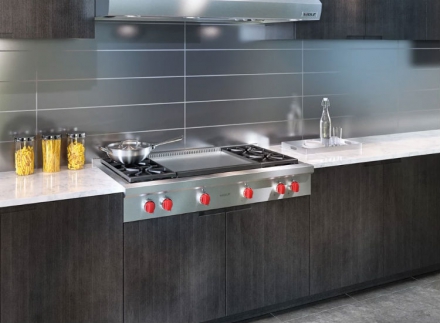
When comparing these two appliances, the main difference comes down to their basic design. The standard cooktop is a drop-in unit that is installed within a kitchen counter, featuring control knobs on the top of the appliance. Meanwhile, a rangetop is a slide-in unit installed within your countertops, flanked on each side by the counter itself. This design features control knobs on the front of the appliance, just like a cooking range. Your preference in knob placement will likely be a deciding factor in whether you invest in a cooktop or rangetop, though there are other minor differences that will also impact your decision.

Pros & Cons of Cooktops

Cooktops are commonly found in a host of homes, and like any other appliance come with their own set of pros and cons.

These appliances are designed for everyday home use, and there are several types of cooktops designed to match your specific needs. Gas cooktops, electric cooktops and induction cooktops are all popular choices, allowing you to choose between different fuel sources to find the right appliance for your home. Moreover, compared to most rangetops, the average cooktop requires a smaller countertop cutout space for installation.

While cooktops are a popular choice, these units do have their drawbacks. There are many exceptional premium cooktops available on today’s market, but there are also countless lower-end models that may not meet the demands of a busy kitchen. To find the right option, you’ll need to do a lot of research. Furthermore, some homeowners do not like how cooktop controls are located on the top of the appliance, as this can present a minor risk of burns if making adjustments while cooking.

Pros & Cons of Rangetops

If you’re looking for pro-style in your kitchen, then a rangetop may be the appliance for you. These units are commonly found in professional kitchens, and are ideally suited for avid home cooks that want to bring commercial-grade quality to their kitchen.

Most rangetops are pro-style units, meaning they offer superior power and heating functions that allow you to cook quickly, helping you save time in the kitchen. However, the greatest benefit of these models is their control knob orientation. With controls on the front of the appliance, you have easy access to the knobs while cooking, ensuring that you never have to reach over your pots and pans to adjust burner temperatures. This design significantly decreases the chance that you’ll burn yourself while cooking.

Rangetops are great for many kitchens, but you’ll need to ensure that you have enough space for your unit before making an investment. These appliances typically require more counter space for installation than a standard cooktop. Moreover, rangetops often come at a higher price than the average cooktops. However, their advanced heating capabilities and professional style makes the cost more than worth it.

Superior Rangetops & Cooktops For The Modern Kitchen

A great cooktop or rangetop is a must-have appliance in every kitchen, providing the strong heat and cooking surface required for crafting a wide array or exciting recipes. Thanks to a host of superior options available from a range of premium brands, there’s no doubt that you’ll find the perfect rangetop or cooktop for your home.

Looking for a new cooking appliance? You can use this online collection of cooktops or this collection of rangetops to explore your options, or contact a home appliance expert for specialized assistance.

How To Clean Your Dishwasher in 3 Steps

The dishwasher is your kitchen’s premier cleaning appliance, providing your home with a steady supply of clean plates, bowls, utensils, cookware and more. But just like any other kitchen product, your dishwasher requires regular cleaning.

Some homeowners assume that because the dishwasher is used for cleaning, it doesn’t need to be cleaned. However, failing to clean your unit will result in a smelly dishwasher filled with waste that ultimately cannot do its job. Luckily, cleaning a dishwasher is a simple task, and to educate you we’ve provided some helpful information on how to clean your dishwasher in three steps.

1. Clear The Dishwasher Drain

The dishwasher drain is designed to capture all the food particles and waste that’s washed off of your dishes after a cycle, and you’ll want to clear the drain before you wash the entire unit.

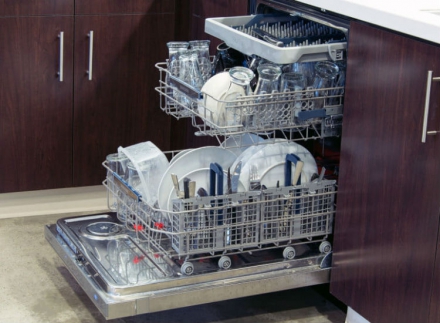
The drain is located in the bottom of your appliance, and you’ll need to remove the bottom dish rack for proper access. Simply locate the drain and remove any gunk or food waste that you find. Cleaning the drain is particularly beneficial if you notice bad smells coming from your appliance, as these odors are typically caused by rotten food waste. Moreover, cleaning the drain will improve your dishwasher’s efficiency and drainage capabilities.

 2. Wash Cycles With White Vinegar

Once your dishwasher drain is cleared, you can clean the interior of the appliance using white vinegar.

To do this, you should first place one cup of white vinegar in a dishwasher-safe container on the top rack of the unit. Next, run the dishwasher on a hot water cycle. This will help eliminate grime and grease throughout the appliance, while also killing bacteria that can cause musty odors.

 3. Rinse Cycle With Baking Soda

After the white vinegar wash cycle, the final step in cleaning your dishwasher is running a rinse cycle using baking soda.

You should measure one cup of baking soda and sprinkle it across the bottom of the dishwasher, then run a hot water rinse cycle. This cycle will remove stains throughout the appliance’s interior and leave it smelling fresh.

Efficient & Effective Dishwashers For Today’s Homes

The only way your dishwasher will work properly is if it’s clean, and dishwasher cleaning is a necessary chore for every homeowner. As long as you have white vinegar and baking soda in your home, cleaning your dishwasher will be a simple task.

Are you looking for a new dishwasher? You can use this online collection of dishwashers to explore your options, or contact a home appliance expert for specialized assistance.

How To Organize Your Refrigerator

The kitchen refrigerator is one of the most vital appliances in your entire home, providing the storage solutions required for a host of ingredients, pre-prepared dishes, beverages and more. You don’t want your items to spoil while in your refrigerator, and the secret to long-lasting ingredients is proper organization.

By strategically organizing your refrigerator, you can ensure that each item is placed exactly where it needs to be based on its temperature and humidity requirements, ensuring your foods do not spoil while saving you money at the grocery store. With that in mind, we’ve provided some helpful information on how to organize your refrigerator.

Items To Store Elsewhere

To maintain an organized refrigerator, you need to ensure your appliance is not overstuffed. There are a host of common ingredients that have no place in the kitchen, and storing them elsewhere will allow you to maximize space within your unit.

When organizing food, you should avoid keeping common items like tomatoes, garlic, onions and potatoes in your refrigerator. You should also store bananas and bread in non-refrigerated areas. Storing these items in room temperature conditions will free up space in your unit without putting your items at risk for going bad.

If space is limited in your appliance, you can also store citrus fruits like oranges, tangerines, grapefruit and lemons. These items are actually more juicy and delicious at room temperature, even though refrigeration will prevent their natural decomposition process.

Organize Condiments In The Door

The refrigerator door is the warmest part of your appliance, making it a bad place for highly perishable items. Instead, store all your common condiments in the door to free up shelf space for other items.

Most condiments are high in natural preservatives, allowing them to taste great even if they’re stored in warmer conditions. Items like ketchup, mustard, salad dressing and sauces should stay in good condition for a significant amount of time when stored in your appliance’s door. You can also keep pickled vegetables, jellies and jams in the door and trust that they will be preserved properly.

Use Drawers For Fruits & Vegetables

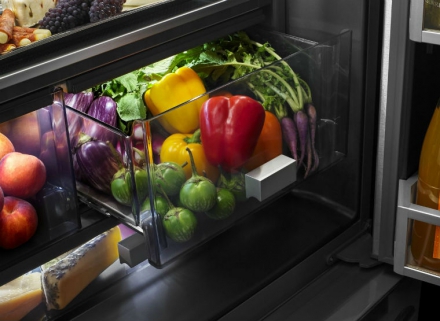
Most modern refrigerators feature “crisper” drawers designed specifically for preserving fresh produce. It may be easier to keep these items on your shelves, but doing so only means they will spoil sooner.

Standard crisper drawers offer a variety of humidity settings that help you store items at proper conditions. For delicate fruits like grapes, pears and apples, set the drawer to a low humidity level. Meanwhile, if you choose to keep citrus fruits in your refrigerator, set the drawer to a medium humidity. Crisp vegetables like green beans and carrots can also be kept at medium humidity, while veggies prone to wilting like lettuce, leafy greens and broccoli should be preserved in a high humidity drawer.

Dairy & Meat On Lower Shelves

Meat and dairy ingredients are vital to a host of popular recipes, and these items can also spoil fairly quickly. For the freshest dairy and meat, keep these items tucked towards the back on the lower shelves of your refrigerator.

The lower part of the refrigerator is typically the coldest area of the appliance, making it an ideal spot for your most perishable items. The cold temperatures found on your lower shelves are ideal for meat and dairy, as they’ll extend the lifetime of these important ingredients. For an extra blast of cold temperatures, stick particularly perishable items like milk further back on a lower shelf. Just be sure that you leave enough space between your items to allow cold air to properly circulate.

Pre-prepared Items & Leftovers On Top Shelves

The top level of the refrigerator is typically warmer than the lower level, making it an ideal location for storing pre-made food and leftovers. Prepared ingredients do not require the same cold temperatures that raw or uncooked items do, making the top shelves a great place for pre-packed lunches, leftover takeout, deli meats and more.

Modern Refrigeration Solutions For The Modern Home

The refrigerator is designed exclusively for food and beverage storage, and there’s no reason you shouldn’t be getting the most out of your appliance. Thanks to effective organization, you can take advantage of your unit’s specialized design while helping a host of delicious ingredients stay fresh for longer.

If you’re looking for a new addition to your kitchen, you can browse this online collection of refrigerators or contact a home appliance expert for further assistance.

5 Popular Types Of Specialty Refrigerators

The standard kitchen refrigerator is a powerful and useful appliance, but there’s no reason you should limit your food and beverage storage options to just one unit. If your home requires room for additional drinks or fresh ingredients, you can always turn to a specialty refrigerator to meet your needs.

There is no shortage of unique specialty refrigerators available today, with premium brands manufacturing a host of distinctive options that provide different settings and designs for different items. But what type of specialty refrigerator is right for your home? To help you decide, we’ve compiled useful information on five of the most popular types of specialty refrigerators.

1. Compact Refrigerators

Should you need a versatile refrigerator for a small space, you’ll want to consider a compact refrigerator. These models are small units designed to offer the power of a full-sized refrigerator in a smaller package, expanding the food storage possibilities of your home.

Thanks to a wealth of available sizes, styles and designs, there’s a compact refrigerator for almost any situation. Many homeowners choose to add a compact refrigerator to their kitchen to supplement a full-sized unit. Meanwhile, those living in small apartments or college dorms can rely on a compact refrigerator as their primary unit, to keep food and drinks organized without taking up too much space. Best of all, these units are available in both freestanding and built-in designs, allowing you to make the best choice for your living space.

2. Refrigerated Drawers

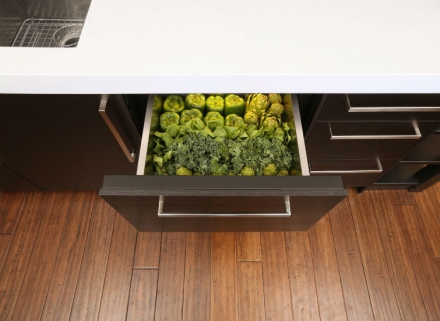
If unique style is your top concern, you’ll definitely want to consider a refrigerated drawer. Refrigerated drawers are stylish drawers installed underneath your kitchen counters that provide storage space for both fresh food and beverages.

These units are ideal if you’re looking for extra storage space in your kitchen, often offering about as much space as a compact refrigerator, but in a significantly more impressive design. From sleek stainless-steel exteriors to wood panel designs, there’s little doubt you’ll find a great refrigerated drawer that matches your kitchen aesthetic. Moreover, refrigerated drawers are built-in appliances, allowing them to be seamlessly integrated into your kitchen layout.

 3. Beverage Centers

For dedicated beverage storage, you may want to invest in a beverage center. These refrigerator units are specially designed for beverage storage, providing the optimal temperatures for water, soda, juice, beer and more.

Like compact refrigerators, beverage centers can be effortlessly integrated into your kitchen design for extra storage. That said, many homeowners opt to add one of these units to other living spaces like a rec room or outdoor patio, providing convenient access to ice cold drinks in common gathering places. While a traditional beverage center will provide suitably cold temperatures for a variety of drinks, more advanced units offer multiple temperature-controlled zones that offer different storage settings for different types of beverages.

 4. Wine Coolers

Every wine connoisseur knows that their collection requires specific conditions for proper preservation, and wine coolers are specially produced to provide those conditions.

Wine coolers offer specialized temperature and humidity settings that you won’t find in other specialty refrigerators, ensuring your bottles of wine are perfectly preserved. These coolers are available in a bevy of different sizes, from miniature units that hold four bottles to mid-sized models that fit 15 to 30 bottles, as well as massive units for over 100 bottles. No matter the size of your collection, there’s a wine cooler for you. Most importantly, nearly all of today’s wine coolers are designed with luxury in mind, offering the premium performance that you require.

5. Beer Coolers

If you love crisp-cold beer, then investing in a beer cooler is an excellent decision. These appliances, also known as beer dispensers, are designed to keep a fresh keg of beer ice cold for your enjoyment.

These appliances are two-part units that allow you to effortlessly store and serve fresh beer. The unit features a cooler that holds a standard keg of beer, which connects to a kegerator at the top of the appliance that pumps beer through a draft tower for your enjoyment. Beer coolers are a great addition to any outdoor living space, especially if you frequently host gatherings or parties. Beer coolers can be somewhat expensive, but these consumer units function just as well as many commercial brewing systems, and are available as built-in indoor units, making the cost more than worth it.

Specialty Refrigerators For Every Home

The modern homeowner has a variety of special food and beverage storage requirements, and with a host of innovative specialty refrigerators available on today’s market, you’re bound to find the ideal appliance to meet your needs.

You can explore a vast selection of units using this online collection of specialty refrigerators. For additional assistance, be sure to contact a home appliance expert.

Which Type Of Garbage Disposal Is Right For Your Kitchen?

Thanks to an array of advanced cooking appliances, today’s kitchens are capable of creating truly exceptional meals for every occasion. After each meal, it’s time to clean your cooking space, and a high-quality garbage disposal can help easily rid your home of food waste.

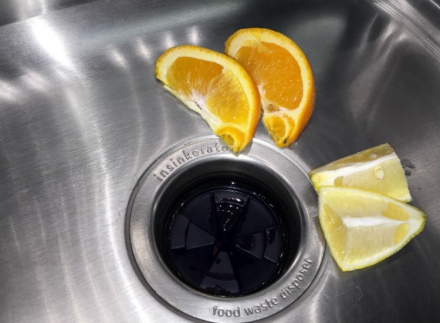
Many homeowners turn to garbage disposals to handle their waste problems. These units are fitted to the waste pipe of your kitchen sink, and are designed to grind up food waste tossed down your drain. Garbage disposals come in two standard models — continuous feed and batch feed. But which type of garbage disposal is right for your kitchen? To help you make an informed choice, we’ve compiled some useful information on both types of common garbage disposals.

Continuous Feed Garbage Disposals

Continuous feed garbage disposals are turned on with a switch as you run water down your sink’s drain, grinding food waste as long as the switch is flipped. These units allow you to easily tackle large amounts of waste, as you can easily turn on the disposal whenever necessary or simply leave it running while cleaning up. Moreover, these units are typically less expensive than batch feed disposals, making them particularly popular amongst today’s homeowners.

A continuous feed garbage disposal is sure to meet your needs, but these models do have a few drawbacks. The switch operation system can be a potential safety hazard, as the unit will run as long as the switch is flipped. This means that you need to be careful if you have to reach down the drain to retrieve non-waste items, as an accidentally flipped switch will cause a major accident. Continuous feed disposals can also cause a slight increase in your utility bills, as most manufacturers recommend you run cold water down the drain when using the appliance.

Batch Feed Garbage Disposals

Batch feed garbage disposals are designed to grind up individual batches of food waste, and come with a special cover that goes over your sink drain and on top of the disposal. This cover aligns with the top of the disposal to turn it on, shredding any waste within the unit.

If safety is your top concern, a batch feed garbage disposal is a great choice. These disposals only operate when the cover is properly placed on the unit, making them a safer option than continuous feed models. Moreover, the disposal cover eliminates the possibility of utensils or other items falling down the drain while the appliance is in use. However, it’s important to note that these models are ideally suited for eliminating small amounts of food waste, as you can only grind up waste in individual batches. This means that getting rid of large amounts of food can take a long time, presenting an inconvenience to some homeowners.

Find the Ideal Garbage Disposal For Your Home

There is no reason for your kitchen to suffer at the hands of food waste, and a powerful garbage disposal will ensure every last remnant of your culinary creations are properly handled. Continuous feed garbage disposals and batch feed garbage disposals are both great choices, and in the end, the best garbage disposal is whichever one meets your home’s needs. With so many options available on today’s market, there’s little doubt that you’ll find the perfect garbage disposal for your kitchen.

Ready to discover your new garbage disposal? You can use this online collection of food disposal appliances, or contact a home appliance professional for additional help.

Does Your Kitchen Need A Steam Oven?

No kitchen is complete without an oven, and while the kitchens of the past featured traditional wall ovens, today’s cooking appliance options bring a bevy of advanced capabilities to your home. If healthy and convenient cooking are your top priorities, you may want to add a steam oven to your kitchen design.

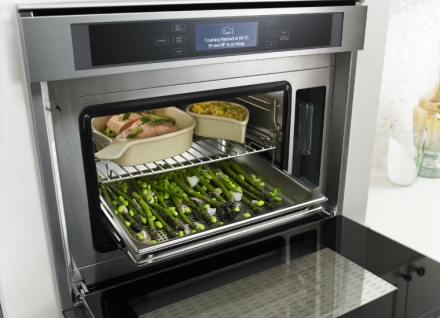
Steam ovens push steam from a heated water tank into the oven in order to cook food, forgoing the traditional hot air used in common convection ovens. This makes them ideal for cooking vegetables and fish as well as desserts like soufflés, puddings and crème brulee, allowing you to prepare such items quickly and efficiently. But does your kitchen actually need a steam oven? To help you decide, we’re providing a helpful overview of these advanced modern ovens.

Different Types Of Steam Ovens

There are three primary types of steam ovens, each bringing a set of unique features to your kitchen. First, there are steam-only ovens. These “pure” steam ovens exclusively offer steam-cooking functionality, which is great for a host of dishes though ill suited for browning meat.

The second common type of steam oven is the combination steam oven, also known as the combi-steam oven. These units offer steam cooking features as well as traditional convection oven capabilities, offering the powerful heat required for standard baking and broiling in addition to steam functions.

The third option is a convection oven with added steam moisture features. When reviewing appliance options, you may see this feature referred to as “steam assist.” The steam-cooking features in these units are minimal compared to other options, and typically include an injection of steam into the oven at regular intervals during the oven cycle to promote optimal cooking. This can help certain dishes remain moist while in the oven, though it will not be suitable to fully cook ingredients.

Benefits of a Steam Oven

There are a host of benefits to owning a steam oven. The biggest advantage to these ovens is their healthy cooking techniques. Overall, cooking with steam is a healthier alternative than baking or frying. Moreover, steam cooking brings out the natural colors, flavors and textures of a dish without reducing nutritional value. This means you won’t have to drown your dishes in expensive spices or unhealthy oil in order to make them taste great.

Best of all, steam ovens ensure that your dishes do not dry out while in the oven. This ensures that chicken stays juicy, veggies remain succulent and pastries come out flaky. You can even cook rice in a steam oven — something you would never consider in a traditional convection oven.

Find The Best Steam Oven For Your Kitchen Today

Today’s kitchens deserve modern appliances, and you certainly don’t have to limit yourself to the old convection ovens of the past. Steam ovens offer unique steam-cooking capabilities to the kitchen, allowing you to prepare a host of delicious dishes in a healthy fashion. With a variety of designs available on the market, there’s little doubt that you’ll find the perfect steam oven for your home.

You can explore a wealth of great choices using this online collection of steam ovens. For additional assistance, be sure to contact a kitchen appliance professional.

Which Type Of Freezer Is Right For Your Home?

The freezer compartments in most modern refrigerators offer ample storage space and cooling systems to meet your needs. But if you need additional storage for ice, pre-prepared meals or frozen desserts, you may want to invest in a standalone freezer.

Depending on your needs, these units can serve as the sole freezer in your home or supplement your refrigerator’s freezer, but what type of freezer is right for you? To help you decide, we’ve compiled a general overview on the most common types of freezers.

Undercounter Freezer

If you want additional freezer storage in your kitchen, but space is limited, you should consider an undercounter freezer.

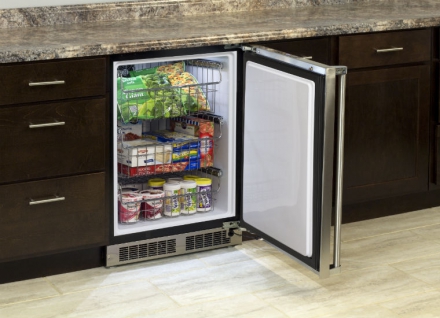
Undercounter freezers are standalone units designed for installation under your kitchen counters, offering easy access to frozen items whenever needed. These freezers provide great cooling capabilities in a compact design, and can be integrated into almost any kitchen layout. Best of all, these appliances come in a host of sizes and styles, allowing you to find the ideal undercounter freezer for your home.

The biggest downside of an undercounter freezer is the fact that, because it is installed under your counters, you will have to bend down in order to store and retrieve frozen items.

Chest Freezer

For the maximum amount of storage capacity, you may want to invest in a chest freezer.

Chest freezers are large units that offer significantly more space than traditional freezer units. These models are designed for long-term frozen storage, and are a great choice if you like to buy frozen items in bulk or freeze large amounts of pre-prepared food. Moreover, these appliances are more energy efficient than other freezers, as the chest design helps maintain cold temperatures within the unit.

Chest freezers are a great choice for many homes, but it’s important to note that these units are very large. Chest freezers are typically installed in locations with ample floor space like a garage or basement, as they take up too much room in the kitchen. Before investing in a chest freezer, be sure to determine if you have enough space for the appliance.

Built-In All-Freezer

Should sleek and sophisticated freezer storage be your priorities, be sure to research built-in all-freezer units.

These appliances are column units that resemble all-refrigerator appliances, but are solely dedicated to frozen storage. If you have an all-refrigerator, then an all-freezer is the ideal addition to your kitchen. Moreover, thanks to their built-in design, all-freezers bring premium style to the modern kitchen.

Many all-freezers are premium appliances, offering advanced cooling systems and state-of-the-art components that promote efficient and effective frozen item storage.

The biggest disadvantage to these units is their potential cost, as many all-freezer models come at a steep price.

Find The Perfect Freezer For Your Home

No home is complete without freezer storage, and investing in a standalone freezer is sure way to meet your needs. Undercounter freezers, chest freezers and built-in all-freezers offer great performance that meet the demands of today’s consumers, and with some basic knowledge on these appliances, you’ll be prepared to discover the perfect freezer for your home.

Explore a wealth of impressive appliances with this online collection of freezers.

5 Types Of Range Hoods For Your Kitchen

Cooking appliances like ranges and cooktops allow you to craft exciting meals for friends and family, but along the way help contribute to some of the worst messes in your kitchen. When you cook, you’re constantly creating smoke and steam, while also letting grease and other substances fill the air surrounding your cooking space. To combat these airborne pollutants, you’ll definitely want to invest in a powerful range hood.

Range hoods promote proper ventilation around your cooking space, removing steam, smoke, grease and more from the air to make your kitchen comfortable and clean. Finding the right range hood for your home can be tough, especially if you don’t know about the different types of range hoods available on today’s market. To help you get informed, we’ve compiled some useful information on the five common types of range hoods for your kitchen.

1. Under Cabinet Range Hoods

Under cabinet range hoods are found in many homes, and are probably the most common type of hood available. These hoods are installed under the kitchen cabinets above your cooktop or cooking range, offering an attractive design that’s adapted to your cabinetry.

Under cabinet hoods are manufactured in two standard varieties — ducted and ductless. A ducted under cabinet hood features a duct that transports smoke and airborne pollutants outside, while ductless hoods simply filter and recirculate dirty air. A ducted under cabinet range hood is a great choice because the duct system can typically be hidden within your cabinets, offering peak style to your home. That said, ductless hoods are often just as effective. These units come in a wide range of styles, sizes and designs, allowing you to select the perfect choice for your home.

2. Wall Mount Range Hoods

If there are no kitchen cabinets in the area above your cooking space, you may want to invest in a wall mount range hood.

Wall mount range hoods are installed directly in your wall and are aligned with your kitchen’s pre-existing duct system for ventilation. These hoods are sometimes called wall-mounted chimneys, as their design is similar in shape to a traditional chimney. Compared to under cabinet hoods, wall mount hoods are typically wider on the bottom, offering more coverage of your cooking space.

3. Island Hoods 

You can rely on an island hood to provide suitable ventilation for a cooktop or cooking range that is not installed alongside a wall.

These hoods are similar in design to wall mount hoods, but do not have to be installed alongside a wall. An island hood features a vent that connects to a duct in your ceiling, pulling dirty air up and out of your cooking space. These hoods tend to be more expensive than their counterparts, but that cost generally comes with added style. Island hoods often feature sleek, contemporary designs that make them an ideal choice for an elegant, refined kitchen.

4. Cabinet Insert Hoods

For greater customization, you may want to consider investing in a cabinet insert hood.

These units, sometimes referred to as power packs, are designed for installation within an existing cabinet or range hood. Cabinet inserts feature blowers as well as speed controls and lights, but do not feature the complete ventilation system that comes with other types of hoods. An insert hood is best used as the base for a custom designed range hood, providing the core features you need while allowing you to design a ventilation system to match your kitchen’s layout.

5. Downdraft Range Hoods

Most range hoods are designed to pull fumes up towards the ceiling, but downdraft range hoods work in the opposite direction, pulling air in a downward direction out of your cooking space.

These hoods are installed behind your cooktop and reverse the direction of rising air by pulling it down and pushing it out through ducts beneath the floor. Downdraft hoods are good additions to kitchens with drop-in cooktops, and are typically used when the cooktop is built-in to an island. If your kitchen has the proper ducting system, a downdraft range hood can be a suitable addition to the space, offering the ventilation capabilities you need in a unique, eye-catching design.

Powerful Range Hoods For Your Kitchen Ventilation Needs

Your kitchen should be a comfortable and clean location, and a powerful range hood is sure to help make that a reality. Choosing the right range hood can be a challenge, but with some basic information on the common types of range hoods, you’ll be in the perfect position to find the right unit for your home.

You can start your search for the perfect appliance with this online collection of range hoods. For extra assistance, be sure to contact a home appliance expert.