Discovering Undercounter Freezers

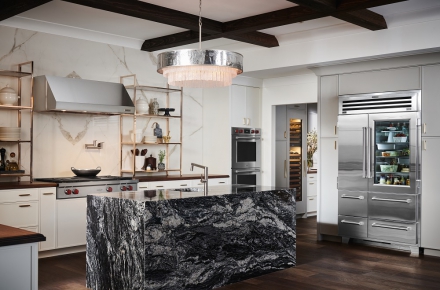
Whether you’re planning for an event or celebration at your home or you simply couldn’t pass up some bargains at the grocery store, a lack of freezer space can be extremely frustrating. Most of us lack the space to add another full-size freezer to our kitchens, but this is where an undercounter freezer could offer an ideal solution. In this article we’ll discuss this appliance in more detail to help you make an informed purchase decision.

The Undercounter Freezer Basics:

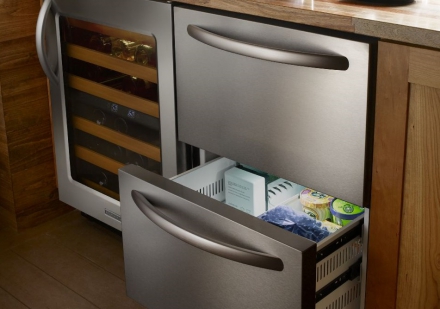
While many undercounter freezers look like mini fridges, they are completely different appliances. Although they share the same space friendly aesthetic, allowing them to fit in outdoor kitchens, pantry bars and kitchen islands, they have a interior that is fully a freezer.

There are two main options for undercounter freezer designs. The first has a side swing door, while the other is panel ready, so you can blend it into your existing kitchen cabinetry. Both types typically feature freezer drawers that pull out to provide several freezer storage compartments, with an average of five to seven cubic feet of space.

The Benefits of an Undercounter Freezer:

There are a number of reasons to choose an undercounter freezer for your kitchen. These include:

  • Space saving: While you may have considered purchasing a secondary refrigerator for your patio or garage, these appliances tend to take up a lot of space. On the other hand, you can install an undercounter freezer directly into your cabinetry, providing usable floor space that is free for whatever you need it.
  • Bulk item storage solution: In these tough economic times, it can be difficult to pass up a great deal on sale just because you don’t have a way to store the items. For this reason, an undercounter freezer can provide a convenient solution. The extra freezer space will allow you to stock up on money saving deals when you see offers on your regular frozen items.
  • Better Efficiency: If you need additional freezer space, your first impulse may be to purchase a chest freezer, but these are notoriously inefficient. The typical undercounter freezer works solely as an ice box, which means that the compressor does not need to work especially hard to keep everything frozen.

The Downsides of Undercounter Freezers:

  • The Cost: Despite the smaller form factor, many undercounter freezer models carry a similar price tag to their full size counterparts. Many brands have a typical lifespan of 10 to 20 years, which can lessen the financial blow, but you will need to carefully consider the cost.
  • Limited Size: Since these models are designed to fit under a counter, they do not offer a massive amount of freezer space. While there are some models that offer more than seven cubic feet of space, this is the typical maximum.
  • Accessibility Issues: While most people won’t have any great difficulty accessing the drawers inside an undercounter freezer, if you do have mobility issues, it can cause some problems. You will need to be able to bend almost to the floor, particularly if you want to access the bottom freezer drawer.

Summary:

An undercounter freezer can be a great way to add freezer space to your kitchen, bar, or patio. It can offer valuable freezer capacity in addition to your main refrigerator freezer compartment. If your priority is having more freezer space and don’t particularly need additional refrigerator storage, an undercounter freezer could be a viable alternative to purchasing another full size kitchen appliance.

If you’re considering a new freezer, you can explore your options with our online freezer collection. Alternatively, if you need additional guidance, be sure to speak to one of our home appliance specialists, who would be delighted to help.

A Deep Dive into Steam Ovens

When you’re shopping for new kitchen appliances, it can be a little overwhelming when you start to look at the various types of model available. A great example of this is ovens; there are conventional ovens, convection ovens, speed ovens and steam ovens. Steam ovens are a fairly new entry into the consumer kitchen, but can be a great addition to your kitchen. So, here we’ll take a deep dive into steam ovens, their features and benefits.

The Steam Oven Basics:

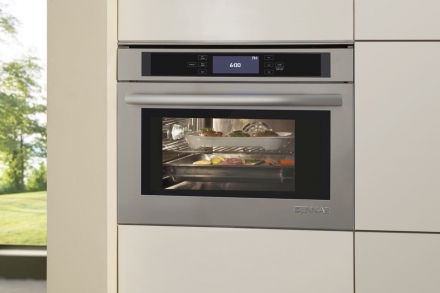
Steam ovens operate in a similar way to a conventional oven. The radiant heat circulates the hot air throughout the oven interior. When you select steam mode, moisture is injected to create a more humid cooking environment. This water vapor may be added from a water line which is directly connected to your kitchen plumbing or through a water canister that requires manual filling.

While you may be tempted to attempt to recreate this by adding water to a regular oven, this could be potentially dangerous. If you pour water in the bottom of your oven, there is a risk that you will damage the baking element. Additionally, this method will not evenly distribute moisture as a steam oven does so that the food stays hydrated during the entire cooking process.

The Benefits of a Steam Oven:

There are a number of benefits of using a steam oven. These include:

  • Healthier, Better Tasting Food: Steaming is one of the healthiest methods of cooking. A steam oven provides a moist environment which prevents the food from drying out. This eliminates the need for adding fat or oil to your food. The flavor is locked in and nutrients that would be lost with convection cooking are retained.
  • Efficient Cooking: While convection ovens are considered efficient compared to standard models, steam ovens can cook meals even faster to save even more energy. For example, you can cook a chicken in approximately 20 minutes and then use the browning function to add a roasted finish.
  • Prepare Delicate Dishes: A steam oven can provide the perfect environment to bake or cook more delicate items. For example, breads, croissants and pastries can benefit from the environment which will not allow them to dry out.
  • Reheat Foods: One of the drawbacks of eating leftovers is that they can become dry and unpalatable. However, the moist conditions in a steam oven means that you can easily reheat foods without compromising on their quality.

Steam Oven vs Microwave:

If you already have a microwave in your kitchen, you may wonder if a steam oven is necessary and whether it is better than your microwave.

While microwaves are the champion of speed cooking, the texture and flavor of dishes prepared in a steam oven are far superior.

Microwaves have a reputation for producing rubbery food if it is even slightly overcooked. Since moisture is included with a steam oven, it guards the food against overcooking, so the texture remains soft and delicious.

Cleaning a Steam Oven:

Steam ovens tend to be easier to clean, due to the moist environment, as you can avoid those hard baked on food remnants. But, because of the condensation, it will need to be more frequently cleaned compared to a regular oven.

You can clean the oven by running a steam cycle for approximately 15 minutes and then wipe down the surfaces using a soft cloth. If there are any tough stains, you can use an appropriate cleaner as per your owners manual. After cleaning, run a final short steam cycle to remove any remaining residue.

If you’re considering a steam oven, you can explore the available options with our online oven and store collection. You can also speak to one of our home appliance specialists who would be happy to guide you through all the available options.

The Advantages of an Electric Cooktop

Professional and passionate cooks typically have a bias towards gas as their preferred fuel source. Faithful gas cooks are likely to continue to espouse all the advantages of cooking on gas and while cooking with a live flame is beneficial, there are still some very good reasons to consider an electric cooktop. So, here we’ll explore the advantages of an electric cooktop.

Easier Cleaning:

When you have a smooth electric cooktop, it is far easier to clean compared to a standard gas cooktop. Although there are sealed burners, these are often at a far higher price point, so most gas cooktop users need to deal with crumbs, grease and other debris creating a mess that is not only difficult to clean, but can clog the gas burner.

A smooth electric cooktop has no such crevices where bits of food can collect. You can clean the surface with a cloth, brush or cleaning product. In fact, if you wipe the cooktop down when it has cooled to being just warm, most remnants can be easily removed with a damp cloth.

No Harmful Gases:

While cooking with gas may be effective, recent studies have highlighted the potential for harmful gases that are created during the process. When the fuel is burned, it creates carbon monoxide. In most cases, this gas is vented to prevent any harm to the occupants of the home, but if there is a fault with your gas appliance, a leak may occur.

Unfortunately, carbon monoxide is odorless, which means that it can accumulate inside the home with potentially devastating consequences. In fact, major cities across the country are beginning to implement plans to eliminate gas cooktops from homes in favor of electric models. Aside from ambient heat, electric cooktops do not create any byproducts.

No Need for Industrial Ventilation:

Since gas cooktops can generate high heat outputs, you need to have proper ventilation to keep the conditions in your kitchen comfortable. Generally, you will need 100 cubic feet per minute for every 10,000 BTUs of heat produced by a gas appliance.

Since some gas cooktops can create up to 50,000 BTUs, you would need to upgrade to an industrial range hood, as the typical conventional kitchen hood cannot accommodate this level of heat.

While an electric cooktop does need a vent, the requirements are far lower than a gas cooktop. In many cases, standard range hoods have sufficient capacity to remove the heat produced.

Greater Affordability:

When compared to other types of cooktops, electric models tend to sit at the bottom price point. Of course, there are both affordable and more expensive models, and the price is dependent on the size and features, but when you compare a like for like model, you are likely to find electric is more affordable.

Induction Technology:

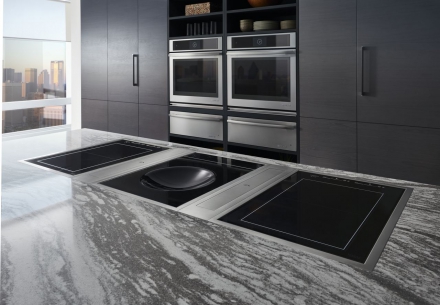
If you’re looking for an even more effective cooktop, but don’t want to use gas, you could consider an induction cooktop. Induction heats the cookware directly via electromagnets. This turns the cookware into the heating element, but you need to have ferromagnetic cookware.

This type of cooktop is more costly compared to a standard electric cooktop, but induction is highly efficient with minimal wasted heat. This means that cooking times are reduced. For example, you can boil water in approximately two minutes compared to the five to eight minutes needed with a traditional cooking surface.

If you’re considering a new cooktop, you can explore your options with our online collection of cooktops. Alternatively, you can speak to one of our home appliance specialists who would be happy to walk you through all of the available options.

Great Features of Speed Ovens

Speed ovens are becoming increasingly popular as they are designed to be able to cook meals faster than you can when using a traditional full size ovens. Essentially, a speed oven offers a combination of microwaving and baking, and since they run on electricity, they are compatible with almost every kitchen. If you’re still unsure about whether a speed oven has a place in your kitchen, here we’ll explore some of the great features you can expect from these amazing appliances.

The Speed Oven Basics:

As we’ve just mentioned, speed ovens provide a combination of microwaving and baking, but they are also highly flexible appliances. There are speed oven models available in 24”, 27” and 30” widths to enable you to accommodate one into your kitchen regardless of whether you have a compact space or a large area. There are also combination wall models that feature speed ovens alongside a wall oven, which allows twice the baking space without needing to upgrade to a double wall oven.

However, the overall interior space of a speed oven tends to be slightly smaller than a countertop microwave. You can expect one to two cubic feet of capacity, but these small appliances do pack a punch.

Convection:

All models of speed ovens are equipped with a convection baking mode. This can be used to provide better results when baking proteins, pizzas and desserts. If you’ve used an air fryer before, you are likely to be familiar with convection technology. Essentially, the heated air moves around inside the oven to provide more consistent, even cooking temperatures.

Pre Set Cooking Modes:

While you may be an old hand at cooking your favorite dishes, it can be very handy when your oven knows how long is needed to cook certain foods and the optimum cooking temperature. Most speed ovens feature pre set cooking modes, so you don’t even need to think about these settings when you’re preparing a dish. You can simply press a button for the appropriate selection and let the oven do all the thinking for you.

Cooking Sensors:

Speed ovens typically feature sensor cooking technology. This can improve the quality of your dishes as the ambient temperature and  moisture levels are monitored. With sensor technology, foods have a higher quality finish compared to microwave heating alone.

Grill Functions:

Premium speed ovens may also have a grill function. Although this is not grilling with fire, there are select models that can offer results that can match the output of even a special pizza oven. This provides even greater flexibility as you can use the speed oven to prepare dishes that require high temperatures of direct heat for crispy, golden goodness.

Multi Tier Cooking:

Although speed ovens do tend to be on the small side, there are models that can accommodate a baking rack. This allows you to cook multiple items simultaneously. While this is not the flashiest of appliance features, it can be handy to save time, especially if you’re preparing a family dinner.

WiFi Compatibility:

Smart technology has made it even easier to manage your kitchen and this technology is incorporated into many speed oven models to take your culinary skills to a whole new level. You can pair your speed oven with a smart device, so you can program the appliance and monitor your dish without even needing to step foot into the kitchen.

If you’re considering a speed oven, you can explore your options with our online speed oven collection or speak to one of our home appliance specialists for further guidance to help you find the ideal appliance for your home.

Understanding the Self Clean Feature on Your Oven

The self-clean feature is a relatively new addition to oven models, but many people remain wary about it, worrying about the potential dangers of running it. So, here we’ll delve into this feature, so you can understand how to use it for the best results.

The Self Clean Basics:

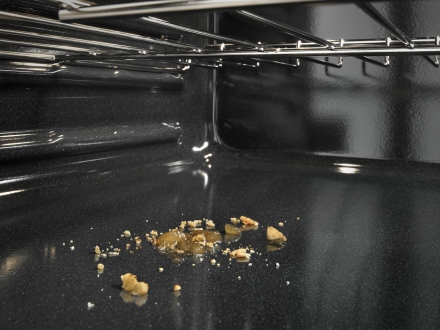
Many convection ovens have a self-clean feature, but it doesn’t involve soap and a scrubbing brush. Instead with this setting, the interior temperature rises to approximately 800 degrees. This high heat will help to incinerate any food debris or gunk that has adhered to the oven walls. Once the oven has cooled after the self-clean cycle, and it will cool slowly, you can simply wipe out any residue.

Newer steam ovens may also feature a self-clean function. This uses steam to blast the inside of the oven and eliminate any gunk. This typically uses less energy as the extremely high temperatures are not necessary.

With either type of self-clean feature, it is easier and less time consuming to keep your oven clean. You can set the oven to self-clean and then go about other tasks around your home, coming back later to run a cloth over the inside of the oven.

The Benefits of the Self Clean Feature:

Before we explore the potential dangers of the self-clean feature, it is important to highlight the benefits of this function. These include:

  • Timesaving: Rather than needing to take the time to hand wash the inside of your oven, you can set the oven to self-clean and then you’ll only need a minute or two to wipe it down afterward.
  • Ability to Multitask: Since you don’t need to supervise the self-clean cycle, you don’t need to be stuck in the kitchen. You can clean the oven and tackle other projects around your home.
  • Less Messy: If you’ve ever cleaned an oven by hand, you’ll know that it is a messy job. With cleaning liquids and sprays, multiple cloths and gloves, you can end up feeling extremely grimy when you’re done. Since the self-clean cycle is automated, the mess is contained within the oven.
  • No Toxic Chemicals: This follows on from the previous point, but oven cleaning products tend to contain very harsh chemicals that are not only dangerous to inhale, but can burn the skin. Therefore, a self-clean cycle is far more natural and environmentally friendly.
  • More Efficient Cleaning: Finally, since all the food debris and grime is blasted off the oven walls by high heat or steam, it provides a thorough cleaning of every inch inside the oven, for a more efficient clean.

The Potential Dangers of the Self Clean Feature:

Unfortunately, there are a few potential risks of using the self-clean feature on your oven. These include:

  • Overworking the Appliance: It takes a great deal of power for a standard oven to generate the high temperatures needed for the self-clean cycle. This has the potential to overwork the appliance, particularly if you have an older model that is nearing the end of its lifespan.
  • Fumes: While you’re not using harsh chemicals, the self-clean feature can still produce some fairly noxious odors as the food debris and gunk is burned away. So, if you don’t ventilate the space properly, you could end up causing a nasty smell throughout your home.
  • Potential for Fire: Finally, if there are chunks of grease or large pieces of food inside your oven, there is the potential that it may ignite. While a fire inside a sealed oven is not necessarily dangerous, it could spread to the control panel or blow a fuse.

If your oven is struggling to self-clean, it may be time to consider an upgrade. You can explore your options with our online oven and range collection or you can speak to one of our home appliance specialists for expert help and guidance.


Your Guide to Washing Machine Detergent

In the past, using laundry detergent was fairly simple, use the cap measurement cup and guestimate how much you needed for a particular load. Today, things are a little more complicated. With high efficiency laundry machines and detergents of varying strengths, understanding the amount of detergent you need is a little more complicated. So, here we’ll explore the topic in greater detail.

The Different Types of Laundry Detergents:

There are a few different types of detergent that are safe to use in your washing machine. These include:

  • Liquid: This is the most common form of laundry detergent, which can be helpful in removing dirt and grease from your clothing. While liquid can be a little messy, it does quickly dissolve in water. But, you need to be careful not to use too much or you could end up with an awful lot of suds.
  • Powder: This is a good money saving option as powders tend to be cheaper compared to liquid detergent. But, they still offer efficient cleaning. The main disadvantage of powder is that it does not dissolve as easily in water. If you use too much powder, you may find you have powdery marks remaining on your clothing.
  • Tablets and Pods: Tablets and pods are premeasured, so you can simply add one to your washing machine. This makes them extremely convenient, but they are more costly. Additionally, there is a safety hazard, as small children or animals could be injured if they ingest a pod.
  • HE Products: HE detergents are designed specifically for high efficiency machines. They are available in liquid, powder and pods. Since HE appliances do not use as much water as conventional machines, the detergent is designed for an efficient wash. Although you use less detergent per load, HE detergent is typically more expensive compared to non HE products.
  • Laundry Soap: This is the most basic form of laundry detergent, but it can be used in washing machines. It may take the form of soap bars or flakes, but you may choose to use laundry soap as a base to make your own laundry detergent.

How Much Detergent Should You Use?

Choosing the right laundry detergent can have a massive impact on the efficiency and effectiveness of your washing load, but the performance of even the best product can be compromised by using the wrong amount.

All laundry detergent products will contain a guide of the recommended amount you should use. This will be broken down by three factors:

  • The load size: The first thing you’ll need to assess is the load size. Ideally, you will only use your washing machine with a full load to maximize the energy and water efficiency. But, if you do need to do a half load, you will need to adjust the detergent accordingly.
  • The soil level: This is a judgment call, but you will need to evaluate whether your items are lightly, normal or heavy soiled. If the load is lightly worn, delicate items, you should consider this lightly soiled. On the other hand, if your children have been playing in the mud, you’ve been doing some heavy household chores or working in the garden, the chances are that your load is heavily soiled.
  • Your water hardness: The final factor in the calculation for how much detergent to use is your water hardness level. Hard water inhibits soap’s ability to sud up, so you may need to use slightly more.

If your washing machine is failing to deliver the best results, regardless of your detergent, it may be time to consider an upgrade. You can explore your options with our online laundry collection or speak to one of our home appliance specialists for further help.

Plastic vs Stainless Steel Dishwasher Tub- Which One is Best?

When you’re shopping for a new dishwasher, you’re likely to find a wealth of options with various makes, models and designs. One area where there are two main options is the choice of dishwasher tub. Dishwasher tubs are available in plastic or stainless steel, but which one is best?

Plastic Dishwasher Tubs:

Many people worry about plastic dishwasher tubs as they have concerns about whether plastic is safe. While there is cheap, low quality plastic on the market, if your dishwasher has high quality, BPA free, food grade plastic, it is safe to withstand the high temperatures typical with a dishwasher.

While plastic is not as durable as stainless steel and may not be as effective as a stainless steel tub, since it does not get as hot, there are some advantages of plastic. Generally, plastic is a more affordable option, so if you’re on a restricted budget, you may want to consider dishwashers with a plastic tub. Plastic tub dishwashers also tend to be smaller models, which may be a better option if you have limited space. You may also find these models have shorter wash cycles compared to stainless steel models, making them more energy and water efficient. Finally, plastic tubs are also far less likely to get hard water marks or be discolored by stains, which improves the ease of long term maintenance.

Stainless Steel Dishwasher Tubs:

Stainless steel is a more durable material, so it tends to have a longer lifespan. It is easier to clean than many other materials and it can be more sanitary, since it can be heated to higher temperatures for a bacteria free environment.

Stainless steel can also be a good choice if you’re concerned about odors in your kitchen. Stainless steel will not absorb food odors, so you don’t need to worry about your dishes not smelling clean and fresh. It can also provide better noise insulation compared to plastic, so stainless steel tub dishwashers tend to be quieter.

Unfortunately, stainless steel dishwasher tubs can be vulnerable to rust. This is quite a rare occurrence, typically only seen in older dishwashers, but if your dishwasher does develop rust, it will compromise the integrity of the tub and overall appliance. Rust spots will need to be professionally cleaned and treated to prevent spreading.

What is a Hybrid Dishwasher Tub?

A hybrid dishwasher tub offers the best of both worlds. The tub is made of stainless steel, but it has a plastic liner. The tub has stainless steel running up the sides and back, and along the door, but the bottom is plastic. This increases the durability of the tub and improves rust resistance.

Hybrid tub models can operate at higher temperatures, as the higher heat will not damage the tub. They can also enjoy the energy efficiency benefits of traditional models.

What is a Polinox Dishwasher Tub?

Polinox is becoming a more widely adopted material for dishwashers. It is a nickel free stainless steel containing 0.5% or less carbon. Polinox is not only non magnetic, but it has greater resistance to scratching, staining and corrosion.  It can also offer the same heat and odor resistance benefits of a stainless steel tub. For this reason, Polinox is used in high quality dishwasher models.

Dishwashers have a typical lifespan of approximately 10 years, which can be extended with proper care and maintenance. If your dishwasher is approaching the end of its useful lifespan and you’re considering an upgrade, you can explore your options with our online dishwasher collection or speak to one of our home appliance specialists for further advice.

What’s the Difference Between a Speed Oven and Microwave?

In today’s hectic lifestyle, being able to heat food quickly can be a massive advantage in any home. While the typical go-to for quickly heating food is a microwave, many people are now considering speed ovens, but what’s the difference? Here we’ll explore the differences and similarities between these two appliances to help you make an informed purchase decision for your home.

The Microwave Basics:

As the name suggests, microwave ovens use microwaves, which is a type of electromagnetic energy to heat the food. This energy causes the water molecules in the food to vibrate, which generates heat and as a result, cooks the food.

Microwaves can reheat or cook food in a fraction of the time needed for a traditional stovetop or oven. These appliances are available in various styles and sizes, providing a convenient and time saving solution in practically any kitchen.

The Speed Oven Basics:

Speed ovens are a combination of traditional ovens and microwaves. They use both microwave technology and convection heating to evenly and quickly cook food. The convection heating has a fan to circulate the hot air around the food, promoting crispiness and browning, while the microwave technology heats the food from the inside out.

This combination allows faster cooking compared to a traditional oven, but you can still achieve the same level of crisping and browning.

The Key Differences Between Speed Ovens and Microwaves:

As we just covered, while there are some similarities between speed ovens and microwaves, there are some important differences. These include:

The Cooking Method:

We touched on this above, but while microwaves use microwave technology, speed ovens use a combination of microwave and convection heating technologies. This difference means that a speed oven can brown and crisp food, while microwaves cannot.

Additionally, the combined cooking method of speed ovens mean that food cooks far more quickly than with a traditional oven, yet offers similar results.

Cooking Options:

Since speed ovens have convection technology built in, it allows cooking using various methods including broiling, roasting, grilling and baking. You can use a speed oven to prepare a variety of dishes including grilled vegetables, roasted meats and even dishes such as lasagna.

Microwaves tend to be far more limited. They are mainly used for quick cooking and reheating, such as making popcorn, reheating leftovers and cooking frozen meals. While they tend to have a defrost option, since they cannot brown and crisp foods, they are not designed for baking, grilling, roasting and broiling.

Capacity:

Speed ovens tend to have a larger capacity compared to microwaves. The overall appliance tends to be bigger, which means that they can prepare greater quantities of food. Some speed ovens are specifically designed to be built into walls or cabinetry, which means that they tend to require more space in your kitchen.

On the other hand, microwaves are available in a variety of styles and sizes from large built in models down to small countertop models. This makes them more flexible if you have limited kitchen space.

Price:

Finally, price is a key difference between speed ovens and microwaves. Speed ovens have more advanced features and greater cooking options, which is reflected in their price. Microwaves are generally less expensive, but the specific cost depends on the brand, model, size and features.

Which is Best?

Whether a speed oven or microwave is best will depend on your preferences, requirements and kitchen. If you’re a seasoned chef who cooks lots of meals and has plenty of space in your kitchen, a speed oven could be a good choice. On the other hand, if you simply need an appliance to reheat food and drinks, you would be better suited to a microwave.

If you’re considering a speed oven, you can explore your options with our online collection or speak to one of our home appliance specialists for further help and guidance.

Convection Oven vs Conventional Oven: What’s the Difference?

If you’re planning a kitchen renovation, you are likely to be considering upgrading your oven. When you start appliance shopping, you will quickly become aware of ovens in various styles and designs, but should you choose a convection oven or a conventional oven? Here we’ll explore the key differences between these two types of oven.

The Heat Source:

Both types of ovens look similar and both can be electric or gas powered. The key difference between conventional and convection ovens is in how that heat source is treated. In a conventional oven, the heat is stationary, rising up from the heating element located at the bottom of the oven. This differs from a convection oven, which has heat blown by fans, circulating the air all around the inside of the oven, creating consistent heat.

The Impact of Differing Heat Patterns:

Since the heat is stationary, conventional ovens can create pockets of warmer or cooler air. This can differ from the temperature on the indicator. This is why many recipes recommend turning your cookie sheet or roasting pan around half way through the cook time. If you don’t do this, you may find the food towards the back of the oven becomes burned, while the food at the front is underdone.

In a convection oven, the heat is more evenly distributed. They can cook food more evenly and more efficiently, cooking up to 25 percent faster compared to a conventional oven. So, if you’ve previously used a conventional oven, you will need to compensate for this when you switch to a convection oven. It is a good idea to check the food approximately ten minutes before it would typically be done.

Additionally, convection ovens do not need the preheat time that a conventional oven would.

The Potential Issues with Convection Ovens:

While it would seem that convection ovens have the edge, there are some potential issues. For example, if you’re baking in a convection oven, the fan moving the hot air around can cause the outside of a cake to cook far quicker than the middle. This can mean that you end up with a dried out or overbaked top of the cake, while the middle is still raw.

If you’re used to using a convection oven, it is possible to compensate for this, but if you’re new to this type of oven, the learning curve may include a couple of ruined cakes or dishes. You can also find oven models that have a “bake” or “thermal bake” setting. When you select this mode, the oven functions like a conventional oven, so you can get more consistent baking results. You can also find convection ovens which have a variable speed fan. You can select a low speed for dehydrating foods or baking cookies, but have a higher fan speed if you’re making a roast.

Other Considerations:

There are a few other considerations when choosing between a conventional and convection oven. The most obvious is price. Conventional ovens tend to be less costly compared to their convection counterparts. But, convection ovens tend to have more features, which may provide greater value for serious home cooks and bakers.

Another consideration is the energy efficiency of the appliance. If you’re concerned about the environmental impact of your home or keeping your energy bills more reasonable, you may prefer the efficiency of a convection oven.

If you’re considering a new oven, you can explore your options with this online collection or speak to one of our home appliance specialists for further help and guidance.


What are the Optimal Refrigerator Temperatures for Food Storage?

Many people place their food in the refrigerator without a second thought. But, there is a wide range of temperature options to consider and coldest isn’t always the best choice. The humidity conditions can have a dramatic effect on the freshness of stored food and when you store the food is important. In this article, we will take a closer look at a variety of foods and some key considerations on how they should be stored in a refrigerator.

Optimal Meat Storage Conditions

Meat needs to be kept colder than other foods and it should always be stored in the coldest part of your refrigerator. When you store red and white meat it should be kept at a temperature close to freezing. This is especially true if you’re storing meat for a longer period of time. Setting part of your refrigerator to 28ºF to 32ºF is ideal for meat storage. Some models have a colder drawer with sub-freezing temperatures for meat storage. High humidity in the 85-90% range is also important for meat storage to keep it fresher for longer and to prevent it from drying out.

Optimal Seafood Storage Conditions

Seafood should be stored at 40ºF or lower to prevent a fast degradation in quality that is inevitable at higher temperatures. Maintaining high humidity is also helpful and you can simulate these conditions if you cover the seafood with a clean and damp cloth. These considerations are especially important if you plan to eat seafood raw.

Optimal Vegetable Storage Conditions

Vegetables should be stored in humid and cold conditions and a crisper drawer is the ideal location in a modern refrigerator. The optimal storage temperature can vary by each vegetable, but 34ºF is a good average for most veggies.

Optimal Cheese Storage Conditions

Cheese cannot be kept too cold, ideally, it should be stored between 40ºF and 52ºF. As a rule, a soft cheese needs higher humidity storage conditions than a hard cheese. But, both cheeses should be stored with a minimum humidity level of 80%. Some modern refrigerators have a convertible drawer with soft freezing functions that can store cheeses at 42ºF.

Optimal Fruit Storage Conditions

If you intend to use fresh fruit on the day of purchase or during the next day, you may want to consider placing the fruit in a bowl on the countertop. But, if you need to store prepared fruit or fruit that you want to store for longer, it’s important to create the right storage conditions.

Fruit needs to be kept in a humid environment with 80-95% relative humidity to prevent drying issues. The temperature should be in the 32ºF to 55ºF range for optimal preservation. These conditions are essential to prevent the growth of bacteria on fruit which is more prevalent than stored meat!

Fruit can be stored at a wider range of temperatures than meat, but freezing must be avoided. A modern refrigerator with variable temperature zones is the best option when you need to store a lot of fruits and vegetables.

Refrigerator Food Storage FAQs

What is the ideal temperature for a refrigerator?

This is hard to answer because most people eat a varied diet and they need to store a wide variety of foods. As a general rule of thumb keep the refrigerator temperatures lower than 40ºF and consider purchasing a model with variable temperature zones. This will give you the ability to make certain areas a little warmer or cooler to store specific types of foods.

Which is the coldest part of the refrigerator?

Heat always rises and this is equally true inside the refrigerator. So, the lower shelves will always be a little colder than the upper shelves.

If you’re considering a new refrigerator, you can explore your options with this online collection of models, or for further help or guidance, speak to a home appliance expert.