Tips for Easier Cleaning of Your Oven Door

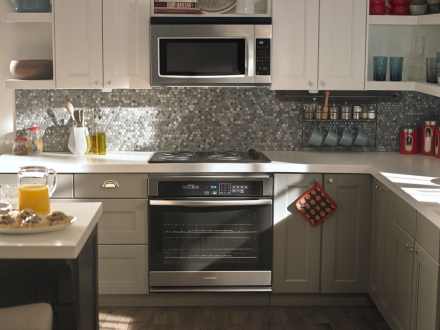
When your oven is brand new, that beautiful glass door is a window into the delicious meals and dishes you’re preparing. Unfortunately, over time grime can become trapped between the layers of glass and it can start to give your oven a grubby look. Fortunately, you don’t need to be a cleaning professional to restore the appearance of your oven door.

Figure Out How to Open the Oven Door

The first thing you need to do is refer to your owner’s manual and learn how to open the door to clean the interior pieces of glass. It is next to impossible to clean the glass properly without being able to open the door, so take a little time to work out how to do this with your oven model.

Typically, the process is quite straightforward and will involve opening the oven door and taking out the screws that are either on the top or inside face of the oven. Just be sure to support the oven door before you take out the screws as you don’t want it crashing to the floor.

Check for Quick Release Panels

Some oven models feature a hinge lock that allows you to press it in and release the glass panels. You’ll need to open the oven door and check for a cover that runs along the top of the oven door. If the model has an easy open hinge lock, just press in the sides and pull it back. You can then remove the glass and clean it without needing to lift and move a potentially heavy oven door.

Use Castile Soap and Water

You don’t need expensive chemical cleaners to get a sparkling glass oven door. This is the reason why many people are hesitant to give their oven a good clean, as they are worried about caustic burns or fumes. Fortunately, you don’t actually need such harsh chemicals as you can get great results with a little Castile soap and water. This will help to clear away any greasy residue and dirt. You can use a soft cloth or sponge to scrub the glass without concerns about scratching the glass surface.

Use Vinegar and Water For Shine

Once you have cleaned the glass, you don’t want any soapy residue compromising the finished look of your oven door. So, use a white vinegar and water solution to remove any soapy residue and provide a shiny, clear finish. Don’t worry about the vinegar smell; it will smell strongly initially, but this odor will quickly dissipate.

Polish With a Soft Cloth

When you’re done cleaning, allow the doors to air dry separately to clear any moisture. Once they appear dry, go over the panes of glass with a soft cloth to polish away any water spots.  

Consider an Upgrade

Of course, if your oven is getting on in years and is starting to have issues, no amount of cleaning will restore its functionality. The typical lifespan of an oven is less than twenty years, so if your oven is approaching this age and you’ve noticed that you need to call out a repair technician more frequently or you’re having difficulties getting great results when you bake a cake or make a roast, it is a sign that your oven is reaching the end of its useful lifespan.

In these cases, you may need to consider an oven upgrade. You can then access the latest features, including easier to clean doors along with improved energy efficiency.

If you’re considering an oven upgrade, you can explore your options with our online oven collection or speak to one of our home appliance experts for specialist help and guidance.

What is the Future for Kitchens in the Covid Era?

There is no way to avoid the fact that Covid-19 and its variants have had a huge effect on many aspects of our lives during the past 12-18 months. Some changes have been more immediate and obvious than others and we have had to adjust how we approach tasks, use space, and more. In many homes, the kitchen is firmly at the heart of things, this is where we cook, eat and socialize and this space can provide some insights into our lives. In this article, we will take a closer look at how kitchens have changed in 2021 and what we can expect as this Covid era continues for the foreseeable future.

Choosing Smarter Kitchen Appliances

Even before the Covid-19 pandemic arrived on the scene, we were seeing a movement towards the increased use of smart technology in many areas of our homes. Of course, this also includes the kitchen and smart appliances are becoming a popular option. Some common applications of smart kitchen technology include toasting, steaming, frying, baking, air fryers, microwave ovens, and more. Smart appliances have touch screens for easier control or you can use a dedicated app in certain circumstances. If you’re forced to work from home, it can be hard to get the work/life balance right and smart technology can take some of the strain during this difficult period.

Adopting Smart Shopping and Storage Strategies

When times are hard people tend to tighten their purse strings and adopt budgeting strategies to make their household budget stretch further. One of the areas where a lot of savings can be made is the food budget and food waste is a real problem. If you use smart shopping options and smart storage to track your food needs, consumption and ordering, you will notice that food waste is reduced significantly. Color coding your pantry, making extra space, and even adding a second freezer or refrigerator can help. If you want to store more food for longer, learning how to can foods or starting a dry food pantry can really make a difference. When you have ample supplies of flour, you can make regular use of your oven or bread maker to ensure you always have fresh bread.

Kitchen Remodeling on a Budget

When the purse strings are tightened, it’s easy to think that every project must go on hold indefinitely. But, it is possible to make smaller changes with a DIY ethos and improve your home in many ways without spending large amounts of money. This is equally true in the kitchen, you may not be able to swing new cabinets, but a lick of paint can give you a fresh new look. Skimping on a much needed appliance upgrade doesn’t make much sense when you can get better performance and improved energy efficiency. Shop for greener appliances with an Energy Star rating and make energy efficiency your focus for the next few years.

Entertaining at Home

As people are shying away from going out, it seems like a natural trend towards entertaining at home is underway. The Covid era may include dinner parties for family and close friends in an intimate setting at home. This may explain the increase that we’ve seen in bolder kitchens with designated areas for home dining. Open shelving, breakfast nooks, kitchen islands, elaborate cooker hoods, and more have become popular items in recent months. When you entertain at home, you may need to consider an upgrade to your existing kitchen appliances with a focus on energy efficiency improvements.

If you want to upgrade your kitchen appliances, explore our collection online or speak to one of our appliance specialists for expert advice and guidance.

How to Maintain Energy Efficiency with Kids

Let’s face it, when you have smaller children in your home, it can be a challenge to maintain and improve your energy efficiency. But, this doesn’t have to be the case, it is possible to teach kids about making energy savings and they will enjoy being part of the solution. When a family works together on any project it can be rewarding and this can apply to running your home appliances efficiently. In this article, we will look at four strategies that will encourage your kids to think about energy efficiency.

1.  Adopt a Monthly Reward System

The reward system can work well for a wide variety of activities and this applies to energy efficiency too. Providing positive reinforcement for good behavior can help to protect your appliances and improve your energy efficiency. For the best results, customize the rewards and make them appropriate for your child’s age and interests. Show your kids the energy bill for the same month last year and offer half that amount in rewards if the energy bill is lower this year. Track the progress of the bills over the year and see how often the family can get those extra rewards. This is a great way to build a sense of responsibility and a real world way to use math skills too.

2.  Reducing Standby Times

One of the lesser understood aspects of a home energy bill is the energy that’s wasted on standby mode. An appliance that is powered when it’s not even in use can use a lot of power over the course of an entire year. The only way to prevent this is to turn off and unplug appliances that are not in use. Of course, there are certain appliances such as refrigerators and freezers that must be kept on at all times. But, you can easily turn off the coffee machine, toaster oven, computers and other devices. It’s easy to make this activity into a game, sharp eyed kids will be happy to turn off designated devices to help out the family and earn a reward.

3.  Changing Filters

This is probably a task better suited to older kids and teens, but if you change your filters regularly, it can improve energy efficiency dramatically. The most obvious example would the air conditioner filter, which should be replaced every 4-6 weeks during the summer months. More frequent changes may be required if you have pets living in the home. Maintaining airflow is crucial for these appliances and filter clogs can overwork heating and cooling equipment. The full instructions for filter changes are in the owner’s manual and your child can follow a reminder that you set up on their phone. This is a great way to demonstrate trust and build a sense of responsibility in your kids.

4.  Defrosting the Freezer and Refrigerator

When the freezer and/or refrigerator is overflowing with ice it can be a considerable energy drain for your home. In fact, the more ice you have the more energy it will consume and it can be hard to maintain the temperature at a consistent level. Defrosting on a regular basis is important, start by scraping the ice manually with a special scraper or use a steam cleaner instead. Your kids should have some old towels on hand for mopping duties and defrosting as a family team makes the process even easier.

One of the best ways to improve your energy efficiency at home is to invest in high-efficiency appliances. If you’re considering an upgrade, explore our appliances or speak to one of our appliance specialists for expert advice and guidance.

6 Common Dryer Cycles to Consider

Let’s face it, laundry day is not the favorite time of the week for most people. This can be compounded when you’re faced with a host of confusing dryer cycle titles that don’t seem relevant to your needs. Using the correct dryer cycle can have a huge impact on the quality of drying for your fabrics and understanding them makes the selection easier. In this article, we will take a closer look at six common dryer cycles to help you make an informed decision.

1.  A Regular or Timed Cycle

For many people, this will be the default dryer cycle because the name suggests it’s the regular way to use the dryer. But, using the regular cycle in this way can be very damaging for lighter and less durable fabrics. In fact, this setting should be reserved for tougher fabrics and garments, including jeans, sweatpants, towels, sheets, and bedding. This cycle is usually the hottest setting and you can choose the drying time length with the timer. Be aware that higher heat settings can fade colored fabrics, but it’s very effective if you want very clean whites.

2.  The Automatic Cycle

Modern dryers often have a built-in moisture sensor that monitors the dryness of your fabrics throughout the cycle. Once the sensor has detected that your clothes are dry it will stop the cycle or air dry the contents of the dryer for a short period. This prevents the formation of wrinkles because the clothes don’t get too hot. Again, this is a hot setting and it’s not well suited to delicate or colored fabrics.

3.  The Delicate or Gentle Cycle

The name of this cycle seems to suggest that it’s the ideal fit for fabrics that need special washing and drying instructions. But, it’s important to understand that some delicate clothing items, such as women’s underwear should not be dried in your dryer at all. Where this dryer cycle excels is in the drying of other special fabrics, including silk and rayon. This cycle is also a great option when you want to dry sportswear and upholstery fabrics that can be damaged with higher heat settings. If you have clothes with delicate details such as embroidery, beads, and sequins this is also a good dryer cycle option.

4.  The Permanent Press Cycle

This cycle goes back to the 1950s when it was used as a way to treat wrinkling issues. Today this is a great option when you want to dry synthetic fabrics, including rayon, nylon, spandex, and polyester. Clothes dried with this cycle will be treated to a gentler tub rotation and low to medium heat which will avoid the setting of wrinkles.

5.  The Steam Cycle

This is a dryer cycle that you will only find on modern dryers. This cycle generates steam rapidly to freshen up fabrics in a similar way to the dry cleaning process. After this cycle is completed, you will notice that the clothes may not feel as dry as the other common dryer cycles. But, any stubborn odors will be removed and if you have stubborn wrinkles they will disappear. Some people think that a steam cycle can shrink clothes but this is not true. If shrinkage does occur it usually takes place in a washer when very hot water is used.

6.  The Air Fluff Cycle

This cycle draws air into the dryer from the surrounding area to freshen up items. This cycle is unique because no heat is used and fabrics that are placed in wet will not dry. The purpose of the air fluff cycle is to touch-up items, such as “puffer” coats, comforters, and down-filled pillows.

Using an outdated dryer can damage your clothes and fabrics which will cost you more money in the medium to long term. We have a wide selection of new dryers to make your next laundry day easier and more energy efficient.

If you’re interested in a new dryer, take a look at our extensive range of models.

The Dishwasher Conundrum: Do You Need a Filtration or Hard Food Disposer System?

When you shop for your next dishwasher, you will quickly realize that there are a lot of features available. Do you need a quieter machine? Which brand has the best energy efficiency? Is a third rack a must? These and other questions are the more obvious queries but a deeper concern may be the choice between a filtration or hard food disposer system. Let’s take a look at the differences between these two systems to ensure that you’re making an informed purchasing decision.

A Brief Overview

At a glance, you may think that a filtration and hard food disposer system are very different but they both fulfill the same need. Although they are very distinct approaches they are both concerned with the removal of food particles from inside your dishwasher. If you don’t understand the difference it is possible to use your dishwasher in the wrong way. This can lead to a lack of performance and repeated cycles that waste energy. Let’s take a look at each system in a little more detail.

How Does a Dishwasher Filtration System Work?

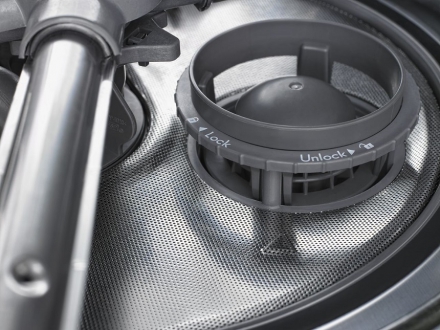
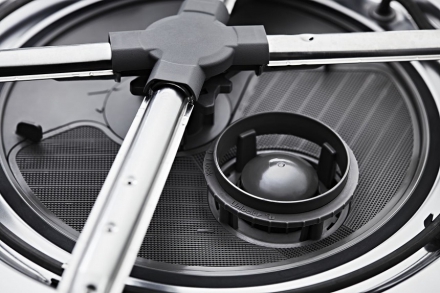
A dishwasher filtration system collects the food particles that can accumulate at the basin at the base of the tub. The more advanced up-to-date models have an ultra-mesh filter that actually emulsifies the food into extremely tiny particles. Once the food particles have been reduced to this state, they can be rinsed into the drain through the kitchen pipe. This means the dishwasher water will be clean and more effective for cleaning the dishes. A more basic dishwasher filtration system can leave behind some residue and manual cleaning will be required. Regular cleaning every 2-4 weeks may be needed but the lower price point will make this an attractive option for budget conscious buyers.

How Does a Dishwasher Food Disposer Work?

A dishwasher food disposer works in a similar way to a sink garbage disposal system. The hard food disposer will pulverize any food particles in your dishwasher to make them easier to handle. Then they are removed from the water before it is recirculated back into the appliance to ensure that it’s clean. This system is maintenance-free, there is no need to clean the filter manually. As an added advantage, this system keeps the water puppies and spray arms free of food debris too. When you invest in a dishwasher with this type of system you will notice superior performance and clogs will be very rare.

Which is the Best System?

The best way to get improved performance from any appliance is to read the owner’s manual and learn how to use the various settings. Many dishwasher experts agree on the use of rinse aid for each cycle and don’t recommend rinsing for dinnerware. This protects the dishes from detergent enzymes that can damage the surfaces. But, when you’re choosing a new dishwasher there are some additional considerations.

Most manufacturers have switched production to dishwashers that have manual filters. The main reason for this is that they are quieter than dishwashers equipped with a disposer. Although inline drive motors and stainless-steel tubs can lower noise levels, the noise of a hard food disposer system is too loud for many people. The maintenance-free nature of a disposer system and the prevention of clogs will be attractive features for others. Remember that a clogged dishwasher can decrease the water pressure inside the appliance leading to a lack of cleaning power. Running extra cycles wastes time and raises your energy bills.

Ultimately the decision will come down to the initial higher investment in a dishwasher that has a hard food disposer system. If you can tolerate the elevated noise levels this type of dishwasher delivers a great deal. If you’re interested in a new dishwasher, take a look at our extensive range of models.


4 Key Things You Need to Know Before You Purchase a New Wine Refrigerator

Over the last few decades, we have seen a huge surge in wine sales and there doesn’t seem to be any indication that this will end any time soon. Many people love a glass of wine at home and this is especially true now when many people are avoiding crowded bars and restaurants. A glass of wine with dinner can really add a lot to any family meal and it’s a great ice breaker at parties. For this reason, many wine enthusiasts invest in a wine refrigerator to get the most enjoyment out of the wine they purchase. But, if you don’t understand your needs before you make a choice you could be disappointed. In this article, we will look at four key things that you need to understand before you buy a new wine refrigerator.

1.  Wine Refrigerator Costs

In the past, you could purchase a wine refrigerator at a very reasonable price but that has risen in recent years. This isn’t due to price gouging by manufacturers. The reason is the introduction of new EPA conditions that came into effect back in 2016. In order to meet new emission and energy efficiency conditions the cost of wine coolers needed to rise. But, you can still find good and affordable wine refrigerators in our store.

2.  The Refrigerator Location is Important

Some people prefer a living room location for their wine refrigerator and others like to keep it in the kitchen. A wine cooler is a smaller dedicated refrigerator that doesn’t use a standard compressor that you would find on a larger appliance. These types of refrigerators tend to use a thermoelectric cooling system instead. The best thing about thermoelectric cooling is that it’s reliable, quiet, and energy efficient. A wine refrigerator will not vibrate and it can be placed in a living room without creating ambient noise. But, the refrigerator does need access to fresh air which is required to keep the humidity and temperature down to an absolute minimum. Storing wine under optimal conditions is the main priority for most wine enthusiasts, but you don’t have to sacrifice the aesthetic appeal of your home (more on this later).

3.  Maintaining Humidity

One of the more surprising differences between a wine refrigerator and a standard appliance is how they handle humidity. Many people believe that a wine cooler is just a small format refrigerator but this is incorrect. A standard refrigerator is designed to remove humidity from the internal air in a similar manner to an AC system. A wine refrigerator is designed to keep a certain level of humidity in the appliance to create optimal wine storage conditions. The humidity levels help to slow the aging of wine by keeping the corks and bottles wet. Another key difference is that a wine refrigerator has dedicated wine bottle racks improving airflow around the bottles.

4.  Aesthetic Appeal

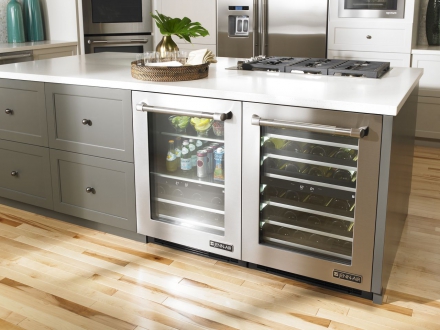
As we mentioned earlier, you want the best storage conditions for your wine, but you don’t have to sacrifice the aesthetic appeal of your home. There are many design features that can look great in your home without impeding the functionality of the appliance. You can choose the style, size, color, and many other aspects of your wine refrigerator. The most obvious choice that you will see is the wine cooler door. Many people choose a solid door to protect the wine bottles from UV light. Solid doors can have a wood finish, brushed steel, and tempered glass is a popular choice. If you choose tempered glass, you can look at your wine collection which is a nice design feature.

Now you know what to look for in your new wine refrigerator, we’re sure you will find the exact model to meet your needs in our store.

Is a Bottom Mount Refrigerator a Good Option For Your Home?

When you begin refrigerator shopping, you may be surprised at the variety of available designs. Many manufacturers have expanded their product lines from just the traditional top mounted model. Bottom mount refrigerators are becoming increasingly popular, so here we’ll explore whether this type of refrigerator would be a good option for your home.

Understanding the Different Refrigerator Configurations:

Before we can delve into the benefits of a bottom mount refrigerator, it is important to understand the different configurations. The most common include:

  • Top Mount: This is the traditional configuration for domestic refrigerator units. The refrigerator portion is mounted at the bottom with the freezer section above.
  • Bottom Mount: This is the reverse of a top mount, with a freezer at the bottom and the refrigerator above.
  • Side by Side: This refrigerator is a two door style with the fridge and freezer side by side. Traditionally, the refrigerator section is on the right, but this is not always the case.
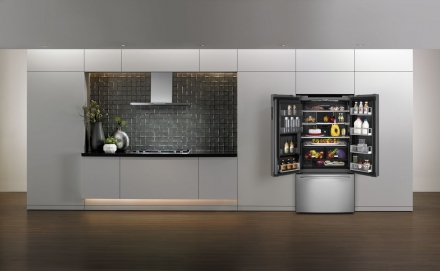
  • French Door: This has a refrigerator with two doors opening from the middle and a freezer section underneath with a sliding door. It is considered a more high end design that is becoming increasingly popular in American homes.

Each of these designs has its own pros and cons, which can impact which one to choose in your kitchen. It is important to familiarize yourself with the different designs and both the benefits and potential drawbacks to make an informed purchase decision.

The Benefits of Bottom Mount Refrigerators:

With such a variety of options, you may wonder why a bottom mount refrigerator may appeal, but this type of refrigerator has a number of interesting benefits.

  • Easy Reach: Unless you use your freezer far more than your refrigerator, you’ll appreciate a top mount refrigerator. Most people find that the reverse is true and they need access to their refrigerator more. This means that if you have a bottom mount appliance, you won’t need to bend down to reach items, particularly fruits and vegetables in the crisper drawers at the bottom of the refrigerator. Since it is easier to reach, you can arrange your refrigerator for maximum efficiency, while placing more frequently used freezer items in the top drawer.
  • Space for Larger Items: The side by side appliance configuration can be limited for the size of the items you’re cooling, since each side only has part of the overall width. When you have a freezer on the bottom, you can accommodate larger items in both the refrigerator and freezer, since you have access to the full width of the appliance. Many bottom mount refrigerators also have adjustable shelves, so you can configure them to suit the size of your chilled items.
  • Increased Energy Efficiency: Older style refrigerators with the freezer above the chilled section are slightly less efficient than a bottom mount unit. Since warm air rises, warmer refrigerator air rises into the freezer area, so the appliance needs to work a little harder to maintain the optimal freezer temperature. When the freezer is mounted at the bottom, the warmer refrigerator simply rises up towards the ceiling, so it cannot compromise the freezer temperature.
  • Lower Initial Cost: While top mount refrigerators are typically the least expensive type of model, bottom mount are only slightly more costly. This means that they have a lower initial cost compared to French door or side by side appliances.

If you’re in need of a new refrigerator, you can explore your options with our online refrigerator collection. Our home appliance experts are also available to answer any queries or provide further assistance to help you make your purchase decision.

How the Dishwasher Has Changed Our World

The earliest type of dishwasher was developed approximately 160 years ago. This created a revolution that has led to the new, sleek dishwasher models we use today. So, if you’re interested in the history of the modern dishwasher, read on as we delve into the history of dishwashers and how this home appliance has changed our world.

The Invention of the Dishwasher:

The first patent for a dishwashing appliance was lodged in 1850 by inventor Joel Houghton. This initial design was made using wood, so water passed through the wood plumbing system and sprayed the dishes.

However, in 1887, Josephine Cochrane advanced this design and presented it in 1893 at the Chicago World’s Fair. Cochrane produced the first automated dishwasher with a copper boiler containing a wooden wheel. You could drive the motor by hand using a pulley, or it could be powered. The dishes were placed into framed wire compartments, where they were spun and sprayed with water and soap.

The Modern Day Dishwasher:

The dishwashers that we’re familiar with today do not look like these early designs. They more closely resemble an appliance invented in 1924. This type of dishwasher had a rack system and rotating sprayer like modern dishwashers use today. However, since in 1924, many homes lacked indoor plumbing, it was a device for the wealthy only. Unless you had a home with indoor plumbing and power, it would be pointless to install a dishwasher.

Smart Features:

Modern appliances have taken an even more dramatic development journey with smart technology. Smart dishwashers add greater efficiency and more flexibility with technology to address common issues such as particles of food getting redeposited on your dishes.

The smart features on new dishwashers include items such as:

  • Bottle jets to help clean tricky items like reusable water bottles or baby bottles
  • A third rack that is thin and can hold flat, large items such as cooking utensils or baking sheets.
  • Adjustable racks that you can move up or down to accommodate larger items.
  • High efficiency filters to remove food particles.
  • WiFi connectivity to integrate your dishwasher into your smart home system, allowing you to start cycles, monitor performance, or check the cycle status on your smartphone.
  • Smartphone alerts if there is a malfunction or if the detergent or rinse aid is low. Some models also allow you to automatically order more detergent as needed.
  • Sensors to detect the size load automatically to adjust energy use and water for optimum efficiency.
  • Ability to download new cycles for specialist items such as heavy soiling or delicate stemware.

How The Dishwasher Has Changed Our World:

Until the 1950s, a dishwasher was considered a luxury item, but as these appliances became more popular, they became a necessity in American homes in the 1970s. Today, 75% of Americans own a dishwasher.

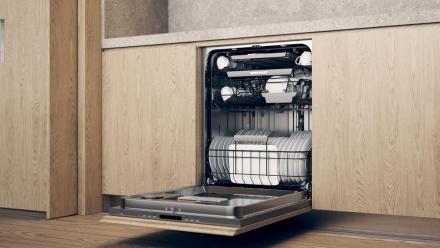
Dishwashers today are also easier to use. They feature removable racks, better rotating sprayers, and pre soak cycles to provide better cleaning results without compromising on water and energy efficiency.

According to the US Department of Energy, dishwashers today save both water and energy, using less water to wash a load of dishes compared to washing by hand. Additionally, these appliances can reach far hotter water temperatures than you can expose your skin to for even more thorough cleaning.

The dishwasher has become a crucial part of our homes. They influence the way we design our kitchens. Many homeowners now consider the location of a dishwasher to be as important as the sink, stove, and refrigerator triangle used in kitchen design for decades.

If you’re considering a new dishwasher for your home, you can explore your options with this online collection. If you need further help or guidance, speak to one of our home appliance experts.

How Does the Refrigeration Cycle Work?

Most of us don’t pay much attention to how our appliances work until they fail, and it’s time to replace them. A refrigerator is a hard working kitchen appliance that we rely on to keep our food at the optimal storage temperature. During the last year, it has become evident that we need to have ample stores of fresh food on hand to deal with emergency situations. In this article, we will take a closer look at refrigerators, examining how they work and the vital components that make it all happen.

How Does a Refrigerator Work?

A refrigerator prolongs the lifespan of perishable foods by storing them at the optimal temperature. This process slows down the bacterial growth in all foods to significantly extend the shelf life and ensure it’s safe to eat. The exact process is known as the refrigeration cycle, and it works by transferring heat from inside the refrigerator to the outside. This heat transference is key. It’s important to understand that the contents of the appliance are not cooled; rather the heat is removed to make the food cooler. This is achieved with condensation and evaporation, and we will cover this process in more detail later.

We have become accustomed to refrigerating and freezing foods to preserve the food we bring into our homes. Without refrigeration, milk will spoil in less than three hours due to the growth of harmful bacteria. The process of spoiling is slowed by refrigeration, but if you froze the milk in your freezer, the growth of bacteria would be stopped entirely. In fact, if you did freeze your milk, it could last for month, but sooner or later, freezer burn would affect the quality.

The Refrigeration Cycle Explained

As the name may suggest, the refrigeration cycle is a self contained system that continues to work as long as power is supplied to the appliance. The process is cyclical in nature, it follows nine key stages, and then the process is repeated.

  1. The refrigerator thermostat sensor senses the temperature set inside the appliance, and the compressor is automatically engaged to remove heat.
  2. The compressor draws liquid refrigerant present in the system into the refrigerator; it’s then pressurized and condensed, which turns it into gas.
  3. This raises the temperature of the refrigerant.
  4. The refrigerant gas is then pushed onto the condenser coils located on the rear of the refrigerator.
  5. The air in this location has a lower temperature than the gas, so it is quickly cooled back into a liquid state.
  6. As the cooling occurs, the heat in the refrigerant is dissipated.
  7. The cool refrigerant is then sent to an evaporator and distributed to the inner coils of the refrigerator and/or freezer.
  8. The refrigerant then absorbs the hotter air inside the appliance, and in turn, this lowers the temperature.
  9. The refrigerant then returns to a gaseous form, it goes back to the compressor, and the entire refrigeration cycle begins again.

5 Key Refrigerator Components

There are five main refrigerator components. They are compressor, evaporator, condenser, thermostat, and expansion valve:

  1. The Compressor: The compressor unit circulates the refrigerant in the system, and it acts as a motor and a pump at the same time.
  1. The Evaporator: The evaporator can be found in the refrigerator. Its function is to absorb any heat in the appliance to reduce the temperature.
  1. The Condenser: This is the system of pipes and fins that you can find at the rear of your refrigerator. This unit releases the heat that has been absorbed from inside the appliance, and this is why it may feel warmer than room temperature.
  1. The Thermostat: This is the brain of the entire system. It controls the temperature inside the refrigerator automatically and activates the refrigeration cycle as required.
  1. The Expansion Valve: The warm refrigerant from inside the refrigerator travels through tubing, which acts as an expansion device when it cools back down from a gas to a liquid.

If your refrigerator is struggling to keep your food cool, it may be time for an upgrade. You can explore your options with our online refrigerator collection or speak to one of our home appliance specialists for further help.

3 Smart Kitchen Appliances to Improve Remote Working

Let’s face it, Covid-19 has changed the working landscape significantly, and many of us have been forced to work from home. This has created a great deal of uncertainty and tension, and it can be hard to separate work from home life. Working remotely can mean that you need to deal with a lot of distractions that are simply not an issue when you’re at the office. When you need to focus on your work and have a meaningful home life, it’s important to get the balance right. One of the ways that you can improve your home working experience is to invest in smart kitchen appliances. These can improve the efficiency of the kitchen and free up more time for work or family related activities. Here are three smart kitchen appliances that are real game changers when it comes to surviving and even thriving during this pandemic.

  1. Voice Activated Smart Appliances

One of the best ways to improve efficiency is to master the art of multitasking. When you’re working from home, every minute counts, and sometimes it can seem impossible to manage everything. But, voice activated appliances can really help to lighten the load in many ways. Imagine if you’re trying to meet a deadline, the kitchen is smoky during cooking, and you can simply tell the over-the-range hood to speed up the fan. This may seem like a fairly insignificant event in isolation, but if you have multiple kitchen appliances that work in this way it can save a lot of time.

  1. A Smart Refrigerator

When you have a refrigerator with smart features, it will make your food storage more efficient and allow you to focus your attention on work and family time. The best modern smart fridges have a large display located on the right hand door. This is the point of reference that allows you to see the food you have stored. But, the screen is also a useful place to write notes and refer to a schedule to help you stay on top of your work and other tasks. When you’re carrying out food prep, the smart refrigerator can even stream some of your favorite music to make the task more enjoyable. A smart refrigerator can be a handy resource when it comes to planning your shopping trips. This minimizes the time spent at the store and gives you more spare time to spend with your family.

  1. Remotely Preheated Oven

Many of us have kids taking classes from home, and we’re busy working to meet deadlines ourselves. This can make it harder to provide a home cooked meal when people are hungry. Spending time producing hot home cooked meals may involve preheating the oven, and breaking off from work is an unwanted distraction. If you have a smart range, this is no longer a problem because you can preheat the oven with your smartphone. It’s easy to control the temperatures and timings remotely, which gives you more time to finish that project before dinner. Making a home cooked meal is important because it’s also a way to bond with the family, and it can be a morale boost if people are feeling down during a lockdown.

As you can see, there are many ways that smart technology can help us in our kitchens. This can be especially useful during a global pandemic when we need to make the most of our time at home. Anything that we can do to make our home life more productive and relaxing at this time is worth considering carefully. Each of the smart kitchen solutions we’ve mentioned here may seem trivial. But, when you use these three and other smart kitchen appliances together, it can make a real difference.

Speak to our home appliance specialists for further assistance.