6 Common Dryer Cycles to Consider

Let’s face it, laundry day is not the favorite time of the week for most people. This can be compounded when you’re faced with a host of confusing dryer cycle titles that don’t seem relevant to your needs. Using the correct dryer cycle can have a huge impact on the quality of drying for your fabrics and understanding them makes the selection easier. In this article, we will take a closer look at six common dryer cycles to help you make an informed decision.

1.  A Regular or Timed Cycle

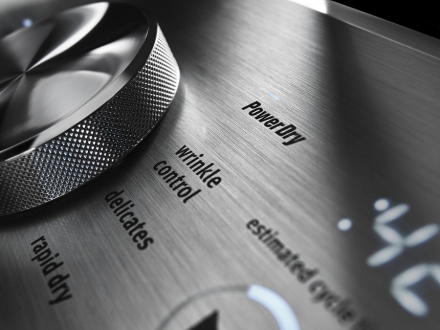
For many people, this will be the default dryer cycle because the name suggests it’s the regular way to use the dryer. But, using the regular cycle in this way can be very damaging for lighter and less durable fabrics. In fact, this setting should be reserved for tougher fabrics and garments, including jeans, sweatpants, towels, sheets, and bedding. This cycle is usually the hottest setting and you can choose the drying time length with the timer. Be aware that higher heat settings can fade colored fabrics, but it’s very effective if you want very clean whites.

2.  The Automatic Cycle

Modern dryers often have a built-in moisture sensor that monitors the dryness of your fabrics throughout the cycle. Once the sensor has detected that your clothes are dry it will stop the cycle or air dry the contents of the dryer for a short period. This prevents the formation of wrinkles because the clothes don’t get too hot. Again, this is a hot setting and it’s not well suited to delicate or colored fabrics.

3.  The Delicate or Gentle Cycle

The name of this cycle seems to suggest that it’s the ideal fit for fabrics that need special washing and drying instructions. But, it’s important to understand that some delicate clothing items, such as women’s underwear should not be dried in your dryer at all. Where this dryer cycle excels is in the drying of other special fabrics, including silk and rayon. This cycle is also a great option when you want to dry sportswear and upholstery fabrics that can be damaged with higher heat settings. If you have clothes with delicate details such as embroidery, beads, and sequins this is also a good dryer cycle option.

4.  The Permanent Press Cycle

This cycle goes back to the 1950s when it was used as a way to treat wrinkling issues. Today this is a great option when you want to dry synthetic fabrics, including rayon, nylon, spandex, and polyester. Clothes dried with this cycle will be treated to a gentler tub rotation and low to medium heat which will avoid the setting of wrinkles.

5.  The Steam Cycle

This is a dryer cycle that you will only find on modern dryers. This cycle generates steam rapidly to freshen up fabrics in a similar way to the dry cleaning process. After this cycle is completed, you will notice that the clothes may not feel as dry as the other common dryer cycles. But, any stubborn odors will be removed and if you have stubborn wrinkles they will disappear. Some people think that a steam cycle can shrink clothes but this is not true. If shrinkage does occur it usually takes place in a washer when very hot water is used.

6.  The Air Fluff Cycle

This cycle draws air into the dryer from the surrounding area to freshen up items. This cycle is unique because no heat is used and fabrics that are placed in wet will not dry. The purpose of the air fluff cycle is to touch-up items, such as “puffer” coats, comforters, and down-filled pillows.

Using an outdated dryer can damage your clothes and fabrics which will cost you more money in the medium to long term. We have a wide selection of new dryers to make your next laundry day easier and more energy efficient.

If you’re interested in a new dryer, take a look at our extensive range of models.

The Dishwasher Conundrum: Do You Need a Filtration or Hard Food Disposer System?

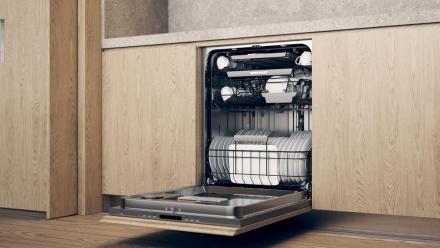
When you shop for your next dishwasher, you will quickly realize that there are a lot of features available. Do you need a quieter machine? Which brand has the best energy efficiency? Is a third rack a must? These and other questions are the more obvious queries but a deeper concern may be the choice between a filtration or hard food disposer system. Let’s take a look at the differences between these two systems to ensure that you’re making an informed purchasing decision.

A Brief Overview

At a glance, you may think that a filtration and hard food disposer system are very different but they both fulfill the same need. Although they are very distinct approaches they are both concerned with the removal of food particles from inside your dishwasher. If you don’t understand the difference it is possible to use your dishwasher in the wrong way. This can lead to a lack of performance and repeated cycles that waste energy. Let’s take a look at each system in a little more detail.

How Does a Dishwasher Filtration System Work?

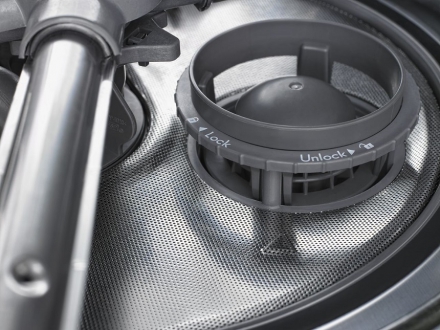
A dishwasher filtration system collects the food particles that can accumulate at the basin at the base of the tub. The more advanced up-to-date models have an ultra-mesh filter that actually emulsifies the food into extremely tiny particles. Once the food particles have been reduced to this state, they can be rinsed into the drain through the kitchen pipe. This means the dishwasher water will be clean and more effective for cleaning the dishes. A more basic dishwasher filtration system can leave behind some residue and manual cleaning will be required. Regular cleaning every 2-4 weeks may be needed but the lower price point will make this an attractive option for budget conscious buyers.

How Does a Dishwasher Food Disposer Work?

A dishwasher food disposer works in a similar way to a sink garbage disposal system. The hard food disposer will pulverize any food particles in your dishwasher to make them easier to handle. Then they are removed from the water before it is recirculated back into the appliance to ensure that it’s clean. This system is maintenance-free, there is no need to clean the filter manually. As an added advantage, this system keeps the water puppies and spray arms free of food debris too. When you invest in a dishwasher with this type of system you will notice superior performance and clogs will be very rare.

Which is the Best System?

The best way to get improved performance from any appliance is to read the owner’s manual and learn how to use the various settings. Many dishwasher experts agree on the use of rinse aid for each cycle and don’t recommend rinsing for dinnerware. This protects the dishes from detergent enzymes that can damage the surfaces. But, when you’re choosing a new dishwasher there are some additional considerations.

Most manufacturers have switched production to dishwashers that have manual filters. The main reason for this is that they are quieter than dishwashers equipped with a disposer. Although inline drive motors and stainless-steel tubs can lower noise levels, the noise of a hard food disposer system is too loud for many people. The maintenance-free nature of a disposer system and the prevention of clogs will be attractive features for others. Remember that a clogged dishwasher can decrease the water pressure inside the appliance leading to a lack of cleaning power. Running extra cycles wastes time and raises your energy bills.

Ultimately the decision will come down to the initial higher investment in a dishwasher that has a hard food disposer system. If you can tolerate the elevated noise levels this type of dishwasher delivers a great deal. If you’re interested in a new dishwasher, take a look at our extensive range of models.


4 Key Things You Need to Know Before You Purchase a New Wine Refrigerator

Over the last few decades, we have seen a huge surge in wine sales and there doesn’t seem to be any indication that this will end any time soon. Many people love a glass of wine at home and this is especially true now when many people are avoiding crowded bars and restaurants. A glass of wine with dinner can really add a lot to any family meal and it’s a great ice breaker at parties. For this reason, many wine enthusiasts invest in a wine refrigerator to get the most enjoyment out of the wine they purchase. But, if you don’t understand your needs before you make a choice you could be disappointed. In this article, we will look at four key things that you need to understand before you buy a new wine refrigerator.

1.  Wine Refrigerator Costs

In the past, you could purchase a wine refrigerator at a very reasonable price but that has risen in recent years. This isn’t due to price gouging by manufacturers. The reason is the introduction of new EPA conditions that came into effect back in 2016. In order to meet new emission and energy efficiency conditions the cost of wine coolers needed to rise. But, you can still find good and affordable wine refrigerators in our store.

2.  The Refrigerator Location is Important

Some people prefer a living room location for their wine refrigerator and others like to keep it in the kitchen. A wine cooler is a smaller dedicated refrigerator that doesn’t use a standard compressor that you would find on a larger appliance. These types of refrigerators tend to use a thermoelectric cooling system instead. The best thing about thermoelectric cooling is that it’s reliable, quiet, and energy efficient. A wine refrigerator will not vibrate and it can be placed in a living room without creating ambient noise. But, the refrigerator does need access to fresh air which is required to keep the humidity and temperature down to an absolute minimum. Storing wine under optimal conditions is the main priority for most wine enthusiasts, but you don’t have to sacrifice the aesthetic appeal of your home (more on this later).

3.  Maintaining Humidity

One of the more surprising differences between a wine refrigerator and a standard appliance is how they handle humidity. Many people believe that a wine cooler is just a small format refrigerator but this is incorrect. A standard refrigerator is designed to remove humidity from the internal air in a similar manner to an AC system. A wine refrigerator is designed to keep a certain level of humidity in the appliance to create optimal wine storage conditions. The humidity levels help to slow the aging of wine by keeping the corks and bottles wet. Another key difference is that a wine refrigerator has dedicated wine bottle racks improving airflow around the bottles.

4.  Aesthetic Appeal

As we mentioned earlier, you want the best storage conditions for your wine, but you don’t have to sacrifice the aesthetic appeal of your home. There are many design features that can look great in your home without impeding the functionality of the appliance. You can choose the style, size, color, and many other aspects of your wine refrigerator. The most obvious choice that you will see is the wine cooler door. Many people choose a solid door to protect the wine bottles from UV light. Solid doors can have a wood finish, brushed steel, and tempered glass is a popular choice. If you choose tempered glass, you can look at your wine collection which is a nice design feature.

Now you know what to look for in your new wine refrigerator, we’re sure you will find the exact model to meet your needs in our store.

Is a Bottom Mount Refrigerator a Good Option For Your Home?

When you begin refrigerator shopping, you may be surprised at the variety of available designs. Many manufacturers have expanded their product lines from just the traditional top mounted model. Bottom mount refrigerators are becoming increasingly popular, so here we’ll explore whether this type of refrigerator would be a good option for your home.

Understanding the Different Refrigerator Configurations:

Before we can delve into the benefits of a bottom mount refrigerator, it is important to understand the different configurations. The most common include:

  • Top Mount: This is the traditional configuration for domestic refrigerator units. The refrigerator portion is mounted at the bottom with the freezer section above.
  • Bottom Mount: This is the reverse of a top mount, with a freezer at the bottom and the refrigerator above.
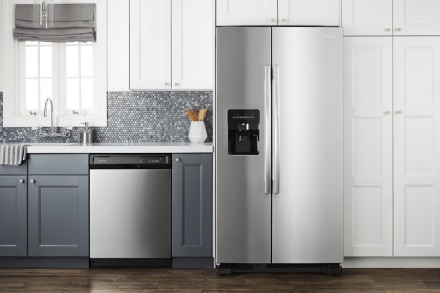
  • Side by Side: This refrigerator is a two door style with the fridge and freezer side by side. Traditionally, the refrigerator section is on the right, but this is not always the case.
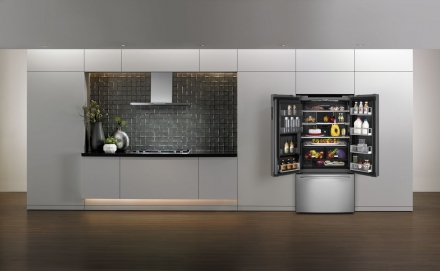
  • French Door: This has a refrigerator with two doors opening from the middle and a freezer section underneath with a sliding door. It is considered a more high end design that is becoming increasingly popular in American homes.

Each of these designs has its own pros and cons, which can impact which one to choose in your kitchen. It is important to familiarize yourself with the different designs and both the benefits and potential drawbacks to make an informed purchase decision.

The Benefits of Bottom Mount Refrigerators:

With such a variety of options, you may wonder why a bottom mount refrigerator may appeal, but this type of refrigerator has a number of interesting benefits.

  • Easy Reach: Unless you use your freezer far more than your refrigerator, you’ll appreciate a top mount refrigerator. Most people find that the reverse is true and they need access to their refrigerator more. This means that if you have a bottom mount appliance, you won’t need to bend down to reach items, particularly fruits and vegetables in the crisper drawers at the bottom of the refrigerator. Since it is easier to reach, you can arrange your refrigerator for maximum efficiency, while placing more frequently used freezer items in the top drawer.
  • Space for Larger Items: The side by side appliance configuration can be limited for the size of the items you’re cooling, since each side only has part of the overall width. When you have a freezer on the bottom, you can accommodate larger items in both the refrigerator and freezer, since you have access to the full width of the appliance. Many bottom mount refrigerators also have adjustable shelves, so you can configure them to suit the size of your chilled items.
  • Increased Energy Efficiency: Older style refrigerators with the freezer above the chilled section are slightly less efficient than a bottom mount unit. Since warm air rises, warmer refrigerator air rises into the freezer area, so the appliance needs to work a little harder to maintain the optimal freezer temperature. When the freezer is mounted at the bottom, the warmer refrigerator simply rises up towards the ceiling, so it cannot compromise the freezer temperature.
  • Lower Initial Cost: While top mount refrigerators are typically the least expensive type of model, bottom mount are only slightly more costly. This means that they have a lower initial cost compared to French door or side by side appliances.

If you’re in need of a new refrigerator, you can explore your options with our online refrigerator collection. Our home appliance experts are also available to answer any queries or provide further assistance to help you make your purchase decision.

How the Dishwasher Has Changed Our World

The earliest type of dishwasher was developed approximately 160 years ago. This created a revolution that has led to the new, sleek dishwasher models we use today. So, if you’re interested in the history of the modern dishwasher, read on as we delve into the history of dishwashers and how this home appliance has changed our world.

The Invention of the Dishwasher:

The first patent for a dishwashing appliance was lodged in 1850 by inventor Joel Houghton. This initial design was made using wood, so water passed through the wood plumbing system and sprayed the dishes.

However, in 1887, Josephine Cochrane advanced this design and presented it in 1893 at the Chicago World’s Fair. Cochrane produced the first automated dishwasher with a copper boiler containing a wooden wheel. You could drive the motor by hand using a pulley, or it could be powered. The dishes were placed into framed wire compartments, where they were spun and sprayed with water and soap.

The Modern Day Dishwasher:

The dishwashers that we’re familiar with today do not look like these early designs. They more closely resemble an appliance invented in 1924. This type of dishwasher had a rack system and rotating sprayer like modern dishwashers use today. However, since in 1924, many homes lacked indoor plumbing, it was a device for the wealthy only. Unless you had a home with indoor plumbing and power, it would be pointless to install a dishwasher.

Smart Features:

Modern appliances have taken an even more dramatic development journey with smart technology. Smart dishwashers add greater efficiency and more flexibility with technology to address common issues such as particles of food getting redeposited on your dishes.

The smart features on new dishwashers include items such as:

  • Bottle jets to help clean tricky items like reusable water bottles or baby bottles
  • A third rack that is thin and can hold flat, large items such as cooking utensils or baking sheets.
  • Adjustable racks that you can move up or down to accommodate larger items.
  • High efficiency filters to remove food particles.
  • WiFi connectivity to integrate your dishwasher into your smart home system, allowing you to start cycles, monitor performance, or check the cycle status on your smartphone.
  • Smartphone alerts if there is a malfunction or if the detergent or rinse aid is low. Some models also allow you to automatically order more detergent as needed.
  • Sensors to detect the size load automatically to adjust energy use and water for optimum efficiency.
  • Ability to download new cycles for specialist items such as heavy soiling or delicate stemware.

How The Dishwasher Has Changed Our World:

Until the 1950s, a dishwasher was considered a luxury item, but as these appliances became more popular, they became a necessity in American homes in the 1970s. Today, 75% of Americans own a dishwasher.

Dishwashers today are also easier to use. They feature removable racks, better rotating sprayers, and pre soak cycles to provide better cleaning results without compromising on water and energy efficiency.

According to the US Department of Energy, dishwashers today save both water and energy, using less water to wash a load of dishes compared to washing by hand. Additionally, these appliances can reach far hotter water temperatures than you can expose your skin to for even more thorough cleaning.

The dishwasher has become a crucial part of our homes. They influence the way we design our kitchens. Many homeowners now consider the location of a dishwasher to be as important as the sink, stove, and refrigerator triangle used in kitchen design for decades.

If you’re considering a new dishwasher for your home, you can explore your options with this online collection. If you need further help or guidance, speak to one of our home appliance experts.

How Does the Refrigeration Cycle Work?

Most of us don’t pay much attention to how our appliances work until they fail, and it’s time to replace them. A refrigerator is a hard working kitchen appliance that we rely on to keep our food at the optimal storage temperature. During the last year, it has become evident that we need to have ample stores of fresh food on hand to deal with emergency situations. In this article, we will take a closer look at refrigerators, examining how they work and the vital components that make it all happen.

How Does a Refrigerator Work?

A refrigerator prolongs the lifespan of perishable foods by storing them at the optimal temperature. This process slows down the bacterial growth in all foods to significantly extend the shelf life and ensure it’s safe to eat. The exact process is known as the refrigeration cycle, and it works by transferring heat from inside the refrigerator to the outside. This heat transference is key. It’s important to understand that the contents of the appliance are not cooled; rather the heat is removed to make the food cooler. This is achieved with condensation and evaporation, and we will cover this process in more detail later.

We have become accustomed to refrigerating and freezing foods to preserve the food we bring into our homes. Without refrigeration, milk will spoil in less than three hours due to the growth of harmful bacteria. The process of spoiling is slowed by refrigeration, but if you froze the milk in your freezer, the growth of bacteria would be stopped entirely. In fact, if you did freeze your milk, it could last for month, but sooner or later, freezer burn would affect the quality.

The Refrigeration Cycle Explained

As the name may suggest, the refrigeration cycle is a self contained system that continues to work as long as power is supplied to the appliance. The process is cyclical in nature, it follows nine key stages, and then the process is repeated.

  1. The refrigerator thermostat sensor senses the temperature set inside the appliance, and the compressor is automatically engaged to remove heat.
  2. The compressor draws liquid refrigerant present in the system into the refrigerator; it’s then pressurized and condensed, which turns it into gas.
  3. This raises the temperature of the refrigerant.
  4. The refrigerant gas is then pushed onto the condenser coils located on the rear of the refrigerator.
  5. The air in this location has a lower temperature than the gas, so it is quickly cooled back into a liquid state.
  6. As the cooling occurs, the heat in the refrigerant is dissipated.
  7. The cool refrigerant is then sent to an evaporator and distributed to the inner coils of the refrigerator and/or freezer.
  8. The refrigerant then absorbs the hotter air inside the appliance, and in turn, this lowers the temperature.
  9. The refrigerant then returns to a gaseous form, it goes back to the compressor, and the entire refrigeration cycle begins again.

5 Key Refrigerator Components

There are five main refrigerator components. They are compressor, evaporator, condenser, thermostat, and expansion valve:

  1. The Compressor: The compressor unit circulates the refrigerant in the system, and it acts as a motor and a pump at the same time.
  1. The Evaporator: The evaporator can be found in the refrigerator. Its function is to absorb any heat in the appliance to reduce the temperature.
  1. The Condenser: This is the system of pipes and fins that you can find at the rear of your refrigerator. This unit releases the heat that has been absorbed from inside the appliance, and this is why it may feel warmer than room temperature.
  1. The Thermostat: This is the brain of the entire system. It controls the temperature inside the refrigerator automatically and activates the refrigeration cycle as required.
  1. The Expansion Valve: The warm refrigerant from inside the refrigerator travels through tubing, which acts as an expansion device when it cools back down from a gas to a liquid.

If your refrigerator is struggling to keep your food cool, it may be time for an upgrade. You can explore your options with our online refrigerator collection or speak to one of our home appliance specialists for further help.

3 Smart Kitchen Appliances to Improve Remote Working

Let’s face it, Covid-19 has changed the working landscape significantly, and many of us have been forced to work from home. This has created a great deal of uncertainty and tension, and it can be hard to separate work from home life. Working remotely can mean that you need to deal with a lot of distractions that are simply not an issue when you’re at the office. When you need to focus on your work and have a meaningful home life, it’s important to get the balance right. One of the ways that you can improve your home working experience is to invest in smart kitchen appliances. These can improve the efficiency of the kitchen and free up more time for work or family related activities. Here are three smart kitchen appliances that are real game changers when it comes to surviving and even thriving during this pandemic.

  1. Voice Activated Smart Appliances

One of the best ways to improve efficiency is to master the art of multitasking. When you’re working from home, every minute counts, and sometimes it can seem impossible to manage everything. But, voice activated appliances can really help to lighten the load in many ways. Imagine if you’re trying to meet a deadline, the kitchen is smoky during cooking, and you can simply tell the over-the-range hood to speed up the fan. This may seem like a fairly insignificant event in isolation, but if you have multiple kitchen appliances that work in this way it can save a lot of time.

  1. A Smart Refrigerator

When you have a refrigerator with smart features, it will make your food storage more efficient and allow you to focus your attention on work and family time. The best modern smart fridges have a large display located on the right hand door. This is the point of reference that allows you to see the food you have stored. But, the screen is also a useful place to write notes and refer to a schedule to help you stay on top of your work and other tasks. When you’re carrying out food prep, the smart refrigerator can even stream some of your favorite music to make the task more enjoyable. A smart refrigerator can be a handy resource when it comes to planning your shopping trips. This minimizes the time spent at the store and gives you more spare time to spend with your family.

  1. Remotely Preheated Oven

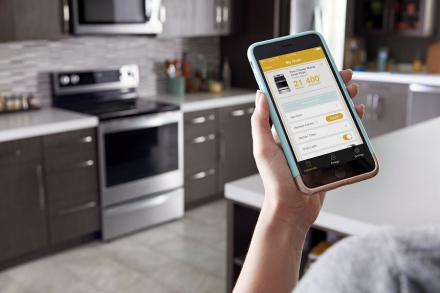
Many of us have kids taking classes from home, and we’re busy working to meet deadlines ourselves. This can make it harder to provide a home cooked meal when people are hungry. Spending time producing hot home cooked meals may involve preheating the oven, and breaking off from work is an unwanted distraction. If you have a smart range, this is no longer a problem because you can preheat the oven with your smartphone. It’s easy to control the temperatures and timings remotely, which gives you more time to finish that project before dinner. Making a home cooked meal is important because it’s also a way to bond with the family, and it can be a morale boost if people are feeling down during a lockdown.

As you can see, there are many ways that smart technology can help us in our kitchens. This can be especially useful during a global pandemic when we need to make the most of our time at home. Anything that we can do to make our home life more productive and relaxing at this time is worth considering carefully. Each of the smart kitchen solutions we’ve mentioned here may seem trivial. But, when you use these three and other smart kitchen appliances together, it can make a real difference.

Speak to our home appliance specialists for further assistance.

9 Different Refrigerator and Freezer Types Explained

In the past, the only real choice that a buyer of a refrigerator or freezer was based on the size of the appliance that they needed. But, those days are gone, and there are now many types of these appliances to pick from. Manufacturers have created a number of innovations that present a host of design, technological and efficiency features. In this article, we will look at nine different refrigerator and freezer types to help you make an informed purchasing decision.

  1. The Side-by-Side Refrigerator

Many people have a need for an appliance that’s equal parts refrigerator and freezer. Both needs are met with a side-by-side refrigerator where the fridge and the freezer are both the full height of the appliance. The organizational aspects may be lacking a little when comparing this type of model with a french door refrigerator (more on this below). But, it’s still possible to adjust the shelves, and the best models have useful door storage options. A side-by-side refrigerator is a great fit for a narrow kitchen because the doors have a smaller door swing. Another key benefit to this type of refrigerator model is the freezer configuration if you eat a lot of frozen dinners. This is because the freezer has a lot of easy to access space compared to other refrigerator styles.

  1. The French Door Refrigerator

If you like the idea of a side-by-side refrigerator, but you don’t want the freezer to get in your way, you may find that a french door model suits your needs better. This type of refrigerator has French doors at the top, making it easy to store larger items such as pizzas and platters. There are 3, 4, and 5 door units, which make it simple to find a model that has the storage features that you need. Many French door refrigerators have a freezer mounted at the bottom, and door options are located at counter-height for added convenience. This type of refrigerator is also a stylish option, and many have extensive temperature control features. If you want plenty of storage and you have a spacious kitchen, a french door refrigerator maybe your best option.

  1. The Counter-Depth Refrigerator

This is a feature that you may find on French door and side-by-side refrigerators, but it’s worth exploring as a separate section. When an appliance has a shallower profile that matches the depth of the counter, it has a number of advantages. Firstly, the refrigerator will not protrude beyond the counter, and this will give the appliance a sleek and seamless look. In a smaller kitchen where space is at a premium, it can be helpful to reclaim every inch of space to make it easier to get around. If you’re interested in improving the aesthetic appeal and functionality of your new refrigerator or freezer, consider a counter-depth model.

  1. The Wine Refrigerator

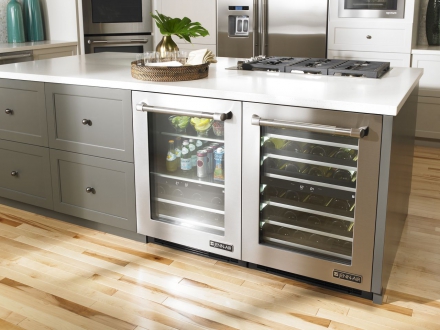
This type of appliance is a specialized variant of a compact refrigerator. A wine refrigerator is specifically designed for the efficient cooling and storage of wine and other beverages. It’s easy to set a wine refrigerator to keep your white wine at an optimal 49º-55º, or you can store your sodas there too. Most wine refrigerators are compact models, but if you’re serious about wine, there are larger models on the market. There are serious wine refrigerators that can store hundreds of bottles of wine at the same time. If you enjoy wine, consider a model with a multi-zone temperature feature to store different types of wines at their optimal temperatures.

  1. A Top or Bottom Refrigerator/Freezer

For most of us, this is the common style of refrigerator that we have become accustomed to over the years. The freezer is located at the top or bottom of the fridge in a number of different sizes. Generally speaking, these types of refrigerator/freezer combo models are a cost effective option. The freezer section typically takes up half to a third of the food storage space, and this is sufficient if you don’t need a lot of stored food on hand. Some people purchase an appliance like this if they need a second fridge because they are cheaper than other types on our list.

  1. A Compact Refrigerator

These types of refrigerators are smaller variants of a larger and more traditional model. They are often found in studio apartments or dorm rooms, and they are a great addition to a home office or bar. Some models have a small freezer section at the top, which makes them a viable option for smaller spaces. One of the best things about these types of refrigerators is their portability. They are a flexible option if you need a cooling solution on the go.

  1. A Freezerless Refrigerator

As the name would suggest, this is a refrigerator that has no freezer compartment. This type of refrigerator is sometimes known as a larder refrigerator, and it’s a fantastic option if your focus is on fresh food. Many people have a refrigerator like this if they have a dedicated freezer, and this is a viable option if you have the space.

  1. A Chest Freezer

A dedicated chest freezer is a freezer without a refrigerator, which makes it the opposite of the freezerless refrigerator mentioned above. A chest freezer can store a high volume of food under optimal conditions, but they do have a larger footprint. The design of the chest freezer reduces the chances of freezer burns, and cold air doesn’t escape easily because heat rises. This makes a chest freezer more efficient than an upright freezer, which we will cover next.

  1. An Upright Freezer

This dedicated freezer type has a smaller footprint when compared to the chest freezer above. They also have a door, and many models include some clever storage options to make the most of this space. It’s also common to find adjustable shelves and storage bins to organize your frozen foods efficiently. The main drawback to this type of model is that it can allow cold air to escape when you open the door. If you’re not sure about what kind of freezer to buy and you don’t have much space, this may be the best solution.

If you’re thinking about upgrading your refrigerator, explore your options with our online refrigerator and freezer collection or speak to our home appliance specialists for further assistance.


Tips to Prepare Your Kitchen For Your Small Gatherings

Regardless of the occasion, the kitchen is always the hub of any gathering. While the COVID pandemic has meant that the size of our gatherings has had to shrink, this doesn’t mean that you can’t still celebrate. Even if you’re planning a small gathering, your kitchen will still need a little care and attention to get ready. So, here are some tips to help you prepare for your small gathering.

Have a Checklist:

Preparing for any event is difficult if you don’t know what you need and what you should be doing. So, start with a checklist. Since the kitchen’s focus is food, create a list of the necessary ingredients for what dishes you plan on serving. Think about what plates, utensils, and serving dishes you will need for the meal. You will also need to consider if you will reheat the food or cook everything fresh. Jot down all these details on your checklist, so nothing is left to the last minute and forgotten.

Clear the Clutter:

Since your kitchen is likely to be the busiest room in your home, it is also likely to be the one place where clutter rapidly accumulates. Whether it is pieces of the kid’s schoolwork on the table or bills, keys, and other items left on the countertop, you won’t want all of these things around when you’re entertaining. So, ensure that all the surfaces are clear of clutter, and everything is tidied away.

It is also a good idea to clear the clutter from inside your refrigerator. When you’re having a gathering, refrigerator space will be at a premium. So, get rid of any old food. You could even plan a few leftover meals in the days before your event, so you can free up more refrigerator space. Even if you’ve not asked guests to bring food items, they may bring a bottle of wine out of courtesy. So, it is a good idea to have some extra space in your refrigerator.

Do Your Prep Tasks:

Preparing foods and doing some cooking the night before your event can help you to have everything ready. It will also mean that you don’t need to spend most of the time in front of the stove rather than chatting with your guests. Additionally, if you’re running around at the last minute to finish cleaning, setting up, and cooking, you’re sure to feel overwhelmed.

There are a variety of tasks that can be done ahead of time. Since kitchen space will be precious, you’ll want to maximize your serving space. This is far easier when you’ve done most of the cooking and clean up in advance.

Once your guests arrive, and the party has begun, you’ll be able to focus on your family and friends and enjoy the inviting space you’ve created.

Cook Something Tried and Tested:

While you may want to wow your guests, a gathering is not the time to experiment with new dishes. When you’re serving a larger number of people, stick with dishes that you’ve already tried and tested. You want to prepare something that you feel confident cooking. If it is something that you make on a regular basis, you’ll feel far less stress during the meal prep.

If you’re planning on serving buffet style rather than a sit down meal, it is a good idea to label the dishes. This will help to avoid guests constantly asking what something is or what ingredients are in it. You can print labels or get crafty and create unique or fun designs. It is also a good idea to label foods if you know some of your guests have food allergies or dietary restrictions. This will allow these guests to feel confident you are aware of their restrictions and have accommodated them, so they can also relax and enjoy the party.

Consider the Temperature:

Another important aspect of hosting in your kitchen is to make sure the space is at a comfortable temperature. Before your guests arrive, open up the windows. Once your range is on, it’s likely to get warm quickly, particularly when there are more people filling the space.

Create a Happy Hour Atmosphere

Food isn’t the only important feature of a good gathering. You’ll also need to provide great beverages. Whether you’re serving wine or making a fresh cocktail, once everyone arrives, you’ll have little time to prepare anything.

Your guests will want to catch up with you and find out what’s been happening in your life. So, ensure everyone feels their thirst quenched by having drinks ready to serve and chilling in the fridge.

Don’t Forget Your Playlists:

Regardless of the size of your gathering, you’ll need some music to create the right ambiance. Music can bring guests together, but only with the right playlist. You’ll want music that compliments the theme of your party. It also needs to be set at the level where you can still talk and hear each other. So, think about your playlist before the event. That way, you can just set it and forget it.

Set Up a Kids Area:

Finally, if you have children and your guest will be bringing their kids, set up a kids area. Even if you’re having a sit down meal, children will quickly get bored and want to leave the table. So, it is a good idea to have a designated area with some coloring books, crayons or a few toys. This will keep the children occupied and allow the adults to relax.

The kitchen is often the heart of the home. Guests are often drawn to the relaxation and warmth of a kitchen, regardless of the size of party. With these tips, you will have your kitchen ready to host your next gathering.

If you’re unsure if your refrigerator can handle the demands of a party, it may be time to consider an upgrade. You can explore your options with our online refrigerator collection. If you need additional guidance, speak to one of our home appliance experts, who would be delighted to help.

3 Kitchen Appliance Trends You Can Get Excited About

Many sources make the claim that the kitchen is the true heart of any home. This is a broadly true statement if the kitchen is used for cooking, baking and socializing. But, sadly, many people don’t spend much time in their kitchens, and they may be packed with out of date appliances. If the kitchen isn’t an efficient and pleasant place to hang out, can it be the heart of your home? In this article, we will look at three exciting kitchen appliance trends that may inspire you and help you to get more excited about making the most of your kitchen.

  1. Improved Efficiency

If you want to enjoy cooking in your kitchen, it’s a great idea to have efficient appliances. A good kitchen layout, a place to stash your cookware and utensils when they are not in use, and handy central island are all beneficial. But, if you don’t have the right appliances, cooking can be a real chore and a time suck. Investing in smarter and more efficient appliances simply makes good sense if you want to enjoy your kitchen more. Every appliance from a modern range to your refrigerator can be controlled via a handy app on your favorite mobile device these days. Energy efficient appliances are also easier on your bank balance, and you will see a significant drop in your energy bills.

  1. Changing Appliances to Meet New Needs

One of the best things about a modern kitchen is that it’s relatively easy to change your kitchen appliances when you decide on a change. Perhaps you want appliances to match your kitchen remodel decor, or you’re looking for a new style. There are plenty of options to consider, and some outlets offer great deals on premium grade appliances. But, there may be practical reasons why you need to change the appliances in your kitchen. As an example: if you want an area for kids to heat food themselves without adult input, but you lack space for a countertop microwave oven, you could install and over range microwave instead. Another great option is a “French style” oven door that opens from the side rather than the front like a typical oven. These oven doors offer easier access, which is fantastic for people with smaller kitchens or problems bending over to reach into an oven.

  1. Upgraded Cooking

Many top chefs now espouse the benefits of an induction range for precise and efficient cooking. An induction range uses an electromagnetic field to heat a cast iron or special pan to cook your food faster. The actual induction cooktop produces no heat at all, and you can even place your hand there when cooking! Induction cooktops offer a great deal of control over the heat that you can only find with a gas cooktop. Another cool option is counter depth refrigerator that’s easier to access without diving deep into the appliance. Many modern refrigerators now have a full complement of clever storage solutions to efficiently store a wide variety of food safely. This helps the user to stay organized, and if the refrigerator is smart, it can even update you on the contents and suggest grocery items to put on your shopping list.

In the past, many of these features were beyond the reach of most people. But in recent years they have become more affordable, and they offer a great deal of functionality. If you want to get excited about your kitchen again, any or all of these options would be a great place to start.

If you would like to explore the latest trends in kitchen appliances, you can check your options with our online collection. You can also speak to one of our home appliance experts for additional help and guidance.