6 Exciting Kitchen Appliance Trends for 2020 and Beyond

The kitchen is the beating heart of any home, and it’s a prime location for regular updates and remodeling projects. Upgrading a kitchen is a great way to add value to your home, but it’s also an excellent way to improve the efficiency of the kitchen. If you want to enjoy cooking, eating, and socializing in your kitchen, here are six appliance trends that you may want to look out for.

  1. Steam Ovens

Many manufacturers are now making steam ovens, and this is a trend that will become more popular in the years to come. A steam oven cooks the food in a sealed steam environment to retain the flavors and reduce the cooking times. This is a very healthy way to cook because there is no need to add oils or fats required to make the food moist. A browning function can add a little color at the end for a roasted finish for your food.

  1. Refrigerators Get Upgraded

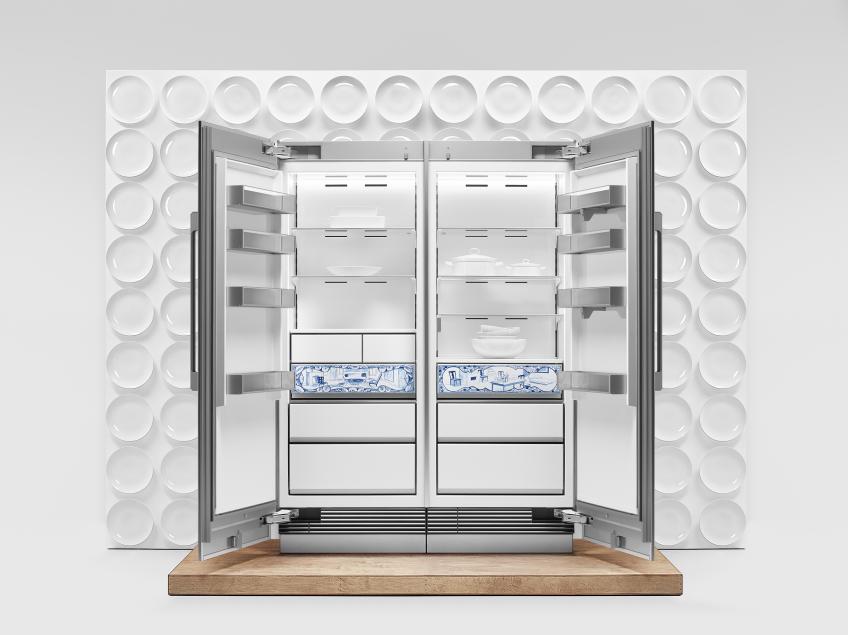
Every kitchen needs a good refrigerator, but in 2020 and the near future, we will see significant upgrades. Expect to see an exciting range of new finishes in metallic or matte finishes that you may want to show off. Hiding a refrigerator behind a cabinet front may become less popular. Another interesting development is flexible compartments that can be tailored to specific foods and ingredients. Smart features will develop even further, and new auto assist functions will allow users to streamline their kitchen.

  1. Wireless Bluetooth Synchronization

We have seen some amazing advances in wireless sync using Bluetooth devices. This trend is set to continue, and the next logical step is in your kitchen. There will be no need for extended preheating times or antiquated oven timers. An advanced range can sync to your other appliances such as the microwave for coordinated cooking times. Appliances may even perform other useful functions, such as turning on lights when the appliances are in use.

  1. Touch Screen Surfaces

We’ve seen an increasing number of touch screen surfaces replace a traditional knob and other controls. This is set to continue as we move forward with more finger touch and swiping controls on other appliances. One exciting development is a touch sensitive cooktop that uses electromagnetic heat, and the user can “draw” a cooking surface around the base of their pan. Then the heat can be adjusted by swiping the cooktop surface itself and all without risking a burn on your finger. GE is already working on this technology, and they have a prototype, so we may see this in production in the next few years.

  1. WiFi Connectivity

The smartphone has revolutionized the world of instant communication, and the rise of apps to control virtually anything has opened up an entire field of innovation. Manufacturers are now making appliances that can be controlled remotely from your smartphone. So, the user can adjust the temperature in their oven, the intensity of their kitchen lighting, and the timer on their microwave from a handy app.

  1. Multi-Cooker Evolution

One of the most popular kitchen appliances in the last few years is the versatile multi-cooker. Essentially, this is a pressure cooker with computerized controls that allows the user to make tasty and healthy meals in a fraction of the time. We will see similar WiFi connectivity allowing the user to control their multi-cooker remotely. So, you could load the ingredients into the multi-cooker before you leave, and they turn it on and control the temperature ready for your return home.

If you’re considering updating your kitchen appliances, you can explore your options with this online collection. If you need further help and guidance, speak to one of our home appliance experts today.
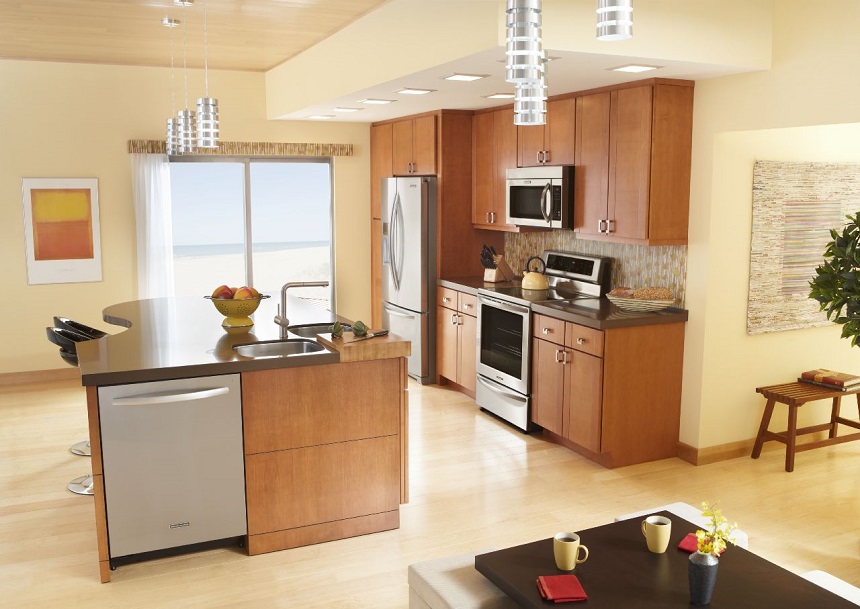
 

4 Home Appliance Energy Conservation Tips

Most of us have a number of home appliances that are great time savers, but they can consume a lot of energy, and this drives up your monthly bills. Although it isn’t possible to eliminate the energy consumption completely, it is possible to reduce the amount of energy consumed. In this article, we will look at four common home appliances and how you can save energy using those devices.

  1. The Dishwasher

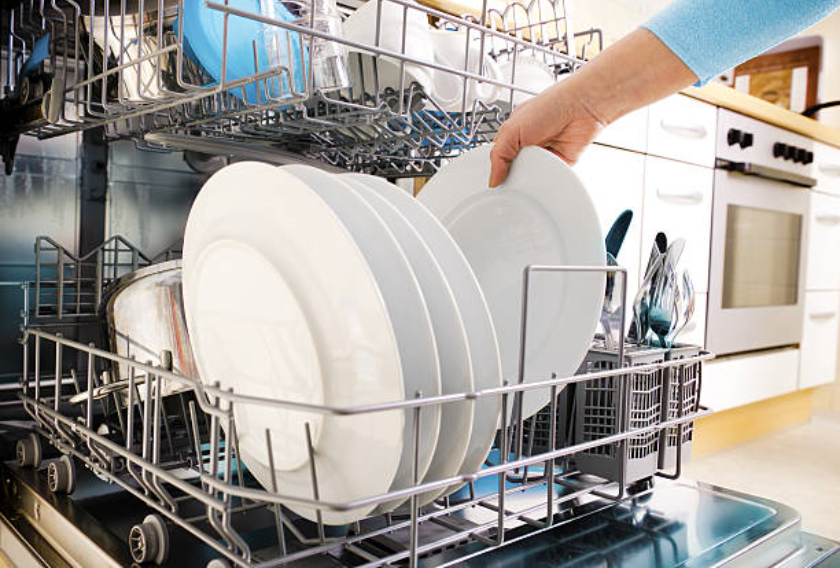
A dishwasher doesn’t use too much energy, but it will consume a large volume of water on every cycle. The best way to use a dishwasher is to get the most out of each and every cycle. Always ensure that the dishwasher if full and that you don’t use the hottest water temperature. If you switch to an energy efficient model you will use less energy and water when the dishwasher is running.

  1. The Refrigerator

The refrigerator consumes energy 24/7 because it needs to be kept on to keep our food fresh. But, many people keep their refrigerator at a temperature that’s far too cold, and every extra degree consumes more energy than necessary. The acceptable temperature range for a refrigerator should be 32ºF-40ªF to keep your food in great shape. It’s also a great idea to fill your fridge with as much food as you can to reduce the energy consumed. The second law of thermodynamics comes into play here, the less empty space in your refrigerator, the less energy consumed to keep the space cool. If your refrigerator is never full enough, you may consider a switch to a smaller unit to save money on your next energy bill.

  1. The Cooktop or Oven

An electric cooktop and/or oven is a great way to cook your meals, but if you cook at home regularly, they can consume a great deal of energy. This is particularly wasteful if you’re only preparing smaller meals and saving energy should be a priority. If you need to boil water, use the kettle instead, and then transfer the boiled water to the pan. Only ever use as much water as you need to reduce the boiling time and always cover your pans to speed up the cooking process. When you use the oven, keep the door shut as much as possible to retain the heat inside for cooking. If you’re only reheating a small meal, it’s a good idea to use a microwave oven instead because it’s far more energy efficient. Another good alternative to a cooktop is to use an induction hob that can quickly heat your pans to the optimal cooking heat safely.

  1. The Washer

A washer is used heavily in most homes, it uses a great deal of energy and water, but there are ways to reduce the energy used. Wash clothes in cold water and use a water saving washing mode if you have one on your machine. Keep the lint trap clean to make the machine more energy efficient and reduce the chance of a failure. Try to use shorter washing cycles to see if they work well with your clothes and dry naturally when possible. Always wash a full load to make the most use of the energy and water that will be consumed. If you have to do a partial load of laundry, make sure to use the correct setting on your machine. Switching to a modern, efficient washing machine will also save water and consume less energy to keep your clothes clean.

If you’re considering new energy efficient appliances, you can explore your options with our online collection, or our team of home appliance experts can provide further guidance.

Is it Time to Replace Your Home Appliances?

Appliances are designed to be tough and rugged, but this doesn’t mean that your hard working appliances don’t have an expiration date. You will need to replace your current dishwasher, refrigerator, range, washer, or dryer at some point, but how do you know when it is time? If your appliances are pushing the 10 to 15 year mark, it’s likely that it is approaching retirement, but here we’ll explore in more detail when it is time to replace your home appliances.

Refrigerators

Most refrigerators last an average of 12 years. If your refrigerator is approaching this age, it doesn’t mean that you should immediately get rid of it. You should check to see if your refrigerator is still operating effectively and efficiently. Refrigerators should cool your items to 35 to 38ºf to avoid your food going bad. At these temperatures, it is cool enough to prevent bacterial growth without being cold enough to freeze.

Even if your refrigerator is maintaining this optimum temperature, you need to consider how much energy is being used. Older appliances can use more power, causing energy bills to skyrocket. Refrigerators run 24/7, so if you notice that your energy bills keep creeping up, you may need to look at upgrading your appliance.

Dishwashers

Many of us don’t realize how much we rely on our dishwashers until they stop working. Family life can be hectic enough without needing to tackle a mountain of dishes at the end of the day. Fortunately, most dishwashers have a lifespan of up to 10 years. You can prolong the lifespan of your dishwasher by regularly cleaning the filter. This can be accomplished by removing it and soaking it in hot, soapy water for 10 to 15 minutes before replacing it. It is also a good idea to periodically sanitize your dishwasher to keep bacteria and bad smells at bay. But, if your dishwasher isn’t draining, starts making weird noises, has developed a persistent bad smell or doesn’t clean your dishes as it should, it is time to think about replacing it.

Ranges

Ranges are at the heart of our kitchens, allowing us to cook family meals and bake treats. Fortunately, most ranges can have a lifespan of up to 20 years, particularly when they are well cared for. If your range isn’t heating up properly or consistently, it is time to consider an upgrade. Fortunately, newer models offer some impressive features that can not only improve your cooking skills, but also make maintenance easier.

Washers and Dryers 

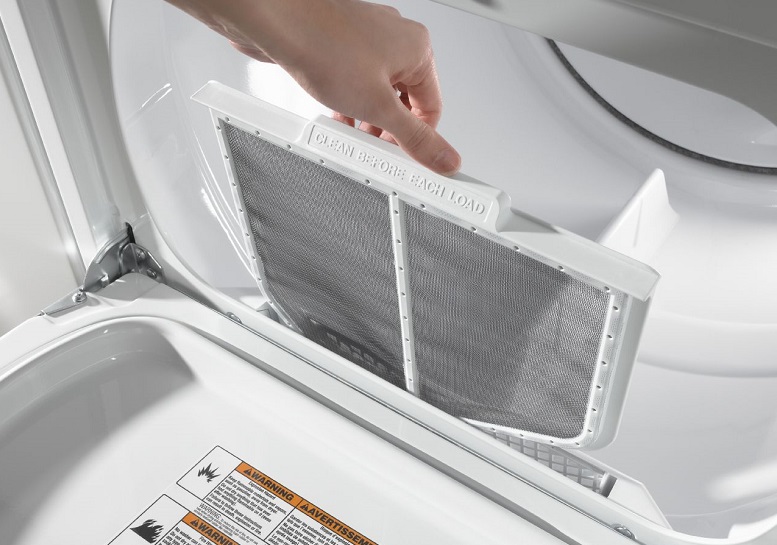
Washers and dryers tend to have a lifespan of 8 to 12 years before they need to be replaced. Fortunately, you can extend the lifespan of your washer and dryer with some basic maintenance. Even something as minor as cleaning the lint traps after every cycle can help to prolong the lifespan and efficiency of your appliance. Unfortunately, you’re likely to need an upgrade if your washer doesn’t fill up or drain properly, or your dryer fails to dry your clothes. Watch your washer and dryer during use, and if they are shaking erratically, it is a sign that they are approaching the end of their life.

Upgrade Efficiency

While no one enjoys needing to spend money on new appliances, there is a positive aspect of upgrading. New appliances offer far greater efficiency and often boast some impressive features to make your life a little easier. Although you may not have noticed the increasing energy use, you may be pleasantly surprised at the cost of your energy bills when you start using your new appliances.

If you are considering upgrading your home appliances, you can explore the options with this online collection, or speak to a home appliance specialist for professional advice and guidance.

Understanding Your Washing Machine’s Lint Trap

While most of us are aware of the lint trap inside a dryer, you may not be aware that your washing machine may also feature a lint trap. Just like a lint trap in your dryer, the one in your washing machine is designed to collect the lint from your laundry that has the potential to clog up your drain or septic line over time. Neglecting your lint trap has the potential to lead to plumbing problems, costly repairs or even water contamination. So, here we’ll explore all you need to know about your washing machine’s lint trap.

The Importance of a Washing Machine Lint Trap 

The lint trap in your washing machine is designed to prevent the pipes and septic system in your home from becoming clogged with washing machine debris. Much of the lint from your clothing, bedding, linens, and towels consists of non degradable particles that can accumulate and stick inside pipes, leading to wastewater backing up inside your home.

The trap is designed to filter biodegradable material, but this is not its primary purpose. It will also filter any material that won’t break down inside your septic system. For example, your washing machine filter can remove fibers created when polyester or nylon items are washed that are almost impossible to break down. It can also catch pet fur and hair that can ball up and create problems.

How to Find Your Lint Trap

Unfortunately, finding your washing machine lint trap can be a little tricky. Depending on the make and model of your appliance, it can be in a different location with different instructions to remove it for cleaning. The best way to find your lint trap is to check your owner’s manual for your specific appliance. It should be shown along with instructions for cleaning. If you can’t locate your owner’s manual, there are some locations that are common for several manufacturers. This includes:

  • Along the rim of the washing machine drum
  • The center of the washing machine agitator
  • The end of the washing machine drainage hose

Cleaning the Trap

It is recommended that the lint trap in your washing machine is cleaned at least every three months to ensure that your appliance continues to work at its best.

Once you have located your lint trap, you’ll need to pull it out of its housing. You should notice a layer of wet lint, hair and other debris on the film. You should be able to wipe this debris off using paper towels, but sticky residue can be removed using a small brush, such as a toothbrush. Be sure to keep all of this material out of the drain and put it in the garbage. Don’t be tempted to flush it down the toilet as it can cause a clog.

If your lint trap is particularly dirty, allow it to sit in hot water for ten to fifteen minutes. This should enable any detritus to loosen and be wiped off before you replace it in the machine.

What if Your Machine Doesn’t Have a Trap?

Some washing machine models don’t have a trap. Instead, they rely on a pump to pull any excess lint out of the machine. This is more common on front loading or high efficiency machines. To avoid clogs and potential problems, run a maintenance load each month, where you select a higher temperature program and run the machine empty to prevent any lint from accumulating.

If your washing machine is struggling to cope with your laundry requirements and you’re considering an upgrade, you can explore the options with this online laundry appliance collection, or speak to a home appliance specialist for further guidance.

Clever Ways to Upgrade Your Laundry Room

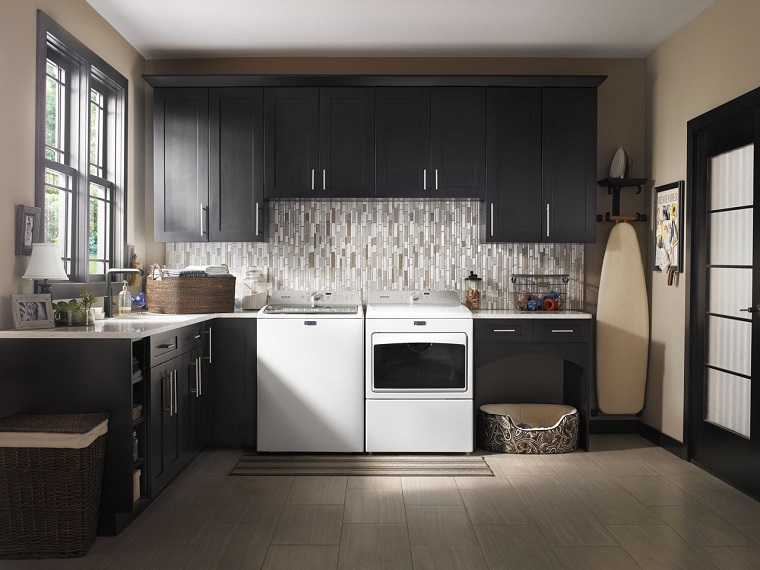
If your washing machine is just about ready to give up or your dryer has stopped drying, you may have considered upgrading your laundry room. Putting brand new, shiny appliances into a tired laundry room is not likely to give you much pleasure, or make you want to spend time in there folding. Fortunately, there are some great ways to upgrade your laundry room and make doing this chore a little more pleasant.

Create Storage

Storage is important in virtually every room of your home, but it is often overlooked in a laundry room. Bins, cabinets, shelves and other storage can be invaluable for organizing bleach, detergent, dryer sheets and all the other items that are needed for dealing with your laundry. Proper storage will make laundry more manageable and also make the entire chore a little less overwhelming. Laundry rooms tend to end up as a dumping ground for all those bits and pieces that don’t seem to have a proper place in your home. This can mean that you not only need to get the laundry done, but you need to create space to get it done in the first place. By having sufficient storage, you can create a folding station, so you can get everything done in one place and keep everything neat.

Brighten It Up

If your laundry room has lots of natural light, you are very fortunate. Many laundry rooms tend to lack natural light, so they can end up feeling dark and gloomy. This means that you’re not likely to want to spend time in the room, folding clothes or sorting laundry. Fortunately, you can counter this and make your room a more soothing place by brightening it up with paint. Choose a color scheme that will make you feel a little brighter when you step into the room. You can add splashes of color, but remember that smaller rooms tend to feel bigger and lighter if you avoid darker paint colors.

Add Some Personality

Finding some creative ways to make a laundry room more exciting may seem difficult, but it can actually be quite easy. Tackle the decor as you would any room; choose a theme and decorate accordingly. There are lots of ways to make your room feel creative yet functional. For example, put your detergent and other knick-knacks in mason jars that can sit on an open shelf. Or you could add cute little signs, framed photos or even artwork to brighten your space. With some creative ideas, you can make your laundry room a little haven of peace where you can get away from the hectic activities of your home and be in the moment folding laundry.

Create Sorting Stations

Finally, it is inevitable that your laundry room will have clothes, towels, linen, and bedding in different states of cleanliness at any time. So, instead of kidding yourself that you will make sure everything will get put away immediately, plan for dealing with your laundry loads. Create sorting stations; you can have a basket or box for handwash items, laundry awaiting folding or even items that need special attention. This means that you won’t need to carry dirty laundry back into your room if you don’t have a full load.

Upgrading a laundry room only requires a few tools and a little motivation to make it feel a much more pleasant place to spend some time.

If you’re considering upgrading your laundry appliances, you can explore the options with this online collection of washing machines and dryers, or speak to a home appliance expert for a more specialist service.

Tips to Plan Your Perfect Laundry Room

Many of us find laundry a cumbersome and annoying task. In a busy family home, it can mean doing loads of laundry every day, and when you have your washer and dryer lurking in a basement or tucked away in a garage, you may dream of creating a laundry room. This can not only make your life easier, but could add to the value of your property. In fact, a National Association of Home Builders 2017 survey found that the number one on a list of most desired features for a new home is a dedicated laundry room. It was shown to be considered desirable or essential by 90 percent of the survey respondents. The National Association of Realtors has also found that a laundry room is high on the list of must-haves for millennials, who are now representing the largest proportion of home buyers. So, here we’ll explore some tips to plan your home’s perfect laundry room. 

Think Dual Purpose

In addition to being a convenient location for all your laundry related tasks, your new laundry room could also serve a second purpose as a mud room. This means that you can avoid knapsacks, shoes, jackets and muddy boots coming into your kitchen and living areas. For this sort of application, you will need a 6×12 foot area ideally, but it can be accomplished with as small a 5×8 footprint.

Test For Structurally Sound Locations

Before you make a final decision on the location of your new laundry room, you need to ensure that it is structurally sound. An engineer can help you to determine this, particularly if you want a laundry room on the first floor near your bedroom. You may also need help from an architect, who can help with any space planning concerns and the incorporation of any necessary mechanical changes to the design of an existing home.

Remember that floor joists must be able to support the additional weight of the washer and dryer, along with the associated vibrations. You will also need a clear path for venting, electrical, plumbing, and even gas lines.

Consider Noise

It is worth bearing in mind that even the most modern of washer and dryer models will still make some noise, so you need to think about whether this will interfere with the usual activities in certain areas of your home. For example, while it may seem like a great idea to have a laundry room near your bedroom, you may regret it if the spin cycle wakes your children after bedtime. Of course, you can add insulation to prevent noise from traveling to adjoining rooms and those above and below, but this will add to the costs of your renovation.

Plan For Waterproofing

One of the best ways to prevent leaks flooding the rest of your home is to create a curb across the threshold of your laundry room, install a floor drain and waterproof the floor area. Since the drain will typically be dry, you will also need a trap primer to divert a small amount of water from your supply line to keep the trap full and prevent nasty smells from rising into your home.

Choose the Right Appliances

Finally, you need to choose the best appliances for your new laundry room. To minimize vibrations, you’ll need to ensure that your appliances are level and you may want to consider stack-ability to maximize space. It is also a good idea to look for efficient, low noise appliances that can offer excellent performance. Just remember that while you need a loud chime when your washer is in the basement, it can be annoying next to your bedroom or near your living area. So, look for models that allow the audible alerts to be turned down or off.

If you’re considering installing or upgrading your laundry room, you can explore your options with this online washer and dryer collection, or speak to a home appliance professional for more specialist and expert help.

Appliances and Features to Make Your Kitchen the Envy of the Neighborhood

The kitchen is more than a room to meet your needs; it is often the room that delivers the wow factor to any visitors. Whether you’re planning a dinner party or inviting a friend over for coffee, you’re likely to want a modern kitchen packed with cutting edge appliances to ensure that it is the envy of the neighborhood. So, here we’ll explore some of the appliances and features you need to include in your kitchen.

Commercial Inspired Range

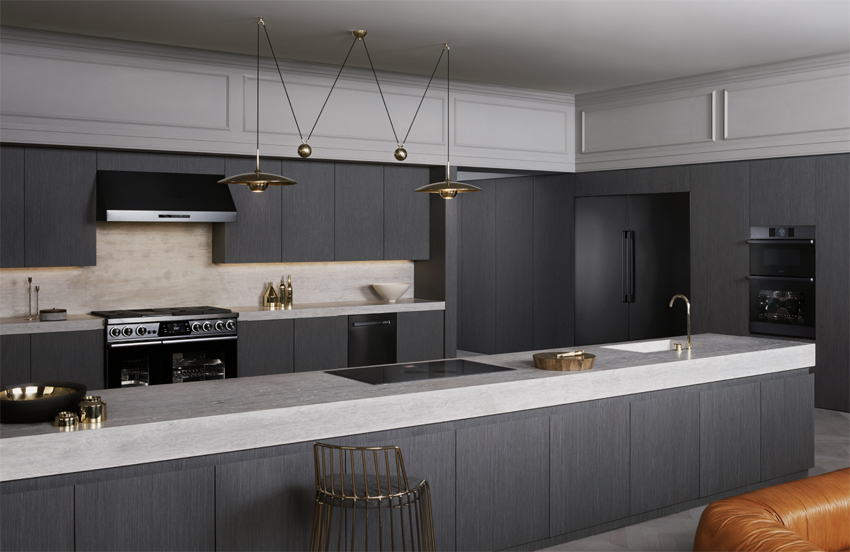
These days, you don’t need to visit a restaurant supply store to get a commercial style range. Many manufacturers now offer ranges that are made in a commercial style to add functionality and flair to domestic kitchens. This is likely to be a result of cooking shows, but a commercial inspired range tends to be more powerful and can look great in any kitchen. They offer greater oven space, more burners and even additional features such as built-in griddles. There is usually a choice of fuel sources, but if you want the ultimate in cooking performance, consider induction.

Immersion Blender

You don’t need to waste space or time with a bulky blender. Immersion blenders take up very little space in a kitchen drawer, yet are easier to use with faster clean up. While you may still rely on your traditional blender for making smoothies, an immersion blender can be useful for soups, sauces and many other culinary delights. Just be sure that you unplug your immersion blender before you dismantle it for cleaning.

Refrigerator With Adjustable Shelves

Modern refrigerators are equipped with some fantastic features, but one limitation is fixed shelves. Fixed shelves can make it difficult to get the best use out of your refrigerator, as you may find that you have wasted space in some areas and little available space in others. Instead of trying to adjust to these limitations, opt for a model with removable shelves that can be adjusted to fit your specific needs and changing circumstances.

An All in One Coffee Maker

These days, a coffee maker can do more than make a basic black. If you choose one that can perform different functions, you can save time in your kitchen and enjoy a coffee house style cup. Ideally, your new coffee maker should be able to filter water and have manual control, but you can also buy models that grind coffee beans. An all in one coffee maker can not only look great on your countertop, but can ensure that you don’t need to meet friends at your local coffee house, as you can prepare fantastic coffee at home.

Kitchen Companion

Smart speakers provide a fantastic kitchen companion. These voice activated devices feature a sensitive microphone that responds to a wake word and can take commands. An excellent example of this is Google Home Mini or the larger Google Home system that emits a human like voice to respond to your requests. So, whether you want to listen to your favorite cooking songs, confirm a recipe or convert measurements, your kitchen companion is ready to help. Some devices can also be configured to adjust other smart devices in your home such as thermostats and lights. There are almost no limitations for the uses of a kitchen companion; whether you want to ask how many calories are in that brownie before you eat it, want to set an oven timer or plan to learn a language while you make dinner, you can rely on your new smart device.

If you’re interested in investing in some new appliances and features for your kitchen, you can explore the options with this online collection, or speak to a home appliance expert for a more specialist service.

Green Tips to Use Less Water in Your Appliances

Most of us are keen to make our lives greener, and one of the most obvious ways is to save water in our homes, especially here in parched California. Between our washing machines, dishwashers, toilets, faucets and showers, according to EPA data, the average family in the U.S uses over 300 gallons of water each day. The good news is that it is simple to cut down on water usage; saving money and helping the environment in the process. So, here are some green tips to help reduce your appliance water usage.

Wash Full Loads

Unless your machine has a specific half load function, you’re wasting water if you don’t properly fill your dishwasher or washing machine. While you need to be careful not to overfill, as it can cause stress on the machine and inhibit cleaning, a full load will make optimum use of water and energy. So, plan your washing loads to ensure that they are full and don’t waste water.

Choose the Right Program Setting

If you’re washing a light load of dishes, there is no need for the high volume and temperatures of a pots and pans cycle. Choosing the wrong program settings wastes not only time, but also energy and water. Unless you have a machine with sensor technology that can assess the soil level of your dishes, you need to take care to choose the right program. The same applies to your washing machine. Not all clothing needs to be washed on a hot cycle, and you can save water by choosing a lower temp, faster wash program.

Don’t Guess Your Laundry Detergent

While it may seem strange, measuring your laundry detergent can save water. Using excessive amounts of detergent in a high-efficiency washing machine can extend the rinse cycle as too many suds are detected. Additionally, you should be using a HE detergent in your high-efficiency washing machine, or you’ll end up with suds GALORE. Using too much detergent can also leave a film on your clothing, which means that you’ll need to spend more energy and water rewashing.

Upgrade Your Toilet

An older toilet can use as much as 6 gallons every flush. When you compare this to the 1.3 gallons the average new low flow toilet can use, you can see how you can manage massive water savings. Think about how many times someone in your family flushes a toilet in your home and think about the 4 plus gallons that are being literally FLUSHED DOWN THE TOILET every time.

Smart Showering

Not only can you save water by upgrading to a low flow showerhead, but there are some other smart showering tips. A low flow showerhead can cut your water usage by half, saving gallons in the average shower. Additionally, there is no need to waste that water when you’re waiting for the warm water. Place a bucket in your shower stall and use this water for household cleaning or watering your plants. If you want to save even more water, think about turning off the shower while you wash and then turn it back on to rinse. Since the average showerhead uses 5 gallons of water per minute, you could save hundreds of gallons each month.  It adds up when you multiply it by a few million people.

Replace Your Old Appliances

Even if you purchased the best models, when your appliances reach 10 years of age, it is safe to assume that upgrading to a new model will save energy and water. Modern washing machines and dishwashers are designed to be far more water conscious, particularly if you choose an Energy Star approved model. New washing machines and dishwashers typically use as much as 40% less water compared to older models. Not only will you save energy and water, but you’ll also find that they are quieter and have the latest innovative features, to make your life even easier.

If you’re considering upgrading to more eco-friendly appliances, you can explore your options with this online collection or speak to a home appliance expert for additional help and guidance.

How to Prevent “Eaten” Socks in Your Laundry

Many of us have experienced the phenomenon of socks disappearing from our washer or dryer. Research has shown that people lose up to 15 socks each year, adding up to 1264 socks in the average lifetime. While you make joke about a laundry monster eating your socks, there are a number of reasons why your socks may have disappeared, which we’ll explore here along with how to prevent this happening.

Why Your Socks Go Missing

There is no definitive answer to why socks have a tendency to disappear during the wash. There are myriad explanations ranging from them getting trapped behind your washing machine drum to them merely being misplaced. Some of the other common causes of missing socks include your socks being stuck inside your washing machine pump because the machine was overloaded or even that dryer static has caused socks to cling to other clothing, and you don’t notice them. Contrary to the belief of some, your socks are not being sucked into an alternate dimension, and with a little care and attention, you can prevent the problem.

Don’t Overload

The first step to keeping your socks from entering the Twilight Zone is not to overload your washing machine. Overloading not only prevents proper cleaning and increases strain on the machine, but it can also allow smaller items such as socks to be pushed behind the drum or sucked into the pump.

Most washing machines specify a maximum weight capacity, but the easiest way to check if your machine is overloaded is by using one hand. Simply place your hand into the drum and check what space is left. If you can only fit your hand in, your load is full and ready to go, but if you can’t even squeeze your hand in, you’ve overloaded it, and you need to remove some items.

Keep Your Socks in Pairs

The reason socks tend to go missing in the laundry is that they are often the smallest item in the load. You can improve the chances of keeping them safe by keeping your socks in pairs. You can use binder clips or safety pins, but even rolling one sock sleeve over another will work. While this may take more time for your socks to dry, it should prevent them from going astray.

Use a Mesh Bag

Another way to protect your socks and all your smaller items is to use a mesh laundry bag. These bags are designed to allow water and detergent to pass through them while protecting your smaller and more delicate items. Just remember to zip the bag closed before you put it in the machine or you’ll still end up with socks dotted throughout the load.

Check for Missing Socks

Finally, if you do find that a sock has gone missing, don’t just ignore the issue. A sock trapped inside your washing machine or dryer could cause damage at put your home at risk of flooding. If you find you’re missing a sock when your folding your laundry, first check that it isn’t trapped in your dryer lint filter. This is the easiest issue to deal with, as while you may need to clean the lint and rewash the sock, it should just be a matter of opening the lint trap and emptying it as you should before or after each cycle.

If the sock isn’t in the dryer, check if you can see it in the drum. Often you may be able to see a piece of sock sticking out, and you may just be able to tease it out. Another thing to check is the pump overflow of your washing machine. Many models feature a small compartment on the front. This allows access to the pump trap. When you open the door, you’ll see instructions to turn a dial and release any trapped water. You may be surprised to see your rogue sock pop out with a small gush of water.

If your washing machine seems to be struggling to cope with your laundry and you’re considering an upgrade, you can explore your options with this online collection. Or you can speak to a home appliance expert for a more specialized service.

Dacor Unveils the First Luxury Porcelain Refrigerator Freezer in the World

Dacor is widely recognized as a leading brand for luxury home appliances in America. Therefore, it is always exciting when Dacor announces a new product line. At the recent Kitchen Bath & Industry Show, Dacor unveiled Project Blanc, which is sure to revolutionize the aesthetics and performance of kitchen appliances.

The World’s First

It was revealed at the Orlando, Florida event that Project Blanc is a world’s first. Dacor’s new 30 inch porcelain freezer and refrigerator columns, represents the first porcelain built-in solution in the world. The all new columns reinforce the TechCraft Dacor legacy that combines unmatched craftsmanship with radical food preservation techniques and innovations. The immaculate porcelain column cavity not only elevates durability and purity, but uses 3DLighting Plus for full illumination. The Project Blanc appliances are also complimented by a myriad of cutting-edge technologies.

Enhanced Food Preservation

The 30 inch Project Blanc Porcelain appliances are considered the most sophisticated tools for food preservation in the luxury market. Porcelain is an ideal material as it has a higher heat capacity compared to more common cooling materials and it minimizes temperature fluctuations. The Project Blanc appliances feature interior porcelain walls, drawer fronts and door liners to ensure a consistent temperature and allow your food to retain its original flavors and textures longer. There is an integrated FreshZone drawer that features adjustable temperature settings and the capacity to accommodate chilled drinks, meat, fish and other produce. At the core of the appliance, there is a dedicated digital inverter compressor that powers the ENERGY STAR® certified cooling system to maintain high humidity levels in your refrigerator and optimum dry conditions in the freezer.

According to Dacor’s Refrigeration Director of Product Marking, Michael Magnani, porcelain provides category reshaping benefits for food preservation that push the limits for freshness. Mr. Magnani stated that not only is porcelain a striking premium material, but it also provides an ideal solution to maintain a consistent temperature and preserves an ultra-hygienic environment for your food.

Superior Durability

Porcelain is also a sleek and durable material that will complement any luxury kitchen beautifully. The premium interior not only provides exquisite and stunning aesthetics, but also establishes a superior standard of hygiene. Porcelain provides a nonporous surface that prevents contamination and eliminates any discoloration resulting from spills or odor transfer. Another substantial benefit offered by porcelain is durability. The finest raw materials are used to craft the porcelain interior, and it is glazed with aramid. Aramid is a synthetic and highly durable fiber that is commonly used within the aerospace industry. This glazing process creates a surface that is five times stronger compared to plastic, providing unparalleled scratch resistance for a timeless look.

Complementing the Contemporary Luxury Kitchen

The panel ready Project Blanc unit can accommodate custom wood paneling or be complemented with a graphite or silver stainless steel panel kit to coordinate with other Dacor products in the Heritage or Modernist collections.

The full height doors provide flush integration allowing your new refrigerator and freezer porcelain columns to blend seamlessly into your kitchen design. Whether you choose a handle free or handle design, the Push to Open door opens the doors gently with a simple tap. When the unit is open, the 3DLighting Plus brings the appliance to life with full illumination to allow the porcelain cavity to dazzle with an alluring glow.

There is also an internal water dispenser and Dual Icemakers for traditional or Cocktail Ice, and other cutting-edge technologies for a truly luxury experience.

If you would like to find out more about Dacor’s Project Blanc appliances or are looking for a new refrigerator or freezer, you can explore the options with this online collection or speak to a home appliance expert for a more specialized service.