Top Tips to Survive a Kitchen Remodel

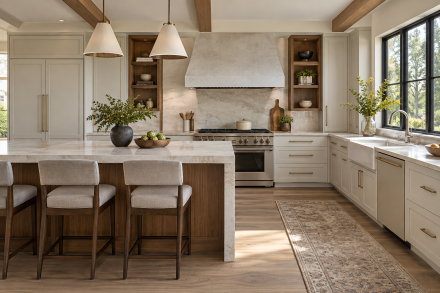
For many people planning a kitchen remodel is an exciting time. Unfortunately, when reality sets in and the work starts, you need to think about how you will manage without a fully functional kitchen for days or even weeks. There is no avoiding this inconvenience, but with a little planning, you can make it easier for your whole family. So, here we have some top tips to help you to survive your kitchen remodel.

Create a Substitute Kitchen

Eating out can not only get tiresome after a few days, but it can also significantly increase the costs of your remodel. Even if you love your local take out joint, you’ll still need somewhere you can brew coffee, pack a lunch or just pour a bowl of cereal. So, it is a good idea to create a substitute, temporary kitchen.

Ideally, this should be somewhere away from the construction area, but you’ll need some kitchen basics. If you’re lucky enough to have a guesthouse, this should not be a problem, but if not, you’ll need to pick a spot. This could be a corner of your basement, a workroom or even part of your garage. You can set up a couple of folding tables, standalone shelves and a couple of chairs. You can even relocate your existing appliances, such as your refrigerator and microwave to this area.

Pare Down Your Kitchen

During your kitchen remodel, it is inevitable that there will be disruption to your cooking and eating routine. Regardless of how much you like to cook and whether you’re a Masterchef worthy home cook, it will be a challenge to tackle and ambitious menu.

So, you should look to simplify and pare down your kitchen. You should only move essentials into your temporary kitchen, to save stress and space. Think about whether you will actually need your waffle iron, stand mixer, or food processor? Put all non essentials into storage and just keep the things you really need close at hand.

Plan Small Appliance Meals

Since you’re not likely to have your full size oven and stovetop in your temporary kitchen, try to plan meals that can be made using your smaller appliances. Hotplates, microwaves, electric griddles, toaster ovens, and slow cookers can be crucial for coping with the disruption of a kitchen remodel.

Think about what meals you can make without your large kitchen appliances, and set your menu accordingly.

You can even think outside the box and fire up your grill. You can use your grill to roast meats or prepare veggies. Furthermore, a grill can be used to bake pizza, make skillet pies, and even pans of rolls or biscuits.

Stock Up on Disposables

Since your usual spot for washing dishes or even your dishwasher will be out of action, you’ll need to get a little creative. So, you can make your life a little easier with disposable items. There are biodegradable or recyclable cups, plates, utensils, and napkins. These will make clean up easier and reduce the stress of your kitchen displacement.

Stock Up On Non Perishable Snacks

In a temporary kitchen, even preparing a snack can be stressful. So, when you or your kids are hungry, it is a good idea to have a stock of non perishable snacks on hand. Crackers, peanut butter, fruit leather, trail mix, dried fruit, and more can offer a quick snack when you need it.

Keep Thinking About the Big Picture

When you’re tearing your hair out, and your family is complaining about your latest thrown together dinner, try to think about the big picture. While it seems like your new kitchen is taking forever, in a matter of days or weeks, you’ll be enjoying your brand new kitchen and cooking up a storm.

If you’re planning a kitchen remodel and need to upgrade your appliances, you can explore your options with our online collection. Alternatively, you can get further help and guidance from one of our home appliance experts.

The Benefits of Installing a Wine Fridge

Whether you’re an enthusiast or simply enjoy relaxing with a glass in the evening, a wine fridge can add class to any home. For many people, a glass of wine is the nicest way to cool down on a scorching summer day. If your bottles are sitting on a bar card next to your whiskey or scattered in hidden cupboards, you may need to think about getting organized by installing a wine fridge.

A wine fridge not only looks sophisticated, but it can be a great addition to your home even if you only store a handful of bottles. Depending on your geographic location, a wine fridge may be the only stable area for your bottles. A stable temperature is incredibly important when storing wine. So, if you experience drastic changes in temperature or live in a very hot area, you could be compromising the taste and quality of your wine.

Providing Stability

Wine is not only sensitive to light, but also fragile when it comes to humidity and temperature variations. The number one enemy of wine is heat. When wine is stored in an overheated apartment, it is at risk of drying out and will lose much of its delicious flavor. A wine fridge is designed to provide stability for your wine, keeping the bottles at a consistent temperature at optimum storage conditions.

While a typical home refrigerator may be fine for your wine in the short term, it is not a proper long-term solution. Most household refrigerators maintain a temperature of less than 45ºf, which is lower than optimum conditions for wine. Additionally, the lack of moisture inside your refrigerator may cause the corks to dry out. If your corks do dry, it will allow air to enter the bottle and damage the wine.

Choosing a Wine Fridge

Wine fridges are available in all shapes and sizes, making it easier to choose the ideal model for your home, but you will need to assess certain considerations.

The first thing you need to look at is the size and space offered. You’ll need to think about what space you’ll need in the future, rather than just looking at your current wine collection.

You will also need to look at what noise level the model operates. Unless you are planning on putting your wine fridge in your kitchen, noise may be a factor. Many people opt for a wine fridge in their living area, which means a low noise, compact option is preferable.

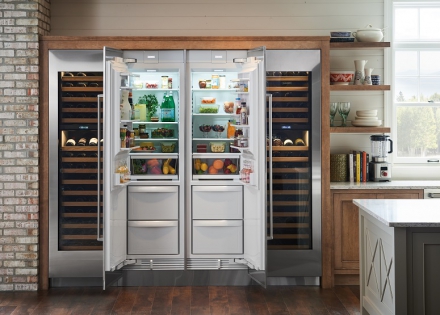
You will also consider the aesthetics of your new wine fridge. Many homeowners use their wine fridge as a feature, showcasing their collection. If you want your wine fridge to take pride of place in your home, you’ll need to look at whether you want steel or wooden racks and if you would prefer to be able to see your wine bottles. Some models have a solid door that provides maximum light protection, but it is still possible to have tinted glass doors that offer UV resistance.

Final Considerations

Finally, you need to look at whether your new wine fridge offers different temperature zones. This allows you to create optimum temperatures for both your whites and reds. Ideally, your new appliance will also have accurate humidity settings that will enable you to adjust the humidity for optimum conditions. Ideally, to preserve the longevity of your wine, you should fix the humidity levels at between 50 and 70 percent.

If you’re considering a new wine fridge, you can explore your options with this online wine fridge collection. If you need help with further questions or require a more specialized service, be sure to speak to a home appliance expert.


A Brief Guide to Buying the Right Dishwasher

These days no kitchen is considered complete without a dishwasher. Fortunately, there are sizes and styles of dishwashers to suit any kitchen layout. Here we will explore how to find the right dishwasher for your kitchen.

Styles and Sizes

The standard size for dishwashers is 24 inches wide, but there are narrower units if you have limited space. If you have less than 34 inches in height, due to new flooring being laid over old flooring or if you have lowered countertops for greater handicap accessibility, you will need to look for a “short tub” style dishwasher.

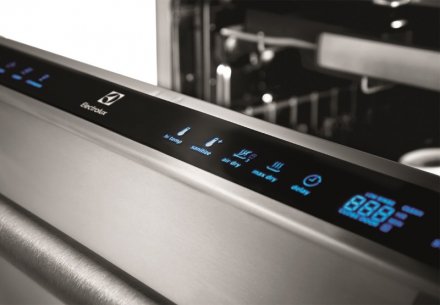
You can also choose a more streamlined style with a model with hidden controls. Many dishwashers now have the controls integrated into the top of the door rather than on the front of the appliance for a sleek aesthetic. If you want a fully integrated look, you will need to opt for a model with an unfinished door that can accept a custom panel.

Cleaning Power

Basic dishwasher models tend to be equipped with one or two spray arms, but there are many models that offer three or more arms, so the top, bottom, and middle of the tub are covered. The spray arms tend to have a direct water feed, but some appliances have specialized cleaning systems that offer alternate arm action and more concentrated cleaning.

Layout

Traditionally, the silverware basket is located at the front, center of the lower rack, but some manufacturers have increased flexibility and load capacity by offering a longer basket that can be split, removed or relocated. The conventional place setting capacity for a standard 24” dishwasher is 12, but some models can accommodate 15 or 16 place settings due to adjustable racks and additional shelves. This provides more space for cups, longer items, and larger crockery. If you tend to use larger platters or trays frequently, it is a good idea to look for a dishwasher that provides a more flexible load capacity.

Additional Features

Many dishwasher models offer additional features to improve the performance and effectiveness of the appliance. This includes measures such as anti-leak protection to prevent damage to hardwood floors in the event of an internal leak. A sensor in the pan shuts down operation and water is contained in the pan to prevent any external damage.

If you live in a hard water area, you may want to consider a model with an integrated water softener. Hard water causes glassware etching or fogging and can reduce detergent cleaning power. The hard water minerals can also accumulate reducing energy efficiency and leading to break down issues.

Features such as a hard food disposer can be particularly beneficial in a busy kitchen. These models grind up any food particles and flush them from the appliance to avoid the clogs and mess that result from failing to rinse dishes before they are loaded.

If you are concerned about stains or odors, you may prefer a stainless steel interior. Stainless steel is less prone to absorb stains or odors compared to plastic and offers a quicker drying time.

Finally, if you like to keep track of what your appliance is doing, you may like to have an LED electronic control panel. These models tend to show cycle remaining time and other settings, so you can tailor your wash cycle to suit your preferences.

No modern kitchen is complete if you don’t have the right dishwasher, and today, there are a wide variety of appliances to satisfy your unique needs.

If you’re looking for a new dishwasher, you can explore your options with this online collection of dishwasher models or speak to a home appliance expert for a more specialized service.