Which is Best? Ceramic vs Induction Cooktops

A cooktop is a valuable appliance in any modern kitchen that offers a proper surface to cook various delicious dishes. There are two popular options: ceramic and induction cooktops. At first glance, they look very similar. But looks can be deceiving, and upon closer inspection, these cooktops are very different. In this article, we will look at these two cooktop choices in more detail to help you determine which will suit your kitchen.

What is an Induction Cooktop?

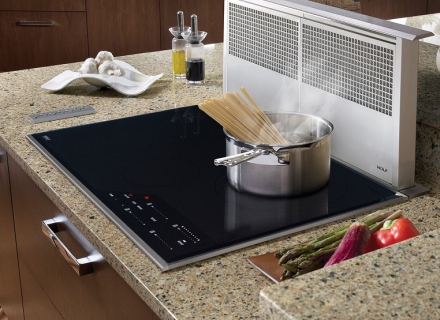
This is a smooth ceramic surface that hides high-frequency electromagnetics mounted underneath. The magnets interact with the cookware’s surfaces to generate heat in the pan or pot. To generate heat efficiently, the cookware must have steel, iron, or magnetic stainless-steel bottoms. This limited interaction has significant advantages over cooktops that generate heat directly.

First, there is no heat to cause accidental burns during or after cooking if the cooktop is touched. This significantly reduces the chances of accidents, which may be of considerable interest to those with children and elderly relatives. The induction cooktop will only generate heat when the correct type of pan or pot is placed on the surface. Because the surface is sleek and smooth, it’s aesthetically pleasing and easy to clean. Induction cooktops tend to heat the pots and pans quickly, speeding up cooking times and lowering energy bills.

What is a Ceramic Cooktop?

There are also smooth-topped appliances, but instead of the high-frequency electromagnets, they have coiled metal heating elements instead. These elements are placed under a sheet of tempered ceramic glass, which glows during heating. The heat is transferred to a specific burner or “zone” on the cooktop for easy reference. Ceramic cooktops are and remain a popular choice with many people because they are attractive, simple to use, and easy to clean. There are no obtrusive burner units that are difficult to clean, and they deliver reliable and consistent heating.

Which is the Best Cooktop?

This is a tricky question; we all have different expectations, requirements, and budgets. Both cooktops make an excellent choice for a modern kitchen, but they work quite differently, and it’s important to understand these differences.

Those seeking a premium-grade performance without the hassle of a gas cooktop may prefer an induction appliance. The heating times are much faster than those of a typical ceramic cooktop, and they are safer. The cooktop’s surface doesn’t get hot unless it’s in direct contact with a suitable pan or pot. As a bonus, if you spill any food or ingredients during cooking, they will not be cooked onto the surface. This, combined with the sleek finish, makes an induction cooktop simple to clean quickly.

The only real disadvantage of an induction cooktop is that this technology drives up the price. This is fair when considering the features, but it’s probably not the best choice for budget-conscious buyers looking for a new cooktop. This is the main reason why ceramic cooktops are still popular today. They are sleek, controllable, and easy to clean, yet they are much cheaper than an induction model. Those who can deal with slightly slower heating times and incrementally higher energy bills have a lot to offer.

A Brief Cooktop Buying Primer

No matter which cooktop you choose, there are five things that you need to bear in mind before you buy. They are:

  • Available Space: It’s essential to match the cooktop to your kitchen space carefully to ensure it fits properly. There’s not much point in agonizing over how many cooking zones you need on your new induction cooktop if you can only fit four in your kitchen. Certain manufacturers offer 70cm cooktops that fit in a 60cm cutout. This can be useful if 60cm feels too cramped and you need extra space around the base of your pots and pans.
  • Extra Features: One of the best things about new ceramic and induction cooktops is the extra features. The burners or cooking zones can be chosen to suit the number and types of pans that you use regularly. Other useful features may include child locks, timers, displays, control positions, and more. This level of customization isn’t possible with more traditional cooktop designs.
  • Energy Efficiency: Energy costs have risen dramatically in recent years, and many people are looking for ways to trim expenses without compromise. So, it’s a great idea to prioritize energy efficiency when you choose your new cooktop. In this area, the induction cooktop is the clear winner; the upfront costs may be much higher, but energy savings are possible in the medium to long term. This can add up to a tidy sum over the appliance’s lifespan.
  • Electrical Rating: Any cooktop you’re considering should have the correct wiring to suit your kitchen. If you’re unsure, consult a professional home appliance technician to check the wiring and install the cooktop for you. It’s important to follow the manufacturer’s installation requirements carefully. This will prevent any problems in the future and protect your manufacturer’s warranty.
  • Avoid DIY Installations: Although it’s tempting to attempt a DIY installation for your new ceramic or induction cooktop, this should be avoided. Both cooktops represent a significant investment that should be protected. A non-professional installation may cause warranty issues that can degrade the value of your new cooktop.

Making the Final Buying Decision

Although both cooktops work well in a modern kitchen context, we believe the induction cooktops are the best option on the market. They are aesthetically pleasing, functional, simple to use, and easy to clear. Over the years of ownership, a regularly used induction cooktop can save the user a lot of money. Some users may need to upgrade or change their cookware to work with these cooktops. But, the cost of these induction pots and pans has dropped significantly over the last decade. Induction cookware is now more affordable than ever, and many can be used on ceramic, electric, and gas cooktops.

A gas cooktop is the only natural alternative for “serious” cooks. These have become extremely popular in recent years and are often part of a dual-fuel range setup. Many top chefs swear by gas cooktops because they offer superior temperature control, which is a requirement for advanced cooking techniques. But for many people, a gas cooktop is likely to be overkill when it comes to their daily cooking needs. Most of us need a cooktop that’s effective, safe, and easy to clean.

If you’re not sure about induction cooking, there’s a cost-effective option to try it out for yourself. Many manufacturers now sell induction hot plates that you can use with a single pot or pan to evaluate if this technology will work for you. Set up the hotplate and time how long it takes for the water to come to the boil. The results may surprise you; unlike other heating methods, an induction surface is not subject to changes at different altitudes. Most induction surfaces have a minimum and maximum temperature of 100ºF and 500ºF respectively. Because there’s a limited risk of burn, the heat can be distributed consistently and evenly across the entire cooking process. Certain ceramic cooktops can limit heat or fade in and out to “save energy,” which can be annoying.

Safety Features

We’ve touched on this briefly, but the safety features of an induction cooktop can be awe-inspiring. It’s also admirable that these safety measures do not degrade the performance. The risk of injury and damage to cookware and the cooktop is significantly reduced during cooking. The surface doesn’t get too hot and is only activated in set zones that only operate when the pan or pot is in place. Although they are safer than traditional cooktops, ceramic models retain heat after cooking, which can lead to burns. A ceramic cooktop will retain the heat for 4-5 times longer than an induction model. Both types have heat indicators that warn of stray hands or those cleaning the surface too early. One helpful feature on specific models is turning off the zone if there’s a spillage or the cooking zone empties. This can prevent long-lasting damage and use energy in areas no longer required.

In Conclusion

Ideally, we prefer a professionally installed induction cooktop over a ceramic model. The heating speed, energy savings, and extra features are well worth the premium-grade price. An induction cooktop will also add much value to a kitchen if you sell your home shortly. If you want to learn more about induction or ceramic cooktops, contact a home appliance specialist for expert help and advice.


Understanding the Self Clean Feature on Your Oven

The self-clean feature is a relatively new addition to oven models, but many people remain wary about it, worrying about the potential dangers of running it. So, here we’ll delve into this feature, so you can understand how to use it for the best results.

The Self Clean Basics:

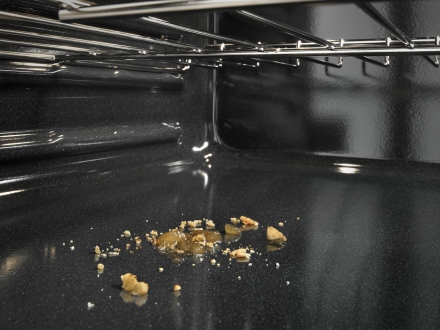
Many convection ovens have a self-clean feature, but it doesn’t involve soap and a scrubbing brush. Instead with this setting, the interior temperature rises to approximately 800 degrees. This high heat will help to incinerate any food debris or gunk that has adhered to the oven walls. Once the oven has cooled after the self-clean cycle, and it will cool slowly, you can simply wipe out any residue.

Newer steam ovens may also feature a self-clean function. This uses steam to blast the inside of the oven and eliminate any gunk. This typically uses less energy as the extremely high temperatures are not necessary.

With either type of self-clean feature, it is easier and less time consuming to keep your oven clean. You can set the oven to self-clean and then go about other tasks around your home, coming back later to run a cloth over the inside of the oven.

The Benefits of the Self Clean Feature:

Before we explore the potential dangers of the self-clean feature, it is important to highlight the benefits of this function. These include:

  • Timesaving: Rather than needing to take the time to hand wash the inside of your oven, you can set the oven to self-clean and then you’ll only need a minute or two to wipe it down afterward.
  • Ability to Multitask: Since you don’t need to supervise the self-clean cycle, you don’t need to be stuck in the kitchen. You can clean the oven and tackle other projects around your home.
  • Less Messy: If you’ve ever cleaned an oven by hand, you’ll know that it is a messy job. With cleaning liquids and sprays, multiple cloths and gloves, you can end up feeling extremely grimy when you’re done. Since the self-clean cycle is automated, the mess is contained within the oven.
  • No Toxic Chemicals: This follows on from the previous point, but oven cleaning products tend to contain very harsh chemicals that are not only dangerous to inhale, but can burn the skin. Therefore, a self-clean cycle is far more natural and environmentally friendly.
  • More Efficient Cleaning: Finally, since all the food debris and grime is blasted off the oven walls by high heat or steam, it provides a thorough cleaning of every inch inside the oven, for a more efficient clean.

The Potential Dangers of the Self Clean Feature:

Unfortunately, there are a few potential risks of using the self-clean feature on your oven. These include:

  • Overworking the Appliance: It takes a great deal of power for a standard oven to generate the high temperatures needed for the self-clean cycle. This has the potential to overwork the appliance, particularly if you have an older model that is nearing the end of its lifespan.
  • Fumes: While you’re not using harsh chemicals, the self-clean feature can still produce some fairly noxious odors as the food debris and gunk is burned away. So, if you don’t ventilate the space properly, you could end up causing a nasty smell throughout your home.
  • Potential for Fire: Finally, if there are chunks of grease or large pieces of food inside your oven, there is the potential that it may ignite. While a fire inside a sealed oven is not necessarily dangerous, it could spread to the control panel or blow a fuse.

If your oven is struggling to self-clean, it may be time to consider an upgrade. You can explore your options with our online oven and range collection or you can speak to one of our home appliance specialists for expert help and guidance.


What’s the Difference Between a Speed Oven and Microwave?

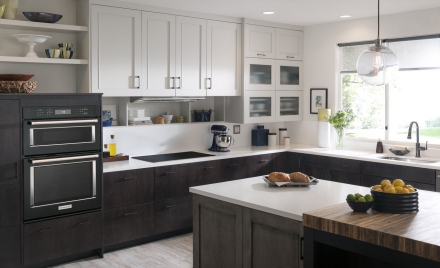
In today’s hectic lifestyle, being able to heat food quickly can be a massive advantage in any home. While the typical go-to for quickly heating food is a microwave, many people are now considering speed ovens, but what’s the difference? Here we’ll explore the differences and similarities between these two appliances to help you make an informed purchase decision for your home.

The Microwave Basics:

As the name suggests, microwave ovens use microwaves, which is a type of electromagnetic energy to heat the food. This energy causes the water molecules in the food to vibrate, which generates heat and as a result, cooks the food.

Microwaves can reheat or cook food in a fraction of the time needed for a traditional stovetop or oven. These appliances are available in various styles and sizes, providing a convenient and time saving solution in practically any kitchen.

The Speed Oven Basics:

Speed ovens are a combination of traditional ovens and microwaves. They use both microwave technology and convection heating to evenly and quickly cook food. The convection heating has a fan to circulate the hot air around the food, promoting crispiness and browning, while the microwave technology heats the food from the inside out.

This combination allows faster cooking compared to a traditional oven, but you can still achieve the same level of crisping and browning.

The Key Differences Between Speed Ovens and Microwaves:

As we just covered, while there are some similarities between speed ovens and microwaves, there are some important differences. These include:

The Cooking Method:

We touched on this above, but while microwaves use microwave technology, speed ovens use a combination of microwave and convection heating technologies. This difference means that a speed oven can brown and crisp food, while microwaves cannot.

Additionally, the combined cooking method of speed ovens mean that food cooks far more quickly than with a traditional oven, yet offers similar results.

Cooking Options:

Since speed ovens have convection technology built in, it allows cooking using various methods including broiling, roasting, grilling and baking. You can use a speed oven to prepare a variety of dishes including grilled vegetables, roasted meats and even dishes such as lasagna.

Microwaves tend to be far more limited. They are mainly used for quick cooking and reheating, such as making popcorn, reheating leftovers and cooking frozen meals. While they tend to have a defrost option, since they cannot brown and crisp foods, they are not designed for baking, grilling, roasting and broiling.

Capacity:

Speed ovens tend to have a larger capacity compared to microwaves. The overall appliance tends to be bigger, which means that they can prepare greater quantities of food. Some speed ovens are specifically designed to be built into walls or cabinetry, which means that they tend to require more space in your kitchen.

On the other hand, microwaves are available in a variety of styles and sizes from large built in models down to small countertop models. This makes them more flexible if you have limited kitchen space.

Price:

Finally, price is a key difference between speed ovens and microwaves. Speed ovens have more advanced features and greater cooking options, which is reflected in their price. Microwaves are generally less expensive, but the specific cost depends on the brand, model, size and features.

Which is Best?

Whether a speed oven or microwave is best will depend on your preferences, requirements and kitchen. If you’re a seasoned chef who cooks lots of meals and has plenty of space in your kitchen, a speed oven could be a good choice. On the other hand, if you simply need an appliance to reheat food and drinks, you would be better suited to a microwave.

If you’re considering a speed oven, you can explore your options with our online collection or speak to one of our home appliance specialists for further help and guidance.

7 Ways Wine Coolers Protect Your Wine

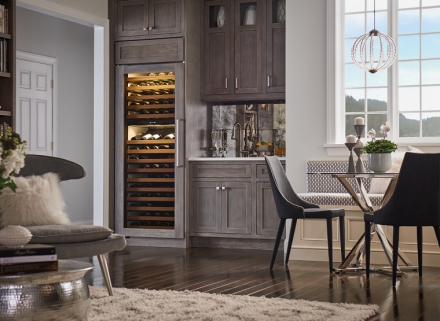
Whether you’re a wine connoisseur or a casual wine enthusiast, a wine cooler is a great buy. Large wine cellars may not be possible depending on the size of a home or budget, but a wine cooler can be placed in anyone’s home. Wine refrigerators are designed to age your wine as gracefully as possible. A wine cooler protects wine in an affordable way, and when you store your wine properly, it really brings out its flavor potential.

  1. Temperature 

Wine refrigerators are made to create a consistent temperature zone. In the perfect temperature range, wine will age just right for long term storage options. Refrigerators are often held below 50º F, which makes them less than ideal for wine storage. These cool temperatures will stop wine from going bad, but destroys its ability to develop the best flavor potential.

  1. Decreased Vibration 

Vibrations in normal refrigerators disturb the sediment in wine, which then bothers the wine’s aging process. Wine coolers are specifically made for a nearly vibration-free environment, making sure that your wine sits disturbance free.

  1. No Natural Light 

Natural light is a no-go when it comes to wine. Extended exposure to fluorescent or natural light will devastate the wine’s flavor. Wine that has endured long-term exposure begins to taste flat. Wine coolers are equipped with glass or solid doors with light protection. These features safeguard your wine from harmful light effects.

  1. Solely a Wine Environment 

Issues like vibration, light and temperature aside, a wine refrigerator is simply a place exclusively dedicated to your storage of wine. No hitting a wine bottle while reaching for milk or kicking a case of wine while digging around in your garage. Instead, wine in a wine cooler will rest quietly on its side in a peaceful and cool environment.

  1. Aging  

Wine coolers can help store and age wine. Whether short term (6 months and onward) or long term (a year and onwards) your wine refrigerator should meet your storage needs. Serious wine aging is best handled in a wine cellar for proper humidity control. However most of the world’s wines should be consumed in their youth. Therefore, your wine cooler should be able to handle most of your aging and storing needs.

  1. Convenience 

Wine coolers can be placed anywhere from a built-in unit, to a kitchen counter or all by itself. You can store them in any convenient space available. Instead of storing your wine in a closet, attic or basement, your wine can be situated right in your kitchen near your desired serving area.

  1. Affordable 

As mentioned before, wine cellars can be far too expensive. Wine refrigerators are affordable ways to store wine for any aficionado. As your wine selection may increase over the years, don’t forget the benefits of purchasing a bigger wine cooler.

The temperature settings alone should be enough to make you want to acquire your own wine refrigerator. There’s no other way to be certain your wine is taken care of properly. A lot of effort goes into the making of wine, there’s no reason not to treat it with a little extra care. Be sure you know what to look for in a wine cooler before making your purchase.

Are you ready to find the right wine cooler for you? Search through a great selection of wine coolers and/or contact a home appliance expert for assistance.