What are the Pros and Cons of a Dual Fuel Range?

The range is one of the most used kitchen appliances in many homes because it combines a cooktop and oven. Many cooking ranges on the market host various valuable functions and features. The dual fuel range is one of the most popular appliances in recent years. This combines a gas cooktop with an electric oven to deliver both advantages. However, a dual-fuel range represents a considerable investment that can deter some people from taking the plunge. This article will examine the pros and cons of dual fuel ranges to help you make an informed purchasing decision.

A Brief Dual Fuel Range Primer

We’ve covered the basics in the introduction, but it’s worth exploring a dual fuel range and why professional chefs and other cooking experts highly regard it.

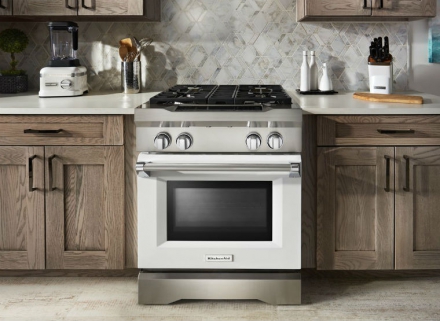
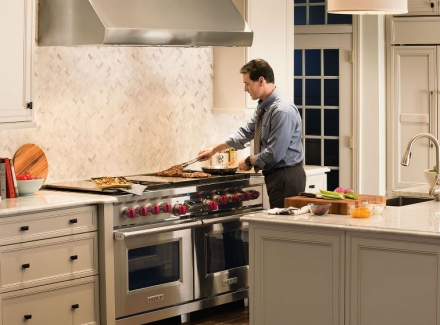
A dual-fuel range combines a gas cooktop with an electric oven. The purpose is to get the best of both worlds to improve precision and efficiency in the kitchen. Dedicated cooks admire gas cooktops that run on natural gas and liquid propane. Gas is versatile for cooking; it’s much easier to control and comparatively cheap as an energy source. This superior temperature control is essential to make delicious meals evenly cooked throughout. An electric oven delivers heat through coils; they are trusted, reliable, and consistent appliances. A gas oven can work well in some kitchens but can be harder to use and clean.

Dual Fuel Range Advantages

Seven key advantages may influence your decision to purchase a dual fuel range. They are:

  • Improved Heat Control: A gas cooktop allows you to cook at higher temperatures and still has greater heat control than a gas stovetop.
  • Faster Preheating: A gas cooktop typically preheats much faster than an electric alternative.
  • Consistent Heating: Every gas burner delivers consistent heating if they are cleaned regularly. This is far superior to other heating elements that can provide sporadic heating when needed.
  • Designed for Chefs: If you want to improve your cooking and try out some advanced techniques, you will eventually need a gas cooktop.
  • Electric Heating Elements: Placing the electric heating elements in a dual-fuel range oven improves the heat distribution throughout the cavity. This delivers consistent cooking results and is essential for baking, roasting, and more.
  • Lack of Power: If you’re living off the grid or are concerned about a lack of access to consistent electrical power, you should consider a gas cooktop. This will allow you to cook meals that don’t require an oven even if the power has failed.
  • Aesthetic Appeal: A dual-fuel range is a premium-grade kitchen appliance, and the best examples add considerable aesthetic appeal to the space.

Dual Fuel Range Disadvantages

Four disadvantages may affect your decision to buy a dual fuel range. They are:

  • Higher Purchasing Costs: A dual-fuel range will be more expensive than an alternative all-gas or all-electric appliance. However, for many people, the added precision, functionality, and versatility are well worth the additional investment.
  • Slower Preheating Times: An electric oven tends to have a slower preheating time than a gas oven.
  • A gas line must be connected to the home to power a gas or dual fuel range. If no gas line is present, one will need to be installed, which will add to the final cost of the appliance.
  • The Urge to Remodel: If your kitchen needs an update, you could find yourself pulling the trigger sooner rather than later if you purchase a dual-fuel range. This premium-grade appliance may outshine the rest of the kitchen and persuade you to upgrade to a luxurious, aesthetically appealing style to impress visitors. If you have a great deal of self-control, this will be less of an issue, but it could be a factor.

Dual Fuel Range Infrastructure Limitations

Although a dual-fuel range does offer some considerable advantages, it may not be the ideal choice for every home. These appliances rely on two distinct power sources to operate, and if you don’t have access to one of them, you’re wasting your time. Some homes don’t have access to a gas line unless the homeowner can install a propane or natural gas tank for the property.

Another key problem is that the location of the gas line could limit the range’s placement in the kitchen. If you want to position the dual-fuel range in a specific location, it may be necessary to move the gas line. This can add a lot to the cost of the installation, and it should be carefully considered before you go ahead. There needs to be adequate voltage to run the oven, which may be an issue for an older home that has a simplified kitchen.

Installing a Dual Fuel Range

Once you’ve checked that you have a connected gas line to power the burners, take some time to evaluate the electrical power requirements. You will need a 240v power supply for the range; a standard 120v power supply and plug will not be sufficient. Before you make a final commitment, it’s a great idea to consult an appliance installation expert to ensure the installation is possible and install the range for you. If you choose to attempt a DIY installation, there are ten essential steps to complete the process safely. They are:

  1. Check the Circuit Voltage: It’s essential to find out if the electric oven has a 240v power supply.
  2. Understand the Power Cords: A dual fuel range cannot be powered with a standard 120v plug, power supply, or extension cord.
  3. Check the Range Connections: The electric range connections should be checked to determine that they are secure and properly insulated.
  4. The Gas Valve: Find the valve and turn it off to stay safe throughout the installation.
  5. The Gas Connector: It’s time to attach the gas connector to the gas cooktop unit.
  6. Electric Power: When ready, connect the proper power cord to the electric oven unit.
  7. The Duel Range: For most dual fuel range appliances, this is when you will be ready to slide the range into place.
  8. The Mounting Plate: If you have a mounting place, it’s time to secure it.
  9. Restore the Gas Supply: Turn the gas back on and check for any leaks.
  10. Explore the Functions: Once you’re confident that everything is connected correctly, try all the functions to ensure everything works as intended. If there is a problem, check the owner’s manual for your appliance. There should be a troubleshooting guide that can be useful when you’re using the dual fuel range for the first time.

FAQs

Is a Dual Fuel Range Worth the Price?

This is a tricky question; everyone has different expectations and budgets to consider. Many people who switch to this kitchen appliance love it and would never consider switching back to an all-electric or all-gas model. If you have the available hookups, the installation costs are lessened, which can soften the financial blow somewhat.

A dual-fuel range will offer cooks who aspire to a higher level of cooking an opportunity to truly excel. The best advice for budget-conscious people may be to pair a gas cooktop with a separate wall-mounted electric oven. This combination can work well in smaller kitchens and is likely to be a cheaper way to go.

How Does a Downdraft Dual Fuel Range Work?

A downdraft model has a clever internal ventilation system that eliminates the need for an overhead venting hood. The vent may be located on the cooktop surface, where it captures unwanted odors and particles from the air surrounding the cooking surface. The air is then filtered and recirculated in a duct-free vent or vented into the ductwork.

Another option is a downdraft hood installed behind the dual fuel range. This hood can be extended or retracted as required, and it is relatively easy to install into your existing kitchen.

Is a Dual Fuel Range Installation a Valid DIY Project?

This can vary depending on your skill and experience with both gas and electrical installations. Most people should not consider a DIY installation at all, there’s a very real risk of electrocution and gas inhalation or explosions to consider. It may seem like a good idea to save some money, but it may be costly. There may be unforeseen problems to overcome, and a kitchen appliance installation specialist can get the job done quickly.


You can discover the perfect dual fuel range for your home with this online collection of cooking ranges. For more information, be sure to contact a professional home appliance expert.

Which Type Of Cooking Range Is Right For Your Home?

Formidable kitchen appliances help you deliver beloved home-cooked dishes and exciting new culinary creations to friends and family. A cooking range is sure to boost your cooking abilities combining a stovetop and oven into one appliance, saving space in your kitchen while offering a host of valuable cooking functions. But finding the right type of range for your home can be a challenge.

Cooking ranges come in a variety of styles, each with its own unique advantages. To assist in your range search, we’ve compiled helpful information on some of the most common types of cooking ranges.

Gas Cooking Range

Are you interested in exceptional power and heat in your range? If so, you should definitely research gas cooking ranges.

Modern gas ranges feature an electronic ignition system that produces a spark to light flames for the cooktop or oven. By using an open flame, gas ranges offer superior heating power that helps speed up the cooking process. This strong heat can also be altered quickly, which is a particular benefit in cooking more sophisticated fare. You can switch a gas cooktop from low to high temperatures fast, offering great flexibility while preparing your gastronomic creations. Most professional chefs use gas units, and this style is ideal for avid home cooks looking to boost their cooking prowess.

Gas ranges are great, though they do have a few drawbacks. You need to turn knobs to control the cooktop’s flames, making it a challenge to find the exact temperature for every dish. This use of an open flame also produces more risk of kitchen fires, though if you’re mindful while cooking you should be fine.

Electric Cooking Range

If safe and precise cooking are your top priorities, you may want to invest in an electric cooking range.

Electric ranges do not require an open flame for cooking, and as a result offer more safety than gas ranges. These appliances typically feature electric coil burners for stovetop cooking, and electric heating elements for the oven. Electric units typically offer more precise temperature selections for the cooktop and oven, allowing you to easily choose the ideal temperature for every dish. Moreover, thanks to their low heat variance, these models are ideally suited for crafting evenly baked dishes.

The top electric cooking ranges perform just as well, or better, than gas ranges. That said, low-end electric ranges might not offer the same levels of power or heat as similar gas models.

Induction Cooking Range

For a more advanced style of electric cooking range, consider an induction range.

Induction ranges feature a traditional electric oven and an induction cooktop, which uses heat from electromagnetic energy to cook food. A heating element sits underneath the unit’s flat ceramic surface, creating a magnetic field that produces heat when you use cookware with a steel, iron, or magnetic stainless steel bottom. There are many benefits to an induction cooktop, including exceptional temperature control, fast heating and cooling, and a low risk of burning. These ranges are truly luxury appliances, offering all the benefits of a traditional electric range alongside more advanced features and elegant style.

Induction cooking ranges offer great features, and are extremely safe to use. That said, these units can come in at a high price point that’s less than ideal for budget conscious homeowners.

Dual Fuel Cooking Range

Gas and electric cooking ranges both have unique advantages, and if you want to bring the best of both units to your kitchen, you’ll definitely want to consider a dual fuel range.

Dual fuel ranges feature a gas cooktop and an electric oven, bringing a great combination of cooking features to your home. The gas cooktop provides exceptional heat power for heating, sautéing, and boiling a wide range of dishes. Meanwhile, the electric oven offers the consistent and controlled heat ideal for baking. These ranges are typically more expensive than the average cooking range, but their impressive cooking capabilities and high quality designs provide great value for the cost.

The Best Cooking Ranges In A Variety Of Styles

Ultimately, the best cooking range for your home is whichever range meets your needs.

For strong heat and power, go with a gas cooking range. If more precise temperature control and consistent baking temperatures are priorities, consider an electric cooking range. If you really want to bring luxury and safety to your home, you’ll want to invest in an induction cooktop. Should you want to combine the best of these options, a dual fuel cooking range is a great solution. By considering your needs and researching a variety of options, you’ll be sure to find an exceptional cooking range for your home.

You can begin your search for a great appliance with this online collection of cooking ranges.