A cooktop is a valuable appliance in any modern kitchen that offers a proper surface to cook various delicious dishes. There are two popular options: ceramic and induction cooktops. At first glance, they look very similar. But looks can be deceiving, and upon closer inspection, these cooktops are very different. In this article, we will look at these two cooktop choices in more detail to help you determine which will suit your kitchen.
What is an Induction Cooktop?
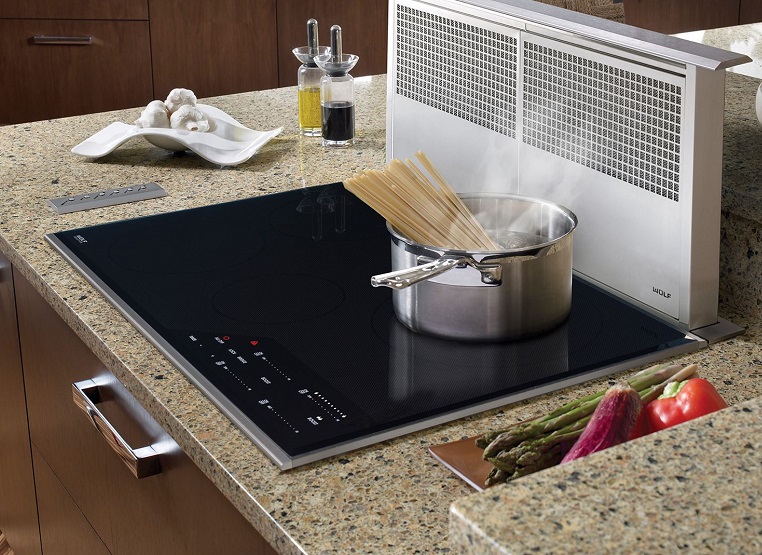
This is a smooth ceramic surface that hides high-frequency electromagnetics mounted underneath. The magnets interact with the cookware’s surfaces to generate heat in the pan or pot. To generate heat efficiently, the cookware must have steel, iron, or magnetic stainless-steel bottoms. This limited interaction has significant advantages over cooktops that generate heat directly.
First, there is no heat to cause accidental burns during or after cooking if the cooktop is touched. This significantly reduces the chances of accidents, which may be of considerable interest to those with children and elderly relatives. The induction cooktop will only generate heat when the correct type of pan or pot is placed on the surface. Because the surface is sleek and smooth, it’s aesthetically pleasing and easy to clean. Induction cooktops tend to heat the pots and pans quickly, speeding up cooking times and lowering energy bills.
What is a Ceramic Cooktop?
There are also smooth-topped appliances, but instead of the high-frequency electromagnets, they have coiled metal heating elements instead. These elements are placed under a sheet of tempered ceramic glass, which glows during heating. The heat is transferred to a specific burner or “zone” on the cooktop for easy reference. Ceramic cooktops are and remain a popular choice with many people because they are attractive, simple to use, and easy to clean. There are no obtrusive burner units that are difficult to clean, and they deliver reliable and consistent heating.
Which is the Best Cooktop?
This is a tricky question; we all have different expectations, requirements, and budgets. Both cooktops make an excellent choice for a modern kitchen, but they work quite differently, and it’s important to understand these differences.
Those seeking a premium-grade performance without the hassle of a gas cooktop may prefer an induction appliance. The heating times are much faster than those of a typical ceramic cooktop, and they are safer. The cooktop’s surface doesn’t get hot unless it’s in direct contact with a suitable pan or pot. As a bonus, if you spill any food or ingredients during cooking, they will not be cooked onto the surface. This, combined with the sleek finish, makes an induction cooktop simple to clean quickly.
The only real disadvantage of an induction cooktop is that this technology drives up the price. This is fair when considering the features, but it’s probably not the best choice for budget-conscious buyers looking for a new cooktop. This is the main reason why ceramic cooktops are still popular today. They are sleek, controllable, and easy to clean, yet they are much cheaper than an induction model. Those who can deal with slightly slower heating times and incrementally higher energy bills have a lot to offer.
A Brief Cooktop Buying Primer
No matter which cooktop you choose, there are five things that you need to bear in mind before you buy. They are:
- Available Space: It’s essential to match the cooktop to your kitchen space carefully to ensure it fits properly. There’s not much point in agonizing over how many cooking zones you need on your new induction cooktop if you can only fit four in your kitchen. Certain manufacturers offer 70cm cooktops that fit in a 60cm cutout. This can be useful if 60cm feels too cramped and you need extra space around the base of your pots and pans.
- Extra Features: One of the best things about new ceramic and induction cooktops is the extra features. The burners or cooking zones can be chosen to suit the number and types of pans that you use regularly. Other useful features may include child locks, timers, displays, control positions, and more. This level of customization isn’t possible with more traditional cooktop designs.
- Energy Efficiency: Energy costs have risen dramatically in recent years, and many people are looking for ways to trim expenses without compromise. So, it’s a great idea to prioritize energy efficiency when you choose your new cooktop. In this area, the induction cooktop is the clear winner; the upfront costs may be much higher, but energy savings are possible in the medium to long term. This can add up to a tidy sum over the appliance’s lifespan.
- Electrical Rating: Any cooktop you’re considering should have the correct wiring to suit your kitchen. If you’re unsure, consult a professional home appliance technician to check the wiring and install the cooktop for you. It’s important to follow the manufacturer’s installation requirements carefully. This will prevent any problems in the future and protect your manufacturer’s warranty.
- Avoid DIY Installations: Although it’s tempting to attempt a DIY installation for your new ceramic or induction cooktop, this should be avoided. Both cooktops represent a significant investment that should be protected. A non-professional installation may cause warranty issues that can degrade the value of your new cooktop.
Making the Final Buying Decision
Although both cooktops work well in a modern kitchen context, we believe the induction cooktops are the best option on the market. They are aesthetically pleasing, functional, simple to use, and easy to clear. Over the years of ownership, a regularly used induction cooktop can save the user a lot of money. Some users may need to upgrade or change their cookware to work with these cooktops. But, the cost of these induction pots and pans has dropped significantly over the last decade. Induction cookware is now more affordable than ever, and many can be used on ceramic, electric, and gas cooktops.
A gas cooktop is the only natural alternative for “serious” cooks. These have become extremely popular in recent years and are often part of a dual-fuel range setup. Many top chefs swear by gas cooktops because they offer superior temperature control, which is a requirement for advanced cooking techniques. But for many people, a gas cooktop is likely to be overkill when it comes to their daily cooking needs. Most of us need a cooktop that’s effective, safe, and easy to clean.
If you’re not sure about induction cooking, there’s a cost-effective option to try it out for yourself. Many manufacturers now sell induction hot plates that you can use with a single pot or pan to evaluate if this technology will work for you. Set up the hotplate and time how long it takes for the water to come to the boil. The results may surprise you; unlike other heating methods, an induction surface is not subject to changes at different altitudes. Most induction surfaces have a minimum and maximum temperature of 100ºF and 500ºF respectively. Because there’s a limited risk of burn, the heat can be distributed consistently and evenly across the entire cooking process. Certain ceramic cooktops can limit heat or fade in and out to “save energy,” which can be annoying.
Safety Features
We’ve touched on this briefly, but the safety features of an induction cooktop can be awe-inspiring. It’s also admirable that these safety measures do not degrade the performance. The risk of injury and damage to cookware and the cooktop is significantly reduced during cooking. The surface doesn’t get too hot and is only activated in set zones that only operate when the pan or pot is in place. Although they are safer than traditional cooktops, ceramic models retain heat after cooking, which can lead to burns. A ceramic cooktop will retain the heat for 4-5 times longer than an induction model. Both types have heat indicators that warn of stray hands or those cleaning the surface too early. One helpful feature on specific models is turning off the zone if there’s a spillage or the cooking zone empties. This can prevent long-lasting damage and use energy in areas no longer required.
In Conclusion
Ideally, we prefer a professionally installed induction cooktop over a ceramic model. The heating speed, energy savings, and extra features are well worth the premium-grade price. An induction cooktop will also add much value to a kitchen if you sell your home shortly. If you want to learn more about induction or ceramic cooktops, contact a home appliance specialist for expert help and advice.