Understanding the Differences Between Baking, Grilling, and Roasting

Many people use these three terms in an interchangeable fashion because they don’t truly understand them. The inappropriate use of these words can cause confusion when you are following a recipe or shopping for a new appliance. In this article, we will explore baking, grilling, and roasting in more detail to help you make informed decisions.

A Basic Primer

Before we get into the specifics of each cooking term, it’s worth mentioning that many people confuse roasting and grilling and this is understandable. It’s natural to believe that roasting and grilling are pretty much the same things, but they are not. In fact, of the three cooking methods roasting and baking are the most similar. Grilling is a simpler method and it should not be confused with the others.

Baking

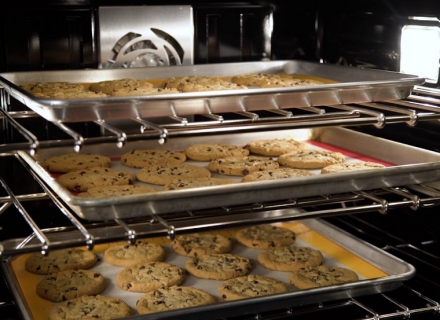
This is a slow and low-intensity cooking method that takes place entirely in the oven. The air is heated with a gas or electric element and this heat is transferred to the food. Baking can work on a low or high heat depending on the food you’re baking and the results you need. Baking on a high heat will brown foods in a similar way to broiling or grilling. But you can use the oven to bake foods on a lower heat for longer, which is similar to the use of a slow cooker to cook certain cuts of meat. Baking is a longer cooking process than grilling, but it’s a good option for thicker and larger food items.

Grilling

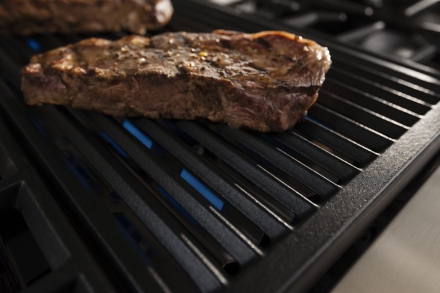
This is the application of dry heat from above or below to cook the food. When you think of the range of foods that can be cooked in this way, it’s easy to see that you have been grilling them. The food is cooked by radiation and the most common application is cooking meat with dry heat. This can be achieved with electric heating elements, gas burners, hot coals, smoking wood, and more. If the heat is applied from above this is known as broiling in Canada and the U.S. The latest grilling pans even use conduction to create cooking heat.

Roasting

Roasting food was traditionally the method where the food (typically meat) was cooked over or in front of a fire or bed of coals. As ranges developed the use of hearths for cooking decreased and the term roasting was expanded to cover meat that was cooked in the oven. An oven is basically an insulated box, the internal air is heated to a predetermined temperature to start or finish the roast.

Baking and Roasting Comparisons

The main distinguishing factor is the type and structure of food that you want to cook. When baking, the foods don’t have a clearly defined structure before heat is applied and then they are solid and ready to eat after cooling, such as bread, cakes, cookies, pies, and more. Roasting will involve cooking foods that already have a defined structure before the cooking process begins, such as meats, vegetables, and more.

Roasted foods are cooked in an uncovered pan and baked goods are covered and cooked in an enclosed oven. Roasting requires a higher temperature of around 205ºC compared to around 175ºC for baking. When grilling, it’s all too easy to brown the outer surfaces too fast, and yet it’s uncooked in the middle. This is less likely during roasting because the heat is slow and low for prolonged periods of time.

If you’re considering a new oven, grill, or range for your home, explore our online collection. For further guidance and help speak to our home appliance expert.

Tips for Positioning Your Oven Shelves for Perfect Baking

Baking is part science and part art form. Even if you’re following a recipe completely, you can still get unexpected results from your oven. If you want to perfect your baking skills, you may need to rearrange your oven racks or shelves. Most types of electric oven have a heating coil in the bottom to generate heat. This means that placing your racks too close can cause uneven baking and you could end up with sunken cakes and burned pastries. So, here are some tips to help you get your oven shelving placement correct for perfect baking results.

Consider What You’re Baking

Generally, the middle of your oven is the best place for baking. This provides the ideal position for air circulation and more even results. Remember that heat rises, so top and low rack positions can be very hot, as a result, your baked goods may get burned. Try to position your shelf in the middle rack position for the best results, unless you need a browned bottom on your dish. For example, while you may want an even bake on a cake, a fruit pie can be prone to a soggy bottom. So, while a cake is better in the middle of the oven, a lower shelf position is better for a pie. Just be sure to keep an eye on it to avoid it becoming overbaked.

Plan for Multiple Bakes

If you need to bake several items simultaneously, you will need to plan in advance. Don’t just place your pans and cookie sheets where they will fit. You’ll need to reorganize the shelves for the best results before you start to preheat the oven. If you are baking two cakes, ideally, both pans should be on the middle shelf. If you want to bake trays of cookies, bake one at the top and one at the bottom, but keep a close watch on them to avoid burning. Items such as meringues can benefit from being placed at the top of your oven, as the hot position allows the meringue to color quickly without the filling heating up.

Check for Hotspots

All ovens are different, and some may be prone to hotspots. This can create uneven baking results if you are unaware where the hotspots are. You can easily check for hotspots using a cookie sheet and some slices of bread. Lay the bread on the sheet and bake until the slices start to brown. The browning pattern will indicate the hotter and cooler areas of your oven.

Watch and Rotate

Even if you have the ideal oven shelf placement, you can’t simply put your baking in the oven and forget about it. For perfect results, you’ll need to watch it and be prepared to rotate your cake pans, pie dishes or cookie sheets. If you’re baking an item for 30 minutes, set your timer for 10 or 15 minutes so you can rotate midway through baking. This will allow a more even browned finish and delicious results.

Repositioning your oven racks can improve the quality of your baking, for more even browning and avoiding scorching. With the correct rack placement, you can ensure that the recipe you follow creates picture-perfect results.

If you want to enhance your baking, you need to ensure that you have the right oven. By choosing an appliance that offers great flexibility, you can adjust your oven racks correctly for the best results

If you’re looking for a new oven, you can explore the options with this online collection of ovens, stoves, and cooktops or speak to a home appliance experts for a specialized service.

How To Clean Your Kitchen Oven

Almost every home incorporates an oven into its kitchen design, providing the ideal appliance for baking desserts, broiling meats and roasting a variety of delicious dishes. In order to work at peak efficiency, your oven needs to be clean, but many homeowners are unsure of how to clean their kitchen oven.

There are a variety of methods you can use to clean your oven, and to help you maintain your appliance. With this in mind, we’ve gathered some useful information on methods for cleaning your oven.

Use The Oven’s Self-Clean Feature

Most of today’s ovens feature a self-cleaning option that helps eliminate food debris and waste from the appliance. The self-clean feature essentially heats your oven up to such a high temperature that it burns off any leftover food particles within the appliance’s interior. Once your self-clean cycle is complete, you can wipe any burnt waste from the unit.

While self-cleaning features can be effective, these options only work if used on a regular basis. If you have not used your self-clean option in at least six months, it may not be very effective, and may actually cause damage to your oven’s interior. Moreover, the self-clean options for older units are much less effective than those found in modern appliances. If you have an old oven, its self-clean option may not meet your needs.

Use Specialized Chemical Cleaner

There are a variety of brands that produce specialty oven cleaner, utilizing unique chemical combinations to help wipe away grease and charred waste from your appliance. While these cleaners can be effective, they also tend to leave a layer of chemical residue within your appliance after use. This can result in foul tastes being cooked into your dishes, and even present a health hazard to yourself and your family.

If you use a chemical cleaner in your oven, be sure to run the unit on high heat afterwards to help destroy any chemical residue that is left behind. But be warned — these chemicals can create foul and unpleasant odors.

Home Oven Cleaning Solution

To ensure your oven is properly cleaned, nothing beats cleaning the appliance by hand. You can follow the steps below for an effective home oven cleaning solution:

• Make Your Cleaning Solution: In a small bowls, mix half a cup of baking soda with several tablespoons of water. This will create a baking soda paste that will be spread across your oven to eradicate germs and clean its interior. You can adjust the ratio of baking soda and water to properly create a spreadable paste.
• Empty Your Oven: Before the cleaning process begins, remove the oven racks and any additional items that are stored within your appliance.
• Coat Your Oven In Home Cleaner: Spread your baking soda/water combination across the interior of your oven without coating its heating elements. Be sure to coat particularly greasy areas with extra cleaning solution. We recommend wearing rubber gloves during this process. Allow the solution to sit in your oven for a minimum of 12 hours.
• Clean Your Oven Racks: While your cleaning solution rests, you can wash your oven racks in the sink or your bathtub, using hot water and dishwasher detergent to combat grease and grime.
• Wipe Out Your Oven: After at least 12 hours, take a damp washcloth and wipe out as much of the cleaning solution from the oven as possible. The baking soda/water combination will now be a dried paste, and you may need to use a spatula to scrape the paste from your oven’s interior.
• Spray Vinegar: Put white vinegar in a spray bottle and spray it anywhere you see remaining baking soap residue. This will create a foamy reaction with the baking soda.
• Final Wipe-Down: Use a damp cloth to wipe any vinegar and baking soda from your oven. You can add more water or vinegar to the oven interior in order to wipe away any additional baking soda. Repeat this process until the oven is clean. Once clean, place your oven racks back inside the appliance.

Premium Ovens For The Modern Home

No kitchen design is complete without an oven, but your oven won’t be able to cook properly unless it’s clean. While your appliance’s self-clean function and chemical cleaners can both be effective, the best way to clean your oven is dive in to the appliance and do it by hand. Once you understand how to clean your oven, you’ll be able to properly maintain your unit and ensure it produces delicious dishes for years to come.

A clean oven is vital to any kitchen, but if your appliance is old, it may be time to upgrade to a newer model. You can use this online collection of ovens to explore a variety of choices, or contact a home appliance specialist for additional information.

How To Use A Convection Oven

The modern kitchen is not complete without a powerful oven, and for fast and efficient cooking results you’ll definitely want to invest in a convection oven.

Convection ovens offer specialized settings that heat the appliance differently than conventional ovens, reducing cooking times and helping you achieve even oven-cooked results. But many homeowners are unsure of how to use their convection ovens. To help you take advantage of your appliance, we’ve gathered some helpful information on how to use a convection oven.

Convection Ovens vs. Conventional Ovens

Convection and conventional ovens will both effectively cook or bake your items, but the key difference is the way that they heat food. Conventional ovens cook food by surrounding it with hot air, while convection ovens circulate hot air for cooking.

A convection unit features a fan in the back of the oven, and when it’s convection setting is turned on, the appliance blows hot air throughout the inside of the unit. Compared to conventional oven cooking, this air circulation promotes fast and even heating. With conventional settings, hot air simply sits within the oven’s interior, which can potentially lead to slower cooking and uneven results.

When to Use Convection Settings

Most modern ovens offer convection cooking settings, but these settings are not ideal for every cooking scenario. That said, you’ll definitely want to use your appliance’s convection setting when:

  • Roasting Meat or Vegetables: Roasted dishes benefit from the drier cooking environment that convection settings provide. These conditions help create crispy skin on meat and yield caramelized exteriors for vegetables.
  • Baking pies and pastries: Convection cooking creates steam and melts fat fast, offering more “lift” in pastries and pie dough.
  • Toasting or dehydrating food: Convection cooking natural creates a dry atmosphere that removes moisture from food, making it an ideal option for toasting or dehydrating dishes.

It’s also worth noting that you should not use convection settings when cooking delicate dishes or desserts. This is because blowing of the convection fan can endanger the integrity of the dish, separating baking batters or creating lopsided results in other delicate foods.

Convection Oven Cooking Tips

Convection oven settings are significantly different from conventional settings, and you’ll need to keep a few things in mind when cooking with convection.

First, remember to lower the standard oven temperature for whatever you’re cooking by 25 degrees Fahrenheit. The convection settings promote stronger overall heat, and lowering the temperature will ensure whatever you’re making isn’t overcooked or burned. You should also be sure to check your food earlier than the recommended cooking time, as convection settings will cook food faster than normal.

Finally, you also need to ensure that air can properly flow through your oven for the convection process to work. You should try to use trays and pans with lower sides, as this will help air flow over your food and through your oven. You should also avoid covering oven shelves with foil.

Superior Convection Ovens For Today’s Kitchens

A convection oven is a great addition to any kitchen, helping you cook and bake a variety of items effectively and efficiently. With some knowledge on how the convection cooking process works, you’ll be able to take advantage of all the benefits your oven offers, bolstering the culinary possibilities of your home.

If you’re looking for a new oven, consider using this online collection of cooking appliances or contact a home appliance expert for additional assistance.