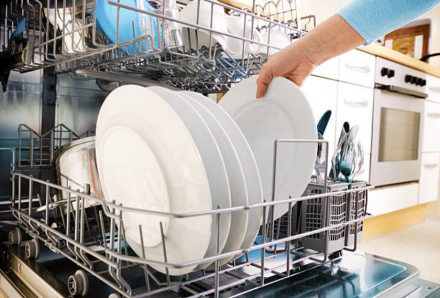
Green Tips to Use Less Water in Your Appliances

Most of us are keen to make our lives greener, and one of the most obvious ways is to save water in our homes, especially here in parched California. Between our washing machines, dishwashers, toilets, faucets and showers, according to EPA data, the average family in the U.S uses over 300 gallons of water each day. The good news is that it is simple to cut down on water usage; saving money and helping the environment in the process. So, here are some green tips to help reduce your appliance water usage.

Wash Full Loads

Unless your machine has a specific half load function, you’re wasting water if you don’t properly fill your dishwasher or washing machine. While you need to be careful not to overfill, as it can cause stress on the machine and inhibit cleaning, a full load will make optimum use of water and energy. So, plan your washing loads to ensure that they are full and don’t waste water.

Choose the Right Program Setting

If you’re washing a light load of dishes, there is no need for the high volume and temperatures of a pots and pans cycle. Choosing the wrong program settings wastes not only time, but also energy and water. Unless you have a machine with sensor technology that can assess the soil level of your dishes, you need to take care to choose the right program. The same applies to your washing machine. Not all clothing needs to be washed on a hot cycle, and you can save water by choosing a lower temp, faster wash program.

Don’t Guess Your Laundry Detergent

While it may seem strange, measuring your laundry detergent can save water. Using excessive amounts of detergent in a high-efficiency washing machine can extend the rinse cycle as too many suds are detected. Additionally, you should be using a HE detergent in your high-efficiency washing machine, or you’ll end up with suds GALORE. Using too much detergent can also leave a film on your clothing, which means that you’ll need to spend more energy and water rewashing.

Upgrade Your Toilet

An older toilet can use as much as 6 gallons every flush. When you compare this to the 1.3 gallons the average new low flow toilet can use, you can see how you can manage massive water savings. Think about how many times someone in your family flushes a toilet in your home and think about the 4 plus gallons that are being literally FLUSHED DOWN THE TOILET every time.

Smart Showering

Not only can you save water by upgrading to a low flow showerhead, but there are some other smart showering tips. A low flow showerhead can cut your water usage by half, saving gallons in the average shower. Additionally, there is no need to waste that water when you’re waiting for the warm water. Place a bucket in your shower stall and use this water for household cleaning or watering your plants. If you want to save even more water, think about turning off the shower while you wash and then turn it back on to rinse. Since the average showerhead uses 5 gallons of water per minute, you could save hundreds of gallons each month.  It adds up when you multiply it by a few million people.

Replace Your Old Appliances

Even if you purchased the best models, when your appliances reach 10 years of age, it is safe to assume that upgrading to a new model will save energy and water. Modern washing machines and dishwashers are designed to be far more water conscious, particularly if you choose an Energy Star approved model. New washing machines and dishwashers typically use as much as 40% less water compared to older models. Not only will you save energy and water, but you’ll also find that they are quieter and have the latest innovative features, to make your life even easier.

If you’re considering upgrading to more eco-friendly appliances, you can explore your options with this online collection or speak to a home appliance expert for additional help and guidance.

Appliances That’ll Make Your New Kitchen the Envy of Your Friends

Upgrading your kitchen is the ideal time to consider new appliances. While there are some great basic items available, there are some appliances that will make your new kitchen the envy of all your friends. Some of today’s appliances can exceed expectations and improve the functionality of your kitchen immeasurably. So, here are just some of the must-have appliances you need for the ultimate balance of form and function.

The Pro Look

You don’t need to purchase a commercial appliance to get that impressive pro look. There are many appliances that are inspired by professional kitchens to offer superb functionality and sleek aesthetics. Commercial style ranges are powerful and complement any type of kitchen decor. There are also professionally inspired dishwashers, refrigerators and other appliances that can deliver that pro look and make it even easier to prepare a gourmet treat.

All in One Coffee Makers

The humble coffee maker has come a long way in recent years. You no longer need to have just a coffee pot sitting on your countertop; you can get that authentic coffee house feeling with an all-in-one appliance. There are coffee makers that can not only filters your water, but grinds your beans and makes the perfect espresso or cappuccino. These types of devices not only save you time in your kitchen, but also makes coffee after a dinner party something really special.

Blender with an Immersion Attachment

There is no need to clutter your countertop with a bulky blender. Nowadays, you can buy an immersion blender with attachments. Handheld blenders are easy to use and far simpler to clean. They also take up far less space in your cabinets. You can now purchase handheld blenders that have a myriad of attachments including ones for grinding and whipping which allow you to save space and time.

Flexible Shelving

In today’s marketplace, there is no need to put up with a refrigerator that has fixed shelving positions and minimal drawers. There are many models that offer great flexibility. These models offer adjustable shelves, multiple door compartments, and practical crisper drawers. This means that you can keep all your chilled items and produce fresh and organized. A well-organized refrigerator will make preparing a meal easier and reduce waste. You’ll be able to cook like a professional chef when you can have easy access to all your ingredients.

High-Quality Dishwashers

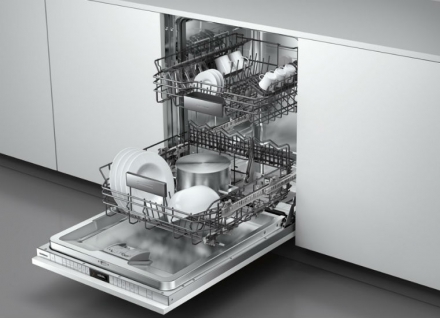
Presenting your guests with spotted dishes and dull silverware can be a little embarrassing, but you don’t need to spend hours hand-washing. There are lots of dishwasher models that offer superb cleaning. From powerful wash cycles to efficient drying features, you can ensure that all your dishes are sparkling clean when you serve your guests.

Today our kitchens need to fulfill many needs, but by carefully choosing new appliances, you can save money and time. There are lots of appealing appliances and features that can make your kitchen more efficient and easier to use. With the right appliances, you’re sure to have your kitchen be the envy of all your friends.

Every kitchen can benefit from standout appliances that can complete an overall aesthetic. Whether you’re looking for an attractive coffee maker or a sleek new dishwasher, the right appliance can create a fantastic new look for your kitchen. The right appliances can not only improve the aesthetics of your kitchen, but also enhance functionality to ensure that your kitchen is completely amazing.

If you would like to explore the range of attractive appliances, you can use this online collection or contact a home appliance expert for further help.

4 Kitchen Appliance Tips For The Holidays

Your kitchen is a hub of activity throughout the year, but this is particularly true during the holiday season. If you plan on hosting a holiday gathering, you’ll definitely want to get the most out of your premium kitchen appliances, and there are plenty of small tips and tricks you can employ to ensure your kitchen runs smoothly.

To help, we’ve compiled some suggestions for kitchen appliance use this holiday season.

1. Do Not Self-Clean Your Oven Before Holiday Cooking

The self-cleaning feature on your oven is intended to make cleaning easy, but if used right before you begin cooking for the holidays, it could cause a major disaster.

Many homeowners do not use their oven’s self-clean option frequently, and if you use this feature right before a big event, you risk causing an oven malfunction that can seriously damage your appliance. If your oven’s self-cleaning feature isn’t used at least every six months, you run the risk of damaging the appliance when it is activated.

You should also avoid using chemical oven cleaners right before holiday cooking. These products can be effective, though they often leave a layer of chemical residue that needs to be burned off before heavy oven use. This residue can be cooked into your holiday dishes, creating a foul taste while providing a health risk to your holiday guests.

 2. Use Your Oven’s Convection Settings

Many homeowners have a convection oven, though they are unsure of how to properly use its convection setting. Your unit’s convection option helps it cook food faster and more evenly, and is generally better for browning dishes — making it a great choice for a host of holiday favorites.

If you want to take advantage of this feature, be sure to reference your appliance’s owner’s manual for instructions. In general, you should try to follow these basic rules on how to use a convection oven:

  • Lower the recommended cooking temperature by 25 to 30 degrees Fahrenheit, or cut the baking time by 25 percent.
  • For small pastries, reduce the cooking time by 10 to 15 percent
  • For large roasts, reduce the cooking time by approximately 30 percent

3. Do Not Overwork Your Dishwasher

Once your holiday feast is done, it’s time for the dishwasher to do its job. However, you don’t want to risk ineffective wash cycles by overworking your appliance.

When washing dishes post-holiday dinner, be sure to use the proper amount of soap for each cycle. Too much soap will fill your machine with excess suds, making your cycles less effective. You should also be sure to scrape off all food residue from plates, bowls and silverware, as excess food particles can clog your unit’s jet streams. You should also be sure not to over-rinse dishes, as enzymes in dishwasher detergent require the presence of food residue in order to activate and be effective.

 4. Empty Your Ice Maker Before Gatherings

Nothing ruins a delicious drink like dirty ice, and you’ll definitely want to supply your holiday party with a steady stream of fresh and clean ice. If you notice that your ice maker produces chalky or smelly ice, you’ll have to take action to ensure your guest receive what they deserve.

As air moves throughout your refrigerator and freezer, the unit’s ice maker can become polluted by the flavors of food stored in the appliance. This often results in chalky, smelly and odd tasting ice. To prevent such impurities, you should first empty out your entire ice compartment and allow it to refill with fresh ice. Once the compartment if full, empty the fresh ice into a plastic bag and store it on your freezer shelf. The bag will protect your ice from air that circulates in the unit. You can feel free to continue this process until you have enough ice for your holiday party.

Meet Your Home Appliance Needs This Holiday Season

Your kitchen needs to work at peak efficiency during the holiday season, meeting your cooking and cleaning needs at each and every turn. Armed with a deeper understanding of how your kitchen appliances operate, you’ll be in the perfect position to have a memorable holiday season.

If you notice any issues with your home appliances, the holiday season is also a great time to upgrade to more modern options. You can browse this online collection of cooking appliances to explore your choices, or contact a home appliance expert for further details.


How To Use A Convection Oven

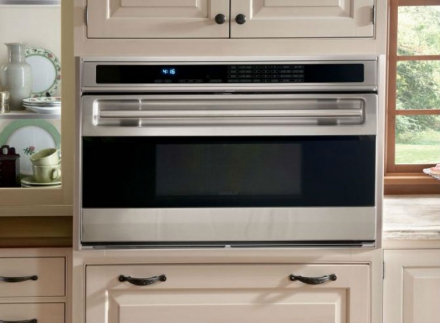
The modern kitchen is not complete without a powerful oven, and for fast and efficient cooking results you’ll definitely want to invest in a convection oven.

Convection ovens offer specialized settings that heat the appliance differently than conventional ovens, reducing cooking times and helping you achieve even oven-cooked results. But many homeowners are unsure of how to use their convection ovens. To help you take advantage of your appliance, we’ve gathered some helpful information on how to use a convection oven.

Convection Ovens vs. Conventional Ovens

Convection and conventional ovens will both effectively cook or bake your items, but the key difference is the way that they heat food. Conventional ovens cook food by surrounding it with hot air, while convection ovens circulate hot air for cooking.

A convection unit features a fan in the back of the oven, and when it’s convection setting is turned on, the appliance blows hot air throughout the inside of the unit. Compared to conventional oven cooking, this air circulation promotes fast and even heating. With conventional settings, hot air simply sits within the oven’s interior, which can potentially lead to slower cooking and uneven results.

When to Use Convection Settings

Most modern ovens offer convection cooking settings, but these settings are not ideal for every cooking scenario. That said, you’ll definitely want to use your appliance’s convection setting when:

  • Roasting Meat or Vegetables: Roasted dishes benefit from the drier cooking environment that convection settings provide. These conditions help create crispy skin on meat and yield caramelized exteriors for vegetables.
  • Baking pies and pastries: Convection cooking creates steam and melts fat fast, offering more “lift” in pastries and pie dough.
  • Toasting or dehydrating food: Convection cooking natural creates a dry atmosphere that removes moisture from food, making it an ideal option for toasting or dehydrating dishes.

It’s also worth noting that you should not use convection settings when cooking delicate dishes or desserts. This is because blowing of the convection fan can endanger the integrity of the dish, separating baking batters or creating lopsided results in other delicate foods.

Convection Oven Cooking Tips

Convection oven settings are significantly different from conventional settings, and you’ll need to keep a few things in mind when cooking with convection.

First, remember to lower the standard oven temperature for whatever you’re cooking by 25 degrees Fahrenheit. The convection settings promote stronger overall heat, and lowering the temperature will ensure whatever you’re making isn’t overcooked or burned. You should also be sure to check your food earlier than the recommended cooking time, as convection settings will cook food faster than normal.

Finally, you also need to ensure that air can properly flow through your oven for the convection process to work. You should try to use trays and pans with lower sides, as this will help air flow over your food and through your oven. You should also avoid covering oven shelves with foil.

Superior Convection Ovens For Today’s Kitchens

A convection oven is a great addition to any kitchen, helping you cook and bake a variety of items effectively and efficiently. With some knowledge on how the convection cooking process works, you’ll be able to take advantage of all the benefits your oven offers, bolstering the culinary possibilities of your home.

If you’re looking for a new oven, consider using this online collection of cooking appliances or contact a home appliance expert for additional assistance.

Which Food Disposal Solutions Are Right For Your Home?

Today’s kitchens buzz with activity at all hours of the day, and are filled with modern cooking appliances that help you craft restaurant-quality meals for any occasion. After your cooking is completed, it’s time to clean, and your home requires proper food disposal solutions to help get the job done right.

Each homeowner tackles food waste and trash removal differently, but there are several common tools that are all but guaranteed to help keep your kitchen clean. With that in mind, we’ve compiled some useful information on the most common food disposal solutions for your home.

Garbage Disposals

If your primary concern is eradicating small amounts of food waste, then you’ll definitely want to add a garbage disposal to your kitchen.

Garbage disposals are small units fitted to the waste pipe of your kitchen sink that grind up waste as you toss it down the drain. These common appliances come in handy when cleaning dishes and cookware, as they allow you to quickly get rid of any food remnants while washing up.

Homeowners can choose from two types of garbage disposals — continuous feed disposals and batch feed disposals. Continuous feed units are controlled by a switch, and run as long as the switch is flipped. Meanwhile, batch feed models feature a special cover that activates the unit’s grinding action. Regardless of your preference, either disposal should meet the needs of the common kitchen, helping you effortlessly eliminate the final bits and pieces of a delicious meal.

Trash Compactors

You need more than just a garbage disposal to keep your home clean. To help handle heavy-duty waste, you may want to consider investing in a trash compactor.

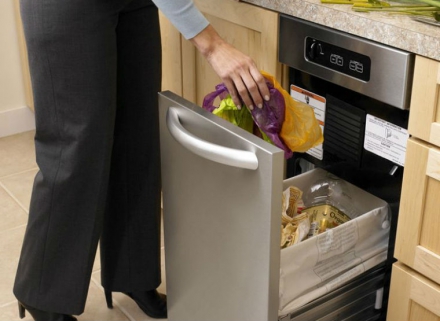
Trash compactors reduce trash volume by literally crushing garbage and food waste. These units feature a bin that holds trash and a metal ram that compacts your trash, creating more space in the bin for additional garbage. Trash compactors help you pack as much trash together as possible, reducing the number of trips you’ll need to make to your dumpster. Moreover, many of today’s advanced units feature odor management systems that ensure foul smells stay out of your home.

If you’re concerned that a trash compactor will clash with your home aesthetic, don’t worry, because these appliances come in a range of styles, sizes and designs. Nearly all trash compactors are built-in appliances, allowing them to be seamlessly integrated into your kitchen or any other living space.

Recycling Cabinets

The modern home should be environmentally friendly, and a recycling cabinet can help make that goal a reality.

These units are conveniently placed cabinets that feature bins designated for recyclable waste. Many recycling cabinets offer space for multiple bins, allowing you to easily separate plastic, glass and paper recyclables. Like trash compactors, these cabinets are built-in units that can match the style of almost any living area. In fact, you can even designate a bin in your cabinet for regular garbage if you do not have a trash compactor in your home. Thanks to their versatile designs, recycling cabinets are great additions to any home, helping you get rid of food packaging, bottles and more in an eco-conscious fashion.

Discover The Ideal Food Disposal Solutions For Your Home

No homeowner wants their living spaces to be overrun with food waste and trash. The strategic employment of food disposal solutions will ensure your home stays clean and odor-free, helping you get rid of food waste, trash and recyclables efficiently and effectively.

Ready to find the right appliances for your home? Explore this online collection of food disposal units today, and be sure to contact a home appliance expert for further assistance.

BSH Home Appliances Announces Recall On Bosch, Jenn-Air, Gaggenau and Thermador Dishwashers

BSH Home Appliances has expanded its recall of dishwashers due to fire hazard.

This BSH Home Appliances dishwasher recall expansion comes as a result of defective power cords in a number of Bosch, Jenn-Air, Gaggenau and Thermador dishwashers. These faulty cords can overheat and catch fire, creating incredibly hazardous conditions in the home. BHS Home Appliances has received five reports of power cords overheating, causing fires and property damage. However, no injuries due to this defect have been reported

According to the Consumer Product Safety Commission (CPSC), the latest recall covers approximately 408,000 units, in addition to approximately 149,000 units that were recalled back in October 2015.

Department stores, home improvement stores, authorized builder distributers, and appliance/specialty retailers sold the recalled dishwashers nationwide and online from January 2013 through May 2015.

You can visit the CPSC’s official website for a list of model and serial numbers for affected units. The model and serial numbers of your dishwasher can be found printed inside the unit either on the top or side of the inner door panel.

If your dishwasher has been recalled, you should stop using the appliance and contact BSH Home Appliances for a free inspection and repair. You can contact the company toll-free at 888-965-5813 from 8am to 8pm ET Monday through Sunday, or contact the company online through the brand websites listed below:

  • Bosch: Visit bosch-home.com/us and click on “Service,” then “Safety Notices”
  • Gaggenau: Visit gaggenau.com/us and click on “Support,” then “Safety Notices”
  • Jenn-Air: Visit jennair.com and click on “product recalls” at the bottom of the page
  • Thermador: Visit thermador.com and click on “Customer Care,” then “Safety Notices”

For help in determining if your unit is affected by this recall, contact Universal Appliance and Kitchen Center. You can also enlist assistance from a professional appliance repair service.