6 Exciting Kitchen Appliance Trends for 2020 and Beyond

The kitchen is the beating heart of any home, and it’s a prime location for regular updates and remodeling projects. Upgrading a kitchen is a great way to add value to your home, but it’s also an excellent way to improve the efficiency of the kitchen. If you want to enjoy cooking, eating, and socializing in your kitchen, here are six appliance trends that you may want to look out for.

  1. Steam Ovens

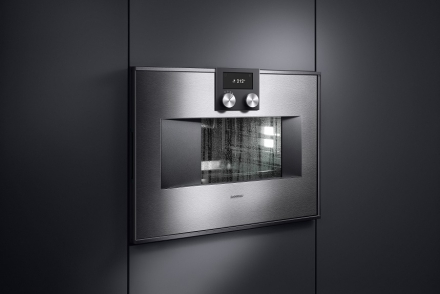
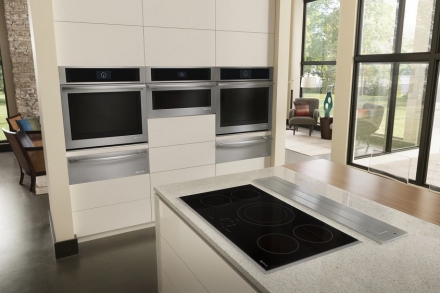
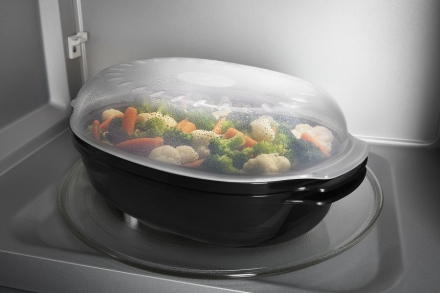
Many manufacturers are now making steam ovens, and this is a trend that will become more popular in the years to come. A steam oven cooks the food in a sealed steam environment to retain the flavors and reduce the cooking times. This is a very healthy way to cook because there is no need to add oils or fats required to make the food moist. A browning function can add a little color at the end for a roasted finish for your food.

  1. Refrigerators Get Upgraded

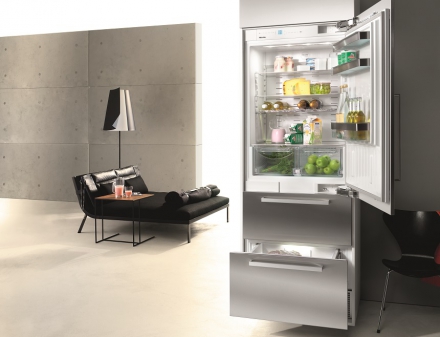
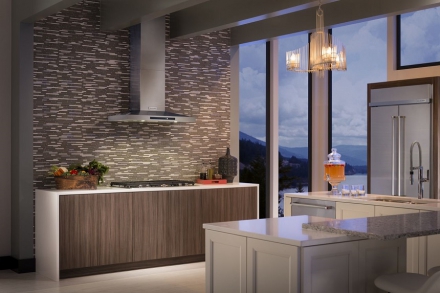
Every kitchen needs a good refrigerator, but in 2020 and the near future, we will see significant upgrades. Expect to see an exciting range of new finishes in metallic or matte finishes that you may want to show off. Hiding a refrigerator behind a cabinet front may become less popular. Another interesting development is flexible compartments that can be tailored to specific foods and ingredients. Smart features will develop even further, and new auto assist functions will allow users to streamline their kitchen.

  1. Wireless Bluetooth Synchronization

We have seen some amazing advances in wireless sync using Bluetooth devices. This trend is set to continue, and the next logical step is in your kitchen. There will be no need for extended preheating times or antiquated oven timers. An advanced range can sync to your other appliances such as the microwave for coordinated cooking times. Appliances may even perform other useful functions, such as turning on lights when the appliances are in use.

  1. Touch Screen Surfaces

We’ve seen an increasing number of touch screen surfaces replace a traditional knob and other controls. This is set to continue as we move forward with more finger touch and swiping controls on other appliances. One exciting development is a touch sensitive cooktop that uses electromagnetic heat, and the user can “draw” a cooking surface around the base of their pan. Then the heat can be adjusted by swiping the cooktop surface itself and all without risking a burn on your finger. GE is already working on this technology, and they have a prototype, so we may see this in production in the next few years.

  1. WiFi Connectivity

The smartphone has revolutionized the world of instant communication, and the rise of apps to control virtually anything has opened up an entire field of innovation. Manufacturers are now making appliances that can be controlled remotely from your smartphone. So, the user can adjust the temperature in their oven, the intensity of their kitchen lighting, and the timer on their microwave from a handy app.

  1. Multi-Cooker Evolution

One of the most popular kitchen appliances in the last few years is the versatile multi-cooker. Essentially, this is a pressure cooker with computerized controls that allows the user to make tasty and healthy meals in a fraction of the time. We will see similar WiFi connectivity allowing the user to control their multi-cooker remotely. So, you could load the ingredients into the multi-cooker before you leave, and they turn it on and control the temperature ready for your return home.

If you’re considering updating your kitchen appliances, you can explore your options with this online collection. If you need further help and guidance, speak to one of our home appliance experts today.


Do You Need a Steam Oven in Your Kitchen?

Many people believe that the only oven choices available to them are: standard, convection, and microwave. But, now many of the best know oven manufacturers are making steam ovens, and these products are becoming a popular alternative. In this article, we will explain what a steam oven is and some of the advantages of using one in your kitchen.

How is a Steam Oven Different?

If you’re unfamiliar with a steam oven, it may seem like a term that would be used purely for marketing purposes. But, a steam oven is actually quite different from a standard or convection oven. Essentially, these types of oven heat up water inside the oven to create a hot steam space where the food is cooked. A cheaper steam oven may achieve this by the manual filling of a water tray or trough that is then placed inside the oven. A premium steam oven will be connected to its own water line, much like an ice maker in your refrigerator. The steam tray is connected to a water valve that fills the oven when you want to use it for cooking. Much like a regular oven, a steam oven can have a number of extra options to make your life even easier, such as broiling, browning, and traditional convention functionality. This allows the user to customize their steam oven to meet their own needs.

Making Better Tasting and Healthier Food

Many people are more health conscious these days, and they are searching for a healthier way to cook their food. Health experts are constantly feeding us a variety of information on the best ways to cook our food. But, in many cases, these cooking processes can make our food bland and tasteless. One of the best things about a steam oven is that it cooks the food and maintains the nutrients without compromising on taste.

Steaming food is regarded as one of the healthiest cooking methods, but it can be hard to achieve without a great deal of hassle and specialized pans or appliances. When many people cook, they add a lot of fat to their meals, such as butter, oils, and dressings. In most cases, this is done to make the food moist and to improve the overall taste. This is because traditional cooking methods often dry out the food as it cooks, and this can degrade the natural flavors.

When you cook with a steam oven, the food is cooked entirely withing a moist environment so it cannot dry out. This reduces the reliance on those added fats, and this naturally lowers the intake of bad cholesterol and calories. So, the food is healthier, you feel better, and the food is far tastier.

Improving Cooking Efficiency

For years we have heard about the efficiency of convection ovens compared to standard models. A convection oven can cook a dish in a fraction of the time, and this saves money on energy bills. But, a steam oven cooks meals even faster. As an example: a chicken can be cooked in around 20 minutes, and then a browning function can be used to get that roasted finish.

Cooking Delicate Foods

If you enjoy baking or cooking more delicate foods, a steam oven may be just what you’re looking for. These types of ovens can cook a more delicate dish to absolute perfection without the associated drying that can ruin breads, pastries, and croissants.

If you’re interested in a steam oven for your kitchen, you can explore your options with our online collection. If you need further help or guidance, speak to our home appliance experts.

The Main Differences between Fully and Partially Integrated Kitchen Appliances

When it comes to kitchen remodeling, there are many terms that are new and hard to understand for most people. At first glance, many terms may seem to be interchangeable, but in reality, they are not, and this can lead to confusion. A pair of common terms that you may encounter when talking about kitchens are fully or partially integrated kitchen appliances. Understanding the differences between these two terms will help you to make more informed decisions for your new or updated kitchen. In this article, we will take a closer look at the main differences between fully and partially integrated kitchen appliances.

Built-in Appliances

A built-in appliance is usually recessed right back into the cabinets, and it sits flush with the surrounding panels. This is not a hard and fast rule; in some kitchens, the appliance door may protrude slightly to allow easy access to a dishwasher or refrigerator. The decision to choose a panel to cover that exterior surface and make it flush is entirely in your hands. A set of matching cabinetry gives the kitchen a clean look, but it will increase the complexity of the remodel, and it will cost more.

Partially Integrated Appliances

A partially integrated kitchen appliance is built-in, and on the surface, the cabinet panels match the surrounding cabinetry. This gives the kitchen a sleek and modern look, but there are visible control surfaces for easier control of the appliances. So, if you have a partially integrated washing machine, the controls at the top of the unit will be visible and easy to access. If you have a partially integrated smart refrigerator, the touchscreen will be visible, and you may notice the metal frames of the doors or any vents. The visible surfaces may be neatly tucked away in a camouflage panel to create a more uniform look. Many people choose partially integrated appliances because they give you that nice clean aesthetic appeal, they are easier to clean, and they are relatively inexpensive.

Fully Integrated Appliances

A fully integrated kitchen appliance will not stand out from the other cabinets in any way. The cabinet doors may look larger in the case of a refrigerator, or they may be shorter or square in the case of a dishwasher. But, for all intents and purposes, the appliance will be entirely hidden; features such as handles, hinges, controls, toe kicks, trims, and vents will all be out of view. There are some considerations for people that want this clean and aesthetically appealing look. It may be necessary to choose smaller kitchen appliances that are easier to hide and make flush with the other cabinets. It’s also important to understand that a fully integrated kitchen is an expensive option.

Maintenance Issues

If you choose fully integrated appliances, it will make them harder to repair and maintain compared to a partially integrated alternative. The parts that need to be accessed will be hidden deep inside the kitchen cabinetry, and the appliances will need to be pulled out. This can take some time, and this will raise the labor costs for the repair or any necessary maintenance.

Customized Kitchen Cabinets

If you want a full size larger appliance such as a refrigerator and you still want that fully integrated look, this is possible. Choosing larger cabinet boxes will typically cost less when compared to the price of customized kitchen cabinets. This will increase the depth of the cabinet, and this will allow you to set the appliance further back. This is a happy medium that may suit homeowners with a larger kitchen.

If you are considering purchasing a new kitchen appliance, you can explore your available options with our online collection. For further guidance or help, you consult one of our home appliance experts.

5 Signs That You Need to Consider a Kitchen Remodel

One of the most significant home improvement projects that you can undertake is a kitchen remodel. This project causes a great deal of disruption, plenty of time, and a significant investment. But, the results are well worth the investment and it can add value to your home if you’re considering selling in the near future, In this article, we will look at five signs that you may need to consider a kitchen remodel in the future.

  1. A Lack of Space

A modern kitchen needs plenty of space for food preparation and storage. If your kitchen is lacking in countertop and cabinet space, it may be time for a remodeling project. Many kitchens are smaller or poorly laid out, and this can lead people to believe that nothing can be done. This isn’t correct; there are many modern clever kitchen storage solutions to create additional space in any kitchen. If you want to increase the space in your kitchen, it’s important to evaluate your needs and research the options carefully. You may be surprised at some of the space and storage solutions available.

  1. Aging Appliances

Kitchen appliances can have a hard life, their life expectancy is limited, and this can lead to a remodel. On average, a dishwasher lasts for nine years, a refrigerator lasts for thirteen years, and a gas range fifteen years. If your last kitchen remodel was sometime prior to 2005, the prognosis for your kitchen appliances isn’t good. An older appliance will be less energy efficient, and this leads to higher monthly bills. Certain appliances may even be dangerous or more likely to fail in the years to come. If you want that super sleek uniform look in a modern kitchen, it’s a great idea to change all of your old appliances at the same time. This doesn’t require a kitchen remodel, but many people take this opportunity to make other larger changes to the layout.

  1. Family Changes

Over time family changes can trigger the need for an extensive kitchen remodel. If you have new kids joining your family, you’re going to need a very different kitchen than if they are older about to go to college. An extended close family may need more space for entertaining at home, but if you don’t entertain much, this space is wasted. Our needs change a lot during our lifetimes, and we need our kitchens to stay relevant to our family needs.

  1. Bad Lighting

Many people approach kitchen lighting as an afterthought, but this is a key area, and it can make a huge difference in your kitchen. A well designed kitchen should have plenty of useful lighting for food preparation tasks to avoid injuries from knives and other equipment. This is often achieved with under cabinet lights and/or clever positioning of spotlights. A general level of lighting is also needed using track or recessed lighting options. If you’re going to redesign your kitchen lighting, you may discover that you need to change the layout at the same time to meet your requirements.

  1. A Lack of Flow

A kitchen needs to be easy to use, everything should be close to hand, and it must be an efficient use of space. In many older kitchens, the design is poor, the key elements to use the kitchen are present, but they often crowded together, or they are too far apart. It’s important to understand that there is no one size fits all kitchen design to meet everyone’s needs. We all use our kitchens in different ways, and we need to design a kitchen that matches our needs. But, if you want a kitchen that other people will like to use because you’re planning on selling your home consult a designer for advice first.

If you’re thinking about new kitchen appliances, you can explore the options with our online collection or speak to one of our home appliance experts for additional help.

Integrating a Microwave Oven into Your Kitchen

A microwave oven is a useful device that can really help to cut down cooking times significantly. But, they do take up a lot of space on the counter, and they are too large to store in an appliance caddy when not in use. In order to get the best use out of your microwave, it’s important to integrate into your kitchen. In this article, we will look at some things that you need to consider if you want to make it easier to use a microwave in your kitchen design.

Choosing the Right Microwave Oven Configuration

A countertop microwave can be kept on the counter, or it could be tucked away on a shelf. If you want to save space on the countertop, look for a wall mounting option. A drawer style unit for your microwave is useful because it can be placed at your ideal height, and it’s easy to use it in a very small kitchen. An over the range microwave is located directly over your oven so it can share the same ventilation and light sources. The exact configuration you choose should be carefully matched to the size and layout of your kitchen. Let’s take a look at some microwave integration ideas in more detail.

5 Microwave Integration Ideas for Your Kitchen

  1. A Cabinetry Cutout

If you build a cutout into your kitchen cabinets to house your microwave, it makes the positioning very natural. It’s important to make sure that your microwave fits into the space snugly to avoid ugly gaps. If the gap is too large, don’t despair, there are trim kits available from many microwave oven manufacturers to fill gaps in. This will give you a very streamlined look that will not detract from your kitchen design.

  1. A Drawer Unit

A microwave installed in a drawer gives your kitchen a discrete and sleek aesthetic appeal. The microwave drawer could be positioned under the countertop or inside a center island in a larger kitchen. Both of these options allow easy access, and plenty of countertop space is freed up for food preparation tasks. If you want to hide the microwave, it can be installed inside a cabinet behind a sliding door. This door can be matched to your existing kitchen cabinetry for a uniform look.

  1. A Wall Recess

If you have enough wall space free, you could even recess the microwave into the kitchen wall. Obviously, this depends on the space in a nearby garage or closet area. This has the advantage over wall mounting because the microwave doesn’t intrude on the kitchen space. If you place the microwave near other appliances or your range, it’s easier to root power to the unit. The microwave can be blended into the space easily by matching a paint trim to the existing kitchen appliances.

  1. A Lower Shelf

A microwave located on a lower shelf is a great way to tuck the machine out of the way. But, it will be necessary to squat or bend to access the microwave, so it may not be the most ergonomic choice available.

  1. A Higher Shelf

If you have a smaller microwave, you can tuck it away on an upper shelf. Some advance planning is needed to ensure that you have a power outlet available behind the microwave. It’s also important to remember that you need space to accommodate the depth of the microwave and the power cord. The microwave may protrude out depending on the exact make and model, so choose the unit carefully if this is important.

If you’re in need of a new microwave, explore your options with our online microwave collection or speak to one of our home appliance experts for further help.

6 Foods That Need to be Refrigerated

Many of us store foods in a haphazard way; some items obviously require refrigeration, and others are less clear. But, if you fail to refrigerate certain foods, you can significantly shorten their lifespan and make them less flavorful. In this article, we will take a closer look at six foods that need to be kept in the refrigerator and some general storage advice.

  1. Cooking Oils

This may surprise many people, but it’s always a good idea to keep all of your cooking oils in the refrigerator. Cooking oils can easily become rancid when they are exposed to sunshine and the heat of a busy kitchen. They should be stored in tightly covered cruets and kept cool when not in use.

  1. Condiments

By their very nature, condiments need to be strongly flavored to enhance the tastes of other dishes. This can make condiments very susceptible to losing their flavors due to heat and other environmental factors. Storing condiments, such as ketchup, soy sauce, mustard, and horseradish in your refrigerator will keep them tasting better for longer.

  1. Produce

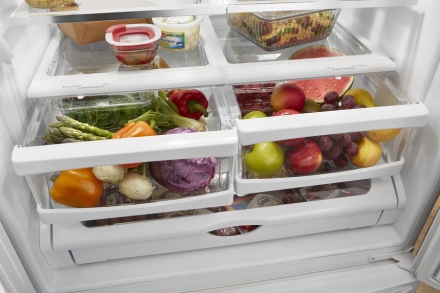
Many people store their produce out in the open in a bowl or another open container. This will shorten the lifespan of the produce, and this can lead to a great deal of food waste. But, if you refrigerate produce, such as avocados, bananas, and citrus fruits, they could last four times longer than those stored in the center of your kitchen table.

  1. Syrups

Syrups have a strong taste, but they are affected by heat and sunshine, and they need to be stored in the refrigerator. Maple syrup can spoil very quickly if it’s left out on your countertop in sunlight. If you use chocolate syrup, it can be stored for up to six months if you keep it in a refrigerator.

  1. Nuts

Any types of nuts and associated nut butters should be kept in the refrigerator to keep them fresh. Nut butter can go rancid quickly if it’s left out in the kitchen, and nuts could last for almost a year if they are kept refrigerated.

  1. TCS Foods

Temperature controlled for safety foods (TCS) are those that are particularly vulnerable to pathogen growth. They often have proteins, carbohydrates, or moisture levels that bacteria require as a growth medium. If TCS foods stay in the 41ºF-135ºF for long periods, the pathogen growth makes those foods unsafe to eat. There are many TCS foods, such as meat, poultry, dairy, cooked rice and vegetables, cut leafy greens, raw sprouts, cut tomatoes, garlic in oil, and cut slices of melon. Any TCS foods left out for longer than four hours should be thrown away to avoid becoming ill.

General Refrigeration Advice

Invest in a refrigerator thermometer to keep the internal temperature in the idea 32ºF-40ºF range. Keeping the temperature too high can spoil your food, and if you go too low, you’re wasting energy and driving up your bills.

Arrange the foods in your refrigerator by the cooking temperatures with lower requirements on top and higher temperatures below. This will keep your foods safer from any bacteria because leaks from food stored above will be subjected to higher cooking temperatures.

If there is a power outage, keep your refrigerator door shut as much as you can. A refrigerator can continue to keep your food cold for approximately four hours if you keep the door closed.

On each shelf, you can store your food by the expiration going from left to right. This is an easy way to see what you have and what you need to use first without too much thought. This will minimize food waste and save you money on your grocery bills.

If you are considering a new refrigerator to prolong the lifespan of your food, you can explore the options with our online collection of refrigerators or speak to a home appliance specialist for further guidance.

4 Home Appliance Energy Conservation Tips

Most of us have a number of home appliances that are great time savers, but they can consume a lot of energy, and this drives up your monthly bills. Although it isn’t possible to eliminate the energy consumption completely, it is possible to reduce the amount of energy consumed. In this article, we will look at four common home appliances and how you can save energy using those devices.

  1. The Dishwasher

A dishwasher doesn’t use too much energy, but it will consume a large volume of water on every cycle. The best way to use a dishwasher is to get the most out of each and every cycle. Always ensure that the dishwasher if full and that you don’t use the hottest water temperature. If you switch to an energy efficient model you will use less energy and water when the dishwasher is running.

  1. The Refrigerator

The refrigerator consumes energy 24/7 because it needs to be kept on to keep our food fresh. But, many people keep their refrigerator at a temperature that’s far too cold, and every extra degree consumes more energy than necessary. The acceptable temperature range for a refrigerator should be 32ºF-40ªF to keep your food in great shape. It’s also a great idea to fill your fridge with as much food as you can to reduce the energy consumed. The second law of thermodynamics comes into play here, the less empty space in your refrigerator, the less energy consumed to keep the space cool. If your refrigerator is never full enough, you may consider a switch to a smaller unit to save money on your next energy bill.

  1. The Cooktop or Oven

An electric cooktop and/or oven is a great way to cook your meals, but if you cook at home regularly, they can consume a great deal of energy. This is particularly wasteful if you’re only preparing smaller meals and saving energy should be a priority. If you need to boil water, use the kettle instead, and then transfer the boiled water to the pan. Only ever use as much water as you need to reduce the boiling time and always cover your pans to speed up the cooking process. When you use the oven, keep the door shut as much as possible to retain the heat inside for cooking. If you’re only reheating a small meal, it’s a good idea to use a microwave oven instead because it’s far more energy efficient. Another good alternative to a cooktop is to use an induction hob that can quickly heat your pans to the optimal cooking heat safely.

  1. The Washer

A washer is used heavily in most homes, it uses a great deal of energy and water, but there are ways to reduce the energy used. Wash clothes in cold water and use a water saving washing mode if you have one on your machine. Keep the lint trap clean to make the machine more energy efficient and reduce the chance of a failure. Try to use shorter washing cycles to see if they work well with your clothes and dry naturally when possible. Always wash a full load to make the most use of the energy and water that will be consumed. If you have to do a partial load of laundry, make sure to use the correct setting on your machine. Switching to a modern, efficient washing machine will also save water and consume less energy to keep your clothes clean.

If you’re considering new energy efficient appliances, you can explore your options with our online collection, or our team of home appliance experts can provide further guidance.

Exploring the Options for Your Ventilation Hood

Ventilation is crucial in a kitchen. A good ventilation hood will not only carry away steam, but also odors and grease that could compromise your kitchen comfort. Most kitchen ventilation hoods can be divided into one of five types. Here we’ll explore these in more detail, to help you make an informed decision for your new kitchen.

Under Cabinet Hoods 

This is the most common form of ventilation hood on the market. This popularity is due to the compact size and affordability. Under cabinet hoods are mounted beneath any cabinets set above the stove with a simplistic and versatile design that can be easily incorporated into different kitchen styles. This type of hood requires ducting through the cabinet above, or through a nearby exterior wall to prevent grease and oils circulating around your kitchen.

Wall Mounted Hoods

Wall mounted hoods are a great option to create a statement in your kitchen space. This type of hood is often installed above the stove in place of any cabinetry, to create a distinct design element. The main advantage of wall mounted hoods is that the fan circulates air to reduce bacterial build up and mold on cooking areas including countertops, quickly eliminating fumes and odors.

Island Hoods

Island hoods are best used with larger, pro style ranges located on a kitchen island. This type of hood can withstand the extra demands created with additional burners, and the venting system can add a sophisticated touch to your cooking space aesthetic. Island hoods are available in different styles and colors to allow you to add personality to your kitchen design. Island hoods are also very effective at dispersing grease and steam away from the kitchen to prevent condensation and acids causing cabinet damage.

Downdraft Hoods

A downdraft hood is also a common feature for kitchen islands. The hood is hidden inside the cooktop, popping up along the back of the range on a horizontal angle to reduce steam. Downdraft hoods pill fumes down to beneath the floor taking them out of the home. This type of ventilation system is ideal for those who don’t want to install a larger overhead unit that takes up space in the kitchen, but it can still decrease discoloration, peeling and mildew on floors, walls and cabinets due to moisture.

Custom Hoods

A custom hood is a great option if you don’t want to be restricted to certain design options. Custom hoods can work ventilation into your kitchen landscape more organically. The power source and hood inserts are concealed in the cabinetry to create a custom approach.

Choosing the Right Hood for Your Kitchen

There are a number of factors that need to be considered before you make your final purchase decision. These include:

  • The Exhaust System: You will need to assess whether you want a vented system that channels air out of the home or a non vented system where the air is cleaned and filtered before being returned to the kitchen. Your kitchen location will determine which is the most appropriate choice. If your kitchen does not have an exterior wall, you may struggle with a vented system, as the ducts will need to channel the air out of your home. It becomes more complicated and expensive, the further you are from an exterior wall.
  • Your Layout: Your layout will need to be assessed to determine what space you have and which type of hood will work best. Generally, hoods are mounted 24 to 30 inches above a cooktop, but some hoods do have different requirements.
  • Noise: Another consideration is noise. More powerful hoods are likely to produce more noise when in use. This can be problematic if you have an open plan layout, where you’re likely to disturb your family members every time you use the hood.

If you’re considering a new kitchen hood, you can explore your options with this online collection or speak to a home appliance professional for expert help and guidance.

Things to Look for in Your New Convection Microwave Oven

A microwave is a staple in many kitchens, but many homeowners have fully embraced the technology and the benefits offered with a convection microwave oven. Convection technology has evolved a great deal in recent years, making convection microwave ovens an innovative and useful appliance for a busy family home. Since this technology may be new to many homeowners, here we’ll explore some of the things to look for when shopping for a new model.

The Convection Microwave Oven Basics

Most of us are familiar with microwave technology; it allows us to reheat leftovers, defrost frozen items, and even make popcorn quickly and easily. These benefits are offered with a convection microwave oven, but the convection technology also allows you to crisp and brown food as you would in a conventional oven.

Rather than heating the inside of the food, as a regular microwave does, convection microwave ovens also cook and brown the outside of the food, providing the full “cook through” that you would get with a traditional oven. Convection ovens use a fan to force the air movement, heating up the interior of the microwave to cook the food. This allows you to roast and bake things that may be cooked too quickly or not thoroughly enough with a regular microwave.

Decent Power Output

While convection ovens are known for their ability to crisp and brown foods, you’re still likely to want to choose a unit that can still cook food as quick as a regular microwave. If your current microwave is a high power unit, you may find yourself feeling frustrated if your new convection microwave has a fraction of the power output. So, don’t just look at the convection technology, consider the power output and what this translates into when cooking your favorite foods.

Visibility

Just like with a regular oven, it can be very frustrating if you need to keep opening the door to check on the progress of your dish. So, it is important to choose a microwave that offers high visibility. Ideally, your new convection microwave should have a sizeable window and a bright light, so you can regularly check on your food as it is cooking.

Large Capacity

The interior of your new microwave should be large enough to accommodate your dishes. If you like to reheat your favorite casserole, it will be very frustrating if your usual casserole dish is too large to fit inside the microwave. Think about the cookware that you frequently use and consider what capacity you will need to accommodate them. Remember that you also need to consider the clearance needed around the dish for adequate ventilation. Generally, you need to have at least 2 inches on the sides, 4 inches at the rear and a minimum of 6 inches above larger dishes for proper airflow and even cooking.

Unit Size

Of course, while capacity is important for accommodating your favorite dishes, you also need to think about the overall unit size. Whether your microwave sits on the countertop or is installed in an alcove, you should measure what space you have to work with. Look at the size of your current microwave and determine if you can go much bigger or smaller without compromising your kitchen aesthetics.

Additional Features

Finally, you should consider what additional features are available. Automatic settings can prompt you with the weight and type of food to help you calculate the cooking time, while multi stage cooking allows you to program different functions in sequence for the best results.

If you’re considering a new microwave, you can explore your options with this online collection of convection microwave ovens or speak to a home appliance professional for specialist advice and guidance.

How to Prepare For Your Appliance Delivery

If you are planning on purchasing a new appliance, you need to consider more than just arranging to be home for the delivery team. There is a lot of preparation that can make your appliance delivery go as smoothly as possible. So, here we’ll go through the process from start to finish, so you can prepare for your next appliance delivery.

Picking Out Your New Appliance

Of course, the first step is to choose your new appliance. Whether you’re looking for a new refrigerator, range or washer, it is a good idea to have your measurements in hand before you head to the store or start shopping online. Measuring for your appliance will help you to know the size constraints you are restricted to.

Once you have your measurements, you can browse the appliances in a particular category to find the one that offers the features you need and is within your price range. When you have selected the appliance you would like to purchase; you will be able to arrange the delivery details. Remember that most appliance delivery appointments are arranged with a timeslot, so you need to think about what time and date are convenient for you. Remember to consider traffic, if you need to finish work early to arrive home to meet the delivery team.

Plan the Appliance Path

Before your delivery appointment, it is a good idea to do a little more measuring. Check that your new appliance can fit through the doorways and work out the pathway to get your appliance from the door to its desired location. If a doorway is too narrow to accommodate the appliance, you will need to find another path. This may mean taking the appliance around the outside of your home and bringing it in through a patio door to get to your kitchen or laundry room.

It is also a good idea to clear this path of any obstacles or delicate items. While professional delivery teams aim to be careful, accidents can happen, so make sure that your family heirloom vase is safely put away.

Create Space for the Delivery Truck

Delivery trucks tend to be large, and the delivery team will need the space to lower the tailgate and bring your appliance off the truck. Try to clear a space on your driveway or arrange a spot on the street that will provide easy access when the appliance is being moved into your home.

Keep Kids and Pets Out of the Way

You also need to think about ensuring that any children or pets are safely out of the way of the delivery team. Appliances can be cumbersome, and the delivery team may not be able to fully see where they are going. So, having a child or pet underfoot can be dangerous for everyone. Consider your appliance path and find a safe spot where pets can be secured, and children can play out of the way.

Check Your Appliance

Once the appliance has been unloaded and installed, it is important to check that it is working correctly before the delivery crew leaves. There are some instances where you need the appliance in place before it can be used, such as refrigerators that need to get up to temperature, but you should be able to tell that it lights up and the fan is running.

After the delivery team leaves, take some time to familiarize yourself with the owner’s manual and test out the different settings and cycles. It is a good idea to clean the appliance of any dust that may have accumulated while it was sitting in the warehouse.

If you are considering a new appliance, you can explore your options with our online collection or speak to a home appliance specialist for further help and guidance.