The Benefits of Smart Kitchen Appliances: Are They Worth the Price?

Are you tired of slaving away in the kitchen, dreaming of a more efficient and modern way to cook? Look no further than smart kitchen appliances!

These cutting-edge gadgets not only make your life easier but also offer hidden benefits that are worth every penny. From saving time and energy to enhancing your culinary skills, we delve into the world of intelligent ovens, fridges, and more to uncover why they are truly worth their price tag.

So fasten your seatbelts as we embark on a journey through the secret wonders of smart kitchen appliances that will revolutionize your cooking experience like never before!

Benefits of Smart Kitchen Appliances

Smart kitchen appliances have been gaining popularity in recent years, thanks to their advanced technology and convenience. They are designed to make our lives easier by automating tasks and providing us with more control over our cooking and meal prep. However, the benefits of smart kitchen appliances go beyond just convenience. In this section, we will discuss the various advantages of incorporating these high-tech devices into your kitchen.

1. Time-saving

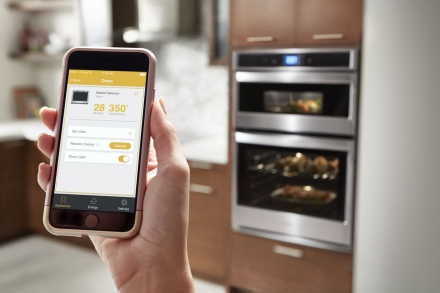
One of the most significant benefits of smart kitchen appliances is that they save you time. With features like pre-programmed settings, voice control, and remote access through smartphone apps, these appliances reduce the time spent on cooking and meal preparation. For example, a smart oven can be set to start preheating at a specific time while you’re still on your way home from work, so it’s ready for dinner when you arrive.

2. Energy-efficient

Smart kitchen appliances are also more energy-efficient compared to their traditional counterparts. Most models have sensors that detect when food is cooked or if there are any temperature changes, allowing them to adjust accordingly and avoid unnecessary energy consumption. Additionally, some smart refrigerators can track usage patterns and suggest ways to conserve energy based on your habits.

3. Improved precision

Accuracy is essential in cooking; otherwise, even the best recipes can turn out poorly if ingredients aren’t measured correctly or cooked at the right temperature for the right amount of time. Smart kitchen appliances use advanced technology like sensors and built-in cameras to ensure precise measurements and temperatures for consistent results every time.

4. Customization options

Another benefit of smart kitchen appliances is that they offer a wide range of customization options according to your preferences. With touch screens or smartphone apps, you can adjust settings such as cooking times, temperatures, and portion sizes, and even get suggestions for recipe variations based on dietary restrictions or allergies.

5. Remote access

Smart appliances with Wi-Fi connectivity allow users to control them remotely using their smartphones or voice assistants. This feature comes in handy when you’re not at home and need to check if the oven is turned off, turn on the slow cooker for dinner, or adjust the temperature of your refrigerator.

Factors to Consider Before Investing in Smart Kitchen Appliances

Investing in smart kitchen appliances can be a significant decision for any homeowner. While the convenience and efficiency that these appliances offer are enticing, it is essential to carefully consider various factors before making the purchase. After all, smart appliances come with a hefty price tag, and ensuring that they will truly benefit your household is important.

Here are some key factors to consider before investing in smart kitchen appliances:

1. Budget:

The first and foremost factor to consider is your budget. Smart kitchen appliances tend to be more expensive than traditional ones due to their advanced technology and features. It’s crucial to have a clear understanding of how much you are willing and able to spend on these appliances before beginning your search.

2. Compatibility:

Smart kitchen appliances often require an internet connection or a specific home automation system for full functionality. Before purchasing, make sure that your home has the necessary infrastructure for these devices to work correctly. You may also need to check if the appliance is compatible with other devices you already own.

3. Features:

Smart kitchen appliances come with various features, such as voice control, remote operation, automated cooking programs, and energy-saving options. Consider which features are essential for you and choose accordingly based on your needs and lifestyle.

4. Maintenance:

Like any other home appliance, smart kitchen devices require maintenance from time to time. Research the brand’s customer service reputation and the availability of replacement parts before purchasing. Additionally, some models may require additional costs, such as subscription fees or software updates.

5. Longevity:

Investing in durable products is always wise when it comes to home appliances. Look into the warranty period offered by the manufacturer as well as reviews from other customers about the longevity of the product.

6. Energy Efficiency:

While most smart kitchen appliances claim to be energy-efficient, it’s important to not just take their word for it but also do thorough research into their energy consumption levels compared to traditional models.

7. Personalization:

One of the unique features of smart kitchen appliances is their ability to personalize your cooking experience. Some models offer settings that can be tailored to individual preferences, making it easier and more convenient for users.

8. Security:

With the rise of connected devices, security has become a concern for many homeowners. It’s essential to ensure that the smart appliance you choose has adequate security measures in place to protect your data and privacy.

Upgrade Your Kitchen Today

By considering these factors before investing in smart kitchen appliances, you can make an informed decision and choose the right appliances that cater to your needs, budget, and lifestyle. Remember to do thorough research, read reviews from other customers, and compare prices before finalizing your purchase.

The hidden benefits of smart kitchen appliances, such as time savings, energy efficiency, improved precision, customization options, and remote access, are worth the investment. These appliances not only make our lives easier but also contribute to a more sustainable lifestyle. So why wait?

Upgrade your kitchen today and experience the multitude of benefits for yourself. Don’t miss out on the convenience and efficiency that smart kitchen appliances have to offer. Make the switch now and join the future of cooking by speaking to a home appliance specialist.

The Ultimate Guide: How to Choose the Best Appliances For Your Home

In the modern living age, the kitchen has emerged as the epicenter of the home. It’s a space where culinary masterpieces are crafted, conversations take root, and memories are etched into the fabric of our lives. Your choice of kitchen appliances plays a pivotal role in both the functionality and aesthetics of your culinary haven. With a vast array of options available, selecting the best devices for your home can be a daunting task. Fear not, as this comprehensive guide aims to help you navigate this intricate journey and make informed decisions that align with your unique needs and lifestyle.

Understanding Your Needs

Before embarking on your appliance quest, take a moment to evaluate your kitchen’s specific requirements. Consider factors such as the size of your family, your cooking habits, the available space, and your existing infrastructure. Do you prefer gas or electric appliances? What about the integration of intelligent technology? These questions will serve as the foundation for narrowing down the extensive choices available in the market.

Refrigerators

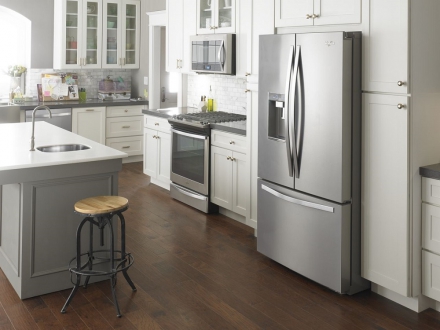
The refrigerator stands as the cornerstone of any kitchen. It’s essential to choose one that not only fits seamlessly into your kitchen layout but also caters to your storage needs. Consider capacity, energy efficiency, style, and additional features like water dispensers or intelligent technology. French door, side-by-side, or bottom-freezer configurations offer various advantages, so pick one that best suits your lifestyle.

  • Size and Capacity: Refrigerators come in various sizes to accommodate different households. A family of four may need a refrigerator with a larger capacity, while a single person or couple might be comfortable with a smaller model.
  • Energy Efficiency: The energy efficiency of your refrigerator can have a significant impact on your utility bills. Look for models with the ENERGY STAR label, which signifies lower energy consumption.
  • Style and Design: The aesthetic of your refrigerator is crucial, as it can significantly impact the overall look of your kitchen. You can choose from various finishes, including stainless steel, black stainless, or custom paneling to match your cabinetry.

Ranges and Ovens

When it comes to ranges and ovens, the options are diverse. Do you prefer gas or electric ranges? Convection or conventional ovens? Freestanding or built-in models? The choice often depends on personal preferences.

  • Range Type: Gas ranges provide precise temperature control, making them a favorite among professional chefs. On the other hand, electric fields are easier to clean and often come with smooth, glass-ceramic cooktops.
  • Oven Type: Ovens with convection technology offer even cooking and are ideal for baking and roasting. Choosing between a single or double oven depends on your cooking habits and the dishes you prepare.

Dishwashers

The dishwasher is a true time-saver, but finding the right one involves considering factors like capacity, noise level, energy efficiency, and special features such as sanitizing options or adjustable racks. Integrated models seamlessly blend with cabinetry, while drawer dishwashers offer convenience and energy efficiency for smaller households.

  • Capacity and Load Flexibility: Consider the number of place settings and the ability to adjust racks and tines to accommodate various dish sizes and shapes.
  • Energy Efficiency: Like refrigerators, dishwashers have ENERGY STAR ratings, indicating lower water and energy usage.
  • Noise Level: Dishwasher noise levels can vary significantly. If a quiet kitchen environment is essential, look for models with lower decibel ratings.

Microwaves

Microwaves have evolved from essential reheating devices to multi-functional cooking appliances. Consider the size, type (countertop, over-the-range, or built-in), power, and additional features like convection capabilities or sensor cooking.

  • Type of Microwave: Countertop microwaves are the most common and easiest to install. Over-the-range and built-in microwaves save counter space but may require more complex installation.
  • Wattage: Higher-wattage microwaves heat food faster and more evenly. Look for models with at least 1000 watts for more efficient cooking.

Small Appliances

Beyond the significant appliances, a plethora of smaller devices like blenders, coffee makers, toasters, and food processors enhance the functionality of your kitchen. Determine the specific functions you need and opt for appliances that fit your space and complement your cooking style.

  • Specific Needs: Choose small appliances that cater to your particular needs. For example, a coffee enthusiast may require a high-quality coffee maker, while a health-conscious individual might prioritize a powerful smoothie blender.
  • Space Considerations: Ensure sufficient counter space or storage for your small appliances. Consider compact or multi-functional models if space is limited.

Energy Efficiency

Energy efficiency refers to the ability of an appliance to perform its intended functions while consuming as little energy as possible. It is a critical consideration for several reasons. Firstly, it has a direct impact on your utility bills. Energy-efficient appliances typically use less electricity or gas, lowering energy costs over time. Investing in energy-efficient appliances can lead to long-term savings on your monthly energy bills.

Secondly, energy efficiency is vital for environmental reasons. Appliances that consume less energy produce fewer greenhouse gas emissions and have a reduced carbon footprint. By choosing energy-efficient appliances, you contribute to a more sustainable and eco-friendly lifestyle, helping to mitigate the impact of climate change and reduce your environmental footprint.

One way to identify energy-efficient appliances is to look for the ENERGY STAR label. ENERGY STAR is a government-backed symbol that signifies the device meets or exceeds specific energy efficiency guidelines set by the Environmental Protection Agency (EPA) and the Department of Energy (DOE). This label is commonly found on various appliances, including refrigerators, dishwashers, washing machines, etc. When you see the ENERGY STAR label, you can trust that the appliance is designed to be energy-efficient, which means it will both save you money and benefit the environment.

Aesthetics and Design:

Aesthetics and design are essential aspects of selecting kitchen appliances, as they contribute to the overall ambiance and visual appeal of your kitchen. While functionality is paramount, the appearance of your devices should not be underestimated, as they can significantly impact the look and feel of your kitchen space.

Here are a few key considerations when it comes to aesthetics and design in appliance selection:

  1. Coherence with Kitchen Design: Your choice of appliance design should align with the overall style and theme of your kitchen. For instance, a modern, sleek kitchen might benefit from appliances with a stainless-steel finish, while a more traditional kitchen might opt for devices with a classic or retro design.
  2. Cabinetry and Countertop Coordination: Coordinating your appliances with your cabinetry and countertop choices can create a harmonious and visually appealing kitchen space. Devices can be integrated with custom cabinetry or designed to complement the color and material of your cabinets and countertops.
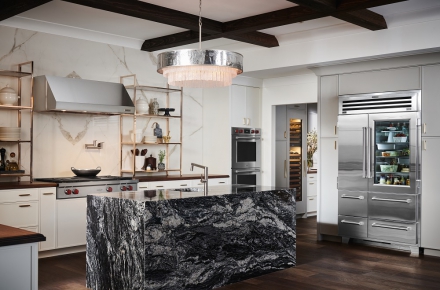
  3. Focal Points and Accents: In some cases, appliances can serve as focal points or design accents. For example, a boldly colored retro refrigerator can add a pop of personality to a kitchen, or a statement range hood can become a centerpiece of the space.
  4. Finish and Texture: Consider the finish and texture of your appliances. Stainless steel is famous for its modern and sleek appearance, but other finishes like matte black or custom paneling can provide a unique and customized look.

Ultimately, the aesthetics and design of your appliances should be in harmony with your style and the overall design theme of your kitchen. Selecting devices that complement the space not only enhances the visual appeal but also creates a cohesive and welcoming atmosphere in your culinary haven.

Budget Considerations:

Establishing a budget is vital. While high-end appliances might offer more features and durability, there are also quality mid-range options available. Consider the long-term value and warranty provided by different brands. It’s often a good practice to allocate a significant portion of your budget to appliances that see heavy daily use, such as your refrigerator and range, while being more flexible with smaller devices.

Installation and Maintenance:

Before making a purchase, assess the installation requirements and maintenance procedures for each appliance. Ensure you have the necessary space, infrastructure, and access to services for installation. Additionally, familiarize yourself with maintenance needs to prolong the life of your appliances. Proper maintenance not only ensures the longevity of your devices but also keeps them operating efficiently.

Research and Reviews:

Utilize resources like online reviews, consumer reports, and expert opinions to gain insights into different appliance models. Additionally, visit showrooms or stores to see the appliances firsthand and ask questions to ensure you’re making an informed decision.

In Conclusion

Selecting the best appliances for your home is a personal and comprehensive process. By considering your needs, evaluating options, and staying informed, you can transform your kitchen into a functional and aesthetically pleasing space. Remember, the right appliances not only make your life easier but also elevate your culinary experiences. So, take your time, explore the options, and choose wisely. Cheers to a well-equipped and harmonious kitchen! Your choices will not only enhance your cooking experience but also elevate the heart of your home.

If you’re considering a new appliances, you can explore your options with this online collection, or for further help or guidance, speak to a home appliance expert.

Tips to Consider When Shopping for Energy Efficient Appliances

Energy efficiency is a crucial aspect to consider when shopping for household appliances in today’s environmentally conscious world. As we strive to reduce our carbon footprint and cut down on energy costs, selecting energy efficient appliances becomes increasingly important. Whether you’re in the market for a new refrigerator, washing machine, dishwasher, or any other home appliance, prioritizing energy efficiency can lead to substantial benefits. To assist you in making informed decisions that benefit both the environment and your wallet, we’ve compiled essential tips for shopping for energy-efficient appliances. These tips will not only help you minimize your energy consumption but also promote sustainability and lower your long-term utility expenses. By starting your appliance search with a focus on energy efficiency, you can contribute to a greener future while enjoying the financial advantages of reduced energy bills.

Tips to Consider When Shopping for Energy Efficient Appliances

Shopping for energy efficient appliances is a great way to reduce your energy consumption and lower your utility bills while also helping the environment. Here are some tips to help you make informed decisions when shopping for energy-efficient appliances:

Look for the ENERGY STAR Label

The ENERGY STAR label is a reliable indicator of energy efficiency. Products that bear this label meet strict energy efficiency guidelines set by the U.S. Environmental Protection Agency (EPA). When you see the ENERGY STAR label on an appliance, it means it consumes less energy compared to standard models. ENERGY STAR-rated appliances are designed to reduce greenhouse gas emissions and save you money on your utility bills. These appliances often come with advanced features that optimize energy usage, such as better insulation, variable-speed motors, and efficient heating and cooling systems. When shopping for appliances like refrigerators, dishwashers, washing machines, and air conditioners, always check for the ENERGY STAR label to ensure you’re making an energy-efficient choice.

Consider the Appliance’s Size and Capacity

The size and capacity of an appliance play a significant role in its energy efficiency. Larger appliances tend to consume more energy because they require more power to operate. Therefore, it’s essential to choose an appliance that matches your needs without being unnecessarily oversized. For instance, when buying a refrigerator or freezer, consider your family size and storage needs. An oversized appliance will consume more energy than necessary, leading to higher electricity bills. Additionally, larger appliances may take up more space in your home, which could be a consideration for smaller living spaces. Evaluate your specific requirements and opt for an appliance that strikes the right balance between size and capacity to minimize energy consumption.

Check for Energy-Efficient Technologies

Many modern appliances are equipped with innovative technologies designed to improve energy efficiency. For example, when shopping for a washing machine, look for models with features like a front-loading design, which typically uses less water and energy compared to top-loading machines. Similarly, dishwashers with soil sensors can adjust the wash cycle based on the level of dirtiness, reducing both water and energy usage. In the realm of heating and cooling, consider air conditioners and heat pumps that feature variable-speed compressors, as these can adjust their output to match your cooling or heating needs, saving energy in the process. Keep an eye out for appliances with inverter technology, LED lighting, and smart controls, as they can contribute to significant energy savings over time.

Examine the Appliance’s Energy Efficiency Rating

Energy efficiency ratings, often displayed as labels or stickers on appliances, provide valuable information about how efficiently an appliance uses energy. These ratings are typically presented as a numerical score or a letter grade, with higher numbers or grades indicating better energy efficiency. For example, when buying a water heater, you might come across an Energy Guide label that estimates the annual operating cost of the appliance. Understanding these labels can help you compare different models and make an informed decision. Be sure to research and understand the specific rating system relevant to your region, as different countries may have their own energy efficiency labeling systems. By selecting appliances with high energy efficiency ratings, you can significantly reduce your energy consumption and lower your utility bills.

Evaluate the Appliance’s Lifetime Costs

While energy-efficient appliances may have a higher upfront cost, it’s crucial to consider their long-term savings. To do this, calculate the appliance’s lifetime costs, which include the purchase price, operating costs (such as electricity or gas bills), and maintenance expenses. Over the lifespan of the appliance, energy-efficient models often prove to be more cost-effective than their less efficient counterparts, despite the initial investment. To estimate lifetime costs accurately, research the estimated energy consumption and operating costs of various models and compare them. You may also want to factor in potential rebates or incentives offered by your local utility company or government for purchasing energy-efficient appliances. These incentives can further offset the upfront cost and make energy-efficient appliances a financially savvy choice in the long run.

Investigate Energy-Saving Features

When shopping for energy efficient appliances, it’s essential to delve into the specific features that contribute to energy savings. For example, when selecting a refrigerator, look for models with adjustable temperature settings and separate cooling zones for the freezer and fridge compartments. These features allow you to optimize the appliance’s performance according to your needs, reducing energy consumption. Similarly, when buying a stove or oven, consider appliances with convection cooking, which circulates hot air more efficiently and reduces cooking times. In the case of lighting, opt for LED bulbs, which use significantly less energy than traditional incandescent bulbs and have a longer lifespan. For heating and cooling systems, programmable thermostats can help you schedule temperature adjustments when you’re away, ensuring that you don’t waste energy when it’s not needed. By exploring and utilizing these energy-saving features, you can further maximize the efficiency of your appliances and minimize your environmental impact.

Conclusion

Shopping for energy efficient appliances involves several important considerations that can help you make the right choice for your home and budget. By looking for the ENERGY STAR label, understanding energy efficiency ratings, choosing the right size and capacity, comparing energy-saving features, evaluating long-term cost savings, and checking for available rebates and incentives, you can select appliances that not only reduce your energy consumption but also contribute to a greener and more cost-effective household. Making informed decisions about energy-efficient appliances is not only environmentally responsible but also financially savvy in the long run.

Purchasing a Kitchen Appliance Package: The Benefits You Will Get

Are you tired of mismatched kitchen appliances that not only clutter your countertops but also fail to meet your needs? It’s time to put an end to the frustration and upgrade to a kitchen appliance package! Picture this: a sleek, cohesive set of appliances that not only enhances the aesthetics of your cooking space but also simplifies your everyday tasks. We will dive into the incredible benefits of purchasing a kitchen appliance package. From saving money and energy to enjoying seamless functionality, get ready for a complete transformation in your culinary haven!

Save Costs

Purchasing a kitchen appliance package is an excellent way to save costs in the long run. While the upfront cost may seem daunting, investing in a package deal can actually save you money in the long term. One of the most significant benefits of purchasing a kitchen appliance package is that it often comes with bundle discounts. When you buy multiple appliances from the same brand or retailer, they may offer special deals and discounts for bundled purchases. This means that you can get all your essential appliances at a lower cost than purchasing them separately.

Enjoying the purchase of home appliances

Purchasing a kitchen appliance package can be an exciting and fulfilling experience, especially when you finally get to enjoy the benefits of having new and efficient appliances in your home. One of the main benefits of purchasing a kitchen appliance package is that it allows for improved functionality in your kitchen. With all your appliances working together seamlessly, you can easily prepare meals, store food, and clean up without any hassle. This can save you time and energy in your daily routine.

Access an optimal user experience

Access an optimal user experience when purchasing a kitchen appliance package. When it comes to buying new appliances for your kitchen, you want to ensure that you are getting the best possible value for your money. You will get high-quality products that will last for years. One of the main advantages of purchasing a kitchen appliance package is the convenience it offers in terms of creating a cohesive and functional space. Instead of having to browse through various stores or websites to find individual appliances that match in design, size, and features, purchasing a package allows you to choose from pre-selected sets that have been designed to work together seamlessly.

Access to the best home appliances offers easily

When it comes to purchasing home appliances, finding the best deals can be a daunting task. With so many options available in the market, it’s easy to get overwhelmed and end up spending more than you planned. However, thanks to the strong competitiveness that exists in the purchase of household appliances, the customer can easily find fantastic offers.

One of the main benefits of purchasing a kitchen appliance package is that it allows you to easily access the best deals on home appliances. By opting for a package deal, you can save money by buying multiple appliances at once instead of purchasing each one separately. This not only saves you time but also makes it easier to find all your desired appliances from one retailer.

Appropriate advice

When considering purchasing a kitchen appliance package, it is important to seek appropriate advice in order to make an informed decision.

If you are unsure about the specific features or technical aspects of certain appliances, you can ask w a professional such as an interior designer or contractor who specializes in kitchens. They can provide expert recommendations based on your individual needs and preferences.

You have to consider your lifestyle and cooking habits. For example, if you are an avid baker, you may want to prioritize a package with a high-quality oven and range. If you have a large family, you may need more storage space in your refrigerator.

When you follow appropriate advice, you can feel confident in your decision when purchasing a kitchen appliance package that meets your specific needs and budget.

Efficiency at its best

The benefits of purchasing a kitchen appliance package are numerous, and one of the key advantages lies in the efficiency it offers. Opting for a package deal, you not only streamline the process but also ensure that all your appliances work cohesively together. This efficient approach eliminates the arduous task of researching and comparing multiple products separately, as well as coordinating their delivery or installation schedules. An advantage worth highlighting is the consistent design aesthetics provided by appliance packages-ensuring that they seamlessly integrate into your kitchen’s overall style without any visual imbalances. By opting for efficiency through purchasing a kitchen appliance package, you save valuable time while enjoying financial benefits and an aesthetically pleasing environment.

Aesthetic beauty

In the realm of household appliances, high aesthetic standards play a paramount role in the selection and purchase of a package. The discerning consumer seeks not only functional efficiency but also an embodiment of elegance that seamlessly blends with their meticulously curated living space. From sleek stainless steel refrigerators adorned with minimalist handles, to cutting-edge smart TVs boasting frames so thin they seem to defy gravity, every element is carefully considered to exude sophistication and refinement. Manufacturers craft appliances transcend mere utility; they become masterpieces commanding attention in their own right – icons that transform mundane tasks into moments evoking awe and admiration. In this pursuit for perfection, consumers embrace a serious tone as they immerse themselves in an elevated experience where form meets function flawlessly.

Conclusion

When it comes to equipping your kitchen with the necessary appliances, purchasing a kitchen appliance package offers various benefits that cannot be overlooked. Firstly, convenience plays a significant role in opting for a package deal. Buying individual appliances can be time-consuming and challenging, as you need to research each product separately, compare prices, and coordinate delivery times. However, with a kitchen appliance package, all your essential appliances are bundled together in one purchase. This not only saves you valuable time but also ensures that all your appliances will match in terms of design and functionality.

Your Ultimate Guide to Buying New Kitchen Appliances

Are you planning to upgrade your kitchen with new appliances? Whether you’re moving into a new home, renovating your existing kitchen, or simply looking to replace old appliances, the process of buying new kitchen appliances can be a daunting task. With countless options, features, and brands available in the market, making the right choices is essential. In this comprehensive guide, we will walk you through the essential factors to consider when buying new home appliances.

Assess Your Needs and Budget

Before diving into the world of kitchen appliances, take a step back and assess your needs. What appliances are you looking to purchase, and how do they fit into your daily life? Are you a budding chef who needs professional-grade equipment, or are you more focused on convenience and energy efficiency? Once you’ve identified your needs, set a budget. It’s crucial to have a clear budget in mind to avoid overspending.

Prioritize Essential Appliances

When considering the appliances to buy for your kitchen, focus on the essentials first. These typically include:

  • Refrigerator: The heart of any kitchen, a refrigerator, is where you store your groceries and fresh produce. Consider factors such as size, configuration (side-by-side, top-freezer, bottom-freezer), and features like water and ice dispensers. Ensure it fits your kitchen space and family’s needs.
  • Oven/Range: Your cooking style will dictate whether you need a gas or electric range, or perhaps both. Convection ovens, self-cleaning features, and additional functions like convection cooking can also be considered.
  • Dishwasher: A dishwasher can save you time and energy. Look for one that has sufficient capacity for your family size and energy-efficient features to lower your utility bills.
  • Microwave: Microwaves are versatile and offer quick cooking solutions. Choose between countertop and over-the-range models, and look for features like convection cooking, sensor cooking, and inverter technology.
  • Cooktop: For those who prefer separate cooktops, consider gas, electric, or induction options. Think about the number of burners or elements you need and their size.
  • Ventilation Hood: A good ventilation hood is essential to keep your kitchen odor-free and smoke-free. Ensure it effectively removes cooking fumes and matches your cooktop size.

Consider Your Kitchen Layout

Your kitchen layout will influence the size and configuration of your appliances. Take accurate measurements of the available space and ensure that your chosen appliances fit comfortably. You’ll also want to think about the flow in your kitchen, ensuring that appliances are easily accessible and work harmoniously together. For instance, your dishwasher should be near the sink, and the oven and refrigerator should be conveniently located for food preparation.

Energy Efficiency Matters

As technology advances, appliances have become more energy-efficient. This not only saves you money in the long run but also contributes to reducing your carbon footprint. When shopping for new appliances, look for the ENERGY STAR label, which indicates that the appliance meets or exceeds energy efficiency standards. Additionally, some appliances may qualify for rebates or tax incentives, which can further reduce your costs.

Brand and Reliability

The brand you choose can greatly influence the longevity and reliability of your appliances. While there are many reputable brands on the market, it’s essential to research and read reviews to gauge customer satisfaction. Brands known for their quality and customer service are typically a safer bet when investing in kitchen appliances.

Features and Technology

Modern kitchen appliances come with a plethora of features and cutting-edge technology. While these features can make your life more convenient, they can also add to the price. Therefore, it’s crucial to determine which features are essential for your lifestyle and cooking habits. Here are some popular features to consider:

  • Smart Technology: Smart appliances can be controlled remotely via a smartphone app. They often come with features like remote start, notifications, and even voice control through virtual assistants like Amazon Alexa or Google Assistant.
  • Convection Cooking: Convection ovens offer even heating and cooking, making your dishes come out consistently delicious. This feature can be a game-changer for home chefs.
  • Self-Cleaning: Self-cleaning ovens use high temperatures to burn off residue, making oven cleaning a breeze. Similarly, some dishwashers come with self-cleaning filters, reducing maintenance.
  • Water and Ice Dispensers: Refrigerators with water and ice dispensers provide convenience, but they can also increase the appliance’s upfront cost and energy consumption.
  • Induction Cooking: Induction cooktops heat up quickly and offer precise temperature control. They’re also energy-efficient and safer since the cookware, not the cooktop, gets hot.
  • Adjustable Shelving and Storage: Refrigerators with adjustable shelving and flexible storage options allow you to customize your storage space according to your needs.
  • Quiet Operation: Dishwashers and range hoods can be noisy. Look for models that offer quiet operation, especially if your kitchen is an open space connected to the rest of your home.

Maintenance and Longevity

While shopping for new kitchen appliances, consider their maintenance requirements and longevity. Check for ease of cleaning, filter replacement, and the availability of replacement parts. Read reviews to get an idea of how long these appliances tend to last before major repairs or replacements are needed.

Warranty and Support

Warranties can provide peace of mind and financial protection in case your appliance encounters issues. Look for appliances with substantial warranties, and ensure you understand the terms and conditions. Additionally, research the manufacturer’s customer support to ensure you can easily get assistance if needed.

Compare Prices and Shop Smart

Once you’ve done your homework and know what you need and want, it’s time to compare prices and shop for the best deals. Keep an eye out for sales, promotions, and bundles, especially during holiday seasons. Consider shopping during clearance sales, too, where you might find last year’s models at a significant discount.

Read User Reviews

User reviews are invaluable when it comes to making an informed decision. They can provide insights into real-world experiences with specific appliances. Websites, forums, and social media platforms are great places to read user reviews and ask questions if you have any doubts.

In-Store vs. Online Shopping

Decide whether you want to buy your appliances in-store or online. In-store shopping allows you to see and touch the appliances, which can be particularly helpful when you’re looking for features, finishes, and dimensions. However, online shopping often offers more variety and competitive pricing. Many retailers also provide detailed product descriptions and user reviews.

Delivery and Installation

Before purchasing your appliances, consider how they will be delivered and installed. Some retailers offer free delivery and installation services, while others may charge extra for these services. Ensure that the delivery and installation team is qualified and experienced, as improper installation can lead to performance issues and safety hazards.

Maintenance and Care

After purchasing your new kitchen appliances, it’s crucial to maintain them properly to extend their lifespan and keep them in top condition. Here are some general maintenance tips:

  • Cleaning: Regularly clean your appliances to prevent dirt and residue buildup, which can affect their performance. Follow the manufacturer’s recommendations for cleaning and use appropriate cleaning products.
  • Check for Leaks: Inspect your dishwasher, refrigerator, and sink for any water leaks. Address leaks promptly to prevent water damage.
  • Change Filters: If your appliances have filters, like the water filter in your refrigerator or the filter in your range hood, replace them as recommended by the manufacturer.
  • Regular Servicing: Consider scheduling regular servicing for your appliances, especially if they have complex features or if you notice any issues.
  • Keep Manuals: Store appliance manuals in a convenient location for quick reference. They contain essential information on operation, maintenance, and troubleshooting.
  • Safety Checks: Periodically check your kitchen appliances for safety concerns. Ensure that power cords and plugs are in good condition, and that there are no loose or damaged parts that could pose safety risks.

Buying new kitchen appliances is a significant investment in your home. By following the steps and tips outlined in this guide, you can make informed decisions that suit your needs, budget, and kitchen space. Don’t rush the process; take your time to research, compare, and shop for appliances that will enhance your cooking experience and bring convenience to your daily life. Remember, the right kitchen appliances can turn your kitchen into a functional and efficient space that complements your lifestyle.

The Best French Door Refrigerator Buying Guide

Are you in the market for a new refrigerator to upgrade your Los Angeles home? If so, you’ve likely come across the stylish and efficient French door refrigerator design.

French door refrigerators are known for their elegant appearance, spacious interior, and advanced features that can enhance your kitchen and streamline your food storage.

In this guide, we will walk you through the key factors to consider when buying a French-door refrigerator for your Los Angeles home. From the size and layout to energy efficiency and innovative technology, we’ve got you covered.

Consider Your Kitchen Space

Before you start browsing through various French door refrigerator options, it’s essential to measure the space where your new appliance will be placed. These refrigerators have a wider and deeper design compared to traditional top or bottom freezer models, which may not be suitable for smaller or cramped kitchens. It is crucial to measure the dimensions of your kitchen and choose a French-door refrigerator that will fit comfortably without obstructing walkways or other appliances.

Consider the layout of your kitchen as well, as certain configurations may work better for specific kitchen designs. By considering these factors, you can ensure that your French door refrigerator not only meets your functional needs but also complements your kitchen space.

In Los Angeles homes, kitchen sizes can vary significantly. Make sure to measure the width, depth, and height of the area to ensure a proper fit. French door refrigerators are generally available in various sizes, so finding one that fits your kitchen perfectly should not be a problem.

Capacity Matters

When choosing a refrigerator, one of the most important factors to consider is capacity. The French door design offers ample storage space with a top-mount freezer and wide shelves in the fridge. This is ideal for families and those who love to entertain.

The average capacity for French door fridges in Los Angeles ranges from 18 to 36 cubic feet, providing plenty of room for all your groceries. With this guide, you can find the perfect French door refrigerator to meet your specific needs and fit perfectly into your home.

Also, if you like to entertain or often cook large meals, you might want to opt for a larger capacity model. Additionally, consider the layout of the shelves and drawers to ensure you can organize your items efficiently.

Energy Efficiency

With the rising emphasis on environmental sustainability, energy efficiency is a crucial consideration when purchasing any home appliance. French door refrigerators, like most modern appliances, come with Energy Star ratings that signify their energy efficiency. An energy-efficient refrigerator reduces your carbon footprint and can lead to long-term cost savings on your electricity bill.

In Los Angeles, where energy costs can be relatively high, selecting an energy-efficient French door refrigerator is a wise investment. Look for models with features like LED lighting, inverter compressors, and smart temperature control to optimize energy consumption.

Water and Ice Dispensers

Many French-door refrigerators offer convenient water and ice dispensers on the front. These features can be particularly beneficial in a warm climate like Los Angeles. Having chilled, filtered water and ice readily available can help keep you and your family hydrated throughout the day.

However, it’s important to note that these dispensers do take up space within the refrigerator, so consider your priorities. If you value the convenience of in-door water and ice dispensers, it’s worth the trade-off.

Smart Features and Connectivity

In the era of smart homes, many appliances, including French door refrigerators, come equipped with advanced features and connectivity options. Smart refrigerators can offer you the ability to control temperature, receive alerts, and even create shopping lists from your smartphone. This can be particularly helpful for busy families in Los Angeles who want to streamline their daily routines.

Keep in mind that while smart features can be impressive, they may also come at a higher price point. Consider whether these features align with your needs and budget.

Style and Finish

Style and finish are crucial factors to consider when choosing a refrigerator. French door refrigerators come in various styles and finishes, ranging from sleek stainless steel to trendy black and matte options. Think about the overall aesthetic of your kitchen and choose a style that complements it seamlessly.

If you have a modern and minimalist kitchen, a stainless-steel finish would be the perfect choice. For a more classic and elegant look, a white or black refrigerator with a glossy finish would be ideal. Ultimately, the style and finish you choose should not only enhance the overall look of your kitchen but also reflect your taste and style.

Brand Reputation and Reviews

While you shouldn’t focus on the “best” brands, it’s still important to consider the reputation of the manufacturer and the reviews of the specific model you’re interested in. Look for feedback from other Los Angeles homeowners who have purchased the same refrigerator. Online reviews and recommendations from friends and family can provide valuable insights into a product’s performance, durability, and customer service.

Additionally, consider the brand’s history and reputation in the market to ensure you are investing in a reputable and trustworthy product. Don’t underestimate the power of brand reputation and reviews when it comes to selecting the perfect French door refrigerator for your home in Los Angeles.

Budget and Financing Options

When it comes to choosing a refrigerator for your home, budget and financing options are important factors to consider. Start by setting a budget and sticking to it, and then do some research to compare prices and features among different brands.

Look for financing options such as zero-interest installment plans or store credit cards that offer rewards and discounts. You could also consider buying a refurbished refrigerator or waiting for seasonal sales to get the best deal.

Don’t be afraid to negotiate for a better price, and always read the fine print before committing to any financing option. By being strategic and savvy, you can find the perfect French door refrigerator for your home without breaking the bank.

Get French Door Refrigerator for Your Home Today

Selecting a French-door refrigerator for your Los Angeles home is a significant decision. By considering factors such as your kitchen space, capacity needs, energy efficiency, water and ice dispensers, smart features, style, brand reputation, and budget, you can make an informed choice that will enhance your kitchen and meet your family’s needs.

Don’t forget to read reviews, compare models, and visit local appliance stores to see the refrigerators in person before making your final decision. With the right French door refrigerator, you’ll not only elevate your kitchen’s aesthetics but also improve your daily life in Los Angeles.


Things to Consider When Buying Kitchen Appliance in Los Angeles

The options and possibilities for purchasing kitchen appliances in Los Angeles are as numerous as the city itself. The heart of any home, the kitchen is a space where functionality meets aesthetics, and choosing the right appliances can significantly improve your culinary experience while also enhancing the aesthetics of your home. Whether you are a seasoned chef or simply appreciate cooking for your loved ones, it is essential to make informed decisions about kitchen appliances. With its diverse culinary culture and lifestyle preferences, Los Angeles provides a distinctive backdrop for navigating this domain. The city offers a multitude of options, from cutting-edge refrigerators that keep your produce fresher for longer to energy-efficient ovens that reduce your carbon footprint.

Space and Kitchen Layout

Before making any appliance purchases, it’s crucial to assess the available space in your kitchen and understand its layout. Take precise measurements of the area where each appliance will be placed. Consider the flow of the kitchen and how appliances will fit into your daily routines. For instance, if you have a small kitchen, compact appliances or those with multi-functionality can help maximize space. In larger kitchens, you might have more flexibility in terms of appliance size and arrangement. Ensure that appliances won’t obstruct walkways or create logistical challenges in your kitchen.

Appliance Size and Capacity

The size and capacity of kitchen appliances can vary significantly, so it’s essential to choose ones that align with your household’s needs. For refrigerators, consider the number of family members and the amount of fresh and frozen food you typically store. Dishwashers come in various sizes and capacities, so pick one that suits your daily load of dishes. When selecting an oven or cooktop, think about the size of your cookware and how often you host gatherings. Choosing appropriately sized appliances ensures that they not only fit your space but also function efficiently for your cooking demands.

Energy Efficiency

In a city like Los Angeles, where environmental consciousness is a prevalent concern, energy-efficient appliances are not only environmentally responsible but also cost-effective. Look for appliances with the ENERGY STAR label, which signifies that they meet strict energy efficiency guidelines. Energy-efficient appliances can help reduce your electricity and water bills while contributing to the city’s sustainability efforts. Additionally, some utility companies offer rebates or incentives for upgrading to energy-efficient appliances, so it’s worth checking if you can take advantage of such programs.

Style and Aesthetics

Los Angeles is known for its diverse and trend-setting culture, and this extends to home design and aesthetics. When choosing kitchen appliances, consider the overall style and design of your kitchen. Modern kitchens often feature sleek, stainless steel appliances, while traditional kitchens may incorporate more classic and ornate designs. Appliance finishes, such as black stainless steel, matte black, or custom paneling, can also impact the visual appeal of your kitchen. Select appliances that complement your kitchen’s décor and reflect your personal style to create a cohesive and visually pleasing environment.

Budget and Long-Term Costs

Setting a budget for your kitchen appliances is essential, but it’s equally important to consider long-term costs. While some appliances may have a higher initial price tag, they could be more energy-efficient and have lower operating costs over time. Evaluate the total cost of ownership, factoring in energy consumption, maintenance, and potential repairs. Additionally, look for warranties and service plans that can provide peace of mind and protect your investment. By considering both your initial budget and long-term costs, you can make a more informed decision that aligns with your financial goals.

Reviews and Recommendations

With the wealth of information available online, it’s wise to research kitchen appliances thoroughly before making a purchase. Read customer reviews and ratings on websites, forums, and social media platforms to get insights into real-world experiences with specific brands and models. Seek recommendations from friends, family, and neighbors who have recently purchased kitchen appliances. Additionally, consult professional reviews from experts in the field who can provide in-depth assessments of appliance performance, features, and reliability. Gathering a variety of opinions and experiences can help you make a well-informed decision and avoid potential pitfalls.

Reasons Why You Need the Best Kitchen Appliance Company in Los Angeles

Here are compelling reasons why you should prioritize finding the best company for your kitchen appliance needs:

High-Quality Products

The best kitchen appliance companies in Los Angeles typically offer a wide range of high-quality products from reputable brands. These appliances are often built with superior materials and advanced technology, ensuring their durability and long-term performance. Investing in top-quality appliances means they are less likely to break down or require frequent repairs, saving you money and hassle in the long run.

Expert Advice and Guidance

When you choose the best kitchen appliance company, you gain access to a team of knowledgeable and experienced experts who can provide valuable advice and guidance. These professionals can help you select the right appliances that suit your specific needs, kitchen layout, and budget. They can offer insights into the latest trends, technologies, and features, ensuring that you make informed decisions and avoid costly mistakes.

Installation and Maintenance Services

Reputable kitchen appliance companies in Los Angeles often provide installation and maintenance services. Proper installation is crucial for the efficient and safe operation of your appliances. When you purchase from a reliable company, you can trust that their trained technicians will install your appliances correctly, minimizing the risk of issues down the line. Additionally, these companies typically offer maintenance plans and repair services, ensuring that your appliances remain in excellent condition and extending their lifespan.

Customer Support and Warranty

The best kitchen appliance companies prioritize customer satisfaction and provide excellent customer support. They offer comprehensive warranties on their products, giving you peace of mind knowing that your investment is protected. If you encounter any issues with your appliances, a reputable company will have a responsive customer support team that can address your concerns and provide timely solutions. This level of support ensures a smooth and worry-free experience throughout the lifespan of your appliances.

Conclusion

Choosing the finest Los Angeles retail store for kitchen appliances is a prudent decision with lasting benefits. Their commitment to quality, expertise, and customer service guarantees that you will receive high-quality appliances, expert advice, dependable installation, and ongoing maintenance. By making this investment, you will not only improve the functionality and aesthetics of your kitchen, but you will also have peace of mind knowing that your appliances are covered by warranties and a dedicated support team. Choosing the finest company ultimately improves your kitchen experience and increases the value of your home.

Discovering Undercounter Freezers

Whether you’re planning for an event or celebration at your home or you simply couldn’t pass up some bargains at the grocery store, a lack of freezer space can be extremely frustrating. Most of us lack the space to add another full-size freezer to our kitchens, but this is where an undercounter freezer could offer an ideal solution. In this article we’ll discuss this appliance in more detail to help you make an informed purchase decision.

The Undercounter Freezer Basics:

While many undercounter freezers look like mini fridges, they are completely different appliances. Although they share the same space friendly aesthetic, allowing them to fit in outdoor kitchens, pantry bars and kitchen islands, they have a interior that is fully a freezer.

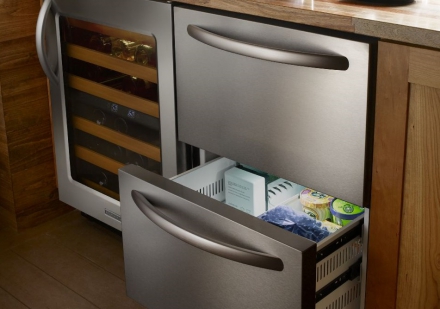
There are two main options for undercounter freezer designs. The first has a side swing door, while the other is panel ready, so you can blend it into your existing kitchen cabinetry. Both types typically feature freezer drawers that pull out to provide several freezer storage compartments, with an average of five to seven cubic feet of space.

The Benefits of an Undercounter Freezer:

There are a number of reasons to choose an undercounter freezer for your kitchen. These include:

  • Space saving: While you may have considered purchasing a secondary refrigerator for your patio or garage, these appliances tend to take up a lot of space. On the other hand, you can install an undercounter freezer directly into your cabinetry, providing usable floor space that is free for whatever you need it.
  • Bulk item storage solution: In these tough economic times, it can be difficult to pass up a great deal on sale just because you don’t have a way to store the items. For this reason, an undercounter freezer can provide a convenient solution. The extra freezer space will allow you to stock up on money saving deals when you see offers on your regular frozen items.
  • Better Efficiency: If you need additional freezer space, your first impulse may be to purchase a chest freezer, but these are notoriously inefficient. The typical undercounter freezer works solely as an ice box, which means that the compressor does not need to work especially hard to keep everything frozen.

The Downsides of Undercounter Freezers:

  • The Cost: Despite the smaller form factor, many undercounter freezer models carry a similar price tag to their full size counterparts. Many brands have a typical lifespan of 10 to 20 years, which can lessen the financial blow, but you will need to carefully consider the cost.
  • Limited Size: Since these models are designed to fit under a counter, they do not offer a massive amount of freezer space. While there are some models that offer more than seven cubic feet of space, this is the typical maximum.
  • Accessibility Issues: While most people won’t have any great difficulty accessing the drawers inside an undercounter freezer, if you do have mobility issues, it can cause some problems. You will need to be able to bend almost to the floor, particularly if you want to access the bottom freezer drawer.

Summary:

An undercounter freezer can be a great way to add freezer space to your kitchen, bar, or patio. It can offer valuable freezer capacity in addition to your main refrigerator freezer compartment. If your priority is having more freezer space and don’t particularly need additional refrigerator storage, an undercounter freezer could be a viable alternative to purchasing another full size kitchen appliance.

If you’re considering a new freezer, you can explore your options with our online freezer collection. Alternatively, if you need additional guidance, be sure to speak to one of our home appliance specialists, who would be delighted to help.

A Deep Dive into Steam Ovens

When you’re shopping for new kitchen appliances, it can be a little overwhelming when you start to look at the various types of model available. A great example of this is ovens; there are conventional ovens, convection ovens, speed ovens and steam ovens. Steam ovens are a fairly new entry into the consumer kitchen, but can be a great addition to your kitchen. So, here we’ll take a deep dive into steam ovens, their features and benefits.

The Steam Oven Basics:

Steam ovens operate in a similar way to a conventional oven. The radiant heat circulates the hot air throughout the oven interior. When you select steam mode, moisture is injected to create a more humid cooking environment. This water vapor may be added from a water line which is directly connected to your kitchen plumbing or through a water canister that requires manual filling.

While you may be tempted to attempt to recreate this by adding water to a regular oven, this could be potentially dangerous. If you pour water in the bottom of your oven, there is a risk that you will damage the baking element. Additionally, this method will not evenly distribute moisture as a steam oven does so that the food stays hydrated during the entire cooking process.

The Benefits of a Steam Oven:

There are a number of benefits of using a steam oven. These include:

  • Healthier, Better Tasting Food: Steaming is one of the healthiest methods of cooking. A steam oven provides a moist environment which prevents the food from drying out. This eliminates the need for adding fat or oil to your food. The flavor is locked in and nutrients that would be lost with convection cooking are retained.
  • Efficient Cooking: While convection ovens are considered efficient compared to standard models, steam ovens can cook meals even faster to save even more energy. For example, you can cook a chicken in approximately 20 minutes and then use the browning function to add a roasted finish.
  • Prepare Delicate Dishes: A steam oven can provide the perfect environment to bake or cook more delicate items. For example, breads, croissants and pastries can benefit from the environment which will not allow them to dry out.
  • Reheat Foods: One of the drawbacks of eating leftovers is that they can become dry and unpalatable. However, the moist conditions in a steam oven means that you can easily reheat foods without compromising on their quality.

Steam Oven vs Microwave:

If you already have a microwave in your kitchen, you may wonder if a steam oven is necessary and whether it is better than your microwave.

While microwaves are the champion of speed cooking, the texture and flavor of dishes prepared in a steam oven are far superior.

Microwaves have a reputation for producing rubbery food if it is even slightly overcooked. Since moisture is included with a steam oven, it guards the food against overcooking, so the texture remains soft and delicious.

Cleaning a Steam Oven:

Steam ovens tend to be easier to clean, due to the moist environment, as you can avoid those hard baked on food remnants. But, because of the condensation, it will need to be more frequently cleaned compared to a regular oven.

You can clean the oven by running a steam cycle for approximately 15 minutes and then wipe down the surfaces using a soft cloth. If there are any tough stains, you can use an appropriate cleaner as per your owners manual. After cleaning, run a final short steam cycle to remove any remaining residue.

If you’re considering a steam oven, you can explore the available options with our online oven and store collection. You can also speak to one of our home appliance specialists who would be happy to guide you through all the available options.

The Advantages of an Electric Cooktop

Professional and passionate cooks typically have a bias towards gas as their preferred fuel source. Faithful gas cooks are likely to continue to espouse all the advantages of cooking on gas and while cooking with a live flame is beneficial, there are still some very good reasons to consider an electric cooktop. So, here we’ll explore the advantages of an electric cooktop.

Easier Cleaning:

When you have a smooth electric cooktop, it is far easier to clean compared to a standard gas cooktop. Although there are sealed burners, these are often at a far higher price point, so most gas cooktop users need to deal with crumbs, grease and other debris creating a mess that is not only difficult to clean, but can clog the gas burner.

A smooth electric cooktop has no such crevices where bits of food can collect. You can clean the surface with a cloth, brush or cleaning product. In fact, if you wipe the cooktop down when it has cooled to being just warm, most remnants can be easily removed with a damp cloth.

No Harmful Gases:

While cooking with gas may be effective, recent studies have highlighted the potential for harmful gases that are created during the process. When the fuel is burned, it creates carbon monoxide. In most cases, this gas is vented to prevent any harm to the occupants of the home, but if there is a fault with your gas appliance, a leak may occur.

Unfortunately, carbon monoxide is odorless, which means that it can accumulate inside the home with potentially devastating consequences. In fact, major cities across the country are beginning to implement plans to eliminate gas cooktops from homes in favor of electric models. Aside from ambient heat, electric cooktops do not create any byproducts.

No Need for Industrial Ventilation:

Since gas cooktops can generate high heat outputs, you need to have proper ventilation to keep the conditions in your kitchen comfortable. Generally, you will need 100 cubic feet per minute for every 10,000 BTUs of heat produced by a gas appliance.

Since some gas cooktops can create up to 50,000 BTUs, you would need to upgrade to an industrial range hood, as the typical conventional kitchen hood cannot accommodate this level of heat.

While an electric cooktop does need a vent, the requirements are far lower than a gas cooktop. In many cases, standard range hoods have sufficient capacity to remove the heat produced.

Greater Affordability:

When compared to other types of cooktops, electric models tend to sit at the bottom price point. Of course, there are both affordable and more expensive models, and the price is dependent on the size and features, but when you compare a like for like model, you are likely to find electric is more affordable.

Induction Technology:

If you’re looking for an even more effective cooktop, but don’t want to use gas, you could consider an induction cooktop. Induction heats the cookware directly via electromagnets. This turns the cookware into the heating element, but you need to have ferromagnetic cookware.

This type of cooktop is more costly compared to a standard electric cooktop, but induction is highly efficient with minimal wasted heat. This means that cooking times are reduced. For example, you can boil water in approximately two minutes compared to the five to eight minutes needed with a traditional cooking surface.

If you’re considering a new cooktop, you can explore your options with our online collection of cooktops. Alternatively, you can speak to one of our home appliance specialists who would be happy to walk you through all of the available options.