
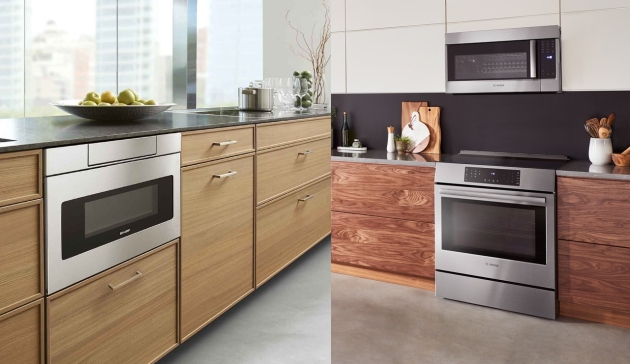
Choosing the kitchen layout often comes down to how a person uses their space every single day. The debate between microwave drawers and traditional built-in models is a top priority for luxury remodels. Homeowners usually want a kitchen that looks clean but still functions at a high level.
A microwave drawer offers a sleek, hidden look by sitting below the counter, while a built-in model stays at eye level, often stacked with a wall oven. Deciding between them depends on cabinet space, how much someone likes to bend down, and the overall flow of the room.
The quick answer for most buyers is simple. If the goal is to keep the countertops clear and put the microwave in a kitchen island, the drawer is the winner. If the user prefers to see their food at eye level and wants to save money on cabinetry, a built-in model with a trim kit is usually the better option. Both options provide a high-end look that beats a cluttered countertop. This article explores the differences in cabinet fit, installation requirements, clearance needs, ergonomics, and daily workflow to help homeowners choose the right microwave style.
What Makes a Microwave Drawer Different?
A drawer microwave is a unique piece of technology that changes the look of a kitchen. Unlike a standard microwave with a door that swings open, this appliance slides out like a drawer. Most models use a motorized system. A user pushes a button, and the tray glides out smoothly. This design is perfect for space-saving kitchen appliances by moving the bulky microwave away from the upper cabinets.
Ergonomics play a huge role here. Because these units are installed in base cabinets or islands, the user looks down into the microwave. This makes it much easier to stir food or lift out heavy, hot glass bowls without reaching over one’s head. It is a very safe design for people who worry about spilling hot soup. Many homeowners choose Sharp microwave drawer ovens because Sharp pioneered this technology and offers reliable front access controls.
Island placement is the biggest reason these have become so popular. In an open concept home, people do not want a microwave sitting on a shelf in the living room where everyone can see it. By tucking it into the island, the appliance stays hidden yet remains easy to reach for the person cooking. It creates a modern “hidden luxury” feel that is common in 2026 home designs.
Built-In Microwaves: Where They Still Make Sense
Even with the popularity of drawers, built-in microwaves remain a staple in many luxury homes. A built-in model is typically a front-loading unit designed to sit inside a cabinet. These are often finished with a matching trim kit to bridge the gap between the appliance and the wood.
The biggest advantage here is the “eye-level” stack. In a traditional kitchen layout, the microwave sits directly above a single wall oven. This keeps all the cooking tech in one vertical pillar. It looks balanced and professional. For tall users, reaching into a wall cabinet is often more comfortable than leaning down to a drawer.
However, built-ins have a specific footprint. They need a door swing path. If the microwave is placed in a tight corner, the door might hit a fridge or a pantry handle. They also require proper venting through the trim kit to keep the electronics from overheating. While they aren’t as “modern” as the drawer style, they are often a more affordable way to get a custom, integrated look.
Clearance, Cabinet Cutout, and Handle Planning
Cabinet planning is the most technical part of a kitchen remodel. If the hole in the wood is off by even a quarter-inch, the appliance won’t fit. Microwave cabinet placement must be decided before the cabinets are even ordered.
For drawers, the most important factor is drawer microwave clearance. The unit needs enough space to slide out fully without hitting the person standing in front of it. In a narrow galley kitchen or a tight island walkway, this can be a problem. Designers usually recommend at least 36 to 42 inches of floor space in front of the unit.
Adjacent hardware is another common pitfall. If a drawer microwave is installed next to a cabinet with a large, decorative handle, the microwave face might clip that handle as it opens. It is vital to check the manufacturer installation documents for the “rough opening” dimensions. Every brand has slightly different requirements for the power outlet location and the cabinet box depth.
Daily Workflow: Reheating, Defrosting, and Entertaining
A kitchen is more than a set of cabinets. It is a workspace. The kitchen workflow design should reflect how the family actually lives. In a busy 2026 household, the microwave is often used by multiple people at once.
Consider the “after school rush.” If the microwave is in the main cooking triangle, kids will be underfoot while dinner is being prepped. Moving a microwave drawer to a secondary “snack zone” or the end of an island keeps the traffic flow smooth. This allows the primary cook to stay at the range while others heat up snacks or drinks.
For those who love entertaining, a drawer is a secret weapon. It stays out of sight, hidden below the counter, so the kitchen looks less like a laboratory and more like a living space. During a party, a drawer microwave can be used as a warming area for appetizers. The top down access makes it easy for guests to help themselves without causing a bottleneck at the wall oven.
Which Microwave Format Fits Your Kitchen Best?
Choosing the right model involves looking at the specific house and the people living in it. No two kitchens are the same. Here are some common scenarios:
- Island-Centric Layouts: A microwave drawer is almost always the winner here. It keeps the island top flat and clean for food prep or seating.
- Compact Condos: Space is at a premium. An over the counter or built-in model might save floor space, but a drawer in a base cabinet can free up much needed upper cabinet storage.
- Luxury Remodels: Most high end designers in Southern California are moving toward drawers. It is part of the luxury kitchen appliances trend of hiding technology until it is needed.
- Traditional Wall Stacks: If there is already a plan for a double wall oven, adding a built in microwave on top of the stack creates the most cohesive look.
Ultimately, the best way to decide is to stand in front of the units. Feeling the glide of a drawer versus the swing of a door helps clarify which one feels “right.”
Comparison Table: Microwave Drawers vs Built-In Models
| Decision Factor | Microwave Drawer | Built-In Microwave |
| Access Style | Pull out drawer below counter | Door opens from front at eye level |
| Cabinet Planning | Needs drawer travel space and model specific cutout | Requires trim kit and cabinet support |
| Best Fit | Islands, base cabinets, open layouts | Wall cabinets, oven stacks |
| Design Impact | Hides the appliance; keeps counters clear | Aligns with wall ovens; traditional look |
| Ergonomics | Best for lifting heavy items up | Best for viewing food while it cooks |
FAQs about Microwave Drawers
Are microwave drawers worth it in a luxury kitchen?
Yes, they are highly valued for their ability to hide the appliance and improve ergonomics. They help maintain a clean, high end look by keeping the microwave off the countertop and away from eye level sightlines.
Can a microwave drawer be installed in a kitchen island?
Absolutely, the island is the most popular location for these units. It allows the appliance to be tucked away while remaining accessible to anyone working in the kitchen or sitting at the island.
Do built-in microwaves need ventilation space?
Yes, built-in units require a specific amount of airflow to prevent the motor from overheating. This is usually managed by using a manufacturer approved trim kit that allows air to circulate around the unit.
What is the difference between a microwave drawer and a built-in microwave?
The main difference is the access method and placement. A drawer slides out from a base cabinet or island, while a built-in has a swinging door and is typically mounted in a wall cabinet at chest or eye level.
Conclusion: Designing Your Future Kitchen
Planning a kitchen in 2026 is all about blending style with utility. The debate between microwave drawers and built-in models isn’t about which one is “better,” but which one helps the kitchen function better for the family. Whether the goal is to save space in a small condo or build a chef grade island, the choice will impact the room for years to come. Take the time to look at the latest premium kitchen appliances to see how finishes and sizes have evolved. Small details, like the way a drawer glides or the color of a trim kit, can make a huge difference in the final look of the home.
If the decision still feels difficult, the experts at Universal Appliance and Kitchen Center can help. Visiting a showroom allows homeowners to test different heights and configurations. Matching the right product to a specific cabinet design ensures that the kitchen isn’t just beautiful, but a joy to use every single day.