3 Tips to Buy Your Wine Fridge or Wine Cooler in 2025

Many people enjoy drinking wine on a casual basis and others take it more seriously. Wine requires an optimal temperature, limited light exposure and humidity conditions to improve the aroma, structure and flavors over time. Investing in a dedicated wine fridge or wine cooler is an excellent way to store your precious bottles of wine at home. In this article, we will take a closer look at three useful tips to help you make an informed choice.

What is a Wine Fridge?

Although you may hear the terms “wine fridge” and “wine cooler,” they are to all intents and purposes they are the same. That said, a wine cooler tends to be a smaller appliance and it may lack some of the more extensive features of a larger wine fridge. These appliances can store wine at the optimal temperature which is 46ºF (7.2ºC). Certain highly collectible wines may require a specific and very different long-term storage solution.

3 Tips to Choose Your Appliance

A brief glance at wine fridges and coolers will quickly reveal that there is an extensive range of models to choose from. There are freestanding units, built-in refrigerators, dual-zone temperature models and many more. This can be overwhelming, but it is possible to narrow down the choices if you understand your needs.

To make the process easier, we have divided the appliances into three broad categories. This will make it easier for you to choose the type of fridge or cooler you want with all the features you require.

1.   Consider the Design and Location

Choosing the perfect appliance to meet your wine storage needs may be determined by the design and intended location as follows:

  • The Countertop Wine Cooler: This is the perfect appliance for those with modest wine storage needs and not much space. A typical compact model can store up to twenty-five bottles and it can be kept on the kitchen counter. Another common location is in the dining room where it can be placed on a sideboard as a talking piece and for convenience. Although these models can be compact they do need adequate ventilation space around them to function properly.
  • A Freestanding Wine Cooler: This is a larger freestanding fridge that may be fitted with a reversible stainless-steel door to place it in a handy nook or cellar space. The main advantages are the larger capacity and that it can be moved for cleaning and during a remodel.
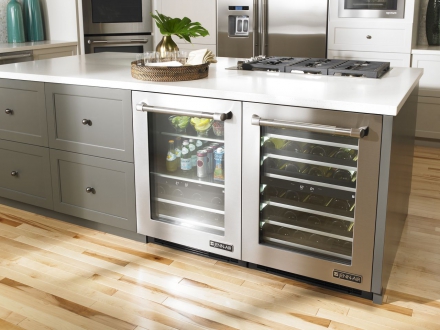
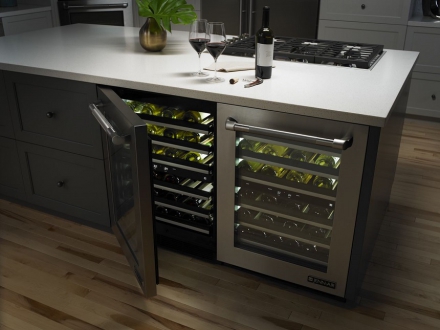
  • The Undercounter and Built-In Wine Cooler: The wine fridge can be installed in the kitchen or a home bar to blend in seamlessly. This is more expensive than the countertop and freestanding models because it’s a custom-built appliance.
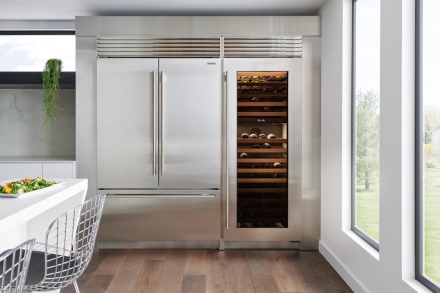
  • The Side-by-Side Fridge Cabinet: This may be the best option for a true wine aficionado that needs a higher capacity to house their collection. Because these are freestanding appliances they can be added over time to expand a wine cellar.
  • The Beverage Center: These are dual-zone chiller systems where you can store your favorite beverages including your wine. The wine bottles can be kept in a separate compartment at 40-70ºF as needed. For the other beverages the temperature can be set in the 35-68ºF range. These can be freestanding or built-in appliances depending on your needs and budget.

2.   Consider the Temperature Zones

The optimal serving temperature for red and white wines is 45-50ºF or 50-65ºF respectively. Varying types of wines may need to be consumed and stored at specific temperatures. When you understand your storage needs it’s easier to reach a final purchasing decision. The temperature zone appliances can be broken down into three broad categories as follows:

  • Single-Zone: These wine coolers are designed to maintain a precise and even temperature for short term wine storage.
  • Dual-Zone: These appliances have a lower area with cooler temperatures for white wines and vice versa for red wines. These are an excellent compromise for those that want to collect and keep red and white wine in a single location. The bottles are evenly spaced to facilitate even temperature cover and once the temperatures in each zone are set they are precisely maintained.
  • Multi-Zone: This is the wine fridge or cooler option for avid wine collectors that want to store more than a hundred bottles at three or more different temperatures. This is the ultimate way to store red and white wine and other beverages at the optimal serving temperature. Some models even feature polyvalent technology with up to six temperature zones regulated with fans for efficient air circulation.

3.   Consider the Cooling Technology

The cooling method used in a modern wine cooler is either a thermoelectric or compressor-based technology. Each technology has its pros and cons to consider and these can affect your final choice:

  • Compressor: This is an excellent choice to store a larger wine collection because the cooling capacity is powerful. Most large modern wine coolers will use a compressor-based cooling system. The wine fridge can adapt to the surroundings to account for external temperature changes throughout the year. This makes this technology a good fit for those that want to store their wine in an uninsulated area such as a wine cellar. The main drawback is the number of moving parts that need to adjust to regulate the internal temperatures which can cause noise and minor vibrations.
  • Thermoelectric: A thermoelectric wine fridge has fewer moving parts and it requires less power. This makes this option a better choice for small scale wine storage for those that want minimum vibration and quiet energy efficiency. A thermoelectric wine cooler is not a good option for those worried about power failures. This cooling technology is not a good fit for those living in places with higher ambient temperatures that would compromise the cooling capacity.

What Features Do I Need in a Wine Fridge?

There is no one-size-fits-all answer to this question because every wine collector will have their own preferences and requirements. But, there are some key features that you need to consider to help you make the right choice.

The first and for most people the most obvious consideration is the bottle capacity. An appliance that’s marketed as a wine chiller or cooler will tend to be smaller than a wine fridge. This isn’t always the case, some companies may sell small wine fridges and large wine coolers, the terms can be interchangeable which can cause confusion. The smaller appliances typically store up to thirty six bottles, but a wine fridge may store a hundred or more! If you’re a casual drinker or fledgling collector and you don’t have much space in your home you won’t need that larger appliance.

The cooling technology you choose should be appropriate for your wine storage needs. We’ve already covered the differences between compressor and thermoelectric-based cooling technologies. For brevity, go with the compression cooling for larger collections and site the wine cooler with sufficient room around the sides for heat dissipation. Those with more modest wine storage needs will find that a thermoelectric-based system works best if they don’t live in a place with high ambient temperatures.

The temperature controls are extremely important when it comes to wine storage. Choose an appliance with a clear set of digital controls on a front panel. This will limit the need to open the door and disrupt the internal temperature. The controls should be easy to understand, monitor and adjust as needed to protect your investment.

Many people choose the doors for their wine coolers based on pure aesthetic appeal. It is true that a well appointed appliance with a glass or steel door can complement your decor. But, the door material that you choose can have a huge impact on how you store your wine collection. It’s important to protect your wine from UV light, sunshine can lead to oxidation and this will change how the wine tastes and how it matures. The warmth of the sun can also place additional strain on the cooling and this is especially true with thermoelectric-based systems. But, many wine collectors like to see their wine and they can spark interesting conversations with visitors. To meet this need some wine coolers have tinted glass doors to keep out the UV light and view your wine. Some models may even have soft LED lighting systems to turn the wine bottles into a feature.

Aside from these key features there are other options that you need to consider. The door needs to have a proper seal to prevent the escape of treated air that would lead to uneven internal temperatures. The shelf layout needs to be efficient and yet there should be adequate space between the bottles for optimal temperature coverage. A safety lock can be a useful addition for homes with curious teens that may want to sample your wine. Some wine coolers now have a built-in carbon filter to protect each bottle of wine from odors that may affect the contents.

If you’re considering a new wine cooler or fridge, you can explore your options with this online collection, or for personalized guidance and help, speak to a home appliance expert.

4 Key Things You Need to Know Before You Purchase a New Wine Refrigerator

Over the last few decades, we have seen a huge surge in wine sales and there doesn’t seem to be any indication that this will end any time soon. Many people love a glass of wine at home and this is especially true now when many people are avoiding crowded bars and restaurants. A glass of wine with dinner can really add a lot to any family meal and it’s a great ice breaker at parties. For this reason, many wine enthusiasts invest in a wine refrigerator to get the most enjoyment out of the wine they purchase. But, if you don’t understand your needs before you make a choice you could be disappointed. In this article, we will look at four key things that you need to understand before you buy a new wine refrigerator.

1.  Wine Refrigerator Costs

In the past, you could purchase a wine refrigerator at a very reasonable price but that has risen in recent years. This isn’t due to price gouging by manufacturers. The reason is the introduction of new EPA conditions that came into effect back in 2016. In order to meet new emission and energy efficiency conditions the cost of wine coolers needed to rise. But, you can still find good and affordable wine refrigerators in our store.

2.  The Refrigerator Location is Important

Some people prefer a living room location for their wine refrigerator and others like to keep it in the kitchen. A wine cooler is a smaller dedicated refrigerator that doesn’t use a standard compressor that you would find on a larger appliance. These types of refrigerators tend to use a thermoelectric cooling system instead. The best thing about thermoelectric cooling is that it’s reliable, quiet, and energy efficient. A wine refrigerator will not vibrate and it can be placed in a living room without creating ambient noise. But, the refrigerator does need access to fresh air which is required to keep the humidity and temperature down to an absolute minimum. Storing wine under optimal conditions is the main priority for most wine enthusiasts, but you don’t have to sacrifice the aesthetic appeal of your home (more on this later).

3.  Maintaining Humidity

One of the more surprising differences between a wine refrigerator and a standard appliance is how they handle humidity. Many people believe that a wine cooler is just a small format refrigerator but this is incorrect. A standard refrigerator is designed to remove humidity from the internal air in a similar manner to an AC system. A wine refrigerator is designed to keep a certain level of humidity in the appliance to create optimal wine storage conditions. The humidity levels help to slow the aging of wine by keeping the corks and bottles wet. Another key difference is that a wine refrigerator has dedicated wine bottle racks improving airflow around the bottles.

4.  Aesthetic Appeal

As we mentioned earlier, you want the best storage conditions for your wine, but you don’t have to sacrifice the aesthetic appeal of your home. There are many design features that can look great in your home without impeding the functionality of the appliance. You can choose the style, size, color, and many other aspects of your wine refrigerator. The most obvious choice that you will see is the wine cooler door. Many people choose a solid door to protect the wine bottles from UV light. Solid doors can have a wood finish, brushed steel, and tempered glass is a popular choice. If you choose tempered glass, you can look at your wine collection which is a nice design feature.

Now you know what to look for in your new wine refrigerator, we’re sure you will find the exact model to meet your needs in our store.

9 Different Refrigerator and Freezer Types Explained

In the past, the only real choice that a buyer of a refrigerator or freezer was based on the size of the appliance that they needed. But, those days are gone, and there are now many types of these appliances to pick from. Manufacturers have created a number of innovations that present a host of design, technological and efficiency features. In this article, we will look at nine different refrigerator and freezer types to help you make an informed purchasing decision.

  1. The Side-by-Side Refrigerator

Many people have a need for an appliance that’s equal parts refrigerator and freezer. Both needs are met with a side-by-side refrigerator where the fridge and the freezer are both the full height of the appliance. The organizational aspects may be lacking a little when comparing this type of model with a french door refrigerator (more on this below). But, it’s still possible to adjust the shelves, and the best models have useful door storage options. A side-by-side refrigerator is a great fit for a narrow kitchen because the doors have a smaller door swing. Another key benefit to this type of refrigerator model is the freezer configuration if you eat a lot of frozen dinners. This is because the freezer has a lot of easy to access space compared to other refrigerator styles.

  1. The French Door Refrigerator

If you like the idea of a side-by-side refrigerator, but you don’t want the freezer to get in your way, you may find that a french door model suits your needs better. This type of refrigerator has French doors at the top, making it easy to store larger items such as pizzas and platters. There are 3, 4, and 5 door units, which make it simple to find a model that has the storage features that you need. Many French door refrigerators have a freezer mounted at the bottom, and door options are located at counter-height for added convenience. This type of refrigerator is also a stylish option, and many have extensive temperature control features. If you want plenty of storage and you have a spacious kitchen, a french door refrigerator maybe your best option.

  1. The Counter-Depth Refrigerator

This is a feature that you may find on French door and side-by-side refrigerators, but it’s worth exploring as a separate section. When an appliance has a shallower profile that matches the depth of the counter, it has a number of advantages. Firstly, the refrigerator will not protrude beyond the counter, and this will give the appliance a sleek and seamless look. In a smaller kitchen where space is at a premium, it can be helpful to reclaim every inch of space to make it easier to get around. If you’re interested in improving the aesthetic appeal and functionality of your new refrigerator or freezer, consider a counter-depth model.

  1. The Wine Refrigerator

This type of appliance is a specialized variant of a compact refrigerator. A wine refrigerator is specifically designed for the efficient cooling and storage of wine and other beverages. It’s easy to set a wine refrigerator to keep your white wine at an optimal 49º-55º, or you can store your sodas there too. Most wine refrigerators are compact models, but if you’re serious about wine, there are larger models on the market. There are serious wine refrigerators that can store hundreds of bottles of wine at the same time. If you enjoy wine, consider a model with a multi-zone temperature feature to store different types of wines at their optimal temperatures.

  1. A Top or Bottom Refrigerator/Freezer

For most of us, this is the common style of refrigerator that we have become accustomed to over the years. The freezer is located at the top or bottom of the fridge in a number of different sizes. Generally speaking, these types of refrigerator/freezer combo models are a cost effective option. The freezer section typically takes up half to a third of the food storage space, and this is sufficient if you don’t need a lot of stored food on hand. Some people purchase an appliance like this if they need a second fridge because they are cheaper than other types on our list.

  1. A Compact Refrigerator

These types of refrigerators are smaller variants of a larger and more traditional model. They are often found in studio apartments or dorm rooms, and they are a great addition to a home office or bar. Some models have a small freezer section at the top, which makes them a viable option for smaller spaces. One of the best things about these types of refrigerators is their portability. They are a flexible option if you need a cooling solution on the go.

  1. A Freezerless Refrigerator

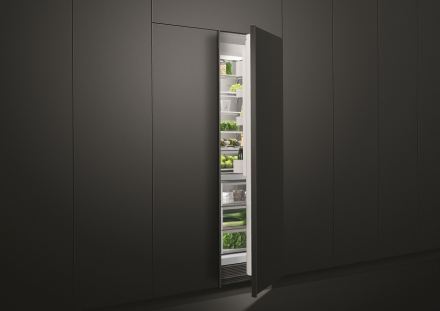
As the name would suggest, this is a refrigerator that has no freezer compartment. This type of refrigerator is sometimes known as a larder refrigerator, and it’s a fantastic option if your focus is on fresh food. Many people have a refrigerator like this if they have a dedicated freezer, and this is a viable option if you have the space.

  1. A Chest Freezer

A dedicated chest freezer is a freezer without a refrigerator, which makes it the opposite of the freezerless refrigerator mentioned above. A chest freezer can store a high volume of food under optimal conditions, but they do have a larger footprint. The design of the chest freezer reduces the chances of freezer burns, and cold air doesn’t escape easily because heat rises. This makes a chest freezer more efficient than an upright freezer, which we will cover next.

  1. An Upright Freezer

This dedicated freezer type has a smaller footprint when compared to the chest freezer above. They also have a door, and many models include some clever storage options to make the most of this space. It’s also common to find adjustable shelves and storage bins to organize your frozen foods efficiently. The main drawback to this type of model is that it can allow cold air to escape when you open the door. If you’re not sure about what kind of freezer to buy and you don’t have much space, this may be the best solution.

If you’re thinking about upgrading your refrigerator, explore your options with our online refrigerator and freezer collection or speak to our home appliance specialists for further assistance.


Common Wine Refrigerator Questions Answered

Many people are now drinking more wine at home rather than visiting their local bar or restaurant. The way we consume wine is very different from only a few years ago, and daily wine drinking is now more popular than ever. If you’re thinking of getting more into wine or you’re already a convert, it may be time to get a wine refrigerator. This will help you to enjoy your wine with a little more panache, and it’s sure to impress your non-wine drinking friends. Let’s take a look at some of the key features that you need to look for when buying a new wine refrigerator.

Where Can I Place a Wine Refrigerator?

Are you planning on storing your wine fridge in the living room or kitchen or dining room? The best small wine refrigerators use a thermoelectric cooling system instead of a compressor that you would find on a standard domestic refrigerator. A thermoelectric cooling system is preferable because it is dependable, quiet in operation, and an energy efficient option for your wine. A wine refrigerator doesn’t tend to vibrate, so you can place it pretty much anywhere without worrying about background noise.

Are There Any Special Placement Requirements?

The only real drawback to placement is that you need to locate your refrigerator where it will have access to fresh air. This is how your wine refrigerator will prevent temperature and humidity fluctuations that could affect your wine. There is no need to hide your wine refrigerator behind a door, so airflow shouldn’t be a problem. After all, a wine fridge is a stylish appliance, so why would you want to cover it up?

Why Are Wine Refrigerators More Expensive Now?

Wine coolers were relatively cheap up until 2016 when new EPA regulations came into force. The cost rose when new testing became mandatory to improve energy efficiency. But, a wine refrigerator is still an affordable appliance, and there is a wide range of prices depending on your chosen make and model.

How Do Humidity and Racks Work?

In a standard refrigerator, the appliance is designed to keep the moisture out. A wine refrigerator is very different; it’s designed to keep the humidity inside to protect your wine. The humidity will be kept at a consistent level; this keeps the corks, bottles, and wine wet to slow down the aging process and preserve your wine for longer. The racks in a wine cooler are specifically designed for wine bottles, unlike the racks found in standard domestic refrigerators.

Is the Door Design Important?

Yes, the door design is extremely important, and the best wine refrigerators have a solid door finished in steel, a wood finish, or tempered glass. A solid door prevents ultraviolet (UV) rays from affecting your wine as it’s stored. This is an important aspect of wine storage that many people forget. Many people like to look at their wine through the door, and this narrows down the choice to a tempered glass door. This will still prevent the UV rays, and you can admire your wine at the same time.

Are There Any Other Design Features?

Yes, when you start to look at wine refrigerators, you will notice that they are available in a wide range of colors and styles. If you look carefully, you’re sure to find one that suits the style and decor of your home. As a luxury appliance, your new wine refrigerator should make a bold design statement.

If you’re considering a wine refrigerator, you can explore your options with our online collection. Alternatively, speak to one of our team members, who would be happy to answer any queries or questions.