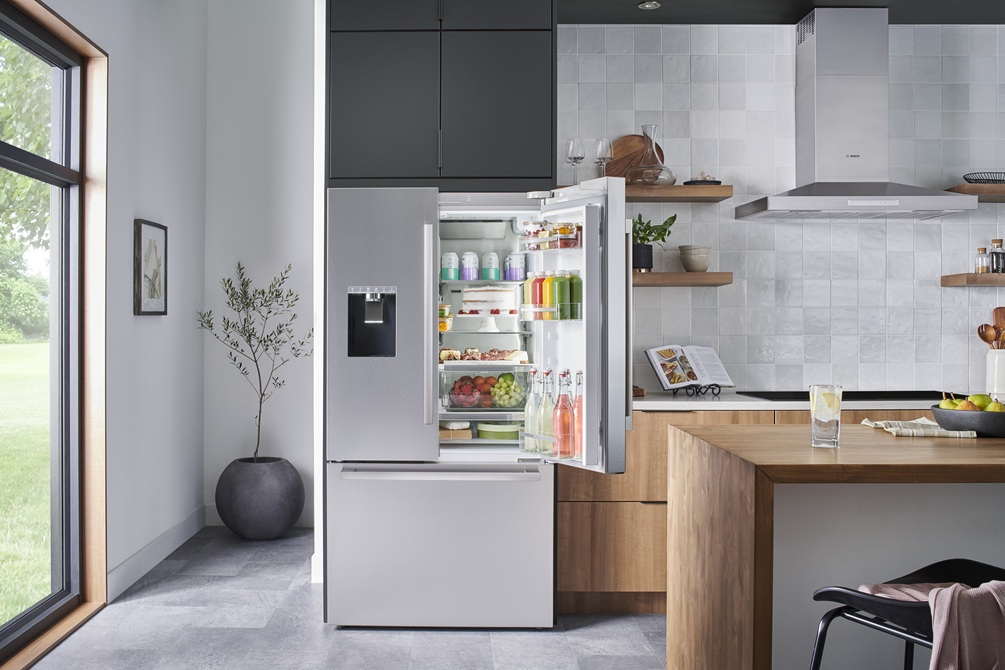
What Size Refrigerator Do I Need? A Complete Buyer’s Guide for Every Kitchen

It’s frustrating when you buy the wrong size refrigerator. Fridges that look the right size in the showroom might not fit in your kitchen or might not hold enough food for your family. That’s why so many people wonder, what size refrigerator do I need? When you choose the right size, daily activities become easier, food stays organized, and the kitchen runs more efficiently.

A good refrigerator size guide takes into account the measurements, capacity, and the household’s needs. For instance, a fridge for a family of 4 should provide sufficient space to store meals and leftovers, but should also be efficient enough that it doesn’t feel cramped. This guide eliminates all the guesswork, allowing you to make your purchase with confidence.

How Refrigerator Sizing Works

When it comes to refrigerators, looks aren’t everything. To avoid frustration, it’s important to understand both the storage capacity and size. Knowing these measurements guides you toward a fridge that actually fits your kitchen and your daily life.

Interior Capacity (Cubic Feet)

A refrigerator’s capacity in cubic feet indicates how much food it can store. To give you an idea, one cubic foot holds one grocery bag. So, a fridge that is 20 cubic feet can hold around 20 grocery bags, which is great for medium-sized households that go grocery shopping weekly and like to have extra food storage.

Exterior Dimensions Explained

Knowing fridge dimensions explained is equally important as knowing its capacity. The width, height, and depth of the fridge will tell you whether it will fit in the space you have allocated for it in your kitchen. Having the right capacity is of no use if the external dimensions do not match the allotted space.

Ventilation and Clearance Space

The refrigerator also needs space so that it can ‘breathe’. Always leave at least one inch of space above and to the sides, and 2 to 3 inches at the back for ventilation. If the refrigerator is not vented, its working parts will wear down due to excessive energy, and the refrigerator will age faster than expected.

Door Swing Considerations

Most of the time, the spacing necessary for doors to open is overlooked. For instance, a set of French doors or side-by-side refrigerator doors will need extra space to open fully. If the doors hit a wall or counter and restrict access, they will block a shelf or make the fridge very difficult to use.

With Universal Appliance and Kitchen Center’s refrigeration collection, you can compare sizes and types and receive expert guidance to consider what will work best for you.

Refrigerator Size by Household Size

When choosing a refrigerator, it is essential to consider how many people you live with and the volume of food bought, prepared, and stored on a weekly basis.

Singles or Couples

A refrigerator for couples in the range of 14-18 cubic feet usually works best. It works well in small kitchens, apartments, or condos. It provides enough space for the essentials such as fresh fruits and vegetables, dairy, drinks, and leftovers, without taking up too much space.

Small Families (3–4)

Fridge size for a family of 4 should be within the range of 18 to 22 cubic feet. This size will be able to store ​weekly groceries, prepared meals, and lunches, with ​some ​extra ​space ​available ​for treats. It is a good size for average everyday living.

Larger Families (5+)

A refrigerator sized between 22-28+ cubic feet will be the best fridge for a large family. These models will give you the versatility to perform frequent grocery runs, prepare larger meal portions, and store bulk items. You will never be short on space.

Entertainers or Bulk Shoppers

People who frequently entertain guests or prefer to buy in bulk will probably need a second fridge, or larger over-sized options, to make sure you do not run out of storage space.

Check out the options available for all sizes in Universal Appliance and Kitchen Center’s refrigeration collection so that you can choose the model that best meets your storage needs.

How to Measure Your Kitchen Space

Before you buy a new fridge, you need to measure the refrigerator space you have, as this will avoid problems when installing and prevent issues like restricted fridge door opening.

Step 1: Height, Width, and Depth

First, you need to measure the width of the space between the cabinets and the depth of the counters. Make sure to also measure the distance between the floor and any overhanging cabinets. These measurements will help you figure out how to fit a fridge in the cutout space so that it will not stick out awkwardly or feel cramped.

Step 2: Door Clearance and Hinge Side

To ensure your fridge operates effectively, confirm how far the doors will need to swing open. If the fridge’s hinge is placed against the wall, it might restrict the opening of shelves or drawers, making your fridge very inconvenient.

Step 3: Ventilation Space

Make sure there is at least an inch of space around the left, right, and top, and around two to three inches at the back. Following these fridge measurement tips will allow the fridge to cool optimally and avoid overheating.

Step 4: Identify Connections

Identify where the electrical outlet and water line are (if your fridge has an ice maker or water dispenser). Knowing where the connections are before installing saves time.

Types of Refrigerators and Their Size Ranges

There are many types of refrigerators, and each one has different options for size and storage. Knowing the general size options will aid you in comparing different models and help you avoid unexpected issues later on.

Top Freezer (14–20 cu. ft.)

Top freezer designs are classic, compact, and budget-friendly. They range in capacity from 14 to 20 cubic feet and fit well in apartments and small kitchens, or as a secondary fridge in the garage.

Bottom Freezer (18–24 cu. ft.)

These models allow you to place fresh food at eye level, with the freezer positioned at the bottom. With a capacity of 18-24 cubic feet, bottom freezer fridges serve families that regularly prepare meals and want everyday ingredients easily accessible.

French Door (20–28+ cu. ft.)

French doors are perfect when you need space for large trays or pizzas because they provide wide shelves. They also need a little more space than other models. When looking at the size difference between side-by-side vs French door fridge size, they are wider-set and require more overhead space.

Side-by-Side (20–26+ cu. ft.)

Side-by-side refrigerators split the fridge and freezer vertically. These fridges fit well in narrow kitchens because the doors don’t swing out as far. However, the fridge and freezer compartments may be smaller than those found in French door models.

Built-In/Counter-Depth (18–22 cu. ft.)

Designed for a seamless look, counter-depth fridge dimensions align with cabinets for a built-in feel. They usually offer less capacity, but they make kitchens appear more streamlined and open.

These ranges allow you to find a balance between available storage space and the overall kitchen layout. Selecting the proper style also provides the utility you need with a look that meets your design goals.

Common Sizing Mistakes to Avoid

It can be frustrating when a brand-new fridge doesn’t fit or work in your kitchen. Here are a few tips that will help you avoid refrigerator installation problems.

Ignoring Door Swing and Hinges

Even if a fridge fits perfectly in its designated space, it can still be a problem if the doors can’t open completely. This is one of the most common indicators of buying the wrong size fridge. Confirm what side the hinges are on, then check how much clearance there is for the shelves and drawers to be opened fully.

Not Allowing Ventilation Space

Even a well-measured refrigerator could fail if there’s no space left for the appliance to breathe. If there’s zero space left on the sides and top of the appliance and two to three inches at the back, the appliance is more likely to overheat and run inefficiently.

Forgetting Entry Points

It’s not just the kitchen that matters. Sometimes the fridge doesn’t fit through hallways, doorways, or staircases during delivery. Measure these access points to avoid surprises on delivery day.

Choosing Looks Over Function

Choosing function over looks is important too. Even if a fridge has all the looks with shiny finishes and stylish doors, a fridge that doesn’t suit the needs of your family will not be worth the investment.

Keeping these mistakes in mind will save you time, money, and the stress that comes with the hassle of exchanging a poorly sized fridge.

When to Choose Counter-Depth vs Standard-Depth

Choosing between a counter-depth vs a standard-depth refrigerator is a frequent inquiry from homeowners. Understanding the pros and functions of each option is vital in making the right choice based on your kitchen size and your usage of the space.

Counter-Depth Refrigerators

Counter-depth refrigerators are designed to align with your kitchen counters and cabinets, which gives them a built-in look. This type is the best fridge for small kitchen layouts because the doors don’t extend as far, so there is easier movement around the fridge in tighter spaces. However, the trade-off is less interior storage space than deeper models.

Standard-Depth Refrigerators

Standard-depth refrigerators provide more storage capacity. They extend a few inches beyond the kitchen counters, and because of this extra space, they are better suited for larger families and those who cook more frequently, as they provide space for storing bulk groceries.

Refrigerators for Special Needs (Built-In, ADA-Compliant, Panel-Ready)

Not every household requires a standard type of refrigerator. Some kitchens and lifestyles need a slightly different type of fridge that offers convenience, easy access, and custom design. Universal Appliance and Kitchen Center has a lot of options for different, unique sets of needs.

ADA-Compliant Refrigerators

For accessible kitchens, there are ADA-compliant refrigerators that have lower shelving, easy-to-reach controls, and user-friendly handles. These models help ease day-to-day use for individuals with mobility difficulties and are great for creating inclusive kitchen spaces.

Panel-Ready Refrigerators

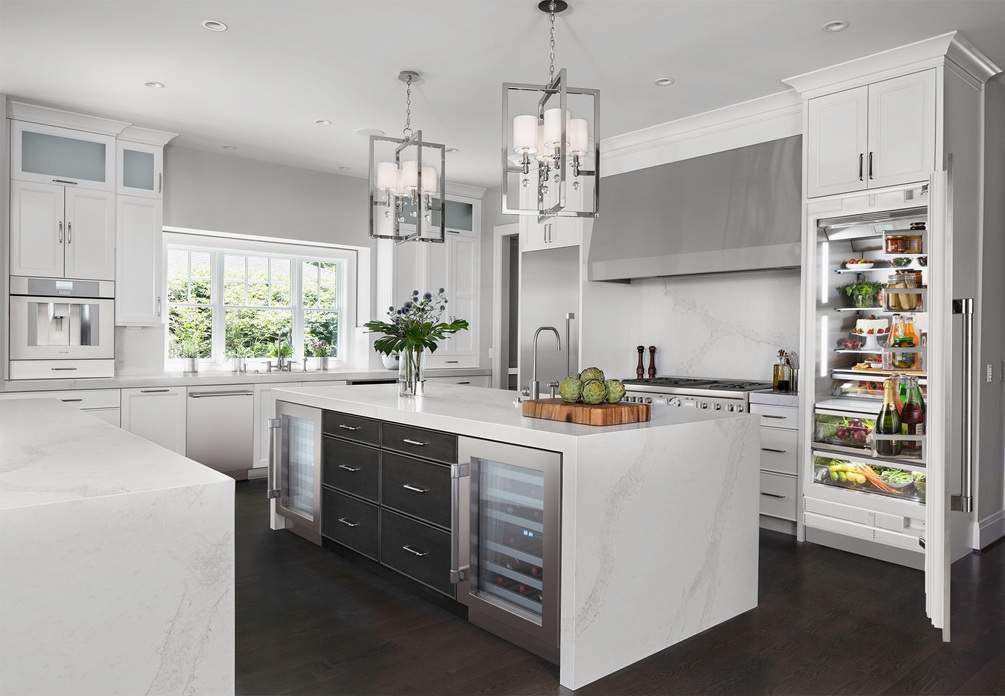
For those planning a high-end custom kitchen, a panel-ready fridge may be the right fit. These models are designed to accept custom cabinet panels to integrate seamlessly with the rest of the kitchen. This lets you keep a consistent kitchen design while fully functioning as a refrigerator.

Built-In Refrigerator Options

For those focused on luxury remodels, built-in refrigerator options provide a sleek, flush look with cabinetry. While they typically range from 18–22 cubic feet, built-ins are wider and often taller, requiring precise measurements during planning. They offer a premium appearance without sacrificing performance.

Whether you need accessibility, custom styling, or a luxury built-in, Universal Appliance and Kitchen Center experts can guide you to the right model for your project.

Why Shop at Universal Appliance and Kitchen Center for the Perfect Refrigerator

When looking to buy a fridge in Los Angeles, homeowners should choose a partner who understands both products as well as the needs of the community. Universal Appliance and Kitchen Center combines years of local expertise with the widest selection of refrigerators in Southern California.

Local Showroom Expertise

As you start searching for a refrigerator showroom near me, you will understand how valuable seeing a refrigerator in person is. Our spacious showrooms have all the fridges displayed in fully functioning spaces, styled like kitchens. You will be able to understand all the sizes, doors, and finishes, and make a good, informed decision.

Premium Brands and Selection

Alongside your everyday value models, we offer appliances from top brands including Sub-Zero, Thermador, and Miele. In our extensive collection, you’ll find your ideal fridge, whether it’s a French door design, a practical side-by-side, or a luxury built-in.

Expert Guidance and Services

Choosing a refrigerator and other kitchen appliances can be an overwhelming task. As an additional service, we have a kitchen appliance expert who can assist customers, answer questions, offer specific recommendations, and check appliance measurements. Moreover, we offer delivery and professional installations, with a guarantee that your refrigerator will work best from the first day.

We aim to make the shopping experience as stress-free as possible. With recognized premium brands, knowledgeable industry specialists, and reliable local service, we help you discover the right refrigerator to work with your lifestyle and kitchen design.

Conclusion

When choosing a refrigerator, you must ensure that you get the right fit and the right features for your lifestyle, not just a pretty design. This guide offers practical refrigerator size help, how to measure, how to match refrigerator capacity to your household size, and how to avoid the common return triggering mistakes.

So, if you are searching for what is the best fridge for my kitchen? your answer will be based on your kitchen layout, your style, and your family’s needs. With the right information and a couple of easy steps, you will be able to choose a fridge that keeps your kitchen running smoothly for many years without any hassle.

At Universal Appliance and Kitchen Center, our team offers personalized appliance-buying tips to help you select the perfect refrigerator. Visit one of our Southern California showrooms to see models in person, or contact us online for expert guidance today.
What Size Refrigerator Do I Need? A Complete Buyer’s Guide for Every Kitchen

Have you ever purchased a new refrigerator and then realized it is too big for your kitchen, or too small for your needs? This is a common issue. It can complicate daily meal prep as well as food storage. If you are wondering, “What size refrigerator do I need?”, the answer is you need to consider more than just the model you like.

It is important to consider the space available for the fridge, its capacity, the kitchen’s layout, and of course, how frequently you purchase groceries. This refrigerator size guide will highlight the most important things to check before making a purchase.

If you are looking for a small fridge for an apartment or a fridge for a family of 4, this guide will assist you in taking the proper measurements and comparing different sizes so that the fridge you buy streamlines your kitchen and improves the overall organization of the space.

How Refrigerator Sizing Works

Commonly, one of the first things you’ll see is the refrigerator capacity in cubic feet, which shows how much storage is available inside the refrigerator. Even though capacity is very important, the fridge dimensions explained in the product details and how the fridge will fit into the space is equally important.

Key points to consider:

  • Capacity (cubic feet): Refers to the internal space available for storing food and beverages.
  • Height: Ensure it can fit under shelves or overhead cabinets.
  • Width: Ensure it can fit between walls or cabinets without being too tightly wedged.
  • Depth: Influences the extent to which the fridge protrudes; consider alignment with counters.
  • Ventilation space: Leave about an inch of space on the sides and a couple of inches in the back with additional space above for circulation.
  • Door swing: Make sure the doors can open freely without obstacles from walls, cabinets, or an island.

While checking out Universal Appliance and Kitchen Center’s refrigeration collection, make sure to check the dimensions and capacity so that the refrigerator works efficiently and fits seamlessly in your kitchen.

Refrigerator Size by Household Size

Understanding how much food you store and how often you shop is key to determining the size of the fridge you want. Taking the time to plan ensures you select the right model that fulfills your needs.

Singles or Couples

For singles or couples, a refrigerator with a capacity between 14 – 18 cu ft is perfect. This size is energy-efficient, compact, and ideal for frequent smaller shopping trips. These types of refrigerators are ideal for apartments, condos, and smaller kitchens.

Small Families (3–4 People)

A fridge for a household of 3 to 4 people should be between 18–22 cu. ft. This can accommodate fresh veggies and fruits, beverages, snacks, and groceries for the week. Look for adjustable shelving and larger door bins for better space utilization.

Larger Families (5 or More)

The best fridge for a large family is usually 22-28+ cu. ft. In families with five or more members, it is important to have wider shelves, deeper compartments, and a freezer that can hold bulk frozen meals, meats, and extra treats.

Entertainers or Bulk Shoppers

If you enjoy hosting parties, consider a large refrigerator or placing a second one in the garage. Additional storage spaces are great for holding seasonal items, beverages, and even party platters.

With Universal Appliance and Kitchen Center’s refrigeration collection, you can filter different models by cubic feet, ensuring you choose a model that best fits your household size. This keeps your kitchen organized and your groceries fresh.

How to Measure Your Kitchen Space

Before buying a new fridge, make sure that you measure for refrigerator space properly. Follow this quick step-by-step guide to ensure that your new fridge fits seamlessly into place.

Step 1: Measure the Width

Measure the width for maximum precision, use the smallest measurement from the top, middle, and bottom sections of the walls or cabinets. This step is crucial when deciding how to fit a fridge, so it doesn’t need to be forced into place.

Step 2: Measure the Height

When measuring height, measure from the floor to the top of the cabinet where you want to place the refrigerator, and leave 1 inch for a ventilation gap above the cabinets for breathing space.

Step 3: Measure the Depth

Measure from the back wall to the front edge of your counters. Decide if you want your fridge to be flush with the counters or if extending out is better for you.

Step 4: Check Door Clearance and Hinge Side

Make sure fridge doors open fully without any obstruction from walls, cabinets, or islands. If necessary, choose a model that has reversible doors.

Step 5: Allow for Ventilation Space

Make sure to leave some space on the sides, like 1 inch, 2 inches on the back, and enough space on top to ensure your fridge runs efficiently and lasts longer.

Step 6: Locate Power and Water Lines

Make sure that the outlet and the water line for your fridge (if it has water and ice dispensers) are positioned properly for the model you choose.

Following these fridge measurement tips will ensure you don’t incur any mistakes and ensure that your new refrigerator is optimally placed and functions efficiently in your new kitchen.

Types of Refrigerators and Their Size Ranges

When choosing a new refrigerator, it’s best to consider each type’s design and space allocation. Understanding the difference between side-by-side vs french door fridge size and knowing counter-depth fridge dimensions can help you choose a fridge model that matches your home and lifestyle.

Top Freezer (14–20 cu. ft.)

These models are designed with a freezer on top and a fridge on the bottom. For compact design, affordability, and reliability, this model is suited for small kitchens and works well as a secondary fridge in a garage.

Bottom Freezer (18–24 cu. ft.)

With this type of refrigerator, the fridge section at eye level makes it easier to access your most-used items. The freezer compartment is usually located at the bottom, commonly in a pull-out drawer. Ideal for families who value fresh food storage.

French Door (20–28+ cu. ft.)

This type of refrigerator brings style with double doors on top and a freezer drawer on the bottom. Additionally, the wide shelves are ideal for bulk items and party trays. Do remember that these require more width than top freezer models. Make sure to measure carefully.

Side-by-Side (20–26+ cu. ft.)

This type of refrigerator divides the fridge and freezer sections vertically for equal access to both parts. Useful for handy access to frozen goods, but the width of the shelves makes the arrangement of wider dishes and pizza boxes difficult.

Built-In / Counter-Depth (18–22 cu. ft.)

These types of refrigerators are designed to be flush with the cabinets, giving the appearance of a built-in fridge. These models have a sleeker appearance and save more floor space. However, they usually have less space on the inside as compared to the standard models.

Prior to purchasing a refrigerator, knowing the common refrigerator types and their size ranges will assist in balancing style, kitchen layout, and storage needs.

At Universal Appliance and Kitchen Center, we provide the opportunity to explore all these styles, compare their capacities, and find the fridge that aligns with the personal routine and space requirements.

Common Sizing Mistakes to Avoid

There’s nothing more annoying than knowing your new fridge doesn’t fit after delivery.  Try to avoid these common refrigerator installation problems by planning ahead.

Ignoring the hinge side and door swing

Many people buy a fridge without checking which side the doors open. If the hinge side is wrong, the doors may hit a wall or cabinet, making it difficult to access the shelves and drawers.

Not accounting for ventilation clearance

Refrigerators need space around them to allow air to circulate properly. Insufficient ventilation makes the motor work harder, leading to higher electricity bills and shortening the motor’s lifespan. Always leave around one inch on each side, two inches at the back, and some space at the top.

Forgetting to measure hallways and doorways

Even if the refrigerator has a designated space in the kitchen, it has to go through the door first. Avoid last-minute surprises by measuring all hallway doorframes and even staircases that lead to the refrigerator space.

Choosing looks over function

While a sleek, modern refrigerator may appeal to a person, it will be regrettable if it does not meet the storage needs or layout of the kitchen. Always prioritize functionality.

Avoid buying the wrong size fridge will save your time, money, and stress, all while ensuring your refrigerator is the perfect fit from the day it arrives.

When to Choose Counter-Depth vs Standard-Depth

Making a decision between counter-depth vs standard-depth refrigerator involves weighing the factors of style, space, and storage. Each type has its own drawbacks and advantages.

Counter-Depth Refrigerators

Counter-depth refrigerators save floor space, making them the best fridge for a small kitchen layout. They also save floor space in narrow hallways. However, these models have a smaller interior capacity. This may be a problem for bigger households or people who buy groceries in bulk.

Standard-Depth Refrigerators

Standard-depth refrigerators offer extra interior space, such as additional cubic feet, for storing groceries, drinks, and leftovers. This fridge style is ideal for larger households. However, these models extend beyond the countertop, which may disrupt the workflow in smaller kitchens.

For those concerned about space and aesthetics, opt for counter-depth models. If maximum storage is essential, standard-depth models will serve you best.

Refrigerators for Special Needs (Built-In, ADA-Compliant, Panel-Ready)

All kitchens are unique, and some families require more than a standard fridge. UAKC offers specialty models that provide unique advantages regarding accessibility, custom design, and seamless integration.

ADA-Compliant Refrigerators

ADA-compliant refrigerators are specially designed to support individuals who have mobility concerns or are wheelchair-bound. These models are designed with ADA regulations on height, handles, and controls. The shelves and drawers are placed within easy reach, and the same goes for the controls. These models enhance safety and comfort for daily use while maintaining style and performance.

Panel-Ready Refrigerators

If you want your appliance to almost vanish into your cabinetry, a panel-ready fridge is a perfect choice. With custom panels placed on the doors, the refrigerator becomes almost invisible with a sleek, built-in contour. This is especially favored among luxury homes and designer kitchens where style continuity is of utmost importance.

Built-In Refrigerator Options

For the ultimate integrated appearance, UAKC has built-in refrigerator options that sit flush with the cabinets. These refrigerators are often wider for more storage, but flush-mount refrigerators require careful measuring and professional installation for proper airflow and fit.

Whether you are doing a high-end remodel, an ADA-accessible kitchen, or want a refrigerator that integrates with your cabinetry, UAKC’s experts are here to help you throughout the entire journey. With thorough planning, achieving the necessary functionality and the sought-after style is possible.

Why Shop at UAKC for the Perfect Refrigerator

To buy a fridge in Los Angeles, homeowners prefer Universal Appliance and Kitchen Center for long-lasting value, quality, and durability. Serving Southern California for a number of years, Universal Appliance and Kitchen Center has carved out a reputation for superior products and services, including professional recommendations and a seamless purchase process.

Local Showroom Expertise

When searching for a refrigerator showroom near me, you likely have specific service and expertise in mind beyond a simple equipment display. Universal Appliance and Kitchen Center’s local showrooms have knowledgeable staff to help you and allow you to interact with various refrigerator designs, so you can compare and evaluate different sizes and features.

Premium Brands and Selection

Universal Appliance and Kitchen Center features an extensive collection of leading brands, which include Sub-Zero, Thermador, Miele, Viking, and many more. Whether you’re searching for a compact model suitable for small kitchens or a luxurious built-in design, you will definitely find something for every home style and budget.

Professional Guidance and Services

Your fridge buying process is made easier with kitchen appliance experts, who help you balance capacity, design, features, and household requirements. Beyond just choosing the right fridge, we offer our clients delivery and professional installation to make sure their new fridge runs optimally from day one.

If you’re looking to update your kitchen or do a complete remodel, Universal Appliance and Kitchen Center has unparalleled expertise and a vast selection to ensure the purchase of your refrigerator is smooth and streamlined.

The Takeaway

Choosing a refrigerator that best meets your needs goes far beyond aesthetics. It’s also critical to consider the model’s fit, your space’s dimensions, and your long-term needs. With proper planning and refrigerator size, your investment will pay off for years to come.

These appliance buying tips can help you measure your space, check capacity, and customize features that align with your household size. Be it an upgrade to your existing setup or a full kitchen remodel, the right fridge choice will have a positive impact on the kitchen’s functionality and appearance.

To explore the best fridge for my kitchen, visit one of Universal Appliance and Kitchen Center’s showrooms in Southern California or contact our appliance experts. The perfect refrigerator is easier to find than you might expect.