Summer’s Coming, Time to Move Out into the Backyard

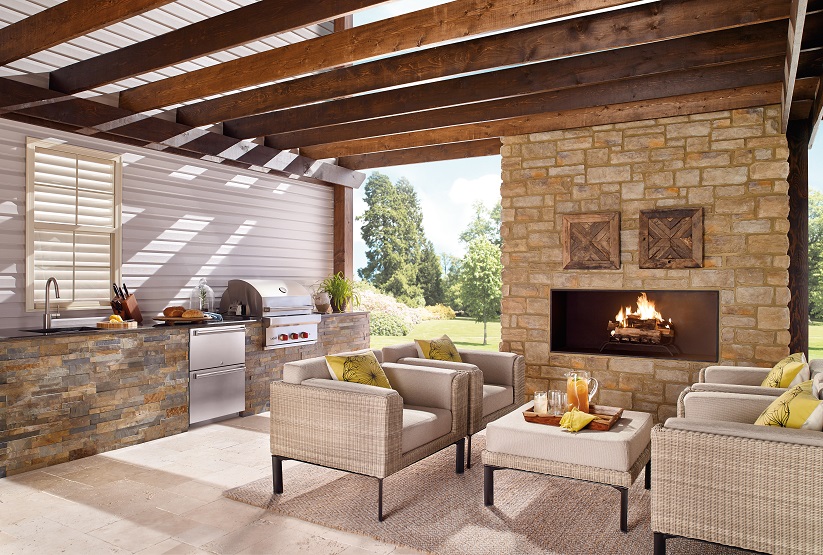
The backyard is no longer merely a place to keep a bit of garden furniture or your grill. Today, outdoor living areas are often an extension of your home, complete with living, entertainment and kitchen areas. You can even incorporate zone based entertainment and sound systems. As summer approaches, you can move out into the backyard without sacrificing style, comfort or amenities.

Planning Your Outdoor Kitchen

There are a number of factors to consider when creating your outdoor living space, but just like inside your home, at its heart should be the kitchen. The costs of outdoor kitchen areas can vary from a couple of thousand dollars to upwards of $30,000. So, you will need to consider your budget to determine what you can include in your design. Outdoor kitchens almost always include a grille and possibly an integrated refrigerator, but have you thought about plumbing in a sink or adding an icemaker?

If you want to take your outdoor experience to a whole new level, you may want to consider a rotisserie or pizza oven. Even if you want to stick to just using a grill, there are so many options available that can include roasting spits, griddles, burners, smokers and warming drawers. If you plan on using your outdoor kitchen throughout the summer, you may need storage space and prep counters, but don’t forget about a bar height counter for your guests and that all important sound system, so you don’t miss out on the fun when you’re cooking.

Create a Layout

Once you’ve planned your outdoor kitchen, you’ll need to start thinking about the rest of your space. You will need to think about how you want to use this space and how your plans can fit into your yard. The best approach is to divide your yard into zones and plan out potential traffic patterns. Knowing the flow of traffic will help you to design your space, planning for seating and creating pathways for any landscape elements or containers. Remember, that your layout can be complemented by splashes of color and texture, so allow space for pots and plants.

Choose a Fire

To properly define your outdoor space, you’ll need a focal point. In most cases, the best focal point is a fire. Your options can range from an outdoor fire pit up to a built up fireplace, but some form of fire will offer an aesthetic and practical feature. The right fire will create an enjoyable spot for reading or draw the crowds at the end of a gathering with friends. There are lots of options for fires from portable to permanent features, different fuel types and a myriad of styles. You will need to check the local zoning and building laws for fire safety and placement.

Think About Seating

Of course, no outdoor living space would be complete without seating. Your choice of seating is very important and needs to be both practical and attractive. Don’t just think about everyday use, but also the what will be needed for neighborhood gatherings and parties. While stools, benches, and lounges can provide excellent seating options, you can always add instant additional seating with some throw pillows on a low wall. Try to use a variety of types and sizes of seats as your space and budget allow, but pay careful attention to how the seating positioning will affect traffic. You can also use your strategically placed seating to define different spaces.

No outdoor living area is complete without the right appliances. There is a variety of popular outdoor appliances that can be used to create a fantastic outdoor entertainment area for gatherings, parties or even just relaxing and enjoying the sunshine.
Browse this online collection of outdoor appliances for a variety of superb products, or you could speak to a home appliance specialist for further help.
When Should You Replace Your Home Appliances?

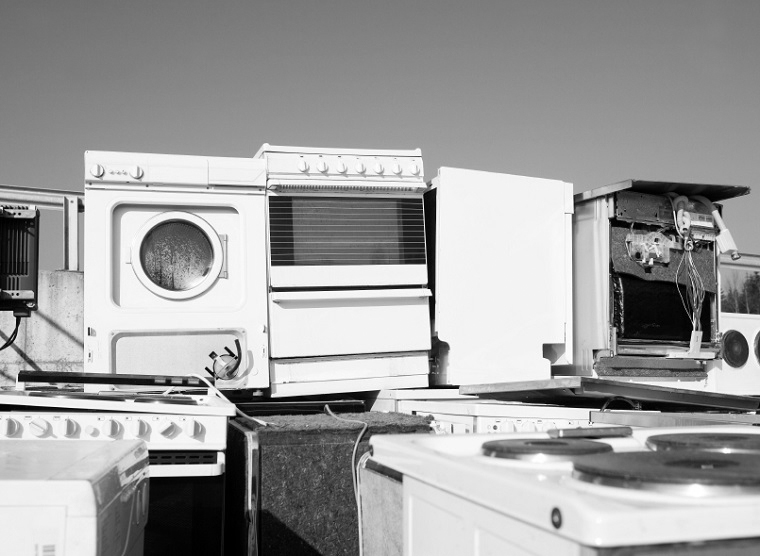
From the kitchen and the laundry room to the outdoor living space, the modern home can only run efficiently with the help of modern home appliances. Regular maintenance and service will help extend the lifespan of your favorite appliances, but there is bound to be a time when you’ll have to consider whether or not it’s time to replace your units.

The decision to replace an old or damaged appliance can be a difficult one, especially when there are so many exceptional products available on the market today. However, there are several key factors you should consider when making this decision. To help you when the time comes, we’ve selected some important questions you should ask yourself to determine when you should replace your home appliances.

How Old Is Your Appliance?

When deciding whether or not to replace your appliance, you should consider how old the unit is and how long you’ve owned it for. While premium appliances are built to last, no unit will last forever. If your unit is older than its average lifespan, you should definitely consider investing in a replacement.

While the lifespan of your kitchen and laundry appliances will vary, you can reference the information below for an approximate age range of several common appliances:

• Dishwashers: 9-10 years
• Dryers: 13 years
• Washing Machines: 5 -15 years
• Microwaves: 9 years
• Gas Ranges: 15-17 years
• Electric Ranges: 13 – 15 years
• Refrigerators: 9 – 13 years
• Range Hoods: 14 years
• Oven: 10 – 18 years

When considering appliance age, you should also take into account your unit’s design and style. An old appliance may function perfectly, but if its appearance does not match your changing design aesthetic, you may want to invest in a replacement.

Is Your Appliance Still Under Warranty?

Many homeowners start to consider replacing an appliance once it faces a major maintenance or repair problem. But if your appliance still has a number of years left on its warranty, you may want to hold off on replacing your unit.

Appliance warranties cover specific maintenance or repair costs, often allowing you to receive replacement parts or basic services at a reduced rate or free of charge. Be sure to check what warranties cover your appliances, and should you need service, be sure a factory-certified appliance repair company covers it. If service is covered under your warranty, there may be no need to replace your appliance.

What Is The Difference Between Repair & Replacement Costs?

If your appliance is no longer under warranty, you’ll need to more carefully consider replacing your unit. Generally speaking, it makes sense to replace your appliance when the price of the repair totals more than half the cost of a new model. There is little reason to spend a fortune on repairing an old appliance, and the more advanced features and contemporary style of a newer model will more than make up for the additional investment cost. The only time you should consider such costly repairs is if your appliance is a specialty model that would be difficult to replace.

Discover The Ideal Modern Appliances For Your Home

The decision to repair or replace a cherished home appliance can be a difficult one, and should not be taken lightly. Should you face this challenging task, be sure to consider the age of your appliance, the potential cost of repairs and its warranty policy before choosing to invest in a new unit.

If you’re ready to choose a new appliance, you can use this online collection of cooking appliances and this online collection of laundry appliances to discover great new units for your home. For additional assistance, do not hesitate to contact a home appliance expert.