Most of us are keen to make our lives greener, and one of the most obvious ways is to save water in our homes, especially here in parched California. Between our washing machines, dishwashers, toilets, faucets and showers, according to EPA data, the average family in the U.S uses over 300 gallons of water each day. The good news is that it is simple to cut down on water usage; saving money and helping the environment in the process. So, here are some green tips to help reduce your appliance water usage.
Wash Full Loads
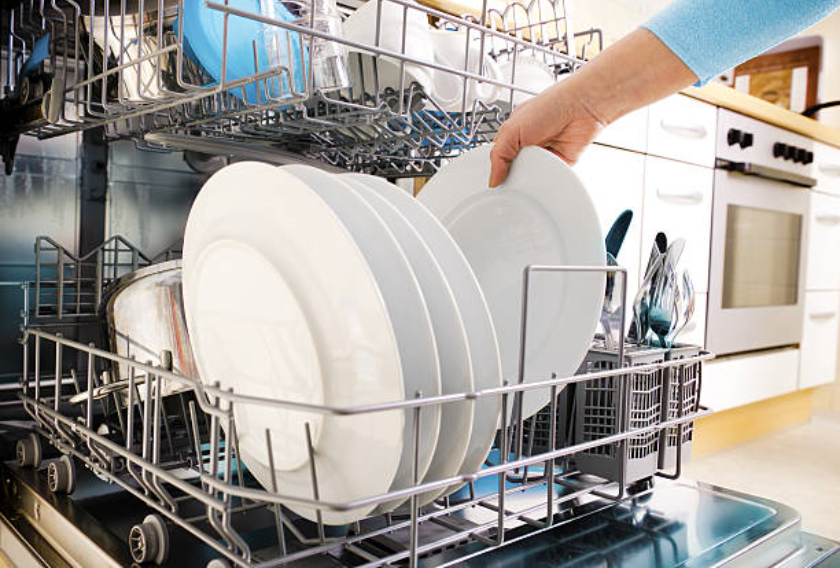
Unless your machine has a specific half load function, you’re wasting water if you don’t properly fill your dishwasher or washing machine. While you need to be careful not to overfill, as it can cause stress on the machine and inhibit cleaning, a full load will make optimum use of water and energy. So, plan your washing loads to ensure that they are full and don’t waste water.
Choose the Right Program Setting
If you’re washing a light load of dishes, there is no need for the high volume and temperatures of a pots and pans cycle. Choosing the wrong program settings wastes not only time, but also energy and water. Unless you have a machine with sensor technology that can assess the soil level of your dishes, you need to take care to choose the right program. The same applies to your washing machine. Not all clothing needs to be washed on a hot cycle, and you can save water by choosing a lower temp, faster wash program.
Don’t Guess Your Laundry Detergent
While it may seem strange, measuring your laundry detergent can save water. Using excessive amounts of detergent in a high-efficiency washing machine can extend the rinse cycle as too many suds are detected. Additionally, you should be using a HE detergent in your high-efficiency washing machine, or you’ll end up with suds GALORE. Using too much detergent can also leave a film on your clothing, which means that you’ll need to spend more energy and water rewashing.
Upgrade Your Toilet
An older toilet can use as much as 6 gallons every flush. When you compare this to the 1.3 gallons the average new low flow toilet can use, you can see how you can manage massive water savings. Think about how many times someone in your family flushes a toilet in your home and think about the 4 plus gallons that are being literally FLUSHED DOWN THE TOILET every time.
Smart Showering
Not only can you save water by upgrading to a low flow showerhead, but there are some other smart showering tips. A low flow showerhead can cut your water usage by half, saving gallons in the average shower. Additionally, there is no need to waste that water when you’re waiting for the warm water. Place a bucket in your shower stall and use this water for household cleaning or watering your plants. If you want to save even more water, think about turning off the shower while you wash and then turn it back on to rinse. Since the average showerhead uses 5 gallons of water per minute, you could save hundreds of gallons each month. It adds up when you multiply it by a few million people.
Replace Your Old Appliances
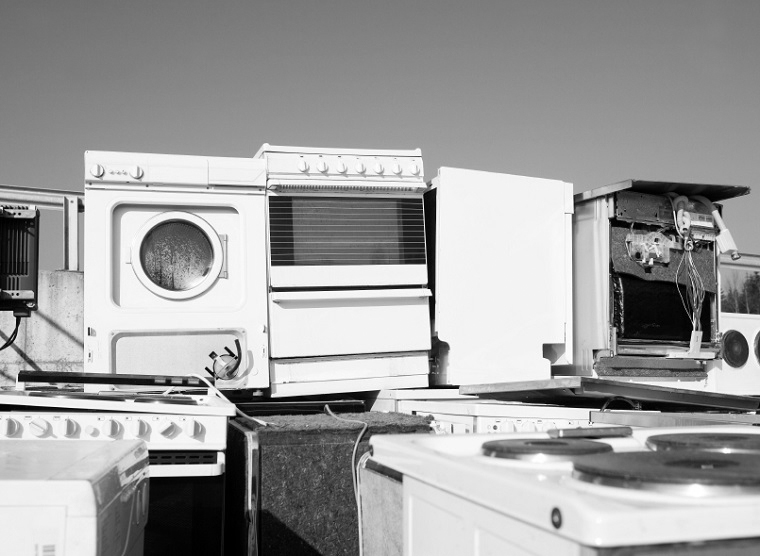
Even if you purchased the best models, when your appliances reach 10 years of age, it is safe to assume that upgrading to a new model will save energy and water. Modern washing machines and dishwashers are designed to be far more water conscious, particularly if you choose an Energy Star approved model. New washing machines and dishwashers typically use as much as 40% less water compared to older models. Not only will you save energy and water, but you’ll also find that they are quieter and have the latest innovative features, to make your life even easier.
If you’re considering upgrading to more eco-friendly appliances, you can explore your options with this online collection or speak to a home appliance expert for additional help and guidance.