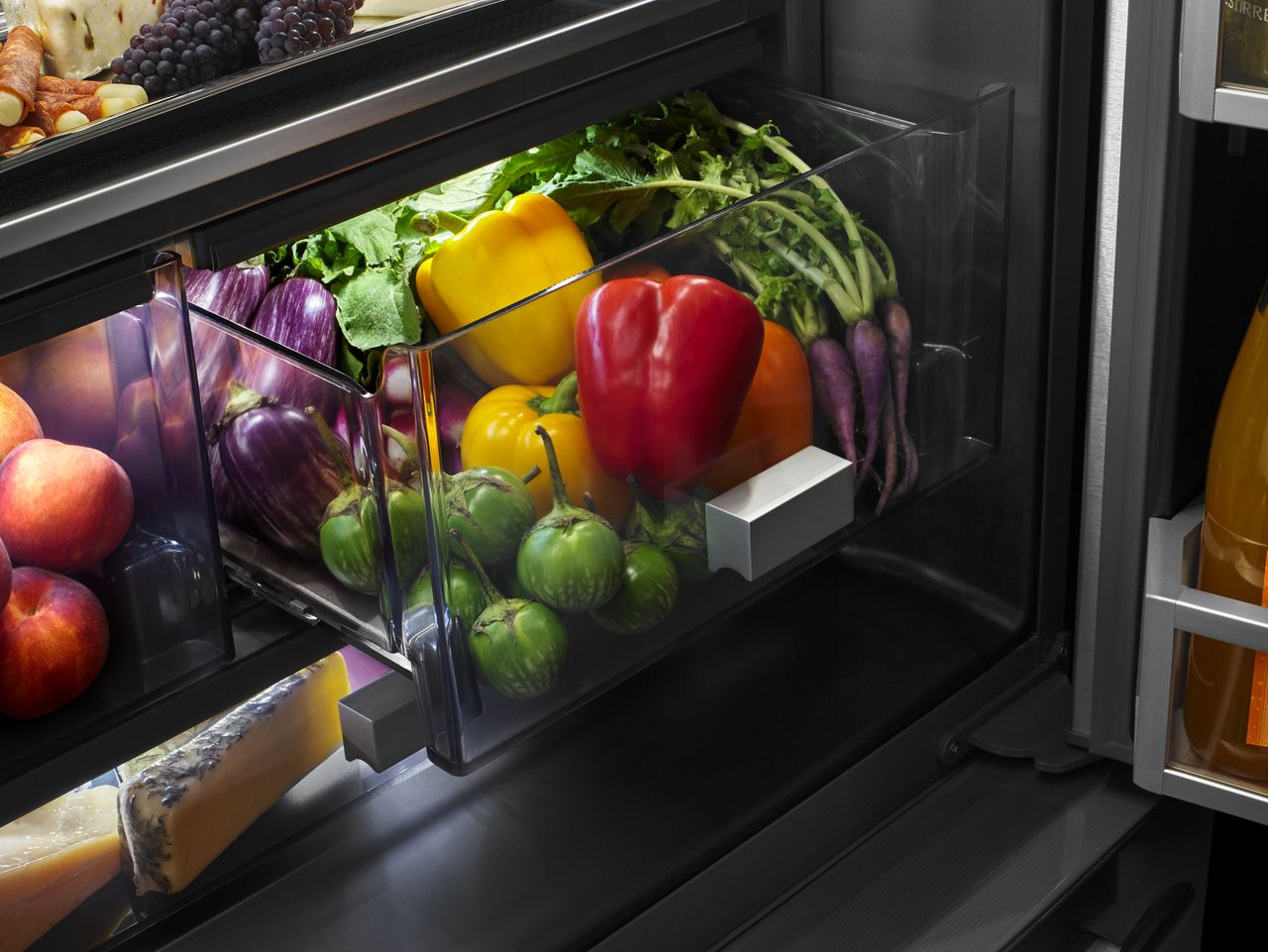
Most of us have experienced the scenario where we open up the refrigerator to find something moldy looking back at us. These items are often lingering at the back of the refrigerator. Still, even when it is full view, it can be difficult to determine the optimum food shelf life inside your refrigerator. Here we’ll explore a few basic food storage standards to save you from upset stomachs and wasting money on spoiled foods.
Basic Food Safety Tips
Before we delve into the optimum shelf lifespans for all the items inside your refrigerator, there are some basic safety tips to help preserve your foods.
- Avoid Crowding: To keep your foods properly chilled and at the correct temperature, cold air must be able to circulate around the items. While keeping your refrigerator full is more energy efficient, you should avoid crowding or overpacking.
- Immediately Wipe Up Spills: Wiping spills quickly will not only help to avoid bacterial growth, but it will also help to prevent cross contamination. Many spills are often drips from thawing meats or other raw foods that can easily contaminate cooked dishes that will only be reheated.
- Keep Everything Covered: All foods inside your refrigerator should be in sealed storage bags or in covered containers. Of course, this doesn’t mean that you can forget about everything, so be sure to check leftovers each day for signs of spoilage.
- Monitor Food Expiration Dates: If any item has passed its “use by” or “best before” date, it is a good idea to discard it. If food looks questionable, it is best to err on the side of caution and throw it out.
- Put Groceries Away Within the Hour: When you return from the grocery store, you should act quickly to ensure all your refrigerated items are properly stored. If the temperature is above 90ºf, there is a one hour limit before foods can spoil.
- Refrigerate Leftovers Within Two Hours: There is a common misconception that you shouldn’t put hot food in the refrigerator. Unfortunately, allowing food to sit on the countertop for hours can encourage bacteria. If you have any leftovers, they should be refrigerated or possibly frozen within two hours. If you’re concerned about hot food, divide leftovers into smaller portions, so they can cool more quickly.
Shelf Life Guidelines
Most foods can be divided into groups, which can help you to determine the optimum shelf life.
Miscellaneous:
- Opened condiments: Up to 6 months
- Tuna: 2 to 4 days
Dairy:
You’ll need to use your sense of smell. Dairy items tend to develop a bad smell when they go bad, so anything that has a bad smell should go straight into the garbage.
- Milk: Up to 7 days
- Soft Cheese: Up to 7 days
- Eggs: 3 weeks
- Yoghurt: 7 to 14 days
Fruits:
Fruits can go soft and mushy when they start to go bad, but you may notice some items start to go black.
- Bananas: 2 days
- Melons: 1 week
- Avocados: Up to 10 days
Vegetables:
Like fruits, vegetables can start to go mushy or change color.
- Fresh lettuce: Up to 5 days
- Tomatoes: Up to 1 week
- Cucumber: 1 week
- Onions: 2 months
Leftovers:
Leftovers tend to be pushed to the back of your refrigerator, so you need to ensure you keep a good eye on what is lingering there.
- Meat Leftovers: Up to 4 days
- Pizza: 3 to 4 days
- Gravy: 1 to 2 days
Meats:
In addition to developing a bad odor, the most obvious sign of bad meat is changing color.
- Chicken: Up to 2 days
- Steak: Up to 5 days
- Fresh Hamburger: Up to 2 days
- Pork Chops: 3 to 5 days
- Fresh Fish: Up to 2 days
- Bacon: Up to 7 days
- Fresh Sausage: Up to 2 days
- Lunchmeats: Open- 3 to 5 days, unopened up to 2 weeks
If your refrigerator is struggling to keep your produce fresh, it may be time for an upgrade. You can explore your options with our online collection or speak to a home appliance expert for further help and guidance.