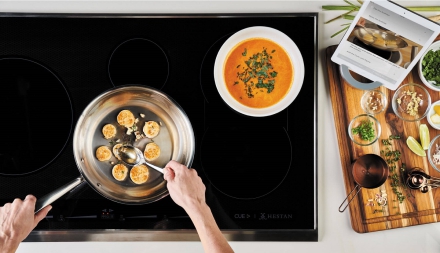
How to Choose an Induction Cooktop

Most modern kitchens could benefit from an induction cooktop. These appliances have an excellent combination of style, convenience and safety. Many people are replacing conventional gas stoves with these devices. But, no product is perfect and despite the hype an induction cooktop may not be the right fit for your home. If you are in the market for this type of cooktop there are certain things that you need to consider.

How Does an Induction Cooktop Work?

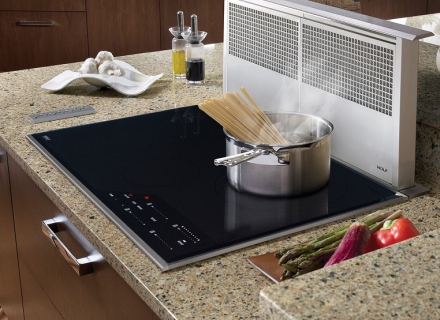
Before we get started, it’s important to understand how an induction cooktop works. The pan is placed on the ring and it’s heated up using an electromagnetic field. There is no direct heat, you could burn your hand on the heated pan, but the cooktop ring doesn’t get hot.

As you can imagine, this is a significant leap forward in terms of safety and it’s a very kid-friendly way to teach cooking skills. Induction heating tends to be 50% faster than a traditional electric or gas-powered direct heating element. This speeds up the cooking times and it reduces the energy requirements which lowers your energy bills.

7 Tips to Choose an Induction Cooktop

When you’re researching induction cooktops it’s easy to become overwhelmed by the sheer volume of information. To make this process easier we’ve compiled seven tips that should help you to decide if an induction cooktop is the right choice for your home.

1.   Consider the Pan Size

Each induction cooktop will come with a stated minimum and maximum pan size. This may seem trivial, but due to the nature of the pan heating process it’s more important than you may imagine. If the cookware that you’re using is smaller than the pan size, it won’t be detected by the cooktop. There will be no magnetic heating and cooking cannot take place. So, the cookware must match the induction coil size to ensure that the system works efficiently. Of course, you can invest in new cookware, but if you choose wisely this may be unnecessary and you could save some money.

2.   Choose the induction Cooktop Power Rate

The induction cooktop power rate is important for faster cooking and improved energy efficiency. Choosing a higher power rate may increase the cost of the cooktop, but it’s worth the extra investment. An induction cooktop is typically rated in the 1000-2000w range. A cooktop at the upper end or above that range will speed up the cooking process.

3.   Think About the Safety Features

The best induction cooktops have an auto-pan detection feature which turns off the heating when the cookware is removed from the cooktop. If you forget to switch off the cooktop, it will switch itself off automatically if the pans are too hot. Any hot food that spills onto the cooktop will not burn and it should be easy to clean.

4.   Understand the Pre-Set Menu Feature

Some of the latest induction cooktop models have a pre-set menu for user convenience. This automatically adjusts the temperature depending on the dish. So, if you’re frying vegetables, making rice, boiling milk or some other process you can always get perfect results. All that’s needed is a simple button touch and the cooktop does all the hard work for you.

5.   Consider the Portability

Depending on the user preference, there is a choice between fixed or portable cooktops. A portable appliance is an excellent choice for those that want to take their cooking to other locations including outdoors. So, if you want to cook in the backyard, rooftop or at a campground using induction technology you’re all set. The best portable cooktops are set up for easier carrying and storage when they are not in use.

6.   Consider Your Cooking Style

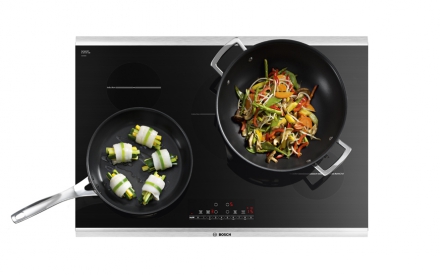
Your own personal cooking style and preferences will play a huge role in your decision to purchase an induction cooktop. If you like to do a lot of stir frying over a naked flame it’s likely that induction may not be an ideal fit. Having access to multiple cooking zones can give you a lot of additional flexibility when it comes to using a variety of cookware. It’s also important to understand that induction cooktops have precise temperature controls.

This will be useful for people that like to simmer delicate sauces and melt chocolate for homemade dessert. A good compromise could be a separate gas burner or portable induction hob to bring out when you need it for specific cooking tasks. If you focus on the type of cooking that you like to do most it will be easier to make a choice.

7.   Think About the Useful Features

The best induction cooktops now feature smart technology, WiFi connectivity and even voice activated control via Alexa and/or Google. Remote control via your preferred mobile device can be more than a novelty feature if you learn how to use it.

Measuring for the Induction Cooktop

When you start to research induction cooktops, it’s all too easy to fall in love with an appliance that you want in your kitchen. This may seem obvious, but one of the main reasons why major appliances are returned is that they don’t fit.

Most modern induction ranges are 30” or 36” wide and sufficient space is needed around the unit for ventilation purposes. The 30” range will be sufficient to meet the everyday cooking needs of most families. But, those with larger families or that like to entertain regularly may find that the 36” cooktop is the better option. Make sure that you measure at least twice before you buy the induction cooktop to avoid problems when it comes to the installation.

Can I Use My Existing Cookware?

This would be hard to answer without knowing the details about your cookware. Many people build up their collection of cookware over time and some pieces may be inherited. Because an induction cooking surface uses a magnetic field to heat the cookware it is true that not all cookware will be compatible. That said, you may be surprised to learn that a lot of your cookware may be suitable to use on an induction cooktop.

The pan or pot needs to have a magnetic field to make the connection with the cooktop surface. It’s easy to check this for yourself, try and stick a magnet on the bottom of the cookware and if it sticks it will work. For those looking to buy new cookware it’s good to know that compatibility with induction cooktops is usually clearly displayed. Any cookware that is compatible doesn’t come at an additional premium and it’s very affordable for those that need to plug any gaps in their cookware collection.

FAQs

Let’s take a look at some of the FAQs that typically arise when people are looking for an induction cooktop:

Can I Replace a Gas Range with an Induction Model?

Yes. The gas line will need to be removed and the power requirements for the new induction range will need to be carefully considered. A modern induction cooktop will require a 240-volt outlet and if you don’t have one you can contact an electrician to install one for you. It’s also a great idea to put the induction range on a dedicated circuit to ensure that the power requirements are fully met.

Why is Induction Cooking Superior to Conventional Electric or Gas?

Some people will alway prefer direct heat applied to their cookware for cooking. This can be a hard habit to break and yet there are significant advantages to consider when you make the switch to an induction cooktop. These surfaces heat the cookware up to 50% faster because they use a magnetic field and not direct heat. This means that they consume less energy and everyone is interested in lowering their energy bills. An induction cooktop offers more precise control over the temperature and they are safer to use.

Is an Induction Range More Expensive?

The short answer is yes. Although the upfront cost of an induction range may be more than a gas-powered range this isn’t the full picture. The initial cost may be higher, but over the medium to long-term it should cost less to run. The energy savings will help the buyer to recoup the disparity in the initial cost of the appliance. The faster cooking times really add up to significant energy savings over time.

How Should I Clean the Induction Cooktop?

Cleaning an induction cooktop is much faster and simpler than a gas burner or more traditional electric heating element. The surface is completely flat and smooth and it stays cool throughout the cooking process. Remember that only the pan is heated and everything else is cool to the touch.

So, there are no particles of burned food to remove during cleaning. When you’re ready simply wipe down the induction cooktop with a soft damp cloth and use a little non-abrasive cleaner to protect the surface.

If you’re considering an upgrade to an induction cooktop you can explore your options with our online collection or speak to one of our home appliance experts for a specialized service.


Which is Best? Ceramic vs Induction Cooktops

A cooktop is a valuable appliance in any modern kitchen that offers a proper surface to cook various delicious dishes. There are two popular options: ceramic and induction cooktops. At first glance, they look very similar. But looks can be deceiving, and upon closer inspection, these cooktops are very different. In this article, we will look at these two cooktop choices in more detail to help you determine which will suit your kitchen.

What is an Induction Cooktop?

This is a smooth ceramic surface that hides high-frequency electromagnetics mounted underneath. The magnets interact with the cookware’s surfaces to generate heat in the pan or pot. To generate heat efficiently, the cookware must have steel, iron, or magnetic stainless-steel bottoms. This limited interaction has significant advantages over cooktops that generate heat directly.

First, there is no heat to cause accidental burns during or after cooking if the cooktop is touched. This significantly reduces the chances of accidents, which may be of considerable interest to those with children and elderly relatives. The induction cooktop will only generate heat when the correct type of pan or pot is placed on the surface. Because the surface is sleek and smooth, it’s aesthetically pleasing and easy to clean. Induction cooktops tend to heat the pots and pans quickly, speeding up cooking times and lowering energy bills.

What is a Ceramic Cooktop?

There are also smooth-topped appliances, but instead of the high-frequency electromagnets, they have coiled metal heating elements instead. These elements are placed under a sheet of tempered ceramic glass, which glows during heating. The heat is transferred to a specific burner or “zone” on the cooktop for easy reference. Ceramic cooktops are and remain a popular choice with many people because they are attractive, simple to use, and easy to clean. There are no obtrusive burner units that are difficult to clean, and they deliver reliable and consistent heating.

Which is the Best Cooktop?

This is a tricky question; we all have different expectations, requirements, and budgets. Both cooktops make an excellent choice for a modern kitchen, but they work quite differently, and it’s important to understand these differences.

Those seeking a premium-grade performance without the hassle of a gas cooktop may prefer an induction appliance. The heating times are much faster than those of a typical ceramic cooktop, and they are safer. The cooktop’s surface doesn’t get hot unless it’s in direct contact with a suitable pan or pot. As a bonus, if you spill any food or ingredients during cooking, they will not be cooked onto the surface. This, combined with the sleek finish, makes an induction cooktop simple to clean quickly.

The only real disadvantage of an induction cooktop is that this technology drives up the price. This is fair when considering the features, but it’s probably not the best choice for budget-conscious buyers looking for a new cooktop. This is the main reason why ceramic cooktops are still popular today. They are sleek, controllable, and easy to clean, yet they are much cheaper than an induction model. Those who can deal with slightly slower heating times and incrementally higher energy bills have a lot to offer.

A Brief Cooktop Buying Primer

No matter which cooktop you choose, there are five things that you need to bear in mind before you buy. They are:

  • Available Space: It’s essential to match the cooktop to your kitchen space carefully to ensure it fits properly. There’s not much point in agonizing over how many cooking zones you need on your new induction cooktop if you can only fit four in your kitchen. Certain manufacturers offer 70cm cooktops that fit in a 60cm cutout. This can be useful if 60cm feels too cramped and you need extra space around the base of your pots and pans.
  • Extra Features: One of the best things about new ceramic and induction cooktops is the extra features. The burners or cooking zones can be chosen to suit the number and types of pans that you use regularly. Other useful features may include child locks, timers, displays, control positions, and more. This level of customization isn’t possible with more traditional cooktop designs.
  • Energy Efficiency: Energy costs have risen dramatically in recent years, and many people are looking for ways to trim expenses without compromise. So, it’s a great idea to prioritize energy efficiency when you choose your new cooktop. In this area, the induction cooktop is the clear winner; the upfront costs may be much higher, but energy savings are possible in the medium to long term. This can add up to a tidy sum over the appliance’s lifespan.
  • Electrical Rating: Any cooktop you’re considering should have the correct wiring to suit your kitchen. If you’re unsure, consult a professional home appliance technician to check the wiring and install the cooktop for you. It’s important to follow the manufacturer’s installation requirements carefully. This will prevent any problems in the future and protect your manufacturer’s warranty.
  • Avoid DIY Installations: Although it’s tempting to attempt a DIY installation for your new ceramic or induction cooktop, this should be avoided. Both cooktops represent a significant investment that should be protected. A non-professional installation may cause warranty issues that can degrade the value of your new cooktop.

Making the Final Buying Decision

Although both cooktops work well in a modern kitchen context, we believe the induction cooktops are the best option on the market. They are aesthetically pleasing, functional, simple to use, and easy to clear. Over the years of ownership, a regularly used induction cooktop can save the user a lot of money. Some users may need to upgrade or change their cookware to work with these cooktops. But, the cost of these induction pots and pans has dropped significantly over the last decade. Induction cookware is now more affordable than ever, and many can be used on ceramic, electric, and gas cooktops.

A gas cooktop is the only natural alternative for “serious” cooks. These have become extremely popular in recent years and are often part of a dual-fuel range setup. Many top chefs swear by gas cooktops because they offer superior temperature control, which is a requirement for advanced cooking techniques. But for many people, a gas cooktop is likely to be overkill when it comes to their daily cooking needs. Most of us need a cooktop that’s effective, safe, and easy to clean.

If you’re not sure about induction cooking, there’s a cost-effective option to try it out for yourself. Many manufacturers now sell induction hot plates that you can use with a single pot or pan to evaluate if this technology will work for you. Set up the hotplate and time how long it takes for the water to come to the boil. The results may surprise you; unlike other heating methods, an induction surface is not subject to changes at different altitudes. Most induction surfaces have a minimum and maximum temperature of 100ºF and 500ºF respectively. Because there’s a limited risk of burn, the heat can be distributed consistently and evenly across the entire cooking process. Certain ceramic cooktops can limit heat or fade in and out to “save energy,” which can be annoying.

Safety Features

We’ve touched on this briefly, but the safety features of an induction cooktop can be awe-inspiring. It’s also admirable that these safety measures do not degrade the performance. The risk of injury and damage to cookware and the cooktop is significantly reduced during cooking. The surface doesn’t get too hot and is only activated in set zones that only operate when the pan or pot is in place. Although they are safer than traditional cooktops, ceramic models retain heat after cooking, which can lead to burns. A ceramic cooktop will retain the heat for 4-5 times longer than an induction model. Both types have heat indicators that warn of stray hands or those cleaning the surface too early. One helpful feature on specific models is turning off the zone if there’s a spillage or the cooking zone empties. This can prevent long-lasting damage and use energy in areas no longer required.

In Conclusion

Ideally, we prefer a professionally installed induction cooktop over a ceramic model. The heating speed, energy savings, and extra features are well worth the premium-grade price. An induction cooktop will also add much value to a kitchen if you sell your home shortly. If you want to learn more about induction or ceramic cooktops, contact a home appliance specialist for expert help and advice.


5 Great Ways to Save Energy in Your Kitchen

The kitchen is one of the most important rooms in the home. You start your day in the kitchen, with breakfast and a hot cup of coffee, it is a place to gather for family dinners and can even be the venue for entertaining friends. While you may not consider saving energy when you’re preparing a meal, the abundance of appliances and frequent activity means that when you can make energy savings, it can have a big impact on your home. So, here we’ll explore five great ways you can save energy in your kitchen.

Upgrade to an Induction Cooktop

Induction technology uses magnets to directly conduct heat through pots and pans. This differs from the focused heat produced by a conventional cooktop burner. Each induction burner has a coil that generates a magnetic field that directly heats a ferromagnetic pot or pan placed on top of the surface. This provides more concentrated heat, and according to Department of Energy research, induction is 12% more efficient compared to a standard cooktop.

Keep Your Refrigerator Stocked

Refrigerators top the list of the most energy hungry appliances in the average home. This is logical as a refrigerator needs to continually run to keep your food cold. Unfortunately, this continuous use takes its toll, so you need to ensure your refrigerator is not outdated. According to Energy Star, if your refrigerator is fifteen years old or more, it is likely to be highly inefficient and using excessive amounts of energy.

Even if you have a brand new refrigerator, you can boost its efficiency by keeping it well stocked. While you don’t want to overstuff your refrigerator, the more items stored, the less air to be chilled. You also need to be wary about keeping the refrigerator door open, as this will allow warm air to enter, which requires energy to cool.

Fill Your Dishwasher

Dishwashers are another type of appliance that can use a great deal of energy. Federal standards continue to reflect new efficiency demands for dishwashers, so each model uses as little amount of energy and water as possible. This has lead to modern dishwashers being highly efficient compared to ones from ten or twenty years ago. Modern dishwashers use 4-6 gallons of water per cycle compared to 10 gallons on a model from the 1990s.

Unfortunately, even the most efficient dishwasher can waste energy and water if it is not full during a cycle. You can avoid wasting water and energy by only using your dishwasher when you have a full load, or using the half load setting for smaller loads.

Use Your Oven Convection Setting

Data from the California Consumer Energy Commission highlights that an oven convection setting can use 20% less energy compared to bake settings. Most modern ovens feature a convection setting that can save energy and produce more even cooking. The convection fan blows hot air throughout the oven cavity to cook food more evenly, efficiently and faster.

Identify Your Energy Vampires

Your kitchen is likely to contain a number of appliances that use “phantom loads” of energy. This means that these appliances draw power even when not in use. These appliances are known as “energy vampires” can cause a significant energy drain over time, so they should be identified and unplugged. Good examples of these appliances are toaster ovens, microwaves, and portable coffee makers.

Identifying an energy vampire appliance can be tricky, but you should look for appliances that have lights, a blinking indicator or a digital clock. You can also use a kilowatt meter to test the energy use of appliances not in use. According to Department of Energy estimates, a houseful of energy vampires could add up to $200 in energy bills each year.

If you would like to improve the energy efficiency of your kitchen, you can explore your options with this collection of High Efficiency kitchen appliances, or speak to a home appliance expert for a more specialist service.

4 Types Of Cooktops For Your Kitchen

The modern kitchen is more than just a place for cooking. It’s a gathering place for friends, family and loved ones, serving as one of the home’s central locations. Your kitchen deserves nothing but the best in cooking appliances, and a powerful, stylish cooktop is the perfect centerpiece to any kitchen.

Cooktops provide the surface you need to craft a variety of classic dishes and enticing contemporary cuisines. But with so many options on today’s market, it’s tough to know which type of cooktop is right for your home. To help you make an informed decision, we’re providing an overview on the four common types of cooktops.

Gas Cooktops

For superior heat and cooking power, you should consider a gas cooktop.

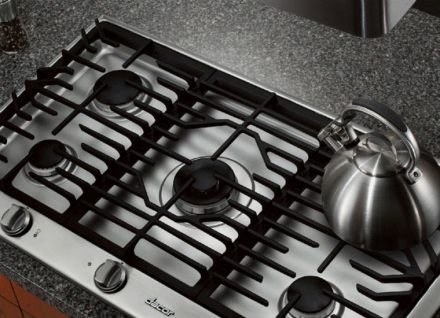
Gas cooktops are the preferred design for serious home chefs, as they offer the high temperatures and easily adjustable controls required for fast and efficient cooking. These units use an open flame as a heat source and as a result are able to reach high heat fast. While gas cooktop designs vary, many units feature a power burner designed to reach maximum temperatures quickly as well as a simmer burner for more delicate, controlled heat. Moreover, many of the best premium gas cooktops feature commercial-grade components, allowing you to cook restaurant quality meals from the comfort of your own home.

A gas cooktop is a great addition to almost any kitchen, though these appliances do come with a few minor disadvantages. First, due to their knob controls, it can be difficult to achieve the same exact cooking temperature every time the appliance is used. It’s also vital to note that gas cooktops require a proper gas connection for power. If your kitchen does not have a suitable gas line, you may need to consider another model.

Electric Cooktops

If consistent temperature control is your top concern, an electric cooktop is a good choice

The burners on these units are heated with electricity, and the unit does not require a gas connection. As a result, electric cooktops are generally easier to install than their gas counterparts. Traditional electric cooktops feature coil burners, though more modern appliances offer a smoothtop design. Regardless of the style, you can expect the burners to provide precise temperatures each and every time it’s used, as electric settings ensure consistency.

Many homeowners enjoy the comforts of an electric cooktop, though these units are known to be slightly less responsive than gas models. You’ll need to wait a little as your electric cooktop heats up or cools down, which can be frustrating to some homeowners.

Induction Cooktops

For premium cooking power, exceptional heat control and added safety, you may want to select an induction cooktop.

Induction cooktops are a type of electric cooktop that utilize electromagnetic energy to cook food. An element below the appliance’s flat ceramic surface creates a magnetic field that reacts to cookware with steel, iron, or magnetic stainless steel bottoms. The reaction creates a vibration that results in the heat you need to cook. Thanks to this unique design, there are a number of benefits to owning an induction cooktop. These models heat up much faster than traditional electric cooktops, while still offering superior temperature control. Moreover, they significantly reduce the risk of burning or kitchen fires, as they only produce heat when compatible cookware touches the surface — even when the appliance is turned on.

There are a host of advantages to having an induction cooktop, though it’s important to know that these units are typically considered to be premium, luxury appliances. That means that induction cooktops often come at a high cost, and they may not be the best choice for budget-conscious homeowners.

Rangetops

Most gas, electric and induction cooktops are “drop-in” units, designed for installation inside a cutout in your countertop. For an alternative to that design, consider a rangetop.

Rangetops offer the same functionality as cooktops, though they are installed by sliding into your countertop, extending from the rear of the counter to the front of the counter. While cooktops feature control knobs on the top of your counter, rangetops feature knobs on front of the appliance on the edge of the counter. This mimics the top design found in a common cooking range.

Most rangetops feature gas burners, though electric rangetops are also available. Much like induction cooktops, rangetops are premium appliances, and can come at a relatively high price.

Find The Perfect Cooktop For Your Kitchen

You can’t effectively cook in the kitchen without a cooktop, and thanks to a plethora of excellent choices, there’s little doubt that the perfect cooktop is out there waiting for you. Armed with some basic knowledge on the various types of cooktops, you’ll be perfectly prepared to find the ideal model for your kitchen.

Are you eager to begin your appliance search? You can explore this comprehensive online collection of cooktops or contact a home appliance professional for additional assistance.

The Benefits Of An Induction Cooktop

The modern kitchen is not complete without an exceptional cooktop, providing the steady heat you need for preparing a vast variety of home-cooked favorites and delicious new recipes. Gas cooktops and electric cooktops are common in many homes, but for advanced functionality and a truly contemporary style, you should consider an induction cooktop.

Induction cooktops are a type of electric cooktop that utilizes heat from electromagnetic energy to cook food. An element below the cooktop’s flat ceramic surface creates a magnetic field that reacts to cookware with iron, steel, or magnetic stainless steel bottoms. This reaction creates a vibration that converts to heat for cooking. These cooktops may use a non-traditional method of creating heat, but ultimately there are many benefits to investing in an induction cooktop.

Induction Cooktops Heat & Cool Fast

Electric cooktops are notorious for the long periods they take to heat up and cool down. Gas cooktops offer fast temperature adjustments, but that comes through the use of potentially dangerous flames. For the ideal alternative, you can use an induction cooktop.

The biggest benefit to an induction cooktop is the fact that it can heat and cool very quickly. The electromagnetic vibration that produces heat helps your pots and pans reach full heat almost as soon as you set the temperature. This saves time while cooking, reducing stress in the kitchen and allowing you to enjoy freshly cooked dishes even if you’re pressed for time.

 Exceptional Temperature Control

Along with fast heating and cooling, induction cooktops also offer exceptional temperature control. Most of these appliances feature a wider range of temperature settings than gas or electric counterparts, allowing you to find the ideal choice for all your cooking needs. Whether you need a low heat to simmer boiling water or high heat to create the perfect sear on a piece of chicken, you’ll be able to find the proper temperature for any dish.

Promotes Safety & Reduces Risk of Burns

Induction cooktops are extremely safe to use. These burners only produce heat when the proper cookware is touching the cooking surface, so if you accidentally turn on a burner without cookware on it, you won’t have to worry about getting burned. Even during proper use, only places where cookware touches the surface will generate heat, with the rest of the cooktop remaining cool. This greatly reduces the chance of burning yourself while cooking.

It’s also very uncommon for induction cooktops to cause kitchen fires. The open flame of a gas cooktop is always a fire risk, and the electric coils of an electric cooktop can also potentially cause fires. Thanks to their electromagnetic heat source, induction cooktops will not spark flames in your kitchen.

Induction Cooktops Are Easy To Clean

The flat ceramic surface of an induction cooktop makes it exceptionally easy to clean. All you need to do is wipe down the top with standard kitchen cleaner once you’re done cooking. Moreover, because heat is only created in the cookware itself, the surface of the cooktop remains cool, preventing spilled food from getting baked on the surface.

 Modern & Luxurious Style

The contemporary kitchen requires exceptional style. You can find attractive gas and electric cooktops, but for a truly integrated kitchen design, you’ll want to consider an induction cooktop.

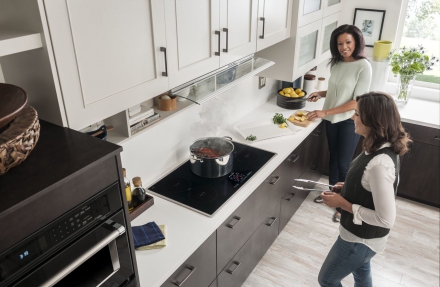
Induction cooktops provide a clean and uncluttered cooking surface with a modern aesthetic that is ideal for today’s homes. This style of cooktop will bring a minimalist feel to your kitchen, providing all the cooking power you need with a sleek, luxurious, and unobtrusive design.

Bring Power & Style To Your Kitchen With An Induction Cooktop

The modern home requires modern cooking solutions, and an induction cooktop is sure to provide all the power you need. Thanks to advanced features, superior temperature control, and elegant designs, investing in an induction cooktop is an excellent choice.

For innovative solutions to your induction cooktop needs, consider browsing this extensive collection of induction cooktops.