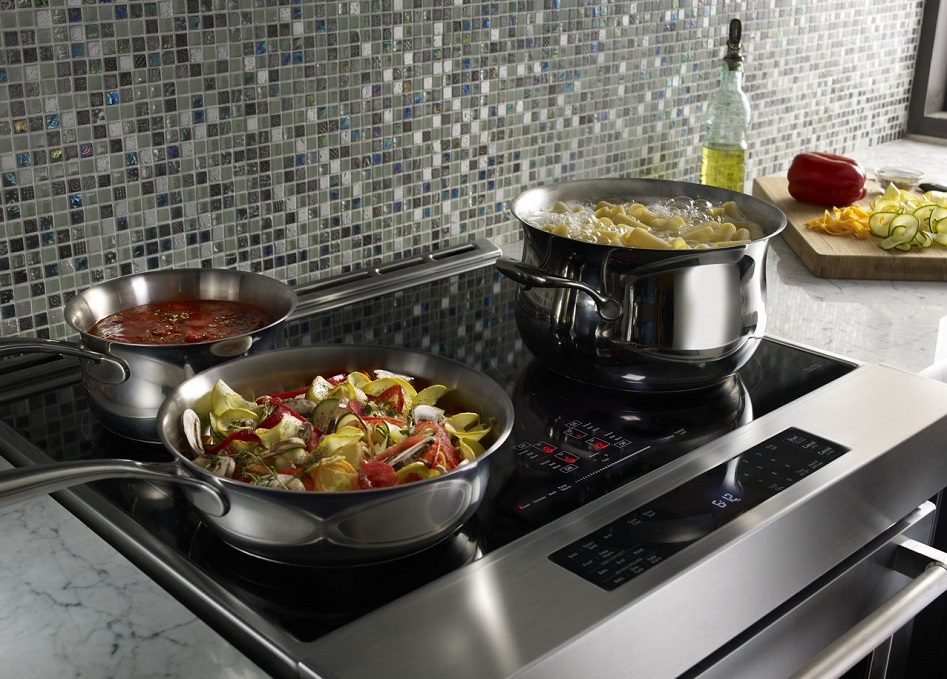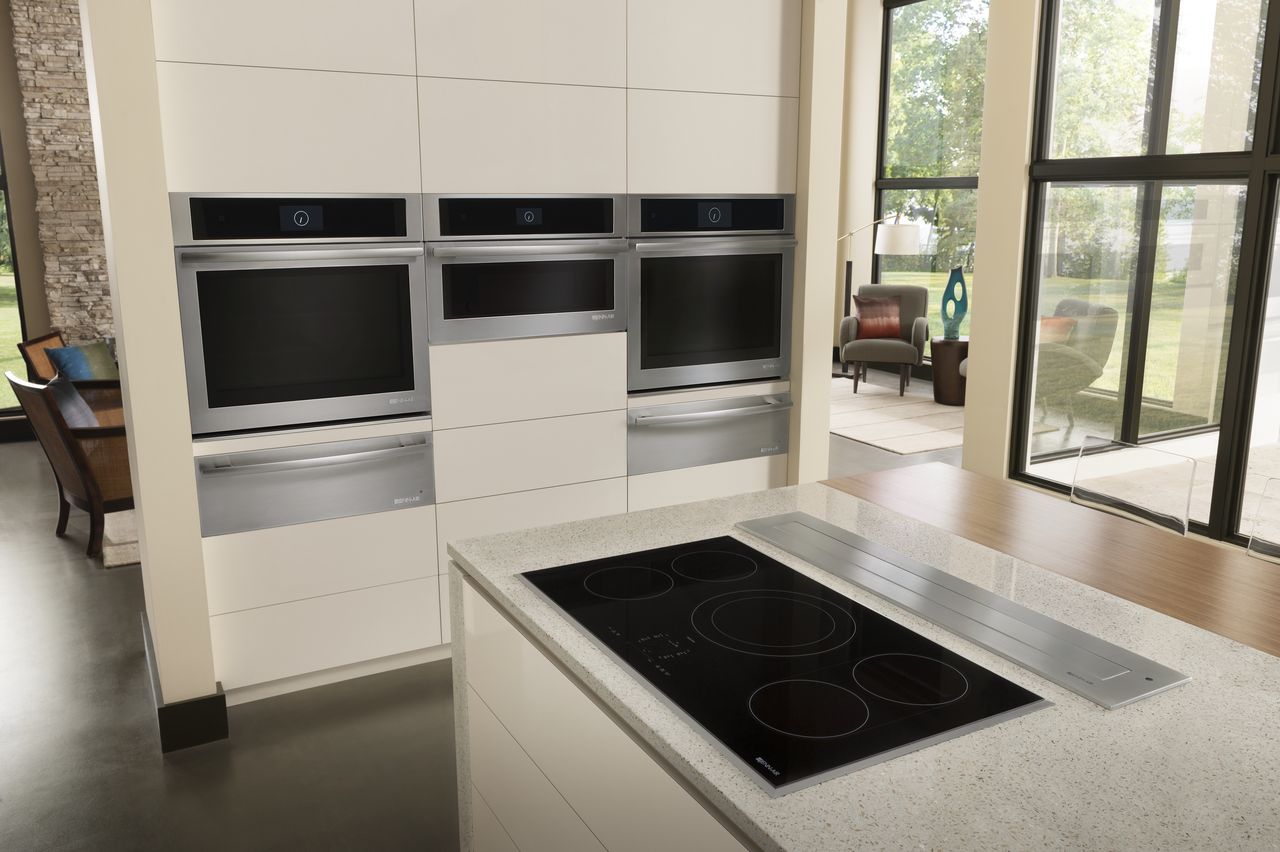
Due to its efficiency, preciseness, and safety, induction cooking has become increasingly popular in Los Angeles kitchens. Induction cooktops use advanced technology to heat pots and pans directly, while traditional gas or electric stoves indirectly transfer their heat to cooked food. This new way of cooking gives cooks at home and in professional restaurants a sleek and efficient solution to complete their mission. But what exactly is induction cooking, and how does it work? Let’s delve into the details and benefits of this exciting kitchen technology.
Understanding Induction Cooking
Induction cooking has revolutionized kitchen technology by directly heating pots and pans through electromagnetic fields. All other traditional cooking methods, from gas burners to electric stoves, rely on conduction and radiation. Gas burners heat up through an open flame, and electric stoves have heated coils warming cookware. In an induction cooktop, the heat is produced inside a cooking vessel directly through electrical induction.
How Induction Cooking Works?
These steps explain how induction cooking works:
Induction Cooktop
An induction cooktop, hob, or stove features a flat, heat-resistant glass-ceramic surface. Under this is a coil of copper wire. When the cooktop is powered, high-frequency alternating current flows through this coil, creating an oscillating magnetic field.
The Magnetic Field
The oscillating magnetic field produced by the copper coil does not generate heat directly. It creates an electrical current in any ferrous metal- that is, metal-containing iron-set upon the cooktop. Here comes into action your cooking vessel.
The Cooking Vessel
Induction cooking works only if the vessel is made of ferrous metal. This would typically include cast iron, carbon steel, and some grades of stainless steel. When this magnetic field meets with the ferrous metal in cookware, it sets huge eddy currents moving at the bottom of a vessel.
Heat Generation
These eddy currents flow through the resistance of the metal, directly heating the cooking vessel. The heat from the pot or pan is then transferred to the food or liquid it contains. Here, the process is efficient in minimizing heat losses by assuring that energy is used directly for actual cooking.
Advantages of Induction cooking
For many reasons, induction cooking is a prominent option in modern kitchens.
Speed and Efficiency
Induction cooktops warm up faster than traditional gas or electric stoves. Because energy is directly transferred to the cooking vessel, less heat is wasted on the environment. Hence, cooking with an induction cooktop is more efficient in using energy; cooking times are considerably reduced.
Precise Temperature Control
It allows for perfect temperature control while cooking. While a gas or electric stove may take a little time to get the desired heat, induction cooktops respond almost instantaneously to changes in heat settings. This kind of precision helps when cooking delicate dishes that require exact temperatures.
Safety
Another advantage of induction is safety. Individuals are far less likely to get burned because the cooktop remains cool during operation and gets hot only under the cooking vessel. This technology automatically shuts off when it fails to detect compatible cookware, preventing unintended turn-on. Moreover, no open flames translate to no risks of gas leaking or sparking into fire.
Easy Cleaning
Induction cooktops have smooth, flat tops that are easy to clean. The cooktop surface does not get too hot, so spillovers don’t burn onto it, making cleanup relatively easy.
Suitable Cookware for Induction Cooking
Cookware is one of the significant factors in induction cooking. Not all pots and pans work with an induction cooktop. Here are five kinds of cookware that work with induction:
1. Cast Iron
Cast iron cookware will work very well on an induction cooktop due to its high iron percentage, which makes it strongly magnetic. It distributes the heat evenly and retains its perfect features, suitable for slow-cooking and simmering.
2. Stainless Steel
Stainless steel cookware is used with induction cooktops. Not all stainless steel, however, is magnetic. The point here is to check for induction compatibility before buying. Some stainless steel cookware has added a layer of magnetic material to make it induction-friendly.
3. Enameled Cast Iron
Another excellent choice for induction cooking is enameled cast iron. It offers all the benefits of inbound-iron cookware, plus it has an enamel coat to make cleaning easier.
4. Carbon Steel
Carbon steel pans perform very much like cast iron and work with induction stoves. They are fast heating and can be used for varied cooking methods.
5. Induction-Compatible Cookware
Nowadays, many manufacturers create cookware designed for induction cooking. These pots and pans are branded as compatible with induction cooking and mostly have a magnetic bottom.
The Induction Cooking Experience
Induction cooking does require some adjustment, mainly if you are accustomed to cooking on gas or electric stoves. Here are things to bear in mind:
Cookware Compatibility
As noted earlier, not all cookware is induction-compatible. You’ll need cookware with a bottom material made of ferromagnetic material. A simple test to check if your cookware will work on an induction cooktop: see if a magnet sticks to the bottom; if it does, it will work.
Different Cooking Methods
You may have to work differently because induction cooking is very efficient. You may be using lower heat settings than those you have been used to, as induction quickly raises the food temperature.
New Sounds
Induction cooktops occasionally produce humming or buzzing sounds. This is normal and caused by the electromagnetic field interacting with the cookware. High-quality, heavy-bottomed pans tend to minimize this effect.
Visual Cues
If you are used to cooking on gas, you may miss the visual cue of the flame. Induction cooktops often have digital readouts for power levels, but it can take a little habituating.
Final Thoughts
Induction cooking works very fast and efficiently, saving time and ensuring safety in the kitchen. Appreciating how induction cooktops work and using suitable cookware will further enhance your cooking experience. Whether you’re a professional chef in Los Angeles or a home-oriented cook, induction cooking helps to gain more functionality in your kitchen while easing up meal preparation. If you want a new cooking appliance, induction cooktops might be precisely what your home needs.
Visit your local kitchen appliance store to check out your options.