How To Remove Grease From A Gas Cooktop

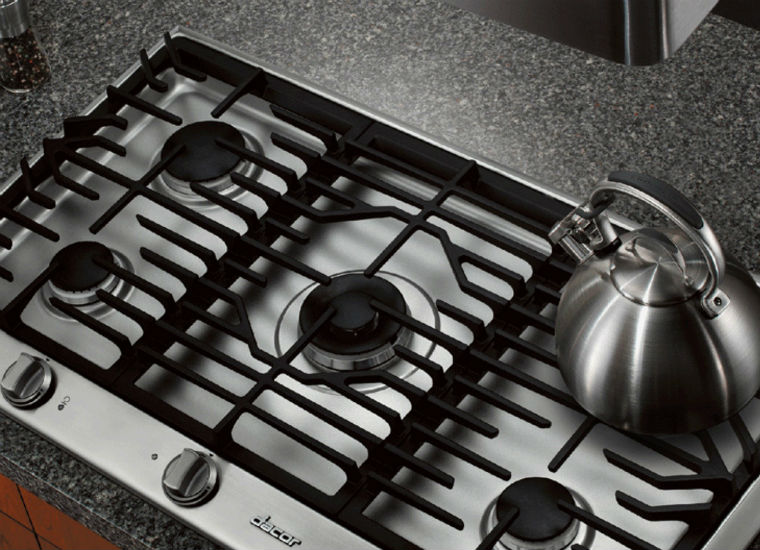
The cooktop is one of the most heavily used cooking appliances in your kitchen, providing the surface necessary for preparing a majority of your most cherished dishes. Gas cooktops are popular appliances thanks to their high heat output and easily adjustable controls, but these units are also prone to collecting grease and grime after repeated use.

A clean kitchen is a functional kitchen, and to help with your cleaning needs, we’ve gathered information on how to remove grease from a gas cooktop.

Clean Your Gas Cooktop With Vinegar

If your gas cooktop only suffers from light grease stains, you’ll want to use vinegar as the key tool in your cleaning process. All you need to do is spray your burners with a bit of vinegar and allow it to sit for approximately 10 to 15 minutes. Next, wipe down the appliance with a clean cloth. This should remove minor grease stains and leave your cooktop significantly cleaner.

This method is most effective if used daily. By taking the time to clean your cooktop every day with vinegar, you can ensure that grease does not get caked onto the appliance and grow into a greater mess.

Use Specialized Chemical Cleaner

There are a variety of brands that produce specialty oven cleaner, utilizing unique chemical combinations to help wipe away grease and charred waste from your appliance. While these cleaners can be effective, they also tend to leave a layer of chemical residue within your appliance after use. This can result in foul tastes being cooked into your dishes, and even present a health hazard to yourself and your family.

If you use a chemical cleaner in your oven, be sure to run the unit on high heat afterwards to help destroy any chemical residue that is left behind. But be warned — these chemicals can create foul and unpleasant odors.

Use Baking Soda To Clean Your Cooktop

Most people do not take the time to clean their cooktop every day, and if you need to eliminate tough stains, you may want to employ baking soda in your cleaning process.

First, you should wash around your cooktop and its burners using lukewarm water and dishwasher detergent. This will remove the top layer of grease and grime that lives on your unit. Next, create a paste by mixing baking soda and water, and coat the unit with this paste. Allow your baking soda/water combination to stand on the cooktop for about 20 minutes, then scrub problem areas of the unit and rinse off the paste using water.

This method is ideal if you have significant food residue on your cooktop, as the baking soda paste can help soften such waste so you can remove it from the cooktop surface.

Cooktop Grate Cleaning With Ammonia

Your gas cooktop’s grates can be the most difficult components to clean, as they often gather grease and food residue that surrounds your burners. While the vinegar and baking soda methods can be used on your grates, they are not always effective. If you’re suffering from more serious stains, you’ll need to use ammonia to clean your unit’s grates.

For this method, you must first place each burner grate in its own gallon-sized Ziploc bag. Next, add about a quarter cup of undiluted ammonia to the bag. Seal the bag and allow it to sit overnight, allowing the encased ammonia fumes to loosen grease, grime and food residue from your burner grates. After allowing your grates to sit in ammonia, you can remove them from the bags and wipe them down with water or a touch of vinegar. This will remove any remaining grease, and ensure that your burner grates are effectively cleaned. Be extremely careful to protect your eyes with googles from any splashing ammonia, and wear rubber gloves at all times.

This process can be very effective, though the ammonia may produce a foul odor that bothers you or your family. You can allow your bag to sit outside while the ammonia works its magic on your burner grates, ensuring its strong stench does not overrun your home.

Premium Gas Cooktops Perfect For The Modern Home

A dirty appliance makes your home unattractive, and there’s no reason your kitchen should suffer because of a dirty gas cooktop. These units may be prone to collecting grease and grime, but once you understand how to effectively clean your cooktop, you’ll be able to effectively maintain your kitchen’s elegant and exceptional aesthetic.

No matter how much you clean it, an old cooktop will bring an outdated sense of style to your home. If you feel like it is time to upgrade your appliance, you can use this online collection of gas cooktops to explore your choices, or contact a home appliance expert for specialized service.
4 Types Of Cooktops For Your Kitchen

The modern kitchen is more than just a place for cooking. It’s a gathering place for friends, family and loved ones, serving as one of the home’s central locations. Your kitchen deserves nothing but the best in cooking appliances, and a powerful, stylish cooktop is the perfect centerpiece to any kitchen.

Cooktops provide the surface you need to craft a variety of classic dishes and enticing contemporary cuisines. But with so many options on today’s market, it’s tough to know which type of cooktop is right for your home. To help you make an informed decision, we’re providing an overview on the four common types of cooktops.

Gas Cooktops

For superior heat and cooking power, you should consider a gas cooktop.

Gas cooktops are the preferred design for serious home chefs, as they offer the high temperatures and easily adjustable controls required for fast and efficient cooking. These units use an open flame as a heat source and as a result are able to reach high heat fast. While gas cooktop designs vary, many units feature a power burner designed to reach maximum temperatures quickly as well as a simmer burner for more delicate, controlled heat. Moreover, many of the best premium gas cooktops feature commercial-grade components, allowing you to cook restaurant quality meals from the comfort of your own home.

A gas cooktop is a great addition to almost any kitchen, though these appliances do come with a few minor disadvantages. First, due to their knob controls, it can be difficult to achieve the same exact cooking temperature every time the appliance is used. It’s also vital to note that gas cooktops require a proper gas connection for power. If your kitchen does not have a suitable gas line, you may need to consider another model.

Electric Cooktops

If consistent temperature control is your top concern, an electric cooktop is a good choice

The burners on these units are heated with electricity, and the unit does not require a gas connection. As a result, electric cooktops are generally easier to install than their gas counterparts. Traditional electric cooktops feature coil burners, though more modern appliances offer a smoothtop design. Regardless of the style, you can expect the burners to provide precise temperatures each and every time it’s used, as electric settings ensure consistency.

Many homeowners enjoy the comforts of an electric cooktop, though these units are known to be slightly less responsive than gas models. You’ll need to wait a little as your electric cooktop heats up or cools down, which can be frustrating to some homeowners.

Induction Cooktops

For premium cooking power, exceptional heat control and added safety, you may want to select an induction cooktop.

Induction cooktops are a type of electric cooktop that utilize electromagnetic energy to cook food. An element below the appliance’s flat ceramic surface creates a magnetic field that reacts to cookware with steel, iron, or magnetic stainless steel bottoms. The reaction creates a vibration that results in the heat you need to cook. Thanks to this unique design, there are a number of benefits to owning an induction cooktop. These models heat up much faster than traditional electric cooktops, while still offering superior temperature control. Moreover, they significantly reduce the risk of burning or kitchen fires, as they only produce heat when compatible cookware touches the surface — even when the appliance is turned on.

There are a host of advantages to having an induction cooktop, though it’s important to know that these units are typically considered to be premium, luxury appliances. That means that induction cooktops often come at a high cost, and they may not be the best choice for budget-conscious homeowners.

Rangetops

Most gas, electric and induction cooktops are “drop-in” units, designed for installation inside a cutout in your countertop. For an alternative to that design, consider a rangetop.

Rangetops offer the same functionality as cooktops, though they are installed by sliding into your countertop, extending from the rear of the counter to the front of the counter. While cooktops feature control knobs on the top of your counter, rangetops feature knobs on front of the appliance on the edge of the counter. This mimics the top design found in a common cooking range.

Most rangetops feature gas burners, though electric rangetops are also available. Much like induction cooktops, rangetops are premium appliances, and can come at a relatively high price.

Find The Perfect Cooktop For Your Kitchen

You can’t effectively cook in the kitchen without a cooktop, and thanks to a plethora of excellent choices, there’s little doubt that the perfect cooktop is out there waiting for you. Armed with some basic knowledge on the various types of cooktops, you’ll be perfectly prepared to find the ideal model for your kitchen.

Are you eager to begin your appliance search? You can explore this comprehensive online collection of cooktops or contact a home appliance professional for additional assistance.