How the Dishwasher Has Changed Our World

Many people were raised washing dishes as one of their chores, but this is increasingly rare as the years go by. The invention of the dishwasher, its evolution into a must-have home appliance, and its wider adoption by the public is an exciting story. The modern dishwashers we have today have a host of valuable features. But, this was not always the case, and the origins of this appliance stretch back around 160 years!

When Was the Dishwasher Invented?

Like many inventions, several people were working on similar ideas simultaneously. However, in the way we think of this appliance today, the earliest incarnation of a dishwasher was a patent issued in 1850 to Joel Houghton. This design was wooden; the dishes were placed inside, and water was sprayed. The appliance could only be cranked by hand and only splashed water on the dishes. This was extremely basic, but the principle was similar to how modern dishwashers are designed.

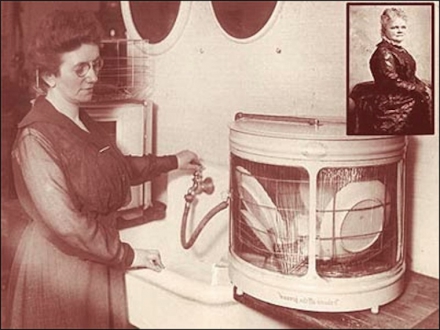
Later, a second inventor named Josephine Cochrane improved the initial design to create an automated appliance. A copper boiler with a wooden wheel could be driven by power or hand using a pulley. The dishes sat in wired compartments sprayed with hot, soapy water and spun.

The inventor created this design because she was fond of entertaining, and her servants repeatedly chipped her prized 17th-century dishes. She washed the dishes herself to mitigate the damage, but she hated it and wondered why there wasn’t an appliance to make it easier. Her dishwasher was ready for testing in 1886. It was a practical improvement on the earlier design, and people loved it.

Josephine Cochrane and George Butters built the final design in 1889, calling it the “Lavaplatos.” This dishwasher was later presented in a working format at the Chicago World’s Fair in 1893. It was a modest success among the rich who could afford this specialized appliance.

Willian Howard Livens invented the first machine-powered dishwasher in England. He created a dishwasher in 1924 powered by an electric motor spraying water over the dishes. On a darker note, Livens invented flame-based and chemical weapons that were put to horrific use in both the First and Second World Wars! Sadly, this dishwasher design was far ahead of its time, and widespread adoption would have been impossible. The design worked well; it had a front door for easier loading and a rotating spinner to spread the water equally. However, most homes didn’t have indoor plumbing, and only incredibly wealthy people could install one. In 1940, Livens added drying capabilities to his dishwasher to speed up the drying process. Commercial success still eluded him, and his invention was not affordable or practical for most households. Other inventors built on this design in the post-WW2 years to perfect and add elements that would make dishwashers viable for more people.

A dishwasher was a luxury appliance until the 1950s, when the designs began to evolve rapidly, and the prices became affordable. Drying functionality had been invented in the 1940s, but it increasingly became a necessity until it was a standard feature from the 1970s onwards. The introduction of automatic dishwashers was when these appliances began to catch the public’s imagination. These appliances had a heating element to increase the water temperature, a detergent dispenser, and multiple wash cycle modes.

7 Features That Defined the Modern Dishwasher

The technological advances found throughout the post-WW2 economic boom were gradually adopted into dishwashers and other household appliances. From the 1970s until the present, the evolution of transistors, circuit boards, computing, and other technologies facilitated rapid changes for the better. Let’s take a look at seven key features that went on to define the modern dishwasher:

  • Quiet Operation: The early bulky dishwashers were loud, and you didn’t want to be in the same room as they were washing the dishes. Gradually, the designers added insulation and sound-dampening materials to soften the noise and vibrations. A modern dishwasher is quiet; you can run it anytime without disturbing anyone.
  • Multiple Wash Cycles: The first dishwashers had a single wash cycle for every type of dish, no matter how soiled it may have been. The introduction of multiple wash cycles was a revelation. The wash cycle could be specified to meet a specific need, making it much easier to wash glassware and heavy-duty dishes separately.
  • Adjustable Racks: The older machines were inflexible regarding efficient space management and load or unloading. Over time, many manufacturers added fold-down times and adjustable racks to make dishwashers more flexible. From that point, it was much easier to fit dishes of all shapes and sizes in the dishwasher for thorough cleaning.
  • Advanced Water Filtration: The earliest dishwashers simply forced a lot of water through the appliance or circulated the increasingly dirty water multiple times. But, the addition of advanced filtration systems ensured that only clean water could circulate the dishes for the duration of the chosen cycle.
  • Energy Efficiency: As dishwashers became purely electric appliances, there was always going to be a need for improved efficiency. The best modern Energy Star-certified dishwashers use less energy and water without compromising cleaning power. This reduces utility bills and lowers the environmental impact at the same time.
  • Sensors: The invention and adoption of dishwasher sensors improved the wash cycle selection. A modern dishwasher can detect dish soiling and automatically adjust it to save energy and water.
  • Smart Technology: Today, dishwashers have intelligent features that can be monitored and controlled via a smartphone app.

Dishwashers Making Chores Simpler

Now, around 75% of American homes have a dishwasher that is affordable and easy to use. Most are equipped with racks and removable trays; they have efficient rotating spray arms and pre-soak cycles. This appliance is an incredible invention, but its importance in the modern world is only becoming apparent to many people. One of the most exciting things about modern dishwashers is that they use 5,000 fewer gallons of water than washing dishes by hand. According to the EPA and US Department of Energy, the best ENERGY STAR models are not more eco-friendly. They are still a real time saver.

The Sanitary Benefits of Dishwashers

These earlier incarnations of the dishwasher were purely invented to deal with a troublesome chore. Most people don’t enjoy washing dishes by hand, which was equally valid in the past. But those earlier inventors didn’t know that what would become the modern dishwasher is far more sanitary than washing by hand.

A modern dishwasher uses hot water and spray nozzles that can be adjusted for different types of dishes and loads. The temperatures inside the appliance can reach up to 145ºF, and no human hand can withstand washing in hot water. Detergents used in dishwashers have also advanced. These products remove bacteria and germs from dishes better than simple soap.

Another factor affecting the cleanliness of dishes washed by hand is the sponge we use to clean them. The surface of the sponge is coated with bacteria and other microorganisms. Studies have found almost 400 bacterial species on a single household sponge used for washing dishes. This incredible density equates to around 45 billion bacteria per square centimeter.

How to Choose the Right Dishwasher

A modern dishwasher has never been more affordable. Even with the current supply chain issues, there are plenty of models to choose from. The best appliances come with features that are probably overkill for most of us. But if you want the latest smart technology to control your dishwasher remotely via WiFi, you’re good to go. Even a basic dishwasher is packed with technology that would have been impossible a few decades ago.

There are now full-sized, slim dishwashers for every kitchen space and budget. Get a full-size dishwasher if you’re single or a couple that entertains frequently or has kids that come home on weekends. But make sure it has a half-load cycle to save energy and water when you don’t need to fill it. Although an Energy Star-certified dishwasher costs more, it’s well worth the investment. These appliances use less energy and water, which more than makeup for the higher purchasing price in the medium to long term.

In Conclusion

The development of the dishwasher from its earliest beginnings to the modern day has been astonishing. A simple wooden box with a rack and hand-cranked paddles has become an efficient appliance that most of us couldn’t live without. So, if your kids start to complain about loading or emptying the dishwasher as a chore, remind them how things used to be. If you’re looking to replace an aging dishwasher with a more efficient model or need to schedule a repair for your existing model, contact a home appliance professional for further assistance.


A Brief Guide to Appliance Sizes

Modern appliances are at the heart of the kitchen and they have a huge effect on how we live our lives. There are many makes and models of every appliance type, but they need to be placed in a location that can accommodate them. When you design a new kitchen, the appliances may be the last thing on your mind. This is a mistake, it’s important to make the layout of the kitchen around your new or existing appliances. An appliance specialist can help you if they are involved at an early stage. If you’re determined to go it alone, here are three appliance types and sizes to consider.

1.  Refrigerators

Modern refrigerators may have a host of useful features including door-in-door access, built-in thermometers, digital cameras and more. But, they are complex and they are available in a wide variety of styles and sizes. The more common widths are: 36”, 42” and 48”. Some suburban kitchens have narrower 36” models and a freestanding refrigerator needs a 72” tall opening for installation. If the refrigerator is built-in, the space requirements increase to an 84” tall opening. Refrigerators and freezers may be separate purchases which come in a broader size range, the widths, are: 10”, 24”, 30” and 36·. A popular combination is a 36” wide refrigerator next to a 24” wide freezer. There are also wine column refrigerators that come in 18” and 24” widths.

2.  Dishwashers

The width of a standard dishwasher is 24”, but larger homes may have a second machine for extra convenience and flexibility. This is especially true if people want to avoid an extra trip to the kitchen from a pool or bar area. In this case, an additional slimline dishwasher with a width of 18” or a dishwasher drawer may be the solution. Most full-size dishwashers have a height of 35”, but ADA models are 34” high and they can be raised or lowered to fit easily under the countertops. A key factor with dishwashers is the depth which must be carefully considered to accommodate the hoses. Most European made models have flush fit because the sleek style is an essential aspect of their design. Most American made models protrude slightly from the cabinets if the dimensions are not factored into the kitchen design. Another option is a panel that blends the dishwasher into the cabinetry and the maximum depth for this is 23⅙”. When a standard dishwasher door is fully open it will extend 27” into the kitchen and this is important if you want to avoid blocking foot traffic.

3.  A Washer and Dryer

Both washers and dryers come in a wide variety of sizes to accommodate homes with different needs. A 24” wide washer is considered to be a compact model and these are an ideal fit for smaller apartments. They are flexible, they require no venting and they can be installed under the kitchen counter, in a closet, a bathroom or behind a mudroom cabinet. The 27” wide front load washers are considered to be standard size and they are typically mounted on a pedestal draw for extra storage and easier use. The larger washers have a width of 30” and there are fewer models at this price point. These washers are harder to install and they are overkill unless you have a very large family or you like to wash rugs.

In Conclusion

Taking extra care and measuring twice is the key to success if you’re in the market for new appliances. Even if you have the available space, make sure that they will fit through the principal entryway and other points that need to be negotiated to install the appliance.

If you’re searching for new appliances, you can explore your options with our online collections or further guidance and help, speak to a home appliance specialist.

Is it Time to Replace Your Home Appliances?

Appliances are designed to be tough and rugged, but this doesn’t mean that your hard working appliances don’t have an expiration date. You will need to replace your current dishwasher, refrigerator, range, washer, or dryer at some point, but how do you know when it is time? If your appliances are pushing the 10 to 15 year mark, it’s likely that it is approaching retirement, but here we’ll explore in more detail when it is time to replace your home appliances.

Refrigerators

Most refrigerators last an average of 12 years. If your refrigerator is approaching this age, it doesn’t mean that you should immediately get rid of it. You should check to see if your refrigerator is still operating effectively and efficiently. Refrigerators should cool your items to 35 to 38ºf to avoid your food going bad. At these temperatures, it is cool enough to prevent bacterial growth without being cold enough to freeze.

Even if your refrigerator is maintaining this optimum temperature, you need to consider how much energy is being used. Older appliances can use more power, causing energy bills to skyrocket. Refrigerators run 24/7, so if you notice that your energy bills keep creeping up, you may need to look at upgrading your appliance.

Dishwashers

Many of us don’t realize how much we rely on our dishwashers until they stop working. Family life can be hectic enough without needing to tackle a mountain of dishes at the end of the day. Fortunately, most dishwashers have a lifespan of up to 10 years. You can prolong the lifespan of your dishwasher by regularly cleaning the filter. This can be accomplished by removing it and soaking it in hot, soapy water for 10 to 15 minutes before replacing it. It is also a good idea to periodically sanitize your dishwasher to keep bacteria and bad smells at bay. But, if your dishwasher isn’t draining, starts making weird noises, has developed a persistent bad smell or doesn’t clean your dishes as it should, it is time to think about replacing it.

Ranges

Ranges are at the heart of our kitchens, allowing us to cook family meals and bake treats. Fortunately, most ranges can have a lifespan of up to 20 years, particularly when they are well cared for. If your range isn’t heating up properly or consistently, it is time to consider an upgrade. Fortunately, newer models offer some impressive features that can not only improve your cooking skills, but also make maintenance easier.

Washers and Dryers 

Washers and dryers tend to have a lifespan of 8 to 12 years before they need to be replaced. Fortunately, you can extend the lifespan of your washer and dryer with some basic maintenance. Even something as minor as cleaning the lint traps after every cycle can help to prolong the lifespan and efficiency of your appliance. Unfortunately, you’re likely to need an upgrade if your washer doesn’t fill up or drain properly, or your dryer fails to dry your clothes. Watch your washer and dryer during use, and if they are shaking erratically, it is a sign that they are approaching the end of their life.

Upgrade Efficiency

While no one enjoys needing to spend money on new appliances, there is a positive aspect of upgrading. New appliances offer far greater efficiency and often boast some impressive features to make your life a little easier. Although you may not have noticed the increasing energy use, you may be pleasantly surprised at the cost of your energy bills when you start using your new appliances.

If you are considering upgrading your home appliances, you can explore the options with this online collection, or speak to a home appliance specialist for professional advice and guidance.

Appliances That’ll Make Your New Kitchen the Envy of Your Friends

Upgrading your kitchen is the ideal time to consider new appliances. While there are some great basic items available, there are some appliances that will make your new kitchen the envy of all your friends. Some of today’s appliances can exceed expectations and improve the functionality of your kitchen immeasurably. So, here are just some of the must-have appliances you need for the ultimate balance of form and function.

The Pro Look

You don’t need to purchase a commercial appliance to get that impressive pro look. There are many appliances that are inspired by professional kitchens to offer superb functionality and sleek aesthetics. Commercial style ranges are powerful and complement any type of kitchen decor. There are also professionally inspired dishwashers, refrigerators and other appliances that can deliver that pro look and make it even easier to prepare a gourmet treat.

All in One Coffee Makers

The humble coffee maker has come a long way in recent years. You no longer need to have just a coffee pot sitting on your countertop; you can get that authentic coffee house feeling with an all-in-one appliance. There are coffee makers that can not only filters your water, but grinds your beans and makes the perfect espresso or cappuccino. These types of devices not only save you time in your kitchen, but also makes coffee after a dinner party something really special.

Blender with an Immersion Attachment

There is no need to clutter your countertop with a bulky blender. Nowadays, you can buy an immersion blender with attachments. Handheld blenders are easy to use and far simpler to clean. They also take up far less space in your cabinets. You can now purchase handheld blenders that have a myriad of attachments including ones for grinding and whipping which allow you to save space and time.

Flexible Shelving

In today’s marketplace, there is no need to put up with a refrigerator that has fixed shelving positions and minimal drawers. There are many models that offer great flexibility. These models offer adjustable shelves, multiple door compartments, and practical crisper drawers. This means that you can keep all your chilled items and produce fresh and organized. A well-organized refrigerator will make preparing a meal easier and reduce waste. You’ll be able to cook like a professional chef when you can have easy access to all your ingredients.

High-Quality Dishwashers

Presenting your guests with spotted dishes and dull silverware can be a little embarrassing, but you don’t need to spend hours hand-washing. There are lots of dishwasher models that offer superb cleaning. From powerful wash cycles to efficient drying features, you can ensure that all your dishes are sparkling clean when you serve your guests.

Today our kitchens need to fulfill many needs, but by carefully choosing new appliances, you can save money and time. There are lots of appealing appliances and features that can make your kitchen more efficient and easier to use. With the right appliances, you’re sure to have your kitchen be the envy of all your friends.

Every kitchen can benefit from standout appliances that can complete an overall aesthetic. Whether you’re looking for an attractive coffee maker or a sleek new dishwasher, the right appliance can create a fantastic new look for your kitchen. The right appliances can not only improve the aesthetics of your kitchen, but also enhance functionality to ensure that your kitchen is completely amazing.

If you would like to explore the range of attractive appliances, you can use this online collection or contact a home appliance expert for further help.