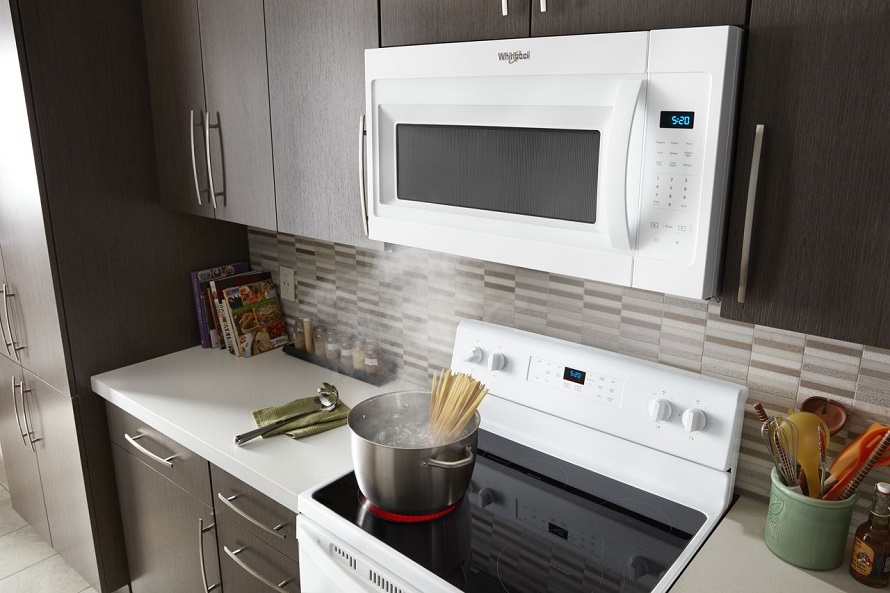
4 Often Overlooked Microwave Oven Advantages

Microwave ovens have been a standard feature in many kitchens for decades. And yet, many people still don’t use them to their full potential and some features are misunderstood entirely. This is unfortunate, a microwave oven can be a real time saver when you’re cooking a meal for your family. The latest microwaves have new features that make them even more useful for any busy homemaker. In this article, we will take a closer look at four microwave advantages that are often overlooked.

1.  Convection Setting Options

If you’re unfamiliar with your new microwave or you have an older model, you may be unaware of the convection settings. This is a baking mode that is typically found on some mid-range or high-end ovens, ranges, and wall ovens. A convection setting heats the foods from the inside to the outside much like a standard microwave oven. But, the flavors are sealed in to make the food more delicious and less prone to drying out. This convection action is achieved with a rear mounted fan that circulates the heated air throughout the oven. The result is a more consistent temperature that’s ideal for even baking. Certain microwave ovens now have a convection setting to cook food and heat leftovers evenly. That means that you can reheat last night’s pizza without the soggy crust and getting the perfect mac and cheese results are only a couple of button clicks away.

2.  The Defrosting Features

Many people have used the defrosting feature on their microwave ovens. In fact, some people may only use this feature and some basic reheating on a regular basis. But, defrosting with the microwave is incredibly efficient because you can thaw a pound of meat, poultry, or fish in just a few minutes. There is no need for any pre-cooking and select models even have a “Quick Defrost” or “Auto Defrost” setting to make this process even faster. This can be a real help if you’re preparing a larger meal or cooking in bulk for the week ahead.

3.  Improved Energy Efficiency

There are times when you need to reheat leftovers or a smaller casserole before you bring it to the table. Placing these foods in a full sized oven with a lot of wasted space unnecessarily consumes a lot of energy. This will drive up your energy bills and this can be avoided if you use the microwave oven. A microwave is smaller than a full-size oven and a countertop model tends to range from 0.5 up to 2.2 cubic feet. But, due to their design, they can still have a larger interior capacity than your oven starting at around 2 cubic feet. When you pair these characteristics with the faster heating times, it’s easy to see how a microwave oven could significantly lower your energy costs.

4.  Alternative Configuration Options

When most people think of a microwave oven they imagine a countertop or wall mounted unit with a door front loading door and simple controls. But, there are microwave ovens that don’t have a door, they slide out like a drawer! These appliances give a designer plenty of options when they want to create their perfect kitchen. A microwave drawer can be installed in a wall space, a kitchen island, or other locations. This can save valuable countertop space for food prep and the cooking progress can be monitored without removing the dish from the microwave. Another efficient option is a wall oven/microwave combo unit that gives you two great cooking options in one appliance.

If you need a microwave or other kitchen appliances for your home check out our online selection or ask one of our advisors for expert advice.
5 Great Ways to Save Energy in Your Kitchen

The kitchen is one of the most important rooms in the home. You start your day in the kitchen, with breakfast and a hot cup of coffee, it is a place to gather for family dinners and can even be the venue for entertaining friends. While you may not consider saving energy when you’re preparing a meal, the abundance of appliances and frequent activity means that when you can make energy savings, it can have a big impact on your home. So, here we’ll explore five great ways you can save energy in your kitchen.

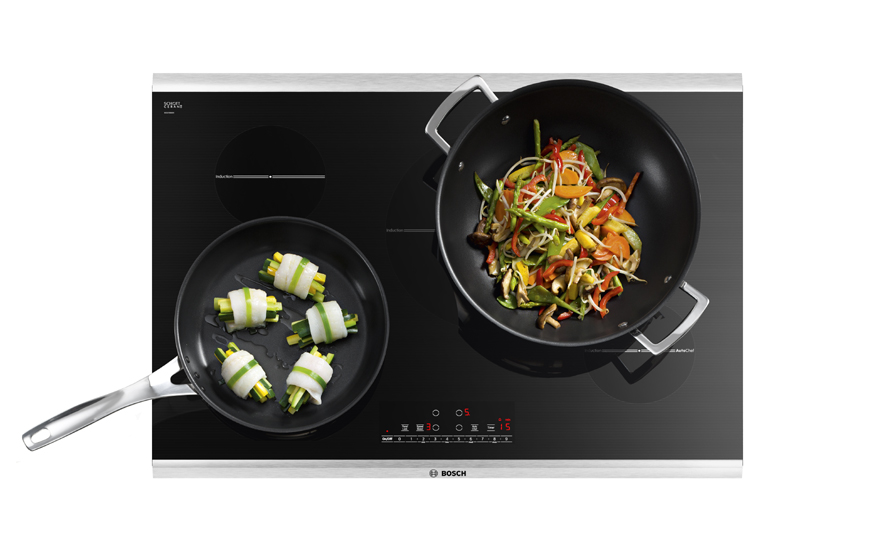
Upgrade to an Induction Cooktop

Induction technology uses magnets to directly conduct heat through pots and pans. This differs from the focused heat produced by a conventional cooktop burner. Each induction burner has a coil that generates a magnetic field that directly heats a ferromagnetic pot or pan placed on top of the surface. This provides more concentrated heat, and according to Department of Energy research, induction is 12% more efficient compared to a standard cooktop.

Keep Your Refrigerator Stocked

Refrigerators top the list of the most energy hungry appliances in the average home. This is logical as a refrigerator needs to continually run to keep your food cold. Unfortunately, this continuous use takes its toll, so you need to ensure your refrigerator is not outdated. According to Energy Star, if your refrigerator is fifteen years old or more, it is likely to be highly inefficient and using excessive amounts of energy.

Even if you have a brand new refrigerator, you can boost its efficiency by keeping it well stocked. While you don’t want to overstuff your refrigerator, the more items stored, the less air to be chilled. You also need to be wary about keeping the refrigerator door open, as this will allow warm air to enter, which requires energy to cool.

Fill Your Dishwasher

Dishwashers are another type of appliance that can use a great deal of energy. Federal standards continue to reflect new efficiency demands for dishwashers, so each model uses as little amount of energy and water as possible. This has lead to modern dishwashers being highly efficient compared to ones from ten or twenty years ago. Modern dishwashers use 4-6 gallons of water per cycle compared to 10 gallons on a model from the 1990s.

Unfortunately, even the most efficient dishwasher can waste energy and water if it is not full during a cycle. You can avoid wasting water and energy by only using your dishwasher when you have a full load, or using the half load setting for smaller loads.

Use Your Oven Convection Setting

Data from the California Consumer Energy Commission highlights that an oven convection setting can use 20% less energy compared to bake settings. Most modern ovens feature a convection setting that can save energy and produce more even cooking. The convection fan blows hot air throughout the oven cavity to cook food more evenly, efficiently and faster.

Identify Your Energy Vampires

Your kitchen is likely to contain a number of appliances that use “phantom loads” of energy. This means that these appliances draw power even when not in use. These appliances are known as “energy vampires” can cause a significant energy drain over time, so they should be identified and unplugged. Good examples of these appliances are toaster ovens, microwaves, and portable coffee makers.

Identifying an energy vampire appliance can be tricky, but you should look for appliances that have lights, a blinking indicator or a digital clock. You can also use a kilowatt meter to test the energy use of appliances not in use. According to Department of Energy estimates, a houseful of energy vampires could add up to $200 in energy bills each year.

If you would like to improve the energy efficiency of your kitchen, you can explore your options with this collection of High Efficiency kitchen appliances, or speak to a home appliance expert for a more specialist service.