
How to Clean Grease from Stainless Steel Surfaces

In recent years, stainless steel has become the most appliance choice. This is understandable, stainless steel surfaces look great, and they’re durable. But, certain appliances, including ranges and cooktops can have a grease buildup with frequent use. In this article, we will show you how to remove grease from stainless steel surfaces.

Washing with Soap and Water

Many liquid dish soap products are marketed as being tough on grease formations. They can be effective on light grease buildup and using dish soap should be tried first before you resort to other solutions. Mix a little dish soap in a bucket of warm water to create a bubbly cleaning mixture. Get a soft and clean microfiber cloth or a non-abrasive sponge and dip it in the cleaning water. Use the moistened cloth or sponge and scrub the stainless steel gently in the direction of the grain. This may be repeated a few times with a fresh sponge or cloth to get the surface clean. A nylon scrub brush can be used on areas that have caked-on grease deposits. When the grease is removed, use a clean and fresh cloth to rinse the surface with warm water and dry the surface with a towel.

Cleaning with Baking Soda and Vinegar

If you search for homemade cleaning solutions, you will discover that most of these cleaning recipes contain baking soda and vinegar. They are effective cleaners, deodorizing agents and they are kind on stainless steel surfaces. Combine equal parts baking soda and clean water in a bowl to form a thick paste. Use a soft cloth or spoon to apply this cleaning paste to the greasy areas. After 15 minutes scrub the stain with a soft nylon brush, and you must scrub in the direction of the stainless steel grain. Then, rinse the surface with clean water and examine the surface. If there are still grease deposits, apply some white vinegar to the remaining baking soda deposits. This will cause a gentle chemical cleaning reaction that will make the surface fizz. Brush the area clean, and you should have a clean and grease free stainless steel surface.

Baby Oil Restoration

There may be times when cleaning simply doesn’t remove stubborn grease stains. This can diminish the shine, but it may be possible to remove the stain with baby oil. Baby oil can dilute the oil deposits that form most of the grease stain which breaks it down for cleaning. The baby oil can be applied to the surface with a soft and dry microfiber cloth. The affected areas should be buffed in the direction of the grain, and this can be repeated multiple times as required. When you’re done, buff the oil with a fresh clean cloth to remove the residue. If you don’t have baby oil, it is possible to get similar results with mineral or olive oil.

Commercial Degreasers

If the DIY grease cleaning solutions shown above don’t work or you don’t have time to try them, there are widely available commercial degreaser products to try. When you choose a degreaser, check the label carefully to ensure that it will work with stainless steel. Certain cleaners and degreasers are designed for clear-coated steel, and other products work better on raw metal surfaces. A degreaser that’s formulated for stain steel is the best option and the manufacturer’s instructions should be followed carefully.

If you’re thinking about a new stainless steel appliance, explore your options with our online collection or for further guidance speak to a home appliance expert.
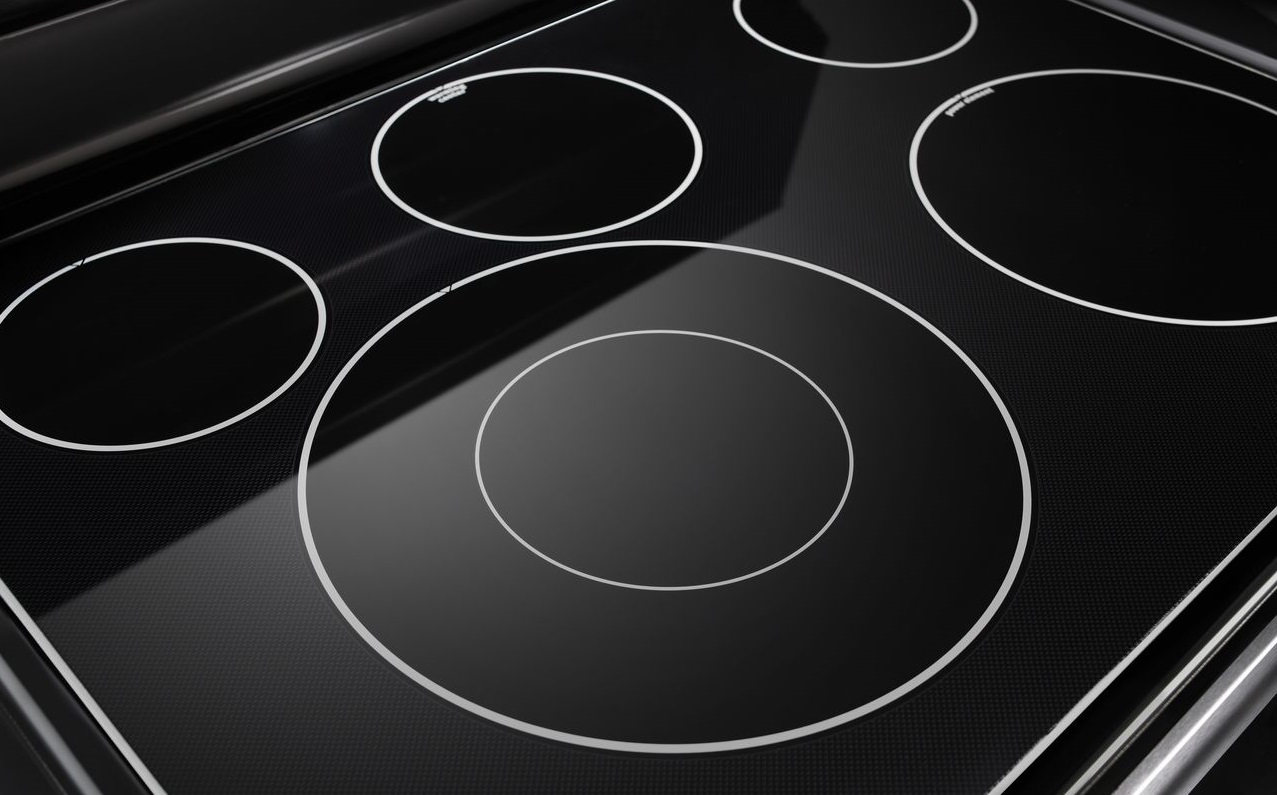
What is the Best Way to Clean an Electric Cooktop?

An electric cooktop is an attractive option for many people because it has a contemporary look, it’s simple to use, and easy to clean. But, for people that have previously used a gas stovetop, it can be a culture shock to be presented with a smooth cooktop surface. There are no gas burners to clean and it can be difficult to understand how to clean it properly. If you have a new electric stovetop or you’ve inherited one in your new home, this brief guide will help you to clean it efficiently.

Understanding the Differences

Before we begin, let’s take a look at some of the key differences that you need to understand when you approach this cleaning task. First, there is no need to search for chunks of burnt food debris that may be lodged in the gas burners.

Second, on most days you won’t need any kind of deep cleaning routine to keep your electric cooktop in great condition. A gentle daily scrub with some warm water and a kitchen sponge will go a long way to keep your stovetop clean, safe, and serviceable to use.

Lastly, at times you will want to give the stovetop a more comprehensive clean and scrub to restore some lost luster. This should be a weekly deeper cleaning process to remove any buildup of grease stains that may have occurred during cooking. This deeper cleaning is the focus of the remainder of our article.

Gather the Supplies

To clean your electric cooktop you will need the following supplies: a soft sponge, a ceramic scraper (this is optional), paper kitchen towels, a soft cloth, a glass cooktop cleaner, and warm soapy water.

Cleaning the Electric Cooktop

Before you begin make sure that the cooktop is completely cool to the touch to avoid burns and other injuries. To remove any loose debris use the sponge and warm water and wipe down the entire cooktop area as you would for lighter daily cleaning. When you’re done wipe the area with the dry soft cloth and kitchen towels until it’s fully dry.

Now it’s time to apply the cooktop cleaner, use a liberal amount, and gently scrub the surface with the kitchen sponge. The harsher scrubbing side of the sponge can be used to make circular movements to cover the cooktop with the glass cleaner. This takes a little time, there will be some areas that feel rougher to the touch than others. This indicates a buildup of grease that needs to be removed.

Those harder areas with a buildup of grease can be scraped clean with the ceramic scraping tool. These rougher areas need to be scraped and then scrubbed again with the cooktop cleaner. This should be followed with the sponge to clean the surface again and check for any remaining rough patches of grease. Go slowly, the ceramic scraper is designed to minimize scratching the glass but careless use can still cause visible damage. With repeated scrapings and wiping the glass stovetop surface should start to feel smoother as you rub the areas with the sponge.

The final stage is to remove the cleaner from the stovetop with the soft cloth or a few kitchen paper towels. When the surface is drier you can buff the glass surface with dry paper like you would when cleaning a window. With polishing, it’s possible to get the surface clean and shiny and you may be able to see your reflection in the glass.

If you’re thinking about a new electric cooktop for your kitchen, explore this online collection of cooktops or for additional help and guidance speak to a home appliance expert.