What Is Induction Cooking? And How Does It Work?

Due to its efficiency, preciseness, and safety, induction cooking has become increasingly popular in Los Angeles kitchens. Induction cooktops use advanced technology to heat pots and pans directly, while traditional gas or electric stoves indirectly transfer their heat to cooked food. This new way of cooking gives cooks at home and in professional restaurants a sleek and efficient solution to complete their mission. But what exactly is induction cooking, and how does it work? Let’s delve into the details and benefits of this exciting kitchen technology.

Understanding Induction Cooking

Induction cooking has revolutionized kitchen technology by directly heating pots and pans through electromagnetic fields. All other traditional cooking methods, from gas burners to electric stoves, rely on conduction and radiation. Gas burners heat up through an open flame, and electric stoves have heated coils warming cookware. In an induction cooktop, the heat is produced inside a cooking vessel directly through electrical induction.

How Induction Cooking Works?

These steps explain how induction cooking works:

Induction Cooktop

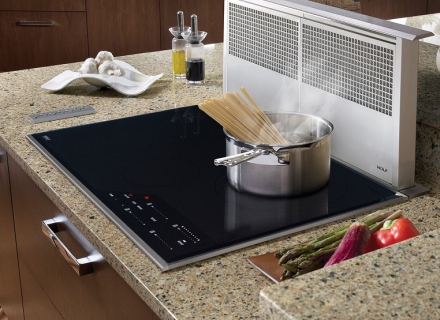
An induction cooktop, hob, or stove features a flat, heat-resistant glass-ceramic surface. Under this is a coil of copper wire. When the cooktop is powered, high-frequency alternating current flows through this coil, creating an oscillating magnetic field.

The Magnetic Field

The oscillating magnetic field produced by the copper coil does not generate heat directly. It creates an electrical current in any ferrous metal- that is, metal-containing iron-set upon the cooktop. Here comes into action your cooking vessel.

The Cooking Vessel

Induction cooking works only if the vessel is made of ferrous metal. This would typically include cast iron, carbon steel, and some grades of stainless steel. When this magnetic field meets with the ferrous metal in cookware, it sets huge eddy currents moving at the bottom of a vessel.

Heat Generation

These eddy currents flow through the resistance of the metal, directly heating the cooking vessel. The heat from the pot or pan is then transferred to the food or liquid it contains. Here, the process is efficient in minimizing heat losses by assuring that energy is used directly for actual cooking.

Advantages of Induction cooking

For many reasons, induction cooking is a prominent option in modern kitchens.

Speed and Efficiency

Induction cooktops warm up faster than traditional gas or electric stoves. Because energy is directly transferred to the cooking vessel, less heat is wasted on the environment. Hence, cooking with an induction cooktop is more efficient in using energy; cooking times are considerably reduced.

Precise Temperature Control

It allows for perfect temperature control while cooking. While a gas or electric stove may take a little time to get the desired heat, induction cooktops respond almost instantaneously to changes in heat settings. This kind of precision helps when cooking delicate dishes that require exact temperatures.

Safety

Another advantage of induction is safety. Individuals are far less likely to get burned because the cooktop remains cool during operation and gets hot only under the cooking vessel. This technology automatically shuts off when it fails to detect compatible cookware, preventing unintended turn-on. Moreover, no open flames translate to no risks of gas leaking or sparking into fire.

Easy Cleaning

Induction cooktops have smooth, flat tops that are easy to clean. The cooktop surface does not get too hot, so spillovers don’t burn onto it, making cleanup relatively easy.

Suitable Cookware for Induction Cooking

Cookware is one of the significant factors in induction cooking. Not all pots and pans work with an induction cooktop. Here are five kinds of cookware that work with induction:

1. Cast Iron

Cast iron cookware will work very well on an induction cooktop due to its high iron percentage, which makes it strongly magnetic. It distributes the heat evenly and retains its perfect features, suitable for slow-cooking and simmering.

2. Stainless Steel

Stainless steel cookware is used with induction cooktops. Not all stainless steel, however, is magnetic. The point here is to check for induction compatibility before buying. Some stainless steel cookware has added a layer of magnetic material to make it induction-friendly.

3. Enameled Cast Iron

Another excellent choice for induction cooking is enameled cast iron. It offers all the benefits of inbound-iron cookware, plus it has an enamel coat to make cleaning easier.

4. Carbon Steel

Carbon steel pans perform very much like cast iron and work with induction stoves. They are fast heating and can be used for varied cooking methods.

5. Induction-Compatible Cookware

Nowadays, many manufacturers create cookware designed for induction cooking. These pots and pans are branded as compatible with induction cooking and mostly have a magnetic bottom.

The Induction Cooking Experience

Induction cooking does require some adjustment, mainly if you are accustomed to cooking on gas or electric stoves. Here are things to bear in mind:

Cookware Compatibility

As noted earlier, not all cookware is induction-compatible. You’ll need cookware with a bottom material made of ferromagnetic material. A simple test to check if your cookware will work on an induction cooktop: see if a magnet sticks to the bottom; if it does, it will work.

Different Cooking Methods

You may have to work differently because induction cooking is very efficient. You may be using lower heat settings than those you have been used to, as induction quickly raises the food temperature.

New Sounds

Induction cooktops occasionally produce humming or buzzing sounds. This is normal and caused by the electromagnetic field interacting with the cookware. High-quality, heavy-bottomed pans tend to minimize this effect.

Visual Cues

If you are used to cooking on gas, you may miss the visual cue of the flame. Induction cooktops often have digital readouts for power levels, but it can take a little habituating.

Final Thoughts

Induction cooking works very fast and efficiently, saving time and ensuring safety in the kitchen. Appreciating how induction cooktops work and using suitable cookware will further enhance your cooking experience. Whether you’re a professional chef in Los Angeles or a home-oriented cook, induction cooking helps to gain more functionality in your kitchen while easing up meal preparation. If you want a new cooking appliance, induction cooktops might be precisely what your home needs.

Visit your local kitchen appliance store to check out your options.

Steps to Choose the Best Microwave for Your Kitchen

Kitchen appliances are necessary in this fast-paced world where everyone looks for comfort and convenience while cooking meals. Many kitchen appliances exist, but microwaves are the most indispensable and important kitchen appliances today. It is no longer an optional luxury; instead, it has evolved to become a necessity that performs a wide array of functions. The functionality of the microwave is not only limited to reheating or defrosting, but it has also become a fantastic appliance that helps cook delicious and healthy meals. Everyone needs This culinary ally in the modern kitchen as it performs many functions like heating, defrosting, baking, cooking, grilling, and steaming. With technological advancements, the functions and features of microwaves are evolving every day, and the need to choose the best microwave has become even more important. Whether buying a microwave for the first time or replacing the old model of this appliance, it is essential to have valuable insights into the type of microwave available in the market. Choosing the most versatile and convenient appliance can be a great relief, so you’ll need to explore the various options before making an informed decision about your purchase.

Steps to choose the best microwave for your kitchen

Types of microwaves- three types of microwaves are available in the market, which includes-

Over-the-range microwaves come with features where the odors and smoke from the cooktop are removed for more efficient cooking.

Built-in microwaves—When facing a space shortage, you should choose this option, as you won’t need extra counter space for the microwave.

Countertop microwaves are the most popular and affordable option. They are preferred due to their ease of use and convenience, as installing the appliance in your kitchen is unnecessary.

Know the different sizes– the microwaves are measured based on their external and internal dimensions. The selection of the perfect size depends on the size, layout, and design of your kitchen so that the appliance can fit into the available space. The internal dimensions relate to the interior space present for cooking, baking, or grilling, while the external dimension relates to the overall space of the appliance. While considering the size, you also need to ensure ample ventilation space is available for the proper usage of the appliance. The size is also measured in liters, and the selection should be done according to the size of your family and cooking requirements.

Choose the right power and wattage– Wattage measures the microwave energy consumed. This also determines how quickly and efficiently food is cooked, and hence, for appropriate cooking, you need to choose an option with 1100 or 1200 watts. The microwave’s wattage is directly related to the period within which the food is cooked and heated. Please look at your cooking needs when selecting a microwave that can be precisely what you have been looking for.

You can find out the usage instructions- microwaves are considered a must-have appliance for every household, and they have revolutionized the way of cooking foods. For a seamless cooking experience, you should choose an easy and convenient appliance with simple cooking instructions—always looking for a model with a delicate touchpad, transparent displays, and intuitive controls so that cooking can be done without any hassles. It is also essential to look for an appliance that can be cleaned and maintained easily without elaborate procedures. For this, you should look for models that come with flatbed or turntable design, and they should be made of ceramic or stainless steel as these are the most easy-to-maintain options.

Consider the price—Along with the microwave’s features, you must also consider its price, as it is one of the most critical considerations in determining the final selection. There might be many options for microwaves available in the market, but you should always keep in mind your budget to make the final decision. For a low budget, you should look for an affordable countertop microwave. Still, it would be best to choose an over-the-range or built-in microwave for a more elegant, practical, and innovative option.

Please be sure to look for additional features– different models and brands of microwaves have various features and options for usage. You must explore all these features to select the appliance based on your needs and preferences. The most popular features that you need to look for in the microwave include-

Power rating—It is essential to check the microwave’s power rating, which may vary from 600 watts to 1500 watts. Choosing higher watts means you will get quick and efficient cooking within a short period.

Controls—The microwave must be selected based on easy-to-use controls that make cooking seamless and enjoyable. Always look for an appliance with an easy user guide so that you won’t face any difficulty using it.

Automatic defrosting is an important feature that makes defrosting easy, quick, and convenient. You will only need to enter the type and weight of the food to defrost it. This desirable feature is convenient for anyone who loves eating ready-to-eat frozen food, as it can be defrosted easily within a short period.

Child lock features—Anyone with small kids needs to choose an appliance with child lock features for their kids’ safety. This feature is extremely beneficial as you can set a code that needs to be entered every time you use the microwave. Hence, your child will not use the microwave even when you are absent, so there are no risks or hazards associated with using this appliance.

Contact your local appliance retail store to help you navigate.


What Is a Convection Oven and When & How to Use It

Today, home appliances are a far cry from where they used to be. The convection oven is one of the most valuable kitchen inventions, undoubtedly changing how we cook. As you read this article, you will become familiar with what a convection oven is, how it operates, and its efficient methods to enhance your cooking process.

Baking is a science and an art that needs the right equipment to become a masterpiece. This three-compartmented traditional oven has been used for decades and has recently been supplemented by Convection ovens. If you are interested in a convection oven and have wondered why it is different or how it can improve your food, then you are at the right place. This blog will go over all the mechanics, the advantages or disadvantages, and the uses of a convection oven to assist you in honing your culinary skills.

What are the characteristics of a Convection Oven?

The convection oven uses a fan and a blower to distribute hot air all over the food that needs to be cooked or baked. This differs from conventional ovens, which use only direct heat from the top and bottom heating features. A circulating air system used in convection ovens distributes heat evenly, making them easier to cook and, sometimes, even quicker than conventional ovens.

How Does It Work?

In a convection oven, a fan circulates the hot air, eradicating the temperature variations that traditional ovens have and which affect cooking. Besides evenly cooking the food, it also assists in browning and crisping the food more efficiently. The exhausted system also removes moisture, giving it an added advantage in roasting and baking, knowing that they require dry heat.

Types of Convection Ovens

There are several convection ovens: countertop, wall-mounted, microwave, and convection oven hybrid. All types share the convection baking technology but may differ in added facilities, dimensions, and cost. Small appliances like countertop models are convenient for those with little kitchen space or who need an additional oven, while wall models are desired for frequent bakers and roasters needing more baking space.

To sum up, if you wish to make the best of frozen food and obtain a crispy, juicy, and tender result with never-more moist meals, pay attention to the mentioned above tips and use a convection oven when:

Convection ovens are very flexible and have many uses, as seen in the above examples.

Here are some scenarios where a convection oven truly shines

Baking

Convection ovens are perfect for baking because they circulate heated air, essential for goods like cakes. Cookies, cakes, and pastries bake well at a constant heat and thus are evenly browned and cooked to perfection. The dry heat also assists in attaining a crispier crust among breads and pies.

Roasting

Browning meats and grill-like preparation of vegetables is possible in a convection oven. The circulating air helps toast the food on many sides, and dry heat is needed to get a nice brown crust. For instance, baking a chicken or turkey will make the outside brown and crispy while the meat is tender.

Dehydrating

Convection ovens are also perfect for dehydrating fruits, vegetables, and even meats for homemade snacks such as dried fruits and jerky. The fan and exhaust remove the moisture, thus shortening the dehydration time compared to oven dehydration.

Reheating

It is not a secret that meals reheated in a convection oven are usually better than those in a microwave. The even heat distribution implies that the heated food becomes smooth while acquiring the intended heat.

How to Convection Oven

Working with a convection oven may differ slightly from a conventional oven, so it is vital to know the difference.

Adjust the Temperature

It is important to note that when baking in a convection oven, most chefs and cooks suggest lowering the temperature by approximately 25 degrees compared to a regular oven. This assists in better heat dispersion and avoids burning meals on the outer side while remaining raw on the inner side.

Monitor Cooking Time

Because foods cooked in a convection oven cook faster, monitoring them as they are being cooked is advisable. Gently begin giving a test before the recipe’s stated time for the cake to be fully baked. Eventually, you will learn the extent to which your convection oven bakes food more quickly.

Use Appropriate Cookware

The best dishes for maximizing convection effects are shallow baking pans and trays. Do not use deep, covered dishes; they will limit air circulation and nullify the convection baking process.

Avoid Overcrowding

Shelter all the items in the oven so that there is sufficient space around them so hot air can circulate. An obvious problem is overcrowding, where some parts of the food are not exposed to the circulating hot air.

Experiment with Settings

Most convection ovens have different controls for the heat required, including convection bake, roast, and convection broil. Try these settings in your preferred dishes and see which would complement your cooking style.

Conclusion

As shown above, adding a convection oven is very useful for any kitchen since it has many characteristics not found in a conventional oven. Because of its efficient heat distribution across the food, it is suitable for baking, roasting, dehydrating, and reheating, among other things. Once you know how to cook with a convection oven, your cooking and the taste of the foods you cook will improve.

Adding a convection oven in your kitchen can move you to the next level for the professional cook or the hobbyist preparing his first meal. Thus, each time you purchase a new oven, it may be helpful to contemplate the benefits of convection cooking and how it may enrich your home-cooked dishes.

Contact your local kitchen appliance specialist for further assistance.

How the Dishwasher Has Changed Our World

Many people were raised washing dishes as one of their chores, but this is increasingly rare as the years go by. The invention of the dishwasher, its evolution into a must-have home appliance, and its wider adoption by the public is an exciting story. The modern dishwashers we have today have a host of valuable features. But, this was not always the case, and the origins of this appliance stretch back around 160 years!

When Was the Dishwasher Invented?

Like many inventions, several people were working on similar ideas simultaneously. However, in the way we think of this appliance today, the earliest incarnation of a dishwasher was a patent issued in 1850 to Joel Houghton. This design was wooden; the dishes were placed inside, and water was sprayed. The appliance could only be cranked by hand and only splashed water on the dishes. This was extremely basic, but the principle was similar to how modern dishwashers are designed.

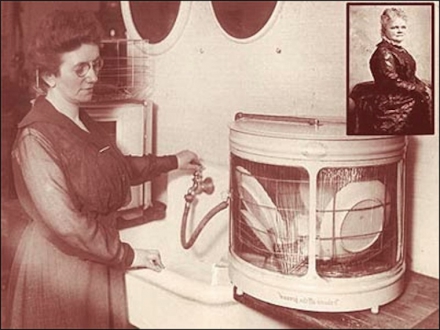
Later, a second inventor named Josephine Cochrane improved the initial design to create an automated appliance. A copper boiler with a wooden wheel could be driven by power or hand using a pulley. The dishes sat in wired compartments sprayed with hot, soapy water and spun.

The inventor created this design because she was fond of entertaining, and her servants repeatedly chipped her prized 17th-century dishes. She washed the dishes herself to mitigate the damage, but she hated it and wondered why there wasn’t an appliance to make it easier. Her dishwasher was ready for testing in 1886. It was a practical improvement on the earlier design, and people loved it.

Josephine Cochrane and George Butters built the final design in 1889, calling it the “Lavaplatos.” This dishwasher was later presented in a working format at the Chicago World’s Fair in 1893. It was a modest success among the rich who could afford this specialized appliance.

Willian Howard Livens invented the first machine-powered dishwasher in England. He created a dishwasher in 1924 powered by an electric motor spraying water over the dishes. On a darker note, Livens invented flame-based and chemical weapons that were put to horrific use in both the First and Second World Wars! Sadly, this dishwasher design was far ahead of its time, and widespread adoption would have been impossible. The design worked well; it had a front door for easier loading and a rotating spinner to spread the water equally. However, most homes didn’t have indoor plumbing, and only incredibly wealthy people could install one. In 1940, Livens added drying capabilities to his dishwasher to speed up the drying process. Commercial success still eluded him, and his invention was not affordable or practical for most households. Other inventors built on this design in the post-WW2 years to perfect and add elements that would make dishwashers viable for more people.

A dishwasher was a luxury appliance until the 1950s, when the designs began to evolve rapidly, and the prices became affordable. Drying functionality had been invented in the 1940s, but it increasingly became a necessity until it was a standard feature from the 1970s onwards. The introduction of automatic dishwashers was when these appliances began to catch the public’s imagination. These appliances had a heating element to increase the water temperature, a detergent dispenser, and multiple wash cycle modes.

7 Features That Defined the Modern Dishwasher

The technological advances found throughout the post-WW2 economic boom were gradually adopted into dishwashers and other household appliances. From the 1970s until the present, the evolution of transistors, circuit boards, computing, and other technologies facilitated rapid changes for the better. Let’s take a look at seven key features that went on to define the modern dishwasher:

  • Quiet Operation: The early bulky dishwashers were loud, and you didn’t want to be in the same room as they were washing the dishes. Gradually, the designers added insulation and sound-dampening materials to soften the noise and vibrations. A modern dishwasher is quiet; you can run it anytime without disturbing anyone.
  • Multiple Wash Cycles: The first dishwashers had a single wash cycle for every type of dish, no matter how soiled it may have been. The introduction of multiple wash cycles was a revelation. The wash cycle could be specified to meet a specific need, making it much easier to wash glassware and heavy-duty dishes separately.
  • Adjustable Racks: The older machines were inflexible regarding efficient space management and load or unloading. Over time, many manufacturers added fold-down times and adjustable racks to make dishwashers more flexible. From that point, it was much easier to fit dishes of all shapes and sizes in the dishwasher for thorough cleaning.
  • Advanced Water Filtration: The earliest dishwashers simply forced a lot of water through the appliance or circulated the increasingly dirty water multiple times. But, the addition of advanced filtration systems ensured that only clean water could circulate the dishes for the duration of the chosen cycle.
  • Energy Efficiency: As dishwashers became purely electric appliances, there was always going to be a need for improved efficiency. The best modern Energy Star-certified dishwashers use less energy and water without compromising cleaning power. This reduces utility bills and lowers the environmental impact at the same time.
  • Sensors: The invention and adoption of dishwasher sensors improved the wash cycle selection. A modern dishwasher can detect dish soiling and automatically adjust it to save energy and water.
  • Smart Technology: Today, dishwashers have intelligent features that can be monitored and controlled via a smartphone app.

Dishwashers Making Chores Simpler

Now, around 75% of American homes have a dishwasher that is affordable and easy to use. Most are equipped with racks and removable trays; they have efficient rotating spray arms and pre-soak cycles. This appliance is an incredible invention, but its importance in the modern world is only becoming apparent to many people. One of the most exciting things about modern dishwashers is that they use 5,000 fewer gallons of water than washing dishes by hand. According to the EPA and US Department of Energy, the best ENERGY STAR models are not more eco-friendly. They are still a real time saver.

The Sanitary Benefits of Dishwashers

These earlier incarnations of the dishwasher were purely invented to deal with a troublesome chore. Most people don’t enjoy washing dishes by hand, which was equally valid in the past. But those earlier inventors didn’t know that what would become the modern dishwasher is far more sanitary than washing by hand.

A modern dishwasher uses hot water and spray nozzles that can be adjusted for different types of dishes and loads. The temperatures inside the appliance can reach up to 145ºF, and no human hand can withstand washing in hot water. Detergents used in dishwashers have also advanced. These products remove bacteria and germs from dishes better than simple soap.

Another factor affecting the cleanliness of dishes washed by hand is the sponge we use to clean them. The surface of the sponge is coated with bacteria and other microorganisms. Studies have found almost 400 bacterial species on a single household sponge used for washing dishes. This incredible density equates to around 45 billion bacteria per square centimeter.

How to Choose the Right Dishwasher

A modern dishwasher has never been more affordable. Even with the current supply chain issues, there are plenty of models to choose from. The best appliances come with features that are probably overkill for most of us. But if you want the latest smart technology to control your dishwasher remotely via WiFi, you’re good to go. Even a basic dishwasher is packed with technology that would have been impossible a few decades ago.

There are now full-sized, slim dishwashers for every kitchen space and budget. Get a full-size dishwasher if you’re single or a couple that entertains frequently or has kids that come home on weekends. But make sure it has a half-load cycle to save energy and water when you don’t need to fill it. Although an Energy Star-certified dishwasher costs more, it’s well worth the investment. These appliances use less energy and water, which more than makeup for the higher purchasing price in the medium to long term.

In Conclusion

The development of the dishwasher from its earliest beginnings to the modern day has been astonishing. A simple wooden box with a rack and hand-cranked paddles has become an efficient appliance that most of us couldn’t live without. So, if your kids start to complain about loading or emptying the dishwasher as a chore, remind them how things used to be. If you’re looking to replace an aging dishwasher with a more efficient model or need to schedule a repair for your existing model, contact a home appliance professional for further assistance.


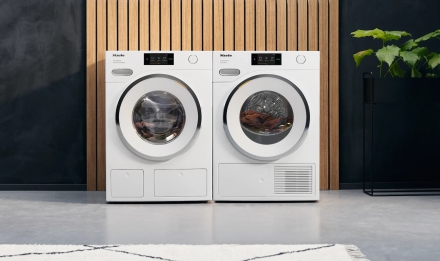
Sanitizing your household wash with the Miele W1 Washing Machine

Clean clothing provides a literal barrier protecting us from bacteria and viruses lurking on surfaces which can enter eyes, noses, and mouths provoking illness without proper laundering hygiene. So beyond stains removal, achieving medical-grade sanitization in home washing proves vital.

As experienced home appliance retailers serving customers for over 20 years, we’re familiar with the exceptional cleaning capabilities engineered into premium German-made Miele washing machines making them the gold standard for sparkling laundry. Specifically, the innovative Miele W1 line offers specialized high-temperature sanitize settings and cleaning programs verifiably eliminating 99.9% of pathogens from fabrics while still safely handling delicate items.

This comprehensive overview details W1 sanitizing cycles capabilities meeting pandemic era guidelines from the CDC, while tackling considerations from properly handling contaminated laundry to maintenance washing empty machines. Expect science-backed insights on achieving maximum germ eradication supplemented by first-hand recommendations direct from Miele’s product experts. Let’s explore the brilliant bacteria-busting performance differentiating these revolutionary laundry machines from all rivals!

CDC Best Practices – Handling Contaminated Laundry

When illness strikes families, stopping infectious bacteria and virus spread requires strategic laundering actions per CDC scientists including:

  •  Handling soiled linens with disposable gloves changed after, followed by handwashing
  •  Avoiding shaking dirty items releasing pathogens outward through the air
  •  Washing confirmed contaminated fabrics separately on hot sanitize settings
  •  Using diluted bleach plus high wash temperatures killing viruses and bacteria fully
  •  Line drying then ironing laundry after cycled heating achieves added viricidal effects

Heeding such guidance protects loved ones from increased exposure when vulnerable. Fortunately, the W1 product family delivers the exact capabilities central for compliance.

Specialized Miele W1 Sanitize Cycles Explained

While no current regulations define official “sanitize” cycle protocols across the appliance industry universally, Miele engineers designed the W1 washers to achieve medical-level 99.999% sanitization matched only by commercial machines costing thousands more. Customers simply select specialized programs utilizing potent combinations of temperatures, times and mechanical actions eliminating infectious bacteria and viruses decisively.

The credentials affirming sanitization effectiveness stem from independent lab testing data verifying extremely high reductions meeting published sanitization thresholds alongside real-world customer feedback confirming experiences. Outperforming in such demonstrable pathogen removal capabilities makes the W1 uniquely reliable for protecting health.

Exact Sanitize Cycles Specifications:

  • -Sanitize Wash – Minimum 149F x 20 Minutes
  •  Clean Machine Wash – Maximum 176F x 2 Hours
  •  Default Option – 163F x 1 Hour

Multiple interlocking defensive layers drive potency:

1) Extra Hot Temperatures – Maximizing wash temperature settings to the models’ peak heating capabilities fast-tracks killing bacteria and viruses most susceptible to thermal degradation.

2) Extended Cycle Times – Delayed yet gradual heat penetration coupled with prolonged exposure durations gives accumulated warmth essential opportunities thoroughly permeating internal fabric layers plus embedded grime fully that rapid washes never achieve.

3) Robust Mechanical Actions – Unique honeycomb drum paddle configurations churn and flip laundry continually ensuring heat contacts all areas consistently, not just outer layers, yielding meticulous disinfection.

Superior Motor Performance

A key technical advantage allowing Miele to reach industry-leading maximum hot temperatures up to 176F remains their heavy-duty commercial grade laundry motors and internal heated line water piping.

Rigorously designed, tested and warrantied to enable 500% greater peak period usage than competitors predominantly relying on cheaper lightweight drives failing far sooner, these proprietary Miele-built motors withstand over a decade of reliable service for consistently optimal bacteria-eliminating functionality saving owners thousands long-term.

Intelligently Programmed Machine-Washing Capabilities

In addition to formidable spin speeds, advanced electronic controls enable configuring fully customized washing programs tailored to unique laundry loads using any combination of temperatures, spin frequencies, soak times and enzymatic detergent plus bleaching additive injection.

Whether presets selected or manually configured through an intuitive dials and touch displays, the brilliant W1 brain reliability guides machine resources delivering precision execution matching needs flawlessly. This allows reliably treating everyday linens to heavily soiled uniforms for frontline healthcare professionals decisively eliminating infectious pathogens in one wash without concerns.

Carefully Designed Detergent Dispensing Drawers

Meticulously engineered detergent and fabric care additive dispensing drawers establish optimal dilution ratios introduced at ideal wash cycle initiation points for maximizing cleaning efficacy.

Precision volume chambers eliminate messy measuring guesswork introducing exactly enough solutions to companion proprietary programs capabilities for powerfully dissolving and removing a broad spectrum of both stubborn dirt and germs decisively in varying load sizes all while automatically adapting usages minimizing waste.

Unrivaled Wash Performance for Numerous Fabric Types

Notably, the W1 achieves such extraordinarily effective sanitization and stain eradication without compromising fabric protection typically through gentler customizable programs catering to delicates like silks or woolens needing special care. This avoids offsite dry-cleaning bills making machines convenient luxuries paying dividends daily.

W1 models offer specialized cycles for 16 fabric types protecting fine fabrics and expensive garments beyond expectations including:

– Delicates/Silks

– Woolens – Cold to Warm Only

– Denim Jeans – Medium Soils

– Outerwear – Water-Repellent Items

– Sportswear – Sweat and Soil Removal

– Sneakers – Soiled Canvas Shoes

– Down Items – Retain Loft

– Curtains – Reduce Fraying

– Plush Toys – Protect Fiber Integrity

– Pillows – Maximize Fluffiness

– Mattress Pads – Hypoallergenic Cleansing

– Cottons – Avoid Pilling and Fraying

– Linen Shirts & Tablecloths – Enhance Suppleness

– Towels – Renew Thirstiness

– And blankets, duvets, etc

This versatility handles the widest range of fabric washing challenges like removing fungus spore allergens from bedding securely.

Supplementary W1 Sanitizing Wash Guidelines

For customers seeking the most vigorous sanitization potency, Miele experts recommend enhancing cycles further through:

  • Prewashing: Particularly soiled laundry like kitchen rags, baby onesies or medical scrubs often warrants targeted prewash treatment using unique enzymatic detergents lifting ground-in residue protecting underlying fabric integrity before intensive sanitization.
  • Oxygenating: Miele’s patented honeycomb drum structure allows infusion of purified cold oxygen molecules throughout wash cycles via detergent options optimizing dissolution. This “bubble effect” tackles embedded soiling.
  • Extending Times: Whenever sanitizing laundry potentially containing viruses like bathroom hand towels used when family members experience colds or flus, consider customizing default sanitize cycle times adding 10-15 minutes for added protective assurances.

Empty “Clean Machine” Wash Importance

Since any bacteria loosened during washing cycles theoretically risks reattachment on drum interior surfaces gradually accumulating into biofilm layers defying future removal, Miele thoughtfully engineered specialized high temperature empty “Clean Machine” maintenance washes.

By selecting this cycle monthly sans any laundry inside, the intense heated turbulence eliminates up to 99.999% of accumulated germs and bacteria that might fester internally. This leaves wash vessels optimally sanitized afterward for peace of mind that future family garment loads remain drum contact contamination-free even cleaning highly soiled work coveralls right after. Plus reminder alerts signal optimal timings protecting operations.

Drying Sanitized Laundry – Miele T1 Dryers

For customers also utilizing Miele tumble dryers after sanitized washing finishes, selecting highest heat settings adds supplemental microbe protective kill effects helping households block illness spread through laundered textiles proven endangering vulnerable family members. This achieves multi-pronged verifiable germ eradication laundry centers rivals simply cannot match.

Investing In Miele W1 Excellence

Considering unsanitary laundry remains a scientifically validated top household infection disease transmission route when improperly sanitized, numerous customers including savvy medical professionals living alongside immunocompromised family members continue consistently investing in customizable Miele W1 washing machines specifically for their globally validated forced-air and surface sanitizing cycle capabilities scientifically proving unrivaled by any competing appliance brand year over year through both independent lab testing and customer satisfaction results surveys.

This built-in programmable protection provides wide-ranging customizable defenses matching changing infection risks and living proximity dynamics proactively restoring invaluable household health risk reduction and peace of mind that no amount of money alone spent reactively can reliably buy later reacting to spreading situations after vulnerable individuals succumb. The old adage “prevention trumps cure” proves wisely applicable when families struggle safeguarding members fighting underlying risky medical conditions against progressive environmental dangers easily mitigated through proper planning and upgraded equipment.

Notable examples abound locally of informed families struggling firsthand through cancer battles or transplant therapies prioritizing these specific supplemental Miele models providing them programmable washing customize-ability, commercial-grade temperature sterile kill cycles, empty “Clean Machine” maintenance settings and remote mobile monitoring alerts features that competing brands overlooked excluding absent the same urgent real-world needs for change after late-stage preventable infections occurred taking loved ones tragically.

Conclusion

During challenging times when concerning viral and bacterial threats increasingly loom on surfaces and fabrics we contact daily, premium home appliance leader Miele proudly stands by families and health professionals offering industry-leading laundry solutions with scientifically validated capabilities to tackle infection spread risks head on.

The ingenious German engineering masterfully built into advanced feature-packed W1 washing machines deliver certified sanitization effectiveness matching commercial institutional equipment costing exponentially more for a fraction we can arrange financing on without credit checks. This provides invaluable defensive protection options where compromised immune systems remain endangered absent such leveled precautionary upgrades taken.

Specifically, the W1 machines officially verify elimination of a minimum 99.9% of common illness-causing pathogens including SARS and coronavirus surrogate organisms absent on rival units through configurable high temperature empty “Clean Machine” maintenance washing meeting medical microbiological guide lines.

Supplementary oxygenation detergent options bubble activate grime removal while commercial-grade heavy duty motors withstand over a decade of peak sanitization functionality outlasting cheaper brands by years before repairs become necessary by design. This all makes the W1 product family uniquely reliable for restoring peace of mind that the very laundry protecting loved ones won’t endanger health further when threats feel closest.

Contact us anytime online for wide-ranging W1 tailored installation guidance defending home environments with customizable maximum germ eradication effectiveness matching commercial institutions but from the convenience of full-service in-house laundry rooms. Consultations also provide W1 environmental disposal upgrades lowering lifetime carbon footprints year-over-year as bonus incentives!

The Latest Trends in Kitchen Appliances: Upgrading Your Culinary Experience

Kitchen remodels allow reimagining our beloved household hubs aligning with evolving lifestyles through refreshed aesthetics and enhanced appliance functionality. Beyond surface-level cabinet and flooring upgrades, transforming how we cook, cleanup and preserve ingredients requires clever innovations matching modern desires around convenience, flexibility and connectivity.

This guide explores the most exciting kitchen appliance trends providing inspirational perspectives showcasing what forward-thinking features to expect from 2023’s newest offerings setting the pace making renovated spaces uniquely your own while maximizing every inch. Let’s explore the creative potentials in additional detail…

Seamless Open Floorplan Integration

The open concept kitchen design phenomenon only accelerates thanks to cleaner integrated built-in appliances practically disappearing seamlessly into surrounding cabinetry or walls. Clutter diminishes as appliances elegantly embed directly into existing layout footprints rather than jutting awkwardly disrupting countertop sightlines.

Entry-level models like cooktops or refrigerators offer cost-effective ways fully concealing ranges cleverly via custom wood paneling matching existing cabinet finishes. High-end luxury suites allow entire professional-grade series to encapsulate behind floor-to-ceiling custom cabinet facades for supreme polished integration. However you envision your kitchen’s revitalized heart, embedded elements help maximize usable space for prep and dining while minimizing visual distractions so conversations flow easily throughout the home’s newly expanded entertainment areas.

Some popular built-in appliance configurations include:

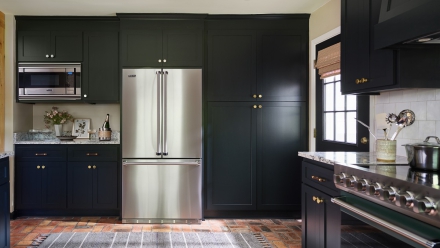
  • Refrigerator Columns: Install side-by-side refrigerators directly into wide cabinet banks using custom wood facial panels continuing materials and finishes for seamless built-in illusion. Reclaim several feet of floorspace.
  • Behind-Range Backsplashes: Construct unified range and vent hood feature walls with granite, tile or wood backsplashes flowing seamlessly behind ranges rather than disjointed standalone pieces looking disconnected.
  • Peninsula Built-In Microwaves: Skillfully embed microwaves straight into kitchen peninsula cabinetry maintaining continuous sightlines rather than appearing tacked on as an afterthought.

Islands With Cooktops & Ventilation Built-In

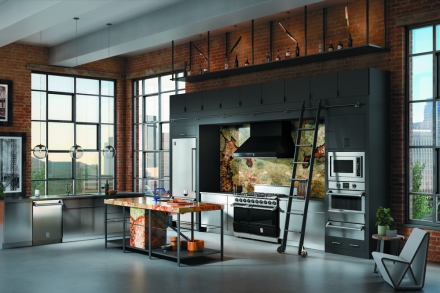
Islands continue growing exponentially in popularity and creative applications thanks to their inherent flexibility expanding prep zones and gathering spots for guests or families. Strategically installing range tops or cooktops directly into island countertops maintains efficient cooking flows while centralizing chef focal points conveniently facing the rest of the living space rather than isolating cooks.

Integrated downdraft ventilation systems further maintain clean sightlines by discretely capturing cooking odors and particulate down through narrow slits around range top edges rather than requiring bulky exposed overhead range hoods obnoxiously interrupting overhead airspace and visibility.

Some standout island range features catering ambitious home chefs include:

  • Powerful Commercial-Style Burner Options: Specialized 25,000 BTU power burner elements generating intense bowl-shaped flames wrapping around wok sides mimic authentic restaurant venues.
  • Expandable Cooktops: Industry-first range tops stretch side-to-side creating oversized unified cooking surfaces handling the very largest grill pans and ovenware rather than limiting possibilities by conventional defined dimensions.
  • Overhead Infrared Broilers: Factory-installed commercial salamander broilers producing 500?F+ infrared searing heat from above rather than just below adds restaurant repertoire!

Whatever culinary feats your next dinner party menu demands, islands cleverly position top-tier appliances purposefully within efficient work triangles simplifying even the most elaborate meal production almost effortlessly!

Smart Appliance Integration & Automation

Perhaps the most revolutionary kitchen appliance upgrades involve embedding next-generation smart technology and Wi-Fi-based remote control into appliances for unprecedented oversight, notifications and voice-assisted command potential through Internet of Things integration.

Cloud-connectivity provides real-time operational alerts like usage timers and completion notifications so homeowners manage kitchen workflows seamlessly from afar. Diagnostic service notices allow proactively addressing minor part issues before catastrophic breakdowns arise through preventative maintenance. Smart oven cameras permit monitoring entire cook cycles remotely from the convenience of your smartphone – skipping unnecessary kitchen checks fearing burnt casseroles!

Touchscreen interfaces and intuitive food-focused menus replace tactile knobs and analog dials modernizing appliances with software responsiveness rivaling tablets or smartphones. Cutting-edge artificial intelligence integration even customizes targeted cooking algorithms adapted in real-time to precision perfection aligning each dish’s recommended preparations with sensor conditions.

With technology partnerships unlocking unprecedented smart potentials, new kitchen appliances give home chefs confidence unleashing unrealized culinary creativity once bottlenecked by human limitations now augmented through machine assistance and seamless mobile connectivity.

Mix-and-Match Material Finishes

Unleashing personalized design expressions involves mixing up finishes beyond uniform stainless across all appliances. Play with contrasts like integrated wood paneling matching cabinetry faces or go bold showcasing vibrant pops of color contrasting neutral backdrops. Graphite black and antique white exterior finishes also increase options.

Restaurant-inspired commercial ranges and hoods emulate exquisite professional venues through cleanly polished edges, pro-style handles and industrial-chic materials signaling artisan craftwork. Carefully incorporate further accent pieces like an azure blue double oven or jewel-toned refrigerator punctuating style statements against more neutral cabinet canvases.

Don’t overlook small appliances and accessories complementing your signature palette either – stand mixers, blenders and mixer bowls come in a rainbow of colors and patterns aligning any design vision or mood. Confidently blend appliance finishes as artfully as ingredients reflecting how personalized kitchens set scenes for inspired dining journeys!

Temperature & Humidity Controlled Pantries

Rethink refrigeration footprints by increasing food preservation capacities with expanded under- and counter-top specialty refrigeration units specifically engineered keeping fruits, vegetables, meats perfectly fresh for weeks rather than days through regulated temperature and humidity controls customizable down to decimal points.

Under-counter wine cellars display bottles aesthetically within easy access at ideal serving temperatures alongside visitor-impressing beverage centers chilling cans and bottles. Full-size refrigerator drawers allow customizing compartments down to specific chill factor setpoints catering various food item ideal conditions.

For prolific gardeners or routine bulk shopping big-box warehouse retail stores devotees whose non-perishable food harvests exceed current shelving volumes, full-scale walk-in food pantries with independent temperature and humidity setpoints increases dry goods or root cellar storage exponentially without previous spoilage worries accelerating food expiration timetables prematurely.

By maximizing ingredient lifespans through smarter storage solutions allowing conveniently grabbing just what you need when you need it without unwelcome refrigerator surprises, kitchens become gateways supporting healthier households through fresher, less wasted groceries.

Minimalist Multi-Purpose Small Appliances

Declutter valuable ??zone one’ real estate condensing appliances by demanding devices work harder fulfilling multiple roles rather than confining gadgets into single-use classifications rarely used.

All-in-one stand mixer attachments like spiralizers, juicers and grain mills maximize ROI beyond occasional cake batter endeavors alone. Food processor bases housing blender pitchers and grinder attachments centralize vital countertop tasks conveniently together rather than occupying overlapping spaces separately.

For stovetop and oven responsibilities, instant pot multi-cookers pressure cook, slow roast, steam or sauté replacing entire cupboards worth of pots and pans delivering flexible cooking intelligence. Streamlined air frying toaster ovens crispy fries and toast bagels through convection fans and heating elements working harder to condense functionality.

The less overall appliances battling for permanent countertop squares daily, the better for both storage freedom and budgetary savings! Avoid overloading outlets when ingenious all-in-one appliances get smarter for simplified workflows.

In Conclusion

Kitchen upgrade innovations deliver unprecedented form and functionality matching modern homeowners’ imaginative aspirations through built-in appliances disappearing discretely, cooktop islands as room focal points, smart remote controllability and stylistic personalization transcending conventional boundaries.

Revitalize your family’s gathering heart leveraging the latest offerings maximizing every inch of treasured space elevating rooms functionally and aesthetically. Renovate kitchen as passionately as you prepare your next memorable meal within thoughtfully refreshed walls uniquely your own for decades ahead.

Choosing the finest Los Angeles retail store for kitchen appliances is a prudent decision with lasting benefits.

Happy designing!

Deciding Between Wall Ovens and Oven Ranges: Considerations Unveiled

Choosing between wall ovens and oven ranges is a fundamental decision in kitchen design, shaping how you approach cooking and baking in your home. Wall ovens and oven ranges each have their unique features and advantages, catering to different preferences and kitchen layouts. Wall ovens are built into your kitchen wall at eye level, providing a sleek and ergonomic design that makes accessing and monitoring your dishes more convenient. On the other hand, oven ranges combine a cooktop and oven in a single unit, offering a space-saving solution with the benefit of a cohesive design. Whether you prioritize a seamless look with separate cooking zones or an all-in-one approach for efficiency, understanding the distinctions between wall ovens and oven ranges is crucial for creating a kitchen that suits your culinary needs and complements your lifestyle.

Kitchen Layout and Design

Wall ovens, positioned at eye level and seamlessly integrated into kitchen walls, offer a sophisticated and modern appearance. Their elevated placement not only enhances aesthetics but also provides an ergonomic cooking experience by eliminating the need to bend down. The flexibility in installation allows for various configurations, such as side-by-side or stacked units, catering to different kitchen layouts. On the other hand, oven ranges present a cohesive design by combining a cooktop and oven into a single unit, serving as a focal point in the kitchen and offering a space-saving solution. The freestanding nature of oven ranges provides flexibility in placement, making them suitable for kitchens of varying sizes.

Cooking Flexibility

Wall ovens provide cooking flexibility through separate units that can be placed side by side or stacked. This setup allows for customized configurations based on available space and individual preferences. The elevated placement of wall ovens at eye level is advantageous for easy access and monitoring, catering to a diverse range of users, including those with mobility considerations. In contrast, oven ranges offer an all-in-one solution, integrating a cooktop with burners and an oven in a single unit. This setup simplifies the cooking process by providing a unified cooking area, making it convenient for those who prefer having everything within reach.

Installation and Space Considerations

Installing wall ovens requires careful planning and customization as they need to be integrated into cabinetry. This process may involve additional costs and the necessity of professional assistance. However, the flexibility in placement and the ability to choose multiple units provide a tailored solution for various kitchen layouts. On the other hand, oven ranges are freestanding and comparatively easier to install. They typically require a designated space with appropriate electrical or gas connections, making them a practical choice for kitchens where space is at a premium or for those seeking a straightforward installation process.

Culinary Preferences

For passionate cooks and bakers, wall ovens offer the advantage of placing the oven at eye level, enhancing accessibility and ease of use. The separate configuration of wall ovens allows for multitasking, enabling users to bake in one oven while roasting or broiling in another. This flexibility caters to diverse cooking needs and preferences. Oven ranges, with their all-in-one design, are well-suited for individuals with more general cooking preferences. The integrated setup streamlines the cooking process, allowing for a seamless transition between the cooktop and oven, making it suitable for everyday cooking tasks.

Appliance Size and Capacity

Wall ovens come in various sizes, providing flexibility in capacity to accommodate different cooking needs. This versatility allows homeowners to choose the size that best fits their requirements, whether they need a single or double oven. The installation of separate units also means that users can mix and match oven sizes based on their cooking habits. In contrast, oven ranges typically come in standard sizes with predetermined oven capacities. While this may limit customization, it simplifies the decision-making process for those who don’t require specific size variations. Oven range capacities can still be substantial, catering to the needs of most households.

Energy Efficiency

Wall ovens can be more energy-efficient in certain scenarios due to their smaller size compared to oven ranges. The reduced space requires less energy to heat up, potentially leading to energy savings. Additionally, if only one of the ovens is in use, users can further optimize energy consumption by heating a smaller space. However, it’s essential to consider the energy efficiency rating of the specific wall oven model chosen. Oven ranges, on the other hand, vary in energy efficiency based on factors like insulation, technology, and size. Modern oven ranges often come equipped with features such as convection cooking to distribute heat evenly, contributing to energy savings. Selecting a model with a high energy efficiency rating is advisable to minimize long-term operating costs.

Cooking Performance and Technology

Wall ovens often come equipped with advanced cooking technologies, such as convection heating, precision temperature control, and smart features. Convection heating, which circulates hot air around the food, ensures more even cooking and browning. This technology can be especially beneficial for baking, roasting, and broiling. Precision temperature control allows users to set and maintain specific cooking temperatures, enhancing the accuracy of their recipes. Some wall ovens also offer smart features, allowing remote control and monitoring through smartphone apps. On the other hand, oven ranges also incorporate advanced cooking technologies, including high-powered burners, griddles, and convection ovens. The cooktop’s burners often vary in size and heat output, providing flexibility for different cooking techniques. Oven ranges with convection ovens contribute to even cooking and quicker baking times.

Maintenance and Repairs

Maintenance and repairs are crucial considerations when choosing between wall ovens and oven ranges. Wall ovens, being separate units, may have a more straightforward repair process, as issues with one oven do not necessarily impact the other. However, accessing and repairing built-in wall ovens might require professional assistance. Regular maintenance, such as cleaning and checking for wear and tear, is essential to ensure optimal performance. On the other hand, oven ranges, with their integrated design, may present challenges in the event of a breakdown. Repairs to the cooktop or oven could potentially affect the entire appliance. However, the freestanding nature of oven ranges makes them more accessible for routine cleaning and maintenance tasks. Users should consider the long-term reliability and ease of maintenance when making their appliance selection.

Conclusion

Wall ovens vs oven ranges is a nuanced decision influenced by kitchen layout, cooking preferences, and lifestyle. Wall ovens offer flexibility in design, ergonomic benefits, and advanced cooking technologies. They cater to those who value customization and specific cooking needs. On the other hand, oven ranges provide a space-efficient, all-in-one solution suitable for general cooking tasks. Considerations like installation complexity, maintenance, and energy efficiency weigh into the decision. Ultimately, individuals must weigh these factors against their priorities to select the appliance that aligns best with their culinary habits and kitchen requirements.

If you’re interested in wall ovens or oven ranges for your kitchen, you can explore your options with our online collection. If you need further help or guidance, speak to our home appliance experts.


Common Questions Asked About Refrigerators

The refrigerator is essential for keeping food and drinks cool. It comes in many styles and sizes, and can be customized to suit your needs. This article will help you get the most from your refrigerator, whether you are a new homeowner or seasoned cook.

How Does the Refrigerator Work?

It is based on the idea that heat can be removed from the interior of a refrigerator by blowing a hot gas through coils at the bottom or back. As it cools, the liquid gas turns into a gas. The liquid gas then flows into the evaporator of the refrigerator and absorbs the heat to cool its interior.

Which temperature setting should I choose on my refrigerator?

For safe food storage, set your refrigerator temperature to around 37 to 40 degrees Fahrenheit (3 to 4 degrees Celsius).  This will slow down bacterial growth and keep your food fresher for longer.

Can food that is hot be put directly into the refrigerator?

Let food cool down to room temperature before placing it in the refrigerator. Putting hot food directly in the refrigerator can increase the temperatures and cause other items to work harder, increasing the refrigerator’s workload. It could result in uneven cooling of food or even spoilage.

How frequently should I clean my refrigerator?

Cleaning your refrigerator regularly is essential to prevent the spread of bacteria. You should wipe down all surfaces and shelves of your refrigerator, including the interior, drawers and exterior.

What is the purpose of a crisper drawer in my home?

The crisper is designed to maintain an optimal level of moisture for fruits and vegetables. Adjust the humidity to suit the produce that you are storing. It will preserve freshness and prevent wilting and fading.

Why does water collect at the bottom of my refrigerator?

If the drain tube is blocked or clogged it could cause water to accumulate at the bottom. Clean the drain tube regularly to ensure water generated during defrosting is properly drained. Make sure the fridge is leveled so that water does not collect.

How do I make my refrigerator more energy efficient?

To maximize energy efficiency, ensure that the door seal and coils are in good shape. Avoid overloading the refrigerator. Keep the temperature at the recommended level and close the door as little as you can.

Can I keep milk in my refrigerator’s door?

While convenient, the door is not the best place to store perishables such as milk due to the temperature fluctuations. Store perishables and milk in the main body, where the temperatures are more stable.

How can I tell if my refrigerator isn’t working properly?

Insufficient cooling, unusual noises, excessive frost accumulation or water leakage are some of the signs of a refrigerator that isn’t working correctly. Consult your user manual or call a professional to repair it.

How long does a refrigerator last on average?

A refrigerator’s lifespan can range from 10 to 15 years depending on the factors such as usage, maintenance and quality. You can extend your refrigerator’s lifespan by cleaning it regularly, maintaining it properly and making repairs quickly.

Can my freezer be used to cool down food that’s hot quickly?

You can use the freezer to cool hot food quickly. Be careful not to overload the freezer with food at once, as it can cause the entire freezer to heat up and melt frozen items. Use this method for only small amounts to avoid adverse effects.

How should I react if my refrigerator is making strange noises?

If you hear unusual sounds such as buzzing or rattling, it could be a sign that your compressor, condenser, or other components is malfunctioning. Check the manual and turn off the refrigerator if there are any loose parts or obstructions. Contact a professional if the problem persists.

Why is my refrigerator equipped with an ice-and-water dispenser?

Many modern refrigerators come with water and ice dispensers. This allows you to access filtered water and ice without having to open the fridge. These dispensers also help to reduce energy consumption.

Is it possible to use my refrigerator immediately after moving it?

It is best to let the fridge rest upright for a few hours after moving it. This will allow the refrigerant to settle, preventing damage to the compressor. The fridge can be used immediately following this time.

It is important to understand how refrigerators function and follow these guidelines to get a refrigerator that is reliable and meets your needs.


Timeless Transformations with Soaking Tubs

Bathroom makeovers are an exquisite art, a symphony of design that goes beyond mere renovation and transcends into a realm of refined luxury and functionality. At their core, bathroom makeovers involve a deliberate and creative transformation of this intimate space, turning it into a haven of tranquility and style. As we delve into the intricacies of six remarkable bathroom makeovers, the spotlight shines on the crowning jewel of these renovations – the soaking tub. These makeovers are not just about revamping the physical aesthetics; they represent a meticulous orchestration of space, where every element is thoughtfully curated to bring about a harmonious blend of comfort and elegance. In each unique design journey we’re about to embark upon, the soaking tub takes center stage, a symbol of opulence that seamlessly marries indulgence with practicality.

6 Bathroom Makeovers With Soaking Tubs

Zen Retreat

Transform your bathroom into a Zen-inspired retreat, a space dedicated to simplicity and tranquility. The key to this makeover is the freestanding soaking tub, strategically positioned as the focal point. Surrounded by natural elements such as bamboo and stone, this minimalist design fosters a spa-like ambiance. The color palette leans towards neutrals, enhancing the sense of calm and serenity. Uncluttered spaces and the thoughtful integration of minimalist fixtures contribute to an environment that invites relaxation. The Zen retreat is a haven that transcends mere functionality, creating an immersive experience where every element is meticulously curated to evoke a sense of peace and mindfulness within your daily routine.

Modern Elegance

Elevate your bathroom aesthetics with a modern elegance makeover that seamlessly marries sleek lines and opulent materials. At the heart of this transformation is a freestanding oval soaking tub, a symbol of luxurious comfort. Paired with chrome fixtures and adorned with marble accents, this design exudes sophistication. The clean lines and opulent materials create a contemporary oasis that not only showcases glamour but also prioritizes functionality. The bathroom becomes a haven of refined aesthetics, where every element contributes to a timeless appeal. Modern elegance is not merely a visual concept here; it’s a lifestyle choice, offering a space where luxury and practicality coalesce to enhance your daily bathing experience.

Rustic Charm

Immerse yourself in the cozy embrace of a rustic bathroom makeover, reminiscent of a countryside cottage. Central to this design is the integration of reclaimed wood and earthy tones, infusing the space with warmth and character. The clawfoot soaking tub takes center stage, becoming the focal point of the room. Vintage-inspired fixtures, such as faucets and lighting, transport you to a bygone era, fostering a sense of charm and comfort. This nostalgic design choice is not just about aesthetics; it’s a celebration of simplicity and authenticity, creating a bathroom retreat that feels both inviting and timeless. Each element in the rustic charm makeover contributes to the creation of a welcoming space that transcends trends and exudes enduring appeal.

Urban Oasis

Bring a touch of the city into your bathroom with an urban oasis makeover that seamlessly blends industrial elements with spa-inspired features. A sleek built-in soaking tub, surrounded by materials like concrete and glass, serves as the focal point. This modern design incorporates clean lines and minimalistic fixtures to create a contemporary sanctuary. Mood lighting and the strategic placement of plants add a touch of nature to the urban setting, making the bathroom a rejuvenating space amidst the hustle and bustle of city life. The urban oasis makeover is a celebration of modern living, where innovation meets relaxation, creating a bathroom retreat that revitalizes the senses.

Classic Revival

The Classic Revival stands as a testament to the enduring allure of timeless elegance. Central to this transformative design is the pedestal soaking tub, a symbol of traditional charm that serves as the undisputed centerpiece. Surrounding this focal point are the luxurious foundations of marble floors, imparting a sense of opulence and refinement. Vintage-style faucets, reminiscent of bygone eras, contribute to the overall aesthetic, evoking a sense of grandeur and sophistication. The meticulous curation of space is the hallmark of this makeover, where every element is thoughtfully chosen to harmonize seamlessly. Classic Revival transcends the transient nature of trends; it’s a deliberate choice to embrace an enduring aesthetic that withstands the test of time. This bathroom becomes a sanctuary of grace, embodying a sophistication that remains relevant, regardless of evolving design fads. The classic revival isn’t just a makeover; it’s a commitment to creating a space that exudes perpetual style, offering an ambiance of enduring beauty and sophistication for years to come.

Coastal Escape

Bring the calm and freshness of the coast into your bathroom with a coastal escape makeover. This design embraces light and airy elements, creating a space that feels like a breath of fresh sea air. The freestanding soaking tub becomes a focal point, offering a sense of relaxation reminiscent of beachside retreats. Nautical accents, such as light fixtures and décor, enhance the coastal theme, creating a bathroom that transports you to the shores. The coastal escape makeover is a celebration of tranquility and simplicity, where the combination of natural elements and a carefully selected color palette evokes a sense of peace and serenity, making your bathroom a true escape within your home.

In the tapestry of bathroom makeovers, each distinctive theme we’ve explored-Zen Retreat, Modern Elegance, Rustic Charm, Urban Oasis, and Coastal Escape-culminates in the timeless grace of the Classic Revival. As we conclude our journey through these transformative designs, the Classic Revival stands as an embodiment of enduring elegance. The deliberate choice of a pedestal soaking tub and the inclusion of marble floors and vintage-style fixtures meticulously curate a space that transcends fleeting trends. This makeover is a homage to the rich tapestry of design history, weaving together elements that harmonize to create a bathroom that exudes perpetual sophistication. By embracing a timeless aesthetic, the Classic Revival becomes not just a visual testament but a sanctuary that withstands the sands of time. It beckons us to appreciate the enduring beauty of traditional charm, offering a space where every element coalesces into a symphony of style. The journey through these makeovers reveals the diverse expressions of creativity, but it is in the Classic Revival that we find a narrative of enduring elegance-a conclusion that transcends trends, echoing the timeless allure of a carefully crafted and gracefully designed bathroom.

Benefits of Owning a Steam Oven

Investing in a steam oven revolutionizes the way we approach cooking, blending culinary innovation with health-conscious choices. Unlike traditional ovens, which rely on dry heat, steam ovens introduce moisture into the cooking process. This moisture retention not only preserves the natural flavors, colors, and nutrients of the ingredients but also ensures that dishes remain succulent and tender. Steam ovens are versatile appliances that cater to a spectrum of cooking styles, from baking and roasting to reheating and defrosting. The gentle yet powerful steam evenly cooks food, enhancing its texture and eliminating the risk of drying out or overcooking. Beyond the culinary advantages, steam ovens are hailed for their efficiency, as they require less preheating time and consume less energy compared to conventional ovens. As the culinary landscape evolves towards a healthier and more sustainable approach, the steam oven emerges as a kitchen essential, offering a seamless blend of taste, nutrition, and resource efficiency. Whether you’re a seasoned chef or an enthusiastic home cook, a steam oven opens the door to a world of culinary possibilities, redefining the art of cooking for the modern kitchen.

Preservation of Nutrients and Flavor

One of the primary advantages of steam ovens lies in their ability to preserve the nutritional value and natural flavors of food. Traditional cooking methods often involve high temperatures that can lead to the degradation of vitamins and minerals in ingredients. Steam cooking, on the other hand, operates at lower temperatures, minimizing nutrient loss. The gentle heat and moisture in a steam oven help retain the vibrancy, texture, and taste of vegetables, fish, meats, and more. As a result, dishes prepared in a steam oven not only maintain their health benefits but also boast a heightened depth of flavor.

Healthier Cooking

Steam ovens contribute to a healthier lifestyle by promoting cooking methods that require little to no added fats or oils. The moist environment created by steam helps to cook food thoroughly without the need for excessive oils, making it an ideal choice for those aiming to reduce their calorie and fat intake. This aligns with the growing awareness of health-conscious cooking practices, allowing individuals to enjoy delicious meals without compromising on nutritional value. The reduced reliance on fats also leads to lighter, more digestible dishes, catering to dietary preferences and health-conscious lifestyles.

Versatility in Culinary Applications

Steam ovens are remarkably versatile, accommodating a wide range of culinary applications. Beyond the obvious steaming of vegetables, this appliance is adept at baking, roasting, poaching, and reheating. The precision in temperature control and moisture levels allows for precise execution of diverse recipes. Bakers benefit from the even distribution of heat, resulting in perfectly risen bread and delicate pastries. Roasting meats in a steam oven ensures they remain moist and tender, while the reheating function revives leftovers without compromising their original quality. This multifunctionality makes steam ovens an invaluable asset in the kitchen, streamlining various cooking processes with consistent and impressive results.

Faster Cooking Times

Steam ovens are renowned for their efficiency in reducing cooking times compared to conventional ovens. The quick preheating and accelerated cooking process are attributed to the use of steam, which transfers heat more rapidly than dry air. This time-saving feature is particularly advantageous for busy individuals or families with hectic schedules. Whether preparing a weeknight dinner or hosting a gathering, the speed of a steam oven allows for prompt and convenient meal preparation without sacrificing the quality or nutritional value of the food. The time efficiency of steam ovens not only enhances convenience but also contributes to energy conservation, aligning with the principles of sustainable living.

Moisture Control for Precision Cooking

Steam ovens provide exceptional control over moisture levels during the cooking process. This feature is especially beneficial for achieving precise results in dishes that require a delicate balance of moisture, such as custards, soufflés, and slow-cooked meats. By adjusting the steam settings, users can tailor the cooking environment to meet the specific requirements of different recipes. The ability to control moisture levels also prevents food from drying out, ensuring consistently moist and flavorful results. This level of precision in moisture control sets steam ovens apart, offering a nuanced approach to cooking that caters to the preferences of discerning chefs and home cooks alike.

Energy Efficiency

Steam ovens are recognized for their energy-efficient operation, contributing to both cost savings and environmental sustainability. The reduced preheating times, shorter cooking durations, and efficient heat transfer through steam all contribute to lower energy consumption compared to traditional ovens. As society increasingly prioritizes eco-friendly practices, the energy efficiency of steam ovens aligns with the broader goal of minimizing the environmental impact of household appliances. Choosing a steam oven not only benefits the user by reducing utility bills but also reflects a commitment to responsible and sustainable living. The combination of time and energy efficiency positions steam ovens as a smart investment for those seeking modern kitchen solutions that are both practical and environmentally conscious.

Enhanced Food Texture and Color

Steam ovens contribute to an enhanced food experience by preserving the natural texture and color of ingredients. The gentle and uniform heat distribution ensures that vegetables retain their vibrant hues, meats stay succulent, and grains maintain their ideal consistency. This attention to texture and color not only elevates the visual appeal of dishes but also enhances the overall dining experience. Whether you’re roasting vegetables to a perfect crisp exterior while maintaining a tender interior or preparing delicate seafood, the steam oven’s ability to maintain optimal moisture levels results in visually appealing and texturally delightful meals. This attention to detail adds a professional touch to home-cooked dishes, making them not only nutritious but also visually enticing, perfect for those who appreciate the aesthetics of culinary artistry.

A steam oven is a versatile and innovative addition to any kitchen, offering a myriad of benefits that cater to the evolving needs and preferences of contemporary cooks. From preserving nutrients and flavors to promoting healthier cooking practices, the advantages of steam ovens extend across various culinary aspects. The versatility, faster cooking times, precise moisture control, and energy efficiency further solidify the appeal of steam ovens, making them a valuable asset for both professional chefs and home cooks striving to elevate their culinary experiences.

If you’re considering a new steam oven, you can explore your options with this online collection of models, or for further help or guidance, speak to a home appliance expert.