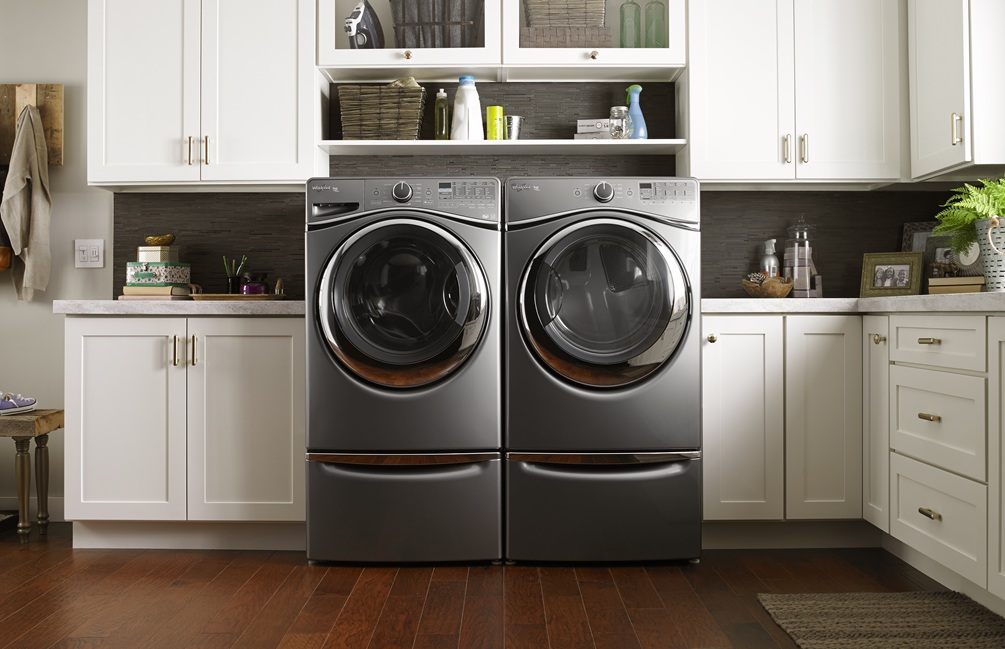
Which One Will Clean Better: A Front Load or Top Load Washing Machine?

Looks and price are not the only factors to consider when choosing a new washer. The decision is based on your home’s specific needs along with your personal laundry habits.  Many homeowners feel stuck when trying to decide between a front-load vs top-load washer. Both options come with different sets of benefits, but which one is the best washing machine type for cleansing garments, preserving fabrics, and saving time and energy?

For those comparing different prices and models of washers, this washer comparison will assist you in distinguishing the facts as it compares different washers in detail.  From washer cleaning strength and fabric treatment to energy-efficient operation and space requirements, we cover everything. Whether you have a large family or are doing laundry for yourself, this guide will aid you in confidently selecting the washer that supports your daily routines. Let’s explore what distinguishes front- and top-load washers.

Cleaning Performance: Which Washer Wins?

Picking a washer that effectively cleans your clothes is one of the foremost concerns for buyers. Let us compare different types of washers based on their washer cleaning power and efficiency.

Front-Load Washers

Front-load washers are considered to provide the best washing performance. Their method of cleaning is far more effective as it uses a tumbling action where clothes are lifted and dropped through soapy water. The technique helps remove tough stains while minimizing damage to the fabrics. Moreover, these machines extract water more efficiently, which makes drying quicker.

Top-Load Washers with Agitator

A top-load washer with a center agitator rubs garments against a vertical post. This approach is often faster, being more effective than cleaning aggressively. However, it can be too harsh on soft or delicate fabrics, damaging them over time.

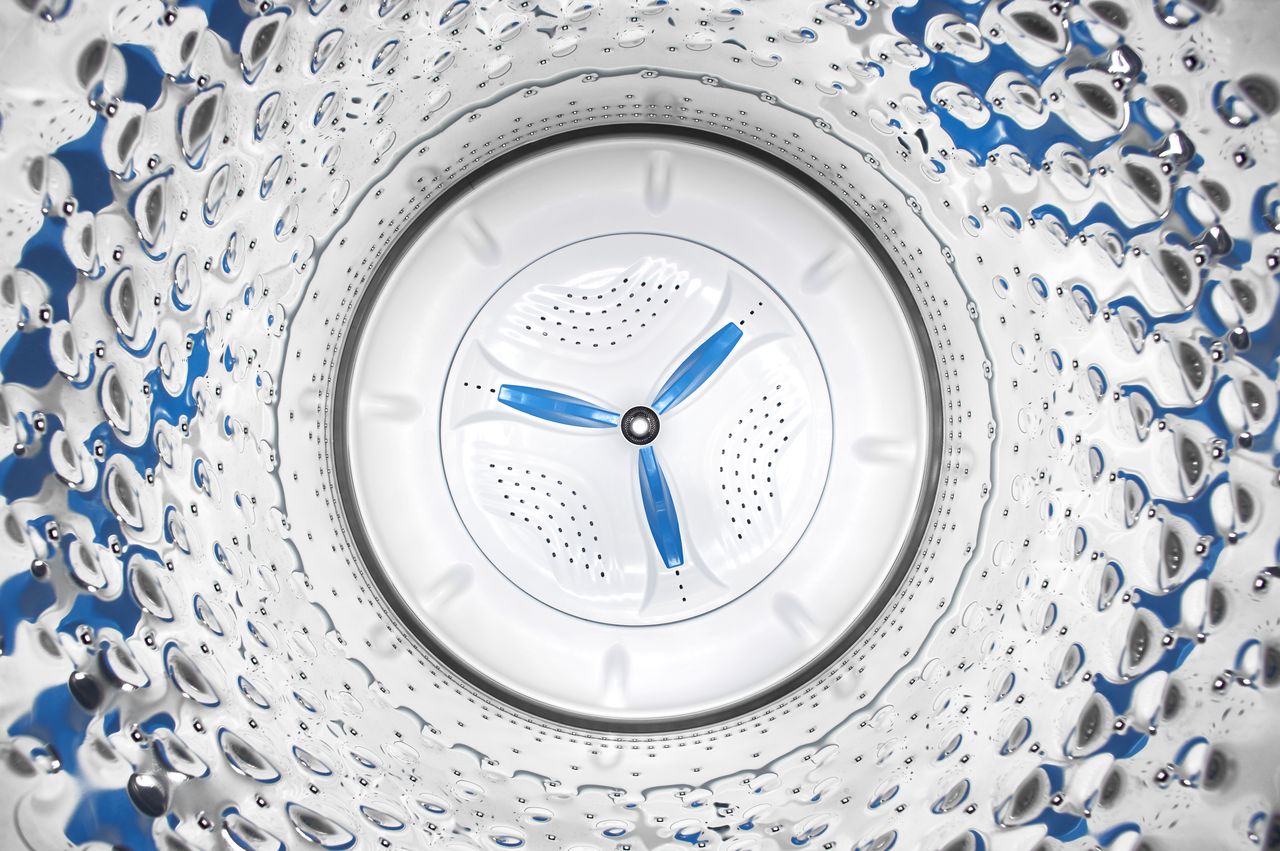
Top-Load Washers with Impeller

Instead of using an agitator, impeller-style top-load washers utilize a rotating disk. They are intended to be less damaging to garments, but their cleaning result is less thorough, particularly with heavy soiling or bulky loads.

When looking at washer performance by cleaning power, front-load washers take the lead. These models tend to provide the best washing performance while still being gentle on fabrics, making them suitable for most households.

Energy and Water Efficiency: Which One Saves More?

For homeowners in Los Angeles looking to save in the long run, getting an energy-efficient washing machine is beneficial. Between the two types, front-load washers usually outperform in water and electricity consumption. They employ a tumbling action that is less water-intensive and spin dry faster. Because of this, more water is extracted during the dryer cycle, reducing energy use further.

When comparing water usage front vs top load, top-load washers, specifically those with an agitator, are less efficient as they need more water to fill the drum and leave clothes wetter post cycle. It is clear that front-load washers are designed to be more effective than top-load machines.

Both front-load and top-load washers are available with ENERGY STAR certifications, but front-loaders have more eco-friendly options. These washers are preferred by environmentally conscious families because of their eco-friendly features, as well as their eco-savvy in using water and electricity.

At Universal Appliance and Kitchen Center, we offer both styles of washers with an ENERGY STAR rating, so customers can enjoy our wide selection. We are always ready to assist you in conserving energy and water, without compromising on cleaning effectiveness.

Fabric Care and Gentleness

Protecting your clothes from damage is just as important as washing them. If you are cleaning soft fabrics or children’s clothing, you require a gentle washer for clothes that is delicate on the clothing, yet able to manage each load without damage.

For fabric care, most people prefer front-load washers. Unlike using a rough agitator, these washers use a gentler method of tumbling, which is far better for clothes as they lift and drop them.

For a middle-ground option, impeller-style top-loaders are a good choice. These are fabric-safe washing machines. With a low-profile rotating plate, they move garments through water instead of violently scrambling them around, like other top-loading washers do.

While not as harsh as agitators, these machines do strike a middle ground, but do not offer the thorough cleansing a front-loader provides.

If you’re weighing the benefits of washing machine efficiency against care for your clothes, Universal Appliance and Kitchen Center can help you choose a washer that meets both needs.

Load Capacity and Space Considerations

Selecting the right washer for your needs requires consideration of your laundry habits and available space. Here’s what to consider.

Load Capacity

For cleaning clothes for a large family or washing bulky items like comforters, a large capacity washer is a good option. These machines save time and energy as they handle more laundry per cycle. For performance and efficiency, front-load washers are preferred as they come with larger drums and are known to provide flexibility to families or individual users who wish to wash everything in one go.

Space Considerations

Front-load washers offer a space-saving advantage when paired with stackable dryers. This makes them compact laundry appliances for small homes, apartments, and small laundry rooms. These appliances can also save floor space, which can be used for storage or folding tables. On the other hand, top-load washers take up more vertical space as the lid opens upwards and cannot be stacked. These washers are best suited for open and wider spaces.

At Universal Appliance and Kitchen Center, we are happy to help every customer in choosing the appropriate washer and planning the best configuration for their homes.

Price Comparison: Upfront Cost vs Long-Term Savings

The overall expense of ownership includes more than just the initial purchase price of a washer. Here’s a comparison of top-load and front-load models regarding value over time and cost.

Top-Load Washers: Budget-Friendly Upfront

In terms of affordability, top load washers dominate in every washer price comparison. Their lower price increases their appeal for customers who want effective washing machines without hefty upfront investments. This is a plus for new customers and those replacing old units, especially if they are tight on budget.

Front-Load Washers: Smarter Long-Term Value

Despite their higher cost, front-load washers are often a better long-term washer investment. They tend to use less electricity and water compared to top-load washers. They also dry clothes more effectively, which leads to less time in the dryer and diminished energy use. For bigger households that frequently do laundry, these savings can be significant over time.

At Universal Appliance and Kitchen Center, we frequently run promotions and manufacturer rebates which reduce the price of high-efficiency models. These offers make it simpler to select a high-quality washer at a budget-friendly price and without sacrificing value.

Maintenance and Odor Concerns

As important as your washer’s model is, keeping it clean deserves equal attention. While modern machines are made for convenience and ease, they might require some preventive maintenance to avoid bad odours and build-up.

Front-Load Washers: Watch for Moisture Buildup

One of the most prevalent problems homeowners encounter is the front-load washer smell, which occurs due to moisture being trapped in the rubber door gasket. If not cleaned properly, mildew can form, resulting in a fusty odor. To prevent this, it is advisable to wipe the seal and the door slightly.

Top-Load Washers: Lower Risk, But Still Need Care

While top-load washers are not as susceptible to moisture as front-loaders, they still need regular maintenance too. Soap, lint, and fabric softener residue tend to accumulate inside the wash drum. A clean washer cycle is necessary for hygiene and peak performance.

At Universal Appliance and Kitchen Center, we offer easy-to-follow washer cleaning tips that will ensure the washer is running, or more importantly, smelling like new.

Speed and Cycle Options

Your washer choice affects how quickly you can do laundry and how flexible your routine is. Front-load washers generally offer more advanced options, including different wash cycles tailored to various fabrics, soil levels, and load sizes. You can steam clean or even sanitise; the options are custom to every single wash.

One standout feature appreciated by many homeowners is the quick wash cycle, which enables you to clean lightly soiled garments in under 30 minutes. This feature is particularly beneficial during busy mornings or for last-minute clothing preparation.

In a typical washer cycle comparison, top-load washers have a shorter cycle time. Because top-load washers have fewer specialty settings, they may be less efficient in addressing particular washing requirements.

If flexibility and advanced features are your primary considerations, front-loaders are more versatile, which you can explore further at Universal Appliance and Kitchen Center.

Recommended Washer Brands at Universal Appliance and Kitchen Center

When it comes to performance, durability, and smart features, Universal Appliance and Kitchen Center offers some of the best washer brands 2025—perfect for homeowners and designers looking for premium washing machines in LA. Here’s a closer look at top picks available in-store and online.

LG: Smart Front-Load Innovation

LG front-load washers are known for their cutting-edge technology and quiet, efficient operation. With AI-powered wash settings, steam cleaning, and large-capacity options, LG offers great stain-fighting power while being gentle on fabrics, ideal for modern families.

Samsung: Connected and Convenient

Samsung combines smart connectivity with strong cleaning performance. Their top-load and front-load washers come with Wi-Fi, auto-dispense features, and quick wash cycles, making laundry easier and faster. It’s an excellent choice for tech-forward households.

Miele: German-Engineered Luxury

If you’re seeking high-end laundry care, Miele delivers unmatched build quality and precision. Their front-load washers are quiet, fabric-safe, and built to last—perfect for homeowners who want true performance with elegance.

Whirlpool: Trusted Top-Load Simplicity

For those who prefer a straightforward, reliable washer, Whirlpool top-load models offer strong cleaning with user-friendly controls. Their proven design makes them a favorite among families and longtime homeowners.

GE: Hybrid Control and Flexibility

GE washers bring flexibility to top-load machines, offering deep fill options and adjustable agitator settings. They’re ideal for those who want more control over their wash without sacrificing convenience.

At Universal Appliance and Kitchen Center, we make it easy to compare these top brands side by side—so you can confidently choose the washer that fits your lifestyle and space.

Still Not Sure? Visit a Universal Appliance and Kitchen Center to Compare Side-by-Side

If you’re still weighing the pros and cons between a front-load and top-load washer, the best way to decide is to see them up close. At our washer showroom in Los Angeles, you can explore top models side-by-side with help from our knowledgeable staff. We’ll walk you through each style’s features, helping you choose based on your space, lifestyle, and budget.

With 6 convenient locations in Studio City, Calabasas, Santa Clarita. Torrance, Costa Mesa and Mission Viejo, Universal Appliance and Kitchen Center is your go-to appliance store near me for hands-on guidance and expert advice.

Ready to get started? Schedule a Visit today or Explore Washers at Universal Appliance and Kitchen Center online to browse our latest models.

The Takeaway

Choosing between a top-load or front-load washer basically depends on what you value the most when it comes to doing laundry, as well as how much space you have, and what you intend to wash. Top-loaders are easy to work with and affordable, while front-loaders are highly efficient and thoroughly clean; both are good in their own way.

At Universal Appliance and Kitchen Center, we help Los Angeles homeowners compare features, functions, and fit, so you can confidently buy a washing machine in LA that meets your everyday needs. Whether you want powerful stain removal, fabric-friendly care, or space-saving design, we’ve got the perfect match waiting for you.

Ready to upgrade your laundry setup? Shop Washers online or contact Universal Appliance and Kitchen Center to speak with an expert or visit one of our local showrooms. We’re here to make your next washer purchase smooth, smart, and satisfying.
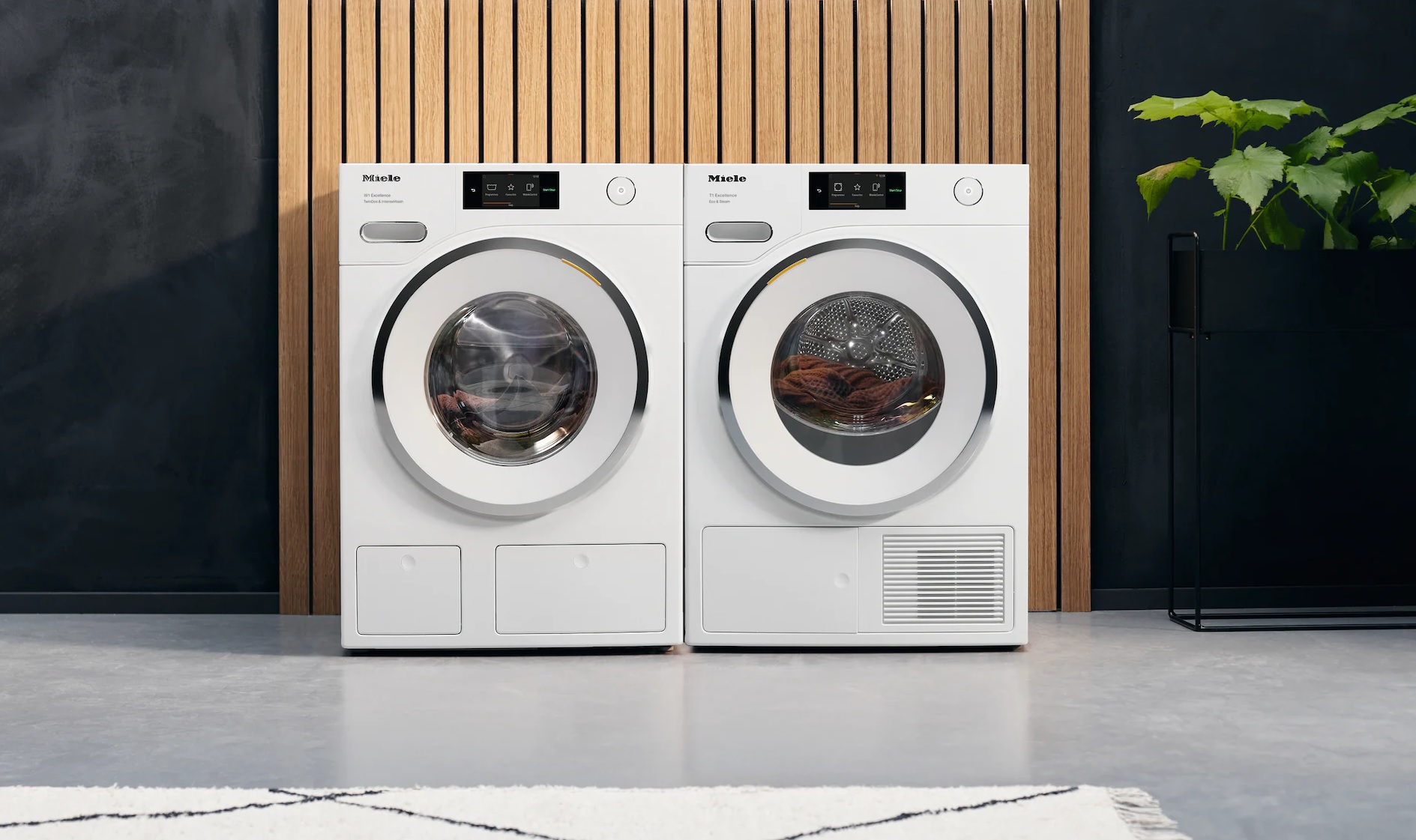
Are All Laundry Machines Stackable?

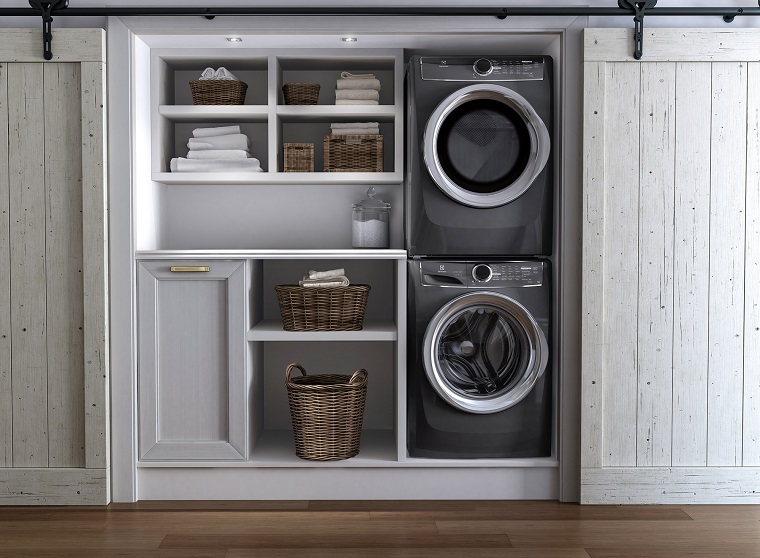
The short answer is no. Although many homeowners want to make the most of their laundry space by placing one machine on top of another, this is only sometimes possible. Certain manufacturers have designed their machines to be compatible, but this may not extend to others. Stacking your laundry appliances within the same brand and model range as you like may be possible. This article will examine stacking laundry machines to help you make informed buying decisions.

The Types of Laundry Machines That Can Be Stacked

It’s important to remember that you can only stack front-load laundry appliances. This may seem strange, but there are many examples of people buying top-loading machines only to discover that they can’t put another appliance on top of them!

It’s also fairly standard practice to stack dryers on top of washers. Why? There are two main reasons. First, the washer is heavier, and this is especially true if it’s full of water. Second, it will be necessary to plumb a washer into the water supply and drain, which tends to be lower on the wall of your laundry room. Although installing a washer and dryer in the opposite configuration is possible, this is not advisable.

So, if you want two machines to wash and dry simultaneously, you will need a pair of front-loading models. To promote compatibility, they should be from the same manufacturer and product lineup. The alternative is to avoid using two models and use a combination washer/dryer with a top-load washer door. If you’re considering this route, please remember that the washer door may only open up to a 45º angle.

All front-loading laundry machines have the controls mounted on the front of the appliance. This is important because you will need ready access to the controls without trying to reach behind or on top. There are three different stable laundry units that you should consider using compatible machines. They are:

  • Compact Units: These are two laundry machines that are distinct from each other, but you want to connect them anyway. This is common when people buy a new machine and don’t want to get rid of the different model because it’s working well. The good news is that compact units are smaller, the dryer should be condensation-free, and there will be fewer choices to make. In this case, the best option is to buy a separate stacking kit for each machine to join them together.
  • Laundry Centers: These are washers, dryers, and stacking kits contained in a single unit. This guarantees compatibility out of the box, the owner’s manuals cover troubleshooting, and the process should be hassle-free.
  • Standard Front Load Machines: These are full-sized front-load washers and dryers that can be stacked side by side or on each other as required. They are typically bought separately, and compatibility is not guaranteed. Some research may be necessary, and a stacking kit will be a separate purchase, too. The usual rules apply: the dryer will be stacked on the washer.

Check the Space Requirements

It’s essential to carefully measure the space where you want to stack your dryer on top of your washer. Many people install their machines in an enclosed area or closet to best use the space. This is a great idea, but leaving at least a few inches on each side for ventilation and access is essential. There may be times when you need to pull the machines out to check a connector or hose. This can be extremely difficult if you cannot purchase on the machines’ sides.

Many people need to remember about the door. Make sure that the closet is sufficiently deep to accommodate the laundry machines. If it isn’t deep enough, you may find that you cannot close the closet door!

Are There Any Stacking Disadvantages?

Yes. The main problem is that some capacity may need to be sacrificed to make this configuration work. A regular load isn’t a problem, but if you plan to wash heavier items like bedding and blankets, there may be a problem. Another potential drawback is that if one of the compatible machines fails and you want to replace it, you have limited options. The new machine must be compatible with your remaining machine, or you won’t be able to stack it. This is a significant problem with laundry centers that can be difficult to deal with regarding repairs and replacements. In truth, aside from the space-saving aspects of stacking, there are no other significant advantages. If you have the space, installing the two machines alongside each other is better.

How Do I Stack Laundry Appliances?

The first step is to ensure the dryer can be stacked on the washer. A manufacturer’s product range usually has broad compatibility. However, it may be possible to stack two machines from different manufacturers. To check if the machines can be stacked, look for specific details in the user manuals for those models. This information can also be found on the manufacturers’ websites.

If you’re sure the laundry appliances can be stacked, you’ll need some physical way to do it. Stack kits for specific laundry appliances can usually be found at appliance retailers and online. A stacking kit comprises metal brackets used to securely and safely join the two appliances. These can represent a significant investment, but they take much guesswork out of the process and are easy to use.

For brevity, here are eight simple steps to stack your dryer on top of your washer:

  • Tools and Items: You will need the stacking kit, owner’s manual for both machines, a level, measuring table, screwdriver, adjustable wrench, adhesive foam pads, lifting straps, cardboard sheets, and a friend.
  • Check the Manual: Double-check that the two machines are compatible. This will determine whether you have the correct stacking kit.
  • Prepare the Space: Remember that the space needs to be deep enough for the machines; you need around 3 inches down the sides and 6 inches of clearance at the top.
  • Prepare the Appliances: Put the cardboard on the floor, place the dryer on it, lean it over carefully, and remove the foot screws with the wrench. Get the stacking feet from the kit and thread them onto the base of the dryer. Keep the legs safe; you may want to change the configuration later or sell the machine.
  • Positioning: Move the washer into position, leaving a couple of inches for stacking clothes, and ensure the appliance is level. Slide the dryer over on the cardboard sheet to protect the floor and stack it on top using foam pads. You will need two people for this stage and may want to use lifting straps, too. The front and sides of the dryer should be flush with the washer.
  • The Brackets and Clips: Now, you can attach the two appliances to prevent lateral movement when they are operating. All brackets and clips should be installed according to the instructions on the lower edges using the screwdriver. Some alignment may be required to get the fit right before the screws are fully tightened.
  • Make the Connections: Connect the water, gas, vent, and power and ensure that everything is tight before the stacked machines are carefully slid into their final position.
  • Testing: Run an empty washer and dryer cycle to ensure everything works typically. Watch for sudden movements or complex vibrations that indicate that the machines are not level or that the stacking kit wasn’t appropriately used.

Safety Considerations

Some people take a risk and place their dryer on top of the washer without using a stacking kit. This is a bad idea because dryers tend to sway as they operate, and it’s difficult for them to work off the top of the washer.

Ultimately, this may cause damage to both machines, which could be expensive to fix. In extreme cases, it may lead to an earlier-than-expected replacement, costing even more. However, installing built-in shelves to house the machines may not be the best option. The dryer could still move and fall, as we covered in the previous scenario. Also, going this route may cost more than a stacking kit, which would be safer and more secure.

In Conclusion

Choose a home appliance specialist if you’re looking for compatible front-load washers and dryers and the stacking kits to connect them. They can offer helpful advice on the best models to meet your needs and space requirements.


Sanitizing your household wash with the Miele W1 Washing Machine

Clean clothing provides a literal barrier protecting us from bacteria and viruses lurking on surfaces which can enter eyes, noses, and mouths provoking illness without proper laundering hygiene. So beyond stains removal, achieving medical-grade sanitization in home washing proves vital.

As experienced home appliance retailers serving customers for over 20 years, we’re familiar with the exceptional cleaning capabilities engineered into premium German-made Miele washing machines making them the gold standard for sparkling laundry. Specifically, the innovative Miele W1 line offers specialized high-temperature sanitize settings and cleaning programs verifiably eliminating 99.9% of pathogens from fabrics while still safely handling delicate items.

This comprehensive overview details W1 sanitizing cycles capabilities meeting pandemic era guidelines from the CDC, while tackling considerations from properly handling contaminated laundry to maintenance washing empty machines. Expect science-backed insights on achieving maximum germ eradication supplemented by first-hand recommendations direct from Miele’s product experts. Let’s explore the brilliant bacteria-busting performance differentiating these revolutionary laundry machines from all rivals!

CDC Best Practices – Handling Contaminated Laundry

When illness strikes families, stopping infectious bacteria and virus spread requires strategic laundering actions per CDC scientists including:

  •  Handling soiled linens with disposable gloves changed after, followed by handwashing
  •  Avoiding shaking dirty items releasing pathogens outward through the air
  •  Washing confirmed contaminated fabrics separately on hot sanitize settings
  •  Using diluted bleach plus high wash temperatures killing viruses and bacteria fully
  •  Line drying then ironing laundry after cycled heating achieves added viricidal effects

Heeding such guidance protects loved ones from increased exposure when vulnerable. Fortunately, the W1 product family delivers the exact capabilities central for compliance.

Specialized Miele W1 Sanitize Cycles Explained

While no current regulations define official “sanitize” cycle protocols across the appliance industry universally, Miele engineers designed the W1 washers to achieve medical-level 99.999% sanitization matched only by commercial machines costing thousands more. Customers simply select specialized programs utilizing potent combinations of temperatures, times and mechanical actions eliminating infectious bacteria and viruses decisively.

The credentials affirming sanitization effectiveness stem from independent lab testing data verifying extremely high reductions meeting published sanitization thresholds alongside real-world customer feedback confirming experiences. Outperforming in such demonstrable pathogen removal capabilities makes the W1 uniquely reliable for protecting health.

Exact Sanitize Cycles Specifications:

  • -Sanitize Wash – Minimum 149F x 20 Minutes
  •  Clean Machine Wash – Maximum 176F x 2 Hours
  •  Default Option – 163F x 1 Hour

Multiple interlocking defensive layers drive potency:

1) Extra Hot Temperatures – Maximizing wash temperature settings to the models’ peak heating capabilities fast-tracks killing bacteria and viruses most susceptible to thermal degradation.

2) Extended Cycle Times – Delayed yet gradual heat penetration coupled with prolonged exposure durations gives accumulated warmth essential opportunities thoroughly permeating internal fabric layers plus embedded grime fully that rapid washes never achieve.

3) Robust Mechanical Actions – Unique honeycomb drum paddle configurations churn and flip laundry continually ensuring heat contacts all areas consistently, not just outer layers, yielding meticulous disinfection.

Superior Motor Performance

A key technical advantage allowing Miele to reach industry-leading maximum hot temperatures up to 176F remains their heavy-duty commercial grade laundry motors and internal heated line water piping.

Rigorously designed, tested and warrantied to enable 500% greater peak period usage than competitors predominantly relying on cheaper lightweight drives failing far sooner, these proprietary Miele-built motors withstand over a decade of reliable service for consistently optimal bacteria-eliminating functionality saving owners thousands long-term.

Intelligently Programmed Machine-Washing Capabilities

In addition to formidable spin speeds, advanced electronic controls enable configuring fully customized washing programs tailored to unique laundry loads using any combination of temperatures, spin frequencies, soak times and enzymatic detergent plus bleaching additive injection.

Whether presets selected or manually configured through an intuitive dials and touch displays, the brilliant W1 brain reliability guides machine resources delivering precision execution matching needs flawlessly. This allows reliably treating everyday linens to heavily soiled uniforms for frontline healthcare professionals decisively eliminating infectious pathogens in one wash without concerns.

Carefully Designed Detergent Dispensing Drawers

Meticulously engineered detergent and fabric care additive dispensing drawers establish optimal dilution ratios introduced at ideal wash cycle initiation points for maximizing cleaning efficacy.

Precision volume chambers eliminate messy measuring guesswork introducing exactly enough solutions to companion proprietary programs capabilities for powerfully dissolving and removing a broad spectrum of both stubborn dirt and germs decisively in varying load sizes all while automatically adapting usages minimizing waste.

Unrivaled Wash Performance for Numerous Fabric Types

Notably, the W1 achieves such extraordinarily effective sanitization and stain eradication without compromising fabric protection typically through gentler customizable programs catering to delicates like silks or woolens needing special care. This avoids offsite dry-cleaning bills making machines convenient luxuries paying dividends daily.

W1 models offer specialized cycles for 16 fabric types protecting fine fabrics and expensive garments beyond expectations including:

– Delicates/Silks

– Woolens – Cold to Warm Only

– Denim Jeans – Medium Soils

– Outerwear – Water-Repellent Items

– Sportswear – Sweat and Soil Removal

– Sneakers – Soiled Canvas Shoes

– Down Items – Retain Loft

– Curtains – Reduce Fraying

– Plush Toys – Protect Fiber Integrity

– Pillows – Maximize Fluffiness

– Mattress Pads – Hypoallergenic Cleansing

– Cottons – Avoid Pilling and Fraying

– Linen Shirts & Tablecloths – Enhance Suppleness

– Towels – Renew Thirstiness

– And blankets, duvets, etc

This versatility handles the widest range of fabric washing challenges like removing fungus spore allergens from bedding securely.

Supplementary W1 Sanitizing Wash Guidelines

For customers seeking the most vigorous sanitization potency, Miele experts recommend enhancing cycles further through:

  • Prewashing: Particularly soiled laundry like kitchen rags, baby onesies or medical scrubs often warrants targeted prewash treatment using unique enzymatic detergents lifting ground-in residue protecting underlying fabric integrity before intensive sanitization.
  • Oxygenating: Miele’s patented honeycomb drum structure allows infusion of purified cold oxygen molecules throughout wash cycles via detergent options optimizing dissolution. This “bubble effect” tackles embedded soiling.
  • Extending Times: Whenever sanitizing laundry potentially containing viruses like bathroom hand towels used when family members experience colds or flus, consider customizing default sanitize cycle times adding 10-15 minutes for added protective assurances.

Empty “Clean Machine” Wash Importance

Since any bacteria loosened during washing cycles theoretically risks reattachment on drum interior surfaces gradually accumulating into biofilm layers defying future removal, Miele thoughtfully engineered specialized high temperature empty “Clean Machine” maintenance washes.

By selecting this cycle monthly sans any laundry inside, the intense heated turbulence eliminates up to 99.999% of accumulated germs and bacteria that might fester internally. This leaves wash vessels optimally sanitized afterward for peace of mind that future family garment loads remain drum contact contamination-free even cleaning highly soiled work coveralls right after. Plus reminder alerts signal optimal timings protecting operations.

Drying Sanitized Laundry – Miele T1 Dryers

For customers also utilizing Miele tumble dryers after sanitized washing finishes, selecting highest heat settings adds supplemental microbe protective kill effects helping households block illness spread through laundered textiles proven endangering vulnerable family members. This achieves multi-pronged verifiable germ eradication laundry centers rivals simply cannot match.

Investing In Miele W1 Excellence

Considering unsanitary laundry remains a scientifically validated top household infection disease transmission route when improperly sanitized, numerous customers including savvy medical professionals living alongside immunocompromised family members continue consistently investing in customizable Miele W1 washing machines specifically for their globally validated forced-air and surface sanitizing cycle capabilities scientifically proving unrivaled by any competing appliance brand year over year through both independent lab testing and customer satisfaction results surveys.

This built-in programmable protection provides wide-ranging customizable defenses matching changing infection risks and living proximity dynamics proactively restoring invaluable household health risk reduction and peace of mind that no amount of money alone spent reactively can reliably buy later reacting to spreading situations after vulnerable individuals succumb. The old adage “prevention trumps cure” proves wisely applicable when families struggle safeguarding members fighting underlying risky medical conditions against progressive environmental dangers easily mitigated through proper planning and upgraded equipment.

Notable examples abound locally of informed families struggling firsthand through cancer battles or transplant therapies prioritizing these specific supplemental Miele models providing them programmable washing customize-ability, commercial-grade temperature sterile kill cycles, empty “Clean Machine” maintenance settings and remote mobile monitoring alerts features that competing brands overlooked excluding absent the same urgent real-world needs for change after late-stage preventable infections occurred taking loved ones tragically.

Conclusion

During challenging times when concerning viral and bacterial threats increasingly loom on surfaces and fabrics we contact daily, premium home appliance leader Miele proudly stands by families and health professionals offering industry-leading laundry solutions with scientifically validated capabilities to tackle infection spread risks head on.

The ingenious German engineering masterfully built into advanced feature-packed W1 washing machines deliver certified sanitization effectiveness matching commercial institutional equipment costing exponentially more for a fraction we can arrange financing on without credit checks. This provides invaluable defensive protection options where compromised immune systems remain endangered absent such leveled precautionary upgrades taken.

Specifically, the W1 machines officially verify elimination of a minimum 99.9% of common illness-causing pathogens including SARS and coronavirus surrogate organisms absent on rival units through configurable high temperature empty “Clean Machine” maintenance washing meeting medical microbiological guide lines.

Supplementary oxygenation detergent options bubble activate grime removal while commercial-grade heavy duty motors withstand over a decade of peak sanitization functionality outlasting cheaper brands by years before repairs become necessary by design. This all makes the W1 product family uniquely reliable for restoring peace of mind that the very laundry protecting loved ones won’t endanger health further when threats feel closest.

Contact us anytime online for wide-ranging W1 tailored installation guidance defending home environments with customizable maximum germ eradication effectiveness matching commercial institutions but from the convenience of full-service in-house laundry rooms. Consultations also provide W1 environmental disposal upgrades lowering lifetime carbon footprints year-over-year as bonus incentives!

4 Steps to Clean and Sanitize a Washing Machine

We rely on our washing machines to clean our fabric items, and most people believe that this process keeps the appliance clean too. This is incorrect; a washing machine requires periodic cleaning after every 30 washes to maintain performance and efficiency. If you’ve noticed that your fabrics are not smelling fresh anymore, this can be caused by a buildup of bacteria, grime, and mold inside the appliance. Regular cleaning can prevent and correct these problems, and that will be the focus of this article.

Gather the Cleaning Supplies

The cleaning methods that you choose and the products that you choose for the task may vary depending on whether you have a front load or top load model. To ensure that you’re cleaning the appliance correctly, consult the owner’s manual for your specific washing machine. This will have helpful tips on how to clean the washing safely and efficiently. That said, there are certain items that you will need: a damp cloth, an all purpose cleaner, liquid chlorine bleach, and an Affresh tablet.

Affresh contains sodium percarbonate, which is better known as “Oxygen Bleach” or an “Oxygen-based Bleach,” and it contains no chlorine. If you prefer to use an alternative, you can clean and sanitize with liquid chlorine bleach or a homemade baking soda and white vinegar combination. But, you must choose one approach only; you cannot use bleach and vinegar together because they form chlorine gas which is dangerous to inhale.

4 Steps to Thoroughly Clean the Appliance

When you’re ready to start cleaning, there are four easy steps to follow in order:

Step 1: Cleaning the Washer Tub

Remove any items from the washer tub, and add the affresh table or your chosen alternative to the bottom. Take care; if you’re using a liquid chlorine bleach, check the owner’s manual first because it shouldn’t be used with certain front load washing machines. When you’re ready to continue, close the door, select the cleaning cycle and start the machine. If you’re cleaning a top load model, you will need to run an additional rinse and spin cycle to clean away excess cleaning products that may be lingering in the machine. If you’re performing a deeper clean, consider removing, washing, and replacing the agitator before you run the wash cycle. When the wash cycle finishes, leave the door open and let the washer tub dry naturally.

Step 2: Cleaning Detergent Dispensers

The detergent draw may be removable, but this will vary depending on the model, and full removal instructions can be found in the owner’s manual. If you can’t remove the detergent drawer, you will have to clean it in place and fully extend it. Apply the all-purpose cleaner, rub it into the surfaces with a damp cloth and dry it with a clean towel. Some detergent drawers are dishwasher safe, but many are not, and this should be confirmed before you consider cleaning the drawer in the dishwasher.

Step 3: Clean the Washer Door

Open the door or lid and wipe the surface with a damp cloth. Front load washers have a rubber door seal that can be lifted, and you can wipe under there too. Washing these surfaces with warm water reduces detergent build up and the soiling process is slowed.

Step 4: Clean the External Surfaces

Use a mild cleaner or soap to sponge down the exterior of the washing machine. This cleans away any unsightly spills and drips that can become grubby and dirty over time. Congratulations, your washing machine is now clean and ready for the next laundry load.

If you’re considering a new washing machine, you can explore your options with this online collection, or for further help or guidance, speak to a home appliance expert.


5 Common Washing Machine Cycles Explained

A washing machine cycle is the set of instructions that the appliance used to wash our clothes and other fabric items. The cycles are typically organized as a wash, followed by a rinse, and a final rinse, based on the type of clothes, colors, fabrics, and other factors. Having a good understanding of how the washing cycles work is important to safeguard your clothes, linens, and the washing machine. In this article, we will take a closer look at five common washing machine cycles.

1.  Delicates

This is a gentle cycle designed to emulate the handwashing process using cold or warm water with little to no spinning. It’s usually the shortest cycle to select and if your machine defaults to warm water we recommend that you use cold water instead. Use this cycle to wash items, such as lace, silk, lingerie, knits, cashmere, faux fur, and other items that are prone to stretching. As an extra precaution, bundle items in a mesh bag to keep them safe during the delicate wash cycle.

2.  Normal

This is the default cycle; it tends to be a lengthy program with high agitation to get everyday items clean. Most modern washing machines allow you to select the water temperature that you want to use based on the type of load. Choose hotter temperatures for whites and cool or cold water for other colors. Add a fabric conditioner for softening or a capful of all-purpose bleach to brighten dull white fabrics. The normal cycle is best used for items such as T-shirts, socks, underwear, sheets, towels, and durable synthetic items.

3.  Quick Wash

As the name suggests, this is the fastest wash cycle, and it’s the most energy efficient option. A quick wash tends to take 30 minutes; it’s a fast way to clean lightly soiled clothes and fabrics that are not smelly or heavily soiled. A short wash cycle is followed by a high-speed spinning cycle, and this speeds up the drying times. A quick wash is not suitable for delicate items, such as lingerie, silk, woolens, embellished, and embroidered fabrics.

4.  Permanent Press

This cycle was created back in the 40s to wash synthetic, wrinkle-free, and wash and wear items that were in vogue at the time. This is a shorter cycle than the normal program, and it uses warm water combined with a lower spin. This is a rarely used cycle; most people are adequately served by the normal and delicate cycles above.

5.  Other Less Used Cycles

Some washing machines have additional cycles, including: “Whitest Whites,” “Heavy Duty,” and more. Selecting these settings with one of the cycles shown above will intensify those cycles in a specific way. This can include a presoak, larger volumes of water, and other characteristics to wash heavily soiled items. The intensity of these settings can vary a great deal, and it’s important to read the owner’s manual for your machine before you choose them.

Temperature Selection

Now that you understand the purpose of the wash cycles, let’s take a quick look at temperature selection. The washing machine temperature dials have a pair of temperatures, the first refers to the water used for washing, and the second is the rinsing water temperature as follows:

  • Hot-Cold: Hot cleaning, Cold rinsing.
  • Warm-Cold: Warm cleaning, Cold rinsing.
  • Cold-Cold: Cold cleaning, Cold rinsing.

Pretreating Stains

Color-rich stains can be pretreated with a stain solution product, or you can use a wash and stain bar if the stain is oil-based. Soak the items in warm or cool water, depending on the fabric that you’re treating. A 30 minute soak should be sufficient for heavily soiled items. All white fabrics, such as linen or cotton, should be soaked with whites detergent or an all-purpose bleach alternative.

If you’re considering a new washing machine purchase, you can explore your options with this online collection, or for further help or guidance, speak to a home appliance expert.

How Does a Washing Machine Hand Wash Cycle Work?

Washing clothes by hand is a laborious process, and thanks to the invention of washing machines, we don’t need to set an entire day aside to wash our clothes and other items. But, certain items are more delicate; they require a lighter touch when they’re washed and for many years this meant that hand washing was still necessary. But, the manufacturers noticed this trend, and they have implemented hand washing cycles on their latest washing machines. These cycles are meant to replicate the less rigorous hand washing process to reduce the potential for damage to sensitive items. In this article, we will take a closer look at how this works.

What Does Hand Wash Mean?

Some materials can be damaged by exposure to high temperatures, chemicals found in detergents, excessive agitation, and more. This can be seen on the labels of such items, which are usually marked as “Hand Wash Only.” This informs the consumer that these items need special attention and care during the washing process. This phenomenon can be traced back to the earliest washing machines that were too aggressive for woven, knitted, and delicate fabrics. Many modern machines now have hand wash cycles that mimic the hand washing process, but they are not perfect.

A Brief Washing Machine Primer

Washing machines can be divided into two very broad categories: front loading and top loading. These terms refer to how you load clothes into the machine and whether that washing machine uses an agitator. Some top loading machines use agitators, but all front loading models don’t have one.

People like front loading machines because they take up less space, they can accommodate bulky loads, and they are easy to stack with a dryer. Many people choose top loaders because they are less complex and they can handle smaller loads easily. But, anyone that has worked in a laundrette can tell you that an agitator is the best solution for heavy-duty cleaning. A hand washing cycle on both washing machine types is designed to simulate the lower levels of disturbance to clean delicate items without causing damage.

The Hand Wash Cycle

Depending on the washing machine that you have, this could be referred to as the “Hand Wash” or the more common terms are “Delicate” or “Gentle.” The exact settings that manufacturers use will vary, but the intensity of the cycle tends to be lower, and the water is usually warm rather than hot. Depending on the manufacturer, there may be a gentle spin cycle, but this may cause stretching on certain fabrics. Always check the label carefully, and if it explicitly states that the item shouldn’t undergo a spin cycle, skip it. Using a washing machine on a gentle cycle works best for the following items: modern synthetic blends, small wool items, and bulky non-vintage items. Avoid using stain removers, a small drop of detergent should work well, and you don’t need to apply chemicals to the surface. If you’re washing smaller delicates, place them in a mesh bag to prevent tangling with other items.

When to Hand Wash

There is still a place for traditional hand washing for specific fabrics and items of clothing: heavily embroidered, intricately woven fabrics, garments that are vulnerable to stretching, and vintage clothes. When you wash these items, follow the instructions carefully, and if you’re not sure how to proceed, look for specific advice online.

If you’re considering a new washing machine, you can explore your options with this online collection, or for further help or guidance, speak to a home appliance expert.


Which is the Best Washer Choice? Agitator vs. Impeller

When it’s time to upgrade to a new top-loading washer, the first choice you need to make is between the two different styles, agitator and impeller. They both move the washing load and get the clothes clean, but they work in very different ways. Understanding the similarities and differences will help you to make a more informed purchasing decision. Let’s take a look at agitator and impeller washer characteristics in more detail.

How Do These Washers Clean?

The more common washer style uses an agitator, they are tried and tested and they still work well to this day. An agitator washer can tackle tough laundry loads without causing damage to the fabrics. A traditional agitator washer will have a centrally located tall spindle that twists back and forth to move the laundry load. This action breaks the dirt particulates apart to make the washing process more effective.

An impeller washer works in a different way. They have low-profile discs or cones that spin to rub the fabrics against each other for efficient cleaning. One of the main advantages of an impeller approach is that less water and motion are needed to get the laundry clean. The unit is designed to create extra room to promote more movement to increase the level of friction between the clothes. This results in a thorough and more gentle cleaning process that uses less water and energy.

Agitator vs. Impeller Washer: Which is Best?

This is a hard question to answer because although we all want clean laundry loads, we may have certain requirements. Comparing the cleaning power and wash action of these two washing methods is necessary to make a decision that’s right for your home. Let’s take a look at the key features in more detail, they are:

5 Key Agitator Washer Features

  1. The overall washing cycle times are shorter which lowers the energy requirements.
  2. The clothes are soaked with water that’s recycled from the wash and rinse cycle which reduces the volume of water needed.
  3. This is tried and tested technology that most people are familiar with already.
  4. The friction between the fabrics breaks down dirt and stains for effective cleaning.
  5. The entire wash basket rotates to create significant cleaning action.

5 Key Impeller Washer Features

  1. The extra room in the wash basket makes it easier to load and unload bulky articles.
  2. The fabrics are rubbed together gently for thorough cleaning.
  3. The rotating action of the wash basket can give your laundry a deeper clean.
  4. The drying times tend to be much shorter.
  5. The clothes are soaked with recirculated water from the wash and rinse cycle.

Making a Final Purchasing Decision

Now that we’ve made a direct comparison, it’s easier to see the similarities and differences. Both washer types have all the modern features that you would expect and they can both get you through a tough laundry day. But, which type of washer would be the best fit for your lifestyle?

Both washer types can clean tough stains, sanitize workout clothes, and get your whites clean and bright. The exact model that you choose may be based on the features, such as the size, load capacity, water usage, energy efficiency, and more. Personal preference and your unique lifestyle will be the final determining factor. Don’t be fooled by the hype, both types of washers will get the job done, but there will be a brand or model that’s ideally suited to your needs.

If you want to upgrade your washer, you can browse our online collection or speak to one of our home appliance specialists.

Understanding Your Washing Machine’s Lint Trap

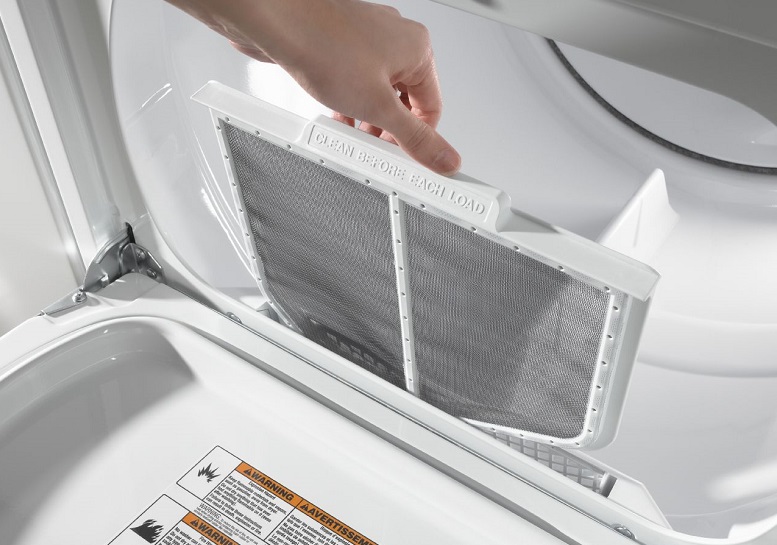
While most of us are aware of the lint trap inside a dryer, you may not be aware that your washing machine may also feature a lint trap. Just like a lint trap in your dryer, the one in your washing machine is designed to collect the lint from your laundry that has the potential to clog up your drain or septic line over time. Neglecting your lint trap has the potential to lead to plumbing problems, costly repairs or even water contamination. So, here we’ll explore all you need to know about your washing machine’s lint trap.

The Importance of a Washing Machine Lint Trap 

The lint trap in your washing machine is designed to prevent the pipes and septic system in your home from becoming clogged with washing machine debris. Much of the lint from your clothing, bedding, linens, and towels consists of non degradable particles that can accumulate and stick inside pipes, leading to wastewater backing up inside your home.

The trap is designed to filter biodegradable material, but this is not its primary purpose. It will also filter any material that won’t break down inside your septic system. For example, your washing machine filter can remove fibers created when polyester or nylon items are washed that are almost impossible to break down. It can also catch pet fur and hair that can ball up and create problems.

How to Find Your Lint Trap

Unfortunately, finding your washing machine lint trap can be a little tricky. Depending on the make and model of your appliance, it can be in a different location with different instructions to remove it for cleaning. The best way to find your lint trap is to check your owner’s manual for your specific appliance. It should be shown along with instructions for cleaning. If you can’t locate your owner’s manual, there are some locations that are common for several manufacturers. This includes:

  • Along the rim of the washing machine drum
  • The center of the washing machine agitator
  • The end of the washing machine drainage hose

Cleaning the Trap

It is recommended that the lint trap in your washing machine is cleaned at least every three months to ensure that your appliance continues to work at its best.

Once you have located your lint trap, you’ll need to pull it out of its housing. You should notice a layer of wet lint, hair and other debris on the film. You should be able to wipe this debris off using paper towels, but sticky residue can be removed using a small brush, such as a toothbrush. Be sure to keep all of this material out of the drain and put it in the garbage. Don’t be tempted to flush it down the toilet as it can cause a clog.

If your lint trap is particularly dirty, allow it to sit in hot water for ten to fifteen minutes. This should enable any detritus to loosen and be wiped off before you replace it in the machine.

What if Your Machine Doesn’t Have a Trap?

Some washing machine models don’t have a trap. Instead, they rely on a pump to pull any excess lint out of the machine. This is more common on front loading or high efficiency machines. To avoid clogs and potential problems, run a maintenance load each month, where you select a higher temperature program and run the machine empty to prevent any lint from accumulating.

If your washing machine is struggling to cope with your laundry requirements and you’re considering an upgrade, you can explore the options with this online laundry appliance collection, or speak to a home appliance specialist for further guidance.

Clever Ways to Upgrade Your Laundry Room

If your washing machine is just about ready to give up or your dryer has stopped drying, you may have considered upgrading your laundry room. Putting brand new, shiny appliances into a tired laundry room is not likely to give you much pleasure, or make you want to spend time in there folding. Fortunately, there are some great ways to upgrade your laundry room and make doing this chore a little more pleasant.

Create Storage

Storage is important in virtually every room of your home, but it is often overlooked in a laundry room. Bins, cabinets, shelves and other storage can be invaluable for organizing bleach, detergent, dryer sheets and all the other items that are needed for dealing with your laundry. Proper storage will make laundry more manageable and also make the entire chore a little less overwhelming. Laundry rooms tend to end up as a dumping ground for all those bits and pieces that don’t seem to have a proper place in your home. This can mean that you not only need to get the laundry done, but you need to create space to get it done in the first place. By having sufficient storage, you can create a folding station, so you can get everything done in one place and keep everything neat.

Brighten It Up

If your laundry room has lots of natural light, you are very fortunate. Many laundry rooms tend to lack natural light, so they can end up feeling dark and gloomy. This means that you’re not likely to want to spend time in the room, folding clothes or sorting laundry. Fortunately, you can counter this and make your room a more soothing place by brightening it up with paint. Choose a color scheme that will make you feel a little brighter when you step into the room. You can add splashes of color, but remember that smaller rooms tend to feel bigger and lighter if you avoid darker paint colors.

Add Some Personality

Finding some creative ways to make a laundry room more exciting may seem difficult, but it can actually be quite easy. Tackle the decor as you would any room; choose a theme and decorate accordingly. There are lots of ways to make your room feel creative yet functional. For example, put your detergent and other knick-knacks in mason jars that can sit on an open shelf. Or you could add cute little signs, framed photos or even artwork to brighten your space. With some creative ideas, you can make your laundry room a little haven of peace where you can get away from the hectic activities of your home and be in the moment folding laundry.

Create Sorting Stations

Finally, it is inevitable that your laundry room will have clothes, towels, linen, and bedding in different states of cleanliness at any time. So, instead of kidding yourself that you will make sure everything will get put away immediately, plan for dealing with your laundry loads. Create sorting stations; you can have a basket or box for handwash items, laundry awaiting folding or even items that need special attention. This means that you won’t need to carry dirty laundry back into your room if you don’t have a full load.

Upgrading a laundry room only requires a few tools and a little motivation to make it feel a much more pleasant place to spend some time.

If you’re considering upgrading your laundry appliances, you can explore the options with this online collection of washing machines and dryers, or speak to a home appliance expert for a more specialist service.

Green Tips to Use Less Water in Your Appliances

Most of us are keen to make our lives greener, and one of the most obvious ways is to save water in our homes, especially here in parched California. Between our washing machines, dishwashers, toilets, faucets and showers, according to EPA data, the average family in the U.S uses over 300 gallons of water each day. The good news is that it is simple to cut down on water usage; saving money and helping the environment in the process. So, here are some green tips to help reduce your appliance water usage.

Wash Full Loads

Unless your machine has a specific half load function, you’re wasting water if you don’t properly fill your dishwasher or washing machine. While you need to be careful not to overfill, as it can cause stress on the machine and inhibit cleaning, a full load will make optimum use of water and energy. So, plan your washing loads to ensure that they are full and don’t waste water.

Choose the Right Program Setting

If you’re washing a light load of dishes, there is no need for the high volume and temperatures of a pots and pans cycle. Choosing the wrong program settings wastes not only time, but also energy and water. Unless you have a machine with sensor technology that can assess the soil level of your dishes, you need to take care to choose the right program. The same applies to your washing machine. Not all clothing needs to be washed on a hot cycle, and you can save water by choosing a lower temp, faster wash program.

Don’t Guess Your Laundry Detergent

While it may seem strange, measuring your laundry detergent can save water. Using excessive amounts of detergent in a high-efficiency washing machine can extend the rinse cycle as too many suds are detected. Additionally, you should be using a HE detergent in your high-efficiency washing machine, or you’ll end up with suds GALORE. Using too much detergent can also leave a film on your clothing, which means that you’ll need to spend more energy and water rewashing.

Upgrade Your Toilet

An older toilet can use as much as 6 gallons every flush. When you compare this to the 1.3 gallons the average new low flow toilet can use, you can see how you can manage massive water savings. Think about how many times someone in your family flushes a toilet in your home and think about the 4 plus gallons that are being literally FLUSHED DOWN THE TOILET every time.

Smart Showering

Not only can you save water by upgrading to a low flow showerhead, but there are some other smart showering tips. A low flow showerhead can cut your water usage by half, saving gallons in the average shower. Additionally, there is no need to waste that water when you’re waiting for the warm water. Place a bucket in your shower stall and use this water for household cleaning or watering your plants. If you want to save even more water, think about turning off the shower while you wash and then turn it back on to rinse. Since the average showerhead uses 5 gallons of water per minute, you could save hundreds of gallons each month.  It adds up when you multiply it by a few million people.

Replace Your Old Appliances

Even if you purchased the best models, when your appliances reach 10 years of age, it is safe to assume that upgrading to a new model will save energy and water. Modern washing machines and dishwashers are designed to be far more water conscious, particularly if you choose an Energy Star approved model. New washing machines and dishwashers typically use as much as 40% less water compared to older models. Not only will you save energy and water, but you’ll also find that they are quieter and have the latest innovative features, to make your life even easier.

If you’re considering upgrading to more eco-friendly appliances, you can explore your options with this online collection or speak to a home appliance expert for additional help and guidance.