Will a French Door Refrigerator Meet Your Needs?

If you’re in the market for a new refrigerator, it’s all too easy to become overwhelmed with the sheer number of choices. A standard refrigerator with a pair of separate doors for the refrigerator and fridge compartments still sells well. But, in recent years we have seen a move away to other refrigerator types that may be less familiar. One of the more popular types is the French Door refrigerator and many people that switch to them are surprised at how they prefer their layout. In this article, we will take a closer look at french door refrigerators to help you decide if they would be a good fit for your kitchen.

What is a French Door Refrigerator?

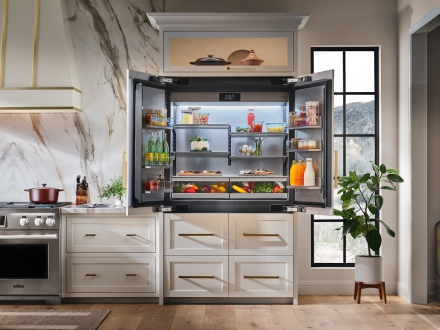
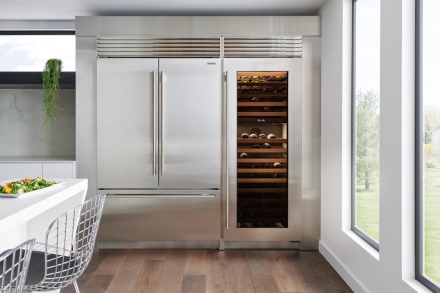
The most obvious difference is a pair of double doors that open up onto a continuous refrigerated storage space. A french door refrigerator typically has the fridge space on top and the freezer drawer(s) on the bottom. The basic design is based upon a pantry and they started to appear on the market in the 1990s. They have grown in popularity in the intervening years and they are now one of the more popular refrigerator configurations.

What are the Pros and Cons?

No appliance is perfect and every user has their own preferences, needs and budgets to consider. Although a french door refrigerator may meet all your needs it’s also true that it could be a poor fit for you and your kitchen. The best way to evaluate any appliance is to look at the pros and cons before you make a commitment to buy:

Pros:

  • The Narrow Doors: A french door fridge has a pair of narrow double doors. These doors are narrower than those that you would find on a traditional fridge. This improves the access and it makes the appliance a good option for smaller kitchens with limited floor space.
  • Easier Organization: This refrigerator style features adjustable shelves that can be very useful when you’re trying to stay organized. A great deal of the storage is set into the doors which improves access for frequently used food items and condiments.
  • Larger Capacity: When you compare a french door refrigerator to traditional models you may be surprised to learn that the capacity is larger.

Cons:

  • Freezer Space Limitation: In a french door refrigerator the freezer compartment is less of a priority. The freezer drawers are tricky to organize and the space is limited.
  • Higher Purchasing Prices: A french door refrigerator will cost more than other model types, but there is some wiggle room. There are less expensive models that offer most of the features and functionality that you would see on a more expensive appliance.

A Direct Comparison: The French Door vs. Side by Side Refrigerator

People that are new to the concept of french door refrigerators or those that have not purchased a new appliance in a while can become confused with side by side models. Why? Well both refrigerator types feature a pair of double doors and it can be hard at first glance to notice a difference. But, in a side by side refrigerator the appliance has a fridge on one side and the other side is the freezer section. In a french door refrigerator the entire top of the appliance is a fridge and the bottom is where the freezer drawer(s) can be found. Those that need a large freezer that’s easy to organize would be better served with a side by side model. Those that need less freezer space and a much larger fridge section will find that a french door refrigerator is the best option.

3 French Door Refrigerator Types and Styles Explained

There are french door refrigerator variations to ensure that there are models to meet a wider variety of needs. Let’s take a look at three common types and styles that can help you select a model that will be right for you.

  • Smart Refrigerators: Many of the latest french door refrigerators have smart features and WiFi connectivity to control the appliance via your preferred mobile device.
  • Quad Doors: These are unusual melds that have four doors rather than the usual two. The typical configuration is a pair of doors at the top and a second pair underneath. Essentially this is like a pair of small french door refrigerators stack on top of each other with a freezer compartment underneath.
  • Dual Freezer Drawers: Certain models may have a pair of freezer drawers underneath to effectively double the freezer space. Those that want a compromise between a little extra freezer storage at the expense of less fridge space may prefer this option.

How to Choose the Right French Door Refrigerator Size

The french door refrigerator that you select needs to be a comfortable fit for your kitchen. You will need from 4 up to 13 cubic feet of storage space for a couple and larger families may need at least 19 cubic feet. So, you will need to carefully measure the available space to check that a french door model will fit.

How to Measure the Space

To measure the french door refrigerator space properly, you’ll need the width, height and depth of the space where the appliance will be located. Accurate measurements will be needed to ensure that the appliance can be accommodated.

To start, measure the width at the countertop and the base of your kitchen cabinets. If the cabinets have crown molding, take the measurements from the narrowest areas. Next, measure the height from the floor to the lowest point on the upper cabinets. Then, measure the depth from the walls to the front of the kitchen cabinets. Now you have the width, depth and height in inches, but you’re not done yet. Subtract an inch from every measurement to ensure that you will have sufficient space around the refrigerator for ventilation.

The final step is to check the cabinets on either side of the prospective refrigerator site to ensure that you will be able to open both of the french doors. If there is a nearby kitchen island make sure that it won’t interfere with the doors. Check every measurement at least twice and use these when you’re searching for your new french door refrigerator.

8 Storage Options Explained

One of the most desirable features of a French door refrigerator is their storage capacity. Let’s take a look at eight of the storage options in more detail:

  • Door Storage: There are deep storage bins on each of the french doors that can be used to store large food items.
  • Adjustable Shelves: Most fridges have adjustable shelves, but in a larger french door refrigerator space it’s much easier to truly organize your food storage.
  • Storage Baskets: These are organizational tools that can be used to separate specific food types.
  • Flex-Temp Drawers: These are drawers with dedicated controls to store specific foods at precise temperatures. In some models that can include extra freezer space within the main refrigerator compartment.
  • A Built-In Ice Maker: Some models may have a built-in on demand ice maker at the expense of the already limited freezer space.
  • Humidity Controlled Crispers: These are drawers with humidity control for fresher produce storage under optimal conditions.
  • Water Filtration: A built-in water filter can be a useful option and it may have a long design to fill water bottles.
  • External Features: Some french door refrigerators have external water dispensers and ice makers for easier access without opening the doors.

FAQs

What is the Best Way to Use the Food Storage Space?

A french door refrigerator offers so much storage that it can be difficult to make the best use of it. The best approach is to keep the ready-to-eat foods up on the middle and top shelves. Use the bottom shelf for raw meat and seafood. The fresh produce can be kept in the dedicated drawers and frozen food needs to be in the bottom freezer drawer(s).

How Can I Increase the Useful Lifespan of the Appliance?

A french door refrigerator should undergo deep cleaning every year. The vacuum condenser coils should be vacuumed with an appropriate cleaning tool. The door gaskets need to be kept clean and the fridge should not be overfilled to ensure that the cold air can circulate efficiently.

Are French Door Refrigerators Energy Efficient?

The short answer is yes. If your refrigerator is well organized, you will already know which food items are stored behind each of the doors. Because you are only opening part of the refrigerator less treated air escapes and this improves the energy efficiency. There are also highly rated Energy Star ratings to ensure that you’re getting the best bang for your buck when the energy bills arrive.

Can I Get Different Colors and Finishes?

Yes, french door refrigerators are available in a wide range of colors and finishes to suit your other major appliances and/or kitchen decor.

If you’re considering an upgrade to a french door refrigerator you can explore your options with our collection or speak to a member of our home appliance expert team for a more specialized service.


Best Refrigerators for Los Angeles Homes in 2025 – Top Picks by Universal Appliance and Kitchen Center

Choosing the right refrigerator is no longer a case of aesthetics. Instead, it involves making informed and strategic decisions regarding one’s lifestyle, making the choice of the right refrigerator a matter of a long-term investment. With energy prices constantly increasing and the Southern California heat only getting hotter with climate change, Los Angeles homeowners need a refrigerator that performs efficiently. The best refrigerators for Los Angeles homes in 2025 combine energy-saving technology, innovative features, and space-conscious designs to meet the unique needs of LA families.

Whether you need to renovate a luxury kitchen in Calabasas or a small space in a downtown LA condo, this guide will help you navigate the top-rated refrigerators Los Angeles residents are choosing this year. Universal Appliance and Kitchen Center offers several options, including built-in models, counter-depth designs, and French door styles.

Let’s take a closer look at which models best serve style and function for your home in LA.

What to Look for When Buying a Refrigerator in Los Angeles

Buying the perfect refrigerator in places like Los Angeles has unique considerations that can significantly impact your daily life. This refrigerator buying guide for Los Angeles aims to assist Los Angeles homeowners by outlining three essential points to consider:

1.      Energy Efficiency

For homeowners in LA, refrigerators with an Energy Star rating are a must. Considering the warm climate, refrigerators have a significant workload, and energy-efficient refrigerators LA models are helpful to the environment. The reduced electricity used also aids in considerably lowering monthly utility bills.

2.      Size & Space

Refrigerators can differ in size, with significantly larger French doors and built-in models available for families living in spacious homes around Pasadena, Beverly Hills, Brentwood, Bel Air or Malibu. Smaller models are more suited for Santa Monica or Hollywood apartments.

3.      Smart Features

Los Angeles buyers love smart refrigerators for the host of features they provide, such as Wi-Fi capabilities, internal cameras, and app-controlling systems. These features make setting temperatures and receiving alerts, all on your smartphone, easier from smart fridges in Los Angeles.

Best Refrigerators for Los Angeles Homes in 2025

1.      MONOGRAM 48″ Built-In Side-by-Side Refrigerator (Model: ZISS480NNSS)

This 48-inch built-in refrigerator has state-of-the-art cooling options and a customizable design. It also seamlessly integrates into high-end kitchens and ensures optimal food preservation.

Key Features

  • Advanced temperature management system for precise cooling.
  • Customizable panel-ready exterior to match kitchen décor.
  • Integrated water and ice dispenser for convenience.
  • LED lighting for clear interior visibility.
  • Spacious interior with adjustable glass shelves.

2.      Signature Kitchen Suite 36-Inch Built-In French Door Refrigerator (Model: SKSFD3604P)

This stunning French door refrigerator combines innovative features with a sleek design. The 36 inch model offers increased versatile storage and advanced smart technology for modern kitchens.

Key Features

  • Convertible middle drawer with five temperature settings.
  • Wi-Fi enabled for remote monitoring and control.
  • Energy Star certified for energy efficiency.
  • Lift and Go™ bins and drawers for customizable organization.
  • Dual compressors for precise temperature management.

3.      JennAir 42″ Panel-Ready Built-In French Door Refrigerator (Model: JF42NXFXDE)

This 42-inch refrigerator offers integration into custom cabinetry with advanced cooling technology and storage options for modern kitchens.

Key Features

  • Panel-ready design for a customized exterior.
  • Advanced climate control technology for optimal freshness.
  • Spacious interior with adjustable shelving.
  • Energy-efficient performance.
  • Soft-close drawers for added convenience.

4.      Fisher & Paykel Integrated French Door Refrigerator Freezer, 36″, Ice (Model: RS36A72J1N)

This sleek 36-inch integrated French door refrigerator is designed to blend with modern kitchen cabinetry, offering innovative cooling technology and flexible storage solutions.

Key Features

  • ActiveSmart™ technology adapts to daily usage for energy efficiency.
  • Adjustable glass shelves and full-extension drawers.
  • Humidity control system for better food preservation.
  • Ice maker with a dedicated freezer bin.
  • Flush fit with cabinetry for a seamless look.

5.      Viking 36″ French-Door Bottom-Freezer (Model: RVFFR336SS)

This 36-inch French-door bottom freezer refrigerator combines professional design and performance with sleek style, ample storage, and precise temperature control.

Key Features

  • Spill-proof shelves to contain leaks.
  • Adjustable ColdZone™ drawer for customizable temperature settings.
  • LED lighting for enhanced visibility.
  • Energy-efficient operation.
  • Durable stainless-steel construction.

6.      Bosch 800 Series 36″ Counter-Depth French Door Refrigerator (Model: B36CT80SNS)

This 36-inch counter-depth French door refrigerator has an advanced cooling system and energy-saving features that deliver a built-in appearance, making it perfect for contemporary kitchens.

Key Features

  • Dual compressors and evaporators for optimal freshness.
  • Internal water dispenser and ice maker.
  • Energy Star certified for efficiency.
  • Spacious interior with adjustable shelves.
  • VitaFreshPro™ drawers to balance temperature and humidity.

7.      Café™ Energy Star® 23.1 Cu. Ft. Smart Counter-Depth French-Door Refrigerator (Model: CWE23SP4MW2)

This smart 23.1cu. ft. counter-depth French-door refrigerator’s sleek and elegant design integrates customizable storage and energy smart features.

Key Features

  • Wi-Fi connectivity for remote control and notifications.
  • Internal water dispenser and factory-installed ice maker.
  • Adjustable storage options for flexibility.
  • Energy Star certified for efficiency.
  • LED lighting for clear visibility.

8.      LG 26 cu. ft. Smart Counter-Depth MAX™ French Door Refrigerator with Four Types of Ice (Model: LRYXC2606S)

Every kitchen is versatile with the addition of this 26 cu. ft. Smart counter-depth French door refrigerator that comes with advanced cooling technology and spacious interior.

Key Features

  • Smart cooling system with Wi-Fi connectivity.
  • Four types of ice for various beverage options.
  • Energy-efficient performance.
  • Adjustable shelving for flexible storage.
  • Fingerprint-resistant finish for easy maintenance.

9.      Fisher & Paykel Series 5 Contemporary Series (Model: RF170WDLX5N)

This refrigerator has ActiveSmart™ technology that learns your daily routines to optimize energy consumption and maintain superior food freshness.

Key Features

  • Automatically adjusts cooling based on your usage patterns.
  • Easy-to-clean shelves help contain spills and provide stable storage.
  • Keeps fruits and vegetables fresher for longer by maintaining the right moisture level.
  • Includes adjustable door bins, gallon storage, bottle racks, and freezer drawers.
  • Operates with low energy consumption.

10.  KitchenAid 20 cu. ft. 36-Inch Width Counter-Depth French Door Refrigerator with Interior Dispense (Model: KRFC136RPS)

This 20 cu. ft. counter-depth French door refrigerator blends stylish design with the modern features when it comes to flexible storage alongside internal water dispensing and a sleek, space-saving build.

Key Features

  • ExtendFresh™ temperature management system to maintain ideal conditions.
  • Interior water dispenser with filter for a clean look.
  • Adjustable spill-resistant glass shelves.
  • Automatic ice maker in the freezer compartment.
  • Counter-depth design for a built-in appearance.

11.  GE® Energy Star® 21.0 Cu. Ft. Bottom-Freezer Refrigerator (Model: GDE21EYKFS)

This 21.0 cu. ft. bottom-freezer refrigerator is the most practical, energy-efficient choice, providing easy access to fresh food and modern features and capabilities within the more compact footprint well-suited for smaller kitchen spaces.

Key Features

  • Energy Star certified for reduced energy use.
  • Adjustable glass shelves for customizable storage.
  • Factory-installed icemaker.
  • LED interior lighting.
  • Reversible door hinges for flexible installation.

Where to Buy Refrigerators in Los Angeles

Universal Appliance and Kitchen Center (UAKC) is one of the major premium appliance stores in Los Angeles for those who want to buy arefrigerator in Los Angeles, with a wide range of refrigerators, from smart ones to energy-saving and high-end designs.

Universal Appliance and Kitchen Center has several showrooms in Studio City, Calabasas, Costa Mesa, Torrance, Costa Mesa, Santa Clarita and later this year in Mission Viejo. The staff at every Universal Appliance and Kitchen Center appliance showroom is ready to help you make the right decision. They will address your concerns and explain every feature to you, assisting you in comparing models.

Shopping at Universal Appliance and Kitchen Center means you will get expert advice, top brands, and excellent customer service. To view the full selection, you can also visit, UAKC.net.

Universal Appliance and Kitchen Center has made it simpler to shop when you want to change your old refrigerator or if you just built a new kitchen.

FAQs

Q: What refrigerator is best for energy savings in LA?

A: Energy Star models will significantly reduce your energy expenditures in Los Angeles. These refrigerators are designed to operate on less electricity while still delivering the same level of performance. Recommended models include the Bosch 800 Series and the Café™ 23.1 Smart Counter-Depth Refrigerator, both of which are reliable and energy-efficient appliances that are quite helpful in Los Angeles’s warm climate.

Q: Does Universal Appliance and Kitchen Center offer refrigerator delivery and installation in Los Angeles?

A: Yes, Universal Appliance and Kitchen Center provides reliable and timely refrigerator delivery in Los Angeles. Specialists will also install the new refrigerator, remove the old one, and clean up to ensure everything is neat. Search for the best refrigerator store near me today. Shop your desired refrigerator from Universal Appliance and Kitchen Center and enjoy fast delivery and professional installation services.

Q: When is the best time to buy refrigerators in Los Angeles?

A: In Los Angeles, the best time to buy refrigerators is during highlighted sales such as Memorial Day, Independence Day, Labor Day, and Black Friday. May is an additional opportunity for shoppers as it provides a chance to find great refrigerator deals in Los Angeles due to new models being released and older ones being sold as inventory at sale prices.

Choosing the Best Refrigerators for Los Angeles Homes in 2025

Choosing the best refrigerator for your home is incredibly important as it impacts everything in your kitchen the most. It helps with energy efficiency and food preservation, increasing comfort in daily kitchen chores. Moreover, whether you have a big family requiring more storage or a smart refrigerator with the latest technology, there are great options available for every home.

For the best rated refrigerators Los Angeles residents recommend, visit any Universal Appliance and Kitchen Center showroom. With branches located in Studio City, Calabasas, Costa Mesa, Torrance, and Santa Clarita, you can easily check the latest models and seek professional assistance.

Top 5 Must-Have Outdoor Cooking Appliances for Costa Mesa Entertaining

As a Costa Mesa resident, you enjoy year-round sunshine, cool coastal breezes, and a community that enjoys spending time outdoors. The warm climate, patio, and backyard cookouts are part of life here. Life in Southern California is beautiful, allowing for many outdoor gatherings, block parties, or relaxing evenings with family.

The right outdoor cooking appliances in Costa Mesa can elevate your experience and enjoyment of outdoor cooking. Any kitchen can benefit from an efficient outdoor refrigerator, grill, or other cooling and cooking appliances because they offer convenience and style.

If you want to begin from scratch or upgrade your entire setup, these five appliances are essential for any stylish and functional Southern California outdoor living kitchen. The best part? You can get them all at Universal Appliance and Kitchen in Costa Mesa, where expert help and top brands are always available.

1.     Built-In Gas Grills for Costa Mesa

A built-in gas grill in Costa Mesa serves as the centerpiece for the entire arrangement when creating your ideal outdoor kitchen. A dependable and powerful grill seamlessly integrates with your outdoor entertainment space. It simplifies hosting and offers superior convenience for family dinners.

For those living in Southern California, particularly in Costa Mesa, outdoor gas grills in Southern California are a boon due to their superior performance and great endurance, helping residents effortlessly grill all year round.

Why Built-In Gas Grills Are a Must for Costa Mesa Homes

  • Instant & Precise Heat: Ideal for slow cooking large cuts as well as for quick meals.
  • Sleek & Seamless Look: Fits right into your outdoor island or kitchen layout.
  • Built to Last: Endures coastal air and daily wear due to stainless steel construction.

Featured Model at Universal Appliance and Kitchen Center Costa Mesa

Viking Professional 5 Series 42″ Built-In Gas Grill

This Built-In Gas Grill is ideal for outdoor culinary enthusiasts in the Costa Mesa region.  It features a complete 16-gauge stainless steel construction while preserving the Viking signature style of elegance, providing rich endurance and fitting seamlessly into any outdoor kitchen.

This grill has two 25,000 BTU cast brass burners, a 23,000 BTU ProSear burner, and a 14,000 BTU rear infrared rotisserie burner. It doesn’t matter whether you are grilling burgers, searing steaks, or slow-roasting an entire chicken; the grill offers powerful and even heat across the entire cooking surface.

The ceramic radiant briquettes aid in reducing flare-ups as well as hot and cold spots. Wind fins placed strategically make the temperature remain steady even during breezy evenings.

Visit UAKC Costa Mesa’s showroom to check out this amazing grill. Our expert team can assist you in your search for built-in gas grills in Costa Mesa, so you can find one tailored for your space, cooking needs, and style.

2.     Kamado-Style Ceramic Grills

If you enjoy trying out different styles and flavors of cooking, Kamado grills in Costa Mesa will be a perfect addition for you. These uniquely shaped grills are famous for their versatility in cooking and excellent heat retention. From grilling steaks to even baking fresh pizzas, a Kamado grill is capable of doing it all.

Kamado grills are an ideal fit in areas like Costa Mesa where outdoor cooking is a year-round activity. Durable and appealing to the eye, these ceramic outdoor grills fit well in any backyard setup and withstand the coastal air and changing temperatures, making it ideal for outdoor cooking enthusiasts in Costa Mesa.

Why Homeowners in Costa Mesa Love Kamado Grills

  • Multi-Purpose Cooking: Grill, smoke, roast, and bake—all in one appliance.
  • Excellent Heat Control: Ceramic materials lock in temperature and moisture.
  • Rich Flavor: Natural lump charcoal adds that authentic, smoky taste.
  • Weather-Resistant: Durable enough to handle the Southern California climate.

Featured Model at Universal Appliance and Kitchen Center Costa Mesa

Big Green Egg Large Charcoal Kamado Grill

The Big Green Egg is one of the best-selling ceramic grills, with an ample cooking surface ideal for family gatherings, parties or meal preps. This grill can maintain temperatures from 200°F to 700°F allowing full control for smoking briskets or making pizzas!

The durability of the grill as well as the multitude of accessories available makes it possible for you to customize the grill for your preferred cooking style. Everything about this grill is simple, from the setup to the cleaning, and the end results are always delicious.

Visit the showroom in Costa Mesa to see this amazing grill and the other kamado grills available on display. Our team will gladly help you design the perfect outdoor kitchen of your dreams.

3.     Outdoor Pizza Ovens

Nothing beats the experience of making a delicious, crispy pizza in your own backyard pizza oven. As outdoor entertaining becomes increasingly popular, more residents are adding outdoor pizza ovens Costa Mesa to their outdoor kitchens. It’s not just about the flavor, but rather the joy of cooking pizzas with family and friends.

In places like Costa Mesa, where the climatic conditions are suitable for outdoor cooking, a pizza oven easily becomes the centerpiece for weekend get-togethers and even casual family dinners.

Why Costa Mesa Homeowners Love Outdoor Pizza Ovens

  • Fast Cooking: Restaurant-quality pizzas can be baked in just 5–7 minutes.
  • Authentic Taste: Classic wood-fired flavor with crisp crust.
  • Multi-Use Appliance: Excellent for pizza as well as bread, casseroles, and roasted veggies.
  • Perfect for Entertaining: Everyone can craft their own pizza, making meals exciting.

Featured Model at Universal Appliance and Kitchen Center Costa Mesa:

Alfresco 30″ Countertop Pizza Oven

This pizza oven provides true wood-fired flavors and pizza taste. The oven heats evenly and quickly because of its unique fireplace-style gas log and ceramic ceiling slab. It is ideal for pizzas, roasted veggies, or baked goods with 456 square inches of cooking surface. This model also has 304 grade stainless steel which makes it durable over time, perfect for the outdoor weather in Costa Mesa.

Style and reliability go hand-in-hand with heated safety controls and air cool vents, halogen lights, and an elegant look making the unit ideal for the focus of outdoor parties. This oven can handle all types of outdoor cooking, whether its artisan baked bread or roasting vegetables. It has both outdoor performance and durability.

Check out the Alfresco 30″ Countertop Pizza Oven in person at the UAKC showroom in Costa Mesa. Our trained staff will walk you through everything and help you decide whether it’s the right addition to your backyard or not.

4.     Outdoor Refrigerators

A good outdoor refrigerators in Costa Mesa is an essential addition to every outdoor kitchen. It allows you to keep your drinks chilled during the entire duration of evening dinner or during weekend cookouts. Unlike conventional refrigerators, outdoor ones are meant to endure the heat, salty air, and humidity of coastal areas without compromising on the cooling.

Many homeowners also appreciate the versatility of patio beverage coolers due to their convenience. They are ideal for storing cocktails, soda, water bottles, and mixers. These compact units are easily stored under counters or placed into bar setups, providing easy access to refreshments for guests.

Why Outdoor Refrigerators Are a Must in Costa Mesa

  • Outdoor Ready: Specifically designed to withstand the elements, especially in coastal climates.
  • Convenient: Eliminates the need to run inside constantly to grab drinks or ingredients.
  • Great for Hosting: Maintains food freshness and beverage temperature throughout the day.
  • Space Saving: Blends seamlessly with outdoor kitchens as undercounter and built-in models.

Featured Model at Universal Appliance and Kitchen Center Costa Mesa:

Sub-Zero 24″ Outdoor Undercounter Refrigerator

For homes in Costa Mesa, one of the best premium, luxury options is the Sub-Zero 24″ Outdoor Undercounter Refrigerator. Its high-grade stainless-steel construction means this unit is capable of surviving the outdoor elements year-round. It also comes with adjustable shelves, smart temperature control, and spacious storage.

If you’re renovating your entire kitchen or just looking to add a few helpful features, this multifunctional unit will serve as a stylish patio beverage cooler while maintaining practicality.

Visit the UAKC Costa Mesa showroom to check it out along with the other premium outdoor refrigerators in Costa Mesa that suit your home.

5.     Outdoor Beverage Centers

When entertaining family and friends outside, you’d want things to be easy and aesthetically pleasing. This is where outdoor beverage centers in Costa Mesa come into play. With these all-in-one units, you get a separate area for storing, preparing, and serving drinks, which helps make the gathering feel effortless.

Entertaining outdoors is a year-round activity in sunny Costa Mesa, which makes having built-in solutions such as these extremely useful. They save time and elevate the experience for guests and hosts alike. Rather than struggling with coolers and ice buckets, your patio drink station can handle it all.

Why Costa Mesa Homeowners Love Outdoor Beverage Centers

  • Efficient Hosting: Prepare and serve drinks without going inside.
  • All-in-One Convenience: Includes features like sinks, ice bins, bottle storage, and more.
  • Clean & Organized: Keeps your outdoor space clutter-free.
  • Great for Any Gathering: From casual get-togethers to large parties.

Featured Model at Universal Appliance and Kitchen Center Costa Mesa

Lynx 24″ Professional Outdoor Beverage Center

This outdoor beverage center is best suited for homeowners in Costa Mesa as it combines elegance, ease, and functionality in a 24-inch unit. It comes with an integrated bottle opener, an insulated ice bin, and ample storage for mixers and garnishes. Aside from that, it is manufactured using high grade stainless steel, enabling it to endure the outdoor elements while retaining its modern exquisite appearance.

This unit is perfect whether you need to upgrade the entire kitchen or looking to add a highly functional outdoor patio drink station.

Visit UAKC Costa Mesa showroom to check out this and other Outdoor Beverage Centers that will elevate your hosting experience.

The Must-Have Appliances for Costa Mesa Outdoor Entertaining

An outdoor kitchen is more than just an entertaining area, it’s a transformation that starts with the right appliances. Upgrades like integrated grills, ceramic cookers, pizza ovens, and beverage centers can elevate how you prepare meals, host parties, or even enjoy your self-catered events.

Purchasing durable and high-performing outdoor kitchen appliances in Costa Mesa, designed for Southern California weather means more time spent outdoors and less time running to the indoor kitchen. Whether it’s big gatherings or quiet evenings on the patio, the right setup provides convenience, comfort, and long-term value.

If you’re ready to get started, the UAKC showroom Costa Mesa has a complete collection of outdoor kitchen appliances. Our experienced, highly trained staff is ready to assist you with the best designs tailored to your taste, home, and lifestyle. Let us help you bring your dream outdoor kitchen to life.

How to Choose an Induction Cooktop

Most modern kitchens could benefit from an induction cooktop. These appliances have an excellent combination of style, convenience and safety. Many people are replacing conventional gas stoves with these devices. But, no product is perfect and despite the hype an induction cooktop may not be the right fit for your home. If you are in the market for this type of cooktop there are certain things that you need to consider.

How Does an Induction Cooktop Work?

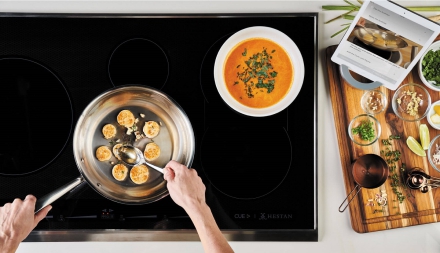
Before we get started, it’s important to understand how an induction cooktop works. The pan is placed on the ring and it’s heated up using an electromagnetic field. There is no direct heat, you could burn your hand on the heated pan, but the cooktop ring doesn’t get hot.

As you can imagine, this is a significant leap forward in terms of safety and it’s a very kid-friendly way to teach cooking skills. Induction heating tends to be 50% faster than a traditional electric or gas-powered direct heating element. This speeds up the cooking times and it reduces the energy requirements which lowers your energy bills.

7 Tips to Choose an Induction Cooktop

When you’re researching induction cooktops it’s easy to become overwhelmed by the sheer volume of information. To make this process easier we’ve compiled seven tips that should help you to decide if an induction cooktop is the right choice for your home.

1.   Consider the Pan Size

Each induction cooktop will come with a stated minimum and maximum pan size. This may seem trivial, but due to the nature of the pan heating process it’s more important than you may imagine. If the cookware that you’re using is smaller than the pan size, it won’t be detected by the cooktop. There will be no magnetic heating and cooking cannot take place. So, the cookware must match the induction coil size to ensure that the system works efficiently. Of course, you can invest in new cookware, but if you choose wisely this may be unnecessary and you could save some money.

2.   Choose the induction Cooktop Power Rate

The induction cooktop power rate is important for faster cooking and improved energy efficiency. Choosing a higher power rate may increase the cost of the cooktop, but it’s worth the extra investment. An induction cooktop is typically rated in the 1000-2000w range. A cooktop at the upper end or above that range will speed up the cooking process.

3.   Think About the Safety Features

The best induction cooktops have an auto-pan detection feature which turns off the heating when the cookware is removed from the cooktop. If you forget to switch off the cooktop, it will switch itself off automatically if the pans are too hot. Any hot food that spills onto the cooktop will not burn and it should be easy to clean.

4.   Understand the Pre-Set Menu Feature

Some of the latest induction cooktop models have a pre-set menu for user convenience. This automatically adjusts the temperature depending on the dish. So, if you’re frying vegetables, making rice, boiling milk or some other process you can always get perfect results. All that’s needed is a simple button touch and the cooktop does all the hard work for you.

5.   Consider the Portability

Depending on the user preference, there is a choice between fixed or portable cooktops. A portable appliance is an excellent choice for those that want to take their cooking to other locations including outdoors. So, if you want to cook in the backyard, rooftop or at a campground using induction technology you’re all set. The best portable cooktops are set up for easier carrying and storage when they are not in use.

6.   Consider Your Cooking Style

Your own personal cooking style and preferences will play a huge role in your decision to purchase an induction cooktop. If you like to do a lot of stir frying over a naked flame it’s likely that induction may not be an ideal fit. Having access to multiple cooking zones can give you a lot of additional flexibility when it comes to using a variety of cookware. It’s also important to understand that induction cooktops have precise temperature controls.

This will be useful for people that like to simmer delicate sauces and melt chocolate for homemade dessert. A good compromise could be a separate gas burner or portable induction hob to bring out when you need it for specific cooking tasks. If you focus on the type of cooking that you like to do most it will be easier to make a choice.

7.   Think About the Useful Features

The best induction cooktops now feature smart technology, WiFi connectivity and even voice activated control via Alexa and/or Google. Remote control via your preferred mobile device can be more than a novelty feature if you learn how to use it.

Measuring for the Induction Cooktop

When you start to research induction cooktops, it’s all too easy to fall in love with an appliance that you want in your kitchen. This may seem obvious, but one of the main reasons why major appliances are returned is that they don’t fit.

Most modern induction ranges are 30” or 36” wide and sufficient space is needed around the unit for ventilation purposes. The 30” range will be sufficient to meet the everyday cooking needs of most families. But, those with larger families or that like to entertain regularly may find that the 36” cooktop is the better option. Make sure that you measure at least twice before you buy the induction cooktop to avoid problems when it comes to the installation.

Can I Use My Existing Cookware?

This would be hard to answer without knowing the details about your cookware. Many people build up their collection of cookware over time and some pieces may be inherited. Because an induction cooking surface uses a magnetic field to heat the cookware it is true that not all cookware will be compatible. That said, you may be surprised to learn that a lot of your cookware may be suitable to use on an induction cooktop.

The pan or pot needs to have a magnetic field to make the connection with the cooktop surface. It’s easy to check this for yourself, try and stick a magnet on the bottom of the cookware and if it sticks it will work. For those looking to buy new cookware it’s good to know that compatibility with induction cooktops is usually clearly displayed. Any cookware that is compatible doesn’t come at an additional premium and it’s very affordable for those that need to plug any gaps in their cookware collection.

FAQs

Let’s take a look at some of the FAQs that typically arise when people are looking for an induction cooktop:

Can I Replace a Gas Range with an Induction Model?

Yes. The gas line will need to be removed and the power requirements for the new induction range will need to be carefully considered. A modern induction cooktop will require a 240-volt outlet and if you don’t have one you can contact an electrician to install one for you. It’s also a great idea to put the induction range on a dedicated circuit to ensure that the power requirements are fully met.

Why is Induction Cooking Superior to Conventional Electric or Gas?

Some people will alway prefer direct heat applied to their cookware for cooking. This can be a hard habit to break and yet there are significant advantages to consider when you make the switch to an induction cooktop. These surfaces heat the cookware up to 50% faster because they use a magnetic field and not direct heat. This means that they consume less energy and everyone is interested in lowering their energy bills. An induction cooktop offers more precise control over the temperature and they are safer to use.

Is an Induction Range More Expensive?

The short answer is yes. Although the upfront cost of an induction range may be more than a gas-powered range this isn’t the full picture. The initial cost may be higher, but over the medium to long-term it should cost less to run. The energy savings will help the buyer to recoup the disparity in the initial cost of the appliance. The faster cooking times really add up to significant energy savings over time.

How Should I Clean the Induction Cooktop?

Cleaning an induction cooktop is much faster and simpler than a gas burner or more traditional electric heating element. The surface is completely flat and smooth and it stays cool throughout the cooking process. Remember that only the pan is heated and everything else is cool to the touch.

So, there are no particles of burned food to remove during cleaning. When you’re ready simply wipe down the induction cooktop with a soft damp cloth and use a little non-abrasive cleaner to protect the surface.

If you’re considering an upgrade to an induction cooktop you can explore your options with our online collection or speak to one of our home appliance experts for a specialized service.


How to Choose Your Wall Oven

Some people prefer a wall oven to a standard oven because it’s a real space saver. A wall oven is convenient and easy to use and it can add considerable aesthetic appeal to your kitchen. There are many models on the market and it can be a challenge to find the right appliance to meet your needs. In this article, we will take a closer look at wall ovens and the most useful features to help you make a purchasing decision.

What is a Wall Oven?

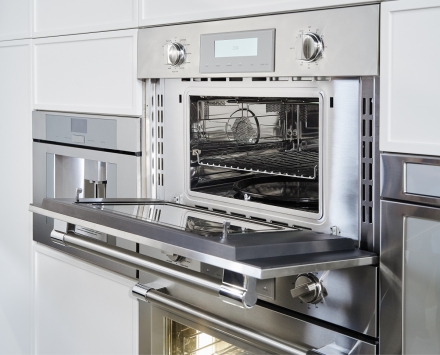
As the name suggests, a wall oven is built into a kitchen wall for an integrated look that saves counter and floor space. Because these appliances are installed up at eye level they reduce the need for bending. This makes them a popular choice for busy cooks that are looking for ways to streamline their cooking. The best places to spend money during a home remodel are the kitchen and bathrooms. So, it should come as no surprise that a wall oven is a popular appliance for a kitchen upgrade.

What are the Different Wall Oven Types?

There are many types of wall ovens that are designed to meet specific preferences and needs. The best way to narrow your choices is to consider how you like to cook and the features you need. Let’s take a look at the different wall oven types in more detail. They are:

  • Single-Wall: This is an oven with a single cavity that’s a good fit for kitchens where space is limited. Those that don’t cook multiple dishes at the same time or use a separate cooktop may find that a single-wall oven meets their needs. These ovens are ideal for broiling, roasting and everyday baking and they can be installed in wall cabinets or under countertops.
  • Double-Wall: These are a great option for cooks that prepare multiple dishes at the same time or those with larger families. The typical format is a pair of oven cavities stacked on top of each other to cook at two temperatures at the simultaneously.
  • Microwave Combinations: This is a conventional oven and microwave integrated into a single appliance. This saves countertop space with the convenience of two different ovens in a single location to save space. The conventional oven can be used for broiling, roasting and baking and the microwave can be used to cook or reheat as needed. These appliances are a great option for those that value functionality, versatility and space without compromise.
  • Smart: The advent of smart technology in the kitchen continues with smart wall ovens. These appliances feature advanced technology to monitor and control the cooking process via your smartphone or tablet. This can include recipes guides, voice control automated settings and more. For tech-savvy cooks, this is a wonderful way to integrate a wall oven into a smart home setup.

Wall Ovens: Conventional or Convection?

A modern wall oven can be a traditional oven or a convection oven. A conventional model uses heating elements to cook the food for those that prefer classic cooking. This is straightforward, well understood and reliable technology that has been used for decades in kitchens. A conventional wall oven can produce consistent and even heat distribution for baking, roasting and broiling and they are available in multiple sizes and configurations.

A convection oven uses a fan to circulate the heated air inside the oven cavity for faster and more even cooking. Many cooks believe that this produces superior cooking results and it’s ideal for roasting and baking. Those that are interested in taking their cooking to a new level to roast larger cuts of meat or make trays of cookies will benefit from more consistent oven temperatures.

Choose the Power Source

A wall oven may be powered by electricity or gas and both options have their merits. An electric wall oven is the more common type because they are easier to install and maintain than their gas counterparts. A modern electric oven may have extra features, such as: precise temperature controls, self-cleaning and convection settings. They are a good option for those seeking convenience and versatility in their next oven.

A gas wall oven can use propane or natural gas as fuel and they are highly regarded by professional cooks. These ovens heat quickly and the temperature controls are extremely precise. This makes them an ideal choice for roasting and baking purposes.  A gas wall oven will supply moist heat which is useful for baked goods and meats that need to be juicy and tender. Those that enjoy using a traditional oven are often surprised at the fast and precise temperature control that a gas-powered oven offers.

Wall Oven Sizes Explained

A wall oven is designed to fit a variety of kitchen layouts to meet your cooking requirements. They are available in a wide range of sizes and understanding the sizes can be helpful when you’re choosing a new wall oven. Let’s look at several standard sizes with the typical widths, depth and heights below:

Width

  • Primary Oven: 30 inches.
  • Mid-Size: 27 inches.
  • Compact (Secondary): 24 Inches.

Length

Due to their compact nature, wall ovens typically have a length of 22 to 24 inches.

Height

This can vary a great deal depending on the specific configuration as follows:

  • Single: 28 to 30 inches.
  • Double: 50 to 53 inches.
  • Combination: 42 to 48 inches.

As you can see, the available wall space will be a factor in the type and size of wall oven that you wish to purchase and install in your kitchen.

The Cooking Capacity

The capacity of a wall oven is measured in cubic feet and this will determine how much food it can cook at the same time. The capacity can be grouped into three broad categories. They are: small, medium and large.

  • Small: This is 2-3 cubic feet, it’s a good option for a smaller kitchen or to use as a secondary oven.
  • Medium: These wall ovens fall into the 4-5 cubic feet range and they are a good fit for an average-sized family with sufficient kitchen space to accommodate them.
  • Large: These ovens have more than 5 cubic feet of cooking capacity for those with larger families or a desire to entertain frequently.

Choose the Door Style

A wall oven may have one of several door styles and each of them offers benefits in accessibility, functionality and aesthetic appeal. Let’s take a look at the three most popular door styles in more detail:

  • Drop-Down: This is the most common and traditional option that you would see on a traditional oven. It offers a platform to place and remove a dish and it’s a practical choice that would suit most kitchens.
  • Side-Opening: These oven doors open to the side, this could be left or right as desired and it offers easier access to the cavity. This is a great option for those with limited space or mobility issues. In an ergonomic kitchen where space is at a premium, side-opening oven doors can make a huge difference.
  • French Doors: These are a pair of doors that open out from the center, they work in a similar manner to the doors on a refrigerator. They are sophisticated and elegant and they have become a popular choice for those looking to upscale their kitchen.

How to Choose the Best Model for Your Kitchen

When you’re researching wall ovens, it’s all too easy to become caught up in the aesthetic appeal and design elements. Sure, these are important, but there are other needs that must be met if you want to avoid buyers remorse later. Let’s take a look at some of the key factors that needs to be considered to ensure that make the right choice:

Aesthetic Appeal:

For some, this may be a secondary consideration, but many well designed modern appliances are virtually works of art. The look of your new wall oven should complement your existing design or match the remodel. There are multiple color options to consider, stainless-steel still has timeless appeal, but you could choose a color that matches your decor.

The Oven Door:

We took a closer look at the three most popular wall oven door styles above, but choosing the right door to match your needs is essential. The best modern oven doors have larger windows to monitor the cooking process without opening the door. How the door opens is important if someone in the home struggles to reach into the oven cavity.

The Control Panel:

The controls should be intuitive, certain modern models may have touchscreens and others may have a more traditional approach. The controls that you choose should be matched to how you want to use the oven. That said, a touch screen will look amazing in a kitchen remodel for those that want to promote a modern finish for tech-savvy home buyers.

The Installation Requirements:

We’ve already covered the common wall oven  sizes, but there are other factors to consider. If you want to install a gas-powered oven and you don’t have an existing hook up this will raise the installation costs. For an electric model you should consider a dedicated electrical circuit to meet the power requirements. Before you make a final decision, verify the voltage and amperage requirements.

If you’re considering a new wall oven, you can explore your options with our online collection or for further guidance and help speak to one of our home appliance experts.


What’s the Best Finish for Your New Appliance?

The kitchen is at the heart of almost every home. It is not only the place where you prepare dinners or enjoy breakfast, but it is also often the place where families spend time together. So, when you’re considering new kitchen appliances, you need to ensure that you choose a finish that not only matches your personal preferences, but that will work well for the demands of your family. So, in this article, we’ll explore the popular finishes to help you determine which is the best one for your new appliances.

White:

White appliances are a timeless and classic look, providing a safe option for most kitchens. While it isn’t the most exciting choice, white is a neutral color that can work well with almost every color scheme and cabinet texture. White appliances also tend to handle normal wear and tear well, but simple, low budget models can diminish your kitchen aesthetics. So, it is important to research all of your options and find the right model for your kitchen.

Although there may not be a lot of buzz about a white appliance finish, these models can withstand the latest trend cycle, so you can avoid needing to upgrade all of your appliances if you decide to update your kitchen aesthetics. White appliances can actually be stylish when you pair them with a wide variety of design choices.

Pros:

  • Safe finish which works well with any color
  • Easy clean, low maintenance
  • Minimal fingerprints
  • Wide variety of options
  • Can create a wide, bright aesthetic.

Cons:

  • Some consider white appliances to be old fashioned
  • Low budget models may discolor over time
  • Predictable choices

Stainless Steel:

Stainless steel can provide a modern, sleek feel to your kitchen, complementing a variety of design styles and color schemes. Typically, this finish is easy to clean and durable, but some models may be prone to showing smudges or fingerprints. Fortunately, some models have fingerprint resistant stainless steel finishes, so you can easily wipe them clean of any everyday mess or spills.

Stainless steel is considered the most desirable home appliance finish, as it can make the space immediately feel contemporary and modern, while still retaining key elements of your kitchen design, blending durability and a classic style. But, it is important to take care when cleaning a new stainless steel appliance. If your chosen model does not have a fingerprint resistant finish, you will need to frequently wipe down with a soft, damp cloth. You will need to avoid using abrasive cleaning products, which could damage the surface, leaving visible scratches or marks permanently.

Pros:

  • Can enhance the look of almost any kitchen design
  • Style longevity
  • Fingerprint resistant options available
  • Wide variety of models and designs
  • Can complement existing metal fixtures or hardware.

Cons:

  • Can be a more expensive option
  • Easier to scuff
  • Requires routine cleaning to remove smudges and fingerprints.

Black:

As with stainless steel, black appliances have been a popular option for years. It can offer sophistication and elegance to your kitchen aesthetics, while being sufficiently neutral to work with many different color schemes. Black appliances can blend well with dark cabinetry or you can create a visible pop with light color cabinets.

While black appliances can work well with a wide variety of kitchen aesthetics, if you are looking to create a farmhouse feel, this finish may look out of place.

In terms of cleaning, a black finish is similar to stainless steel. It can show fingerprints or smudges, unless you choose a model with a fingerprint resistant finish or matt finish.

Pros:

  • Modern, sleek aesthetic
  • Easy clean and low maintenance if there is a fingerprint resistant or matt finish
  • Can create a strong contrast with white or bright cabinetry

Cons:

  • Tends to be a more costly option, particularly compared to white appliances
  • Fewer choices in the marketplace
  • Has the potential to make the space feel cramped and dark
  • Can be tricky to match with some existing kitchen designs.

Which Finish is Best For Your Kitchen?

Now that you have a better idea of the characteristics, pros and cons of the most popular appliance finishes, you may feel more confident about choosing which one is best for your kitchen. But, before you make your final purchase decision, there are some considerations you should assess.

Cleanliness:

As we’ve covered, stainless steel tends to be the finish that requires the most maintenance, but it can also be the easiest to wipe clean and disinfect. If anything spills on your cooktop, dishwasher or refrigerator, it can be easy to clean with no streaking or staines if you use a soft cloth and wipe with the metal grain. If a family member becomes sick or you’re handling raw meat, it is easy to disinfect stainless steel using a non abrasive cleaning solution.

It is far easier for stains to settle on white appliances and it may absorb into the surface, causing discoloration. Additionally, some cleaning products can discolor the surface, particularly if you choose a low cost model. Black can hide drips and spills, particularly if you opt for a matte finish, but this does make it easy for grime and grease to hide unless you implement a consistent cleaning routine.

If you have small children, greasy fingerprints can be a cleanliness issue for your new appliances, compromising the aesthetics of a spotless kitchen. A matte finish white or black appliance will not show fingerprints as easily as stainless steel, but white appliances may show scuff marks and dirt, particularly around the doors and handles over time. Black finish appliances tend to require more meticulous cleaning, as you will need to go looking for streaks, spills and smudges.

Kitchen Decor:

Finding appliances that meet your hygiene and cleanliness standards is important, but you will also want appliances that will complement your kitchen decor, particularly if you’re not upgrading your cabinetry.

White is a classic choice and it is the most versatile, working well in contemporary and traditional kitchen decor styles. Stainless steel can provide a modern, sleek look, but it is also easily adaptable. Stainless steel can work in a more traditional decor kitchen, particularly if there are existing stainless steel touches, such as hardware and fixtures.

If you want to create a bold decor scheme, black appliances can create a lovely contrast, which can pop against lighter color countertops, flooring and cabinetry. This can work very well in contemporary aesthetics, but it can look a little off if you have a more traditional look.

Cost:

If you’re interested in entry level appliances, there is not likely to be much difference in cost between the various finishes, but you are likely to have fewer options in the marketplace. If you’re interested in luxury appliances or you’re purchasing a suite of appliances, you may start to notice a real difference between the various finishes.

While cost is an important factor, the finish will not be the only determining influence. You will need to look at the additional storage and other features that will increase the cost of a new appliance.

You should compare like for like appliances that meet your desired feature requirements. This will allow you to see the difference in cost between the finishes, so you can choose the one that offers the best value for you.

Bear in mind that it could be worth paying a little more for a hybrid finish. Black stainless steel has a matte finish that offers the ease of cleaning you’d expect from stainless steel, but it has a darker and glossier look which will help to hide smudges and fingerprints.

You can also pay more for a model with a fingerprint resistant finish, so you will need to assess whether this is worthwhile to you, as it can repel fingerprints to provide a sparkling clean look.

FAQs:

Are Stainless Steel or Black Appliances Better?

There is no easy answer to this question. The best finish for your new appliances is one that will fit with your lifestyle and design aesthetic preferences. Both stainless steel and black can provide an upscale feel, but if you prefer farmhouse or traditional styles, white may blend better into your design.

Can You Mix Appliance Finishes?

If you’re only looking to upgrade one appliance, you may wonder about mixing appliance finishes. Mixing stainless steel and black appliances can be a creative way to add interest to your kitchen aesthetics, you can also comfortably mix white appliances with other finishes but you need to be very careful. Generally, you should not mix brands when you mix finish colors, as there may be slight differences that will disrupt the cohesion of your space.

If you’re considering upgrading your appliances and are still a little unsure about the best finish for your kitchen, you can explore your options with our online appliance collection. Our team of home appliance experts is also available to provide additional guidance to help you to find the models that are best suited to your budget, style preferences and kitchen aesthetics.

3 Tips to Buy Your Wine Fridge or Wine Cooler in 2025

Many people enjoy drinking wine on a casual basis and others take it more seriously. Wine requires an optimal temperature, limited light exposure and humidity conditions to improve the aroma, structure and flavors over time. Investing in a dedicated wine fridge or wine cooler is an excellent way to store your precious bottles of wine at home. In this article, we will take a closer look at three useful tips to help you make an informed choice.

What is a Wine Fridge?

Although you may hear the terms “wine fridge” and “wine cooler,” they are to all intents and purposes they are the same. That said, a wine cooler tends to be a smaller appliance and it may lack some of the more extensive features of a larger wine fridge. These appliances can store wine at the optimal temperature which is 46ºF (7.2ºC). Certain highly collectible wines may require a specific and very different long-term storage solution.

3 Tips to Choose Your Appliance

A brief glance at wine fridges and coolers will quickly reveal that there is an extensive range of models to choose from. There are freestanding units, built-in refrigerators, dual-zone temperature models and many more. This can be overwhelming, but it is possible to narrow down the choices if you understand your needs.

To make the process easier, we have divided the appliances into three broad categories. This will make it easier for you to choose the type of fridge or cooler you want with all the features you require.

1.   Consider the Design and Location

Choosing the perfect appliance to meet your wine storage needs may be determined by the design and intended location as follows:

  • The Countertop Wine Cooler: This is the perfect appliance for those with modest wine storage needs and not much space. A typical compact model can store up to twenty-five bottles and it can be kept on the kitchen counter. Another common location is in the dining room where it can be placed on a sideboard as a talking piece and for convenience. Although these models can be compact they do need adequate ventilation space around them to function properly.
  • A Freestanding Wine Cooler: This is a larger freestanding fridge that may be fitted with a reversible stainless-steel door to place it in a handy nook or cellar space. The main advantages are the larger capacity and that it can be moved for cleaning and during a remodel.
  • The Undercounter and Built-In Wine Cooler: The wine fridge can be installed in the kitchen or a home bar to blend in seamlessly. This is more expensive than the countertop and freestanding models because it’s a custom-built appliance.
  • The Side-by-Side Fridge Cabinet: This may be the best option for a true wine aficionado that needs a higher capacity to house their collection. Because these are freestanding appliances they can be added over time to expand a wine cellar.
  • The Beverage Center: These are dual-zone chiller systems where you can store your favorite beverages including your wine. The wine bottles can be kept in a separate compartment at 40-70ºF as needed. For the other beverages the temperature can be set in the 35-68ºF range. These can be freestanding or built-in appliances depending on your needs and budget.

2.   Consider the Temperature Zones

The optimal serving temperature for red and white wines is 45-50ºF or 50-65ºF respectively. Varying types of wines may need to be consumed and stored at specific temperatures. When you understand your storage needs it’s easier to reach a final purchasing decision. The temperature zone appliances can be broken down into three broad categories as follows:

  • Single-Zone: These wine coolers are designed to maintain a precise and even temperature for short term wine storage.
  • Dual-Zone: These appliances have a lower area with cooler temperatures for white wines and vice versa for red wines. These are an excellent compromise for those that want to collect and keep red and white wine in a single location. The bottles are evenly spaced to facilitate even temperature cover and once the temperatures in each zone are set they are precisely maintained.
  • Multi-Zone: This is the wine fridge or cooler option for avid wine collectors that want to store more than a hundred bottles at three or more different temperatures. This is the ultimate way to store red and white wine and other beverages at the optimal serving temperature. Some models even feature polyvalent technology with up to six temperature zones regulated with fans for efficient air circulation.

3.   Consider the Cooling Technology

The cooling method used in a modern wine cooler is either a thermoelectric or compressor-based technology. Each technology has its pros and cons to consider and these can affect your final choice:

  • Compressor: This is an excellent choice to store a larger wine collection because the cooling capacity is powerful. Most large modern wine coolers will use a compressor-based cooling system. The wine fridge can adapt to the surroundings to account for external temperature changes throughout the year. This makes this technology a good fit for those that want to store their wine in an uninsulated area such as a wine cellar. The main drawback is the number of moving parts that need to adjust to regulate the internal temperatures which can cause noise and minor vibrations.
  • Thermoelectric: A thermoelectric wine fridge has fewer moving parts and it requires less power. This makes this option a better choice for small scale wine storage for those that want minimum vibration and quiet energy efficiency. A thermoelectric wine cooler is not a good option for those worried about power failures. This cooling technology is not a good fit for those living in places with higher ambient temperatures that would compromise the cooling capacity.

What Features Do I Need in a Wine Fridge?

There is no one-size-fits-all answer to this question because every wine collector will have their own preferences and requirements. But, there are some key features that you need to consider to help you make the right choice.

The first and for most people the most obvious consideration is the bottle capacity. An appliance that’s marketed as a wine chiller or cooler will tend to be smaller than a wine fridge. This isn’t always the case, some companies may sell small wine fridges and large wine coolers, the terms can be interchangeable which can cause confusion. The smaller appliances typically store up to thirty six bottles, but a wine fridge may store a hundred or more! If you’re a casual drinker or fledgling collector and you don’t have much space in your home you won’t need that larger appliance.

The cooling technology you choose should be appropriate for your wine storage needs. We’ve already covered the differences between compressor and thermoelectric-based cooling technologies. For brevity, go with the compression cooling for larger collections and site the wine cooler with sufficient room around the sides for heat dissipation. Those with more modest wine storage needs will find that a thermoelectric-based system works best if they don’t live in a place with high ambient temperatures.

The temperature controls are extremely important when it comes to wine storage. Choose an appliance with a clear set of digital controls on a front panel. This will limit the need to open the door and disrupt the internal temperature. The controls should be easy to understand, monitor and adjust as needed to protect your investment.

Many people choose the doors for their wine coolers based on pure aesthetic appeal. It is true that a well appointed appliance with a glass or steel door can complement your decor. But, the door material that you choose can have a huge impact on how you store your wine collection. It’s important to protect your wine from UV light, sunshine can lead to oxidation and this will change how the wine tastes and how it matures. The warmth of the sun can also place additional strain on the cooling and this is especially true with thermoelectric-based systems. But, many wine collectors like to see their wine and they can spark interesting conversations with visitors. To meet this need some wine coolers have tinted glass doors to keep out the UV light and view your wine. Some models may even have soft LED lighting systems to turn the wine bottles into a feature.

Aside from these key features there are other options that you need to consider. The door needs to have a proper seal to prevent the escape of treated air that would lead to uneven internal temperatures. The shelf layout needs to be efficient and yet there should be adequate space between the bottles for optimal temperature coverage. A safety lock can be a useful addition for homes with curious teens that may want to sample your wine. Some wine coolers now have a built-in carbon filter to protect each bottle of wine from odors that may affect the contents.

If you’re considering a new wine cooler or fridge, you can explore your options with this online collection, or for personalized guidance and help, speak to a home appliance expert.

The best way to Clean Stainless Steel Appliances

Most homemakers consider kitchen accessories made of this material to be the tangible symbol of modernity and incredible reliability. Though modern buildings contain numerous appliances of kitchen utensils, the material, which is still in high request due to its non-susceptibility to rust and corrosion, as well as to staining, is stainless steel that is used for fridges, dishwashers, ovens, and even microwave ovens. However, retaining that shiny look becomes fairly difficult at times. It is, therefore, important for householders to learn how best to clean their stainless-steel appliances to remove fingerprints, smudges, or streaks that seem to form quickly on the surface. I share some suggested cleaning techniques and stainless-steel appliance cleaners in this blog.

The Significance of Sanitation on Stainless-Steel Devices

Stainless steel also increases the beauty of your kitchen while at the same time providing a clean surface to your working area. It is emphasized that cleaning cannot be done only for aesthetic purposes but also to preserve the material. Such ways put the silver to scratches, dullness, and even full damage if not well cleaned as it should be. Hence, knowledge of appropriate procedures and materials for use is crucial when attempting to maintain the aesthetic and practical value of your stainless steel household utensils.

Things You Will Require

Before diving into the cleaning process, gather the following tools and materials.

Microfiber cloths

Mild dish soap

Warm water

White vinegar

Baking soda

Olive oil or mineral oil is used to cleanse the skin.

Commercial stainless-steel cleaner (optional)

  1.  Spray bottle

Such items should be in your home as they help ease the cleaning process and Childproof your house.

Here is the guide that shows the process of cleaning your stainless-steel appliances:

  1. Remove Surface Debris

The process of cleaning and polishing starts with washing the outer surface of the appliance: get rid of any food crumbs and dirt that are visible at first glance. It is recommended to use a dry microfiber cloth to eliminate crumbs, dust, and other dislodged materials. This step helps to avoid scratching the surface once you start cleaning the piece of furniture.

  1. Bathe with soap and water of low to moderate cleansing power

For normal washing, use 3-5 drops of mild dishwashing soap in warm water in a spray bottle. When the solution is ready, apply it to the stainless-steel surface and then thoroughly clean it using a microfiber cloth. Ensure to go with the grain or guide in the steel direction to prevent streaks. After washing the cloth, dampen the surface with clean water and wipe it to remove the rest of the soap.

  1. Dealing with Impossible to Remove Stains By Using Vinegar

White vinegar also proves to be a good natural cleaner of stainless steel. It glisters but is effective in cutting through grease and grime without harming the surface. Add an equal quantity of distilled white vinegar and water to a spray bottle. Apply the solution to the stained part and let it remain for some time before washing. Next, remove the surface grime with a microfiber cloth, always in the direction of the steel weave.

  1. Wash your hair often after using henna; if there is any problematic area, use baking soda.

Baking soda is quite efficient for such tight areas or special stains. Prepare a paste with the aid of a basin by combining baking soda with a little water. Rub the paste to the area that is stained and leave it for a few minutes. Wash the area around the mark with a soft cloth or sponge, moving it in the same direction as the steel. If soap or water has gotten on the item, rinse it with clean water and pat dry with a clean microfiber cloth.

  1. When accompanied by oil, it will give that shiny look that every car owner desires to have on their cars.

Apply minimal olive or mineral oil for that sparkling, shiny look on your stainless steel Home appliances. Cove the cloth in a few drops of oil and glide the fabric on the surface in one direction, the grain direction. This step not only brings out the sheen on the glass but also acts as a layer of protection against fingerprints and smudges.

  1. Consider a Commercial Cleaner

If you want to opt for commercial products, various stainless-steel cleaners are on the market. These unique products are meant to clean and polish the stainless steel and do not leave behind streaks and smears. Again, for the best appearance, it is recommended that you follow the manufacturer’s instructions. It is wise to apply the cleaner to a hidden area that you intend to clean to determine whether it will harm the surface of the item you are cleaning.

Stainless Steel Maintenance Tips As a Informed Consumer

Cleaning stainless steel appliances only occasionally and giving them the roughest cleaning is not enough.

Here are some tips to keep them looking their best every day

Clean Regularly: Maintenance is done daily, and you use a cloth, particularly a microfiber cloth, to wipe off the appliances, especially where there are prints.

Avoid Harsh Chemicals: Rough cleaners, bleach, and other products containing ammonia should be avoided, as they can harm the finish.

Wipe with the Grain: Clean and polish always in one direction to preserve grain so that there are few scratches on the surface and no blotches.

Use Soft Cloths: Microfiber cloths are the best for cleaning stainless steel since they do not scratch the surface.

Handle with Care: Also, be careful when moving pots, pans, or other objects around the kitchen near your appliances to avoid scratching or leaving deep pits.

Common Mistakes to Avoid

Despite the most careful approach, avoiding stains and other problems among expensive stainless-steel household appliances is sometimes tricky. Here are some common pitfalls to avoid: Here are some common pitfalls to avoid:

Using Steel Wool: Any rough material, such as steel wool or any other abrasive material, can cause the surface to scratch and damage.

Ignoring the Grain: It is recommended that the wood grain be cleaned in the direction of the grain to avoid streaking and lines that may be detrimental to the formulated polishing.

Letting Stains Sit: This will ensure that stains and spills do not set and become very hard to clean later.

Skipping the Rinse: Soap and cleaner residues should be washed off to the verge to prevent streaking and compromising the shiny floor’s finish.

Conclusion

Stainless steel utensils and appliances are among the most attractive and efficient to use inside the kitchen, but they cannot always be cleaned and or polished correctly. Through these filtered tips, you could maintain your stainless steel appliances clean as new as they were while purchasing them for many years. It would still be critical to note that one needs to clean their appliances regularly, use the correct products, and be careful with their use. By putting in some effort and paying some attention to it, your SS appliances will remain gleaming and add to the appeal of your kitchen.

Contact your local kitchen appliance store for further inquires.


Understanding the Average Household Appliance Lifespans

Household appliances have become an essential in many homes, making our lives more convenient and comfortable. Unfortunately, nothing lasts forever and while you may love your current appliances they will inevitably fail with age. How long your appliance lasts depends on the frequency of use, the make, model and brand, and how well it is cared for. So, at some point you will be left with a difficult decision of whether it is more economical to continue to repair an aging appliance or if it is time for a replacement. So, here we’ll explore the average lifespans of household appliances and some tips to help you prolong their usage.

Kitchen Appliances:

The kitchen is one of the busiest rooms of the home and it is packed with appliances that are used daily. From meal prep to clean up, we tend to use an appliance for almost every activity in the kitchen, but many of these hardworking appliances can last 10 years or more with proper care.

Refrigerators: Up to 18 Years

Although a refrigerator is constantly running, many models can last 10 to 18 years. This is a massive difference in lifespan, but you can help your appliance have a long life with these tips:

  • Clean Routinely: Clean the inside and outside of the refrigerator regularly, particularly the condenser coils that can accumulate dirt and dust.
  • Check the Door Gaskets: Clean the gaskets regularly and check that they still create a good seal. This will prevent air escaping and discourage condensation. If a gasket is worn out or becomes brittle, it will make the refrigerator work harder to maintain the temperature.
  • Allow Ventilation: While many people like an integrated look with cabinets surrounding appliances, make sure you still allow for proper ventilation. You will need at least a couple of inches of space between the bottom of the cabinet and the top of the refrigerator to allow heat to escape.
  • Ensure It’s Level: Your refrigerator should sit level on the floor, which will ensure the door closes properly and the motor is not put under undue strain.
  • Pack Properly: There is a delicate balance between having sufficient food and drinks to help maintain the temperature and packing it so full airflow is blocked. Don’t have your fridge so full everything is crushed together or so empty, the appliance needs to generate excessive cool air.

You can usually tell your refrigerator is due for an upgrade if it is failing to properly cool, there is a build up of frost or condensation, or food spoils well before the expiration dates. You may also hear loud noises when it is running.

Ovens: 13 Years Plus:

The average lifespan of ovens depends on whether it is electric or gas. Generally gas stoves have a longer lifespan and may provide 20 or more years of use.

You can extend the lifespan of your oven by keeping the oven clean and avoiding harsh chemicals. Some products can compromise the coating inside the oven cavity or damage the heating knobs. You should also check the seals on the oven door routinely to confirm heat isn’t escaping, forcing the oven to work harder.

If your oven is no longer evenly heating or taking far longer than normal to preheat, it could be time to replace it. A malfunctioning control panel, damage to the glass door, ceramic top or rusting inside the oven are also indications that you need to start oven shopping.

Dishwashers: 9 to 16 Years:

Dishwashers need to run properly to ensure that your dishes are clean and safe to use. You can keep your dishwasher running for longer by keeping the inside clean, including cleaning the filter and removing any solid pieces of food from the dishes before washing. You should also watch for damaged seals or overloading which can place the appliance under strain.

If your dishes are not washing properly, there are issues locking the door or water leaks, your dishwasher may be reaching the end of its usable lifespan.

Garbage Disposals: 10 to 15 Years:

There are a number of things that you can do to prolong the lifespan of a garbage disposal including:

  • Run Cold Water: You should run cold water when your disposal is operating. Avoid hot water that may encourage fat to adhere to the inside of the disposal.
  • Use Citrus Peels: Running citrus peels through the disposal can not only create a fresh scent, but the oils can discourage bacterial growth.
  • Avoid Harsh Chemicals: You can clean this appliance with a degreaser or specifically made cleaning product. Harsh chemicals can put your disposal at risk of damage.
  • Avoid Drain Clogging Foods: There are some foods that are notorious for the potential to clog drains. Avoid putting pasta, potato peels, coffee grounds, eggshells and any grease or fats down the disposal.

If your disposal clogs frequently, leaks or has a burned out motor, you’ll need to replace it.

Microwaves: 5 to 10 Years:

Microwaves are relatively inexpensive to replace, but it is still a good idea to try to get your money’s worth. You can help your microwave to last longer with a few simple things:

  • Only use microwave safe dishes
  • Avoid any metal in the dishwasher including aluminum foil and metal accents on dishes
  • Clean inside to avoid damage
  • Pause or stop the microwave before opening the door
  • Don’t run it empty as there is nothing to absorb the heating waves, which can cause damage to the appliance.

If your microwave makes strange noises when running, there is a burning odor when in use or it smokes, it is likely on its last leg. You should also upgrade if the control panel is no longer working properly or it takes longer to heat the food.

Other Household Appliances:

There are also other household appliances around your home that are important for your family. These can be costly to replace prematurely, so you will want to keep them running as long as possible.

Washers and Dryers: Up to 18 Years:

Dryers tend to last longer than washers, but you can expect 8 to 16 years of useful life from your washer. As with ovens, the lifespan of a dryer is influenced by whether it is gas or electric, but in this case, electric models tend to last a little longer.

You can extend the lifespan of these appliances with some basic preventative maintenance. These measures include:

  • Keep the appliances level to prevent damage
  • Replace damaged hoses
  • Wipe down gaskets and clean lint traps after each use
  • Clean dryer ducts at least once per year to eliminate lint build up
  • Use the correct amount and type of detergent. If you have a HE washer, use special HE detergent.

If your laundry appliances start to make excessive noise when in use, there are leaks or the performance has been compromised, it is time to buy a new appliance.

If any of your household appliances are reaching the end of their lifespan and you’re considering a replacement, you can explore your options with our online appliance collections. If you need further help, be sure to speak to one of our home appliance specialists who would be delighted to guide you through your options.


Your Ultimate Dishwasher Buying Guide

Whether you’re considering upgrading your dishwasher or you’re planning a complete kitchen remodel, choosing the right appliance can be a little daunting. So, here we’ll present your ultimate dishwasher buying guide to help you to make an informed purchase decision.

Functionality:

A good starting point when considering a new dishwasher is to think about how you will use it. How often would you run a dishwasher? Do you typically have larger baking dishes, pots and pans or do you prefer to run small loads more frequently? All of these things will influence the size and type of dishwasher you choose.

Finishes:

Unless you opt for a built in dishwasher, you will need to think about what appliance finish would work best in your kitchen. There are many types of finishes, so you can choose a new dishwasher that matches your other appliances and complements your kitchen decor. Common finishes include white, off white, black, black stainless and stainless steel.

A quick note about stainless steel and stainless look finishes is that there are some important differences. Both have a lovely modern aesthetic, but real stainless is typically not magnetic. It can also more easily accumulate fingerprints. Stainless look tends to be easier to clean and fingerprint resistant.

Control Panels:

Regardless of the feature set on your dishwasher, the control panel can have an impact on the overall aesthetics of the appliance. The control panel will be either on the front of the dishwasher or hidden on the edge of the door. This fully integrated design means that you can’t see the control panel when the door is closed. This can be a good idea if you have small children in your household who like pushing buttons or you want to have a clean look. But, if your new dishwasher has a hidden control panel, it can be tricky to see the stage of the dishwasher cycle. In this case, you may want to look for a dishwasher that has a time remaining display or one that shines a discreet light on the floor, so you can see if the appliance is still running or has finished the cleaning cycle.

The Interior Tub:

Dishwasher interior tubs are typically either plastic or stainless steel. Generally, a plastic tub model will cost less than its stainless steel counterpart, but you do need to think about the long term running costs. A stainless steel tub can have better energy performance, since this material will retain heat for longer. Stainless steel is also more stain resistant, odor resistant and durable compared to plastic.

Noise Levels:

If you have an open plan layout in your home or the noises in your kitchen can be heard in another room, you may want to consider a dishwasher with quiet performance. If you’re upgrading your dishwasher, you may be pleasantly surprised at how quiet the cleaning cycle can be on a new dishwasher. There are some models that barely make any noise when running.

Most dishwashers do have layers of insulation and a base to absorb sound to reduce noise, but if a dishwasher running would impact watching television or other family activities, you should look for a model with a low noise level. Many manufacturers rate the noise level in decibels, so the lower the number, the quieter the running noise. Bear in mind a rating of under 50 db is considered fairly quiet.

Rack Configurations:

Loading and unloading the dishwasher can be a chore, but when you choose a model with a rack configuration that suits your typical dirty dishes, you can minimize the hassle. If you tend to have a lot of cooking tools or odd shaped small items, you should consider a model with a third rack. This can be a great option for larger utensils or have silverware tines to keep all of your silverware items separate for thorough cleaning.

Some models also have adjustable or removable racks, which allows you to move the rack up or down to fit large plates, cookie sheets or tall glasses. You may also find dishwashers with moveable silverware caddies that allow you to put it where it fits best with the other items in the load. It can also be beneficial if there are fold down or adjustable tines, so you can fit larger items or use the tines to secure lightweight items that can tip and fill with water.

Wash Systems:

Most dishwashers use rotary spray arms that are situated the top, middle and bottom of the tub. These spin, circulating water during the cycle. A wash system with multiple washer arms can provide more thorough cleaning compared to a model with only one or two arms.

But, some manufacturers offer a more powerful wash system with strategically placed spray jets around the tub. These can blast water to clear stuck on food debris, offering a turbo wash.

Cycles:

Dishwashers tend to have the same basic wash cycles such as normal, light and heavy, but you may also find models with specialized cycles. These can provide additional cleaning power or better clean certain types of dishes. If your new dishwasher has more options and cycles, it will be easier to customize the cleaning for the specific load.

Some beneficial programs include:

  • NSF Certified Sanitization: This is a rinse program that heats the water to an extremely high temperature to kill any germs on your dishes and cookware. This can be helpful for cutting boards or cleaning baby bottles. The certification reduces bacteria by 99.9%.
  • China, Glass or Crystal Care: This is a shorter wash cycle with rinsing in cool water for your glassware and other delicate items.
  • Steam Clean: Steam cleaning options can use steam in various ways depending on the manufacturer. Some have steam cycles to pre scrub the dishes, while others use steam to melt stubborn food debris. Some models allow you to add steam to other cycles for additional cleaning power, while others use steam as a special setting.
  • Half Load: This program allows you to clean smaller loads typically using only one spray arm on the upper rack. Or it could be a shorter cycle that requires less water.
  • Eco Wash: If your dishes are not heavily soiled, an eco wash offers a shorter wash cycle to save water and energy.

Energy Efficiency:

One of the benefits of upgrading from an old appliance is that you can enjoy greater energy efficiency. This can help you to enjoy a greener home and lower utility bills. It is a good idea to look for an ENERGY STAR label, which means that the model has met strict energy efficiency guidelines that are set by the US Department of Energy and the US Environmental Protection Agency.

You can further reduce your energy consumption by choosing a model with additional energy efficient features. These include:

Soil Sensors: Soil sensor technology monitors the dirt and food particle levels for each load, adjusting the cycle time and water usage accordingly.

Dry Cycles: If the drying cycle uses a fan, it will use less energy since the dishes will dry more quickly without additional heat. Many models allow you to run a drying cycle without any heat.

Tips for Choosing the Right Dishwasher for Your Kitchen:

Choosing a new dishwasher can be a little overwhelming, but there are a few tips that can help you find the right one for your kitchen.

Assess Your Needs:

Before you search for a new dishwasher, it is worth taking a little time to think about your specific needs. Consider how many people are typically in your household. If you entertain frequently or have a larger family, you will need a higher capacity model. You also need to ask yourself what type of dishes you typically use. If you tend to have a lot of dirty pots and pans, you’ll benefit from a model with adjustable racks and heavy duty cleaning settings.

Set Your Budget:

Dishwasher models are available from the budget friendly to premium, high end. So, it is important to set a budget to narrow down the options and avoid overspending. There is no point in spending more for all the bells and whistles if you won’t use the advanced features. Only you will be able to decide what represents good value for money for you.

Check the Brand and Warranty:

Finally, be sure to check the brand reputation and the warranty details. This can provide you with peace of mind in case there are any potential issues. A reputable brand will ensure that you can enjoy using your dishwasher for many years to come.

A new dishwasher can transform the efficiency and enjoyment of your kitchen, with all the features you need to ensure you have clean, safe dishes for the whole family. If you’re considering a new dishwasher, you can explore your options with our online dishwasher collection. If you need further guidance, be sure to speak to one of our home appliance specialists who would be delighted to help.