
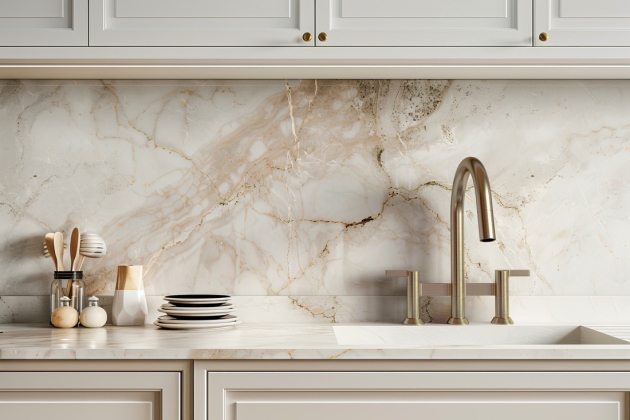
Choosing the wrong kitchen sink can create annoying and costly problems in the future. The most common kitchen sink buying mistakes homeowners make when purchasing sinks include ignoring the size of the sink, the depth, the fit with the cabinets, and the requirements needed for the installation.
Sinks come in various depths and sizes. Deep sinks can be cumbersome for lengthy cleanings, while shallow sinks can be frustrating when cleaning and washing large pots. Efficient kitchen design requires consideration of the size of the sinks, improvement of workflow, and long-term functionality. The material of the countertop, the layout of the kitchen, and the design of the kitchen sinks should be considered and matched before installation.
Learning how to choose a kitchen sink before you start a remodel helps you make better design choices with a correct balance of style and daily function and avoid expensive mistakes during the remodel.
Why Choosing the Right Kitchen Sink Matters More Than You Think
The kitchen sink is one of the most important features in a home, but is often overlooked. The kitchen sink goes far beyond washing dishes, as it plays an integral role in the prep and cleanup process and the overall efficiency in the kitchen. A bad sink design causes splashing, takes away from the counter workspace, and adds unnecessary obstacles to your daily tasks.
To illustrate the kitchen sink’s importance, let’s imagine this scenario. You have installed an attractive new farmhouse sink, but washing large pots causes back pain because you have to bend to reach it. Alternatively, small sinks lead to multiple washing loads that can be time-consuming, frustrating, and difficult to maneuver.
Selecting the optimal sink is an investment in comfort, ergonomics, and the quality of the cooking experience. Understanding the value of your kitchen sink can help you choose an option that enhances both functionality and design.
Most Common Kitchen Sink Buying Mistakes (2026)
Many homeowners don’t plan well when choosing sink types, which leads to common mistakes when buying a sink. For instance, choosing the wrong size, depth, or installation type contributes to daily inconveniences, additional costs, and inefficiencies.
Recognizing these common sink buying mistakes can help you choose the best sink to enhance usability and comfort, and improve your kitchen workflow.
Choosing the Wrong Sink Size
One major sink buying mistake is choosing a sink that doesn’t match your cabinet space. A sink that is too big can go over the counter and even reduce the area for food prep. A sink that is too small can make washing big pots a problem. To make sure your sink fits and works perfectly, you should measure your cabinets and counter space.
Ignoring Sink Depth
Not considering the depth of a sink is another common error. A deep sink can hurt your back from bending over repeatedly; however, if a sink is not deep enough, it may cause splashing and extra cleanup. Finding the right depth to align with cabinets and with the overall kitchen activity helps prevent back strain and maintains the function and cleanliness of the kitchen.
Picking the Wrong Installation Type
Choosing the incorrect type of sink installation is another common mistake among homeowners. There are many different types of sinks, like undermount, top mount, and farmhouse, and each type requires a different method of installation.
If the incorrect method is used, the sink can cause leaks and instability. Knowing the differences in installation methods before purchasing a sink can prevent mistakes and likely save you money.
Overlooking Cabinet Compatibility
Not every sink works with every cabinet, so it’s best to be cautious when buying a sink. If you don’t take cabinet width, depth, or internal support into account, you could end up with expensive alterations and delays for installation. You could also run into structural issues.
The best way to avoid all of these problems is to carefully measure your cabinets and check the placement of plumbing before deciding on a sink. This way, you can avoid problems with the function and appearance of your kitchen.
Choosing Style Over Function
A big problem in most households is that homeowners usually value style over usability when it comes to buying sinks. While some sinks can have an appealing look, some may not fit your cooking habits, dishwashing needs, or maintenance. It is important to find the right combination of balance and function, which will make your kitchen much more convenient for everyday tasks as well as pleasant to look at.
Sink Size Guide: What Actually Fits Your Kitchen
The appropriate kitchen sink size guide begins with cabinet width. The base cabinet in the majority of kitchens determines the maximum allowable size for the sink to be safely placed.
When it comes to small kitchens, having sinks about 24 to 30 inches wide is ideal. This allows for counter space to be used during food preparation. Medium kitchens usually allow for sinks about 30 to 36 inches, while larger kitchens can have even wider farmhouse or workstation sinks.
Choosing the right countertop layout is also critical. Oversized sinks in compact kitchens reduce usable surface area and make space feel crowded. Counter space should always be left adjacent to the sink area to allow space for food prep, small appliances, and dish drying.
Single-bowl sinks are the current kitchen design trend, as they cater to an uninterrupted wash space. On the other hand, double-bowl sinks are more useful for kitchens wishing to separate their wash and dry space.
When choosing sink size, homeowners should take the following measurements:
- Cabinet interior width
- Counter depth
- Faucet clearance
- Nearby appliance spacing
- Plumbing location
Choosing the right sink size decreases the number of expensive alterations that plumbing and the installation of other hardware may require.
Sink Depth: Finding the Right Balance
Choosing the right kitchen sink depth is crucial to making the kitchen experience more ergonomic and efficient. The depth of the sink can impact posture, splashing, the ease of cleaning, and many other factors that impact the overall usability of the sink.
Shallow sinks are usually around 7 to 8 inches in depth and are easier on the back. This makes them ideal for smaller kitchens. However, shallow sinks can create a lot of splashing when washing larger pieces of cookware.
Deeper sinks, around the 9-to-10-inch range, are better for larger-capacity sinks when washing pots, pans, and baking trays. Because of this, deeper sinks are more popular in kitchens used by larger families to prepare larger meals.
If a sink is between 9 and 10 inches deep, it has a good range for holding deep pots, pans, and baking trays. They are ideal for family kitchens that prepare food for a lot of family members.
While a sink that is extra deep above 10 inches may be appealing, it can be a huge inconvenience that requires a lot of reaching. Such a design can impact the experience negatively for many users.
A sink’s depth may also be impacted by countertop height. If someone is tall, a deeper sink can be used, but if someone is shorter, they may want a moderate depth, as it can be more comfortable.
The best way to find out what depth is best is to try a sink in person. If the sink feels comfortable when doing a test at the showroom, then it is likely to be comfortable when it is used at home.
Installation Types Explained: Undermount, Top-Mount, and Farmhouse
Choosing the right sink installation type plays a role in your kitchen style and affects your experience in it every day. Undermount, top-mount, and farmhouse sinks all provide different benefits. Knowing these will help homeowners design a kitchen that is easy to use and looks good.
Undermount Sinks
Undermount sinks are installed below the countertop. This means they are a seamless part of the counter and are excellent for styling and easy maintenance. Quartz and granite are the most used materials for luxury undermount sinks.
Top-Mount Sinks
Top-mount sinks rest on the counter and have exposed edges where the sink meets the countertop. They are often an affordable option and easier to install. Because they can be used with any countertop material, top-mount sinks can be useful for quick updates and renovations.
Farmhouse Sinks
Farmhouse sinks have deeper bowls to accommodate large cooking pots and have a large, exposed front panel. They are great for families where cooking large meals is the norm and best suited to bold kitchens. However, these sinks usually need more cabinet support and require careful planning to install.
Material Matters: Choosing the Right Sink Material
It’s important to choose the right kitchen sink material to achieve the best balance of durability and sturdiness. There are many types of sinks, including stainless, fireclay, composite, and cast iron. It’s important to understand all material options to make the perfect choice that suits your kitchen and home style.
Stainless Steel Sinks
Stainless steel sinks are so popular because they are affordable, durable, and easy to take care of. Heavy use is no problem for these sinks, and they look excellent in modern and transitional-type kitchens. Better quality stainless steel sinks are even more resistant to dents and help absorb sound.
Fireclay Sinks
Fireclay sinks have a classic look and a smooth surface. They don’t stain, scratch, or fade, making them a good choice for an active kitchen. Their durability, classic style, and warm finish make them a great choice in farmhouse kitchens as well.
Composite Sinks
Composite sinks are made of natural stone with a resin infusion. Compared to stainless steel sinks, composite sinks have a softer appearance. They tend to be more popular in modern-style kitchens because they are more aesthetically pleasing and available in a variety of colors and finishes. Composite sinks are extremely durable and resistant to damage from scratches, heat, and stains.
Cast Iron Sinks
Cast iron sinks have an enamel-coated finish and a vintage look that works with many kitchen styles. These sinks are durable with high resistance to scratches and are heavier than most other sinks. Properly reinforcing the cabinets is essential when installing a cast-iron sink, as these sinks significantly increase the weight of the kitchen setup.
How to Avoid Costly Installation Mistakes
Kitchen issues can start with overlooked small sink installation mistakes. These errors stem from planning mistakes during the construction. Small errors such as poor cabinet support, incorrect measurements, or choosing a sink that does not support the countertop can result in leaks, instability, and long-term issues.
Farmhouse and undermount sinks need additional support and professional installation to function correctly.
Before buying a sink, homeowners should check out the cabinet size, plumbing layout, and space for the faucet. If a sink gets installed without being checked for fitting, it ends up costing more to remodel. To avoid extra costs from water damage, be sure to use quality sealing and secure mounting to prevent damage around the countertop area.
Thoughtful planning and expert installation help improve longevity, decrease the likelihood of damage with time, and guarantee the sink works as intended for many years.
How to Choose the Right Sink for Your Lifestyle
To find the best kitchen sink for your home, consider how you cook, the kitchen size, your maintenance preferences, and the design. A good sink meets your comfort and style needs.
For Busy Family Kitchens
People with large kitchens or who tend to cook a lot typically prefer a design that incorporates large or deep sinks. Single-bowl sinks can fit large pots and pans, and double-bowl sinks can be used to separate washing, rinsing, and prep activities. These designs increase the effectiveness of a kitchen during the cooking and cleaning process.
For Compact or Minimalist Kitchens
Less is more when dealing with a smaller kitchen, and that is especially true with minimalist designs. Instead of wasting space with large sinks, opt for sleek single-bowl sinks to make your countertops look modern and clean and to preserve counter space. For those who need a seamless and less cluttered layout, undermount sinks are the way to go.
For Homeowners Who Prioritize Easy Cleaning
Different materials and styles of sinks require varying levels of maintenance. Many people prefer stainless steel sinks because they can stand up to the daily wear and tear of the kitchen and are simple to clean. Sinks with smoother surfaces and simple designs are also easier to maintain with regular cleaning because they do not allow dirt to build up.
For Style-Focused Kitchen Designs
If a homeowner decides to install a kitchen with first impressions in mind, a farmhouse sink is a wonderful choice. While a sink can serve as a focal point in a kitchen, many countertops also provide a unique finishing quality, have a more subdued texture, and typically feature a softer coating that may be associated with designer finishes. It is important that a sink be both visually and functionally versatile.
Explore Kitchen Sink Options at Universal Appliance and Kitchen Center
When designing the kitchen, it is important to see the sinks in person. Online photos don’t show the materials, depth, installation style, or bowl size. By comparing the styles of various kitchen sinks Southern California homeowners prefer, they can find the sink that works best for their kitchen layout and cooking habits.
Universal Appliance and Kitchen Center helps homeowners, designers, and remodelers compare sink configurations, materials, and installation styles in the showroom. Comparative viewing helps simplify the decision-making of multiple styles from farmhouse, undermount, top-mount, stainless steel, and composite options.
Strategically selecting countertop and cabinetry options helps a kitchen remodeling project avoid unnecessary delays or costly alterations. Consulting our knowledgeable professionals about sink requirements, determining their size, and detailing their installation helps avoid costly and time-consuming issues in the future.
Whether you are renovating your kitchen for a modern style or updating it for a more timeless look, Universal Appliance and Kitchen Center provides solutions for kitchens with very functional, stylish sinks. If you want to upgrade your kitchen and are considering a more premium sink, you can contact us for information or learn about different options, installations, and planning assistance to help remodel your kitchen.