
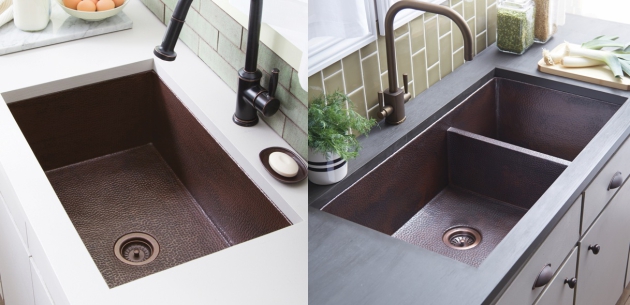
When deciding between a single bowl vs. a double bowl sink, the difference lies in size and functionality. A single bowl sink has a large basin, making it accessible to wash large cookware like baking sheets, pots, and cutting boards. Because of their size, single-bowl sinks are preferred by busy homeowners who want more space and flexibility while cleaning up.
A double bowl kitchen sink divides a sink basin into two sections, allowing you to wash on one side and rinse on the other simultaneously. The following kitchen sink bowl comparison indicates that the right choice for your kitchen sink depends mainly on your kitchen habits and the style of the kitchen in general.
When you research and explore various kitchen sink options, it becomes easier to select a style that matches both workflow and available space.
What is a single-bowl kitchen sink?
With their simplicity and space-conscious designs, single-bowl kitchen sinks are a common choice for many homes. When it comes to washing and food prep, it offers greater comfort and ease due to its large, open area. Below are a few factors that help you understand single-bowl kitchen sinks and their characteristics.
One Large Basin
A single-bowl kitchen sink has a large basin without a divider. Due to their design, homeowners have the option to place large kitchen tools (e.g., large pots and pans, mason jars, cutting boards, etc.) in the sink without needing to reposition anything. This design is flexible when cooking gets busy.
Increased Washing Space
A large basin kitchen sink without a partition allows homeowners to tackle multiple cleaning jobs at once. Unlike other sinks, a large basin enables homeowners to clean even oversized pots and pans quickly and easily. The added space promotes efficiency and reduces limitations on daily food cleaning activities.
Modern Kitchen Popularity
Single bowl kitchen sinks have a simple design and a cleaner look, which has made them a mainstay choice in design-oriented kitchens. The preference for single sinks is strong in homes where the design philosophy revolves around spaciousness and visual simplicity.
What Is a Double Bowl Kitchen Sink?
The design of a double bowl kitchen sink splits the tub into two working areas, making kitchen tasks more organized. It is a good fit for families that like structured workflows while cooking and cleaning. Here are the key factors that help you better understand how a double bowl sink helps to organize various tasks.
Divided Basin
A double bowl kitchen sink has two bowl basins contained in one unit. The two-compartment sink design allows users to perform multiple tasks simultaneously and combine different tasks, such as cleaning, food prep, and dish management, without intermixed activities in the workspace.
Multitasking Convenience
One advantage of a two-compartment sink is its multitasking ability. While one side can be dedicated to soaking, rinsing, or food prep, the other side can be used for food prep as well. The capability to do multiple tasks at once enhances the efficiency of busy kitchens.
Washing and Rinsing Simultaneously
Homeowners with double-bowl kitchen sinks can wash and rinse in separate compartments at the same time. This allows for a more structured cleaning process. This is helpful during meal prep or cleaning after cooking as it minimizes task interruptions.
Functional Differences Between Single and Double Bowl Sinks
When doing a kitchen sink functionality comparison, the main focal point is the sink basin design and how it accommodates your daily kitchen operations. While it is a matter of preference, some homeowners may prefer flexible features that create an open space, while others may prefer an organized space that provides more structured areas for operations.
Dishwashing Workflow
For most people, sink design is about functionality. A single-bowl sink provides an efficient and pleasant workflow, as all the washing is done in the same space. In comparison, the workflow with a double bowl sink is more organized. This is because one sink is dedicated to washing and the other to rinsing or drying.
Washing Large Cookware
Single bowl sinks are more practical when washing large items such as pots, baking trays, and pans. The open sink basin design enables you to place large cookware to wash without the need to adjust the angle. A double bowl sink may be more restrictive due to a divider.
Rinsing Vegetables
An essential part of cooking is washing vegetables. A double bowl sink means you can wash vegetables in one bowl and keep the rest of the items in the other bowl. However, a single bowl sink can also be flexible and offers enough space for rinsing.
Kitchen Space and Cabinet Size Considerations
It is important to consider both style and space when selecting a sink. The kitchen sink cabinet size and the overall space designated for sink installation are also key factors for determining the correct size and type of sink for your kitchen.
Sink Base Cabinet Width
The type of sink that can be installed depends on the width of the sink base cabinet. A wider cabinet can support a larger sink, while a standard cabinet can support a smaller sink. A sink works better when it is planned around the kitchen sink cabinet size. This prevents the sink from compromising the surrounding cabinetry.
Larger Sinks Requiring More Space
Larger single-bowl sinks usually require additional sink installation space to fit their wider basins. This may prompt homeowners to choose larger cabinets or even change their kitchen layout to fit their new, larger single bowl sink. A lack of sink installation space can make the installation of sinks difficult.
Kitchen Layout Compatibility
Every kitchen layout is different, so the sink must fit naturally within the design. The sink installation space should match the available space on the counters, the plumbing, and the area with nearby appliances. With proper space planning, the sink will integrate seamlessly with the kitchen, with no spacing or functional issues.
Cleaning and Maintenance Differences
Cleaning is a highly important factor when determining which sink style to buy. You can easily maintain single and double-bowl sinks by following these kitchen sink maintenance tips. The following cleaning differences may help you determine which style best suits your needs.
Cleaning One Basin vs Two
A single-bowl sink is easier to clean than a double-bowl sink. Because a double bowl sink is divided, you have to clean both sides. With a single bowl sink, there is no divider, so you can quickly wipe and rinse the surface, requiring less time.
Debris Buildup in Divider Areas
In a double-bowl sink, food debris and residue can accumulate in the divider between the basin bowls. Regularly cleaning a sink is essential for preventing residue and odors. Following proper sink cleaning tips can help reduce food and unwanted odors or stains.
Routine Maintenance
Wiping down and rinsing off sinks is part of good sink maintenance. After each use, giving the sink a quick clean and drying it helps maintain its hygiene. With maintenance and a daily cleaning routine, both sink types can stay in good shape.
Design and Aesthetic Considerations
Aside from being useful, the style of a sink can easily change the appearance of your kitchen. Different kitchen sink styles play different roles in the overall theme of the space. An aesthetically pleasing, modern kitchen sink design can help enhance your kitchen’s style.
Minimalist Kitchens
Clean lines and simple surfaces are key components of a minimalist kitchen. This style often features single-bowl sinks. They are open and uncluttered and integrate seamlessly with the counter to promote a clean and simple aesthetic.
Contemporary Layouts
When you have a modern design with an open layout, both types of sinks can work depending on the intention of the design. A single bowl sink can make things look more minimal, while a double bowl sink can provide the organization of work. It is completely subjective to the design and the usability of the kitchen, which bowl sink is preferred.
Sink Visibility in Design
Sinks are prominently displayed in a kitchen, so their design matters. Carefully choosing sink styles ensures the sink harmonizes with cabinets, counters, and decor. Good design of modern kitchen sink styles creates a more balanced, better-planned kitchen space.
Premium Kitchen Sink, Fixtures, and Faucets Brands
Performance, durability, and style are essential when buying luxury kitchen sinks. There are many premium kitchen sink brands that focus on value-added solutions that balance style and daily kitchen use. The following premium kitchen sink brands offer both reliable quality and design.
Alfi Kitchen Sinks
Craftsmanship has always been crucial in designing sinks that are aesthetically pleasing and functional. Alfi kitchen sinks provide homeowners with an elegant and balanced feel. These sinks are designed to have a refined look, make the kitchen comfortable, and maintain a high level of functionality.
Barclay Kitchen Sinks
A sink gets used several times a day for washing various things, so durability is a critical factor. Barclay kitchen sinks are designed for daily use. Their strong construction helps them perform better and last longer while reducing frequent and annoying repairs.
Dornbracht Plumbing Fixtures
The quality of the sink’s materials and finish impacts its overall look and durability. Dornbracht plumbing fixtures complement the quality of finishes and overall design. The sinks and accessories are made to withstand the test of time, protecting your investment and providing a modern appearance.
Newport Brass Kitchen Faucets
Newport Brass kitchen faucets are fantastic for pairing with sinks, as they assist in completing the overall kitchen aesthetic. These faucets are designed to match various sink styles whilst offering excellent durability and performance. Their finishes are designed to last and help with both function and aesthetic consistency in the kitchen.
Which Sink Type Works Best for Your Cooking Style?
Finding the best kitchen sink for cooking and food prep depends on how the kitchen is utilized daily. A kitchen sink selection guide starts with the kitchen user’s routine cooking frequency, the type of cooking equipment, and the preferred sink cleaning method.
Frequent Cooking
Frequent cooks need sinks built to endure frequent use. A single bowl sink offers open space, providing space to wash items quickly without the need to move between sections. For more frequent use, the single bowl sink provides an uninterrupted workflow.
Large Cookware
If you frequently use large pots, pans, and baking trays, you might consider a single-bowl sink. Large basins let you wash oversized items without having to maneuver them, making cleanup after cooking more comfortable and convenient.
Dishwashing Preferences
If you prefer to wash and keep things separate, a double bowl sink may be the most practical for you. One side can be used to wash, and the other side can be used to rinse or even dry. This type of design is practical for organized kitchen designs.
Explore Kitchen Sinks and Fixtures at UAKC
Picking the right sink is more than just picking something you like. You must consider how it will function, look, and fit in your space. Exploring different premium kitchen sinks in person helps homeowners understand how possible options perform in real kitchen environments. Different styles, sizes, and variations of sinks available at Universal Appliance and Kitchen Center help match a sink to a kitchen’s needs and design.
Universal Appliance and Kitchen Center offers a range of kitchen remodeling fixtures that homeowners and designers can use to achieve their desired design, whether modern or traditional. Side-by-side comparison between single and double bowl sinks can be very helpful in understanding how each bowl basin can work to enhance productivity and how they can be incorporated into different workflows. It is especially helpful for customers planning renovations to align each detail with the kitchen’s purpose.
The wide variety of kitchen sinks helps, but guidance from professionals makes it even better. Homeowners can contact UAKC showroom specialists to discuss layout, materials, and structural options. This input optimizes sink selection and aligns the cabinets and countertops with the homeowner’s daily kitchen routines, leading to an ultimately planned and functional kitchen space.